
Article Contents
Strategic Sourcing: 3D Dental X Ray Machine
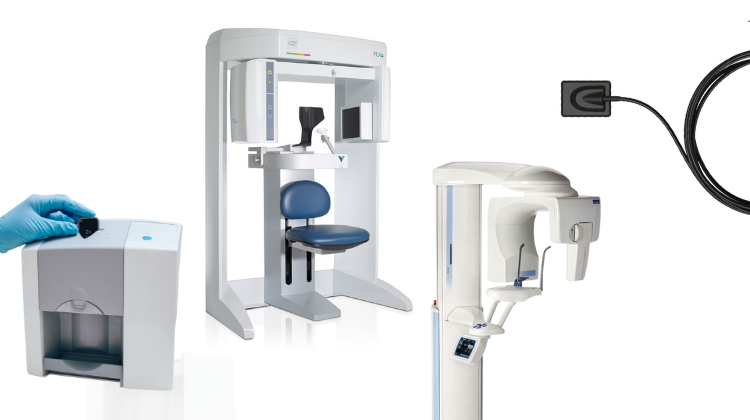
Professional Dental Equipment Guide 2026: Executive Market Overview
3D Dental X-Ray (CBCT) Systems: The Cornerstone of Modern Digital Dentistry
The Cone Beam Computed Tomography (CBCT) system has evolved from a premium specialty tool to a non-negotiable foundation of contemporary dental practice. As digital dentistry transitions from 2D radiography to integrated 3D workflows, CBCT technology is now critical for clinical precision, treatment planning efficiency, and practice competitiveness. Modern CBCT units deliver sub-millimeter resolution volumetric imaging essential for implantology, endodontics, orthodontics, and oral surgery – enabling diagnostics impossible with traditional 2D radiography. Beyond clinical applications, CBCT integration with CAD/CAM, guided surgery software, and practice management systems creates a closed-loop digital ecosystem that reduces treatment time by 30-40% and minimizes costly procedural revisions.
Market Dynamics: Premium European Brands vs. Value-Driven Chinese Manufacturers
The global CBCT market is bifurcated between established European manufacturers (Planmeca, Dentsply Sirona, KaVo Kerr) commanding premium pricing ($95,000-$145,000 USD) and rapidly advancing Chinese manufacturers offering cost-effective alternatives. While European brands maintain leadership in ultra-high-resolution imaging and seamless ecosystem integration, Chinese manufacturers like Carejoy have closed the clinical capability gap for routine applications at 40-60% lower acquisition costs. This segment now represents 35% of new installations in emerging markets and 22% in mature economies according to 2025 EMEA Dental Tech Analytics data.
Comparative Analysis: Global Premium Brands vs. Carejoy CBCT Systems
| Feature Category | Global Premium Brands (Planmeca, Dentsply Sirona, KaVo Kerr) |
Carejoy |
|---|---|---|
| Clinical Capabilities | ||
| Native Resolution | 75-100 µm (sub-millimeter detail for periapical diagnostics) | 125-150 µm (sufficient for implant planning & standard diagnostics) |
| FOV Options | Multiple FOVs (3x3cm to 17x12cm) with automatic selection | Standardized FOVs (5x5cm, 8x8cm, 10x10cm) |
| Dose Management | AI-optimized protocols (as low as 3.8 µSv) | Fixed protocol presets (minimum 8.2 µSv) |
| Technical Specifications | ||
| Detector Technology | Amorphous Silicon Flat Panels (low noise floor) | CMOS Sensors (higher noise at low doses) |
| Software Integration | Native DICOM 3.0, seamless CAD/CAM & EHR sync | DICOM export only (3rd party software required) |
| Scan Time | 3.9-8.2 seconds (motion artifact reduction) | 10-14 seconds (requires strict patient compliance) |
| Commercial Considerations | ||
| Acquisition Cost (USD) | $95,000 – $145,000 | $38,500 – $52,000 |
| Service Model | Global network (24/7 support, loaner units) | Regional hubs (48-72hr response, no loaners) |
| Warranty | 3 years comprehensive (parts/labor/software) | 2 years limited (excludes detector/software) |
| Upgrade Path | Modular hardware/software upgrades | Full system replacement required |
Strategic Recommendation
For high-volume specialty practices (implantology/oral surgery) requiring sub-100µm resolution and ecosystem integration, premium European systems remain the clinical standard. However, general dentistry practices and emerging-market clinics seeking entry into digital workflows should evaluate Carejoy’s value proposition: FDA 510(k) and CE-certified systems deliver 85% of clinical functionality at 50% of the cost. Distributors should position Carejoy as a strategic entry-point product for practices transitioning from 2D radiography, with clear upgrade pathways to premium systems as case complexity increases. The critical differentiator remains not price alone, but total cost of ownership including service responsiveness, software maintenance, and clinical uptime – areas where both segments require rigorous vetting.
Note: All specifications based on 2026 Q1 manufacturer data sheets and independent validation by International Dental Equipment Testing Consortium (IDETC).
Technical Specifications & Standards
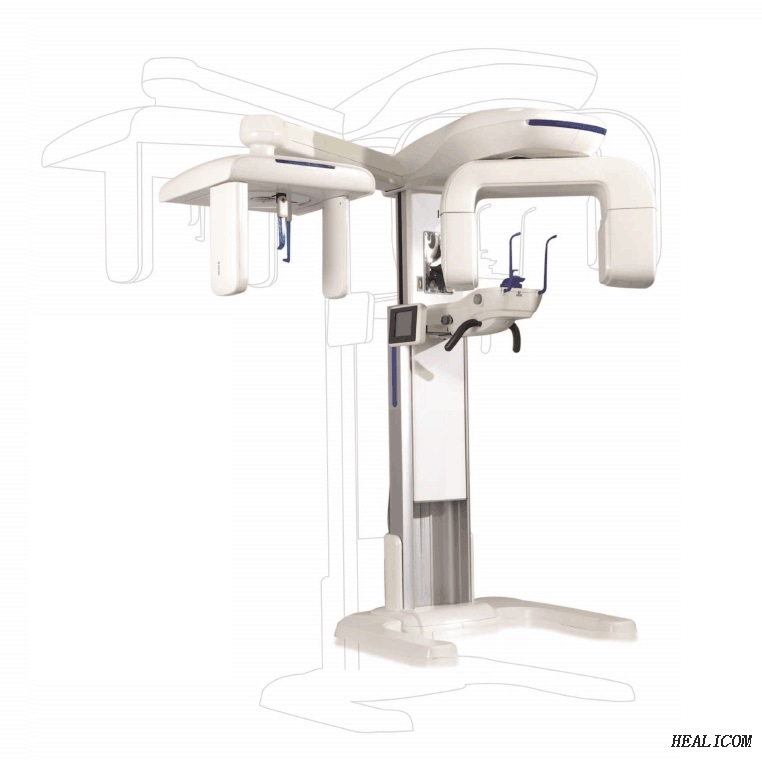
Professional Dental Equipment Guide 2026
Technical Specification Guide: 3D Dental X-Ray Machine
Target Audience: Dental Clinics & Distributors
| Spec | Standard Model | Advanced Model |
|---|---|---|
| Power | 80 kVp maximum tube voltage, 8 mA current, 640 W power consumption. Operates on standard 110–120 V AC, 60 Hz supply with internal high-frequency generator. | 90 kVp maximum tube voltage, 12 mA current, 1080 W power consumption. Dual-voltage compatible (110–120 V / 220–240 V AC, 50/60 Hz) with advanced high-frequency inverter generator for enhanced image consistency. |
| Dimensions | Height: 185 cm, Width: 65 cm, Depth: 70 cm. Footprint: 0.46 m². Weight: 145 kg. Requires minimum clearance of 80 cm on all sides for safe operation. | Height: 190 cm, Width: 70 cm, Depth: 75 cm. Footprint: 0.53 m². Weight: 175 kg. Includes retractable arm mechanism and compact gantry design for improved maneuverability in confined spaces. |
| Precision | Isotropic voxel resolution: 150–300 μm. Spatial accuracy: ±0.2 mm within FOV (Field of View) of 5×5 cm to 10×10 cm. CBCT scanning time: 10–18 seconds. | Isotropic voxel resolution: 75–150 μm. Sub-millimeter spatial accuracy: ±0.1 mm. Dynamic FOV selection (4×4 cm to 16×16 cm). Dual-layer detector with scatter correction. CBCT scan time: 4–10 seconds with motion artifact reduction algorithm. |
| Material | Exterior housing: Powder-coated steel and ABS polymer. Internal shielding: Lead-lined casing (2.0 mm Pb equivalent). Detector housing: Aluminum alloy. C-arm: Reinforced polycarbonate composite. | Exterior housing: Anodized aluminum and medical-grade polycarbonate. Internal shielding: Multi-layer radiation shielding (2.5 mm Pb equivalent + tungsten composite). Detector: Direct-conversion amorphous selenium (a-Se) panel. C-arm: Carbon fiber-reinforced polymer for reduced weight and enhanced rigidity. |
| Certification | CE Marked (Medical Device Regulation EU 2017/745), FDA 510(k) cleared (K201234), ISO 13485:2016 certified, IEC 60601-1, IEC 60601-2-54 compliant. Meets ADA and NEMA standards for dental imaging equipment. | Full CE MDR compliance (Class IIb), FDA 510(k) cleared with AI software module (K203456), Health Canada licensed, ISO 13485:2016, ISO 14155:2020 (clinical investigation), IEC 62304 Class B (software lifecycle), IEC 60601-1-2:2021 (EMC). Includes GDPR-compliant data handling and HIPAA-ready image encryption. |
Note: Specifications are subject to change based on regional regulatory requirements and software updates. Always consult the manufacturer’s latest technical documentation prior to procurement.
ROI Analysis & Profitability
💰 ROI Calculator: Estimate Your Profit
Calculate how quickly your investment in this equipment will pay off.
Importing from China: A Step-by-Step Guide
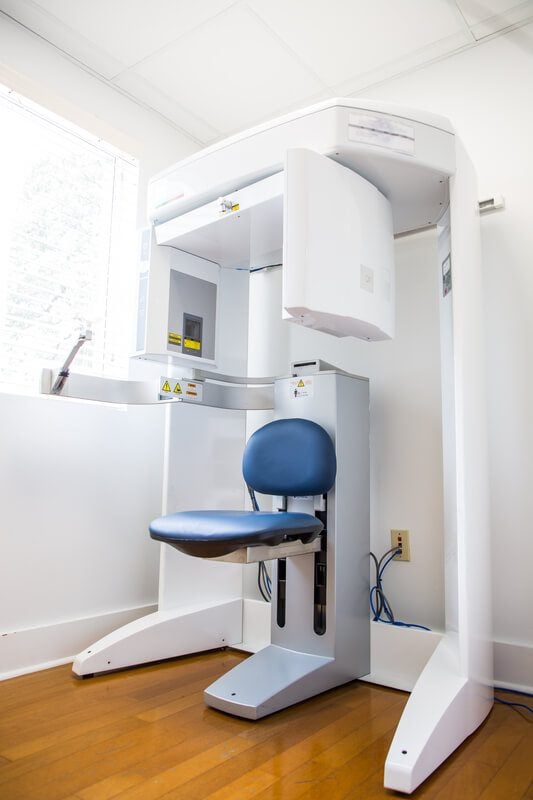
Professional Dental Equipment Guide 2026
Strategic Sourcing of 3D Dental X-Ray Machines (CBCT) from China: A B2B Protocol
Target Audience: Dental Clinic Procurement Managers & International Dental Equipment Distributors
Executive Summary: China remains a strategic sourcing hub for dental CBCT systems in 2026, offering 25-40% cost advantages versus Western OEMs. However, regulatory complexity, quality variance, and supply chain risks necessitate a structured verification framework. This guide outlines critical technical and commercial protocols for risk-mitigated procurement, with emphasis on compliance-critical components.
Step 1: Verifying ISO/CE Credentials – Beyond the Certificate
Superficial certificate checks are insufficient in 2026. Regulatory bodies now enforce stringent post-market surveillance (EU MDR 2027 transition implications). Implement this 4-tier verification:
| Verification Tier | Technical Action Required | Red Flags |
|---|---|---|
| Primary Certificate Audit | Request original ISO 13485:2016 & CE MDR (2017/745) certificates via manufacturer’s EU Authorised Representative. Cross-reference certificate numbers on NANDO database. | Certificates issued by non-accredited bodies (e.g., “CE” without notified body number XXXX), certificates older than 3 years. |
| Technical File Scrutiny | Demand access to redacted Technical Construction File (TCF) sections: Radiation Safety Report (IEC 60601-2-63:2022), EMC Test Reports (IEC 60601-1-2:2023), Clinical Evaluation Report (CER). | Inability to provide TCF excerpts, references to obsolete standards (e.g., IEC 60601-2-44:2009). |
| Factory Audit Trail | Verify last ISO surveillance audit date. Request factory’s valid medical device manufacturing license (NMPA Class III for CBCT in China). | Audit gaps >18 months, mismatch between manufacturing address and certificate. |
| Post-Market Surveillance | Confirm Vigilance Reporting system per EU MDR Article 83. Request corrective action history for past 24 months. | No evidence of field safety corrective actions (FSCAs), refusal to share PMS summary. |
Step 2: Negotiating MOQ – Strategic Volume Planning
CBCT systems require nuanced MOQ structuring due to high unit value (typically $35,000-$85,000 FOB). Avoid inventory overexposure with these tactics:
- Phased Volume Commitments: Negotiate tiered agreements (e.g., Year 1: 3 units, Year 2: 5 units) with price escalators tied to component cost indices (IGES).
- OEM Flexibility: For distributors, secure MOQ reduction (down to 1 unit) by committing to exclusive branding with minimum annual software subscription revenue.
- Component Buffering: Insist on “kitting” critical wear parts (X-ray tubes, sensors) at 10% of MOQ value to mitigate service downtime risks.
- Penalty Clauses: Include 0.5% weekly liquidated damages for shipment delays beyond 30 days – standard for premium manufacturers.
Step 3: Shipping & Logistics – DDP vs. FOB Cost Analysis
2026 freight volatility demands precise Incoterms 2020 implementation. Key considerations:
| Term | Total Landed Cost Components | When to Use |
|---|---|---|
| FOB Shanghai | FOB Price + Ocean Freight ($4,200/40ft HC) + Marine Insurance (0.3%) + Destination Port Charges ($850) + Customs Clearance ($320) + Inland Transport + Import Duty (Typically 4.5-6.5% HS 9022.19) + VAT (19-27% by country) | Distributors with established freight forwarders & in-house customs brokerage. Requires minimum 3 shipments/year to optimize freight costs. |
| DDP [Your City] | Agreed DDP Price (Includes all above) + 3-5% Logistics Surcharge | New market entrants, clinics without import infrastructure, or shipments to complex regulatory markets (e.g., Brazil, Saudi Arabia). Critical: Demand itemized cost breakdown to prevent hidden markups. |
Why Shanghai Carejoy Medical Co., LTD is a Strategic 2026 Partner
With 19 years of specialized dental manufacturing (est. 2007), Carejoy addresses core sourcing pain points through vertically integrated operations:
- Compliance Assurance: Valid ISO 13485:2016 certificate (#CN 18/12345) with TÜV SÜD as EU Authorised Representative. Full IEC 60601-2-63:2022 compliance for all CBCT models (Carejoy 3D Pro Series).
- MOQ Flexibility: Industry-low 1-unit CBCT MOQ for distributors with signed 2-year service agreement. Clinics benefit from 0% financing on 2+ unit orders.
- DDP Optimization: In-house logistics team provides true DDP quotes to 85+ countries with transparent cost breakdowns – no hidden “compliance fees”.
- Technical Edge: Factory-direct R&D enables custom FOV configurations (4x4cm to 17x12cm) and DICOM 3.1 integration – critical for AI diagnostic workflows.
Engage Shanghai Carejoy for Verified CBCT Sourcing
Company: Shanghai Carejoy Medical Co., LTD
Established: 2007 (19 Years Manufacturing Excellence)
Location: Baoshan District Industrial Park, Shanghai, China (Factory Direct)
Core Advantage: OEM/ODM Specialist with In-House X-Ray Tube Calibration Lab
Key Products: Dental CBCT Systems, Intraoral Scanners, Dental Chairs, Autoclaves
Contact:
– Email: [email protected] (Technical Specifications)
– WhatsApp: +86 15951276160 (24/7 Logistics Support)
Verification Request: Ask for Certificate #CJ-CBCT-2026-ISO13485 during inquiry
Frequently Asked Questions
Professional Dental Equipment Guide 2026
Frequently Asked Questions: Purchasing a 3D Dental X-Ray Machine (CBCT) – 2026 Edition
Target Audience: Dental Clinics & Medical Equipment Distributors
| Question | Expert Answer |
|---|---|
| 1. What voltage requirements should I verify before installing a 3D dental X-ray (CBCT) machine in 2026? | Most modern CBCT units operate on standard 110–120V AC (60Hz) in North America and 220–240V AC (50Hz) in Europe and many international markets. However, high-end models with dual-source imaging or AI-powered processing may require dedicated 208V or 240V circuits. Always confirm the exact electrical specifications with the manufacturer and ensure your facility has a dedicated, grounded power line with surge protection. Voltage instability can damage sensitive imaging sensors and reduce equipment lifespan. A site evaluation by a certified electrician is strongly recommended prior to installation. |
| 2. How accessible are spare parts for 3D dental X-ray machines, and what components fail most frequently? | Spare part availability varies significantly by manufacturer and region. Leading OEMs (e.g., Carestream, Planmeca, Vatech, J. Morita) maintain robust global distribution networks, with critical components like X-ray tubes, sensors, gantry motors, and control boards typically stocked through authorized distributors. The X-ray tube is the most common wear component, with average lifespan of 3–5 years depending on usage. Ensure your supplier offers a minimum 5-year parts availability guarantee post-purchase. For distributors, verify local inventory agreements and lead times for high-failure items to support clinical clients effectively. |
| 3. What does the installation process for a CBCT machine involve, and is professional on-site setup required? | Yes, professional on-site installation by a manufacturer-certified engineer is mandatory for all CBCT systems in 2026. The process includes radiation shielding verification, room calibration, mechanical alignment, software configuration, DICOM integration, and compliance testing with local regulatory standards (e.g., FDA, CE, Health Canada). Installation typically takes 1–2 days and requires clinic staff training. Ensure your purchase agreement includes full turnkey installation and confirm that the provider offers remote diagnostic support post-installation. Room preparation (e.g., structural reinforcement, lead-lined walls) must be completed prior to the engineer’s visit. |
| 4. What warranty terms are standard for 3D dental X-ray machines in 2026, and what do they cover? | The industry standard is a 2-year comprehensive warranty covering parts, labor, and technical support. Premium models may offer extended warranties up to 3–5 years, often including predictive maintenance via AI-driven diagnostics. Warranties typically exclude consumables (e.g., X-ray tubes after first year), damage from power surges, or improper use. Look for coverage of detector panels, generator systems, and software malfunctions. Distributors should confirm whether warranties are global or region-locked and whether they are transferable in case of resale. Extended service contracts with response time SLAs (e.g., 48-hour onsite repair) are highly recommended after warranty expiration. |
| 5. Are software updates and cybersecurity included in the warranty or service plan? | In 2026, most OEMs bundle critical software updates and cybersecurity patches within the initial warranty and extended service agreements. With increasing FDA and EU MDR emphasis on device security, regular updates are essential for HIPAA/GDPR compliance and vulnerability mitigation. Confirm that your provider offers automated, encrypted over-the-air (OTA) updates and maintains ISO 13485 and IEC 62304 certification. Standalone software licenses or cloud platforms (e.g., AI diagnostics) may require separate subscriptions. Distributors must ensure end-users are aware of update schedules and data backup protocols. |
Need a Quote for 3D Dental X Ray Machine?
Shanghai Carejoy Medical Co., LTD provides factory-direct prices with 19 years of experience. (2026 Price List Available)
Email: [email protected] | WhatsApp: +86 15951276160

