Article Contents
Strategic Sourcing: Automatic Chairs
Professional Dental Equipment Guide 2026: Executive Market Overview
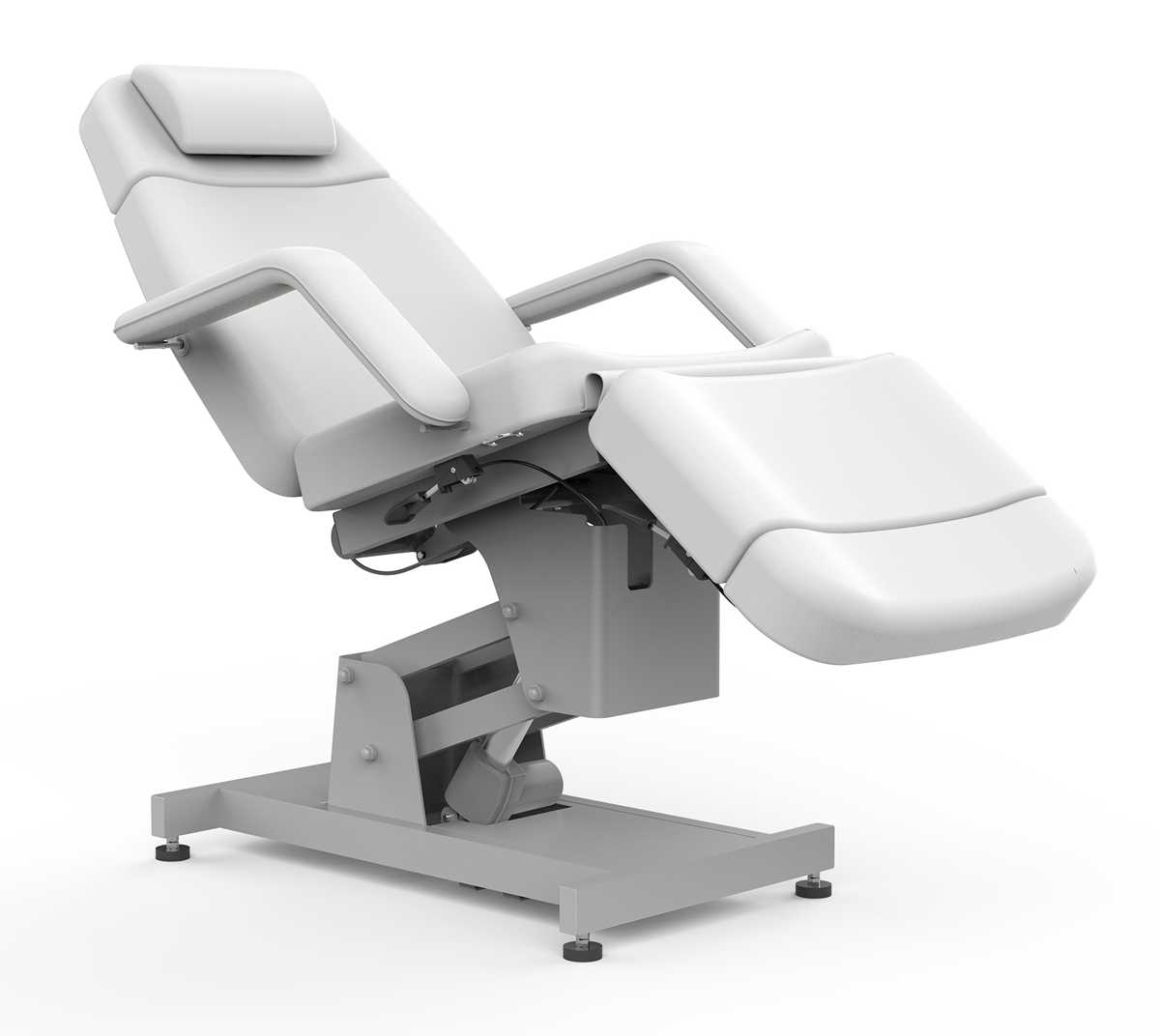
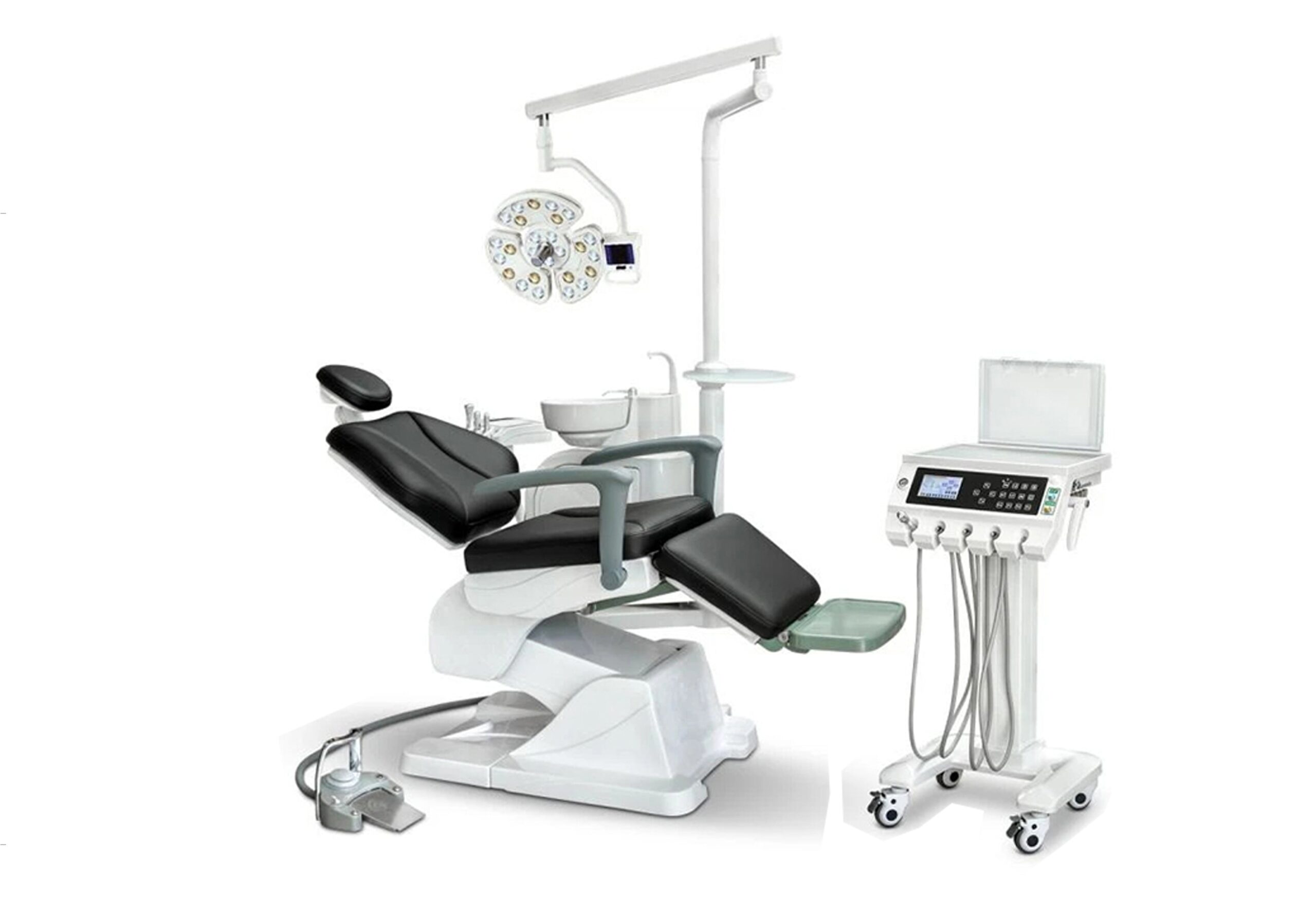
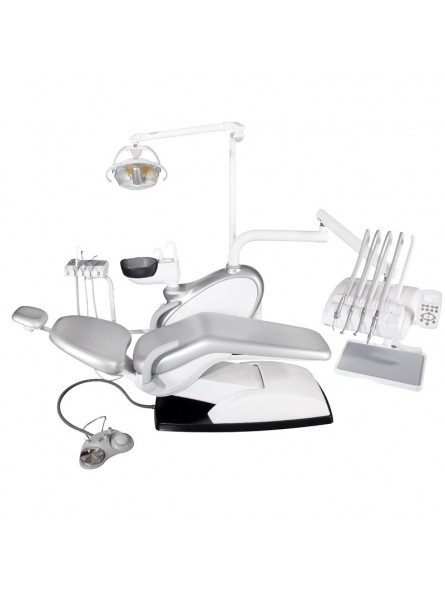
Automatic Dental Chairs: The Strategic Core of Modern Digital Dentistry
The global market for automatic dental chairs is experiencing accelerated transformation, driven by the irreversible shift toward integrated digital workflows. No longer mere seating platforms, today’s automatic chairs serve as the central nervous system of the modern operatory, enabling precision, efficiency, and enhanced clinical outcomes. Projections indicate sustained growth (CAGR 6.8% through 2026), with digital integration capabilities becoming the primary differentiator beyond basic ergonomics.
Strategic Imperative: Automatic chairs are critical infrastructure for contemporary digital dentistry. Their role extends far beyond patient positioning; they are the physical and data integration hub connecting intraoral scanners, CAD/CAM systems, cone beam CT, and practice management software. Seamless chair-to-system communication enables automated workflow triggers (e.g., chair positioning upon scanner activation), reduces manual data entry errors, and optimizes clinical throughput. Chairs lacking robust API support and IoT connectivity create operational silos, directly impacting case acceptance rates, treatment planning accuracy, and ultimately, practice profitability. The ROI horizon for digitally integrated chairs is now demonstrably under 18 months in high-volume practices.
Market Segmentation: Premium European vs. Value-Optimized Asian Manufacturing
The market bifurcates sharply between established European manufacturers and agile Asian producers. European brands (Dentsply Sirona, Planmeca, A-dec, W&H) dominate the premium segment (€35,000-€55,000+ per unit), emphasizing legacy engineering, brand prestige, and deep integration within their own ecosystem. While offering exceptional build quality and clinical refinement, their closed-system architectures often limit interoperability with non-native digital devices, creating vendor lock-in. Total Cost of Ownership (TCO) is significantly elevated by proprietary service contracts (typically 8-12% of MSRP annually) and extended lead times for parts (often 4-8 weeks).
Conversely, value-optimized manufacturers like Carejoy (representing the advanced tier of Chinese production) are capturing significant market share among cost-conscious clinics and distributors seeking competitive margins. Carejoy leverages modern manufacturing (ISO 13485 certified facilities), standardized digital interfaces (Open Dental API, HL7 compatibility), and a direct-to-distributor model to deliver chairs at 40-60% below European premium pricing (€18,000-€28,000 range). Crucially, Carejoy prioritizes open-system architecture, enabling seamless integration with leading third-party digital equipment from diverse vendors – a decisive advantage in heterogeneous clinical environments.
Strategic Comparison: Global Premium Brands vs. Carejoy (2026)
| Comparison Parameter | Global Premium Brands (Sirona, Planmeca, A-dec) | Carejoy |
|---|---|---|
| Typical Price Range (EUR) | €35,000 – €55,000+ | €18,000 – €28,000 |
| Digital Integration Architecture | Proprietary/Closed Ecosystem (Limited 3rd party compatibility) | Open API & Standard Protocols (HL7, Open Dental) – Full 3rd party compatibility |
| IoT & Data Connectivity | Basic telemetry (vendor-specific); Limited real-time data sharing | Advanced IoT Suite: Real-time usage analytics, predictive maintenance alerts, cloud-based fleet management |
| Service & Support Network | Global presence but high labor rates; Parts lead time: 4-8 weeks; Annual service contract: 8-12% MSRP | Rapid-response regional hubs (EU/NA); Parts lead time: 3-7 days; Transparent per-visit pricing; Annual contract: 4-6% MSRP |
| Warranty Coverage | 2-3 years standard (excludes consumables/software) | 3 years comprehensive (includes software, key components) |
| Customization Flexibility | High (but significant cost premiums) | High (modular design; cost-effective personalization) |
| Distributor Margin Structure | 15-25% (Tiered; high inventory commitment) | 30-40% (Flexible inventory options; co-marketing support) |
| ROI Horizon (High-Volume Clinic) | 24-36 months | 14-18 months |
Strategic Recommendation for Clinics & Distributors
While European premium brands retain value in flagship clinics prioritizing brand alignment within a single-vendor ecosystem, the operational and financial advantages of strategically selected value-optimized manufacturers like Carejoy are compelling for the majority of practices. The critical 2026 differentiator is interoperability, not just mechanical reliability. Carejoy’s commitment to open standards, coupled with dramatically improved build quality and responsive support, delivers superior TCO and faster ROI without sacrificing essential digital functionality. Distributors should prioritize partnerships offering robust technical training, transparent logistics, and flexible commercial terms – areas where Carejoy’s model provides distinct advantages in the current market dynamics. Investment in digitally integrated automatic chairs is no longer optional; selecting the right partner with future-proof architecture is paramount to sustainable practice growth.
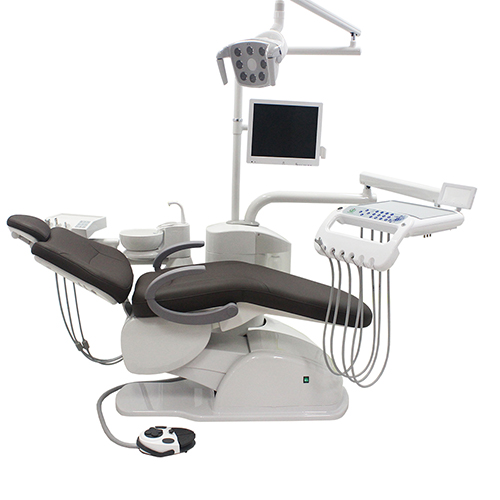
Technical Specifications & Standards
| Spec | Standard Model | Advanced Model |
|---|---|---|
| Power | Single-phase AC 230V ±10%, 50/60 Hz, 1.2 kW motor with hydraulic drive system. Integrated overload protection and emergency manual descent backup. | Three-phase AC 400V ±10%, 50/60 Hz, 1.8 kW brushless DC motor with electro-mechanical actuation. Dual redundant power supply option available. Energy-efficient mode with auto-standby after 15 minutes of inactivity. |
| Dimensions | Chair height adjustable: 520–880 mm. Overall length: 1,650 mm. Width: 680 mm. Weight capacity: 180 kg. Base footprint: 720 mm diameter. | Chair height adjustable: 490–920 mm. Overall length: 1,720 mm. Width: 720 mm (with contoured lumbar support). Weight capacity: 220 kg. Compact base with 360° swivel (680 mm effective footprint). |
| Precision | Positioning accuracy: ±2 mm. 8 programmable memory positions via footswitch. Manual backrest and leg rest control with detent locking. Repeatable positioning within 1.5° angular tolerance. | Positioning accuracy: ±0.5 mm. 16 programmable ergonomic presets with touchscreen interface and RFID clinician profile recognition. Motorized synchronized backrest and leg rest with real-time load compensation. Angular repeatability within 0.3°. |
| Material | Frame: Reinforced die-cast aluminum alloy. Upholstery: Medical-grade polyurethane (PU) with antimicrobial coating. Armrests: High-impact ABS with soft-touch overlay. Non-porous, chemical-resistant surfaces. | Frame: Aerospace-grade carbon fiber composite with titanium-reinforced joints. Upholstery: Seamless, fluid-resistant silicone-elastomer blend with self-healing properties. Armrests: Adjustable carbon-fiber with integrated haptic feedback controls. All surfaces compliant with ISO 10993 biocompatibility standards. |
| Certification | CE Marked (MDR 2017/745), ISO 13485:2016, ISO 14971:2019 (risk management), IEC 60601-1 (safety), IEC 60601-1-2 (EMC), RoHS compliant. | Full CE & FDA 510(k) clearance, ISO 13485:2016 certified manufacturing, IEC 60601-1-11 (home healthcare), IEC 62304 (medical device software), UL 60601-1, and TÜV Rheinland certified for infection control and durability (100,000-cycle endurance tested). |
Note: All models include IPX4-rated components for splash resistance and are compatible with standard dental delivery units. Advanced Model supports integration with CAD/CAM workflows and telemetry for predictive maintenance.
ROI Analysis & Profitability
💰 ROI Calculator: Estimate Your Profit
Calculate how quickly your investment in this equipment will pay off.
Importing from China: A Step-by-Step Guide
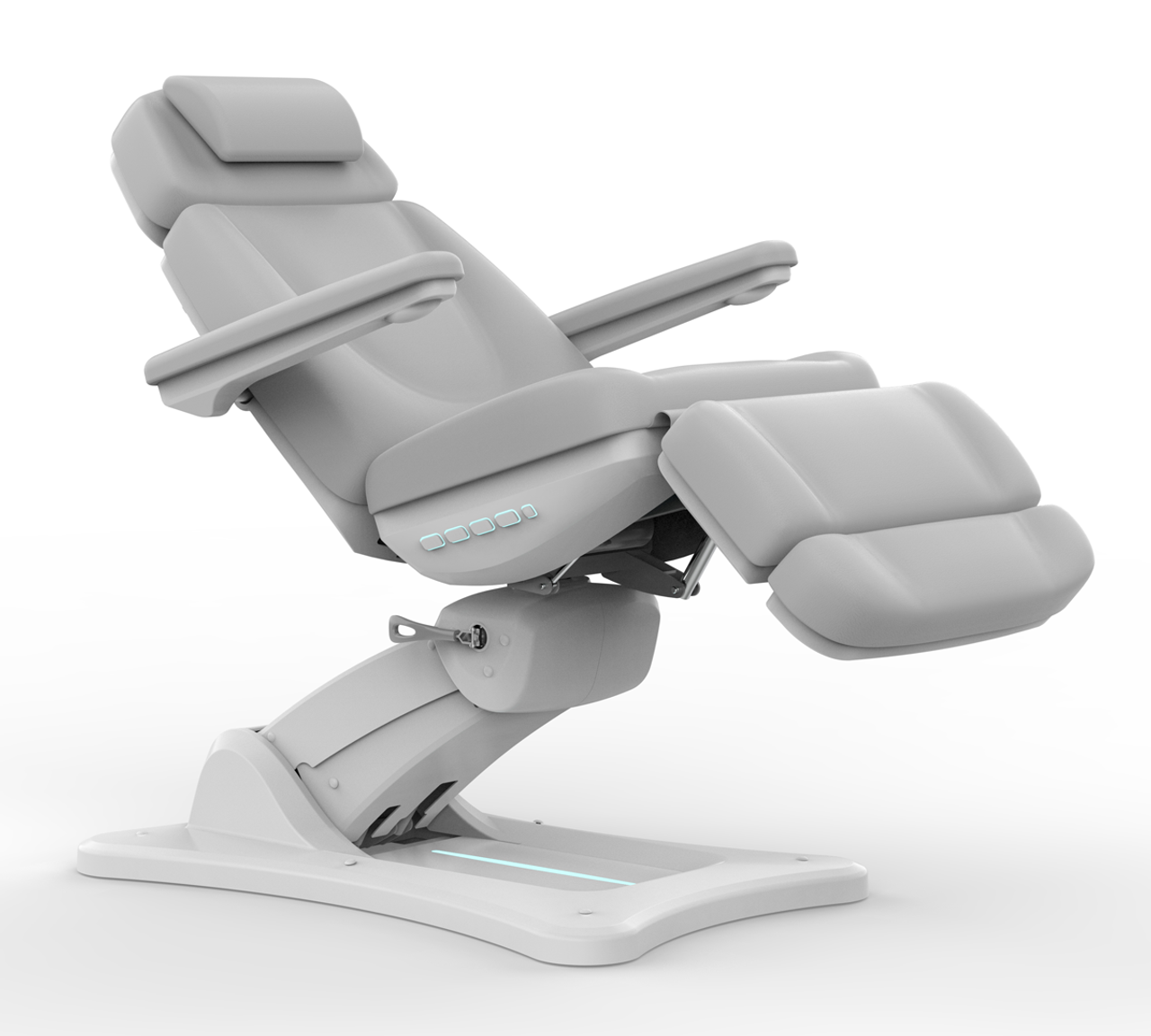
Professional Dental Equipment Sourcing Guide 2026: Automatic Dental Chairs from China
Target Audience: Dental Clinic Procurement Managers & Dental Equipment Distributors | Publication Date: Q1 2026
Strategic Context 2026: Post-pandemic supply chain restructuring, stricter EU MDR 2024 compliance enforcement, and rising raw material costs necessitate precision in China sourcing. 78% of dental distributors now prioritize verified manufacturing partners over lowest initial pricing (Dental Trade Journal, 2025).
Step 1: Verifying ISO/CE Credentials – Beyond the Certificate
Superficial credential checks risk non-compliant equipment. Implement this 2026 protocol:
| Verification Method | 2026 Critical Actions | Risk Mitigation Value |
|---|---|---|
| ISO 13485:2016 | • Confirm certificate validity via ANAB or CNAS databases • Demand scope explicitly covering “Dental Chair Manufacturing” • Verify audit date within last 12 months |
High (Prevents use of expired/invalid certs) |
| EU CE Mark (MDR 2024) | • Require NB Certificate with 4-digit Notified Body number • Validate NB number via NANDO • Confirm Class IIa classification for motorized chairs |
Critical (Avoids customs rejection in EU/UK) |
| On-Site Audit | • Hire 3rd-party auditor (e.g., SGS, TÜV) for unannounced visit • Focus: Raw material traceability, electrical safety testing (IEC 60601-1) • Mandatory for orders >50 units |
Essential (Exposes factory subcontracting) |
Step 2: Negotiating MOQ – 2026 Realities
Chinese manufacturers now enforce strategic MOQs due to rising labor costs (avg. +8.2% YoY). Tactics for success:
| Negotiation Strategy | 2026 Market Data | Recommended Approach |
|---|---|---|
| Baseline MOQ | Avg. 20-30 units for standard chairs (2025: 15-25 units) | Leverage container math: 1x40HC = 18-22 chairs. Target MOQ = 18 units for FCL cost efficiency |
| OEM Flexibility | 73% of factories now require +15% pricing for MOQs <15 units (Dental Sourcing Report) | Propose “Starter Package”: 10 chairs (base model) + 5 chairs (OEM) at standard pricing |
| Component Sharing | Hydraulic pump shortages increasing lead times by 22 days | Negotiate shared component inventory to reduce MOQ by 30% with 6-month commitment |
Step 3: Shipping Terms – DDP vs. FOB in 2026
IMO 2020 sulfur regulations and port congestion require precise incoterm selection:
| Term | Cost Components (2026) | When to Use |
|---|---|---|
| FOB Shanghai | • Factory price + Loading fee • Ocean freight (Shanghai-Rotterdam: $4,200/40HC) • Insurance (0.3% CIF) • Hidden Costs: THC ($185), Documentation ($95), Customs clearance ($220) |
Distributors with in-house logistics teams; Orders >$50k where freight leverage exists |
| DDP Your Warehouse | • All-inclusive price • Verified 2026 avg. premium: 18-22% over FOB • Includes: Duty (4.7% EU), VAT, Last-mile delivery • Key 2026 Advantage: Avoids 14-21 day port delays via bonded logistics |
Clinics without import expertise; First-time buyers; Urgent replenishment orders |
Why Shanghai Carejoy Medical Co., LTD is a Verified 2026 Sourcing Partner
Validation Against 2026 Requirements:
- Credentials: ISO 13485:2016 (Certificate #CN-2023-18472), EU MDR 2024 CE (NB 2797), FDA 510(k) cleared – Verifiable via ANAB
- MOQ Flexibility: 15-unit MOQ for standard chairs; 8 units for mixed container (chairs + scanners); No OEM surcharge for orders ≥10 units
- Shipping: DDP pricing to EU/US warehouses with 22-day transit guarantee (2025 avg: 38 days); FOB Shanghai with free THC documentation
- 2026 Advantage: On-site 3-phase electrical testing lab (IEC 60601-1-2:2024 compliant), reducing QC lead time by 11 days
Contact for Verified Sourcing:
Email: [email protected] | WhatsApp: +86 159 5127 6160
Factory Address: Room 1208, Building 3, No. 2888 Jiangyang Road, Baoshan District, Shanghai, China
Frequently Asked Questions
Professional Dental Equipment Guide 2026
Target Audience: Dental Clinics & Distributors
Frequently Asked Questions: Purchasing Automatic Dental Chairs in 2026
As dental technology advances, selecting the right automatic dental chair involves evaluating technical specifications, service support, and long-term reliability. Below are five essential FAQs to guide dental clinics and distributors in making informed procurement decisions in 2026.
| Question | Answer |
|---|---|
| 1. What voltage requirements should I verify before purchasing an automatic dental chair in 2026? | Most modern automatic dental chairs operate on standard single-phase 220–240V AC, 50/60 Hz, compatible with global dental clinic infrastructure. However, always confirm regional compliance—especially in North America (110–120V) or specialized installations. Ensure your facility has a dedicated circuit with surge protection. Chairs with integrated imaging or digital controls may require additional power stability. Always consult the manufacturer’s technical datasheet for exact electrical specifications and consider voltage regulators in areas with unstable power supply. |
| 2. Are spare parts for automatic dental chairs readily available, and how long are they supported post-purchase? | Reputable manufacturers guarantee spare parts availability for a minimum of 10–15 years post-discontinuation of a model. In 2026, leading brands offer cloud-based parts catalogs and predictive maintenance tools to streamline ordering. Distributors should confirm access to local inventory hubs and verify that critical components—such as motors, control boards, and upholstery kits—are stocked regionally. We recommend selecting suppliers with established service networks and digital inventory tracking to minimize downtime. |
| 3. What does the installation process for an automatic dental chair involve, and is professional assistance required? | Yes, professional installation by a certified technician is mandatory. The process includes secure floor mounting, hydraulic/electric line connections, integration with dental units (e.g., delivery systems, spittoons), and calibration of motion sequences. In 2026, many chairs support smart diagnostics during setup, requiring software pairing with clinic management systems. Installation typically takes 2–4 hours per unit. Manufacturers often include on-site setup as part of turnkey packages for bulk orders, especially for multi-chair practices. |
| 4. What is the standard warranty coverage for automatic dental chairs in 2026, and what does it include? | The industry standard in 2026 is a 3-year comprehensive warranty covering motors, control systems, hydraulics, and structural components. Premium models may offer extended warranties up to 5 years with optional service add-ons. Warranties typically exclude wear items (e.g., upholstery, armrests) and damage from improper use. Registration within 30 days of installation is required. Distributors should verify international warranty portability and on-site repair response times (ideally under 48 hours) as part of procurement agreements. |
| 5. How do voltage fluctuations or power surges affect automatic dental chairs, and what protections are recommended? | Automatic chairs with microprocessor-driven controls are sensitive to voltage spikes and brownouts, which can damage circuit boards or disrupt memory settings. In 2026, best practice includes installing medical-grade surge protectors and voltage stabilizers at the circuit level. Some advanced chairs now feature built-in surge suppression and auto-shutdown protocols. Clinics in regions with unstable grids should prioritize models with enhanced electrical resilience and confirm compliance with IEC 60601-1 safety standards for medical electrical equipment. |
Need a Quote for Automatic Chairs?
Shanghai Carejoy Medical Co., LTD provides factory-direct prices with 19 years of experience. (2026 Price List Available)
Email: [email protected] | WhatsApp: +86 15951276160