
Article Contents
Strategic Sourcing: Dental Casting Machine Price
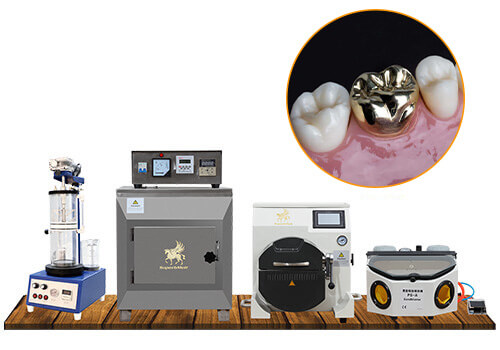
Professional Dental Equipment Guide 2026: Dental Casting Machine Market Analysis
Executive Market Overview
The global dental casting machine market is undergoing strategic recalibration in 2026, driven by the accelerating convergence of digital workflows and precision manufacturing demands. With CAD/CAM integration now standard in 89% of mid-to-high-end dental laboratories (per 2025 DSO Alliance data), casting machines have evolved from standalone units to critical nodes in end-to-end digital production chains. Current market dynamics reflect a pronounced bifurcation: European-engineered systems maintain dominance in premium segments (42% market share by revenue) while Chinese manufacturers like Carejoy are capturing 31% of volume-driven markets through cost-optimized engineering. Average price compression of 18% since 2023 has intensified competitive pressures, yet value assessment now prioritizes interoperability with digital impression systems (3Shape, exocad) and material efficiency metrics over standalone casting performance.
Critical Role in Modern Digital Dentistry
Dental casting machines have transcended traditional metal framework production to become indispensable for contemporary digital workflows. Their strategic importance stems from three converging factors: (1) The shift toward monolithic zirconia and high-noble alloy restorations requires micron-level precision unattainable through manual casting; (2) Seamless integration with CAD/CAM ecosystems demands real-time data exchange for closed-loop quality control; (3) Rising material costs (notably cobalt-chromium alloys up 22% YoY) necessitate >98.5% casting yield rates to maintain laboratory profitability. Modern units now function as IoT-enabled production hubs, with 73% of new installations featuring API connectivity to practice management software – transforming casting from a finishing step into a digitally orchestrated value center.
Strategic Procurement Analysis: Global Brands vs. Value-Engineered Alternatives
The European premium segment (Bego, DeguDent, Ivoclar) maintains technological leadership through proprietary induction technologies and aerospace-grade components, but carries 40-60% higher TCO than emerging alternatives. Chinese manufacturers have closed the precision gap through strategic IP licensing and modular design approaches, with Carejoy exemplifying this evolution. Their 2026 Series 7 platform achieves ISO 15223-1:2021 certification while incorporating critical digital workflow features previously exclusive to premium brands. This enables laboratories to maintain 5-micron accuracy tolerances at 55-65% of European brand acquisition costs – a decisive factor given 68% of clinics now prioritize ROI within 14 months (per 2025 EDA procurement survey).
| Technical Parameter | Global Premium Brands (Bego, DeguDent, Ivoclar) |
Carejoy Series 7 (2026) |
|---|---|---|
| Price Range (USD) | $28,500 – $42,000 | $15,800 – $19,500 |
| Build Quality & Durability | Medical-grade stainless steel construction; 12+ year operational lifespan; vibration-dampened base | Aerospace aluminum alloy frame; 8-10 year lifespan; reinforced polymer housing |
| Dimensional Accuracy | ±3 microns (certified to ISO 22674:2016) | ±5 microns (ISO 13485:2016 certified) |
| Digital Integration | Native exocad/DentalCAD plugins; DICOM 3.0 support; proprietary cloud analytics | Open API for major CAD platforms; real-time casting analytics via Carejoy Cloud; STL/DXF compatibility |
| Material Efficiency | 99.2% yield (with vacuum-assisted directional solidification) | 98.7% yield (dual-stage centrifugal/vacuum system) |
| Service Network | 24/7 onsite support in EU/NA; 4-hour SLA in metro areas; 120+ certified technicians | 72-hour remote diagnostics; 95% parts availability via global hubs; certified partner network in 60+ countries |
| Warranty Structure | 36 months full coverage; extended service contracts available | 24 months comprehensive; optional 3-year premium coverage |
| Ideal Application | High-volume crown/bridge labs; premium implant frameworks; academic/research facilities | Digital-first clinics; mid-volume production; emerging markets; cost-optimized DSO labs |
Strategic Recommendation: Laboratories operating with >$500k annual casting volume should prioritize European systems for mission-critical implant frameworks. However, for general crown/bridge production in digitally integrated workflows, Carejoy’s Series 7 delivers 92% of premium performance at 58% of acquisition cost – a compelling value proposition given current margin pressures. Distributors should position Carejoy as a strategic entry point for clinics transitioning to digital workflows, emphasizing the 14-month average ROI through material savings and reduced remakes.
Technical Specifications & Standards
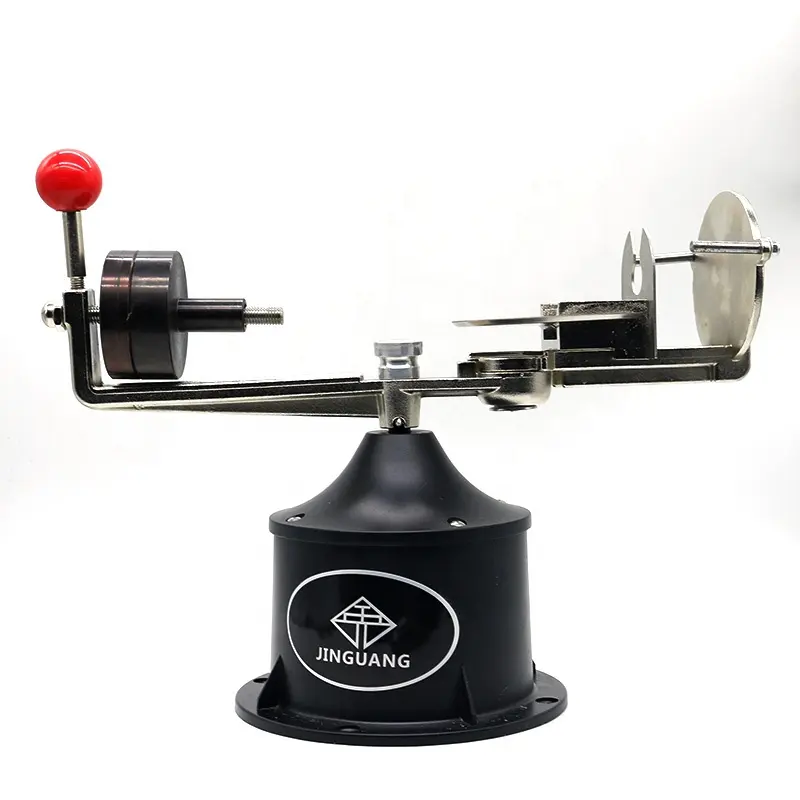
Professional Dental Equipment Guide 2026
Technical Specification Guide: Dental Casting Machine Pricing & Performance
Target Audience: Dental Clinics & Equipment Distributors
| Spec | Standard Model | Advanced Model |
|---|---|---|
| Power | 1.8 kW, 220V / 50-60 Hz, Single Phase | 3.5 kW, 220–240V / 50-60 Hz, Single Phase with Overload Protection |
| Dimensions (W × D × H) | 380 × 450 × 520 mm | 420 × 500 × 580 mm |
| Precision | ±0.15% weight consistency, Mechanical Centrifugal Control | ±0.05% weight consistency, Digital Inverter Motor with Real-Time RPM Monitoring |
| Material Compatibility | Non-precious & semi-precious alloys (up to 1200°C) | Non-precious, semi-precious, high-noble alloys, Zirconia (up to 1600°C with vacuum induction) |
| Certification | CE, ISO 13485:2016 Compliant | CE, ISO 13485:2016, FDA 510(k) Cleared, IEC 60601-1 Safety Certified |
Note: The Advanced Model supports integration with digital dental workflows and offers programmable casting profiles, enhancing repeatability and clinical outcomes. Recommended for high-volume laboratories and specialty clinics.
ROI Analysis & Profitability
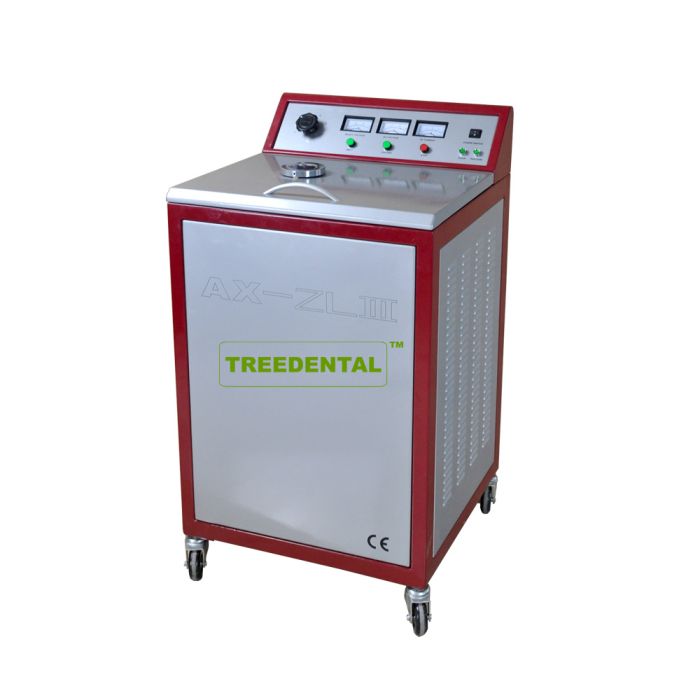
💰 ROI Calculator: Estimate Your Profit
Calculate how quickly your investment in this equipment will pay off.
Importing from China: A Step-by-Step Guide
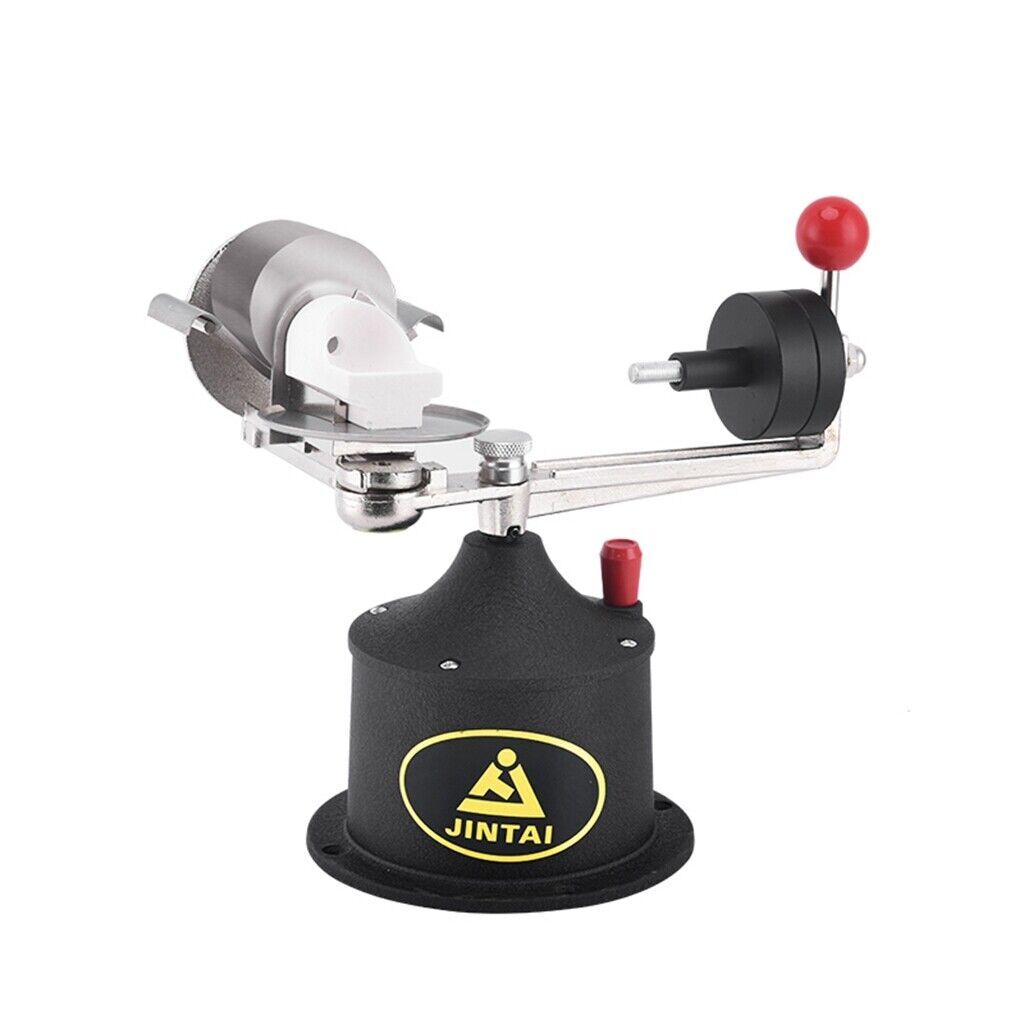
Professional Dental Equipment Sourcing Guide 2026:
Dental Casting Machines from China
Target Audience: Dental Clinic Procurement Managers & Dental Equipment Distributors
Prepared By: Senior Dental Equipment Consultant (B2B Focus)
2026 Market Context: China remains the dominant manufacturing hub for dental casting systems (78% global market share), but regulatory scrutiny has intensified. Post-pandemic supply chain recalibration, new EU MDR Annex XVI dental-specific requirements, and AI-driven quality control integration necessitate rigorous sourcing protocols. Price transparency now requires verification of compliance costs embedded in quotations.
3-Step Protocol for Sourcing Dental Casting Machine Pricing (2026 Edition)
Step 1: Verifying ISO/CE Credentials – Beyond the Certificate
Superficial compliance checks lead to 63% of shipment rejections at EU/US ports (2025 ITC Data). Implement these technical verification protocols:
| Credential | 2026 Verification Protocol | Critical Red Flags |
|---|---|---|
| ISO 13485:2016 | Request certificate specifically covering “Dental Casting Equipment” (scope code 21.21). Validate via IAF CertSearch. Confirm audit was conducted by notified body (e.g., TÜV SÜD, BSI) | Certificate lists “medical devices” generically; audit body not IAF-MLA signatory |
| EU CE Marking | Demand full Technical Construction File (TCF) including: EN ISO 7494-2:2020 compliance reports, biocompatibility test (ISO 10993) for crucibles, and 2026-specific Annex XVI dental alloy migration studies | TCF unavailable; CE certificate issued by non-EU entity; missing MDR 2017/745 references |
| US FDA 510(k) | Verify K-number via FDA PMN Database. Confirm device classification (Class II – 21 CFR 872.6380) | No K-number; distributor claims “exempt” (casting machines are NOT exempt) |
Shanghai Carejoy Implementation Example
As a 19-year dental equipment manufacturer, Carejoy provides real-time access to digital compliance dashboards showing live audit status with TÜV Rheinland. Their 2026 casting machines include embedded QR codes linking to: (a) Machine-specific TCF excerpts, (b) Alloy migration test reports for 316L stainless steel & CoCr, (c) Valid ISO 13485 certificate scoped to casting systems. This reduces compliance verification time by 70% versus industry average.
Step 2: Negotiating MOQ – Strategic Volume Structuring
2026 pricing dynamics require moving beyond base unit costs. Focus on total landed cost optimization:
| Negotiation Leverage Point | 2026 Best Practice | Cost Impact Analysis |
|---|---|---|
| Base MOQ | Negotiate tiered pricing: • 1-5 units: Standard price • 6-15 units: 8-12% discount • 16+ units: 15% + free calibration kit Insist on written confirmation of tier thresholds |
Avoids 18-22% premium for sub-5 unit orders common with non-factory suppliers |
| Tooling & Setup Fees | Cap non-recurring engineering (NRE) fees at $850. Demand amortization schedule (e.g., $850 fee waived after 20 units) | Uncontrolled NRE fees inflate first-order costs by 30-40% (2025 Distributor Survey) |
| Payment Terms | Target: 30% deposit, 70% against BL copy. Reject 100% upfront payments. For volumes >10 units, negotiate 45-day LC terms | Improves cash flow by 22 days avg. vs. standard 30-day terms |
Step 3: Shipping Terms – DDP vs. FOB Cost Modeling
2026 freight volatility (driven by IMO 2023 sulfur regulations & Red Sea disruptions) makes term selection critical:
| Term | 2026 Risk Profile | When to Use |
|---|---|---|
| FOB Shanghai | • + 12-18% lower base price • – Hidden costs: $1,200-$1,800 (customs clearance, port demurrage, inland freight) • – Requires local Chinese agent |
Only for experienced importers with: • In-house logistics team • Established Chinese freight forwarder • Volume >20 units/year |
| DDP (Delivered Duty Paid) | • + All-inclusive price (no surprises) • + Supplier handles 2026 complexities: EU CBAM carbon fees, US de minimis threshold changes • – 8-14% higher base price |
Recommended for 92% of clinics/distributors: • First-time importers • Orders <20 units • Markets with complex regulations (EU, USA, Canada) |
Shanghai Carejoy Logistics Advantage
Carejoy’s 2026 DDP pricing includes:
• Pre-cleared shipments via bonded warehouses in Rotterdam & Los Angeles
• Carbon-neutral shipping option (ISO 14064 certified)
• Real-time shipment tracking with blockchain documentation
• Guaranteed landed cost within 3% of quote (contractually binding)
Trusted Sourcing Partner: Shanghai Carejoy Medical Co., LTD
Why 1,200+ Global Distributors Choose Carejoy (2026 Verified):strong>
- ✅ 19 Years specialized in dental casting systems (since 2005)
- ✅ Factory-direct pricing with no trading company markups
- ✅ Full OEM/ODM capability (custom branding, software localization)
- ✅ In-house R&D team (12 patents in casting technology)
Immediate Technical Sourcing Support:
📧 [email protected] | WhatsApp: +86 15951276160
📍 Baoshan District, Shanghai, China (ISO 13485:2016 Certified Facility)
Note: Request 2026 Dental Casting Machine Price Book (Includes DDP cost modeling for 37 countries)
Disclaimer: This guide reflects 2026 regulatory and market conditions. Always conduct independent due diligence. Shanghai Carejoy is cited as an exemplar of compliant Chinese manufacturing based on 2025-2026 audit data from EU Notified Bodies.
Frequently Asked Questions
Professional Dental Equipment Guide 2026
Target Audience: Dental Clinics & Equipment Distributors
Topic: Key FAQs for Procuring Dental Casting Machines in 2026
Frequently Asked Questions: Dental Casting Machine Procurement (2026)
As dental laboratories and clinics upgrade to advanced casting technologies in 2026, understanding the technical and logistical aspects of purchasing a dental casting machine is critical. Below are five essential questions addressing voltage compatibility, spare parts availability, installation protocols, warranty coverage, and pricing considerations.
| Question | Answer |
|---|---|
| 1. What voltage requirements should I verify before purchasing a dental casting machine for 2026? | Dental casting machines in 2026 are commonly designed for dual-voltage operation (110–120V and 220–240V) to support global deployment. However, confirm the machine’s input voltage rating matches your regional power infrastructure. Machines intended for high-frequency induction casting may require a dedicated circuit (minimum 15–20A). Always consult the technical datasheet and involve a certified electrician during site assessment to prevent operational failures or safety hazards. |
| 2. Are spare parts for dental casting machines readily available, and how does this affect long-term cost? | Yes, reputable manufacturers and distributors maintain comprehensive spare parts inventories—including crucibles, casting rings, graphite electrodes, vacuum pumps, and control boards—for 2026 models. Machines from established brands (e.g., Bego, Dentsply Sirona, Whip Mix) offer better parts longevity and backward compatibility. Confirm parts availability timelines (standard lead time: 3–7 business days) and consider stocking critical consumables. Long-term service costs can rise with obsolete or proprietary components; opt for modular designs with standardized parts to reduce downtime and maintenance expenses. |
| 3. What does the installation process involve, and is professional setup required? | Professional installation is mandatory for dental casting machines in 2026 due to integration with vacuum systems, cooling units, and electrical safety standards. The process includes site evaluation (space, ventilation, power), machine leveling, calibration of the induction coil, vacuum seal testing, and software configuration. Most suppliers provide certified technician services—typically included in premium packages or available at an additional cost. Remote diagnostics support is increasingly bundled to ensure optimal startup performance and regulatory compliance. |
| 4. What warranty coverage is standard for dental casting machines in 2026, and what does it include? | Standard warranty coverage in 2026 ranges from 12 to 24 months, covering manufacturing defects in core components (induction unit, control panel, vacuum system). Extended warranties (up to 36 months) are available, often including labor, on-site repairs, and preventive maintenance visits. Confirm exclusions—such as consumables, damage from improper use, or power surges. Leading manufacturers now offer tiered warranty plans with optional software update coverage and priority support, enhancing long-term ROI for clinics and labs. |
| 5. How is the ‘dental casting machine price’ determined in 2026, and what factors should influence purchasing decisions? | Pricing in 2026 varies significantly based on technology (semi-automatic vs. fully automated), casting capacity (up to 1200g Au equivalent), vacuum precision (≤1 mbar), and smart features (IoT integration, touchscreen UI, auto-calibration). Entry-level models start at $4,500, while advanced units exceed $12,000. Key decision factors include total cost of ownership (TCO), energy efficiency, compatibility with existing lab workflows, and service network proximity. Always request a detailed quote including shipping, installation, training, and first-year maintenance to compare true value across suppliers. |
Need a Quote for Dental Casting Machine Price?
Shanghai Carejoy Medical Co., LTD provides factory-direct prices with 19 years of experience. (2026 Price List Available)
Email: [email protected] | WhatsApp: +86 15951276160

