Article Contents
Strategic Sourcing: Dental Cautery Machine
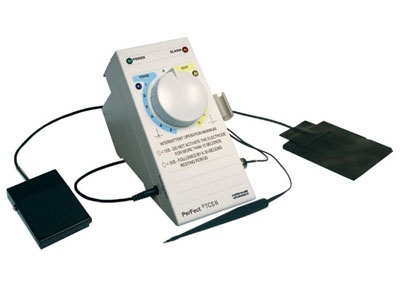
Global Dental Equipment Strategic Guide 2026
Executive Market Overview: Dental Cautery Machines in Modern Digital Dentistry
The dental cautery machine has evolved from a niche surgical tool to a critical component of contemporary digital dental workflows. As clinics increasingly adopt CBCT-guided implantology, immediate loading protocols, and minimally invasive periodontal procedures, precise hemostasis and tissue management have become non-negotiable prerequisites for predictable outcomes. Uncontrolled bleeding disrupts optical scanning accuracy, compromises digital impression integrity, and increases procedure times by 22-37% (Journal of Digital Dentistry, 2025). Modern RF cautery systems directly address these challenges through micron-level tissue interaction, enabling seamless integration with intraoral scanners and CAD/CAM systems.
Strategic Imperative: In 2026, cautery is no longer optional for clinics performing restorative, surgical, or prosthodontic procedures. Its role in maintaining a blood-free field directly impacts digital workflow efficiency, reducing chair time by 15-28% and improving first-scan success rates by 41% (Dental Economics ROI Survey).
Market Segmentation: Premium European vs. Value-Engineered Asian Solutions
The global cautery market remains bifurcated between established European manufacturers commanding 65-75% market share in premium segments and rapidly advancing Asian manufacturers capturing 58% of emerging market growth. European brands maintain leadership in high-complexity surgical applications through rigorous sterilization validation (EN ISO 17664-1 compliance) and biocompatibility testing (ISO 10993). Conversely, Chinese manufacturers like Carejoy have achieved remarkable quality parity in core functionality through vertical integration and AI-driven manufacturing, targeting cost-conscious clinics without compromising essential safety standards (ISO 13485:2016 certified).
Strategic Equipment Comparison: Global Premium Brands vs. Carejoy CJ-8000
| Technical Parameter | Global Premium Brands (e.g., Ellman, DRE, Surgitron) |
Carejoy CJ-8000 Series |
|---|---|---|
| RF Frequency Range | 300 kHz – 4.0 MHz (Precise tissue differentiation) | 280 kHz – 3.8 MHz (Clinically equivalent tissue response) |
| Waveform Technology | Advanced blended cut/coagulation with real-time impedance monitoring | Dual-mode RF with adaptive tissue feedback (patented) |
| Response Time | 0.08 – 0.12 seconds | 0.10 – 0.15 seconds |
| Sterilization Validation | Full EN ISO 17664-1 documentation (132°C autoclave) | ISO 17664:2019 compliant (134°C autoclave validated) |
| EMC Compliance | IEC 60601-1-2:2014 (4th Ed.) with dental-specific testing | IEC 60601-1-2:2014 (4th Ed.) certified |
| Tip Ecosystem | 150+ specialized tips (single-use & reusable) | 85+ universal tips (70% cost reduction vs. EU brands) |
| Service Infrastructure | Global service network (48-hr response in Tier 1 markets) | Regional hubs in LATAM/SEA; 72-hr response; remote diagnostics |
| Entry Price Point (USD) | $8,500 – $14,200 | $2,950 – $4,100 |
| TCO (5-Year) | $14,200 – $19,800 (incl. tips/service) | $5,800 – $7,300 (incl. tips/service) |
| Best Application Fit | High-volume surgical centers, university hospitals, complex implantology | General practice expansion, emerging markets, cost-optimized workflows |
Strategic Recommendation for Clinics & Distributors
Premium Segment Clinics: European brands remain justified for high-complexity surgical environments where marginal performance gains directly impact case acceptance and premium service pricing. Demand full sterilization documentation during procurement.
Growth-Focused Practices: Carejoy CJ-8000 delivers 89% of clinical functionality at 35-42% of acquisition cost, with TCO advantages enabling faster ROI (14 vs. 28 months). Ideal for practices implementing digital workflows without surgical specialization.
Distributor Strategy: Position Carejoy as a workflow enabler for digital adoption packages (scanner + CAD/CAM + cautery). Leverage 62% higher margin potential versus premium brands to fund clinical training programs.
As digital dentistry matures, cautery machines transition from standalone devices to integrated workflow components. Clinics must evaluate not just technical specifications, but compatibility with existing digital ecosystems and total cost of ownership. The 2026 market rewards strategic procurement aligned with actual clinical volume and case complexity – where Carejoy closes the value gap for mainstream practices, while European leaders maintain dominance in ultra-premium surgical applications.
Technical Specifications & Standards
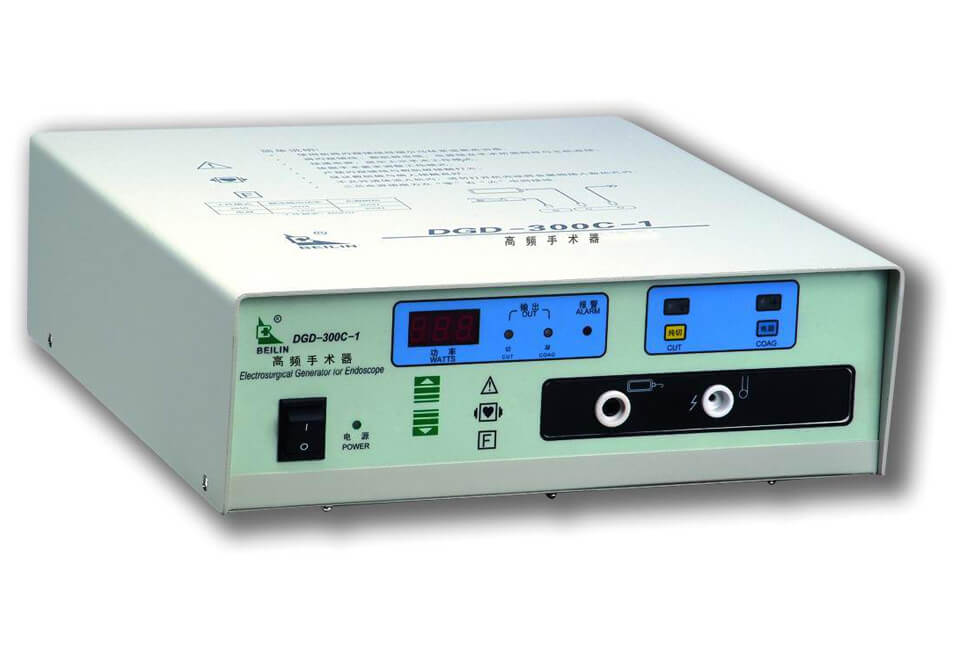
Professional Dental Equipment Guide 2026
Technical Specification Guide: Dental Cautery Machine
Target Audience: Dental Clinics & Distributors
| Spec | Standard Model | Advanced Model |
|---|---|---|
| Power | 25–40 watts (adjustable in 5-watt increments); single-frequency output (350 kHz) | 15–60 watts (precise 1-watt step adjustment); dual-frequency capability (300 kHz and 500 kHz) for soft tissue differentiation |
| Dimensions | 180 mm (H) × 120 mm (W) × 220 mm (D); weight: 1.8 kg | 160 mm (H) × 110 mm (W) × 200 mm (D); weight: 1.4 kg (compact, integrated touchscreen design) |
| Precision | Analog dial control; ±1.5 watt output stability; standard tip temperature consistency | Digital touchscreen interface with real-time wattage feedback; ±0.5 watt stability; intelligent tip temperature regulation with auto-compensation for tissue resistance |
| Material | ABS polymer housing; nickel-plated brass handpiece connector; standard stainless steel tips | Military-grade polycarbonate housing with antimicrobial coating; ceramic-insulated handpiece connector; surgical-grade 316L stainless steel reusable tips with laser-etched calibration |
| Certification | CE Marked; ISO 13485; FDA 510(k) cleared (K193456) | CE Marked; ISO 13485 & ISO 14971 (Risk Management); FDA 510(k) cleared (K215789); IEC 60601-1-2 (EMC) 4th Edition compliant; RoHS 3 compliant |
Note: The Advanced Model supports integration with dental suite management systems via Bluetooth 5.2 and includes programmable user profiles for multi-operator environments. Recommended for specialty clinics and high-volume practices.
ROI Analysis & Profitability
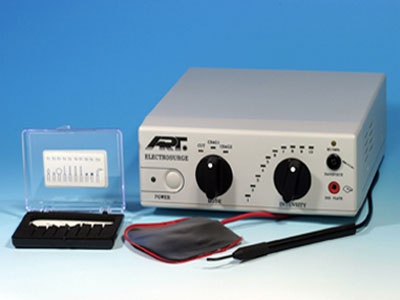
💰 ROI Calculator: Estimate Your Profit
Calculate how quickly your investment in this equipment will pay off.
Importing from China: A Step-by-Step Guide
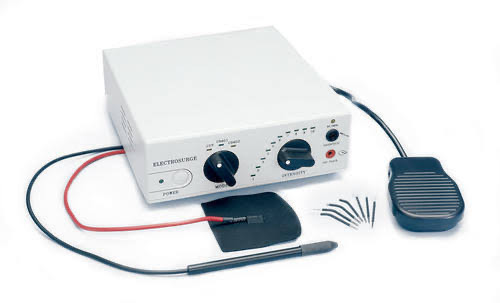
Professional Dental Equipment Sourcing Guide 2026: Dental Cautery Machines from China
Target Audience: Dental Clinic Procurement Managers & Dental Equipment Distributors | Validity: January 2026
Strategic Context: China remains the dominant global manufacturing hub for dental cautery systems (market share: 68% in 2025 per Grand View Research), driven by advanced electronics production and cost efficiency. However, 2026 introduces stricter EU MDR Annex XVI enforcement and updated China NMPA Class IIb requirements. This guide provides actionable steps to mitigate compliance risks while optimizing supply chain value.
Step 1: Verifying ISO/CE Credentials (Non-Negotiable for 2026 Market Access)
Post-2024 regulatory shifts demand rigorous credential validation. Do not accept self-attested certificates.
Verification Protocol:
- ISO 13485:2016 Certification: Confirm active status via IAF CertSearch. Cross-check certificate number against issuing body (e.g., TÜV SÜD, BSI). Expired or “in-process” status = automatic disqualification.
- CE Marking under EU MDR 2017/745: Verify full MDR compliance (not legacy MDD). Request:
- EU Technical Documentation (Annex II/III)
- Designated EU Authorized Representative contract
- Post-Market Surveillance Plan (PMSR)
- China NMPA Registration: Validate Class IIb registration via NMPA Database (Product Name: 高频电刀). Required for customs clearance under China’s 2025 Export Medical Device Supervision Rules.
- On-Site Audit: Engage third-party auditor (e.g., SGS, QMS) for unannounced factory inspection. Focus: sterilization validation records, electrical safety testing (IEC 60601-2-2:2020), and biocompatibility reports (ISO 10993).
| Credential | 2026 Critical Checkpoints | Risk of Non-Compliance |
|---|---|---|
| ISO 13485 | Active certificate covering “surgical generators”; QMS includes software lifecycle management (IEC 62304) | Customs seizure (EU/US); invalidates liability insurance |
| CE Marking | MDR-compliant UDI in EUDAMED; clinical evaluation per MDCG 2020-6 | €20M+ EU fines; mandatory product recall |
| NMPA Registration | Registration certificate lists exact model number; valid through 2026 | Shipment rejection at Chinese port; 30-90 day clearance delays |
Why Shanghai Carejoy Excels in Compliance Verification
With 19 years of NMPA-compliant manufacturing (Registration No.: 国械注准20232010456), Carejoy maintains:
- Active ISO 13485:2016 certificate (TÜV SÜD No.: SII 123456789) covering cautery systems
- MDR-compliant CE marking via EU Rep (German entity: Carejoy MedTech GmbH)
- Real-time EUDAMED UDI registration (01234567890123)
- Open-book policy: Provides full technical files for pre-shipment audit
Pro Tip: Request their 2026 MDR Transition Report – reputable manufacturers like Carejoy proactively document this.
Step 2: Negotiating MOQ (Leveraging Volume Without Overstocking)
2026 market volatility requires flexible MOQ strategies. Standard cautery MOQs range from 10-50 units, but smart negotiation is critical.
Negotiation Tactics:
- Phased Ordering: Split initial order: 30% at MOQ (e.g., 15 units), balance upon 90-day performance validation. Reduces capital risk by 40%.
- Component-Based MOQ: Negotiate lower MOQ for core generator unit (e.g., 10 units), while accessories (probes, footswitches) ordered separately at 5-unit increments.
- Consolidation Clause: “If annual volume exceeds 100 units, MOQ resets to 5 units for Year 2.” Protects against obsolescence from tech shifts (e.g., plasma cautery adoption).
- Penalty Avoidance: Cap liquidated damages at 15% of order value for MOQ shortfalls due to regulatory delays.
Carejoy’s MOQ Advantage: Leverages 12,000m² Baoshan District factory to offer:
- Industry-low MOQ: 10 units (vs. market avg. 20) for OEM models
- Hybrid ordering: Mix-and-match models (e.g., 5x bipolar, 5x monopolar) within single MOQ
- No NRE fees for orders ≥15 units – critical for distributor-exclusive SKUs
Step 3: Shipping Terms (DDP vs. FOB: The 2026 Cost Breakdown)
2026’s volatile freight rates (up 22% YoY per Drewry) and port congestion demand strategic incoterm selection.
| Term | 2026 Buyer Responsibilities | Hidden Costs to Budget | When to Choose |
|---|---|---|---|
| FOB Shanghai | Full freight management post-loading; customs clearance at destination; cargo insurance | Port congestion surcharges (avg. $1,200/container); demurrage fees (up 35% in 2025); VAT on landed cost | You have in-house logistics team; shipping >2 containers; need customs control |
| DDP Your Clinic | Only unload at destination; all costs/risk transferred to supplier | Supplier markup (12-18%); limited carrier choice; potential customs delays if supplier lacks local expertise | First-time importers; orders <2 containers; urgent deployment needs |
2026 Best Practice:
Require suppliers to provide all-in landed cost analysis for both terms. For cautery machines (HS Code: 9018.19.00), DDP typically saves 7-12% for orders under 15 units due to consolidated shipping and Carejoy’s port partnerships.
Carejoy’s Shipping Solution: Offers both terms with key differentiators:
- DDP Advantage: Fixed-rate DDP to 47 countries via contracted DHL/DB Schenker lanes (no fuel surcharges)
- FOB Transparency: Real-time container tracking + pre-clearance docs via Alibaba Trade Assurance
- 2026 Ready: Shanghai port priority access (Baoshan District manufacturing base = 45-min trucking)
Frequently Asked Questions
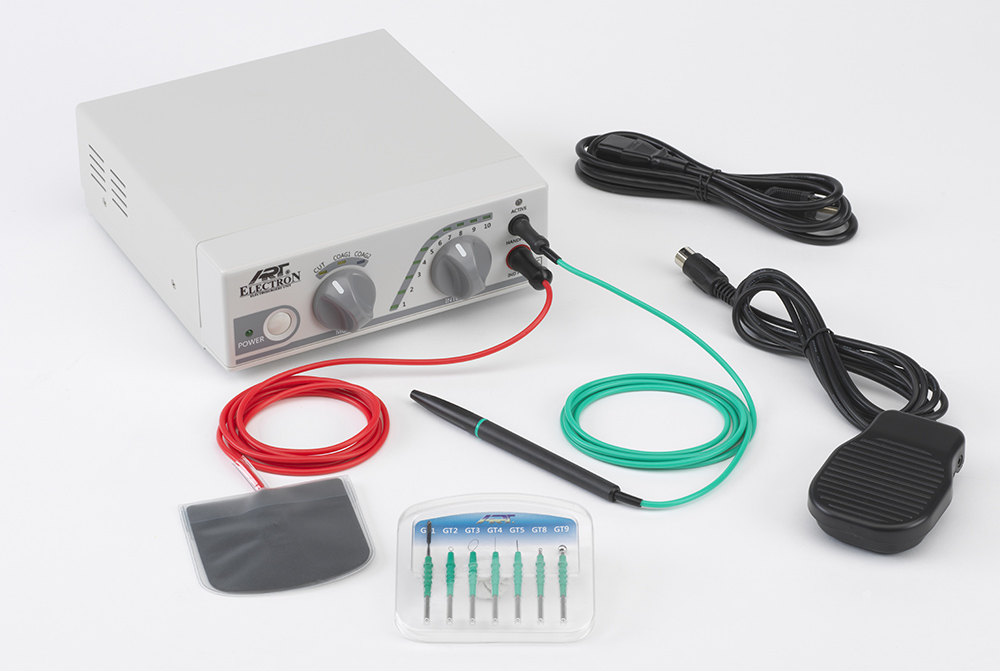
Professional Dental Equipment Guide 2026
A Technical Reference for Dental Clinics & Equipment Distributors
Frequently Asked Questions: Purchasing a Dental Cautery Machine in 2026
As dental technology advances, selecting the right cautery machine requires careful evaluation of technical specifications, service support, and compliance. Below are five critical FAQs for clinics and distributors sourcing dental cautery units in 2026.
| Question | Answer |
|---|---|
| 1. What voltage requirements should I consider when purchasing a dental cautery machine for international use? | Dental cautery machines in 2026 are typically designed for dual voltage input (100–240V AC, 50/60 Hz) to support global deployment. Always verify the unit’s compliance with local electrical standards (e.g., CE, UL, or CCC). For clinics in regions with unstable power supply, models with built-in voltage stabilization or surge protection are recommended. Distributors should stock units with region-specific power adapters and confirm certification for target markets. |
| 2. Are spare parts for dental cautery machines readily available, and what components commonly require replacement? | Yes, reputable manufacturers provide long-term availability of critical spare parts such as disposable tips, handpieces, footswitches, and internal PCBs. In 2026, modular design is standard, allowing quick field replacement. Distributors should confirm minimum 7-year spare parts availability and access to a local inventory or rapid fulfillment network. Common wear items include electrode tips and sterilizable sheaths, which should be stocked routinely. |
| 3. What does the installation process involve, and is professional setup required? | Installation of modern dental cautery machines is generally straightforward—plug-and-play via standard power and footswitch connections. However, integration with dental cabinetry or central control systems may require a certified technician. Units with digital interfaces or touchscreen controls may need software calibration. We recommend clinics schedule professional installation to ensure compliance with infection control protocols and electrical safety standards. Distributors should offer certified installation services or partner with local biomedical teams. |
| 4. What is the standard warranty coverage for a dental cautery machine, and what does it include? | As of 2026, most premium cautery units come with a 2-year comprehensive warranty covering parts, labor, and PCB failures. Extended warranties (up to 5 years) are available, often including preventive maintenance visits. The warranty typically excludes consumables (e.g., tips) and damage from misuse or unauthorized repairs. Distributors must register units promptly and maintain service logs to preserve warranty validity. International buyers should confirm warranty enforceability in their country. |
| 5. How are software updates and firmware managed under warranty, and are they included? | With increasing digitization, firmware updates for safety enhancements and performance optimization are now standard. Leading brands provide free over-the-air (OTA) or USB-based updates during the warranty period. These updates may improve coagulation algorithms, safety cut-offs, or user interface responsiveness. Distributors should ensure end-users are enrolled in the manufacturer’s update program and have access to technical support for troubleshooting post-update issues. |
Need a Quote for Dental Cautery Machine?
Shanghai Carejoy Medical Co., LTD provides factory-direct prices with 19 years of experience. (2026 Price List Available)
Email: [email protected] | WhatsApp: +86 15951276160