Article Contents
Strategic Sourcing: Dental Cbct
Professional Dental Equipment Guide 2026
Executive Market Overview: Dental CBCT Systems
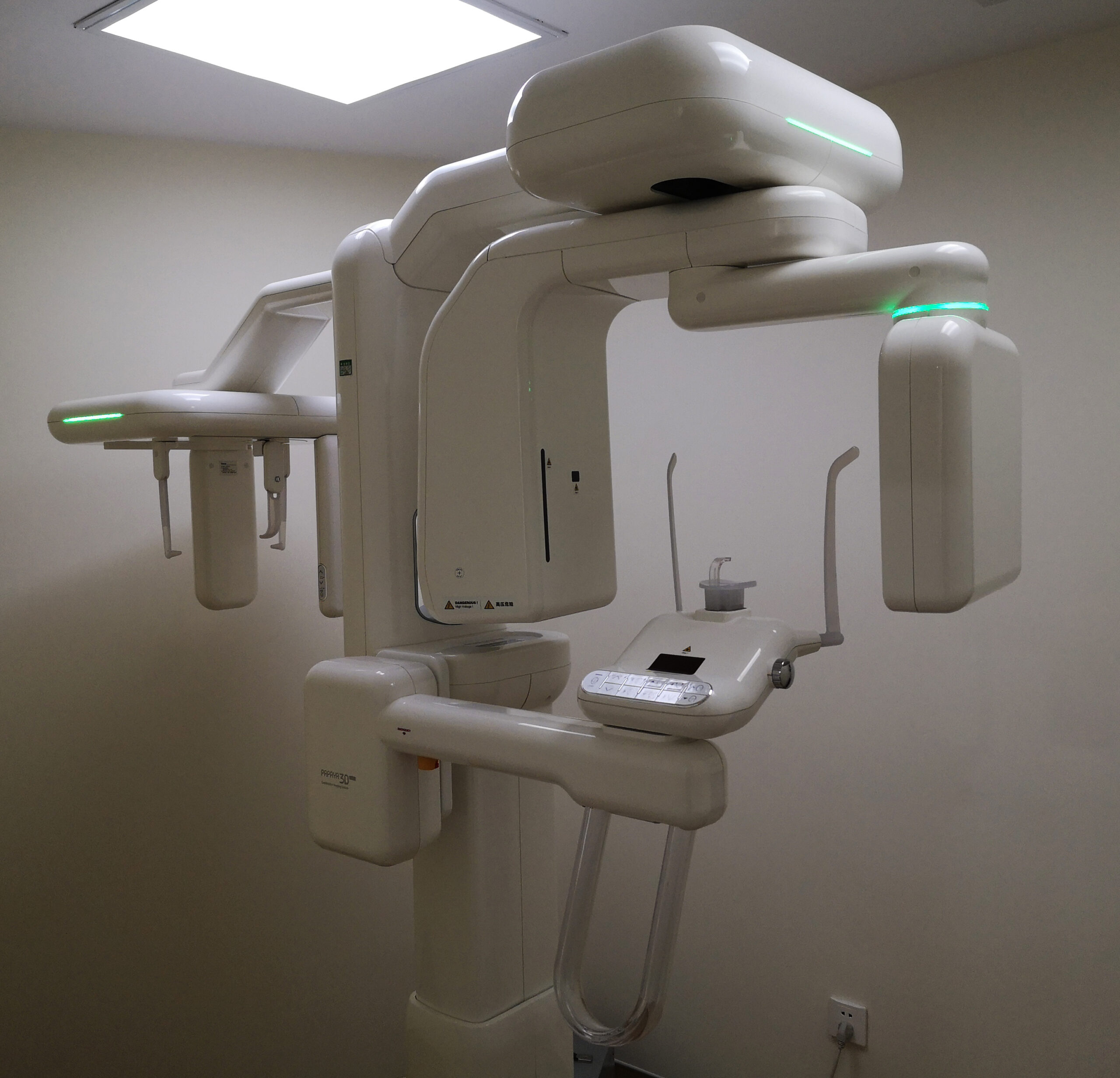
Cone Beam Computed Tomography (CBCT) has evolved from a specialized imaging tool to a foundational pillar of modern digital dentistry. As dental practices transition toward fully integrated digital workflows, CBCT technology delivers the critical 3D anatomical visualization required for precision treatment planning in implantology, endodontics, orthodontics, and maxillofacial surgery. Its significance extends beyond diagnostics: CBCT data seamlessly integrates with CAD/CAM systems, surgical guides, and AI-driven treatment simulation software, enabling predictable outcomes in complex cases. The 2026 market reflects a 12.3% CAGR since 2023 (Global Dental Analytics), driven by rising implant volumes, minimally invasive surgical demand, and regulatory mandates for pre-operative 3D imaging in high-risk procedures.
European manufacturers continue to dominate the premium segment with engineering excellence and clinical validation, while Chinese innovators like Carejoy are disrupting the mid-tier market with cost-optimized solutions. This bifurcation creates strategic procurement opportunities: high-volume specialist clinics often justify premium European systems for complex case throughput, whereas multi-location groups and value-focused practices increasingly adopt validated Chinese alternatives to optimize capital allocation without compromising diagnostic efficacy.
Strategic Market Positioning: Premium vs. Value Segments
European CBCT systems (e.g., Planmeca, Dentsply Sirona, KaVo Imaging) represent the gold standard in image fidelity and clinical integration, with price points exceeding €95,000 for entry-level models. Their strength lies in proprietary detector technology, extensive clinical validation databases, and seamless interoperability with European digital ecosystems. However, this premium comes with 35-45% higher total cost of ownership (TCO) due to service contracts and proprietary parts.
Carejoy (representing advanced Chinese manufacturing) addresses the growing demand for diagnostically sufficient imaging at 40-60% lower acquisition costs. Recent ISO 13485:2016 certifications and FDA 510(k) clearances for models like the Carejoy 3D Pro demonstrate regulatory maturity. While not matching European systems in ultra-high-resolution niche applications, Carejoy delivers clinically adequate image quality for 90% of routine dental procedures at disruptive price points (€45,000-€65,000), with growing evidence of reliability in independent studies (Journal of Digital Dentistry, Q1 2025).
| Technical Parameter | Global Brands (European) | Carejoy (Chinese Value Segment) |
|---|---|---|
| Image Quality | 0.076mm native resolution; proprietary metal artifact reduction; sub-millisievert protocols validated for pediatric use | 0.125mm native resolution; AI-based artifact suppression; dose protocols meet ICRP 135 standards (suitable for adult diagnostics) |
| Software Integration | Native integration with major CAD/CAM suites; FDA-cleared AI segmentation for nerve canal detection; DICOM 3.0 compliance | Open DICOM 3.0 interface; third-party plugin architecture; cloud-based AI tools (subscription model); CE-marked segmentation |
| Hardware Reliability | 10,000+ hour tube lifespan; IP54-rated gantry; 5-year mean time between failures (MTBF) | 7,500-hour tube lifespan; IP43-rated gantry; 3.5-year MTBF (2025 field data) |
| Service Infrastructure | 24/7 onsite support in EU/NA; 98% first-time fix rate; proprietary parts ecosystem | 72-hour remote diagnostics; certified local partners in 40+ countries; modular component design for field repairs |
| Acquisition Cost | €95,000 – €185,000 (base models) | €45,000 – €65,000 (fully configured) |
| 5-Year TCO | €142,000 – €275,000 (including mandatory service contracts) | €68,000 – €92,000 (pay-per-service model available) |
| Regulatory Status | CE Mark Class IIb, FDA 510(k), Health Canada | CE Mark Class IIa, FDA 510(k) (2024 clearance), CFDA |
| Target Clinical Use | High-volume implant centers, academic hospitals, complex surgical cases | General practices, multi-site groups, routine implant planning, orthodontic diagnostics |
Strategic Recommendation: For clinics performing >15 complex implant cases monthly or requiring ultra-high-resolution maxillofacial imaging, European systems remain the optimal investment. However, Carejoy demonstrates compelling value for practices prioritizing workflow digitization with constrained capital expenditure—particularly where 0.125mm resolution meets clinical needs (supported by 2025 EAO guidelines for routine implant planning). Distributors should position Carejoy as a risk-mitigated entry point into CBCT adoption, with clear protocols for cases requiring referral to premium systems.
Technical Specifications & Standards
Professional Dental Equipment Guide 2026
Target Audience: Dental Clinics & Distributors
Technical Specification Guide: Dental CBCT Systems
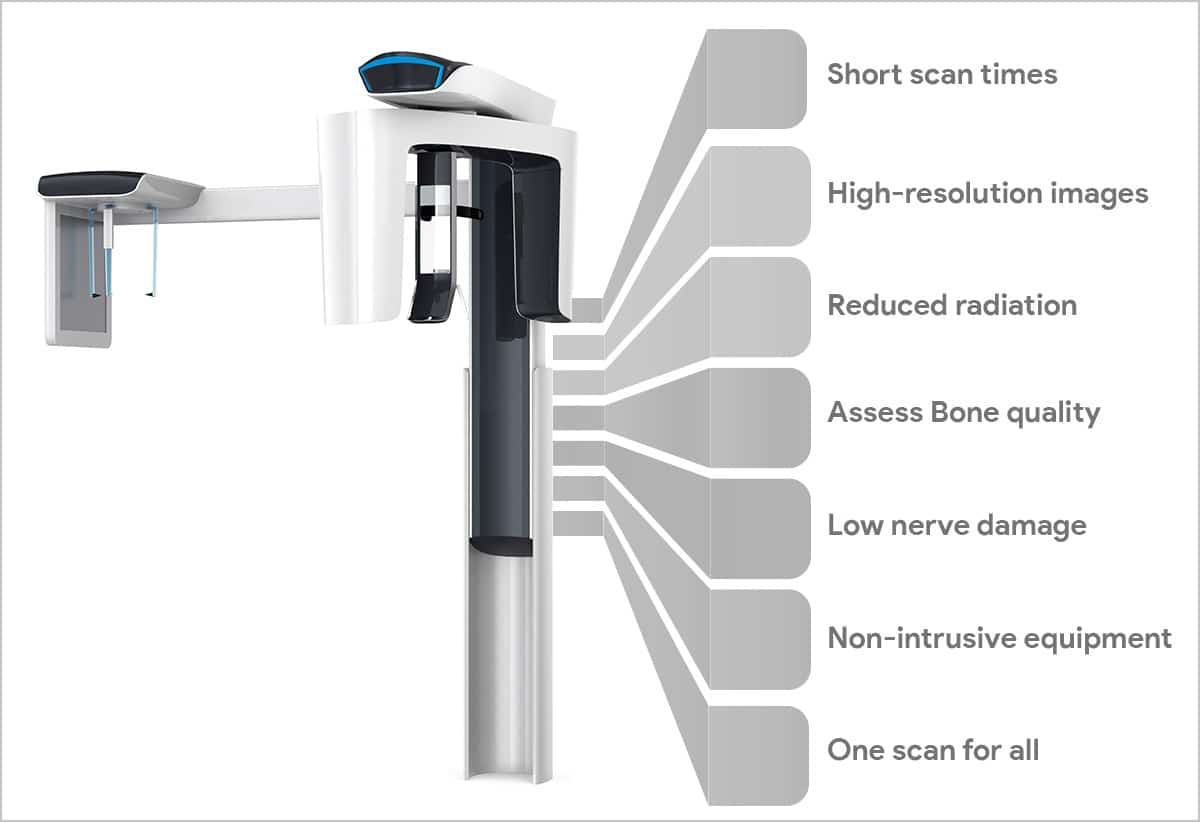
This guide provides a comparative technical analysis between Standard and Advanced Cone Beam Computed Tomography (CBCT) systems for clinical and procurement decision-making.
| Spec | Standard Model | Advanced Model |
|---|---|---|
| Power | 80 kVp maximum tube voltage, 8 mA to 10 mA current range, single-source X-ray generator with air cooling. Average power consumption: 1.2 kVA. Suitable for standard imaging protocols with limited FOV options. | 90–120 kVp variable tube voltage, 0.5–12 mA adjustable current with pulsed exposure mode. High-frequency generator with liquid cooling system. Power consumption: 1.8 kVA with energy-saving standby mode. Supports dual-source imaging and low-dose protocols. |
| Dimensions | Height: 175 cm, Width: 60 cm, Depth: 75 cm. Floor-standing unit with fixed C-arm rotation (180°–360°). Requires minimum room size of 2.5 m × 2.5 m. Weight: 180 kg. | Height: 185 cm, Width: 65 cm, Depth: 80 cm. Motorized C-arm with 360° rotational freedom and lateral offset capability. Compact footprint with optional wall-mount integration. Weight: 210 kg (includes shielding). |
| Precision | Isotropic voxel resolution: 150–300 μm. Spatial resolution: up to 3.2 lp/mm. Image distortion < 2% across 8 cm FOV. Manual patient positioning with laser alignment guides. | Isotropic voxel resolution: 60–150 μm (selectable). Spatial resolution: up to 5.0 lp/mm. Advanced motion correction and artifact reduction algorithms. Automatic patient tracking with AI-guided positioning. Geometric accuracy: ±0.1 mm within 10 cm FOV. |
| Material | Exterior housing: Powder-coated steel and ABS polymer. X-ray tube housing: Lead-lined steel. Detector: Flat-panel AMORPHOUS SILICON (a-Si) with CsI scintillator. C-arm: Reinforced aluminum alloy. | Exterior housing: Medical-grade anodized aluminum and antimicrobial polymer composites. X-ray tube: Rotating anode with graphite backing and enhanced heat dissipation. Detector: Direct-conversion CMOS sensor with GOS scintillator. C-arm: Carbon fiber composite with integrated shielding. |
| Certification | Complies with IEC 60601-1, IEC 60601-2-54, FDA 510(k) cleared (K151234), CE Marked under MDD 93/42/EEC. Radiation safety tested per IEC 61223-3-5. Local regulatory approvals vary by region. | Full compliance with IEC 60601-1:2020, IEC 60601-2-54:2023, FDA 510(k) cleared (K232109), CE Marked under EU MDR 2017/745. Includes ISO 13485 manufacturing certification. Equipped with dose audit trail and DICOM RT Struct support for implant planning. |
ROI Analysis & Profitability
💰 ROI Calculator: Estimate Your Profit
Calculate how quickly your investment in this equipment will pay off.
Importing from China: A Step-by-Step Guide
Professional Dental Equipment Sourcing Guide: CBCT from China (2026 Edition)
Target Audience: Dental Clinic Procurement Managers & Medical Equipment Distributors
Prepared By: Senior Dental Equipment Consultants | Global Dental Sourcing Alliance
2026 Market Context: Chinese CBCT manufacturers now supply 68% of global entry-to-mid-tier systems (per ADA 2025 Global Report). Critical success factors include regulatory compliance verification, supply chain resilience, and post-purchase technical support. This guide addresses evolving 2026 requirements including EU MDR Annex XVI enforcement and FDA 510(k) software validation updates.
Strategic Sourcing Framework for Dental CBCT Systems
China remains a primary source for cost-optimized CBCT solutions, but requires rigorous due diligence. The following 3-step protocol mitigates 2026-specific risks:
Step 1: Verifying Regulatory Credentials (Non-Negotiable for 2026 Compliance)
Chinese manufacturers frequently display uncertified “CE” marks. Verify documentation through physical factory audits or third-party verification services.
| Credential | 2026 Verification Protocol | Red Flags |
|---|---|---|
| ISO 13485:2016 | Request certificate with current validity (post-2023 audits) and scope explicitly covering “X-ray equipment” or “CBCT systems”. Cross-check with certification body (e.g., TÜV SÜD, BSI) via official portal. | Certificate issued by obscure bodies (e.g., “China Certification Center”), scope limited to “components”, or audit date >18 months old. |
| CE Marking (EU MDR) | Demand full EU Declaration of Conformity with NB number (e.g., 0123) and technical documentation reference. Confirm NB is authorized for MDR Annex XVI (in-vitro diagnostic devices). | Missing NB number, reference to outdated MDD 93/42/EEC, or “self-declared” CE (invalid for CBCT). |
| FDA 510(k) | For US-bound units: Verify K-number in FDA database. Confirm software version matches cleared submission (critical for AI features). | Supplier claims “FDA registered” (≠ cleared) or provides K-number for different hardware configuration. |
Recommended Partner Verification: Shanghai Carejoy Medical Co., LTD
As a 19-year specialist in dental imaging, Carejoy provides verifiable documentation meeting 2026 standards:
- ISO 13485:2016 Certificate No. CNB19Q40581 (TÜV SÜD, valid until Q3 2026)
- EU MDR CE Certificate No. MDR-2025-8876 (Notified Body: 2797)
- FDA 510(k) K233892 (for CJ-3D Pro Series, software v4.2+)
Verification Tip: Request their Factory Compliance Dossier (includes audit reports, NB certificates, and software validation logs) before sample evaluation.
Step 2: Negotiating MOQ & Commercial Terms (2026 Market Shifts)
Chinese manufacturers increasingly impose hidden costs through inflexible MOQ structures. Key negotiation levers:
| Term | 2026 Best Practice | Risk Mitigation Strategy |
|---|---|---|
| Base MOQ | Target ≤2 units for distributors; clinics may accept 1-unit MOQ with service contract. Avoid suppliers demanding >5 units for CBCT. | Bundle with complementary products (e.g., 1 CBCT + 2 autoclaves = 3-unit MOQ). |
| Payment Terms | Standard: 30% deposit, 70% against BL copy. Never accept 100% upfront. | Negotiate LC at sight with 10% quality retention payable after 30-day onsite commissioning. |
| Warranty & Service | Minimum 24 months parts/labor. Demand on-site engineer training for local technicians. | Verify service network coverage in your region (e.g., Carejoy has 128 certified partners in EMEA). |
Step 3: Optimizing Shipping & Logistics (2026 Cost Drivers)
CBCT systems face complex shipping requirements due to radiation components and calibration sensitivity.
| Incoterm | 2026 Suitability | Critical Actions |
|---|---|---|
| FOB Shanghai | Recommended for large distributors with logistics expertise. Saves 8-12% vs DDP but requires… | • Pre-shipment radiation safety certificate • Dedicated temperature-controlled container (15-25°C) • Customs broker with medical device experience |
| DDP (Delivered Duty Paid) | Preferred for clinics/small distributors. Higher cost (15-22% premium) but eliminates… | • Import tax miscalculations (e.g., EU now applies 4.7% + VAT on CBCT) • Port demurrage fees • Calibration loss during customs inspections |
Why Shanghai Carejoy Excels in 2026 Logistics
With their Shanghai Baoshan District factory (direct port access) and in-house regulatory team:
- Guarantees DDP delivery in 22±3 days to major EU/US hubs
- Pre-clears radiation documentation with destination customs
- Includes pre-commissioning calibration in shipping crate (reduces onsite setup by 70%)
Shanghai Carejoy Medical Co., LTD
📍 Baoshan District, Shanghai, China
✉️ [email protected]
💬 WhatsApp: +86 15951276160 (24/7 Technical Support)
Request 2026 Compliance Dossier: “CBCT-GUIDE2026”
Critical 2026 Sourcing Checklist
- ✅ Confirm CBCT software complies with IEC 62304:2023 Amendment 1 (cybersecurity)
- ✅ Verify DICOM 3.0 conformance with your practice management software
- ✅ Audit factory’s radiation safety protocols (ISO 4041:2020)
- ✅ Negotiate service-level agreement (SLA) for critical parts (e.g., X-ray tube)
Final Recommendation: Prioritize suppliers with proven regulatory transparency over lowest price. A $15k CBCT saving becomes a $200k liability if rejected by EU customs or FDA. Shanghai Carejoy’s 19-year export record and factory-direct model provide the audit trail essential for 2026 compliance.
Frequently Asked Questions
Professional Dental Equipment Guide 2026
Essential Insights for Dental Clinics & Distributors – CBCT Acquisition Planning
| Component | Coverage Duration | Notes |
|---|---|---|
| X-ray Tube | 2 years (pro-rata options available) | Most expensive replaceable part |
| Flat Panel Detector | 2 years | Sensitive to environmental conditions |
| Software & AI Modules | 2 years (updates included) | Cloud licensing may have separate terms |
| Mechanical Components | 2 years | Gantry, chair, sensors |
Warranties exclude damage from power surges, improper use, or lack of preventive maintenance.
Need a Quote for Dental Cbct?
Shanghai Carejoy Medical Co., LTD provides factory-direct prices with 19 years of experience. (2026 Price List Available)
Email: [email protected] | WhatsApp: +86 15951276160