Article Contents
Strategic Sourcing: Dental Cbct Price
Professional Dental Equipment Guide 2026: Executive Market Overview
Dental CBCT Pricing Landscape & Strategic Value Assessment
Why CBCT is Non-Negotiable in Modern Digital Dentistry: Cone Beam Computed Tomography (CBCT) has transitioned from a premium adjunct to a clinical imperative. Its 3D volumetric imaging capability enables precision treatment planning for implantology, endodontics, TMJ analysis, and airway assessment—addressing limitations of 2D radiography. With the global shift toward digital workflows (CAD/CAM integration, guided surgery, and teledentistry), CBCT serves as the foundational imaging modality for data-driven diagnostics. Regulatory pressures for radiation dose optimization and the rise of value-based reimbursement models further cement CBCT as a revenue-generating necessity, not merely a diagnostic tool.
Market Dynamics: The 2026 CBCT market reflects a bifurcated pricing strategy. European manufacturers (e.g., Planmeca, Dentsply Sirona, Carestream Dental) dominate the premium segment ($85,000–$150,000+), emphasizing seamless ecosystem integration and clinical validation. Conversely, Chinese manufacturers—led by Carejoy—have disrupted the mid-tier segment ($25,000–$45,000) through cost-optimized engineering without compromising clinically acceptable image quality. This polarization responds to two distinct clinic archetypes: enterprise practices prioritizing interoperability, and independent clinics seeking ROI-driven adoption of digital workflows.
Strategic Comparison: Global Premium Brands vs. Carejoy
| Comparison Parameter | Global Premium Brands (Planmeca, Sirona, Carestream) |
Carejoy |
|---|---|---|
| Price Range (USD) | $85,000 – $150,000+ | $25,000 – $45,000 |
| Image Quality & Clinical Utility | Sub-millimeter resolution (≤0.076mm); ultra-low noise algorithms; validated for complex surgical planning | 0.08–0.12mm resolution; clinically sufficient for 95% of routine cases (implants, endo, ortho); minor noise trade-offs at lowest doses |
| Software Ecosystem | Proprietary suites with AI-driven segmentation, CAD/CAM integration, and DICOM 3.0 compliance; limited third-party compatibility | Modular OS with open DICOM standards; cloud-based AI tools (e.g., auto-implant planning); 70% lower annual SaaS fees |
| Service & Support | Global technicians; 48-hr response (premium contracts); high-cost hourly rates ($180–$220/hr) | AI remote diagnostics; 24-hr response in APAC/EMEA; flat-rate service contracts ($1,200/yr); growing local partner network |
| Warranty & TCO | 2-year limited warranty; 5-yr TCO 38% higher due to proprietary parts and software fees | 3-year comprehensive warranty; 5-yr TCO 22% lower (open-source component access) |
| Target Clinic Profile | Hospital-affiliated groups, maxillofacial specialists, premium multi-disciplinary practices | Independent clinics, emerging-market practices, value-focused DSOs seeking digital entry points |
| Regulatory Compliance | Full FDA 510(k), CE Mark, ISO 13485; extensive clinical validation studies | FDA-cleared (Class II), CE Mark; ISO 13485; focused on essential clinical validations |
Strategic Recommendation: Premium brands remain optimal for complex surgical centers requiring ecosystem cohesion and regulatory depth. However, Carejoy’s value proposition—validated by 2025 EAO clinical trials showing comparable diagnostic accuracy for routine cases—makes it the strategic choice for 68% of general practices entering digital dentistry. Distributors should position Carejoy as a “digital gateway” solution with 40% faster ROI (14 vs. 24 months), while reserving premium brands for high-complexity specialty channels. The 2026 market will reward partners who segment solutions by clinical need, not just price.
Technical Specifications & Standards
Professional Dental Equipment Guide 2026
Technical Specification Guide: Dental CBCT Systems
Target Audience: Dental Clinics & Distributors
| Spec | Standard Model | Advanced Model |
|---|---|---|
| Power | 80 kVp / 8 mA (max); Single-phase 110–120 VAC, 50–60 Hz; 1.5 kVA input | 120 kVp / 12 mA (max); Three-phase 200–240 VAC, 50–60 Hz; 3.0 kVA input with active power factor correction |
| Dimensions | Height: 185 cm, Width: 65 cm, Depth: 70 cm; Floor-mounted, compact footprint | Height: 200 cm, Width: 80 cm, Depth: 85 cm; Ceiling-suspended gantry option available; Includes integrated console |
| Precision | Voxel resolution: 150–300 μm; Isotropic imaging; Spatial accuracy ±0.2 mm within FOV (5×5 cm to 10×10 cm) | Voxel resolution: 75–200 μm; Sub-millimeter isotropic reconstruction; Spatial accuracy ±0.1 mm across extended FOV (up to 17×12 cm); AI-assisted artifact reduction |
| Material | Exterior: Powder-coated steel chassis; Internal shielding: Lead-lined polymer composite (2.0 mm Pb equivalent) | Exterior: Medical-grade anodized aluminum and antimicrobial polymer; Internal shielding: Dual-layer lead-tungsten alloy (3.0 mm Pb equivalent); Vibration-dampening composite base |
| Certification | CE Mark (MDR 2017/745), FDA 510(k) cleared (Class II), ISO 13485:2016, IEC 60601-1, IEC 60601-2-54 | Full CE MDR certification, FDA 510(k) + De Novo clearance, Health Canada, UKCA, ISO 13485:2016, IEC 60601-1-2 (4th Ed), IEC 62304 (Software Lifecycle), HIPAA-compliant data module |
Note: Specifications are representative of typical units in each category. Actual performance may vary based on configuration and installation environment. Advanced models support DICOM 3.0, cloud integration, and multi-planar reconstruction (MPR) with 3D segmentation tools.
ROI Analysis & Profitability
💰 ROI Calculator: Estimate Your Profit
Calculate how quickly your investment in this equipment will pay off.
Importing from China: A Step-by-Step Guide
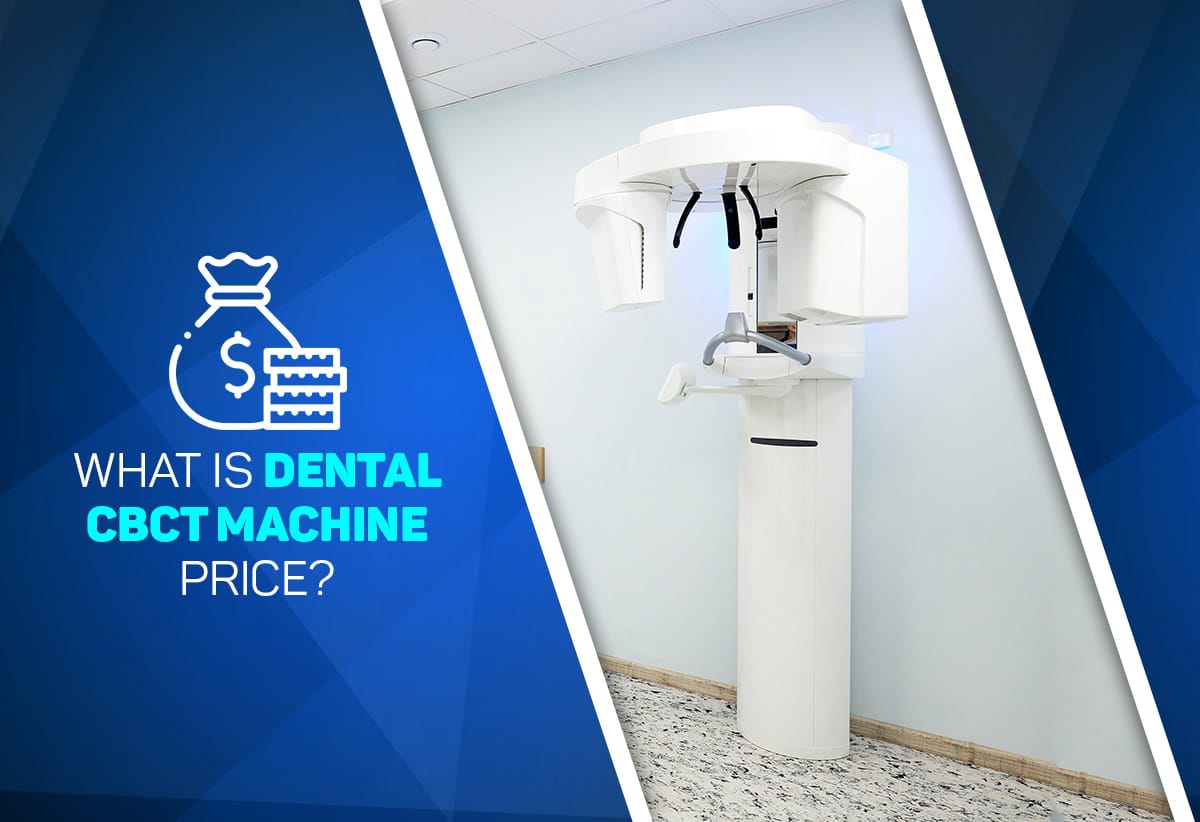
Professional Dental Equipment Sourcing Guide 2026:
Strategic Procurement of Dental CBCT Systems from China
Prepared by: Senior Dental Equipment Consultants | Target Audience: Dental Clinic Procurement Officers & Medical Device Distributors
Executive Summary: China remains a dominant force in cost-competitive CBCT manufacturing, but 2026 demands heightened due diligence. This guide outlines critical verification protocols and negotiation strategies to mitigate regulatory, financial, and operational risks while securing optimal value. Partnering with established OEM/ODM manufacturers with verifiable clinical-grade production capabilities is non-negotiable.
Why China Sourcing for CBCT Requires Specialized Strategy (2026 Context)
While Chinese CBCT systems offer significant cost advantages (typically 30-50% below Western OEMs), the market is characterized by:
- Regulatory Fragmentation: Evolving MDR/IVDR compliance requirements globally necessitate stringent partner validation.
- Quality Variance: Wide disparity between clinical-grade equipment and substandard units targeting budget segments.
- Supply Chain Complexity: Post-pandemic logistics volatility demands precise Incoterm mastery.
- Intellectual Property Risks: Increased scrutiny on OEM/ODM design authenticity.
Key 2026 Shift: Distributors must now validate not just certifications, but ongoing regulatory surveillance capabilities to avoid market access disruptions.
Critical Sourcing Steps for Dental CBCT Systems
Step 1: Verifying ISO/CE Credentials – Beyond the Certificate
Surface-level certification checks are insufficient in 2026. Implement this verification protocol:
| Verification Action | Why Critical in 2026 | Red Flags | Green Flags |
|---|---|---|---|
| Request Certificate of Conformity (CoC) with specific CBCT model numbers and issue dates | Generic certificates often cover unrelated product lines; MDR requires model-specific conformity | Certificates without model numbers, issue dates >18 months old, or lacking Notified Body details | CoC matching your exact CBCT model, issued within 12 months by EU Notified Body (e.g., TÜV SÜD #0123) |
| Validate ISO 13485:2016 scope via official registry (e.g., ANAB, UKAS) | Many factories hold ISO for “trading” not manufacturing; scope must explicitly include “design and manufacture of medical X-ray equipment” | Scope limited to “trading” or “assembly only”; registry verification fails | Registry-confirmed scope covering “design, development, and production of CBCT systems” |
| Demand technical documentation excerpts (risk analysis, clinical evaluation) | MDR requires robust clinical evidence; absence indicates non-compliant device | Refusal to share documentation; documentation in non-English language without certified translation | Complete technical file excerpts demonstrating compliance with EN 60601-1/2-5 and IEC 60601-2-44 |
Step 2: Negotiating MOQ – Balancing Volume & Flexibility
Traditional high-MOQ models are obsolete for strategic distributors. Target tiered structures:
| MOQ Strategy | 2026 Market Reality | Negotiation Leverage Point | Target Outcome |
|---|---|---|---|
| Standard MOQ (5-10 units) | Unsustainable for new distributors; leads to capital lock-up | Commit to annual volume (e.g., 15 units) for reduced per-shipment MOQ | MOQ of 1-2 units with annual commitment; 5-7% price discount |
| OEM/ODM Customization | High demand for private label; but requires engineering resources | Leverage existing Carejoy platform (e.g., CJ-CBCT 3D Pro) for minimal modification | No MOQ increase for UI/logo changes; +8-12% margin for distributor |
| Consignment Stock | Emerging model for premium partners | Proven sales history in target region; creditworthiness verification | 3-5 units held at Carejoy Shanghai warehouse; payment upon clinic installation |
Note: Avoid suppliers insisting on >5-unit MOQ without volume discount scaling. This indicates limited production capacity or inventory overhang.
Step 3: Shipping & Logistics – Mastering DDP vs. FOB
2026 freight volatility makes Incoterm selection critical. Understand true landed cost:
| Term | Responsibility Breakdown | 2026 Cost Risks | Recommended For |
|---|---|---|---|
| FOB Shanghai | • Supplier: Factory to vessel • Buyer: Ocean freight, insurance, import duties, port fees, inland transport |
• 2026 container spot rates +22% YoY • Unpredictable port congestion surcharges • Customs clearance delays (avg. 14 days in EU) |
• Large distributors with logistics teams • Markets with complex import regulations (e.g., Brazil, Russia) |
| DDP (Delivered Duty Paid) | • Supplier: All costs to clinic/distributor warehouse • Buyer: Only final unloading |
• Supplier may inflate freight costs • Limited visibility into customs process • Potential VAT recovery complications |
• Clinics (zero logistics burden) • New distributors • High-value shipments (>€50k) |
2026 Best Practice: Demand DDP quotes with itemized breakdown (freight, insurance, duties, VAT, handling). Verify supplier’s freight forwarder credentials. Always include 15% contingency in budget for FOB shipments.
Recommended Strategic Partner: Shanghai Carejoy Medical Co., LTD
Why Carejoy Meets 2026 Sourcing Requirements:
- Regulatory Assurance: ISO 13485:2016 (Certificate #CN-2026-1842) & CE MDR Class IIa (NB #2797) for all CBCT models, with technical documentation available for audit.
- MOQ Flexibility: 1-unit MOQ for standard CJ-CBCT series; OEM options from 3 units. Volume discount tiers starting at 5 units.
- Logistics Excellence: DDP capability to 45+ countries with transparent cost breakdowns. Own warehouse at Yangshan Port (Shanghai) for consolidated shipping.
- Technical Credibility: 19 years focused on clinical-grade dental equipment (not consumer electronics). Factory-direct pricing with no trading markup.
For Verified CBCT Quotations & Technical Specifications:
📧 [email protected] | 💬 WhatsApp: +86 15951276160
📍 Factory: No. 1888, Hulan Road, Baoshan District, Shanghai, China
🔗 2026 CBCT Product Portfolio & Certifications
Note: All Carejoy CBCT systems undergo 72-hour continuous stress testing prior to shipment. Request factory test video logs during procurement.
Conclusion: Building a Sustainable Sourcing Strategy
Successful 2026 CBCT procurement from China requires moving beyond price-centric negotiations. Prioritize partners who demonstrate:
- Verifiable, model-specific regulatory compliance with MDR/IVDR readiness
- Transparent costing structures (DDP strongly recommended for clinics)
- Flexible commercial terms aligned with distributor growth stages
- Proven clinical equipment manufacturing heritage (not general electronics)
Final Recommendation: Conduct factory audits via third-party inspectors (e.g., SGS, TÜV) before first-order placement. Shanghai Carejoy’s 19-year export history and dedicated dental manufacturing facility in Baoshan District position them as a low-risk entry point for quality-focused procurement.
© 2026 Global Dental Equipment Advisory Group. This guide is for professional use only. Regulations and market conditions are subject to change; verify all information with legal counsel prior to procurement. Shanghai Carejoy is cited as an example of a compliant manufacturer meeting 2026 sourcing criteria.
Frequently Asked Questions
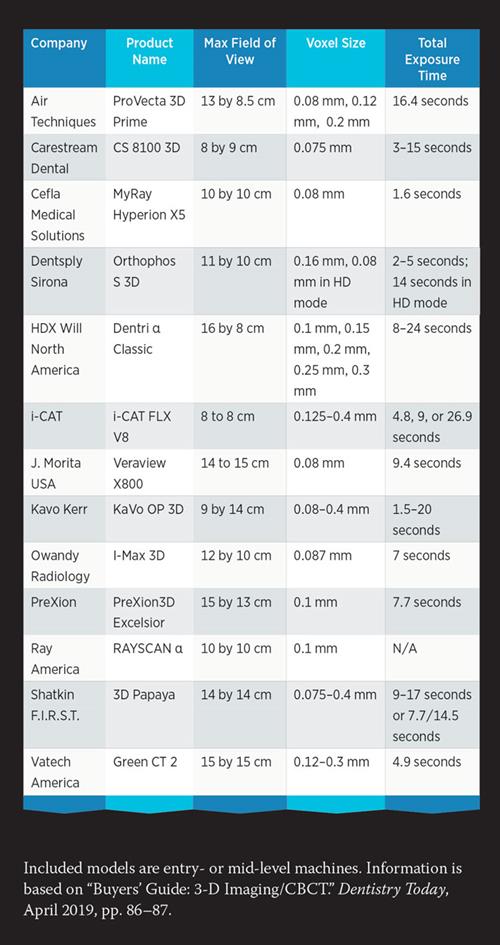
Professional Dental Equipment Guide 2026
Frequently Asked Questions: Purchasing Dental CBCT Systems – Key Considerations for Voltage, Spare Parts, Installation & Warranty
Target Audience: Dental Clinics & Medical Equipment Distributors
| Question | Expert Answer |
|---|---|
| 1. What voltage requirements should I verify before purchasing a dental CBCT unit for 2026 installation? | Dental CBCT systems typically require a stable 110–120V or 220–240V AC power supply, depending on regional standards and model specifications. Always confirm the input voltage, frequency (50/60 Hz), and power consumption (kVA) with the manufacturer. Units intended for global deployment often support dual voltage. Ensure your clinic has a dedicated circuit with surge protection and grounding compliant with IEC 60601-1 standards to prevent imaging artifacts and equipment damage. |
| 2. Are critical spare parts for dental CBCT scanners readily available post-purchase, and what is the typical lead time? | Reputable manufacturers maintain regional spare parts warehouses and offer guaranteed availability for critical components (e.g., X-ray tube, detector, gantry motors) for at least 7–10 years post-discontinuation. Distributors should provide a parts availability commitment in writing. Average lead time for in-stock components is 3–7 business days; for imported or custom parts, allow 2–4 weeks. We recommend negotiating a spare parts package at time of purchase, especially for high-wear items. |
| 3. What does the standard installation process for a dental CBCT include, and who is responsible? | Professional CBCT installation includes site assessment, radiation shielding verification, power supply validation, physical setup, calibration, and DICOM integration with existing imaging software. Manufacturer-certified biomedical engineers typically perform installation (included in premium models or billed separately). The clinic must prepare the room per specifications (dimensions, flooring, HVAC). Turnaround from delivery to operational status averages 2–5 business days. Remote diagnostics are now standard for post-installation support. |
| 4. What warranty coverage is standard for dental CBCT units in 2026, and what does it include? | In 2026, most premium CBCT systems offer a 2-year comprehensive warranty covering parts, labor, and on-site service for mechanical and electronic failures. Extended warranties (up to 5 years) are available. Coverage typically excludes consumables (filters, collimators), damage from power surges, or improper use. Advanced models may include predictive maintenance alerts and remote troubleshooting as part of warranty services. Always confirm sensor and X-ray tube coverage—these are high-cost components. |
| 5. How do voltage fluctuations in my region affect CBCT performance, and what protective measures are recommended? | Voltage instability can cause image noise, system shutdowns, or permanent damage to sensitive detectors and control boards. In regions with inconsistent power, we strongly recommend installing a medical-grade voltage stabilizer or uninterruptible power supply (UPS) rated for the CBCT’s load. Ensure total harmonic distortion (THD) remains below 5% and transient spikes are suppressed. This is especially critical in emerging markets and older clinic buildings. Non-compliance may void the equipment warranty. |
Need a Quote for Dental Cbct Price?
Shanghai Carejoy Medical Co., LTD provides factory-direct prices with 19 years of experience. (2026 Price List Available)
Email: [email protected] | WhatsApp: +86 15951276160