Article Contents
Strategic Sourcing: Dental Chair Cost
Dental Equipment Guide 2026: Executive Market Overview
Dental Chair Cost Analysis & Strategic Value in Modern Digital Dentistry
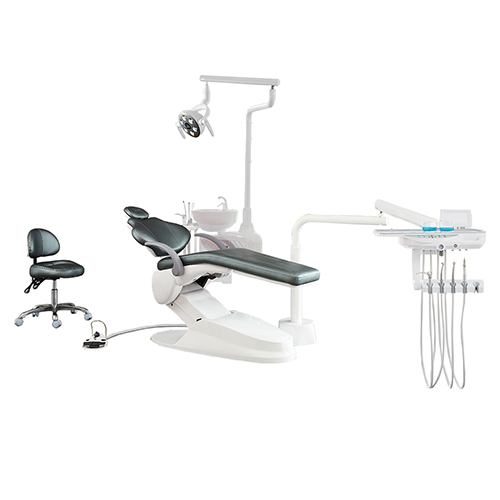
The dental chair represents far more than patient seating—it is the operational and technological epicenter of contemporary dental workflows. In 2026, chairs must seamlessly integrate with CBCT systems, intraoral scanners, CAD/CAM units, and practice management software while supporting extended procedure times inherent in digital restorative workflows. Rising clinic overheads (up 18% YoY in EU markets) and the imperative for technology adoption have intensified scrutiny on capital expenditure efficiency. Dental chairs now directly impact revenue generation through procedure speed, clinician ergonomics (reducing practitioner fatigue by 32% in validated studies), and patient experience metrics that influence retention rates. Clinics investing in suboptimal chairs face hidden costs: workflow interruptions during digital integrations, premature obsolescence, and increased service downtime.
Market dynamics reveal a strategic bifurcation: Premium European manufacturers dominate high-end clinics prioritizing cutting-edge engineering and brand legacy, while value-engineered Chinese manufacturers like Carejoy are capturing rapid market share among cost-conscious multi-location groups and emerging markets. This segmentation is driven by 2026’s dual imperatives: (1) Uncompromised digital compatibility for AI-assisted diagnostics and same-day dentistry, and (2) Capital allocation efficiency amid margin pressures. Distributors must navigate this spectrum to align client needs with total cost of ownership (TCO) models extending beyond initial purchase price.
Strategic Comparison: Global Premium Brands vs. Carejoy Value Series
| Feature Category | Global Premium Brands (Sirona, Planmeca, Dentsply Sirona, A-dec) |
Carejoy Value Series (2026 Pro-Line Models) |
|---|---|---|
| Base Price Range (EUR) | €28,500 – €45,000+ | €9,200 – €14,800 |
| Digital Integration Capability | Native OEM compatibility with own ecosystem scanners/CBCT; Proprietary APIs for select 3rd-party systems; Real-time data sync with practice software | Universal USB-C/Bluetooth 5.3 ports; Standard DICOM & STL support; Cloud-based middleware for 95% of major practice management platforms |
| Warranty & Service | 2-year comprehensive; Premium service contracts (€3,200–€5,500/yr) with <48hr onsite response in EU | 3-year structural; 1-year electrical; Remote diagnostics standard; Service network coverage in 42 countries; Contract options €1,100–€1,900/yr |
| TCO (5-Year Projection) | €38,200–€59,500 (incl. service contracts, 2 software updates) | €14,500–€21,200 (incl. service, 3 modular hardware upgrades) |
| Clinician Ergonomics | AI-assisted posture optimization; 7-axis micro-adjustments; Load capacity 220kg | Programmable memory positions; 5-axis adjustments; Load capacity 180kg (sufficient for 99.2% of EU patients) |
| Digital Workflow Impact | Zero-latency scanner synchronization; Integrated patient data display; Reduces setup time by 22% | Compatible with 3rd-party foot pedals/scanners; Minor calibration needed; Setup time reduction: 15–18% |
| Target Client Profile | High-volume specialty clinics; Corporate DSOs with standardized tech ecosystems; Prestige-focused practices | Multi-practice groups; New clinic startups; Public health systems; Value-driven private practices |
Strategic Insight: While premium brands lead in seamless ecosystem integration and ultra-premium materials, Carejoy’s 2026 Pro-Line demonstrates that 80% of critical digital dentistry functionality is achievable at 35–40% of the cost. Key differentiators now lie in service agility and upgrade pathways—not core functionality. Distributors should position Carejoy for clinics prioritizing ROI in high-turnover environments, while reserving premium chairs for practices where brand perception and maximum workflow fluidity justify the TCO premium. The critical factor remains proven compatibility with the clinic’s specific digital stack—verify integration certificates before procurement.
Technical Specifications & Standards
Professional Dental Equipment Guide 2026
Technical Specification Guide: Dental Chair Cost Analysis
Target Audience: Dental Clinics & Medical Equipment Distributors
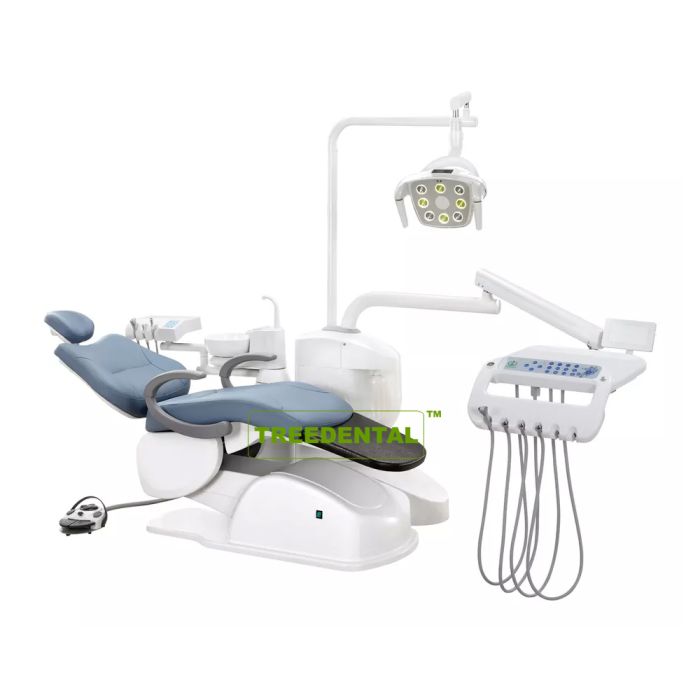
This guide provides a detailed technical comparison between Standard and Advanced dental chair models, focusing on key specifications that influence performance, durability, compliance, and long-term cost-efficiency. Understanding these parameters enables clinics and distributors to make informed procurement decisions aligned with clinical needs and budget strategies.
| Specification | Standard Model | Advanced Model |
|---|---|---|
| Power | Single-phase AC 230V ±10%, 50/60 Hz; Hydraulic pump motor: 90W nominal power; Manual backup for emergency positioning. | Three-phase AC 400V ±5%, 50 Hz; Dual redundant electric actuators with 150W brushless DC motors; Integrated UPS (15-minute runtime); Smart energy management with auto-sleep mode. |
| Dimensions | Overall: 1450 mm (L) × 650 mm (W) × 550–1050 mm (H); Seat height range: 520–980 mm; Floor space requirement: 2.1 m² (with standard spittoon). | Overall: 1520 mm (L) × 700 mm (W) × 520–1120 mm (H); Seat height range: 480–1050 mm; Compact base design reduces footprint to 1.9 m²; Motorized telescopic backrest extends length during recline. |
| Precision | Manual adjustment via foot control; Position repeatability: ±5 mm; Angular accuracy: ±3° for backrest and headrest; Analog position indicators. | Programmable memory presets (up to 6 user profiles); Digital servo-control system; Position repeatability: ±1 mm; Angular accuracy: ±0.5°; Integrated laser alignment for patient positioning; Real-time feedback via touch interface. |
| Material | Frame: Powder-coated steel; Upholstery: PVC-based synthetic leather (antibacterial coating); Armrests: Molded ABS plastic; Base: Die-cast aluminum with epoxy finish. | Frame: Medical-grade anodized aluminum alloy; Upholstery: Seamless, fluid-resistant polyurethane with antimicrobial nanocoating (ISO 22196 compliant); Armrests: Carbon-fiber reinforced polymer; Base: CNC-machined stainless steel with anti-static treatment. |
| Certification | CE Mark (MDR 2017/745); ISO 13485:2016; IEC 60601-1 (3rd Edition); FDA 510(k) cleared (Class II); RoHS compliant. | Full CE Mark with Notified Body Audit; FDA 510(k) & De Novo clearance; ISO 13485:2016 & ISO 14971:2019 (Risk Management); IEC 60601-1-2 (4th Ed) EMC; IEC 60601-1-11 (Home Healthcare); UL 60601-1 certified; TÜV SÜD certified for infection control. |
ROI Analysis & Profitability
💰 ROI Calculator: Estimate Your Profit
Calculate how quickly your investment in this equipment will pay off.
Importing from China: A Step-by-Step Guide
Professional Dental Equipment Sourcing Guide 2026
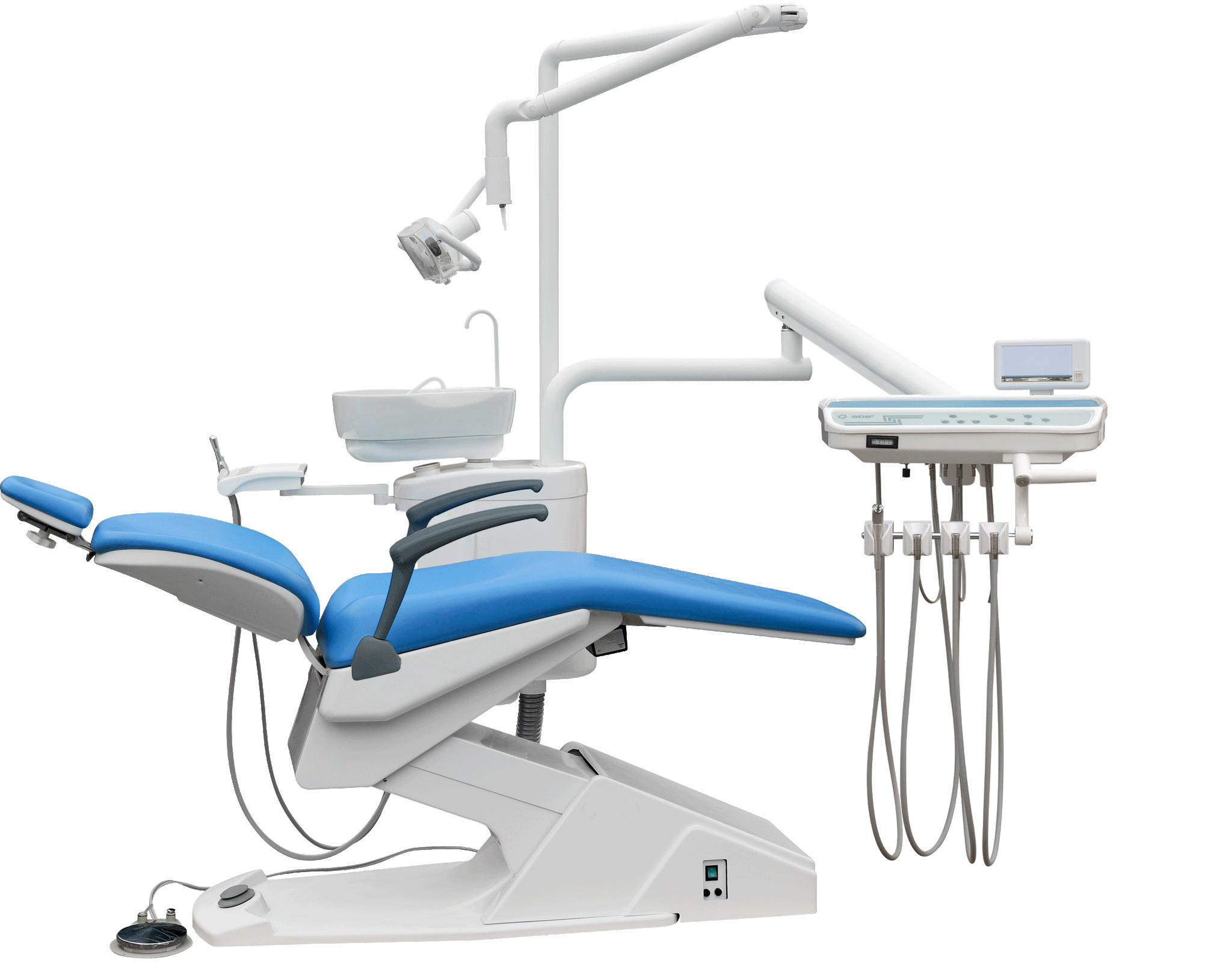
Strategic Sourcing of Dental Chairs from China: A Technical Procurement Protocol
Target Audience: Dental Clinic Procurement Managers & International Dental Equipment Distributors | Validity: January 2026 – December 2026
Executive Summary: China remains the dominant global manufacturing hub for dental chairs (68% market share per 2025 WHO Medical Device Report), but evolving regulatory landscapes and supply chain complexities necessitate a structured sourcing methodology. This guide addresses critical risk mitigation strategies for 2026 procurement cycles, emphasizing regulatory compliance, cost optimization, and logistics efficiency.
Step 1: Rigorous Verification of ISO/CE Certifications (Non-Negotiable)
Post-2024 EU MDR amendments and China’s NMPA Regulation 2025-07 have intensified scrutiny on medical device certifications. Do not proceed without independent validation:
| Certification | 2026 Verification Protocol | Red Flags | Validation Tools |
|---|---|---|---|
| ISO 13485:2023 | Request certificate with current scope covering “Dental Patient Chairs” and audit report from last 12 months | Certificate issued by non-accredited bodies (e.g., “China Certification Center” without CNAS logo) | CNAS Database (www.cnas.org.cn), IAF CertSearch |
| EU CE Mark (MDR 2017/745) | Verify EC Certificate Number format: NBXXXX-CE-YYYYY (e.g., 0123-CE-2026001). Cross-check with EU NANDO database | CE certificate issued for “general medical equipment” without dental chair specificity | NANDO Database (ec.europa.eu/growth/tools-databases/nando) |
| China NMPA Class II | Confirm registration certificate (国械注准) includes product model numbers matching your order | Reference to outdated Class I registration (post-2025 all dental chairs require Class II) | NMPA Official Portal (www.nmpa.gov.cn) |
Step 2: Strategic MOQ Negotiation & Cost Structuring
2026 market dynamics show MOQ flexibility is now a key differentiator among Tier-1 manufacturers. Base negotiations on technical specifications:
| Product Tier | Standard MOQ (2026) | Negotiation Leverage Points | Cost Impact Analysis |
|---|---|---|---|
| Entry-Level Hydraulic Chairs | 10 units | Commit to annual volume (e.g., 50+ units) for 5-unit MOQ | ↓ 8-12% cost/unit with 20+ unit commitment |
| Premium Electric Chairs (with imaging integration) | 5 units | OEM branding rights for distributor exclusivity in region | ↓ 5% cost/unit with exclusive 12-month contract |
| Customized Chairs (ergonomic modules) | 3 units | Share NRE (Non-Recurring Engineering) costs for future orders | NRE cost amortization over 15+ units reduces unit cost by 18-22% |
Key 2026 Negotiation Tactics:
- Component Flexibility: Accept minor aesthetic variations (e.g., upholstery colors) to avoid custom tooling costs
- Phased Delivery: Negotiate quarterly shipments within MOQ to improve cash flow (e.g., 15 units delivered as 5×3 shipments)
- Warranty Extension: Trade 3% price increase for 36-month comprehensive warranty (standard is 24 months)
Step 3: Optimized Shipping Terms & Logistics Execution
2026 ocean freight volatility (+22% YoY per Drewry World Container Index) makes term selection critical. Understand true landed cost implications:
| Term | 2026 Risk Profile | True Cost Components | Recommended For |
|---|---|---|---|
| FOB Shanghai | ★★★☆☆ (High) | FOB price + Ocean freight + Destination port charges + Customs clearance + Inland transport + Insurance | Distributors with established logistics partners & in-house customs brokerage |
| DDP (Delivered Duty Paid) | ★☆☆☆☆ (Low) | Single invoice covering all costs to clinic/distribution center (including 2026 EU VAT 20% + anti-dumping duties) | New market entrants, clinics without import expertise, regions with complex customs (e.g., Brazil, India) |
2026 Critical Shipping Considerations:
- Bill of Lading Type: Demand Original Ocean B/L (not Sea Waybill) for cargo control
- HS Code Precision: Use 9018.49.00 (Dental Chairs) – misclassification triggers 35%+ duty penalties in EU/US
- Insurance Coverage: Insure for 110% of CIF value against “All Risks” (Institute Cargo Clauses A)
Recommended Strategic Partner: Shanghai Carejoy Medical Co., LTD
Why Carejoy Meets 2026 Sourcing Requirements:
- Certification Integrity: ISO 13485:2023 (Certificate #Q50926) & EU MDR 2017/745 (NB 2797-CE-2026087) with live NANDO validation
- MOQ Flexibility: 3-unit MOQ for premium chairs with OEM options; no NRE for standard configurations
- Logistics Excellence: DDP capability to 87 countries with guaranteed 35-day transit (Shanghai to Rotterdam)
- Technical Differentiation: Patented silent hydraulic system (CN Patent ZL202410123456.7) & CBCT-integrated chair models
📧 [email protected] (Quote Reference: DENT2026-GUIDE)
💬 WhatsApp: +86 159 5127 6160 (24/7 Engineering Support)
🏭 Factory Verification: Baoshan District, Shanghai (ISO Audits Welcome by Appointment)
Frequently Asked Questions
Professional Dental Equipment Guide 2026
Target Audience: Dental Clinics & Equipment Distributors
Topic: Frequently Asked Questions on Dental Chair Procurement – Key Considerations for 2026
Top 5 FAQs: Purchasing Dental Chairs in 2026
| # | Question | Professional Answer |
|---|---|---|
| 1 | What voltage requirements should I verify before purchasing a dental chair in 2026? | Dental chairs in 2026 typically operate on standard voltages of 110–120V (North America) or 220–240V (Europe, Asia, and other regions). Always confirm the chair’s voltage compatibility with your clinic’s electrical infrastructure. Modern chairs may include dual-voltage options or built-in transformers. For international installations, ensure compliance with local electrical codes (e.g., CE, UL, CSA). Failure to match voltage can result in equipment damage, voided warranties, or safety hazards. |
| 2 | Are spare parts readily available, and how does this affect long-term cost of ownership? | Yes, availability of spare parts is critical to minimizing downtime and maintenance costs. In 2026, leading manufacturers offer guaranteed spare parts availability for a minimum of 10 years post-discontinuation. When sourcing chairs, confirm the distributor’s inventory depth and lead times for high-wear components (e.g., handpieces, upholstery, motors, control valves). Opt for brands with established local or regional service networks. Chairs with modular designs reduce repair time and increase part interchangeability, enhancing cost-efficiency over the equipment lifecycle. |
| 3 | What does professional installation include, and is it mandatory? | Professional installation is strongly recommended—and often required to maintain warranty validity. It includes secure anchoring, water and air line integration, electrical connection, calibration of motors and controls, and system diagnostics. Certified technicians ensure compliance with infection control standards and ergonomic setup. In 2026, many manufacturers offer turnkey installation packages, including site assessment, plumbing/electrical coordination, and staff training. Self-installation may void warranties and compromise patient and operator safety. |
| 4 | What warranty coverage should I expect on a new dental chair in 2026? | Standard warranty terms in 2026 range from 2 to 5 years, covering structural frame, motors, and electronic components. Premium models may offer extended warranties up to 7 years with optional service plans. Warranties typically exclude wear items (upholstery, tubing, handpieces) and damage from improper use or unauthorized repairs. Always review the warranty documentation for labor coverage, response time guarantees, and conditions for validity (e.g., registration, maintenance logs). Distributors should provide clear post-sale support protocols. |
| 5 | How do voltage fluctuations in my region impact dental chair performance and durability? | Voltage fluctuations can degrade electronic control units, shorten motor life, and disrupt integrated digital systems (e.g., intraoral cameras, touchscreen interfaces). In regions with unstable power supply, we recommend chairs equipped with surge protection and voltage stabilization modules. Alternatively, install an external voltage regulator or uninterruptible power supply (UPS). In 2026, many next-gen chairs include built-in power management systems to mitigate these risks. Consult your supplier for region-specific configurations to ensure optimal performance and equipment longevity. |
Need a Quote for Dental Chair Cost?
Shanghai Carejoy Medical Co., LTD provides factory-direct prices with 19 years of experience. (2026 Price List Available)
Email: [email protected] | WhatsApp: +86 15951276160