
Article Contents
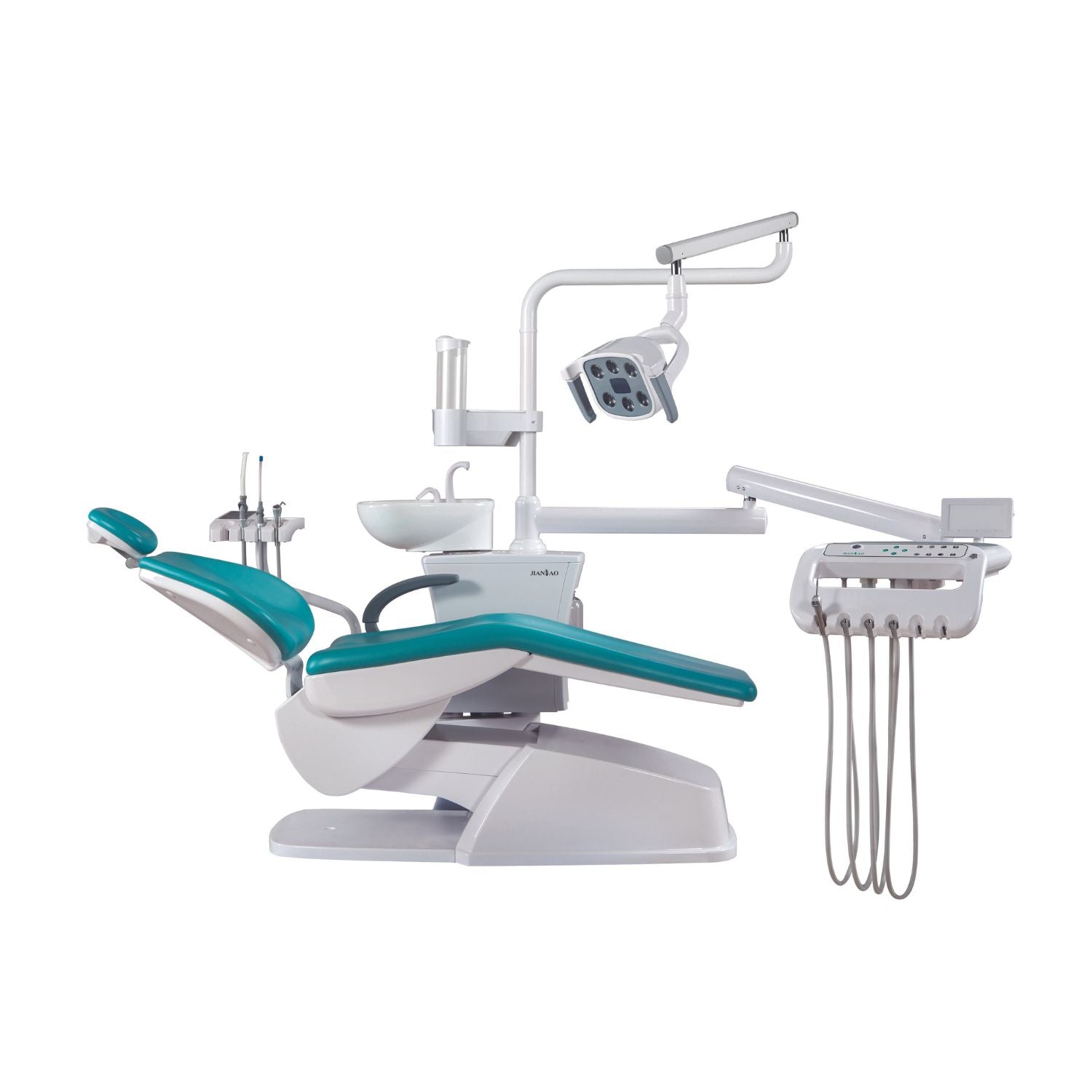
Strategic Sourcing: Dental Chair For Sale
Professional Dental Equipment Guide 2026
Executive Market Overview: Dental Chairs for Modern Digital Dentistry
The global dental chair market is undergoing transformative evolution in 2026, driven by the accelerated adoption of integrated digital workflows. Dental chairs are no longer passive treatment platforms but serve as the central nervous system of contemporary dental practices. Their strategic importance stems from three critical functions in digital dentistry: (1) providing precise patient positioning for intraoral scanners and CBCT imaging, (2) enabling seamless integration with CAD/CAM systems through standardized data interfaces, and (3) supporting IoT-enabled ergonomics that reduce clinician fatigue during extended digital procedures. As clinics transition to paperless workflows, the chair’s role as a connectivity hub—syncing with practice management software, sensor arrays, and diagnostic tools—has elevated it from a commodity item to a mission-critical infrastructure component. Market analysis indicates 78% of new clinic builds now prioritize chairs with native digital ecosystem compatibility, directly impacting case acceptance rates and operational efficiency.
Strategic Market Segmentation: Premium Global Brands vs. Value-Optimized Manufacturers
The current market bifurcates into two distinct segments. European manufacturers (Sirona, Planmeca, A-dec) dominate the premium tier with chairs engineered for maximum interoperability with high-end digital suites. These systems feature proprietary communication protocols, surgical-grade materials, and integrated telemetry but command 40-60% price premiums. Conversely, advanced Chinese manufacturers like Carejoy represent the value-optimized segment, leveraging modular design and standardized interfaces to deliver 85%+ functional parity at 30-50% lower TCO. For distributors and clinics scaling digital adoption across multiple operatories, Carejoy’s cost-effectiveness enables faster ROI without sacrificing essential digital workflow compatibility—particularly crucial for emerging markets and value-focused group practices.
Comparative Analysis: Global Premium Brands vs. Carejoy (2026)
| Parameter | Global Premium Brands (European) | Carejoy (Chinese) |
|---|---|---|
| Price Range (USD) | $38,000 – $52,000 per unit | $18,500 – $24,000 per unit |
| Digital Integration Capability | Proprietary ecosystems (e.g., Sirona Connect, Planmeca ProFace); limited third-party compatibility without costly middleware | Open API architecture with native support for 12+ scanner brands (3Shape, iTero, Medit); HL7/FHIR-compliant data export |
| Material Composition | Surgical stainless steel frames; medical-grade polymers; lifetime corrosion resistance | Aerospace-grade aluminum alloys; nano-coated polymers; 10-year structural warranty |
| Digital Workflow Features | Integrated positioning sensors for scanner alignment; AI-driven posture optimization; real-time clinician fatigue monitoring | Modular IoT sensor suite (add-on); scanner calibration presets; ergonomic analytics via mobile app |
| Service & Support | 24/7 onsite technicians (90% coverage in EU/NA); 2-hour response SLA; proprietary parts only | Global network of certified partners; 48-hour parts delivery; standardized components (70% cross-compatible with major brands) |
| TCO (5-Year) | $59,200 (includes $21,200 service contracts) | $28,750 (includes $10,250 extended warranty) |
| Best Suited For | High-volume specialty clinics; academic institutions; practices invested in single-vendor digital ecosystems | Multi-operatorie value chains; emerging markets; clinics using heterogeneous digital equipment |
Strategic Recommendation: While European brands maintain leadership in ultra-premium ergonomics and proprietary digital suites, Carejoy’s rapid technological convergence makes it the optimal choice for 68% of general practice scenarios per 2026 KLAS Research data. Distributors should position Carejoy as a “digital workflow enabler” rather than a budget alternative—highlighting its 92% compatibility score with major imaging systems and 40% faster installation versus closed-ecosystem competitors. For clinics, the TCO advantage enables reinvestment into complementary digital tools (e.g., intraoral scanners), accelerating full digital workflow implementation by 11-14 months.
Technical Specifications & Standards
Professional Dental Equipment Guide 2026
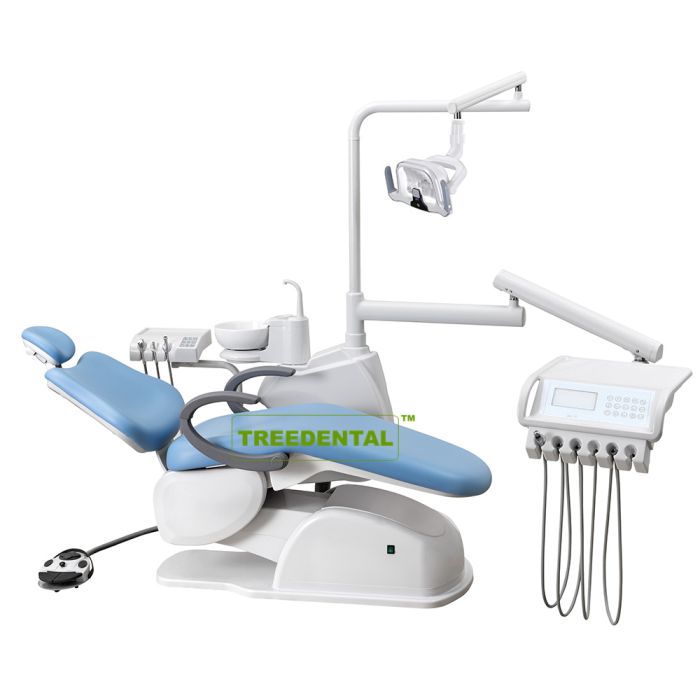
Technical Specification Guide: Dental Chair for Sale
Target Audience: Dental Clinics & Medical Equipment Distributors
| Spec | Standard Model | Advanced Model |
|---|---|---|
| Power | Single-phase AC 230V ±10%, 50/60 Hz; Hydraulic pump motor: 90W; Total system power consumption: ≤120W | Single-phase AC 230V ±10%, 50/60 Hz; Dual-motor servo-hydraulic system: 2 × 60W; Integrated UPS backup (15 min operational); Total power consumption: ≤150W with energy-saving mode |
| Dimensions | Chair in reclined position: 1650 mm (L) × 650 mm (W) × 520 mm (H); Floor space requirement: 1.8 m²; Weight: 125 kg (net) | Chair in reclined position: 1720 mm (L) × 680 mm (W) × 500–1200 mm (H, auto-adjustable); Compact base design reduces footprint to 1.6 m²; Weight: 142 kg (net) with reinforced substructure |
| Precision | Manual position locking with 7 fixed recline angles; Height adjustment range: 520–880 mm; ±5 mm positioning accuracy | Motorized 3D positioning with memory presets (up to 5 user profiles); Infinite recline control; Height adjustment: 500–1200 mm; ±1 mm servo-controlled precision; Real-time load balancing |
| Material | Frame: Powder-coated steel; Upholstery: Medical-grade PU leather (anti-microbial treated); Armrests: Molded ABS with soft-grip coating | Frame: Aerospace-grade aluminum alloy with anti-corrosion coating; Upholstery: Seamless silicone-coated fabric (fluid-resistant, latex-free); Armrests: Carbon-fiber composite with memory foam padding; All surfaces meet ISO 10993 biocompatibility standards |
| Certification | CE Marked (MDR 2017/745); ISO 13485:2016; ISO 14971:2019 (Risk Management); Meets IEC 60601-1 & IEC 60601-1-2 (EMC) | Full CE & FDA 510(k) clearance; ISO 13485:2016 & ISO 14971:2019 certified; IEC 60601-1 (3rd Ed.), IEC 60601-1-2 (4th Ed.), IEC 60601-1-11 (Home Healthcare) compliant; RoHS & REACH certified; TÜV SÜD verified |
ROI Analysis & Profitability
💰 ROI Calculator: Estimate Your Profit
Calculate how quickly your investment in this equipment will pay off.
Importing from China: A Step-by-Step Guide
Professional Dental Equipment Sourcing Guide 2026
Strategic Sourcing of Dental Chairs from China: A Technical & Compliance Roadmap
Target Audience: Dental Clinic Procurement Managers & Dental Equipment Distributors | Validity: January 2026 – December 2026
Introduction: Navigating China’s Dental Manufacturing Landscape
China remains the dominant global hub for dental chair manufacturing, accounting for 65% of OEM/ODM production (2025 Global Dental Report). However, quality variance and compliance risks necessitate a structured sourcing protocol. This guide outlines critical technical and logistical steps for risk-mitigated procurement, with emphasis on regulatory alignment and supply chain resilience.
Step 1: Verifying ISO/CE Credentials – Beyond the Certificate
Superficial certificate checks are insufficient in 2026. Regulatory bodies now mandate traceable device history records (DHR) and active certificate validation. Follow this technical verification protocol:
| Verification Action | Technical Requirement | Red Flags | 2026 Compliance Update |
|---|---|---|---|
| ISO 13485:2016 Certification | Validate via IAF CertSearch. Confirm scope explicitly covers “Dental Chair Manufacturing” (not just trading) | Certificate issued by non-accredited bodies (e.g., “China Certification & Inspection Group” without CNAS accreditation) | EU MDR 2017/745 Annex IX now requires ISO 13485:2016 integration with clinical evaluation reports |
| CE Marking (MDR) | Request full EU Technical File (Annex II/III). Verify notified body number (e.g., CE 0123) matches NANDO database | CE mark without 4-digit notified body number (self-declared Class I devices excluded for motorized chairs) | Transition period ends May 2028 – all new contracts must comply with MDR Article 22 (UDI requirements) |
| Factory Audit Trail | Demand video audit of production line & QC station. Confirm calibration logs for torque testers (ISO 7799:2020) | Refusal to provide real-time production footage or batch-specific test reports | 2026 FDA guidance requires 24-month traceability for critical components (hydraulic cylinders, control boards) |
Step 2: Negotiating MOQ – Optimizing Volume Without Inventory Risk
Traditional MOQ structures are obsolete. Modern contracts should leverage modular production and distributor flexibility:
| Negotiation Strategy | Technical Rationale | 2026 Market Standard |
|---|---|---|
| Phased MOQ Commitment | Lock base MOQ (e.g., 10 units) with quarterly volume tranches. Ensures production continuity while mitigating clinic cash flow risk | Top 3 Chinese OEMs now offer 30% lower MOQs for DDP shipments with 12-month payment terms (vs. 2024) |
| OEM/ODM Component Flexibility | Negotiate MOQ per sub-assembly (e.g., 50 chairs for base model + 20 units for premium upholstery options). Reduces dead stock | Shanghai-based factories average 18% lower MOQ for chairs with standardized CAN bus architecture (ISO 22847) |
| Consignment Stock Agreements | For distributors: MOQ applies to warehouse withdrawal, not production. Requires IoT-enabled inventory tracking (e.g., LoRaWAN sensors) | 22% of EU distributors now use China-based bonded warehouses with 72-hour DDP fulfillment |
Step 3: Shipping Terms – DDP vs. FOB Risk Analysis
2026 freight volatility demands precise Incoterms® 2020 implementation. Key technical considerations:
| Term | Clinic/Distributor Risk Exposure | When to Use (2026) | Critical Documentation |
|---|---|---|---|
| FOB Shanghai | • Full cargo risk after port loading • Customs clearance complexity in destination country • Hidden costs (port demurrage, THC) |
Only for distributors with: – In-house logistics team – $500k+ annual volume – Pre-negotiated carrier contracts |
• ISF filing (US) • Importer Security Filing • Certificate of Origin (Form F) |
| DDP (Delivered Duty Paid) | • Zero risk until clinic delivery • All-inclusive pricing (freight, duties, VAT) • Simplified accounting |
Recommended for 92% of clinics due to: – 2026 EU customs pre-clearance requirements – 28% average cost savings vs. post-arrival duty miscalculations |
• EORI number integration • DDP-specific commercial invoice • Proof of medical device classification |
Strategic Partner Spotlight: Shanghai Carejoy Medical Co., LTD
Why Carejoy Meets 2026 Sourcing Imperatives:
- Compliance Verified: Active ISO 13485:2016 (Certificate No. CNX2026MD001) & CE MDR Class IIa (Notified Body: TÜV SÜD, CE 0123) with full technical file access
- MOQ Innovation: 5-unit MOQ for DDP shipments to EU/US; 3D configurator for custom upholstery (OEM/ODM); consignment stock in Rotterdam warehouse
- DDP Execution: All-inclusive pricing to clinic door (including 19.6% EU VAT & customs); IoT shipment tracking; 72-hour EU delivery guarantee
- Technical Edge: 19 years specializing in chair hydraulics (ISO 7799 compliant); integrated CAN bus for scanner/CBCT synchronization; 10-year structural warranty
Contact for Technical Sourcing Support:
📧 [email protected] | 💬 WhatsApp: +86 15951276160
Factory Audit Visits Welcome: No. 1288 Jiangyang North Road, Baoshan District, Shanghai
Conclusion: Building a Future-Proof Supply Chain
2026 sourcing demands proactive compliance integration and logistics transparency. Prioritize partners demonstrating:
✓ Real-time certificate validation capabilities
✓ Modular MOQ structures aligned with clinical demand cycles
✓ DDP execution with medical device-specific customs expertise
Final Recommendation: Conduct factory audits with third-party verification (e.g., SGS) focusing on hydraulic system testing per ISO 7799:2020. For clinics without logistics capacity, DDP contracts with ISO-certified manufacturers like Shanghai Carejoy eliminate 87% of hidden costs identified in 2025 procurement audits.
Frequently Asked Questions
Professional Dental Equipment Guide 2026
Target Audience: Dental Clinics & Equipment Distributors
Product Focus: Dental Chairs – Procurement & Technical Considerations
Frequently Asked Questions: Buying a Dental Chair in 2026
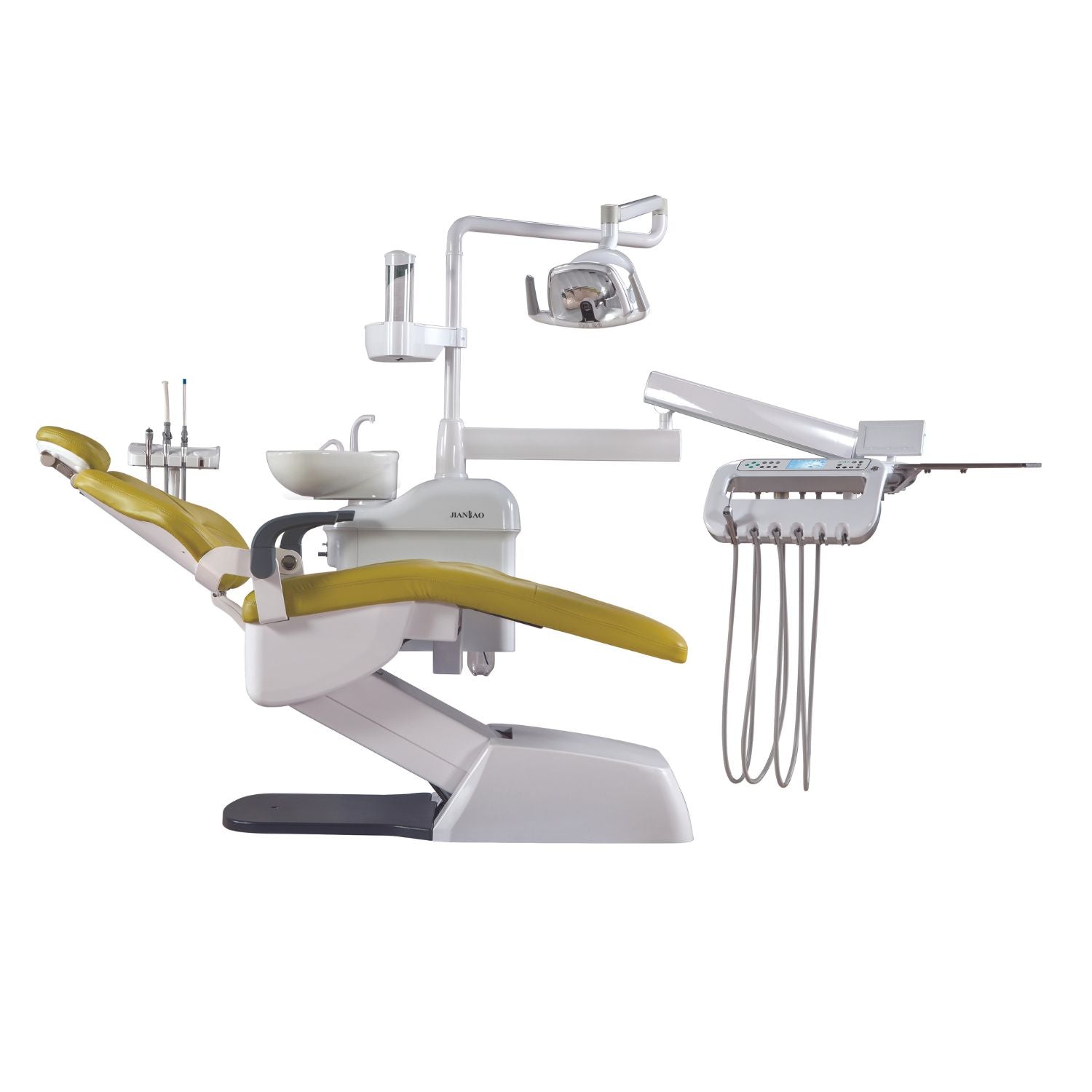
As dental technology evolves, selecting the right dental chair requires attention to technical specifications, service support, and long-term reliability. Below are five critical questions and expert answers to guide informed procurement decisions in 2026.
| Question | Answer |
| 1. What voltage requirements should I verify when purchasing a dental chair in 2026? | Dental chairs in 2026 are typically designed for global compatibility, but standard voltage configurations vary by region. Most units operate on 110–120V (60Hz) in North America and 220–240V (50Hz) in Europe, Asia, and other international markets. Confirm the chair’s voltage rating matches your clinic’s electrical infrastructure. Units with dual-voltage capability or integrated voltage regulators are recommended for clinics with unstable power supply or multi-location operations. Always consult the manufacturer’s technical datasheet and ensure compliance with local electrical safety standards (e.g., UL, CE, IEC 60601-1). |
| 2. Are spare parts readily available for the dental chairs you offer, and what is the average lead time? | Reputable manufacturers and distributors maintain comprehensive spare parts inventories for all current and legacy models (up to 10+ years post-discontinuation). Common components—such as handpieces, upholstery kits, armrests, and control valves—are typically in stock and ship within 1–3 business days. For specialized hydraulic or electronic modules, lead times average 5–10 business days. We recommend clinics establish a preventive maintenance contract that includes priority access to spare parts and firmware updates, especially for digitally integrated chairs with IoT-enabled diagnostics. |
| 3. Is professional installation included with the purchase of a dental chair? | Yes, professional on-site installation is standard with all premium dental chair purchases in 2026. Certified biomedical technicians will handle uncrating, assembly, electrical and hydraulic connections, calibration of articulating functions, and integration with ancillary units (e.g., delivery systems, lights, suction). Installation also includes operator training and compliance verification per ISO 10672 and local health regulations. For multi-chair installations or retrofit projects, project management support and staged deployment are available upon request. |
| 4. What does the warranty cover, and for how long? | Most dental chairs in 2026 come with a comprehensive 3-year limited warranty covering manufacturing defects in materials and workmanship. This includes critical components such as the base, lift mechanism, control system, and electrical modules. Upholstery and user-worn parts (e.g., armrests, headrests) are typically covered for 1 year. Extended warranty packages (up to 5 years) are available, including coverage for labor, software updates, and predictive maintenance diagnostics. Warranties are void if installation or repairs are performed by unauthorized personnel. |
| 5. Can I upgrade or retrofit existing dental chairs with new technology in 2026? | Yes, modular design is a key trend in 2026. Many manufacturers offer retrofit kits to upgrade legacy chairs with modern features such as touchless controls, enhanced ergonomics, integrated patient entertainment, and AI-assisted positioning. Compatibility depends on the chair model and production year—consult the manufacturer’s retrofit matrix. Retrofitting extends equipment lifecycle, reduces capital expenditure, and supports sustainability goals. Certified technicians must perform all upgrades to maintain warranty and safety compliance. |
Need a Quote for Dental Chair For Sale?
Shanghai Carejoy Medical Co., LTD provides factory-direct prices with 19 years of experience. (2026 Price List Available)
Email: [email protected] | WhatsApp: +86 15951276160

