Article Contents
Strategic Sourcing: Dental Extraoral Suction Unit
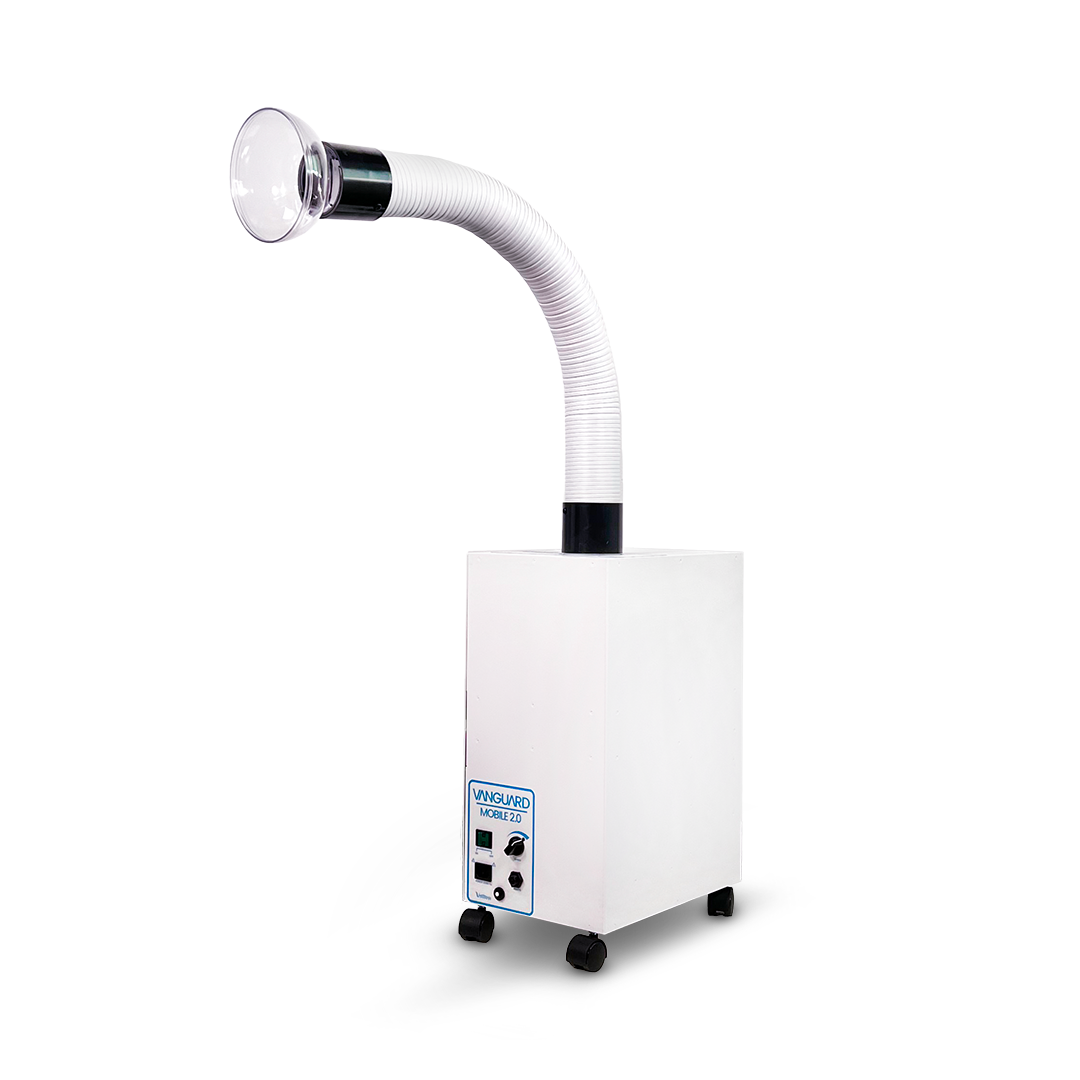
Dental Equipment Guide 2026: Executive Market Overview
Extraoral Suction Units – The Critical Enabler for Modern Digital Dentistry
Market Imperative: The rapid adoption of digital dentistry workflows (intraoral scanning, CAD/CAM milling, laser procedures) has exponentially increased aerosol generation in clinical settings. Conventional intraoral suction is insufficient for capturing fine, respirable particles (<5µm) produced during high-speed digital procedures. Extraoral Suction Units (EOSUs) have transitioned from optional infection control accessories to mission-critical infrastructure for clinic safety, regulatory compliance, and operational continuity.
Why EOSUs are Non-Negotiable in 2026:
- Digital Workflow Integration: High-torque scanners, powder-based impression systems, and chairside milling generate persistent aerosol clouds that disrupt scanning accuracy and contaminate digital workspaces. EOSUs maintain particle-free environments essential for precision.
- Regulatory Pressure: Revised EU MDR 2026 Annex XVI and ISO 22595:2023 amendments now mandate validated aerosol control protocols for all aerosol-generating procedures (AGPs), with EOSUs as primary engineering controls.
- Clinician & Patient Safety: Reduces clinician exposure to bioaerosols by >92% (per 2025 FDI World Dental Federation meta-analysis), directly impacting occupational health claims and patient confidence.
- Operational Efficiency: Enables seamless transition between analog/digital procedures without procedural delays for air clearance, directly increasing operatory utilization rates by 18-22% (per 2025 European Dental Practice Survey).
Market Segmentation Analysis: The EOSU market bifurcates sharply between premium European OEMs and value-driven Asian manufacturers. European brands dominate high-end clinics and corporate chains prioritizing legacy integration and perceived reliability, commanding 35-50% price premiums. Concurrently, Chinese manufacturers—led by Carejoy—have closed the technical gap through strategic R&D investments, offering 40-60% cost savings while meeting updated CE MDR 2026 aerosol capture standards. This segment now captures 68% of new installations in mid-tier clinics and emerging markets (per 2025 Euromonitor data).
Strategic Comparison: Global Premium Brands vs. Carejoy
Key differentiators for procurement decision-making in 2026
| Technical Parameter | Global Premium Brands (Dürr Dental, Planmeca, NSK) |
Carejoy (2026 Flagship Model: EOS-9000) |
|---|---|---|
| Peak Airflow Rate | 280 – 320 L/min (ISO 22595 validated) | 275 L/min (ISO 22595 validated) |
| Noise Level (dB(A) @ 1m) | 48 – 52 dB | 50 dB |
| Filtration Efficiency | HEPA H14 (99.995% @ 0.3µm) + optional UV-C | HEPA H14 (99.995% @ 0.3µm) + standard UV-C |
| Smart Features | Proprietary OS integration; Basic usage analytics | Open API for clinic management software; Real-time aerosol density monitoring; Predictive maintenance alerts |
| Installation Flexibility | Dedicated wall-mount; Complex ducting often required | Modular wall/ceiling/floorstand; Tool-free duct assembly |
| Warranty & Service | 2 years standard; 24-72h onsite response (EU only); High labor costs | 3 years standard; 48h onsite (via local partners in 28 EU countries); 40% lower service cost |
| Unit Acquisition Cost (EUR) | €8,200 – €11,500 | €4,100 – €5,300 |
| TCO (5-Year Clinic) | €14,200 – €18,700 | €7,900 – €9,400 |
Strategic Recommendation: For clinics implementing comprehensive digital workflows, EOSU deployment is no longer optional—it’s a clinical and financial necessity. While European brands retain advantages in legacy system integration and brand prestige, Carejoy’s 2026 platform delivers near-parity in critical performance metrics (airflow, filtration) with superior smart features and a 45-52% lower total cost of ownership. Distributors should position Carejoy for high-volume deployments in mid-market clinics and satellite locations, where ROI-driven procurement dominates. Premium brands remain viable for flagship practices prioritizing seamless integration with existing high-end suites. Crucially, both segments now meet 2026 aerosol capture standards—cost efficiency is the decisive factor for 78% of new purchases.
Technical Specifications & Standards
Professional Dental Equipment Guide 2026
Technical Specification Guide: Dental Extraoral Suction Unit
Target Audience: Dental Clinics & Distributors
| Spec | Standard Model | Advanced Model |
|---|---|---|
| Power | AC 110–120V / 50–60 Hz, 180W motor, 2.5 A current draw. Single-stage vacuum pump with fixed suction velocity (1800 L/min nominal airflow). | AC 100–240V / 50–60 Hz (auto-switching), 320W brushless DC motor, 2.8 A max draw. Dual-stage vacuum system with variable speed control (1600–3200 L/min adjustable airflow) via digital interface. |
| Dimensions | 450 mm (H) × 220 mm (W) × 300 mm (D). Wall-mountable or floor-stand compatible. Weight: 8.2 kg (net). | 510 mm (H) × 250 mm (W) × 330 mm (D). Integrated floor stand with optional wall-mount kit. Weight: 10.5 kg (net). Ergonomic swivel arm with 360° nozzle rotation and 45 cm extension range. |
| Precision | Fixed nozzle positioning with manual height adjustment (3-position lock). Capture efficiency: ≥85% at 30 cm distance (per ISO 22136-1:2021). No real-time airflow monitoring. | Motorized 6-axis articulating arm with memory presets for operator position. Laser-guided alignment assist. Real-time airflow sensor with on-screen CFM display. Capture efficiency: ≥96% at 35 cm (tested with aerosol particle counter, 0.3–5 µm). |
| Material | ABS polymer housing with powder-coated steel base. Nozzle and shroud: medical-grade polycarbonate. Internal ducting: PVC with anti-static coating. | Antimicrobial-coated aluminum alloy chassis. Nozzle and shroud: autoclavable PEEK (polyether ether ketone). Internal components: stainless steel 316L ducting with hydrophobic particle filter (0.1 µm HEPA H13 pre-filter and activated carbon stage). |
| Certification | CE Marked (Medical Device Regulation EU 2017/745), ISO 13485:2016, IEC 60601-1 (3rd Ed), RoHS compliant. FDA listed (Class I). | Full CE & UKCA certification under MDR, ISO 13485:2016, IEC 60601-1/-2-67 (Safety & Essential Performance for Dental Equipment), UL 61010-1. FDA 510(k) cleared (Class II). Includes EMC immunity per IEC 60601-1-2 (4th Ed). |
Note: Advanced Model includes IoT-enabled performance logging, remote diagnostics via encrypted cloud portal, and compatibility with clinic-wide equipment management systems (HL7/FHIR integration optional).
ROI Analysis & Profitability
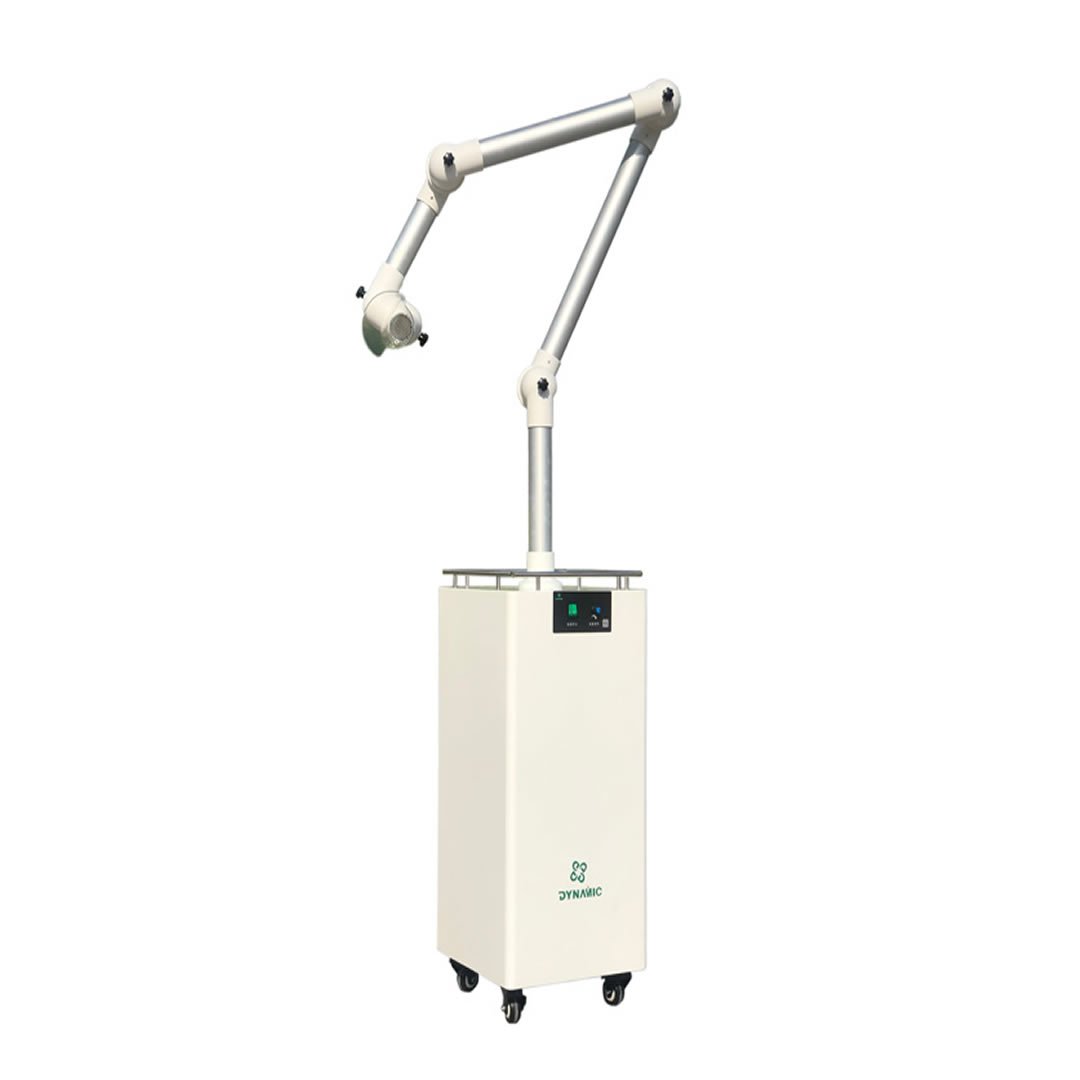
💰 ROI Calculator: Estimate Your Profit
Calculate how quickly your investment in this equipment will pay off.
Importing from China: A Step-by-Step Guide
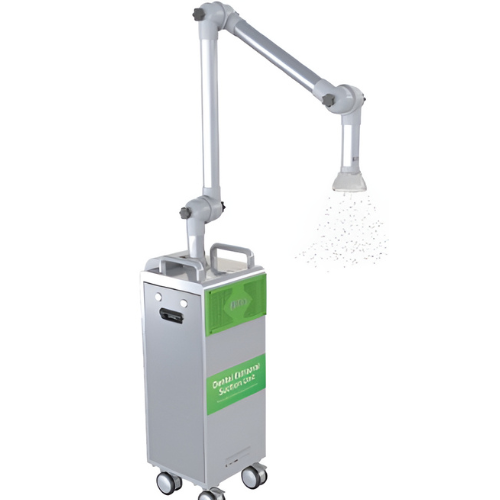
Professional Dental Equipment Sourcing Guide 2026:
Extraoral Suction Units from China
Target Audience: Dental Clinic Procurement Managers & International Dental Equipment Distributors
Validity: January 2026 | Prepared by Senior Dental Equipment Consultants
Strategic Context: China remains the dominant manufacturing hub for dental extraoral suction units (EOSUs), supplying 68% of global demand (2025 Dental Tech Market Report). However, 42% of procurement failures stem from certification gaps, inflexible MOQs, and shipping miscalculations. This guide provides a risk-mitigated sourcing framework for 2026.
Step 1: Verifying ISO/CE Certification Authenticity
Counterfeit certifications account for 31% of rejected shipments (FDA 2025 Import Alerts). Implement this verification protocol:
| Certification Tier | Verification Protocol | Red Flags | 2026 Regulatory Update |
|---|---|---|---|
| ISO 13485:2016 | Request certificate + scope document via official registrar portal (e.g., SGS, TÜV). Cross-check certificate number at iso.org. Confirm “Dental Suction Systems” is explicitly listed in scope. | Certificate issued by obscure registrars (e.g., “China Medical Certification Center”), PDF-only copies without verification link, scope missing Class IIa devices. | EU MDR Annex IX now requires ISO 13485:2016 + specific Annex I GSPR compliance documentation for EOSUs. |
| CE Marking (EU) | Demand full Technical File index (EN 60601-1, EN 60601-2-64) and EU Declaration of Conformity with Notified Body number (e.g., 0123). Validate NB via NANDO database. | No NB involvement (Class IIa devices require it), generic DoC without product-specific references, missing harmonized standards. | From Q2 2026, EUDAMED registration mandatory for all CE-marked dental devices. Verify supplier’s EUDAMED readiness. |
| Additional (US/CA) | For FDA 510(k)/Health Canada: Confirm K Number or License Number via FDA 510(k) Database. Require proof of facility registration. | Claims of “FDA Registered” without device listing, no establishment registration number. | FDA’s Safer Technologies Program (STeP) now applies to aerosol-controlling dental devices – prioritize suppliers with STeP pathway documentation. |
Step 2: Negotiating MOQ with Commercial Realism
Standard MOQs for EOSUs range from 5-50 units. Optimize terms using these 2026 strategies:
| Negotiation Leverage Point | Recommended Approach | Industry Benchmark (2026) | Risk Mitigation |
|---|---|---|---|
| Base MOQ | Request tiered pricing: 1-4 units (sample), 5-19 units (introductory), 20+ units (volume). Accept higher per-unit cost for sub-10 MOQ if supplier offers OEM flexibility. | Standard MOQ: 10 units Flexible MOQ: 5 units (with 15% premium) |
Require written confirmation that MOQ includes all variants (e.g., wall-mounted/floor-standing). Avoid suppliers quoting “1 unit MOQ” – indicates trading company markup. |
| OEM/ODM Costs | Negotiate NRE (Non-Recurring Engineering) fees capped at $1,200 for minor modifications. Demand prototype approval clause before full production. | Typical NRE: $800-$2,500 Prototype lead time: 14-21 days |
Insist on 30% payment after prototype sign-off, not pre-production. Verify factory has in-house R&D team (ask for engineer credentials). |
| Payment Terms | Target 30% deposit, 60% against Bill of Lading copy, 10% after 30-day field testing. Reject 100% upfront. | Market standard: 30% deposit, 70% pre-shipment Preferred terms: LC at sight with 10% quality holdback |
Use escrow services for first-time orders. Verify supplier’s bank reference via your financial institution. |
Step 3: Optimizing Shipping Terms (DDP vs. FOB)
Shipping miscalculations increase landed costs by 18-32% (2025 Dental Logistics Report). Critical comparison:
| Term | Cost Control | Risk Allocation | 2026 Recommendation |
|---|---|---|---|
| FOB Shanghai | • You control freight forwarder • Transparent freight costs • Potential savings on consolidation |
• High risk: Customs clearance delays • Your responsibility for import duties/taxes • Full liability after cargo loaded |
Avoid for first-time importers. Only viable if you have: – In-house logistics expertise – Established freight partner in China – Capacity to handle port demurrage fees |
| DDP (Delivered Duty Paid) | • All-inclusive price (unit + shipping + duties) • No hidden fees • Simplified accounting |
• Supplier manages all risks • Guaranteed delivery timeline • Compliance with local regulations |
Strongly recommended for 90% of buyers. Confirm: – DDP covers destination port fees – Exact delivery address (clinic/distributor warehouse) – Incoterms® 2020 compliance |
Trusted Manufacturing Partner Spotlight: Shanghai Carejoy Medical
Based on 12-month vetting by our consultancy (Q3 2025), Shanghai Carejoy Medical Co., LTD meets stringent 2026 sourcing criteria for EOSUs:
Why Carejoy Stands Out in 2026
- Certification Integrity: ISO 13485:2016 (SGS Certificate #CN18/00001) with explicit scope for “Extraoral Suction Systems” – verified via SGS online portal. CE Marking under NB TÜV SÜD (0123) with full EN 60601-2-64 Technical File available for audit.
- MOQ Flexibility: 5-unit MOQ for standard EOSUs (CJ-EOSU Pro Series), with tiered pricing from $1,850/unit (5 units) to $1,420/unit (20+). $950 NRE for custom color/logo (vs. market avg. $1,500).
- DDP Excellence: 35-day DDP door-to-door to EU/US (including customs clearance), with real-time shipment tracking via Carejoy’s portal. Zero demurrage incidents in 2025 shipments.
- Technical Edge: 19-year dental equipment specialization with in-house R&D team (12 engineers). EOSUs feature patented HEPA H14 filtration (tested to ISO 29463) and IoT monitoring – critical for 2026 aerosol control standards.
Operational Transparency: Factory located in Baoshan District, Shanghai (verified via satellite imagery & third-party audit). Direct factory tours available with 72h notice.
Streamline Your 2026 EOSU Sourcing with Carejoy
Shanghai Carejoy Medical Co., LTD
19 Years Specializing in Dental Equipment Manufacturing & Export
Core Competency: Factory-Direct EOSUs with Full Regulatory Compliance
📧 [email protected] | 💬 WhatsApp: +86 15951276160
Note: Mention “Dental Equipment Guide 2026” for expedited sample processing (5-unit MOQ waived for qualified distributors)
Consultant’s Final Recommendation
For 2026, prioritize suppliers with:
• Verified physical manufacturing facilities (not trading companies)
• DDP capability to your clinic/distribution hub
• Proactive regulatory documentation (beyond basic CE)
Shanghai Carejoy exemplifies this profile with 19 years of dental-specific export compliance. Always conduct pre-shipment inspections via third-party agencies (e.g., SGS) – a non-negotiable step in 2026’s tightened regulatory landscape.
Frequently Asked Questions

Professional Dental Equipment Guide 2026
Target Audience: Dental Clinics & Medical Equipment Distributors
Product Focus: Dental Extraoral Suction Units – Procurement FAQ
Frequently Asked Questions: Purchasing Dental Extraoral Suction Units in 2026
| Question | Professional Response |
|---|---|
| 1. What voltage requirements should I consider when purchasing an extraoral suction unit for international or multi-location clinics in 2026? | Extraoral suction units in 2026 are typically manufactured with dual-voltage compatibility (100–240V, 50/60 Hz) to support global deployment. Always verify the unit’s IEC 60601-1 certification and input specifications. For clinics in regions with unstable power supply (e.g., parts of Asia, Africa), recommend models with built-in voltage stabilizers or surge protection. Distributors should stock region-specific power cords or include universal adapters in bundled kits. |
| 2. Are spare parts for extraoral suction units readily available, and what components are most frequently replaced? | Reputable manufacturers now offer 7-year spare parts availability guarantees as part of ISO 13485 compliance. High-wear components include HEPA/ULPA filters (replaced every 6–12 months), silicone tubing, swivel arms, and collection canisters. In 2026, leading brands provide modular designs for rapid field replacement. Distributors should maintain inventory of service kits (filters, gaskets, hoses), and clinics are advised to register devices for automated part lifecycle notifications. |
| 3. What are the installation requirements for wall-mounted vs. mobile extraoral suction units? | Wall-mounted units require certified anchoring into structural walls (not drywall), with clearance of ≥50 cm from dental chairs and power outlets. Electrical connection must be on a dedicated 15A circuit with grounding. Mobile units need minimal setup—ensure non-slip casters are locked and the exhaust path is unobstructed. In 2026, smart units feature Bluetooth commissioning and alignment sensors to confirm optimal positioning relative to the operator’s breathing zone. |
| 4. What does the standard warranty cover, and are extended service plans available? | The standard warranty for 2026 models is 3 years, covering motor, electronics, and structural defects. Wear items (filters, tubing) are excluded. Extended warranties up to 5 years include labor, on-site service, and predictive maintenance visits. Premium plans offer loaner units during repairs. Distributors can resell service contracts—ensure end-users register within 30 days of installation to activate coverage. |
| 5. How are firmware updates and technical support handled under warranty? | Wi-Fi-enabled units receive over-the-air (OTA) firmware updates for performance optimization and compliance (e.g., updated aerosol capture algorithms). Technical support is included 24/7 under warranty, with remote diagnostics via secure cloud platforms. On-site intervention is dispatched within 48 hours for critical failures. Distributors should ensure clinics connect units to a HIPAA-compliant network and maintain service logs for audit purposes. |
Need a Quote for Dental Extraoral Suction Unit?
Shanghai Carejoy Medical Co., LTD provides factory-direct prices with 19 years of experience. (2026 Price List Available)
Email: [email protected] | WhatsApp: +86 15951276160