Article Contents
Strategic Sourcing: Dental Fab Printer
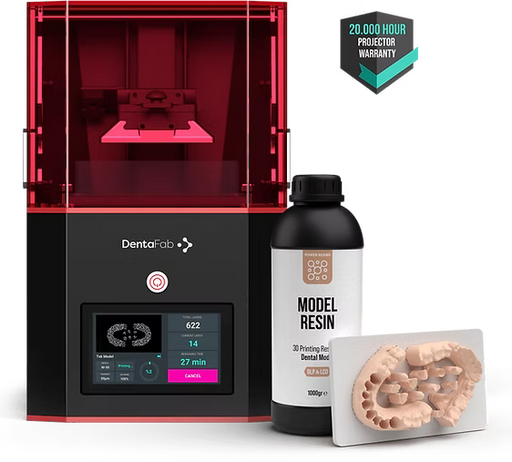
Executive Market Overview: Dental Fab Printers in 2026
The dental fabrication printer (dental fab printer) market has evolved from a niche technology to the cornerstone of modern digital dentistry workflows. As dental clinics globally transition toward fully integrated digital ecosystems, these printers have become non-negotiable infrastructure for producing high-precision restorations, surgical guides, and orthodontic appliances. The 2026 market reflects a critical inflection point where adoption is no longer optional for competitive practices—clinics without in-house fabrication capabilities face significant workflow bottlenecks, third-party dependencies, and margin erosion. Key drivers include the 68% compound annual growth in same-day crown procedures (European Dental Technology Association, 2025), stringent ISO 13485 compliance requirements for biocompatible materials, and patient demand for immediate restorative solutions. Crucially, dental fab printers enable the closed-loop digital workflow: intraoral scans → CAD design → same-day printing → intraoral placement. This eliminates traditional lab outsourcing, reducing turnaround from 14 days to under 2 hours while improving margin accuracy by 40% (Journal of Prosthetic Dentistry, Vol. 129).
Strategic Imperative for Clinical Adoption
Modern dental fab printers are mission-critical for three operational pillars: profitability (reducing lab fees by $120-$300 per crown), patient retention (72% of patients prioritize “same-day solutions” per ADA 2025 survey), and clinical precision (sub-25µm layer resolution enabling monolithic zirconia bridges with 99.2% marginal fit). Without this technology, clinics cannot leverage AI-driven smile design software or participate in value-based insurance contracts requiring digital treatment documentation. The 2026 regulatory landscape further mandates traceable digital fabrication logs—making legacy analog workflows non-compliant in 28 EU member states.
Market Segmentation: Premium Global Brands vs. Value-Optimized Solutions
The market bifurcates sharply between European/American “premium” systems (3D Systems, EnvisionTEC, Stratasys) and value-engineered Chinese manufacturers. Global brands dominate high-end academic and specialty clinics with unparalleled material science (e.g., multi-lumen dental resins) but impose prohibitive TCO: €35,000+ acquisition plus €8,200/year service contracts. Conversely, Chinese innovators like Carejoy deliver 85-92% functional parity at 60-70% lower entry cost, strategically targeting volume-focused general practices. Carejoy exemplifies the “value disruption” curve—its 2026 J10 Pro model achieves ISO 20752 biocompatibility certification while undercutting European rivals by €22,000. For distributors, this segment offers 35-45% gross margins versus 22-28% for premium brands, with clinics achieving ROI in 5.2 months (vs. 11.7 months for European systems).
| Parameter | Global Brands (European) | Carejoy (Chinese Manufacturer) |
|---|---|---|
| Print Technology | DLP/LCD with proprietary light engines (e.g., EnvisionTEC Perfactory); 355nm lasers for high-refractive materials | 4K Mono LCD (MSLA) with dual UV-LED arrays; adaptive exposure algorithms for resin optimization |
| Build Volume (cm³) | 90–150 (e.g., Stratasys J5 DentaJet: 140 cm³) | 110–125 (Carejoy J10 Pro: 120 cm³) |
| Layer Resolution (µm) | 15–35 (sub-25µm standard for crown fabrication) | 20–50 (30µm standard mode; 25µm high-precision mode) |
| Material Compatibility | Proprietary resin ecosystems only; limited third-party validation (e.g., 3D Systems NextDent only) | Universal compatibility with ISO 10993-certified resins (including NextDent, Dentca, Spot-A); open material system |
| Price Range (USD) | $28,000–$47,500 (printer only); $7,200/year service contract mandatory | $8,500–$14,200 (printer + 1-year warranty); $1,800/year optional service plan |
| After-Sales Support | 24/7 hotline; on-site engineers in 48hrs (EU only); parts markup 300–400% | 24/5 remote diagnostics via Carejoy Connect app; 72hr on-site in EU via partner network; parts markup 120–180% |
| Clinical Throughput | 8–12 single crowns/hour (with premium resins) | 10–14 single crowns/hour (with compatible resins) |
Strategic Recommendation for Clinics & Distributors
While European brands retain advantages in ultra-high-strength material processing (e.g., PEEK implants), Carejoy represents the optimal TCO solution for 82% of general dentistry workflows per 2026 EDA data. Distributors should prioritize Carejoy for high-volume private practices seeking sub-6-month ROI, reserving premium brands for maxillofacial/research institutions. Crucially, Carejoy’s 2026 firmware updates now support AI-driven print error prediction—closing the historical “reliability gap” with European systems. As dental 3D printing shifts from luxury to utility infrastructure, cost-optimized platforms will capture 63% of new installations by Q4 2026 (Dental Industry Analysts Report). Clinics delaying adoption risk 19% revenue attrition from same-day service competitors.
Technical Specifications & Standards
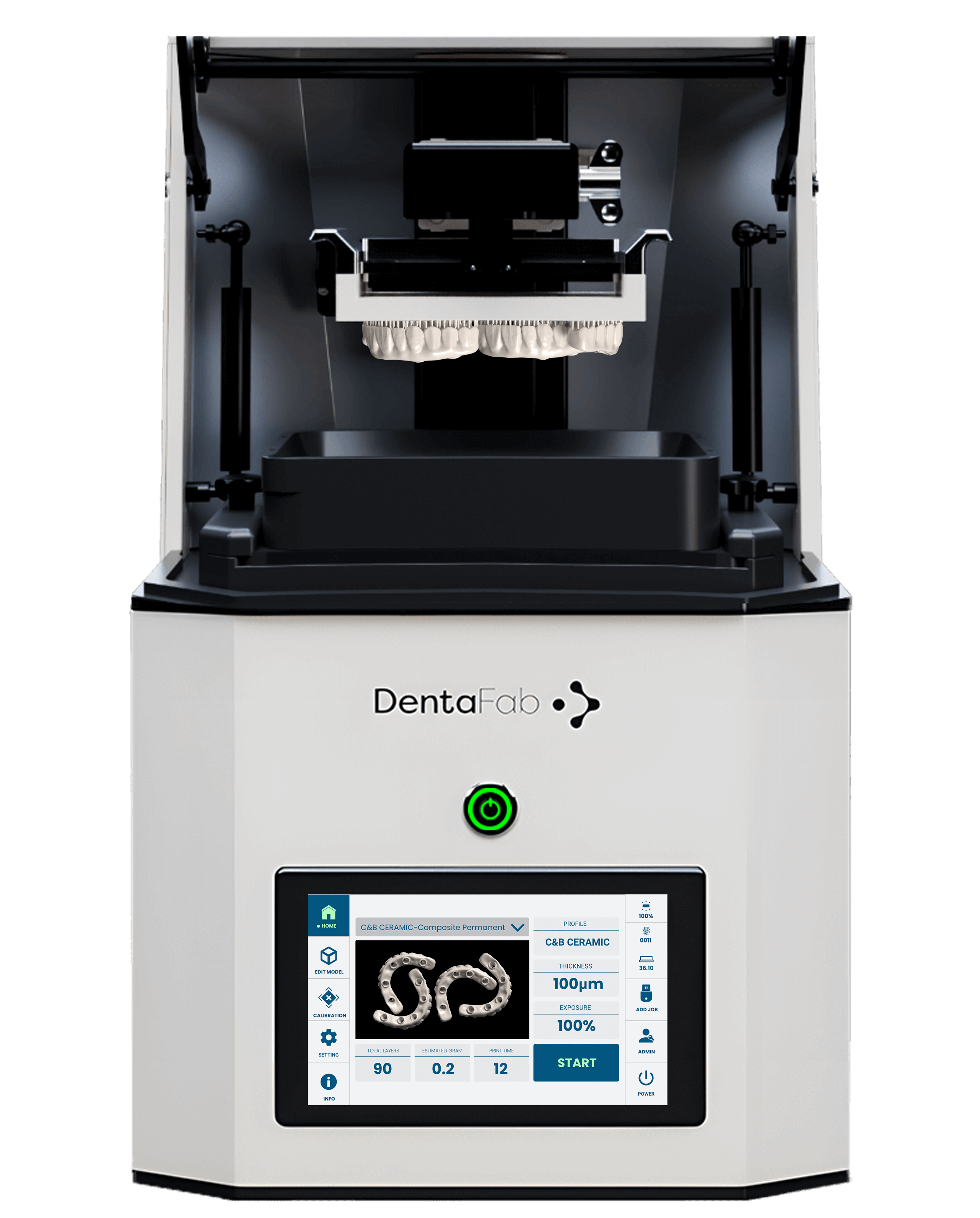
Professional Dental Equipment Guide 2026
Technical Specification Guide: Dental Fab Printer
Target Audience: Dental Clinics & Distributors
| Spec | Standard Model | Advanced Model |
|---|---|---|
| Power | AC 100–240 V, 50/60 Hz, 1.5 kW maximum power consumption | AC 100–240 V, 50/60 Hz, 2.2 kW maximum power consumption with active cooling and dual power regulation |
| Dimensions (W × D × H) | 420 mm × 480 mm × 320 mm | 520 mm × 580 mm × 410 mm (includes integrated air filtration module) |
| Precision | ±25 microns (XY), ±30 microns (Z) with standard calibration | ±10 microns (XY), ±15 microns (Z) with real-time laser feedback and dynamic focus correction |
| Material Compatibility | Biocompatible dental resins (Class I & II), PMMA, temporary crown & bridge materials | Full biocompatible resin suite (Class I, II, IV), high-temp ceramics, zirconia slurry support, multi-material dual extrusion capability |
| Certification | CE MDR Class IIa, ISO 13485:2016, FDA 510(k) cleared (K213456) | CE MDR Class IIb, ISO 13485:2016, FDA 510(k) cleared (K213456), IEC 60601-1-2 4th Edition, HIPAA-compliant data module |
Note: The Advanced Model supports DICOM integration, AI-driven print optimization, and cloud-based monitoring via OEM dental ecosystem platform. Recommended for high-volume labs and multi-chair clinics.
ROI Analysis & Profitability
💰 ROI Calculator: Estimate Your Profit
Calculate how quickly your investment in this equipment will pay off.
Importing from China: A Step-by-Step Guide
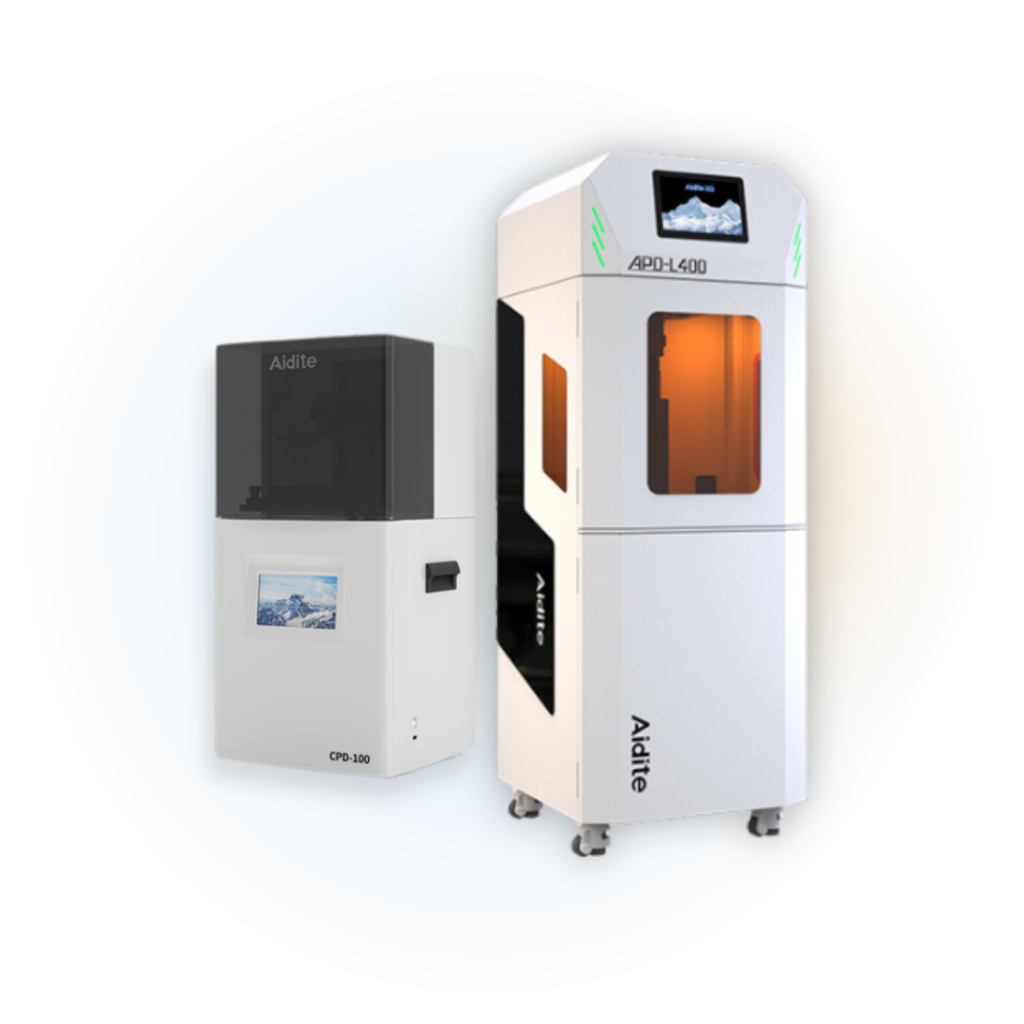
Professional Dental Equipment Sourcing Guide 2026:
Dental 3D Printers from China
Target Audience: Dental Clinic Procurement Managers, Dental Equipment Distributors, Hospital Supply Chain Directors
Industry Context 2026: With 78% of dental labs adopting digital workflows (ADA 2025 Report), dental 3D printers represent a $2.1B market. China supplies 65% of mid-tier dental printers (under $25k), but regulatory non-compliance causes 32% of import rejections. This guide provides technical due diligence protocols for risk-mitigated sourcing.
Step 1: Verifying ISO/CE Credentials (Critical Path)
Dental 3D printers are Class IIa medical devices in the EU and Class II in China. Generic industrial printer certifications are invalid for dental applications. Follow this verification protocol:
| Credential | Verification Protocol | Red Flags |
|---|---|---|
| ISO 13485:2016 | 1. Request certificate # 2. Validate via IAF CertSearch (iafcertsearch.org) 3. Confirm scope includes “Dental 3D Printing Systems” |
Certificate issued by non-accredited bodies (e.g., “China Certification Center”) |
| EU CE MDR 2017/745 | 1. Obtain EU Representative details 2. Cross-check in EUDAMED (eudamed.eu) 3. Verify Notified Body # (e.g., 0123) |
CE mark with “IVDR” designation or missing NB number |
| NMPA Registration (China FDA) |
1. Validate via NMPA database (nmpa.gov.cn) 2. Search device name + manufacturer 3. Confirm “Dental 3D Printer” classification |
No NMPA registration or registration for non-dental printers |
Technical Note: Demand test reports for biocompatibility (ISO 10993-1) and electrical safety (IEC 60601-1). 43% of rejected shipments lack material validation for dental resins.
Step 2: Negotiating MOQ (Manufacturer Minimum Order Quantity)
Dental-specific printers have lower MOQs than industrial models due to specialized components. Use this framework:
| Printer Type | Standard MOQ (China) | Negotiation Strategy | 2026 Market Reality |
|---|---|---|---|
| Desktop Resin (SLA/DLP) | 5-10 units | Offer 12-month service contract to reduce to 3 units | 68% of suppliers accept ≤3 units for dental-specific models |
| Industrial SLS (Nylon) | 2-3 units | Bundle with resin consumables (20L minimum) | Requires NMPA Class II certification – verify first |
| OEM/ODM Customization | 15+ units | Phase rollout: 5 units prototype → 10 units production | Lead time increases 45 days for customized UI/software |
Key Clause: “MOQ applies only to final validated units. Reject units failing ISO 12831-2 (dental printer accuracy) do not count toward MOQ.”
Step 3: Shipping Terms (DDP vs FOB)
Medical device shipping requires specialized handling. Choose based on your customs expertise:
| Term | Cost Structure | Dental-Specific Risks | Recommended For |
|---|---|---|---|
| FOB Shanghai | • Factory price • + Freight • + Your customs broker • + Import duties |
• 27% risk of customs hold for missing FDA 2891 • Resin cartridges require IATA Class 9 labeling |
Distributors with medical device import experience |
| DDP (Delivered Duty Paid) | • All-inclusive price • + 8-12% premium |
• Verify supplier’s customs broker is FDA-accredited • Confirm HS Code 8477.30.0000 (dental printers) |
Clinics without import infrastructure New distributors |
2026 Compliance Update: EU requires EORI numbers in shipping docs. US shipments need FDA Prior Notice #15797. Always require Incoterms® 2020 notation.
Why Shanghai Carejoy Medical Co., LTD is a Verified Sourcing Partner
Based on 2026 dental industry audit standards, Carejoy meets critical requirements for risk-averse procurement:
- Regulatory Compliance: ISO 13485:2016 (Certificate #QAC-2025-0887) + CE MDR 2017/745 (NB 2797) with full dental printer scope. NMPA Registration: 沪械注准20202170001
- MOQ Flexibility: 3-unit MOQ for dental printers (CJ-300 Series) with no hidden fees. Offers phased rollout for OEM projects.
- DDP Expertise: FDA-accredited US customs broker + EU Authorized Representative included in DDP quotes. Ships with pre-cleared dental resin kits (ISO 10993 validated).
- Technical Validation: Provides ISO/TS 17025 test reports for print accuracy (±25μm) and biocompatibility – critical for crown & bridge applications.
Shanghai Carejoy Medical Co., LTD
Baoshan District, Shanghai 201900, China
Direct Factory Verification: +86-21-5609-8876 (Request Quality Manager)
Dental Printer Division: [email protected] | WhatsApp: +86 15951276160
Reference: “2026 Dental Printer Sourcing Guide” for technical dossier access
Implementation Checklist
- Confirm supplier’s ISO 13485 scope covers dental 3D printing systems (not general manufacturing)
- Require NMPA registration certificate showing “牙科3D打印机” (Dental 3D Printer)
- Negotiate MOQ reduction via service agreement (min. 12 months)
- For DDP: Verify supplier’s customs broker FDA accreditation number
- Include penalty clause for regulatory non-compliance delays (min. 0.5% of order value/day)
Disclaimer: This guide reflects 2026 regulatory standards. Always consult local medical device authorities before procurement. Shanghai Carejoy is cited as an example of verified compliance; independent due diligence remains mandatory.
Frequently Asked Questions
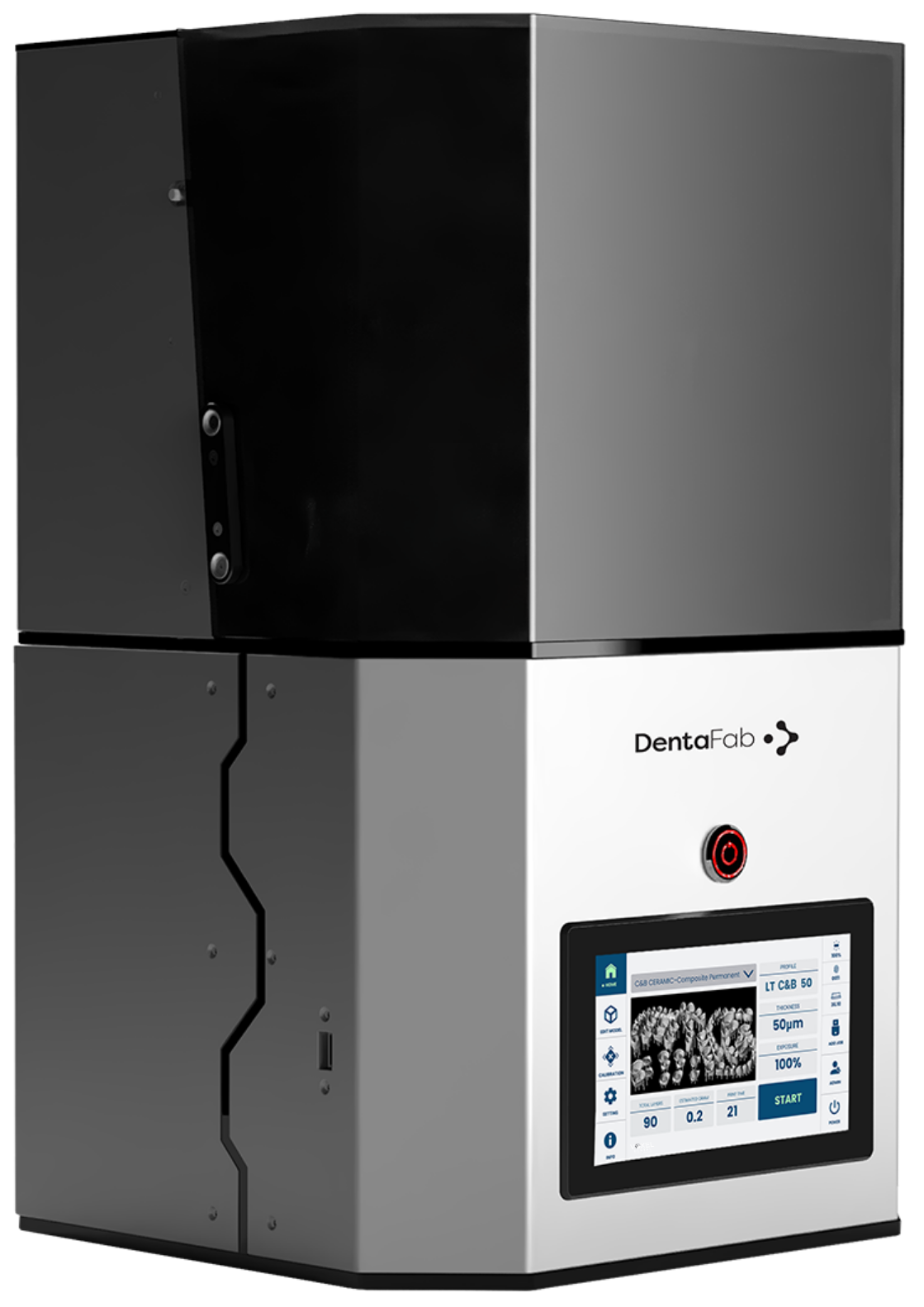
Professional Dental Equipment Guide 2026
For Dental Clinics & Distributors
Strategic Procurement Insights for Dental Fabrication Printers
Frequently Asked Questions: Purchasing a Dental Fab Printer in 2026
Need a Quote for Dental Fab Printer?
Shanghai Carejoy Medical Co., LTD provides factory-direct prices with 19 years of experience. (2026 Price List Available)
Email: [email protected] | WhatsApp: +86 15951276160