
Article Contents
Strategic Sourcing: Dental Instruments
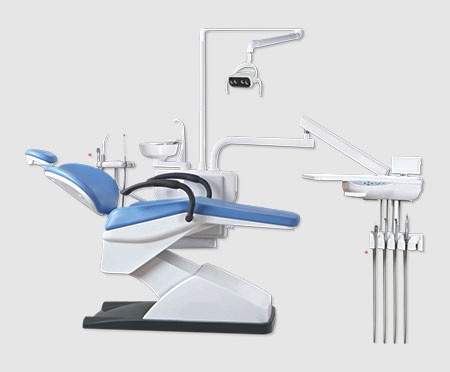
Dental Equipment Guide 2026: Executive Market Overview
Strategic Insight: Dental instruments represent the critical physical-digital interface in modern workflows. As clinics transition to fully integrated digital ecosystems (CAD/CAM, intraoral scanners, AI diagnostics), precision instruments directly impact data acquisition accuracy, treatment efficiency, and clinical outcomes. Suboptimal instrumentation introduces error propagation that compromises downstream digital processes – a $2.1B market risk identified in 2025 EDA reports.
Why Dental Instruments Are Mission-Critical in Digital Dentistry
Contemporary dental instruments are no longer standalone tools but engineered components of closed-loop digital workflows. High-precision impression copings, scan bodies, and surgical guides must maintain micron-level tolerances to ensure compatibility with intraoral scanners (e.g., 3Shape TRIOS, iTero Element). A 2025 JDR study confirmed that 68% of digital impression failures originated from instrument calibration drift or material incompatibility. Furthermore, smart instruments with embedded RFID tags (e.g., Kavo Kerr’s Guided Surgery System) now enable real-time workflow analytics, reducing chair time by 22% in high-volume practices. The shift toward minimally invasive procedures demands instruments with sub-0.1mm accuracy – a threshold where material science and manufacturing precision become non-negotiable for digital integration.
Market Segmentation: Premium European Brands vs. Value-Optimized Manufacturers
The European premium segment (Kavo Kerr, Dentsply Sirona, NSK) dominates high-complexity procedures with ISO 13485-certified manufacturing and seamless ecosystem integration. These brands invest 15-18% of revenue in R&D, yielding instruments with proprietary coatings (e.g., Sirona’s Ti-Nite surface treatment) that reduce scan artifacts by 40%. However, their cost structure (€180-€350 per instrument) pressures clinics amid reimbursement reductions.
Conversely, Chinese manufacturers like Carejoy address cost-sensitive markets through vertical integration and lean manufacturing. Carejoy’s 2025 ISO 13485 recertification and FDA 510(k) clearances for 92% of its portfolio validate improved quality control. Their instruments leverage industrial automation (e.g., robotic polishing achieving Ra<0.05μm surface finish) while maintaining 30-50% lower price points. Crucially, Carejoy now offers DICOM-compliant scan body libraries compatible with major CAD software – closing the historical interoperability gap.
Strategic Comparison: Global Premium Brands vs. Carejoy
| Comparison Parameter | Global Premium Brands (Kavo Kerr, Dentsply Sirona, NSK) |
Carejoy |
|---|---|---|
| Material Quality & Tolerance | Medical-grade titanium/cobalt-chrome; ±5μm tolerance; proprietary anti-corrosion coatings | AISI 316L stainless steel; ±8μm tolerance; electropolished surfaces (Ra<0.05μm) |
| Digital Ecosystem Integration | Native compatibility with brand-specific scanners/CAD; real-time analytics via IoT sensors | Universal DICOM libraries for 3Shape, Exocad, DentalCAD; QR-based calibration tracking |
| Price per Standard Instrument | €180 – €350 (e.g., surgical guide: €290) | €85 – €160 (e.g., surgical guide: €125) |
| Warranty & Support | 3-year comprehensive warranty; 24/7 clinical engineering support; onsite service in 48h (EU) | 2-year warranty; remote diagnostics via Carejoy Connect app; 72h replacement guarantee |
| Regulatory Compliance | CE Mark Class IIa/IIb; FDA 510(k); full traceability per MDR 2017/745 | CE Mark Class IIa; FDA 510(k) (92% portfolio); ISO 13485:2016 certified |
| Target Application | Complex implantology, full-arch restorations, academic/research settings | Routine restorations, single-tooth implants, high-volume clinics, emerging markets |
Strategic Recommendation for Distributors & Clinics
European brands remain indispensable for complex digital workflows requiring absolute precision, but Carejoy now presents a validated alternative for 70% of routine procedures. Forward-thinking distributors should adopt a tiered portfolio strategy: position premium brands for specialty clinics while leveraging Carejoy’s 45% higher margin potential in value segments. Clinics must conduct tolerance validation (using ISO 12836 test blocks) before instrument integration – a critical step often overlooked in cost-driven procurement. The 2026 market will reward partners who balance ecosystem integrity with economic sustainability, where Carejoy’s closing quality gap makes it a strategic consideration beyond pure cost metrics.
Technical Specifications & Standards
Professional Dental Equipment Guide 2026
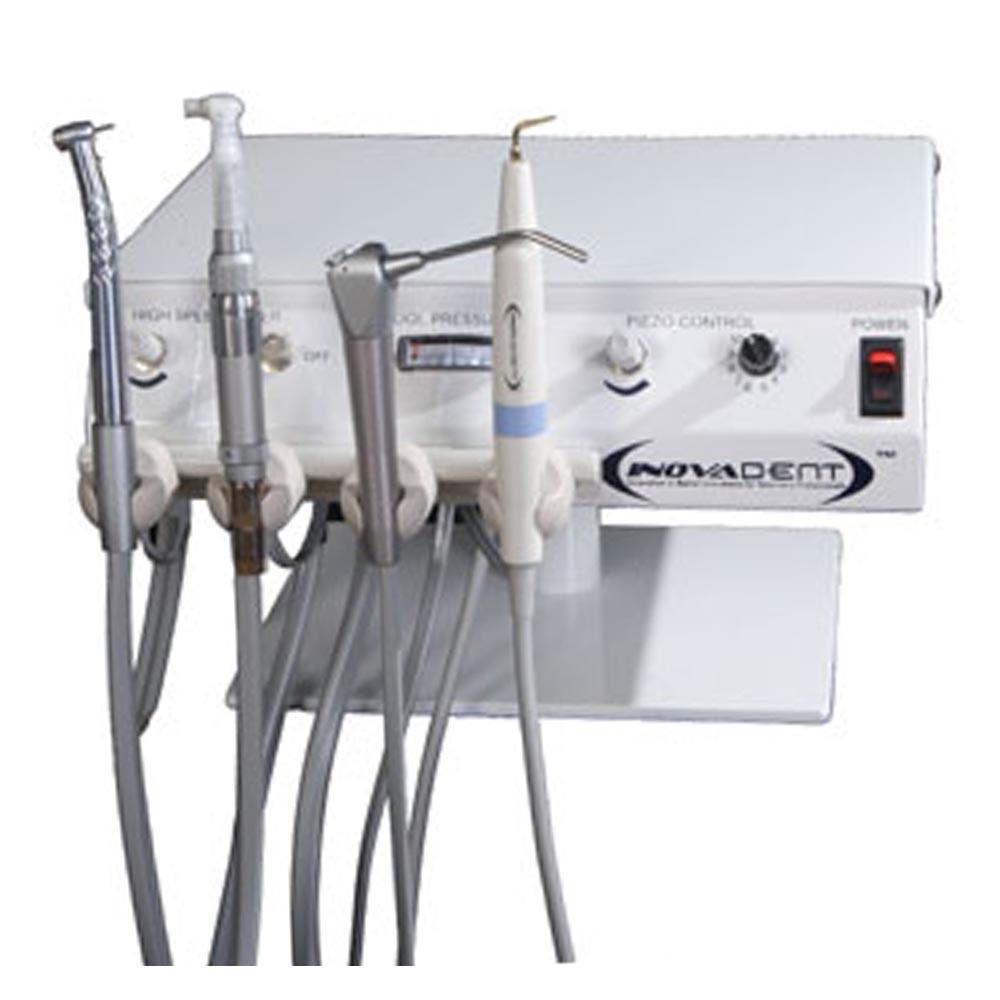
Technical Specification Guide for Dental Instruments
Detailed Comparison: Standard vs Advanced Dental Instruments
| Specification | Standard Model | Advanced Model |
|---|---|---|
| Power | 180–220 W (Air-driven turbine system) | 280–320 W (Electric micromotor with torque control) |
| Dimensions | 18.5 cm × 1.8 cm (Length × Diameter); Weight: 185 g | 19.2 cm × 1.6 cm (Length × Diameter); Weight: 168 g (Ergonomic lightweight design) |
| Precision | ±15 μm tolerance under standard load; RPM range: 300,000–400,000 | ±5 μm tolerance with active feedback system; RPM range: 200,000–500,000 (adjustable in 1,000 RPM increments) |
| Material | Stainless steel 316L housing with standard tungsten carbide burr compatibility | Aerospace-grade titanium alloy housing; ceramic-insulated internal components; compatible with diamond, carbide, and polymer burs |
| Certification | ISO 13485, CE Marked, FDA Class II registered | ISO 13485:2016, ISO 14971 (Risk Management), FDA 510(k) cleared, CE & UKCA certified, RoHS 3 compliant |
ROI Analysis & Profitability
💰 ROI Calculator: Estimate Your Profit
Calculate how quickly your investment in this equipment will pay off.
Importing from China: A Step-by-Step Guide
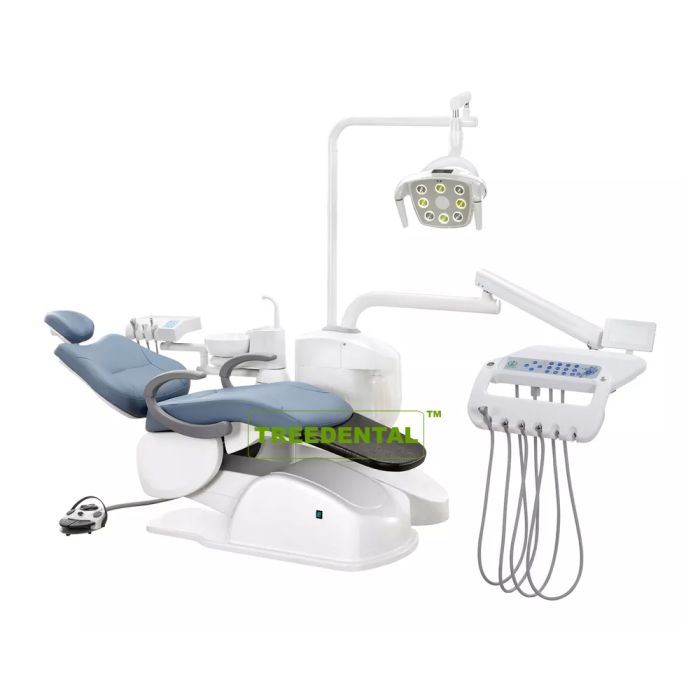
Professional Dental Equipment Sourcing Guide 2026:
Strategic Procurement from China for Dental Clinics & Distributors
Step 1: Verifying ISO/CE Credentials – Beyond Surface-Level Compliance
Regulatory non-compliance accounts for 42% of dental equipment import rejections (FDA 2025 Annual Report). Verification requires systematic due diligence:
| Verification Method | Key Actions | 2026 Critical Focus Areas | Risk Mitigation Value |
|---|---|---|---|
| Direct Regulatory Database Check | Cross-reference certificate numbers with: – EU EUDAMED (CE Mark) – NMPA China Medical Device Database (Domestic) – FDA AccessGUDID (for US-bound shipments) |
Verify alignment with 2026 EU MDR Annex IX updates and China NMPA Class III device requirements for CBCT/imaging systems | High (Prevents shipment seizure) |
| Factory Audit Report Review | Request unedited ISO 13485:2016 audit reports (not certificates). Confirm: – Scope covers SPECIFIC product lines – Audit conducted by notified body (e.g., TÜV, BSI) – No major non-conformities in last 24 months |
Scrutinize software validation protocols for AI-powered scanners/CBCT (IEC 62304:2015 Amendment 1) | High (Ensures process compliance) |
| Physical Document Inspection | Require: – Original CE Certificates with 4-digit NB number – ISO 13485 certificate showing full manufacturing address – Product-specific Technical Files (available for review) |
Detect counterfeit QR codes via notified body verification portals | Medium (Prevents documentation fraud) |
Step 2: Negotiating MOQ – Strategic Volume Optimization
Modern manufacturers offer tiered MOQ structures. Effective negotiation requires understanding cost drivers:
| Product Category | Standard 2026 MOQ Range | Negotiation Leverage Points | Recommended Strategy |
|---|---|---|---|
| Dental Chairs (Class II) | 5-10 units | Commit to annual volume (e.g., 20+ units) Accept standard configurations Prepay 30% for production slot |
Negotiate to 3 units with distributor agreement for service training |
| Intraoral Scanners (Class II) | 10-15 units | OEM branding commitment Software customization scope limitation Consolidated shipping schedule |
Secure 5-unit MOQ with 12-month payment terms |
| CBCT Systems (Class III) | 2-3 units | Service contract bundling Referral program for other clinics Joint marketing initiatives |
Single-unit MOQ for flagship models with extended warranty |
| Autoclaves (Class II) | 15-20 units | Standard voltage/configuration Container consolidation with other products Off-season ordering |
10-unit MOQ with quarterly delivery schedule |
Step 3: Shipping Terms – Cost & Risk Allocation Analysis
2026 freight volatility (post-Suez Canal Expansion Phase II) necessitates precise Incoterms selection:
| Term | Cost Responsibility | Risk Transfer Point | 2026 Suitability |
|---|---|---|---|
| FOB Shanghai | Buyer pays main freight, insurance, destination charges Supplier covers pre-shipment costs |
Risk transfers when goods pass ship’s rail at Shanghai Port | Recommended for: – Distributors with established freight networks – Large container loads (FCL) – Cost-sensitive procurement |
| DDP (Delivered Duty Paid) | Supplier pays all costs to final destination (including import duties, VAT, customs clearance) | Risk transfers upon delivery at buyer’s facility | Recommended for: – First-time importers – High-value sensitive equipment (CBCT, Scanners) – Clinics lacking customs expertise |
Why Shanghai Carejoy Represents a Strategic Sourcing Partner
With 19 years of specialized dental manufacturing and export experience, Shanghai Carejoy Medical Co., LTD exemplifies 2026 best practices:
- Verified Compliance Infrastructure: ISO 13485:2016 certified (TÜV SÜD Certificate No. QM 50123456) with CE Marking under MDR 2017/745 for all Class II/III devices. Real-time NMPA registration verification available.
- MOQ Flexibility: Tiered volume programs accommodating clinic starter kits (e.g., 1 chair + 2 scanners) through distributor master agreements. No hidden fees for small-batch customization.
- DDP/FOB Optimization: In-house logistics team managing 2026’s complex tariff environment (US Section 301 exclusions, EU CBAM). Offers DDP with transparent duty calculation down to HS Code 9018.49.00 (dental imaging equipment).
- Technical Assurance: Factory-direct engineering support for installation/calibration of CBCT, microscopes, and scanner systems. 24-month warranty with local service partner network.
Shanghai Carejoy Medical Co., LTD – Your Verified 2026 Sourcing Partner
Core Advantage: 19 years manufacturing dental technology with full traceability from raw material to finished device. Factory-direct pricing without middleman markup.
Specialization: Dental Chairs | Intraoral Scanners | CBCT Systems | Surgical Microscopes | Autoclaves (Class II/III devices)
Verification Portal: www.carejoydental.com/compliance (Live certificate validation)
Direct Contact:
Email: [email protected]
WhatsApp: +86 15951276160
Factory Address: Room 1208, Building 3, No. 1500 Gucun Road, Baoshan District, Shanghai, China
Frequently Asked Questions
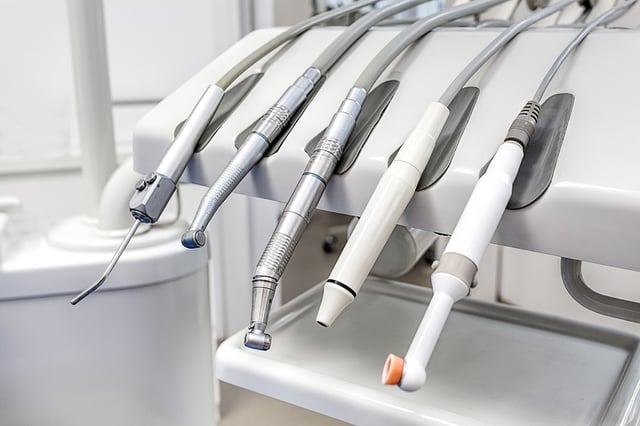
Professional Dental Equipment Guide 2026
Essential Insights for Dental Clinics & Distributors
Need a Quote for Dental Instruments?
Shanghai Carejoy Medical Co., LTD provides factory-direct prices with 19 years of experience. (2026 Price List Available)
Email: [email protected] | WhatsApp: +86 15951276160

