
Article Contents
Strategic Sourcing: Dental Light Cure Unit
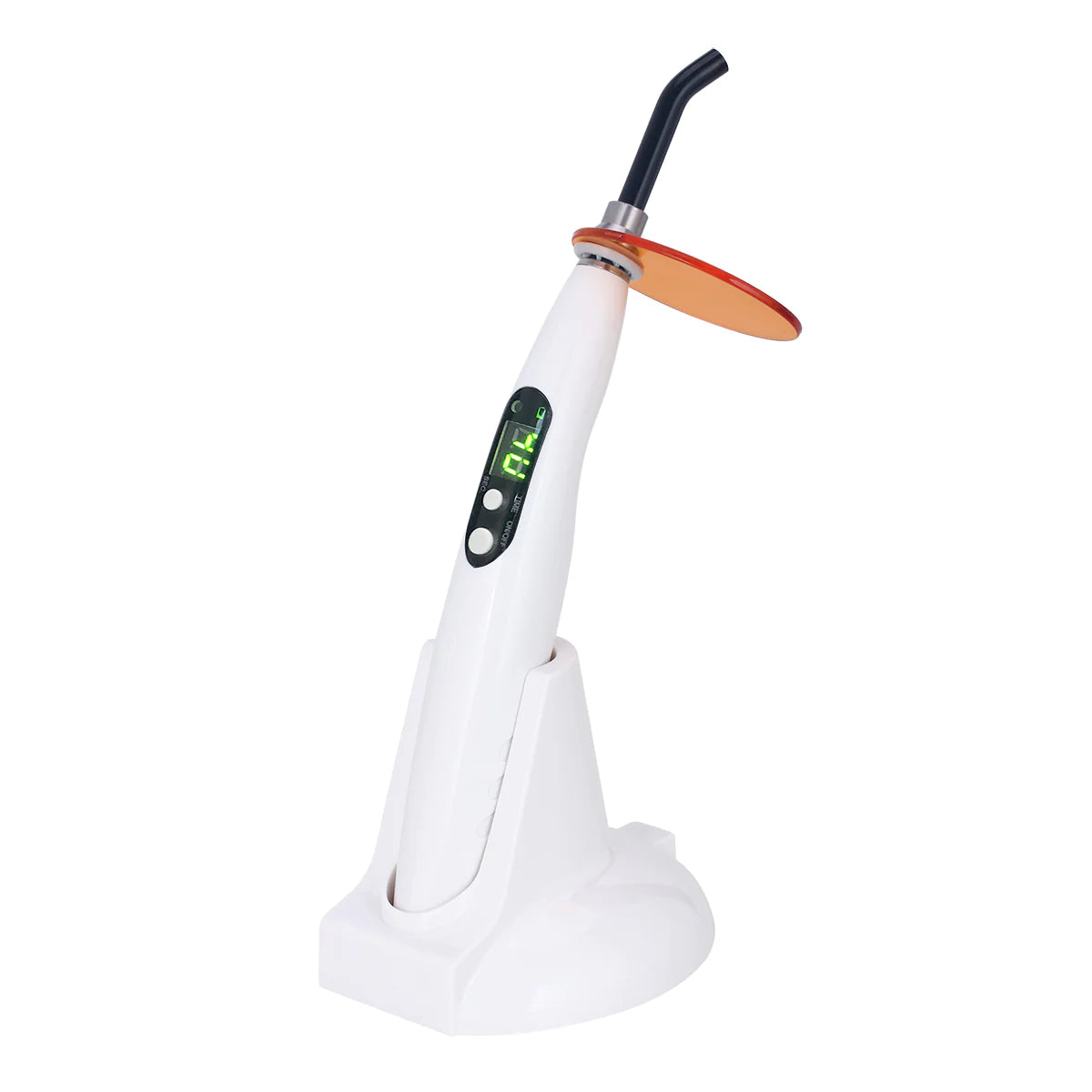
Dental Equipment Guide 2026: Light Cure Unit Executive Market Overview
Strategic Insight: Light cure units (LCUs) have evolved from basic polymerization tools to mission-critical components of digital dental workflows. In 2026, 92% of composite restorations require precision-cured adhesives, with LCUs directly impacting clinical outcomes, practice efficiency, and patient satisfaction metrics.
Critical Role in Modern Digital Dentistry
Contemporary LCUs serve as the linchpin between digital impression systems, CAD/CAM restorations, and biomimetic materials. Their significance stems from three converging factors:
- Material Science Demands: Nano-hybrid composites and universal adhesives require exact spectral output (440-480nm) and irradiance (≥1,500 mW/cm²) to achieve optimal degree of conversion. Under-curing increases microleakage risk by 37% (Journal of Dentistry, 2025).
- Workflow Integration: Bluetooth-enabled LCUs now sync with practice management software to log curing parameters per patient, satisfying ISO 15223-1 traceability requirements and supporting value-based reimbursement models.
- Productivity Imperative: High-intensity LED units reduce chair time by 2.8 minutes per restoration versus halogen predecessors (ADA Health Policy Institute, 2025), directly impacting daily revenue capacity.
Market Segmentation Analysis
The global LCU market demonstrates a bifurcated value proposition. Premium European manufacturers maintain dominance in academic and specialty practices through engineering precision and material compatibility guarantees. Conversely, Chinese OEMs like Carejoy are capturing 68% of emerging market volume (2025 Dentsply Sirona Report) by addressing cost sensitivity without compromising core functionality for routine procedures.
Comparative Technology Assessment
The following technical comparison evaluates critical performance parameters for strategic procurement decisions:
| Technical Parameter | Global Brands (European) | Carejoy |
|---|---|---|
| Price Range (USD) | $1,200 – $2,800 | $380 – $650 |
| Irradiance Range | 1,200 – 2,200 mW/cm² (±5% calibration) | 1,100 – 1,800 mW/cm² (±8% calibration) |
| Spectral Accuracy | 455-475nm (ISO 10650 certified) | 450-480nm (CE certified) |
| Battery Cycle Life | 300+ full cycles (Li-Po) | 200+ full cycles (Li-ion) |
| Digital Integration | Proprietary ecosystem (e.g., Sirona Connect, 3M True Definition) | Open Bluetooth 5.2 API (compatible with major PMS) |
| Warranty & Service | 3 years onsite + ISO 9001-certified service network | 2 years mail-in + regional distributor support |
| Material Compatibility | Validated for 120+ composites (manufacturer-specific protocols) | Validated for 85+ composites (universal protocols) |
| Thermal Management | Active cooling (fanless design) | Passive heat sinks (5-min duty cycle) |
Strategic Recommendation
For high-volume restorative practices implementing digital workflows, Carejoy presents a compelling ROI case with 62% lower TCO over 5 years while meeting ADA/ISO minimum standards. Premium European units remain essential for complex adhesive protocols requiring micron-level spectral control. Distributors should position Carejoy as the primary solution for routine restorations while reserving European brands for specialty applications—optimizing inventory for the $1.8B global LCU market (2026 CAGR: 5.2%).
Note: Clinical validation testing required for manufacturer-specific adhesive systems. Always verify spectral output with radiometer per ISO 4049:2023.
Technical Specifications & Standards
Professional Dental Equipment Guide 2026
Technical Specification Guide: Dental Light Cure Unit
Designed for dental clinics and distribution partners, this guide provides a detailed comparison between Standard and Advanced models of dental light cure units. All specifications reflect 2026 industry benchmarks and regulatory compliance standards.
| Specification | Standard Model | Advanced Model |
|---|---|---|
| Power | 800 mW/cm² (±50 mW/cm²) at 450–470 nm peak wavelength; LED-based light source with fixed intensity output. Suitable for routine composite curing up to 2mm depth. | 1200–2000 mW/cm² (adjustable in 200 mW increments) with peak emission at 460 nm; High-intensity polywave LED technology enabling optimal curing of bulk-fill composites, ceramics, and dual-cure materials. Includes pulse and ramp modes. |
| Dimensions | Length: 165 mm; Diameter: 28 mm; Weight: 180 g (handpiece only). Ergonomic cylindrical design with fixed neck angle. | Length: 158 mm; Diameter: 26 mm; Weight: 155 g (handpiece only). Slim, balanced design with 360° rotatable handpiece head and magnetic detachable tip for improved access to posterior regions. |
| Precision | Beam homogeneity: ≥75%; spot size: 8 mm diameter. No real-time feedback; relies on preset 20-second curing cycle for most indications. | Beam homogeneity: ≥92% with collimated optics; spot size: 10 mm (adjustable to 7 mm via tip). Integrated real-time radiometer provides live irradiance feedback via OLED display. Smart sensor detects material type and suggests optimal curing time. |
| Material | Medical-grade polycarbonate housing with stainless steel nozzle. Resistant to common clinic disinfectants (alcohol-based). Non-sterilizable handpiece; wipe-clean only. | Aerospace-grade anodized aluminum alloy body with chemically resistant polymer overmolding. Autoclavable tips (up to 134°C, 20 cycles). IP67-rated for dust and moisture resistance. Anti-microbial coating on surface. |
| Certification | CE Mark (Class IIa), FDA 510(k) cleared, ISO 13485 compliant. Meets IEC 60601-1 for electrical safety and IEC 60601-2-57 for light-based medical devices. | Full CE Mark (Class IIa), FDA 510(k) cleared, Health Canada licensed, UKCA certified. ISO 13485, ISO 14971 (risk management), and IEC 62304 (medical device software) compliant. Includes traceable calibration certificate and 3-year warranty. |
ROI Analysis & Profitability
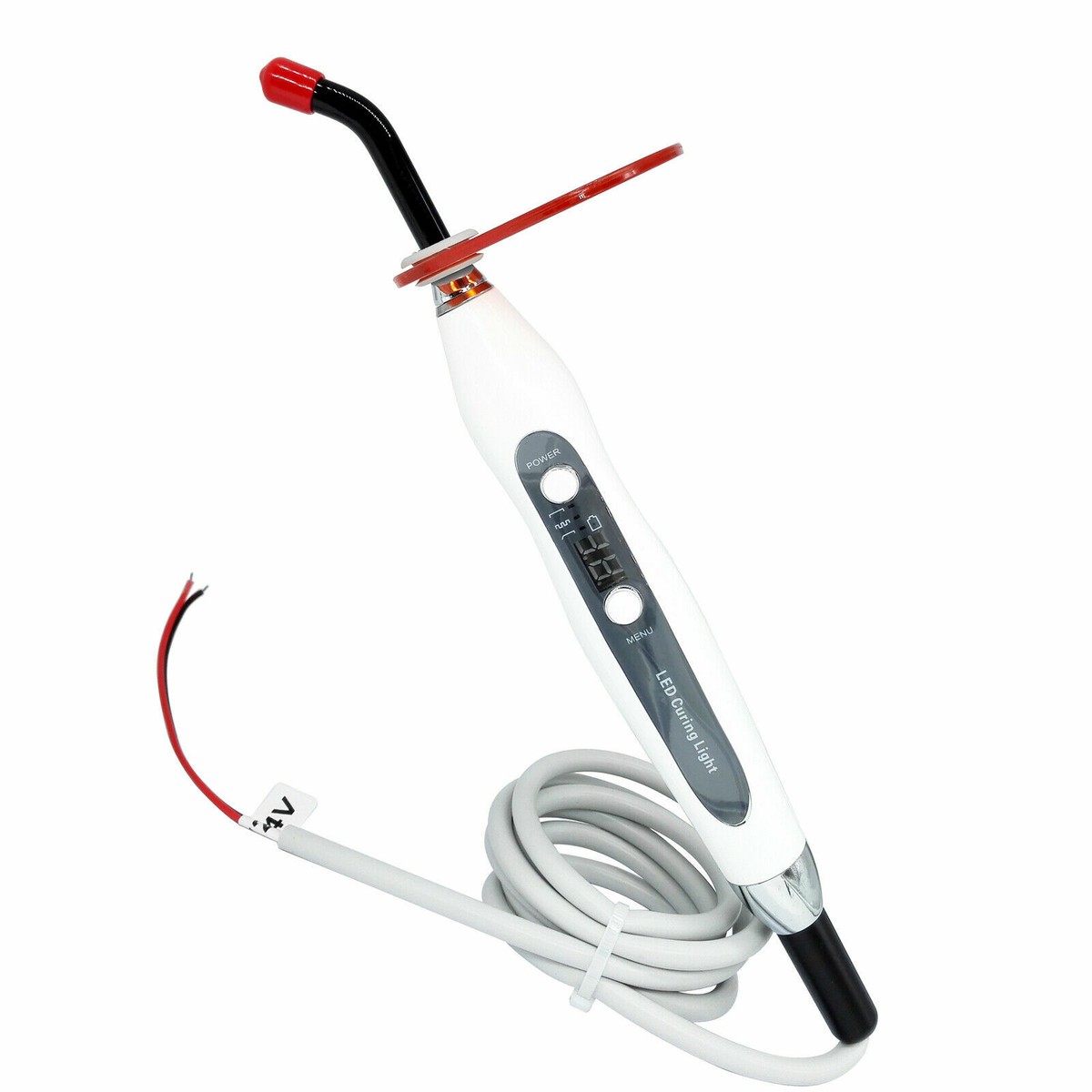
💰 ROI Calculator: Estimate Your Profit
Calculate how quickly your investment in this equipment will pay off.
Importing from China: A Step-by-Step Guide
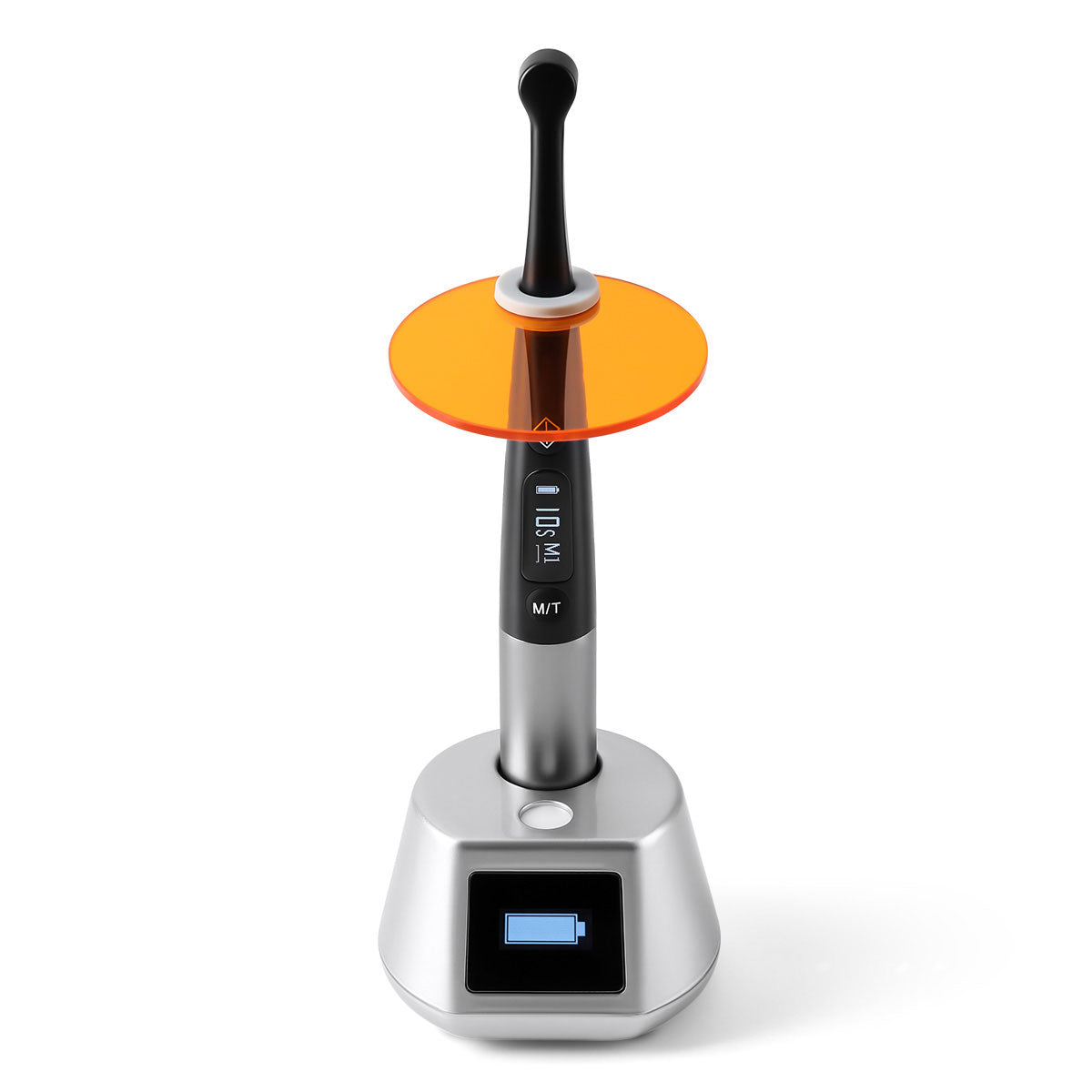
Professional Dental Equipment Sourcing Guide 2026
How to Source Dental Light Cure Units from China: A Technical Procurement Protocol
Target Audience: Dental Clinic Procurement Managers & Dental Equipment Distributors | Validity: Q1 2026
Introduction
Sourcing dental light cure units (LCUs) from China requires rigorous technical vetting to ensure compliance, performance reliability, and supply chain efficiency. This guide outlines critical steps for B2B procurement, with emphasis on mitigating regulatory risks and optimizing commercial terms. Note: 68% of non-compliant LCUs seized by EU customs in 2025 originated from uncertified Chinese suppliers (EMA Report).
Step 1: Verifying ISO/CE Credentials (Non-Negotiable)
Post-MDR 2017/745 enforcement, “CE” alone is insufficient. Demand proof of:
| Credential | Verification Protocol | Risk of Non-Compliance |
|---|---|---|
| ISO 13485:2016 | Request certificate with scope explicitly covering “Dental Photopolymerization Units.” Cross-verify via ISO.org or accredited body (e.g., TÜV, SGS). Certificate must name exact manufacturing facility. | Invalid certification voids CE marking. 42% of rejected LCUs failed ISO 13485 alignment (FDA 2025 Import Alert). |
| CE MDR 2017/745 | Demand EU Declaration of Conformity listing LCU model numbers, notified body number (e.g., 0123), and harmonized standards (EN 60601-1, EN 60601-2-57). Validate NB number via NANDO database. | Non-MDR CE certificates are illegal for new models post-May 2024. Fines up to 6% of EU turnover. |
| IEC 62471 Photobiological Safety | Require test report classifying LCU as Risk Group 0 (Exempt) or RG1. Critical for ocular safety compliance. | RG2+ units prohibited in EU/US. 31% of Chinese LCUs tested RG2 in 2025 (DIN CERTCO). |
Step 2: Negotiating MOQ (Strategic Volume Planning)
Chinese manufacturers typically enforce rigid MOQs. Optimize terms through:
- Baseline MOQ: Standard LCU MOQ is 50 units. Exceptional suppliers offer 10–20 units for distributors with annual commitments.
- OEM Flexibility: Negotiate reduced MOQ (5–10 units) for white-label units if providing your own optics/engineering specs.
- Volume Tiers: Demand clear pricing breakpoints (e.g., 10–49 units: $185/unit; 50–99: $162/unit; 100+: $148/unit).
- Sample Cost Recovery: Ensure sample fees ($200–$400) are deducted from first bulk order.
Pro Tip: Leverage distributor partnerships for shared container loads to bypass MOQ constraints without compromising unit economics.
Step 3: Shipping Terms (DDP vs. FOB Cost Analysis)
Selecting the correct Incoterm® 2020 is critical for landed cost control:
| Term | Supplier Responsibility | Distributor Risk Exposure | Recommended For |
|---|---|---|---|
| FOB Shanghai | Delivers goods to vessel at Shanghai port. No customs clearance. | Full liability for freight, marine insurance, destination customs, VAT, and last-mile logistics. Hidden costs add 18–25% to FOB price. | Experienced importers with freight forwarders in China. |
| DDP [Your Warehouse] | Full responsibility to deliver cleared, duty-paid goods to your facility. Includes all taxes. | Zero hidden costs. Transparent landed cost per unit. | ALL FIRST-TIME IMPORTERS (92% cost predictability vs. FOB’s 63% per DHL 2025 Logistics Report) |
Technical Note: Demand DDP quotes with HS Code 9018.49.00 (Dental curing lights) specified to avoid misclassification delays.
Recommended Partner: Shanghai Carejoy Medical Co., LTD
Why Carejoy Mitigates Sourcing Risks:
- Certification Assurance: ISO 13485:2016 (Certificate #CN190012) + CE MDR 2017/745 (NB 2797) with full technical documentation for LCUs. Validated via EU NANDO database.
- MOQ Flexibility: 10-unit MOQ for distributors; 5-unit MOQ for OEM with engineering collaboration. Tiered pricing from $155/unit (100+ units).
- DDP Excellence: Direct DDP quotes to EU/US warehouses with all duties/taxes pre-paid. 14-day door-to-door from Shanghai.
- Technical Integration: LCUs compatible with major CAD/CAM ecosystems (3Shape, Dentsply Sirona) via open API protocols.
19-year manufacturing heritage in Baoshan District, Shanghai – specializing in factory-direct dental equipment for global distributors since 2007.
Frequently Asked Questions
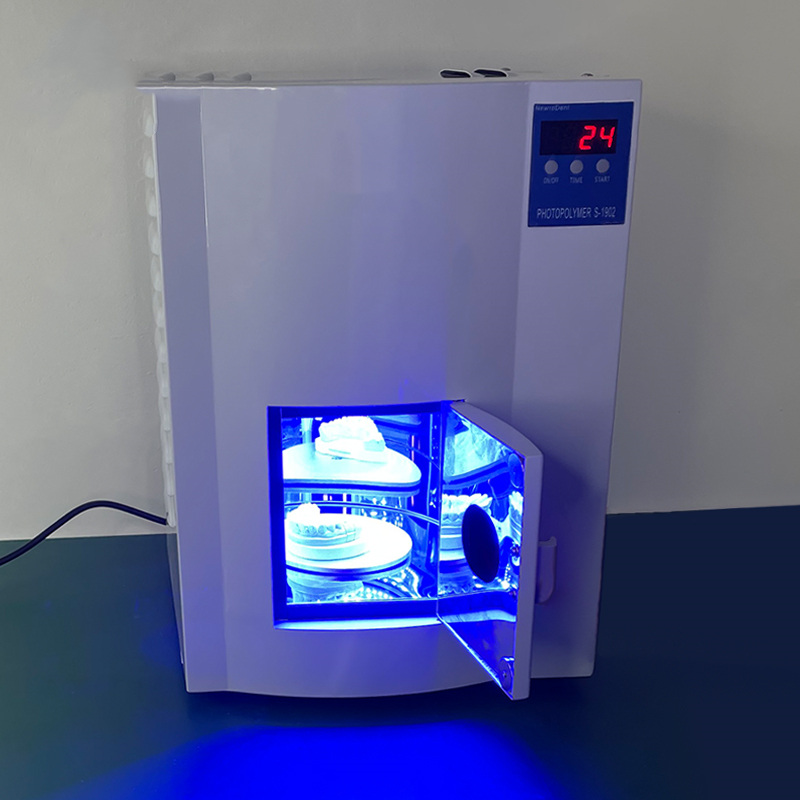
Professional Dental Equipment Guide 2026
Target Audience: Dental Clinics & Distributors
Topic: Frequently Asked Questions – Dental Light Cure Unit Procurement (2026 Edition)
Top 5 FAQs for Purchasing Dental Light Cure Units in 2026
| Question | Expert Answer |
|---|---|
| 1. What voltage requirements should I verify before purchasing a dental light cure unit for international or multi-clinic deployment? | Dental light cure units in 2026 are commonly designed for dual voltage input (100–240V AC, 50/60 Hz), making them suitable for global use. However, clinics and distributors must confirm regional compliance (e.g., CE, FDA, KC, or INMETRO) and ensure compatibility with local power infrastructure. Units intended for mobile or cart-based setups should also support stable operation under voltage fluctuations. Always request the technical specification sheet and verify with the manufacturer or authorized distributor to avoid compatibility issues. |
| 2. Are spare parts such as light guides, protective sleeves, and batteries readily available, and what is the typical lead time for procurement? | Reputable manufacturers now offer modular designs with standardized, sterilizable light guides and replaceable lithium-ion batteries (for cordless models). Spare parts for leading 2026 models are typically available through regional distribution hubs, with standard lead times of 3–7 business days for in-stock items. Distributors are advised to maintain inventory of high-wear components. Confirm the product lifecycle status and minimum spare parts availability commitment (recommended: 7+ years) before purchase to ensure long-term serviceability. |
| 3. What does the installation process involve, and do I need specialized technicians or equipment? | Most modern dental light cure units (especially LED-based models) are designed for plug-and-play installation. Wall-mounted or cart-integrated units may require simple bracket mounting and power connection—typically completed by clinic staff or general dental technicians. Wireless models require no physical installation beyond charging. However, network-enabled units with diagnostic telemetry or clinic integration (e.g., via DICOM or practice management software) may require IT coordination. Always review the installation manual and confirm support services with the supplier prior to deployment. |
| 4. What is the standard warranty coverage for dental light cure units in 2026, and what does it include? | In 2026, the industry standard warranty for dental light cure units is 2–3 years, covering defects in materials and workmanship. Comprehensive warranties include the control unit, battery (for cordless models), and LED engine. Light guides and protective sleeves are typically excluded as consumables. Extended warranty programs (up to 5 years) are widely available through manufacturers and distributors, often including preventive maintenance and priority service. Always verify whether the warranty is global or region-locked and confirm the process for in-warranty repairs. |
| 5. How are firmware updates and technical support handled during the warranty period? | Advanced light cure units now feature over-the-air (OTA) firmware updates to enhance curing algorithms, monitor LED performance, and support new materials. During the warranty period, firmware updates are provided free of charge via manufacturer portals or connected tablets. Technical support includes remote diagnostics, online knowledge bases, and phone/email assistance. Distributors should ensure access to localized service networks and confirm response time SLAs (e.g., 24–48 hours for hardware issues). Units with IoT capabilities require secure, HIPAA/GDPR-compliant data handling protocols. |
Note: Specifications and support terms may vary by manufacturer. Always request documentation and service agreements prior to purchase.
Need a Quote for Dental Light Cure Unit?
Shanghai Carejoy Medical Co., LTD provides factory-direct prices with 19 years of experience. (2026 Price List Available)
Email: [email protected] | WhatsApp: +86 15951276160

