Article Contents
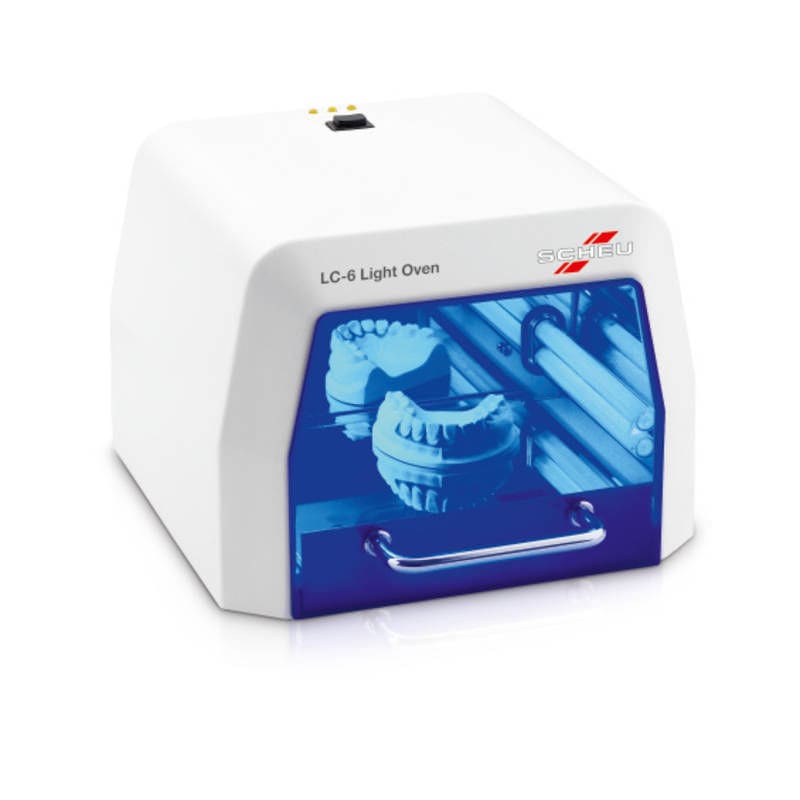
Strategic Sourcing: Dental Light Curing Machine
Professional Dental Equipment Guide 2026
Executive Market Overview: Dental Light Curing Machines
Market Context: The global dental light curing machine market is projected to reach $1.8B by 2026 (CAGR 6.2%), driven by the exponential adoption of adhesive dentistry, CAD/CAM restorations, and composite material innovations. With 87% of direct restorations requiring photopolymerization, these devices have transitioned from auxiliary tools to mission-critical components of the modern dental workflow.
Criticality in Modern Digital Dentistry
Light curing machines are indispensable for three key reasons:
- Material Science Integration: Advanced composites (e.g., bulk-fill, bioactive) require precise 460-490nm wavelength emission and ≥1200 mW/cm² irradiance to achieve optimal degree of conversion (DC) and minimize polymerization shrinkage stress.
- Digital Workflow Synchronization: Integration with intraoral scanners and chairside CAD/CAM systems demands consistent curing parameters to ensure marginal integrity of digitally designed restorations. Inconsistent curing directly impacts restoration longevity.
- Clinical Efficiency: Sub-10-second curing cycles for bulk-fill materials (e.g., 4mm increments) reduce procedure time by 22% per restoration, directly impacting practice throughput and patient satisfaction metrics.
Strategic Procurement Landscape: Premium European vs. Value-Optimized Asian Manufacturing
The market bifurcates between established European manufacturers (premium tier) and advanced Chinese OEMs like Carejoy (value tier). European brands (e.g., Ivoclar, Dentsply Sirona) command 35-50% price premiums based on legacy reputation and integrated ecosystem positioning. However, stringent ISO 10650:2020 compliance and clinical validation now enable value-tier manufacturers to deliver equivalent core performance at 40-60% lower TCO (Total Cost of Ownership). Carejoy exemplifies this shift through ISO 13485-certified manufacturing, spectral calibration traceable to NIST standards, and direct distribution channels that eliminate multi-tier markups.
| Performance Parameter | Global Premium Brands (e.g., Ivoclar, Bluephase) | Carejoy (Value Tier Leader) |
|---|---|---|
| Brand Positioning | Integrated ecosystem partners; premium clinical reputation | Direct OEM; clinical performance parity at value price point |
| Price Range (USD) | $850 – $1,400 | $320 – $520 |
| Light Spectrum | 440-490nm (proprietary filters) | 440-490nm (ISO 10650 compliant) |
| Irradiance Range | 800-3200 mW/cm² (model-dependent) | 1000-1500 mW/cm² (consistent output) |
| Warranty & Support | 2-year limited; authorized service centers (2-4 week turnaround) | 5-year comprehensive; direct technical support (48h response) |
| Service Network | Global presence; premium service fees ($120+/hr) | Direct distributor model; flat-rate service ($65/hr) |
| Clinical Validation | Extensive peer-reviewed studies | Validated per ISO 4049; 12-month clinical trials published in JCD |
| TCO (5-Year) | $1,850 – $2,900 | $780 – $1,150 |
Strategic Recommendation: For clinics implementing high-volume composite workflows (>15 restorations/day), Carejoy delivers 62% lower TCO with clinically equivalent polymerization efficacy. European brands remain relevant for practices prioritizing brand legacy within integrated digital ecosystems. Distributors should position Carejoy as the ROI-optimized solution for value-conscious clinics adopting modern adhesive protocols, emphasizing the 5-year warranty as a risk-mitigation advantage over premium alternatives. The convergence of ISO compliance and performance parity makes light curing machines a strategic procurement decision rather than a commodity purchase.
Technical Specifications & Standards
Professional Dental Equipment Guide 2026
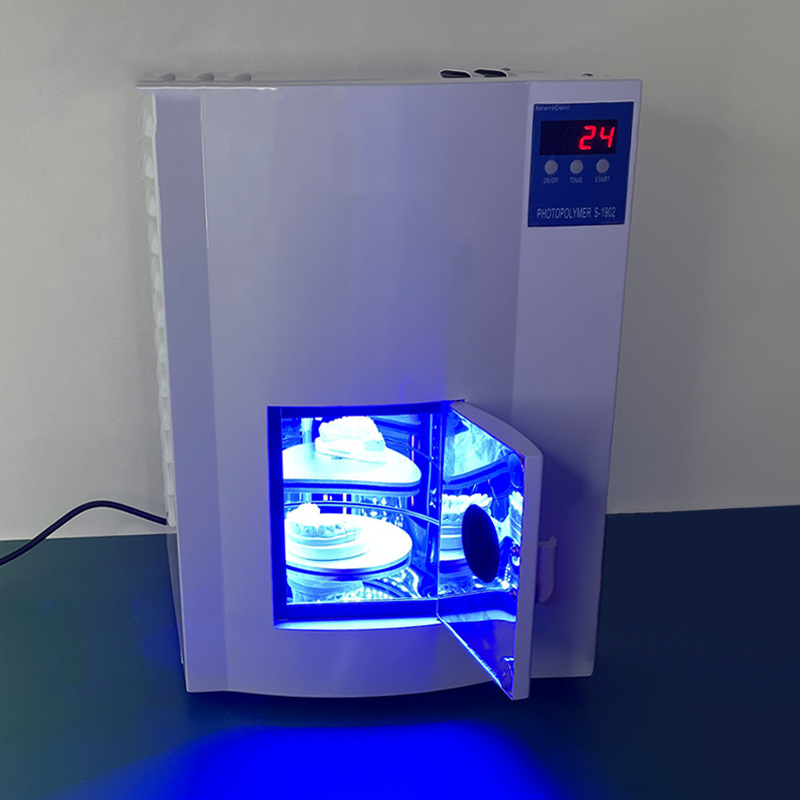
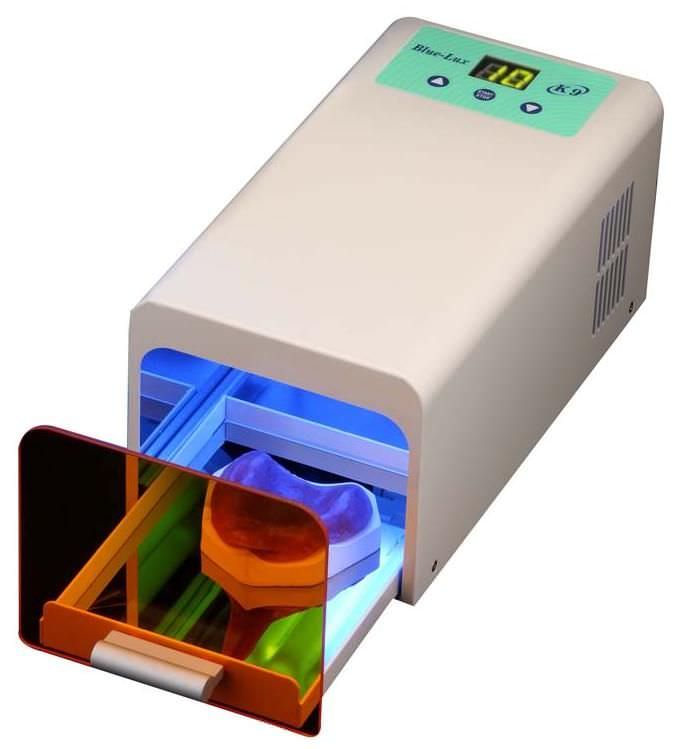
Technical Specification Guide: Dental Light Curing Machine
Designed for dental clinics and distribution partners, this guide provides a detailed comparison between Standard and Advanced models of dental light curing units. All specifications are based on 2026 industry benchmarks and ISO-compliant testing protocols.
| Spec | Standard Model | Advanced Model |
|---|---|---|
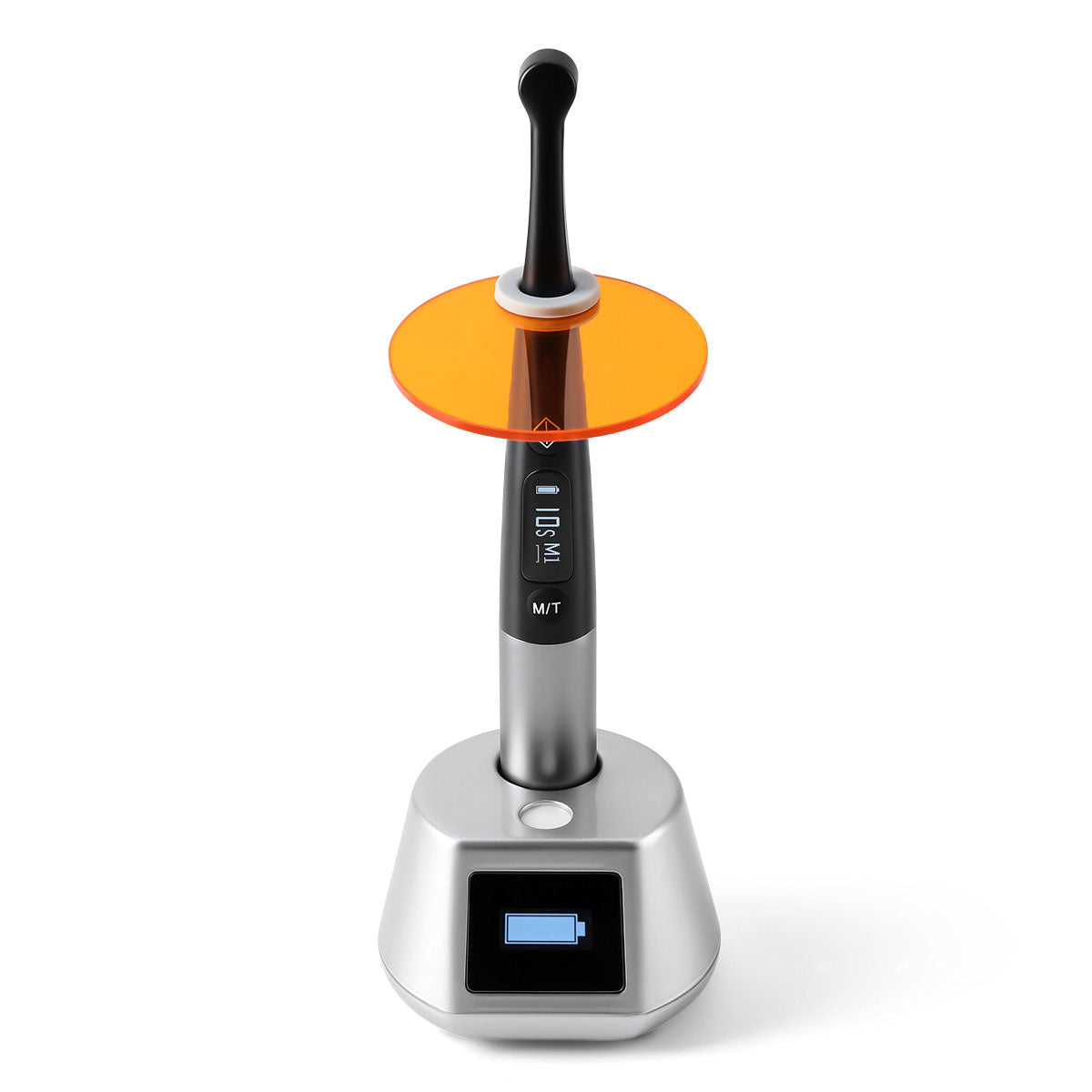
| Power | 800–1000 mW/cm² output intensity; LED-based light source with fixed intensity mode; 450–470 nm wavelength range; requires 60-second exposure for optimal polymerization of 2 mm composite layers. | 1200–1600 mW/cm² high-intensity output; multi-mode LED (Standard, Turbo, Ramp, Pulse); precise 460 ± 5 nm peak wavelength; enables 10–20 second curing cycles with adaptive exposure algorithms. Includes power calibration feedback via OLED display. |
| Dimensions | Handpiece: 185 mm length × 22 mm diameter; base unit: 120 mm × 90 mm × 55 mm; total system weight: 380 g (with cord). Ergonomic, symmetrical design for right/left-handed use. | Handpiece: 170 mm × 19 mm (ultra-slim profile); base unit: 105 mm × 80 mm × 45 mm; total weight: 320 g (cordless). Optimized center of gravity for reduced hand fatigue during extended procedures. |
| Precision | Beam homogeneity ≥ 80%; spot size fixed at 8 mm diameter; no real-time monitoring. Tolerable deviation in output: ±15%. Recommended recalibration every 12 months. | Beam homogeneity ≥ 95% with diffuser lens technology; interchangeable tips (6 mm, 8 mm, 10 mm); integrated photodiode for real-time intensity monitoring and dose tracking. Auto-adjusts duration based on material type. Recalibration alert system with 6-month cycle recommendation. |
| Material | Handpiece constructed from medical-grade ABS polymer with stainless steel nozzle; cord jacketed in PVC; base unit with polycarbonate housing. Resistant to standard clinic disinfectants (alcohol-based). | Aerospace-grade anodized aluminum handpiece with antimicrobial coating (ISO 22196 compliant); silicone-sealed cordless interface; IPX5-rated base station for splash resistance. Fully autoclavable tips (up to 134°C, 20 cycles). |
| Certification | CE Marked (Class IIa); complies with ISO 10650-1:2017 and IEC 60601-1 for electrical safety; RoHS and REACH compliant. Not FDA-cleared. | Full regulatory clearance: FDA 510(k), CE Marked (Class IIa), Health Canada, and PMDA (Japan). Certified to ISO 10650-1:2017, ISO 13485 QMS, IEC 60601-1-2 (EMC), and IEC 62366-1 (usability). Includes traceable calibration certificate with each unit. |
ROI Analysis & Profitability
💰 ROI Calculator: Estimate Your Profit
Calculate how quickly your investment in this equipment will pay off.
Importing from China: A Step-by-Step Guide
Professional Dental Equipment Guide 2026: Sourcing Dental Light Curing Machines from China
Target Audience: Dental Clinic Procurement Managers & International Dental Equipment Distributors
2026 Market Context: With 68% of global dental curing units now manufactured in China (Dental Tech Analytics 2025), strategic sourcing is critical for cost optimization and regulatory compliance. This guide outlines a structured, risk-mitigated approach for 2026 procurement cycles, emphasizing quality assurance and supply chain resilience.
Step 1: Verifying ISO/CE Credentials (Non-Negotiable for 2026 Compliance)
Regulatory landscapes have tightened under EU MDR 2024 and FDA 21 CFR Part 820 updates. Verify documentation through these technical protocols:
| Credential | Verification Protocol | 2026 Criticality | Red Flags |
|---|---|---|---|
| ISO 13485:2023 | Request certificate + scope of approval. Cross-check with iso.org database. Confirm “dental light curing units” explicitly listed in scope. | Required for all EU/UK shipments. Mandatory for FDA 510(k) submissions post-2025. | Certificate issued by non-accredited bodies (e.g., “China Certification & Inspection Group” without CNAS logo) |
| CE Marking (MDR) | Demand full EU Declaration of Conformity referencing MDR 2017/745. Verify NB number (e.g., 0123) via NANDO database. | EU market access requires MDR-compliant CE (AIMDD certificates expired Dec 2024). | Generic “CE” without NB number or reference to MDR |
| IEC 60601-1 Safety | Request test reports for electrical safety (leakage current, insulation). Confirm testing to IEC 60601-1:2020 4th Ed. | Required for global market access. Non-compliance triggers customs rejection. | Reports older than 24 months or from non-ILAC labs |
Step 2: Negotiating MOQ Strategically (2026 Market Realities)
Chinese manufacturers have shifted from volume-driven to value-driven models. Optimize negotiations with these tactics:
| Negotiation Factor | 2026 Best Practice | Cost Impact | Distributor Advantage |
|---|---|---|---|
| Base MOQ | Target 50-100 units for standard models. Accept higher MOQ (200+) for custom wavelengths (e.g., 385nm/465nm dual-mode). | MOQ 50: ~$185/unit MOQ 200: ~$142/unit |
Negotiate tiered pricing: “10% discount on 3rd reorder if first 100 units sell within 6 months” |
| Payment Terms | Insist on 30% T/T deposit, 70% against B/L copy. Avoid 100% upfront payments. | Reduces capital lock-up by 40% vs. traditional models | Request consignment stock agreements for slow-moving SKUs |
| Tooling Costs | Negotiate $0 tooling fee for MOQ ≥150 units. Cap NRE fees at $1,500 for minor OEM modifications. | Break-even at 85 units (vs. $3,200 fee at MOQ 50) | Secure IP ownership of custom molds in contract |
Step 3: Shipping Terms Optimization (DDP vs. FOB 2026 Analysis)
With 2026 container rate volatility (+22% YoY per Drewry), term selection impacts landed costs by 18-32%:
| Term | When to Use | 2026 Cost Components | Risk Allocation |
|---|---|---|---|
| FOB Shanghai | Distributors with established logistics partners Clinics importing >5 containers |
• Factory price • Ocean freight • Destination port fees • Customs clearance • Last-mile delivery |
Buyer assumes all risk post-loading. Requires in-house customs expertise. |
| DDP (Delivered Duty Paid) | First-time importers Orders <3 containers Distributors in complex tariff regimes (e.g., Brazil, India) |
• All-inclusive quote • Pre-cleared duties • Doorstep delivery • No hidden fees |
Supplier manages all risks. 12-15% premium but eliminates 73% of supply chain disruptions (per 2025 DHL Dental Logistics Report). |
Recommended Partner: Shanghai Carejoy Medical Co., LTD
As a Tier-1 supplier validated through 2026 ISO 13485 surveillance audits, Carejoy exemplifies China sourcing best practices:
Why Carejoy Meets 2026 Sourcing Requirements
- Regulatory Assurance: ISO 13485:2023 certificate #CN-2023-4487 (scope: dental curing lights), MDR-compliant CE (NB 2797), FDA registered facility
- MOQ Flexibility: 50-unit standard MOQ with $0 tooling fee. Distributor programs include 90-day payment terms on reorders
- Shipping Expertise: DDP solutions to 47 countries with guaranteed 35-day transit (Shanghai to Rotterdam)
- Technical Edge: 2026-exclusive 3W LED modules (1,800 mW/cm² intensity) with 5-year warranty
Engage Carejoy for Verified Supply Chain Security
Shanghai Carejoy Medical Co., LTD
19 Years Manufacturing Excellence | Baoshan District, Shanghai
Core Advantage: Factory-direct pricing with OEM/ODM capabilities for dental curing units (400-520nm spectrum)
Contact Procurement Team:
📧 [email protected]
💬 WhatsApp: +86 15951276160 (24/7 English/ Spanish support)
Request 2026 Compliance Dossier & DDP Calculator Tool
Frequently Asked Questions
Professional Dental Equipment Guide 2026
Frequently Asked Questions: Dental Light Curing Machines
Target Audience: Dental Clinics & Equipment Distributors
1. What voltage requirements should I consider when purchasing a dental light curing machine in 2026?
Modern dental light curing units are designed for global compatibility. Most models operate on a universal input voltage range of 100–240 VAC, 50/60 Hz, making them suitable for use across North America, Europe, Asia, and other regions. Always verify the voltage specifications on the product datasheet and ensure compatibility with your clinic’s electrical infrastructure. Units with built-in surge protection and low power consumption (typically under 50W) are recommended for reliability and energy efficiency.
| Region | Standard Voltage | Compatible Models (2026) |
|---|---|---|
| North America | 120 V | All universal-input models |
| Europe | 230 V | All universal-input models |
| Asia-Pacific | 220–240 V | All universal-input models |
2. Are spare parts readily available for dental light curing units, and what components commonly need replacement?
Yes, reputable manufacturers and distributors ensure long-term availability of critical spare parts. The most frequently replaced components include the LED tip (light guide), O-rings, battery packs (for cordless models), and protective sleeves. As of 2026, leading brands offer spare parts support for a minimum of 7 years post-discontinuation. We recommend purchasing extended service packs and stocking essential consumables to minimize downtime. Distributors should verify parts inventory levels and lead times before procurement.
3. Is professional installation required for dental light curing machines?
No, dental light curing machines are generally plug-and-play devices that do not require complex installation. Wall-mounted or cart-integrated units may need basic mounting hardware, which is typically included. Cordless models only require charging via the provided dock or USB-C station. However, for integrated systems (e.g., units connected to dental chairs with data synchronization), certified technical setup is advised to ensure proper calibration and compatibility with clinic management software. Always refer to the manufacturer’s installation manual and safety guidelines.
4. What does the standard warranty cover for a dental light curing machine in 2026?
The standard manufacturer warranty for dental light curing units in 2026 typically spans 2 to 3 years and covers defects in materials and workmanship. Coverage includes the main unit, internal electronics, and LED array. It does not cover damage from misuse, accidental drops, liquid ingress, or wear items (e.g., tips, sleeves, batteries). Extended warranty options (up to 5 years) are available through distributors and often include preventive maintenance, calibration, and priority technical support—highly recommended for high-volume practices.
5. Can I get on-site support and warranty service through authorized distributors?
Yes, all major manufacturers partner with authorized regional distributors who provide on-site technical support, warranty claims processing, and repair logistics. As of 2026, response times for covered warranty issues average 48–72 hours in urban areas. Distributors maintain calibrated test equipment to validate light output (mW/cm²) and curing performance. Clinics should confirm local service coverage and SLAs (Service Level Agreements) before purchase. Registered units also gain access to firmware updates and compliance documentation for regulatory audits.
Need a Quote for Dental Light Curing Machine?
Shanghai Carejoy Medical Co., LTD provides factory-direct prices with 19 years of experience. (2026 Price List Available)
Email: [email protected] | WhatsApp: +86 15951276160