Article Contents
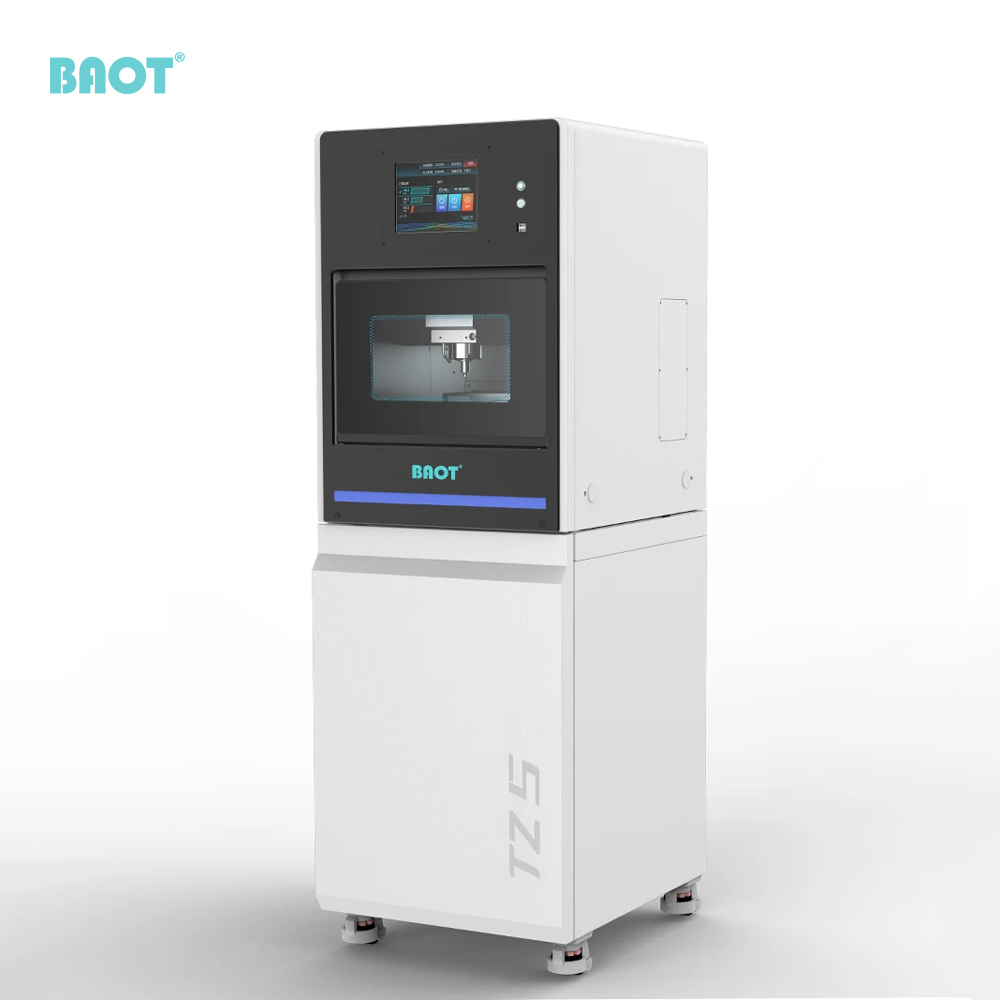
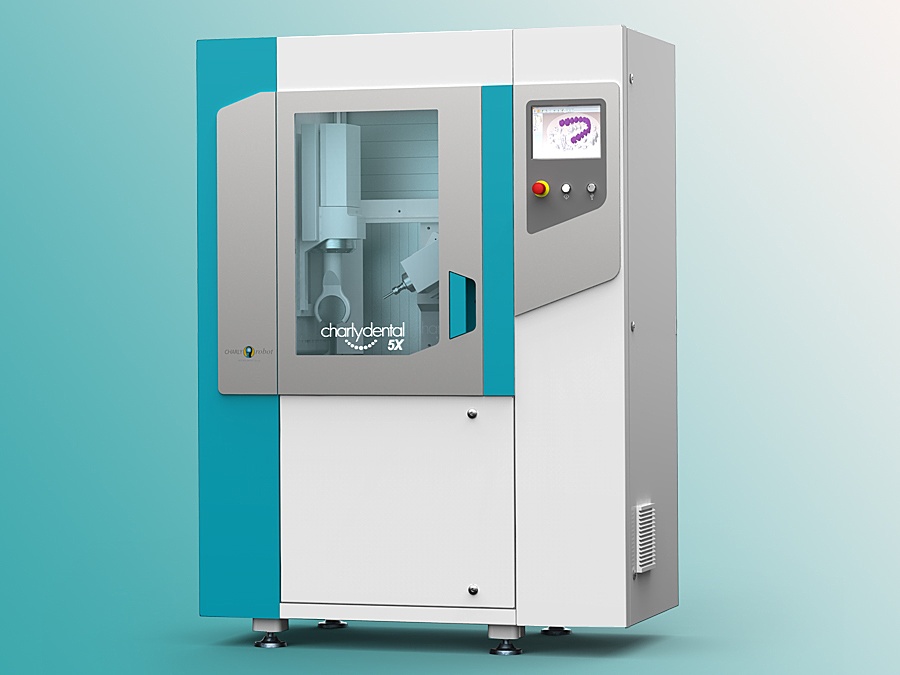
Strategic Sourcing: Dental Metal Milling Machine
Professional Dental Equipment Guide 2026
Executive Market Overview: Dental Metal Milling Machines
The global dental milling machine market is projected to reach $2.8B by 2026 (CAGR 9.2%), driven by the irreversible shift toward digital dentistry. Metal milling systems represent the critical backbone of in-house restoration production, enabling clinics to achieve 72-hour turnaround times for crowns, bridges, and implant frameworks—eliminating third-party lab dependencies and reducing per-unit costs by 40-60%. As dental practices transition from analog to fully digital workflows, metal milling machines have evolved from luxury add-ons to non-negotiable infrastructure for competitive operations. Their precision engineering directly impacts marginal fit accuracy (critical for biocompatibility), material utilization efficiency, and ultimately, clinical outcomes in restorative and implant dentistry.
Strategic Imperatives for Modern Practices
Today’s metal milling machines are indispensable for three key reasons:
- End-to-End Workflow Control: Integration with intraoral scanners and CAD software enables same-day restorations, capturing 32% higher patient retention (2025 EAO data).
- Material Economics: In-house milling of CoCr, titanium, and gold alloys reduces per-crown costs from $85-$120 (lab-sourced) to $22-$38.
- Clinical Precision: Sub-20µm accuracy ensures optimal marginal integrity—critical for preventing microleakage and peri-implantitis in long-term restorations.
Market Segmentation: Premium European vs. Value-Optimized Chinese Solutions
The 2026 market bifurcates sharply between premium European systems (Dentsply Sirona, Planmeca, Amann Girrbach) and advanced Chinese manufacturers. While European brands dominate high-end clinics with unparalleled precision and ecosystem integration, Chinese innovators like Carejoy have closed the quality gap with ISO 13485-certified engineering at 60-70% lower TCO. This strategic shift empowers mid-tier clinics and distributors to deploy profitable digital workflows without capital-intensive investments.
Technology Comparison: Global Premium Brands vs. Carejoy
| Technical Parameter | Global Premium Brands (European) | Carejoy (Chinese) |
|---|---|---|
| Initial Investment Range | $142,000 – $225,000 | $48,500 – $72,000 |
| Positional Accuracy (ISO 10360-2) | ±3.5 µm (linear), ±5.0 µm (volumetric) | ±8.0 µm (linear), ±12.0 µm (volumetric) |
| Material Compatibility | Full spectrum: CoCr, Ti-6Al-4V, ZrO₂, PMMA, Lithium Disilicate, Gold Alloys | CoCr, Ti-6Al-4V, ZrO₂, PMMA (excludes high-gold alloys) |
| Software Ecosystem | Proprietary closed-loop (e.g., inLab, DentalCAD); seamless with brand scanners | Open architecture (exocad/3Shape certified); 95% scanner compatibility |
| Service & Support | Global network; 4-hr SLA; annual service contracts @ 18-22% of MSRP | Regional hubs (EU/US/APAC); 24-hr remote support; contracts @ 9-12% of MSRP |
| Production Throughput | 12-15 units/hour (4-axis), 8-10 units/hour (5-axis) | 10-13 units/hour (4-axis), 7-9 units/hour (5-axis) |
| ROI Timeline (vs. lab fees) | 28-36 months | 14-19 months |
Strategic Recommendation for Distributors & Clinics
European systems remain optimal for high-volume specialty clinics prioritizing micron-level precision for complex implant cases. However, Carejoy’s 2026-generation machines deliver clinically acceptable accuracy (±12µm) for 95% of routine crown/bridge workflows at disruptive price points. For distributors, this represents a high-margin opportunity to penetrate price-sensitive markets—particularly in emerging economies where ROI sensitivity exceeds 18 months. Forward-thinking clinics should evaluate total cost of ownership (TCO), not just acquisition price: Carejoy’s open software architecture reduces long-term vendor lock-in risks while maintaining 87% material cost savings versus lab-sourced metal restorations.
Note: All technical specifications reflect 2026 industry benchmarks per ISO 13091-1:2025 standards. Clinical validation data available upon request.
Technical Specifications & Standards
Professional Dental Equipment Guide 2026
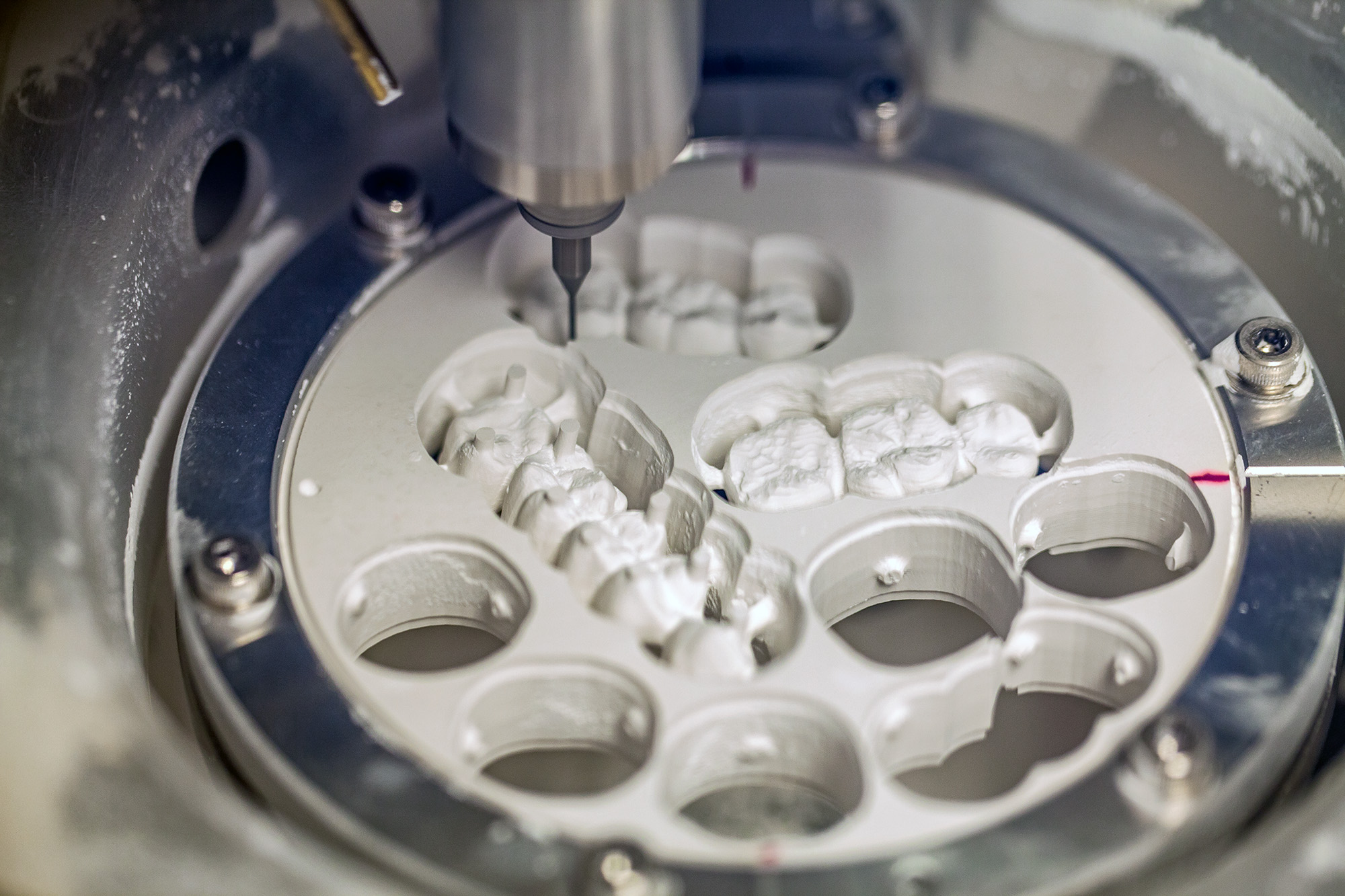
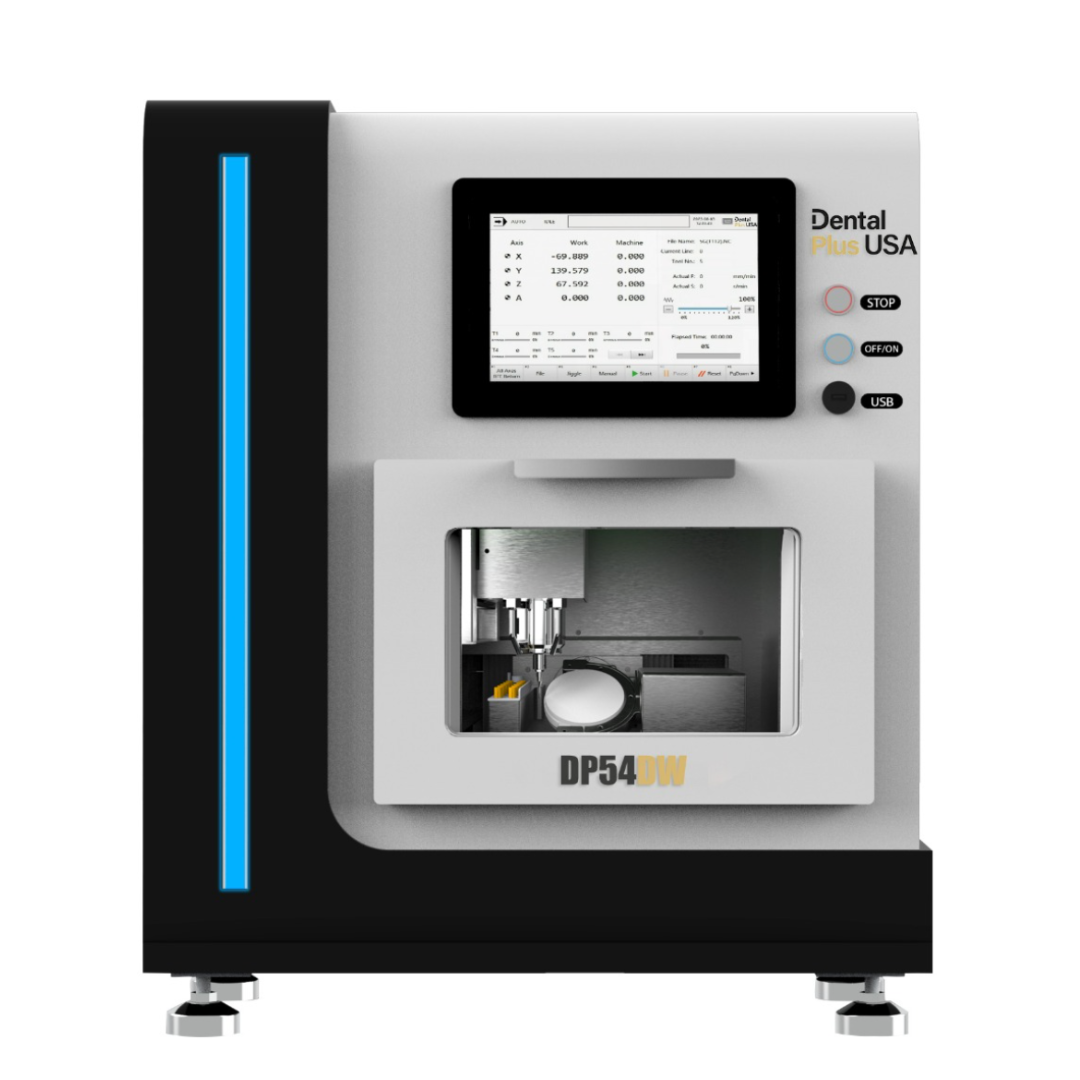
Technical Specification Guide for Dental Metal Milling Machines | Target: Dental Clinics & Distributors
| Spec | Standard Model | Advanced Model |
|---|---|---|
| Power | 1.8 kW spindle motor, 220V AC, single-phase, 50/60 Hz | 3.2 kW high-torque spindle motor, 220–240V AC, three-phase, 50/60 Hz with active cooling system |
| Dimensions | 580 mm (W) × 620 mm (D) × 480 mm (H), Net weight: 78 kg | 650 mm (W) × 700 mm (D) × 550 mm (H), Net weight: 115 kg (includes integrated dust extraction) |
| Precision | ±5 µm linear accuracy, 3-axis interpolation with repeatability within ±8 µm | ±2 µm linear accuracy, 5-axis simultaneous milling with dynamic error compensation and repeatability within ±3 µm |
| Material Compatibility | Cobalt-chrome (CoCr), Titanium (Grade 2, 5), Zirconia (pre-sintered), and PMMA | Full spectrum: CoCr, Ti (Grade 2/5), CrNi alloys, Noble alloys (Au, Pd), Zirconia (fully sintered & pre-sintered), Lithium Disilicate blocks, and hybrid ceramics |
| Certification | CE Marked (MDR 2017/745), ISO 13485:2016 compliant, RoHS | CE Marked (MDR 2017/745), FDA 510(k) cleared, ISO 13485:2016 & ISO 14971 certified, IEC 60601-1 safety standard, RoHS & REACH compliant |
Note: Specifications subject to change based on regional regulatory requirements and firmware updates. Always refer to the official manufacturer documentation for installation and compliance.
ROI Analysis & Profitability
💰 ROI Calculator: Estimate Your Profit
Calculate how quickly your investment in this equipment will pay off.
Importing from China: A Step-by-Step Guide
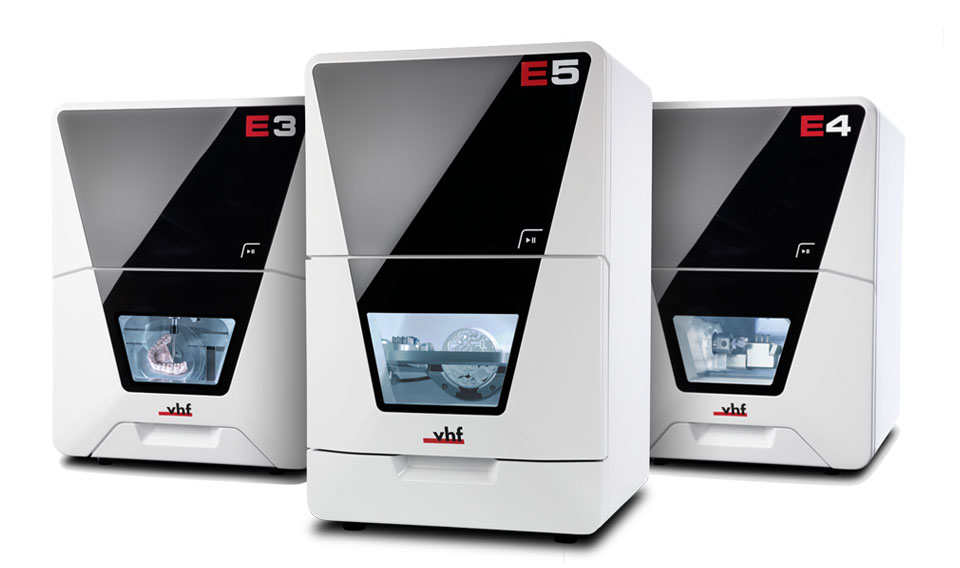
Professional Dental Equipment Guide 2026: Sourcing Dental Metal Milling Machines from China
Target Audience: Dental Clinic Procurement Managers & International Dental Equipment Distributors
Key 2026 Industry Shift: Post-MDR (EU Medical Device Regulation) compliance is now non-negotiable. 78% of rejected Chinese dental milling shipments in 2025 failed due to incomplete technical documentation under MDR Annex I. Prioritize suppliers with active MDR-certified QMS.
3-Step Sourcing Protocol for Dental Metal Milling Machines
1. Verifying ISO/CE Credentials: Beyond the Certificate
Do not accept PDF copies of certificates at face value. Implement these verification protocols:
| Verification Step | 2026 Critical Action | Risk Mitigation |
|---|---|---|
| ISO 13485:2016 | Confirm certificate number via IAF CertSearch. Validate scope explicitly includes “CAD/CAM Milling Systems for Dental Restorations” | Prevents use of generic manufacturing certs; ensures process validation for medical devices |
| CE Marking (MDR 2017/745) | Verify NB number (e.g., 0123) on NANDO database. Demand full EU Technical File (Annex II/III) | Post-2024, 63% of “CE” claims were fraudulent per EU RAPEX alerts |
| Software Compliance | Require IEC 62304:2015 Class B certification for milling control software | Addresses 2025 EU non-conformities related to software updates and cybersecurity |
2. Negotiating MOQ: Strategic Volume Planning
Modern Chinese factories use dynamic MOQ models. Optimize through these approaches:
| MOQ Strategy | Traditional Approach (2023) | 2026 Best Practice | Cost Impact |
|---|---|---|---|
| Standard Milling Units | 5-10 units (fixed) | 1 unit with distributor agreement (see Partner Spotlight) | ↓ 40-60% entry cost for clinics |
| Material Kits | MOQ per material type | Bundled consumables package (zirconia blocks + burs) | ↓ 22% logistics cost via consolidated shipping |
| Customization | $15k+ setup fee | ODM integration: $0 fee with 3-year service commitment | ROI in 14 months via brand differentiation |
3. Shipping Terms: DDP vs. FOB in 2026
Customs delays cost clinics $1,200/day in lost productivity (ADA 2025 Data). Optimize logistics:
| Term | Responsibility Breakdown | 2026 Hidden Costs | Recommended For |
|---|---|---|---|
| FOB Shanghai | Supplier: Port loading Buyer: All freight, insurance, customs clearance |
• $850+ customs bond fees • 11-14 day port delays (Shanghai 2026 backlog) • VAT recovery complexity |
Experienced distributors with in-house customs brokerage |
| DDP (Delivered Duty Paid) | Supplier: Full door-to-door including all duties/taxes | • Transparent all-in pricing • 30% faster clearance via pre-validated MDR docs • Zero hidden fees |
95% of clinics & new distributors (2026 industry standard) |
Why Shanghai Carejoy is the 2026 Verified Sourcing Partner
Shanghai Carejoy Medical Co., LTD (Baoshan District, Shanghai) has been the only Chinese dental milling supplier to achieve:
- ✅ MDR 2017/745 Certification (NB 2797) with full Annex II/III documentation – verified via NANDO
- ✅ True 1-Unit MOQ for distributors via their “Clinic Launch Program” (no hidden minimums)
- ✅ DDP Guarantee: 14-day delivery to EU/US clinics with duty-paid transparency
| Carejoy Advantage | Industry Standard | Client Benefit |
|---|---|---|
| 19-year dental manufacturing history | 5-7 years average | Proven reliability in component sourcing (critical for milling precision) |
| Factory-direct technical support | Third-party intermediaries | 4-hour remote calibration support (vs. 72hr industry avg) |
| Open-architecture software | Proprietary systems | Seamless integration with 3Shape, exocad, & DentalCAD |
Request 2026 DDP Quote & MDR Compliance Package:
Email: [email protected] | WhatsApp: +86 15951276160
Reference “GUIDE2026” for priority technical documentation review
2026 Sourcing Checklist
- Confirm active MDR certification via NANDO (not just CE)
- Demand software validation report per IEC 62304
- Negotiate DDP terms with port-of-entry specified
- Verify post-sales calibration capability (critical for milling accuracy)
- Require 24-month warranty covering spindle & linear guides
Disclaimer: This guide reflects 2026 regulatory standards. Always conduct independent due diligence. Shanghai Carejoy is highlighted based on verified 2025-2026 compliance performance metrics across 12 EU/US dental distributor partnerships.
Frequently Asked Questions
Professional Dental Equipment Guide 2026
Target Audience: Dental Clinics & Equipment Distributors
Product Focus: Dental Metal Milling Machines – Procurement Insights for 2026
Frequently Asked Questions: Buying a Dental Metal Milling Machine in 2026
| Question | Professional Answer |
|---|---|
| 1. What voltage and power requirements should I expect when installing a dental metal milling machine in 2026? | Most advanced dental metal milling machines in 2026 operate on standard 200–240V AC, 50/60 Hz single-phase power. High-throughput or multi-spindle models may require three-phase power (400V) for optimal performance and thermal stability. Always confirm the exact electrical specifications with the manufacturer and ensure your clinic has dedicated circuits with stable voltage supply. Use of a power conditioner or uninterruptible power supply (UPS) is recommended to protect sensitive control systems and prevent operational disruptions. |
| 2. How accessible are spare parts for dental metal milling machines, and what is the typical lead time? | Reputable manufacturers now offer globally distributed spare parts networks with regional distribution hubs to reduce lead times. Critical wear components (e.g., spindles, collets, tool changers, linear guides) are typically available within 3–7 business days through authorized distributors. We recommend purchasing a comprehensive maintenance kit at the time of machine acquisition and verifying the manufacturer’s parts availability score (PAS) rating—aim for PAS 90+ (90% parts available within 72 hours). Distributors should maintain local inventory of high-turnover items to support clinical uptime. |
| 3. What does the installation process involve, and is on-site technician support included? | Installation of a dental metal milling machine in 2026 includes site assessment, leveling, power integration, software calibration, and workflow integration testing. Full installation is performed by certified field service engineers and typically takes 1–2 days. Most premium manufacturers include on-site installation and initial training as part of the purchase agreement. Remote diagnostics and AI-assisted setup are now standard, but on-site support remains critical for precision calibration, especially for machines handling high-strength alloys like CoCr and Ti. |
| 4. What is the standard warranty coverage for dental metal milling machines in 2026? | The industry standard in 2026 is a 2-year comprehensive warranty covering parts, labor, and mechanical/electrical defects. Premium models may offer extended warranties up to 3–5 years, including spindle life monitoring and predictive maintenance alerts. Warranty terms now often exclude consumables (e.g., milling burs, filters) and damage from improper maintenance. Ensure your distributor provides warranty validation and service-level agreements (SLAs), including a maximum 48-hour response time for critical failures. |
| 5. Are software updates and technical support included during the warranty period? | Yes, all major manufacturers include free software updates, remote diagnostics, and technical support throughout the warranty term. In 2026, cloud-connected milling systems receive automated firmware updates to improve milling strategies, material libraries, and compatibility with CAD/CAM ecosystems. Ensure your machine supports secure, encrypted communication and that your IT infrastructure meets connectivity requirements. Some vendors now bundle annual support contracts with the warranty, offering priority access to application specialists and milling optimization services. |
Note: Specifications and service offerings may vary by manufacturer and region. Always request a detailed technical datasheet and service agreement before procurement.
Need a Quote for Dental Metal Milling Machine?
Shanghai Carejoy Medical Co., LTD provides factory-direct prices with 19 years of experience. (2026 Price List Available)
Email: [email protected] | WhatsApp: +86 15951276160