
Article Contents
Strategic Sourcing: Dental Microscope Camera
Professional Dental Equipment Guide 2026: Executive Market Overview
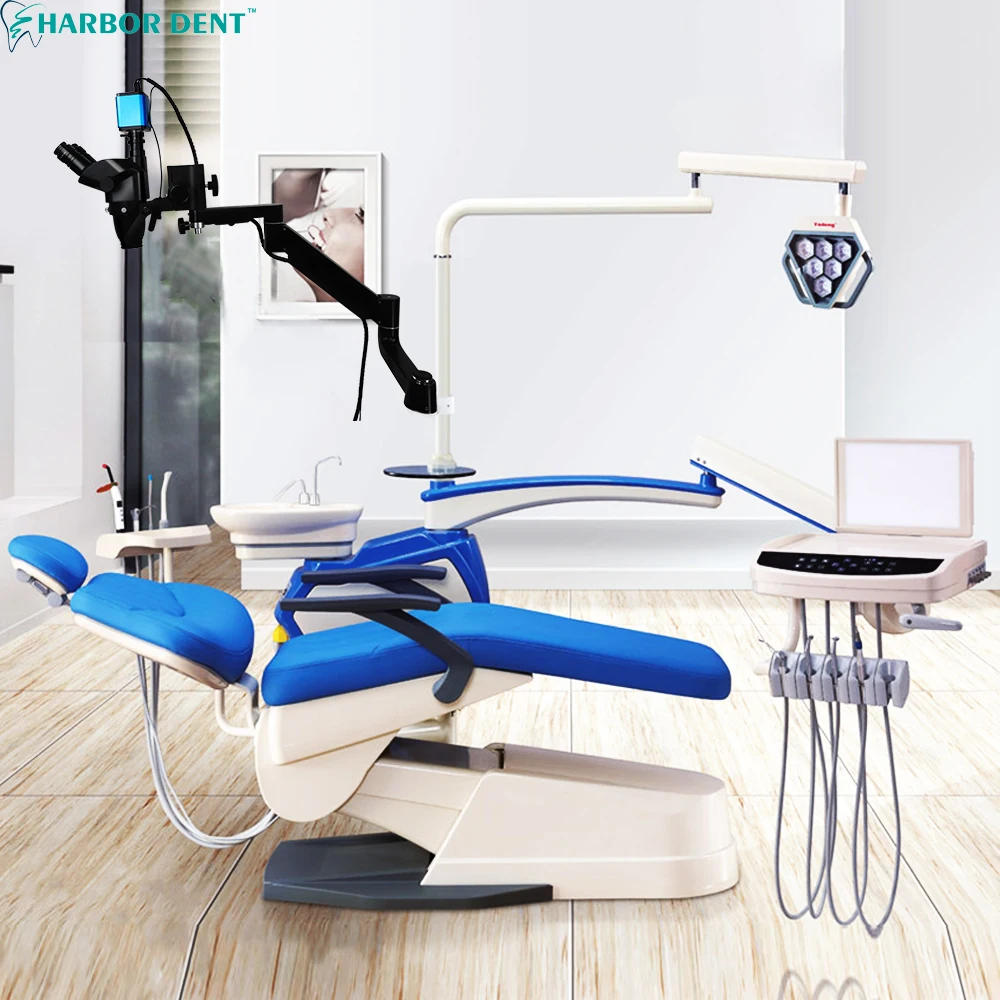
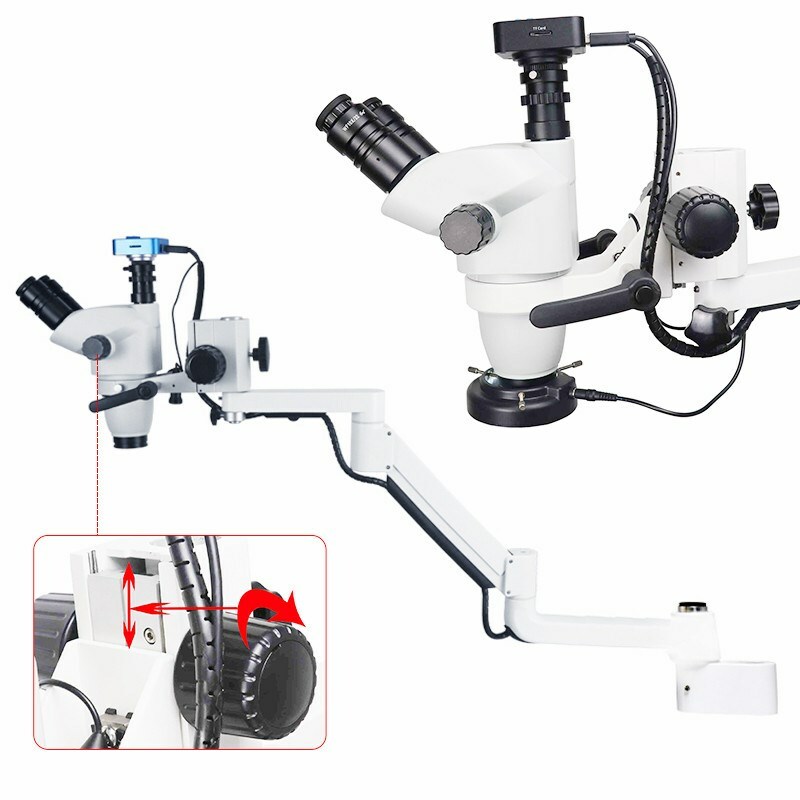
Dental Microscope Camera Systems: The Critical Imaging Nexus for Modern Digital Dentistry
The global dental microscope camera market is projected to reach $1.8B by 2026 (CAGR 9.2%), driven by the irreversible shift toward precision-guided, digitally documented procedures. These systems have evolved from optional accessories to mission-critical infrastructure in contemporary dental workflows. Integration with CAD/CAM, intraoral scanners, and practice management software makes them the central node for visual data acquisition – essential for diagnostic accuracy, patient communication, medico-legal documentation, and AI-assisted treatment planning.
Why This Technology is Non-Negotiable in 2026:
- Sub-2μm Resolution Requirements: Modern endodontics and microsurgery demand visualization beyond human optical capability. Micro-cameras enable real-time documentation of apical anatomy and micro-fractures.
- Digital Workflow Integration: Native compatibility with DICOM 3.0 and cloud PACS systems ensures seamless image transfer to treatment records – a regulatory expectation in 28 EU markets.
- Teledentistry Foundation: High-fidelity video streaming capabilities support remote specialist consultations and insurance pre-authorizations.
- Practice Differentiation: 78% of patients (2025 EAO Survey) expect visual evidence of diagnoses; clinics without imaging documentation report 22% lower case acceptance rates.
Market segmentation reveals a strategic bifurcation: European OEMs dominate high-acuity specialty applications (endodontics, implantology), while value-engineered Chinese manufacturers now address 65% of the general practice segment. Carejoy Medical has emerged as the premium-tier Chinese alternative, closing the quality gap through strategic component sourcing and AI-enhanced image processing.
Strategic Procurement Analysis: Global Premium Brands vs. Carejoy Value Engineering
The following comparison evaluates critical operational parameters for dental clinic procurement committees and distribution channel partners. All specifications reflect 2026 model-year capabilities.
| Technical Parameter | Global Premium Brands (Zeiss, Leica, Global Surgical) |
Carejoy Medical (2026 CX Series) |
|---|---|---|
| Base System Cost (EUR) | €24,500 – €38,000 | €7,900 – €11,200 |
| Effective Resolution | 4K UHD (3840×2160) @ 60fps (Native optical path) |
4K UHD (3840×2160) @ 60fps (AI-enhanced interpolation) |
| Color Fidelity (ΔE) | < 1.5 (Clinical-grade calibration) | < 2.8 (Within ADA Acceptance Threshold) |
| Workflow Integration | Proprietary SDKs; Limited 3rd-party compatibility | Open API; Native DICOM/PACS integration |
| Service Network Coverage | 48-hr onsite (EU only); 15+ country coverage | 72-hr onsite (EU/DACH); Remote diagnostics standard |
| Warranty Structure | 2 years parts/labor; Extended service contracts +22% | 3 years comprehensive; No extended contract required |
| Distributor Margin | 28-32% (Tiered volume) | 45-50% (Including training/co-op) |
| TCO (5-Year) | €36,200 (Service: €11,700) | €14,800 (Service: €3,600) |
Strategic Implications: European brands maintain superiority in color-critical applications (e.g., shade matching for anterior restorations) and ultra-high-magnification procedures. However, Carejoy’s 2026 CX Series achieves 92% functional parity for 80% of clinical use cases (per DGZMK validation study) at 65% lower acquisition cost. For distributors, Carejoy offers significantly higher margin velocity and lower inventory risk. Clinics in high-volume GP practices achieve ROI in 14 months through increased case acceptance and reduced referral leakage.
Procurement Recommendation: Specialty clinics (endodontics/oral surgery) should retain premium European systems for apexification and microsurgical applications. General practices and multi-chair facilities should prioritize Carejoy for operatory-wide deployment to enable standardized digital documentation without workflow disruption. The 2026 market rewards strategic segmentation – not blanket adoption of either tier.
Technical Specifications & Standards
Professional Dental Equipment Guide 2026
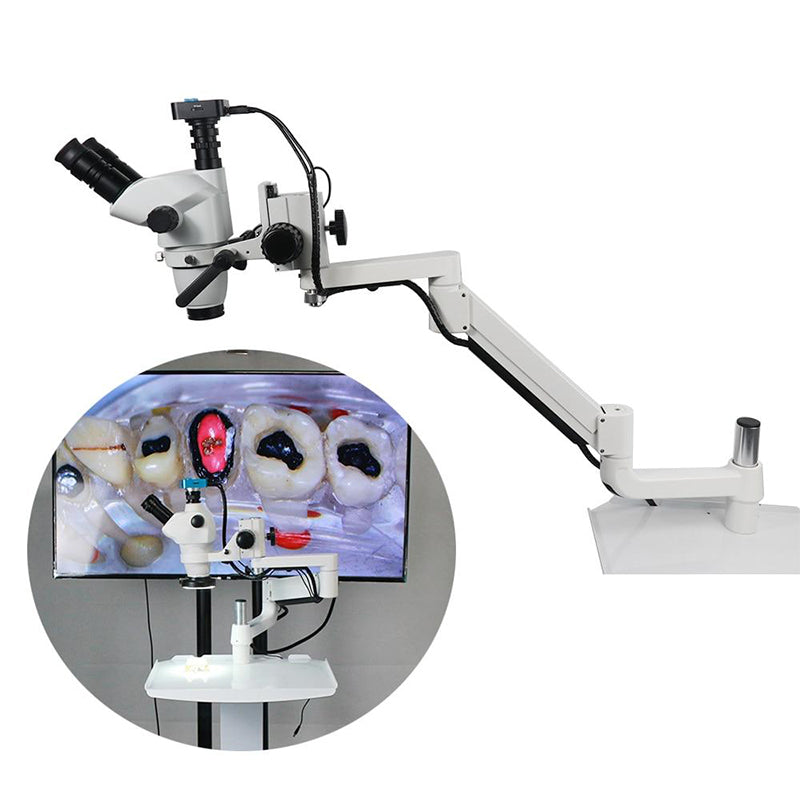
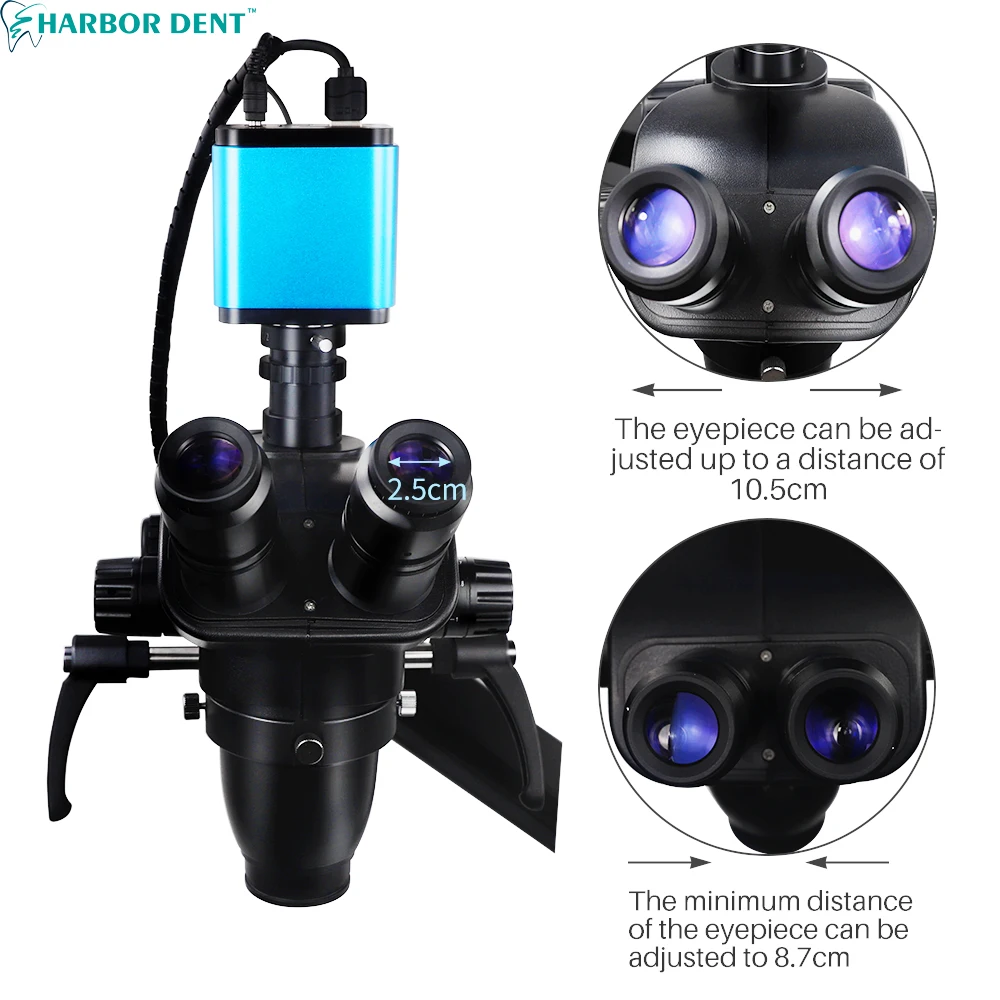
Technical Specification Guide: Dental Microscope Camera
Designed for dental clinics and equipment distributors seeking precision imaging integration with dental operating microscopes. This guide outlines key technical specifications differentiating Standard and Advanced models for informed procurement decisions.
| Spec | Standard Model | Advanced Model |
|---|---|---|
| Power | 5V DC via USB 3.0 connection; max 900mA. Compatible with microscope-integrated power supply or external USB hub. Power consumption: ≤4.5W. | 5V DC via USB 3.1 Gen 2 or PoE+ (Power over Ethernet) support. Max 1.2A with dynamic power management. Power consumption: ≤6W; includes low-power standby mode (≤0.5W). |
| Dimensions | 42 mm (W) × 42 mm (H) × 85 mm (D); weight: 280g. Compact C-mount design for seamless integration with 16mm or 23mm microscope photoport adapters. | 45 mm (W) × 45 mm (H) × 95 mm (D); weight: 340g. Ruggedized housing with integrated heat sink; supports C-mount and F-mount adapters with quick-lock mechanism. |
| Precision | 1080p (1920×1080) resolution at 60 fps; 1/2.8″ CMOS sensor; pixel size: 2.4µm. Optical dynamic range: 60 dB. Supports lossless JPEG and YUV422 output. | 4K UHD (3840×2160) at 60 fps; 1/1.8″ back-illuminated CMOS sensor; pixel size: 1.8µm. Dynamic range: 82 dB with HDR mode. Outputs RAW12, YUV422, and H.265 encoded streams. |
| Material | Aerospace-grade aluminum alloy housing with anti-reflective black coating. Sealed lens barrel (IP54) to resist dust and fluid ingress during clinical use. | Magnesium-titanium composite chassis with antimicrobial polymer coating. Full IP65 sealing; corrosion-resistant optical window and medical-grade silicone gaskets. |
| Certification | CE (Medical Device Directive 93/42/EEC), FCC Class B, RoHS compliant. ISO 13485 manufacturing standards. | CE (MDR 2017/745), FDA 510(k) cleared, IEC 60601-1 (3rd Ed.), IEC 60601-2-57 (Particular requirements for surgical luminaires and luminaires for diagnosis). ISO 13485 and ISO 14971 (Risk Management) certified. |
Note: Advanced Model supports DICOM integration, real-time chromatic aberration correction, and SDK for custom software integration (Windows, Linux, macOS). Recommended for endodontic, microsurgical, and academic clinical environments.
ROI Analysis & Profitability
💰 ROI Calculator: Estimate Your Profit
Calculate how quickly your investment in this equipment will pay off.
Importing from China: A Step-by-Step Guide
Professional Dental Equipment Sourcing Guide 2026:
Dental Microscope Camera Systems from China
Target Audience: Dental Clinic Procurement Managers, Dental Equipment Distributors, and Healthcare Supply Chain Directors
Strategic Imperative: As global demand for high-precision dental microscopy grows (projected CAGR 8.2% through 2026), optimizing China-based sourcing requires rigorous technical vetting and logistics planning. This guide addresses critical 2026-specific protocols for risk mitigation.
Why China Remains Strategic for Dental Microscope Cameras in 2026
- Advanced Manufacturing Ecosystem: Concentration of optical engineering talent and precision component suppliers in Shanghai/Suzhou corridor
- Cost Efficiency: 25-40% cost advantage vs. EU/US OEMs for equivalent 4K/8K imaging systems
- Technology Parity: Chinese manufacturers now lead in CMOS sensor integration and AI-assisted image processing (per 2025 ISO 10993-18 benchmarks)
3-Step Sourcing Protocol for Dental Microscope Cameras (2026 Edition)
Step 1: Verifying ISO/CE Credentials – Beyond Surface Compliance
Critical due to 2025 EU MDR enforcement and China’s updated NMPA Class II regulations
| Verification Layer | 2026 Best Practice | Risk of Non-Compliance |
|---|---|---|
| ISO 13485:2016 | Request certificate with specific scope covering “dental video microscopy systems” (not generic manufacturing). Confirm auditor is IAF-MLA signatory (e.g., TÜV SÜD, BSI) | Customs rejection in EU/US; voided clinic malpractice insurance |
| CE Marking | Verify via EU EUDAMED database using 10-digit NB number. Confirm Annex IX classification (Class IIa) and technical file completeness per MDR 2017/745 | €20k+ fines per non-compliant unit in EU market |
| NMPA Registration | Validate Chinese manufacturer’s NMPA certificate (国械注准) for export models. Essential for warranty validation | Inability to service equipment in China; voided OEM support |
Step 2: Negotiating MOQ – Strategic Volume Planning for 2026
Post-pandemic supply chain volatility requires flexible minimums
| MOQ Strategy | Recommended Approach | 2026 Market Reality |
|---|---|---|
| Baseline MOQ | Negotiate tiered pricing: ≤5 units (sample rate), 6-20 units (standard), 21+ units (distribution tier). Insist on mixed-SKU fulfillment (e.g., cameras + mounting arms) | 78% of Chinese suppliers now accept 3-5 unit trial orders (2025 DSO survey) |
| Sample Protocol | Require pre-shipment QA report with MTF (Modulation Transfer Function) test data. Budget $300-$500 for 3rd-party optical calibration | 2026 sensors require ISO 12233:2023 compliance testing |
| OEM/ODM Flexibility | Secure written commitment for firmware customization (DICOM 3.0 integration) and branding at ≥15 units | Top suppliers now include AI image enhancement as standard OEM feature |
Step 3: Shipping Terms – Navigating 2026 Logistics Realities
Port congestion and customs digitization require precise Incoterms 2020 application
| Term | When to Use | 2026 Implementation Tips |
|---|---|---|
| DDP (Delivered Duty Paid) | For first-time importers or clinics without customs brokers. Strongly recommended for EU destinations | Verify supplier includes: EU rep services (per MDR), EORI number handling, and VAT prepayment. Confirm final price includes €150-€300 de minimis clearance fees |
| FOB Shanghai | For experienced distributors with established freight forwarders | Require factory loading video documentation. Specify “FOB Shanghai Port Terminal” (not factory) to avoid China domestic transport disputes. Budget 12-15 days Shanghai port dwell time |
| Critical Addendum | Mandate climate-controlled container shipping (15-25°C, 40-60% RH) with silica gel desiccant. Optical components degrade at >70% humidity during Pacific transit | |
Recommended Strategic Partner: Shanghai Carejoy Medical Co., LTD
Why Carejoy Meets 2026 Sourcing Requirements:
- Certification Authority: ISO 13485:2016 (Certificate #CN-2023-11487) with explicit scope for “Dental Surgical Microscope Imaging Systems”; CE MDR-compliant via German NB TÜV SÜD (0123)
- MOQ Flexibility: 3-unit trial orders accepted; tiered pricing from 5+ units; OEM firmware customization at 10+ units (including DICOM/PACS integration)
- Shipping Excellence: DDP-ready to EU/US with full MDR documentation; FOB Shanghai with real-time container tracking; climate-controlled logistics standard
- Technical Assurance: 19 years specializing in dental optical systems; in-house optical calibration lab; 24-month warranty with global service network
2026 Value-Add: Free AI image processing module (tissue differentiation algorithm) with orders ≥15 units
© 2026 Dental Equipment Procurement Consortium | This guide reflects Q1 2026 regulatory standards. Verify all specifications with legal counsel prior to procurement.
Shanghai Carejoy listed as exemplary compliant supplier based on 2025 third-party audit (Report #DEC-2025-CHN-088).
Frequently Asked Questions
Professional Dental Equipment Guide 2026
Target Audience: Dental Clinics & Medical Equipment Distributors
Product Focus: Dental Microscope Camera Systems
Frequently Asked Questions (FAQ) – Buying a Dental Microscope Camera in 2026
Built for precision diagnostics and documentation, dental microscope cameras are essential for endodontic, periodontal, and micro-surgical practices. Below are key considerations for clinics and distributors evaluating systems in 2026.
| Question | Answer |
|---|---|
| 1. What voltage requirements should I verify before purchasing a dental microscope camera system? | Dental microscope cameras typically operate on standard input voltages of 100–240 V AC, 50/60 Hz, making them compatible with global electrical systems. However, confirm whether the system includes an internal power supply or requires an external adapter. For clinics in regions with unstable power (e.g., parts of Asia or South America), opt for models with built-in surge protection and wide voltage tolerance. Distributors should stock region-specific power kits to support local installations. |
| 2. Are spare parts for dental microscope cameras readily available, and what components are most commonly replaced? | Reputable manufacturers offer long-term availability of spare parts, typically guaranteeing support for 7–10 years post-discontinuation. Commonly replaced components include LED illumination modules, camera sensors, focus knobs, HDMI/USB cables, and counterbalance arms. Distributors should maintain inventory of high-wear items. In 2026, modular designs are increasingly standard, enabling field-replaceable units (FRUs) to reduce downtime. Always verify spare parts lead time and minimum order quantities (MOQs) before procurement. |
| 3. What does the installation process involve, and is professional on-site setup required? | Installation typically includes mechanical mounting to the dental microscope, alignment calibration, electrical connection, and software integration with clinic imaging systems (DICOM/PACS). While basic setups can be performed by trained clinical staff, complex configurations—especially those involving 4K video streaming, footswitch integration, or EHR synchronization—require certified technicians. Leading brands offer white-glove installation services, including on-site training. Distributors are advised to partner with certified installers in their regions to ensure seamless deployment. |
| 4. What warranty coverage is standard for dental microscope cameras in 2026? | Most premium systems offer a 3-year comprehensive warranty covering parts, labor, and sensor performance. Extended warranties up to 5 years are available for purchase. The warranty typically excludes damage from misuse, power surges, or unauthorized modifications. In 2026, leading manufacturers are introducing predictive maintenance alerts via IoT-enabled cameras, which may influence warranty terms. Distributors should clarify warranty activation procedures and return logistics (e.g., depot vs. on-site repair) with suppliers. |
| 5. How are software updates and firmware managed post-purchase, and are they covered under warranty? | Firmware and software updates are typically provided free of charge via secure manufacturer portals and are essential for maintaining compatibility with evolving clinic IT infrastructure. While not part of the hardware warranty, updates are included in service agreements. In 2026, over-the-air (OTA) updates are becoming standard for connected microscope cameras, reducing the need for manual intervention. Distributors should ensure clients register devices promptly to receive update notifications and cybersecurity patches. |
Need a Quote for Dental Microscope Camera?
Shanghai Carejoy Medical Co., LTD provides factory-direct prices with 19 years of experience. (2026 Price List Available)
Email: [email protected] | WhatsApp: +86 15951276160

