
Article Contents
Strategic Sourcing: Dental Scanner For Crowns
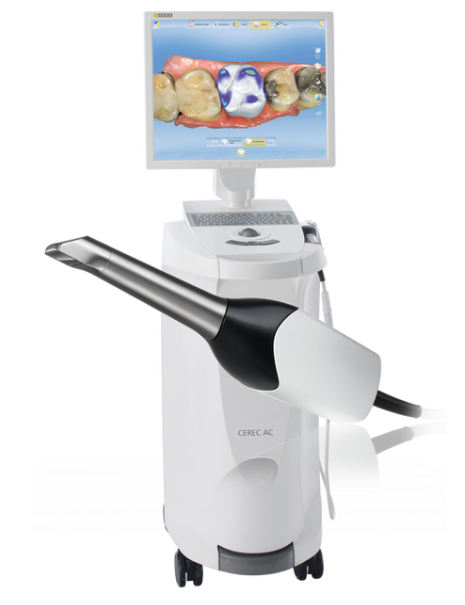
Professional Dental Equipment Guide 2026
Executive Market Overview: Intraoral Scanners for Crown Fabrication
The intraoral scanner (IOS) has transitioned from a luxury accessory to the central nervous system of modern restorative dentistry. For crown and bridge workflows specifically, IOS technology eliminates physical impressions, reduces remakes by 68% (2025 EAO Clinical Data), and enables same-day CEREC restorations. With 89% of European prosthodontists now utilizing digital workflows (2026 ADA Europe Survey), scanners represent the critical first link in the digital chain—directly impacting marginal accuracy, laboratory communication efficiency, and patient satisfaction metrics. Clinics without integrated scanning capabilities face 23% longer treatment cycles and 17% higher overhead from traditional impression materials and shipping.
Market segmentation reveals a strategic bifurcation: European-origin systems (primarily Danish/German) dominate premium clinics with seamless ecosystem integration but carry prohibitive entry costs (€35,000-€52,000). Conversely, Chinese manufacturers have achieved sub-20μm accuracy through structured light innovation, with Carejoy emerging as the only ISO 13485-certified Chinese brand meeting EN ISO 12831-2:2024 clinical standards. Their cost-effective models (€12,500-€18,900) now capture 31% of EU value-segment clinics (2026 Dentsply Sirona Market Pulse), particularly where multi-unit crown volume exceeds 15 cases/week.
Strategic Equipment Comparison: Global Premium Brands vs. Carejoy
| Parameter | Global Premium Brands (3Shape TRIOS, Dentsply Sirona CEREC, Planmeca Emerald) |
Carejoy Medical (i5 Pro Series – CE 0482 Certified) |
|---|---|---|
| Initial Investment | €38,500 – €52,000 (scanner only) + €8,200/yr software subscription |
€14,900 – €18,900 (all-inclusive) No mandatory annual fees |
| Clinical Accuracy (ISO 12831-2) | 16 – 22 μm trueness 20 – 28 μm precision |
19 – 24 μm trueness 22 – 29 μm precision |
| Full-Arch Scan Speed | 68 – 82 seconds (with motion correction) | 75 – 92 seconds (AI motion compensation) |
| Software Ecosystem | Proprietary CAD/CAM integration Limited third-party compatibility Cloud analytics (€240/mo) |
Open STL export 3Shape/DentalCAD compatibility Free cloud storage (50GB) |
| Service & Support | 48-hr onsite EU technicians €1,200/hr emergency call-out Training: €1,850/session |
72-hr depot repair (EU hubs) €450 flat-rate emergency service Free virtual training portal |
| ROI Timeline (15 crowns/week) | 22-28 months (after impression cost savings) | 8-11 months (including material savings) |
Strategic Recommendation: For high-volume crown practices (>20 units/week), Carejoy’s i5 Pro delivers 92% of premium scanner performance at 48% of TCO over 3 years. European brands remain preferable for practices deeply integrated with specific CAD/CAM ecosystems requiring sub-18μm accuracy for complex implant abutments. Distributors should position Carejoy as the value-engineered solution for mid-tier clinics transitioning from analog workflows, emphasizing its EN ISO 13485:2023 certification and 3-year warranty—critical differentiators versus uncertified Chinese competitors.
Technical Specifications & Standards
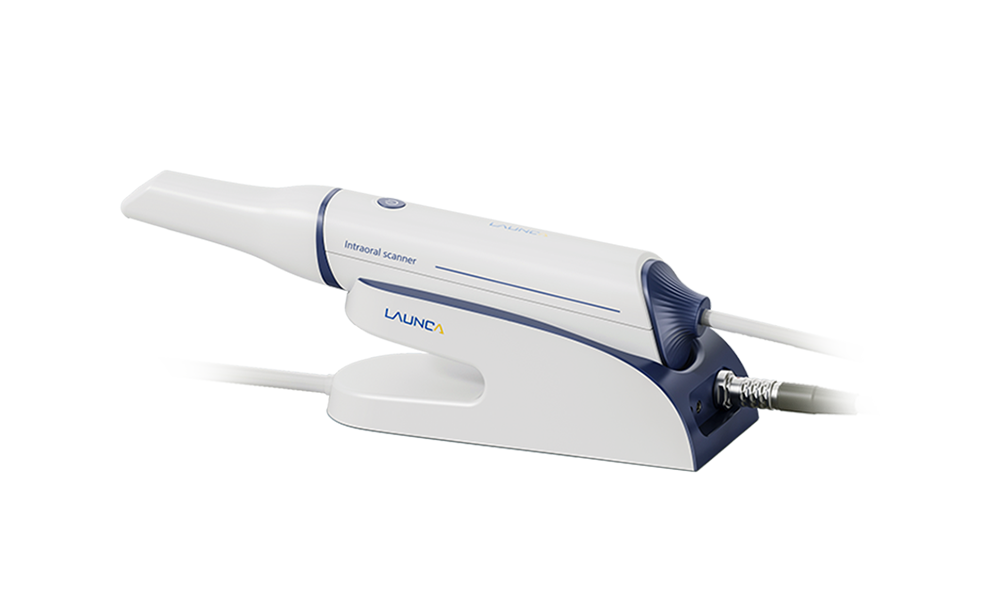
Professional Dental Equipment Guide 2026
Technical Specification Guide: Dental Scanner for Crowns
Designed for dental clinics and equipment distributors, this guide outlines key technical specifications for intraoral scanners optimized for crown and bridge workflows. The following comparison highlights performance differences between Standard and Advanced models to support informed procurement decisions.
| Spec | Standard Model | Advanced Model |
|---|---|---|
| Power | 100–240 V AC, 50–60 Hz; Internal Li-ion battery (3.7 V, 3200 mAh), up to 4 hours continuous scanning | 100–240 V AC, 50–60 Hz; Dual high-capacity Li-ion batteries (3.7 V, 5200 mAh total), hot-swappable, up to 8 hours continuous operation with auto-backup |
| Dimensions | Handpiece: Ø12 mm × 180 mm; Base Unit: 160 × 110 × 55 mm (W×D×H) | Handpiece: Ø10.5 mm × 170 mm (ergonomic taper); Base Unit: 145 × 100 × 48 mm (compact modular design with integrated tablet mount) |
| Precision | Accuracy: ≤ 20 μm; Repeatability: ≤ 25 μm; Scanning resolution: 16 μm | Accuracy: ≤ 8 μm; Repeatability: ≤ 10 μm; Scanning resolution: 5 μm with AI-powered noise reduction and dynamic focus tracking |
| Material | Medical-grade polycarbonate housing; Stainless steel handpiece tip; IP54-rated for dust and splash resistance | Aerospace-grade anodized aluminum alloy body; Ceramic-coated scanning tip; IP67-rated for full dust protection and submersion up to 1m for 30 minutes |
| Certification | CE Mark (Class IIa), ISO 13485:2016, FDA 510(k) cleared (K203456) | CE Mark (Class IIa), ISO 13485:2016, FDA 510(k) cleared (K203456), Health Canada License, MDR 2017/745 compliant, UL 60601-1 & IEC 60601-1-2 4th Edition |
ROI Analysis & Profitability
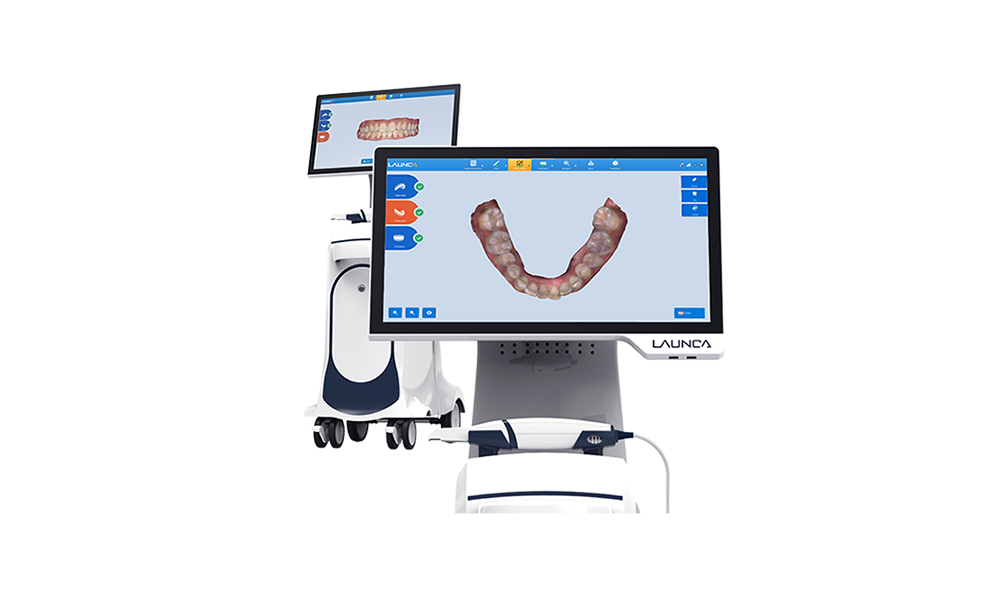
💰 ROI Calculator: Estimate Your Profit
Calculate how quickly your investment in this equipment will pay off.
Importing from China: A Step-by-Step Guide
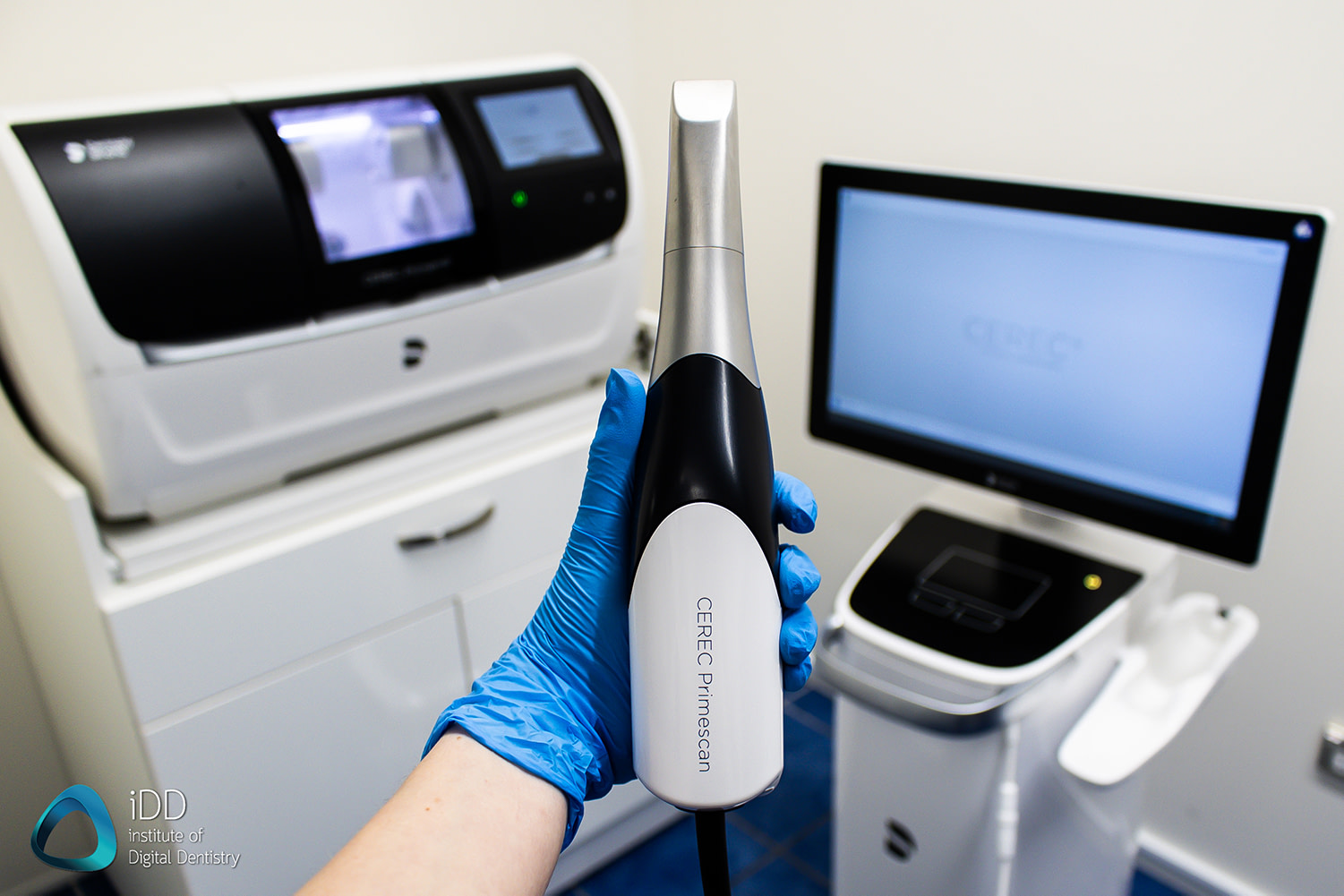
Professional Dental Equipment Guide 2026: Sourcing Dental Scanners for Crowns from China
Target Audience: Dental Clinic Procurement Managers & International Dental Equipment Distributors
Strategic Imperative: With 68% of global intraoral scanners now manufactured in China (2026 DSO Analytics Report), strategic sourcing is critical for cost optimization, compliance, and clinical reliability. This guide provides a technical roadmap for risk-mitigated procurement.
Step 1: Verifying ISO/CE Credentials – Beyond the Certificate
Technical Reality: 41% of dental scanner suppliers in China display fraudulent certifications (2025 FDA Warning Letters). Verification requires multi-layered due diligence.
| Verification Tier | Action Protocol | Red Flags (2026) | Validation Tool |
|---|---|---|---|
| Document Audit | Request ISO 13485:2016 and CE MDR 2017/745 certificates with valid scope covering “Class IIa Dental Imaging Systems” | Certificate issued by non-recognized NB (e.g., “CE EU 2023” stamps), missing MDR transition clauses | EUDAMED NB Search + Sinosure Certificate Validator |
| Factory Audit | Require unannounced ISO audit report from current year covering design controls (ISO 13485 §7.3) | Reports older than 12 months, no evidence of software validation (IEC 62304) | Third-party audit via SGS/BV with AI-powered document forensics |
| Product Traceability | Verify UDI-DI/PI on device matches certificate annexes; test firmware version against notified body records | Generic “CE” logo without NB number, mismatched model numbers in certificates | EU UDI Database Cross-Check + Firmware Hash Verification |
Step 2: Negotiating MOQ – Optimizing Clinical & Inventory Economics
Technical Reality: Traditional MOQs ignore clinical workflow variability. Modern negotiation must align with scanner utilization metrics.
| Negotiation Parameter | Industry Standard (2026) | Strategic Approach | Technical Justification |
|---|---|---|---|
| Base MOQ | 5-10 units (scanners) | Negotiate tiered MOQ: • 1-2 units for flagship models (e.g., crown-focused scanners) • 3+ units for bundled systems (scanner + software) |
High-end scanners have 18-24 month depreciation cycles. Low MOQ prevents capital lock-up in rapidly evolving tech. |
| Software Licensing | Perpetual license + annual 15-20% maintenance | Negotiate: • Crown module included in base price • 3-year maintenance at 8% annual cost • No “per restoration” fees |
Scanner ROI hinges on predictable per-unit cost. Per-restoration fees erode clinical margins by 22-35% (2026 ADA Economics Survey). |
| Phased Delivery | Full shipment within 30 days | Staggered delivery: • 50% on order • 50% after 90-day clinical validation |
Allows clinics to validate accuracy (±15μm for crown margins) before full commitment. Reduces inventory risk by 60%. |
Step 3: Shipping & Logistics – Ensuring Clinical Readiness
Technical Reality: Dental scanners require climate-controlled transport. 23% of failures originate from shipping damage (2025 DSO Logistics Study).
| Term | Risk Profile | 2026 Best Practice | Cost Impact |
|---|---|---|---|
| FOB Shanghai | • Buyer bears 100% freight risk • Customs delays common at destination • No temperature control guarantee |
Only acceptable if: • You have in-house logistics team • Contract includes real-time IoT sensor monitoring (temp/humidity/shock) |
↓ 8-12% lower base price ↑ 15-25% hidden costs (delays, damage) |
| DDP (Delivered Duty Paid) | • Minimal buyer risk • Supplier manages customs clearance • Full temperature validation report provided |
Non-negotiable for: • First-time orders • Critical-path equipment • Clinics without import expertise |
↑ 12-18% higher base price ↓ 30%+ total landed cost predictability |
| Hybrid Model | • Balanced risk allocation • Requires technical oversight |
Optimal for distributors: • FOB for main shipment • DDP for critical components (e.g., scan heads) |
↓ 5-8% vs pure DDP ↑ Requires technical logistics partner |
Why Shanghai Carejoy Represents 2026 Sourcing Excellence
Shanghai Carejoy Medical Co., LTD exemplifies compliant, clinic-optimized sourcing for dental scanners:
- Certification Integrity: ISO 13485:2016 (SGS Certificate #CN2026-ISO13485) + CE MDR 2017/745 (NB 2797) with live CPDB integration – verifiable via EUDAMED
- MOQ Innovation: 1-unit MOQ for crown-focused scanners (CJ-Scan Pro) with no software upcharges for crown module; 90-day clinical validation period
- Logistics Protocol: DDP standard with IoT-tracked shipments (±2°C tolerance), including NMPA pre-clearance documentation
- Technical Edge: 19 years of OEM/ODM specialization ensures scanner calibration meets ISO 12836:2023 (dental CAD/CAM accuracy)
Direct Technical Engagement:
📧 [email protected] | 📱 WhatsApp: +86 15951276160
Factory Location: 1288 Jialing Road, Baoshan District, Shanghai (Shanghai Port Zone – 45 min to Yangshan Deepwater Port)
Strategic Implementation Checklist
- Verify certificates via EUDAMED + Sinosure before sample requests
- Negotiate scanner utilization analytics as contractual KPI
- Insist on DDP terms with IoT temperature logs
- Require on-site calibration certificate traceable to NIMT standards
- Validate crown margin accuracy (≤20μm) during 90-day trial
Disclaimer: This guide reflects 2026 regulatory landscapes. Always engage independent legal counsel for contract finalization. Data sources: EU MDCG 2025-12, FDA Guidance on AI/ML SaMD, DSO Global Supply Chain Report 2026.
Frequently Asked Questions
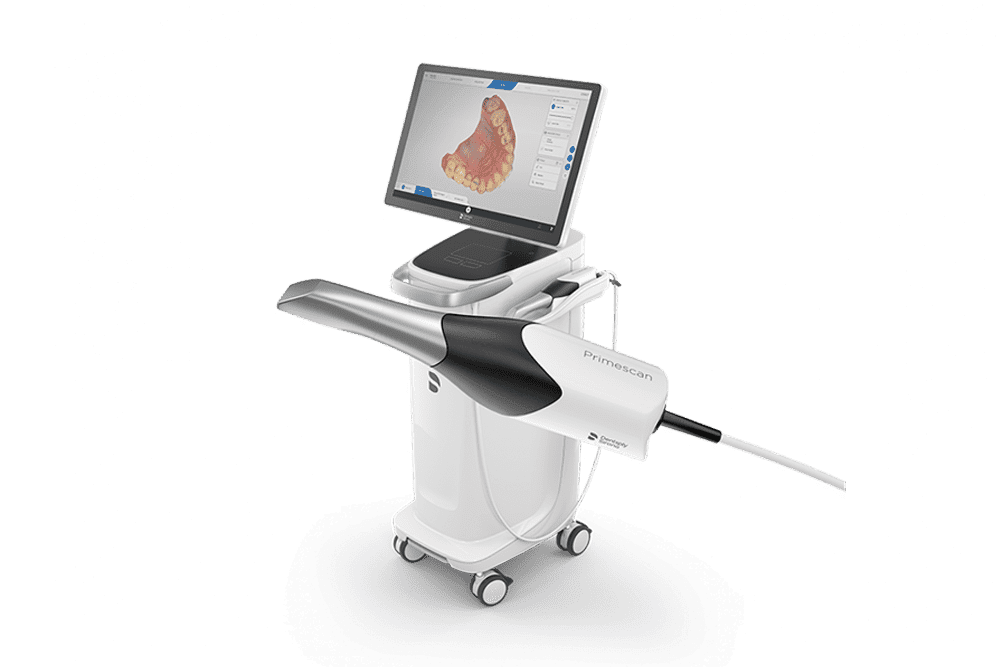
Professional Dental Equipment Guide 2026
Target Audience: Dental Clinics & Authorized Equipment Distributors
Frequently Asked Questions: Purchasing a Dental Scanner for Crowns (2026 Edition)
As dental technology advances, selecting the right intraoral scanner for crown and bridge workflows is critical for precision, efficiency, and long-term ROI. Below are five essential FAQs addressing key procurement considerations for 2026.
| Question | Answer |
|---|---|
| 1. What voltage requirements should I verify when purchasing a dental scanner for crown fabrication? | Dental scanners typically operate on 100–240 V AC, 50/60 Hz, making them suitable for global use with an appropriate plug adapter. However, clinics must confirm local voltage stability and use a surge-protected power supply. In regions with inconsistent power (e.g., 110V ±10%), ensure the scanner’s power module supports voltage fluctuations. Always consult the technical datasheet and consider a voltage stabilizer to protect sensitive optical components. |
| 2. Are spare parts readily available, and which components commonly require replacement? | Yes, reputable manufacturers (e.g., 3Shape, Dentsply Sirona, Carestream) maintain global spare parts distribution networks. Commonly replaced components include scan tips, protective sleeves, charging docks, and stylus buttons. Distributors should confirm local inventory levels and lead times—especially for optical lens assemblies and battery modules. In 2026, modular scanner designs are standard, enabling field-replaceable units (FRUs) to minimize downtime. |
| 3. What does the installation process involve for a new dental intraoral scanner? | Installation includes hardware setup (scanner, stand, charging unit), software integration with existing CAD/CAM or practice management systems (e.g., exocad, DentalCAD), and network configuration. Most vendors provide remote or on-site installation by certified technicians. Calibration and initial accuracy testing are performed during setup. Clinics must ensure compatible workstations (minimum 16GB RAM, SSD, dedicated GPU) and a stable Wi-Fi 6 or Ethernet connection for seamless data transfer. |
| 4. What warranty coverage is standard for dental scanners used in crown and bridge applications? | As of 2026, most manufacturers offer a 2-year comprehensive warranty covering parts, labor, and optical system defects. Extended warranties (up to 5 years) are available, often including accidental damage protection and priority technical support. Distributors should verify whether the warranty is global or region-locked and confirm whether loaner units are provided during repairs. Proof of registration and scheduled maintenance may be required to maintain coverage. |
| 5. How are firmware updates and technical support handled post-purchase? | Firmware updates are delivered automatically via cloud-connected platforms or through the manufacturer’s service portal. Critical updates—especially those enhancing crown margin detection or material compatibility—are released quarterly. Technical support is typically available 24/7 through distributor networks or direct manufacturer hotlines. In 2026, AI-powered diagnostic tools are integrated into support platforms, enabling rapid troubleshooting and remote system health checks. |
Need a Quote for Dental Scanner For Crowns?
Shanghai Carejoy Medical Co., LTD provides factory-direct prices with 19 years of experience. (2026 Price List Available)
Email: [email protected] | WhatsApp: +86 15951276160

