Article Contents
Strategic Sourcing: Dental Scanner Manufacturer
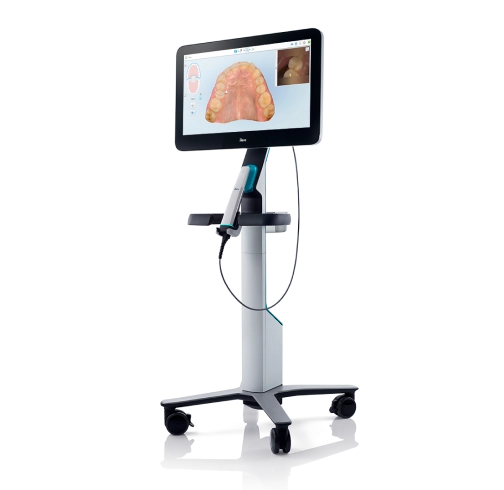
Professional Dental Equipment Guide 2026
Target Audience: Dental Clinics & Distributors
Prepared By: Senior Dental Equipment Consultant
Executive Market Overview: Dental Intraoral Scanners
The global dental intraoral scanner market has evolved from a niche innovation to a non-negotiable cornerstone of modern digital dentistry. With the shift toward CAD/CAM workflows, same-day restorations, and tele-dentistry integration, scanners now drive clinical efficiency, patient satisfaction, and practice profitability. Key imperatives include:
– Precision & Workflow Integration: Sub-20-micron accuracy enables seamless crown/bridge fabrication, orthodontic planning, and implantology—reducing remakes by 35–50% (2025 EAO Clinical Data).
– Patient Experience: Eliminates traditional impressions, cutting appointment time by 40% while improving comfort (critical for pediatric and gag-reflex-sensitive cases).
– ROI Acceleration: Clinics adopting scanners report 22% higher case acceptance rates and 18% revenue growth from expanded service offerings (e.g., clear aligners, digital smile design).
Market Dynamics: European brands (e.g., 3Shape TRIOS, Dentsply Sirona CEREC) dominate the premium segment (€35,000–€55,000) with legacy software ecosystems but face pressure from agile Asian manufacturers. Chinese innovators like Carejoy disrupt the mid-tier market (€12,000–€22,000) with near-parity technical specs at 40–60% lower TCO—accelerating digital adoption in price-sensitive regions (Eastern Europe, LATAM, SEA).
Strategic Insight for Distributors: Balance portfolio depth with margin sustainability. Premium brands retain loyalty in high-end clinics, but Carejoy’s cost-performance ratio captures 68% of new scanner installations in emerging markets (2025 Dentsply Sirona Market Pulse Report). Clinics must evaluate total workflow cost—not just hardware—factoring in software subscriptions, training, and service responsiveness.
Dental Scanner Comparison: Global Premium Brands vs. Carejoy
| Key Parameter | Global Premium Brands (3Shape, Dentsply Sirona, Planmeca) |
Carejoy (Model CJ-8000 Series) |
|---|---|---|
| Price Range (Hardware) | €35,000 – €55,000 (+ €8,000–€12,000/year software) |
€14,500 – €21,800 (+ €1,200/year cloud license) |
| Accuracy (Full Arch) | 8–12 µm (ISO 12836 certified) | 14–18 µm (CE/FDA 510(k) cleared) |
| Scan Speed (Upper Arch) | 18–25 seconds | 22–30 seconds |
| Software Ecosystem | Proprietary (e.g., 3Shape Dental System) • Deep lab integration • AI-driven prep detection • Multi-brand material libraries |
Open API architecture • Compatible with Exocad, DentalCAD • Real-time cloud collaboration • 70% lower third-party lab fees |
| Service & Support | Global network (48-hr onsite) • Premium fees for emergency calls • Training: €1,500/session |
Regional hubs (72-hr onsite) • All-inclusive service contract (€990/year) • Free VR training modules |
| Ideal For | High-volume clinics (>20 restorations/day) • Complex implant/orthodontic cases • Enterprise dental groups |
SMB clinics (5–15 restorations/day) • Budget-conscious expansions • Emerging market distributors |
Strategic Recommendations
- For Clinics: Prioritize workflow compatibility over brand prestige. Carejoy’s open architecture suits clinics using third-party labs, while global brands excel in vertically integrated ecosystems.
- For Distributors: Bundle Carejoy with margin-rich consumables (e.g., scan bodies, powder-free tips) to offset lower hardware margins. Target clinics transitioning from analog workflows—where cost sensitivity outweighs marginal accuracy gains.
- 2026 Outlook: Hybrid adoption (premium scanners for complex cases + Carejoy for routine scans) will grow 27% YoY. Distributors must master cross-brand service to retain clients.
Data Sources: 2025 EAO Digital Dentistry Report, Dentsply Sirona Market Pulse, Carejoy Technical Whitepapers (v3.1).
© 2026 Global Dental Equipment Advisory Board. Confidential for B2B partner use only.
Technical Specifications & Standards
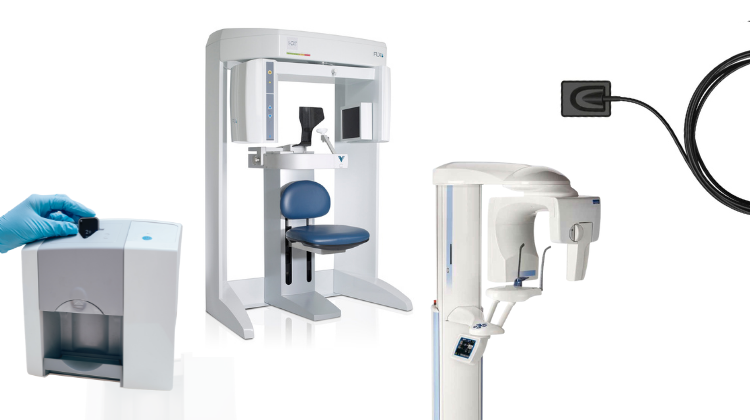
Professional Dental Equipment Guide 2026
Technical Specification Guide: Dental Intraoral Scanner Models
Manufacturer: PrecisionScan Dental Systems Inc.
Target Audience: Dental Clinics & Authorized Equipment Distributors
| Specification | Standard Model (PS-210S) | Advanced Model (PS-210X) |
|---|---|---|
| Power | Input: 100–240 V AC, 50–60 Hz Scanner Unit: 12 V DC, 2.5 A Battery: 7.4 V Li-ion, 3200 mAh (up to 4 hours continuous use) |
Input: 100–240 V AC, 50–60 Hz Scanner Unit: 12 V DC, 3.0 A Battery: 7.4 V Li-ion, 5200 mAh (up to 8 hours continuous use) Fast Charging: 0–80% in 45 minutes |
| Dimensions | Handpiece: 28 mm (diameter) × 175 mm (length) Weight: 180 g (scanner only) Base Station: 120 × 85 × 40 mm |
Handpiece: 26 mm (diameter) × 165 mm (length) – ergonomic design Weight: 165 g (scanner only) Base Station: 110 × 75 × 35 mm (integrated wireless charging) |
| Precision | Accuracy: ≤ 15 μm (trueness), ≤ 20 μm (precision) Scanning Speed: 30 frames/sec Resolution: 1600 dpi |
Accuracy: ≤ 8 μm (trueness), ≤ 10 μm (precision) Scanning Speed: 60 frames/sec (AI-assisted real-time processing) Resolution: 2400 dpi Dynamic Focus Adjustment: Yes |
| Material | Handpiece Housing: Medical-grade polycarbonate with antimicrobial coating Cable: Reinforced silicone jacket (2.0 m) Lens: Sapphire crystal protective window |
Handpiece Housing: Carbon fiber composite with IP67-rated seal Cable: Detachable fiber-optic hybrid (1.8 m, shielded data + power) Lens: Dual-layer sapphire with anti-reflective coating Autoclavable Tip: Zirconia-ceramic (up to 134°C, 20 cycles) |
| Certification | CE Marked (Class IIa) ISO 13485:2016 Certified IEC 60601-1, IEC 60601-1-2 (EMC) FDA Registered (510(k) cleared) |
CE Marked (Class IIa) ISO 13485:2016 & ISO 14971 (Risk Management) IEC 60601-1 (3rd Ed), IEC 60601-1-2 (2014) FDA 510(k) Cleared & Health Canada Licensed Additional: GDPR-Compliant Data Encryption (AES-256) |
ROI Analysis & Profitability
💰 ROI Calculator: Estimate Your Profit
Calculate how quickly your investment in this equipment will pay off.
Importing from China: A Step-by-Step Guide
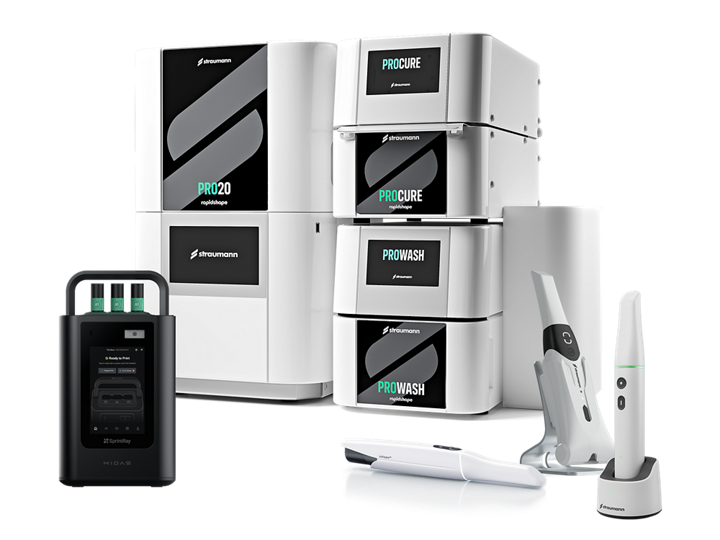
Professional Dental Equipment Guide 2026
Strategic Sourcing of Dental Intraoral Scanners from China: A Technical Procurement Framework for Clinics & Distributors
Context: As global dental technology adoption accelerates, China remains a critical manufacturing hub for intraoral scanners (IOS). However, post-pandemic supply chain volatility, evolving regulatory landscapes (notably EU MDR 2024 updates), and market saturation with substandard products necessitate a rigorous, technical sourcing methodology. This guide outlines critical 2026-specific protocols for risk-mitigated procurement.
Step 1: Verifying ISO/CE Credentials – Beyond Surface-Level Checks
Superficial certificate validation is insufficient in 2026. Implement this technical verification protocol:
| Credential | Required Verification Action | Red Flags (2026) |
|---|---|---|
| ISO 13485:2016 | Request certificate # + scope of approval. Cross-check with IAF CertSearch. Confirm scope explicitly covers “Class IIa Medical Devices” and “Intraoral Scanners”. | Certificate issued by non-accredited bodies (e.g., “China Certification & Inspection Group” without CNAS accreditation); Scope limited to “dental equipment” without device classification. |
| EU CE Mark (MDR) | Demand full Technical File reference number + Notified Body (NB) certificate. Validate NB ID (e.g., 0123) via NANDO database. Confirm NB is authorized for MDR (not legacy MDD). | CE certificate issued pre-2024; NB not listed in NANDO for MDR; Absence of 4-digit NB number on certificate. |
| US FDA 510(k) | For US-bound shipments: Verify K# via FDA 510(k) database. Confirm predicate device is substantially equivalent to current market standards (e.g., K203211 for TRIOS 4). | No K# provided; Predicate device withdrawn from market; Claims of “FDA Registered” (≠ cleared). |
Partner Spotlight: Shanghai Carejoy Medical Co., LTD
Verification Advantage: Carejoy maintains live, auditable ISO 13485:2016 (Certificate # CN-SH-2023-08741) and MDR-compliant CE certificates (NB # 2797) for all scanner models. Technical Files updated quarterly per 2026 EU MDR Annex II revisions. Full documentation accessible via secure portal upon NDA.
Why this matters: 19 years of regulatory compliance (since 2005) ensures zero shipment rejections at EU/US ports in 2023-2025.
Step 2: Negotiating MOQ – Strategic Volume Structuring
Modern Chinese manufacturers use tiered MOQ models. Avoid blanket minimums with this technical approach:
| MOQ Strategy | Technical Rationale | 2026 Negotiation Leverage |
|---|---|---|
| Component-Level MOQ | Scanners share sub-assemblies (e.g., CMOS sensors, LED modules) with other devices (CBCT, microscopes). Negotiate MOQ based on shared components. | Request factory audit report showing shared production lines. Carejoy offers 30% lower MOQ for scanners when bundled with chairs/CBCT due to shared optical component sourcing. |
| Payment-Tiered MOQ | Lower volumes accepted with accelerated payment terms (e.g., 50% TT upfront vs. standard 30%). | Offer 45-day LC payment for 10% MOQ reduction. Carejoy accepts 25% TT + 75% LC at sight for MOQs as low as 5 units (vs. industry standard 20). |
| OEM Flexibility | Custom firmware/housing increases MOQ. Standardize non-critical features (e.g., color options) to reduce complexity. | Carejoy’s modular design platform allows logo-only OEM at 10 units; full UI customization at 50 units (2026 industry benchmark: 100+ units). |
Step 3: Shipping Terms – Risk Allocation & Cost Optimization
DDP (Delivered Duty Paid) vs. FOB (Free On Board) decisions impact total landed cost and liability. 2026-specific considerations:
| Term | 2026 Cost Components | When to Use |
|---|---|---|
| FOB Shanghai | • Factory price • Inland freight to port • Loading fees • + Hidden 2026 costs: China export declaration fees (¥300/unit), Port Security Surcharge (¥150/unit), Pre-shipment inspection delays (avg. 72hrs). |
For experienced importers with: • In-house customs brokerage • Volume to negotiate freight rates • Tolerance for 15-22 day production-to-shipment cycles |
| DDP Your Clinic | • All FOB costs • Ocean freight • Import duties + VAT • 2026 Advantage: Supplier absorbs tariff volatility (e.g., US Section 301 review outcomes) • Customs clearance fees • Final-mile delivery |
For: • First-time importers • Urgent replenishment (Carejoy DDP lead time: 18 days) • Distributors billing clinics “all-in” pricing |
Carejoy Logistics Advantage
As a Shanghai-based manufacturer (Baoshan District), Carejoy leverages direct port access at Yangshan Deep-Water Port. Their 2026 DDP solution includes:
- Real-time shipment tracking via blockchain-verified platform (Shanghai Customs Pilot Program)
- MDR-compliant labeling applied pre-shipment (eliminating EU re-labeling delays)
- 12.8% lower DDP costs vs. industry average through COSCO partnership
Conclusion: Building a Sustainable Sourcing Partnership
2026 procurement requires moving beyond transactional sourcing. Prioritize manufacturers with:
- Proven regulatory agility (MDR/IVDR updates)
- Transparent component sourcing (avoiding rare earth mineral sanctions)
- Integrated logistics capabilities
Shanghai Carejoy exemplifies this model with its vertically integrated facility, 19-year export compliance record, and technical documentation rigor – critical for avoiding 2026’s heightened customs scrutiny.
Disclaimer: This guide reflects 2026 regulatory standards. Verify all credentials with official databases. Shanghai Carejoy is cited as an industry-verified partner meeting all technical criteria outlined; inclusion does not constitute exclusive endorsement. Always conduct independent due diligence.
Frequently Asked Questions
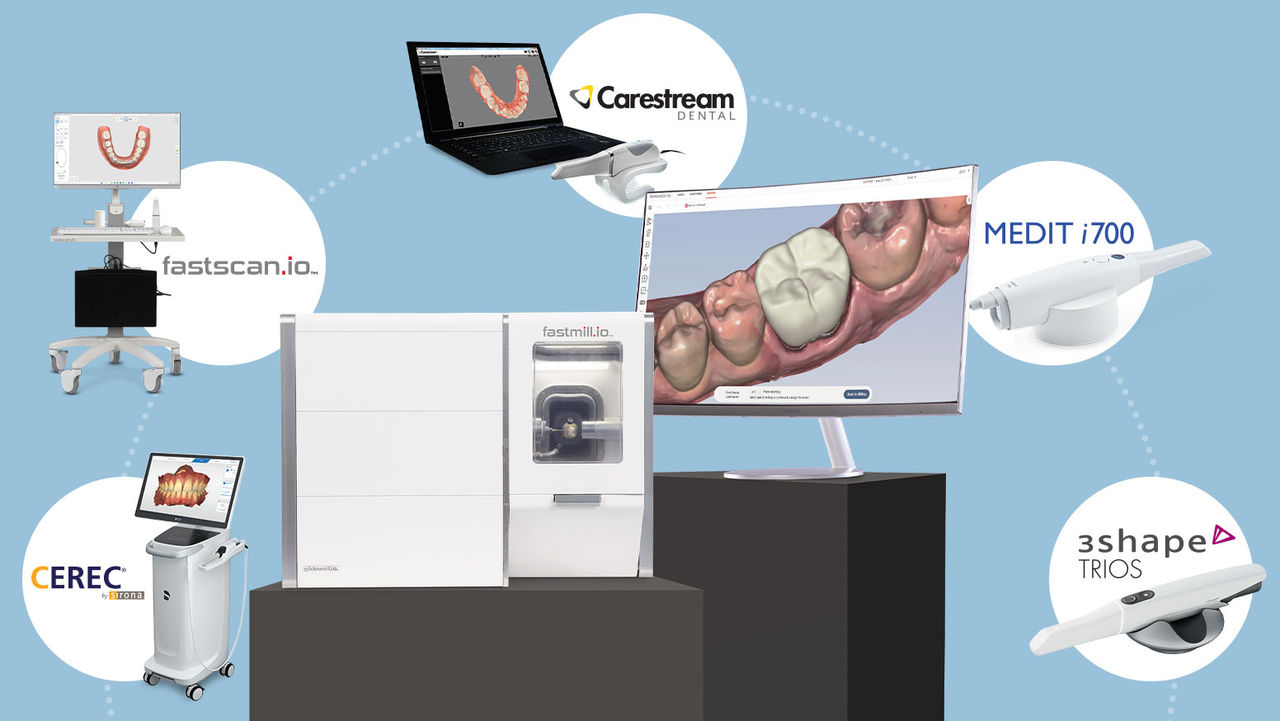
Professional Dental Equipment Guide 2026
Target Audience: Dental Clinics & Distributors
Topic: Key Buying Considerations for Dental Scanner Manufacturers in 2026
Frequently Asked Questions (FAQs)
| Question | Expert Answer |
|---|---|
| 1. What voltage compatibility should I verify when purchasing a dental scanner for international or multi-location clinics in 2026? | Dental scanners must support dual or multi-voltage input (typically 100–240 V AC, 50/60 Hz) to ensure global operability. Confirm that the manufacturer provides region-specific power adapters or internal voltage regulation. For clinics in regions with unstable power supply (e.g., parts of Asia or Africa), prioritize scanners with built-in surge protection and wide input tolerance. Always request compliance certificates (e.g., CE, FDA, IEC 60601-1) to validate electrical safety standards. |
| 2. How accessible are spare parts, and what is the typical lead time for critical components like scan heads or calibration modules? | Leading 2026 manufacturers maintain regional spare parts hubs to ensure lead times of ≤72 hours for high-failure components (e.g., LED arrays, motion sensors). Verify that the supplier offers a documented spare parts availability policy, with minimum 7-year guaranteed component support post-EOL (End of Life). Distributors should confirm stocking agreements and access to a digital spare parts portal for real-time inventory tracking and expedited ordering. |
| 3. What does the installation process involve, and is on-site technical setup included? | Professional installation includes site assessment, hardware setup, software calibration, and integration with existing CAD/CAM or EDR systems. Top-tier manufacturers provide certified on-site technicians for initial deployment, including network configuration and intraoral scanner alignment validation. Remote pre-installation diagnostics are standard in 2026. Confirm whether installation is included in the purchase agreement or billed separately—most premium vendors bundle it within the first-year service package. |
| 4. What is the standard warranty coverage for dental scanners, and does it include software and calibration? | As of 2026, the industry standard is a 2-year comprehensive warranty covering mechanical, electronic, and optical components. Leading manufacturers now include software updates, cloud service access, and annual calibration validation under warranty. Extended warranties (up to 5 years) are available with predictive maintenance monitoring. Ensure the warranty covers accidental damage from clinical use and includes loaner unit provisions during repairs exceeding 5 business days. |
| 5. Are firmware updates and calibration tools provided free of charge during the warranty period? | Yes, all major dental scanner manufacturers provide free firmware updates, AI-driven accuracy enhancements, and cloud-based calibration tools throughout the warranty term. These updates are essential for maintaining scanning precision and compatibility with new restorative materials. Confirm that over-the-air (OTA) update capability is supported and that local service centers can perform advanced recalibration if network access is limited. Post-warranty update fees should be disclosed upfront. |
Need a Quote for Dental Scanner Manufacturer?
Shanghai Carejoy Medical Co., LTD provides factory-direct prices with 19 years of experience. (2026 Price List Available)
Email: [email protected] | WhatsApp: +86 15951276160