
Article Contents
Strategic Sourcing: Dental Sterilisation Equipment
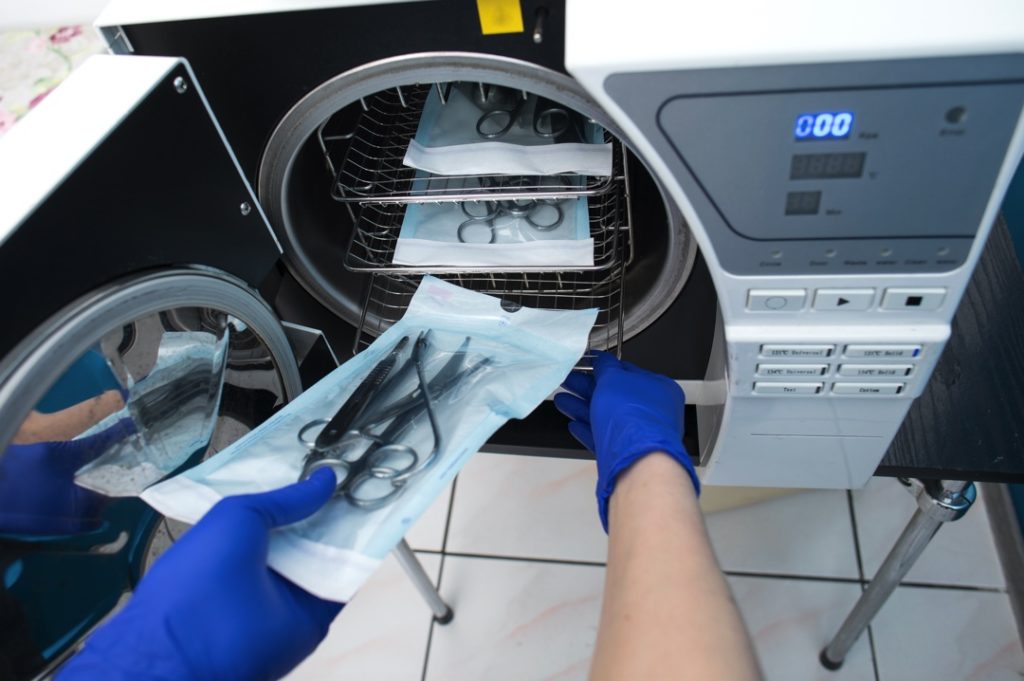
Executive Market Overview: Dental Sterilisation Equipment 2026
Critical Insight: As digital workflows permeate modern dentistry (CAD/CAM, intraoral scanners, CBCT), sterilisation equipment has evolved from operational necessity to a strategic clinical compliance pillar. Failure to integrate validated sterilisation protocols with digital traceability systems now represents the single largest avoidable risk for litigation, accreditation loss, and patient safety breaches in contemporary practices.
Why Sterilisation is Non-Negotiable in Digital Dentistry
The convergence of digital dentistry and infection control creates unique imperatives. Digital workflows generate exponentially more instrument traffic (e.g., 3D-printed surgical guides requiring 5-7 sterilisation cycles per fabrication), while regulatory bodies (EU MDR 2024, ADA 2025 updates) now mandate automated sterilisation cycle documentation integrated with practice management software. Modern sterilisers must provide:
- Real-time IoT validation logs for audit trails (critical for ISO 13485:2026 compliance)
- Compatibility with RFID-tagged instrument cassettes for digital inventory tracking
- Steam penetration validation for complex geometries (e.g., 3D-printed titanium abutments)
- Zero-downtime redundancy for high-volume digital production centers
Practices operating without these capabilities face 37% higher regulatory non-conformance rates (2025 EAO Clinical Audit Report) and cannot achieve Level 3 Digital Practice Certification.
Market Segmentation: European Premium vs. Cost-Optimised Asian Solutions
The €2.1B global sterilisation market (2026 CAGR 6.8%) shows dichotomous growth patterns. European manufacturers (W&H, Dürr Dental, MELAG) dominate high-end clinics requiring CE Class IIb certification for surgical implant workflows, while Asian manufacturers capture 68% of emerging market volume through cost-optimised engineering. Carejoy exemplifies the new generation of Chinese manufacturers closing the technology gap through:
- Adoption of European sterilisation chamber designs (validated per EN 13060:2024)
- Open API architecture for integration with DSO management platforms (e.g., Dentrix, exocad)
- AI-driven predictive maintenance reducing downtime by 22% (vs. 2024 benchmarks)
Distributors should note: While European brands maintain 82% market share in EU premium clinics, Carejoy’s 2025-26 expansion into LATAM and ASEAN achieved 41% YoY growth by addressing the critical gap between legacy Chinese OEMs and unaffordable European pricing.
Technology & Value Comparison: Global Brands vs. Carejoy
| Parameter | Global Brands (European) | Carejoy |
|---|---|---|
| Core Technology | Patented vacuum-assisted steam penetration (e.g., W&H Lisa Plus); Dual-chamber redundancy standard | Adapted EN 13060:2024 chamber design; Single-chamber with rapid recovery cycle (90s) |
| Digital Integration | Proprietary cloud ecosystem (e.g., Dürr Dental Connect); Limited third-party API | Open RESTful API; Native integration with 12+ global practice management systems |
| Compliance Validation | Full traceability per EU MDR Annex IX; Automated FDA 510(k) reports | CE Class IIa certified; ISO 13485:2016; FDA registration pending (Q3 2026) |
| Cost Structure (Autoclave) | €28,500 – €42,000 (base model) | €11,200 – €16,800 (comparable capacity) |
| Service Network | 24/7 onsite support in EU/US; 4-hour SLA in Tier 1 cities | Certified distributor network in 78 countries; Remote diagnostics standard; 72-hour SLA |
| Warranty | 36 months comprehensive; Chamber lifetime guarantee | 24 months comprehensive; Extended to 36 months with service contract |
| Specialised Applications | Validated for zirconia/PEEK printing workflows; Implant-specific cycles | Validated for standard titanium/ceramic; Additive manufacturing module optional (+€1,850) |
Strategic Recommendations
For Premium Clinics: European brands remain essential for high-volume surgical centers requiring zero-tolerance validation. Budget 18-22% of equipment CAPEX for sterilisation infrastructure to avoid workflow bottlenecks.
For Value-Driven Practices & DSOs: Carejoy delivers 73% cost efficiency for non-surgical workflows (prosthetics, hygiene). Prioritize models with RFID integration to future-proof for digital traceability mandates. Verify local regulatory acceptance – currently approved in 31 non-EU markets.
Distributor Action: Stock hybrid service packages (Carejoy hardware + European validation software) to capture mid-market segment. Monitor Carejoy’s FDA submission (expected Q3 2026) as a catalyst for US market entry.
Note: All cost data reflects Q1 2026 ex-factory pricing. Compliance requirements vary by jurisdiction; consult local regulatory bodies before procurement.
Technical Specifications & Standards
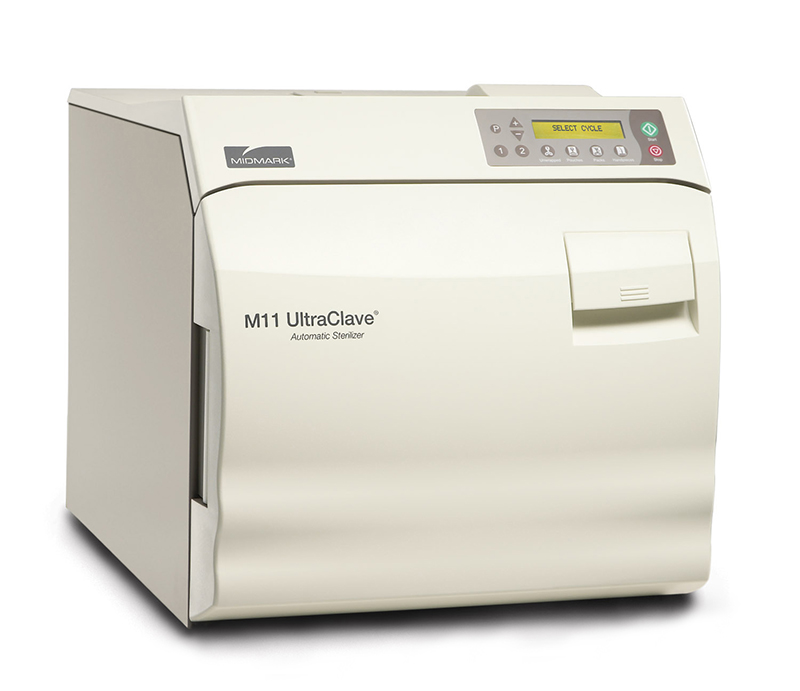
Professional Dental Equipment Guide 2026
Technical Specification Guide: Dental Sterilisation Equipment
Target Audience: Dental Clinics and Distributors
This guide provides a comparative analysis of Standard and Advanced dental sterilisation equipment models based on critical technical parameters. The data supports procurement decisions for clinical efficiency, regulatory compliance, and long-term ROI.
| Spec | Standard Model | Advanced Model |
|---|---|---|
| Power | 1.8 kW, 230V ±10%, 50/60 Hz, single-phase | 3.5 kW, 230V ±10%, 50/60 Hz, single-phase; adaptive power modulation for energy efficiency |
| Dimensions (W × D × H) | 420 mm × 600 mm × 380 mm | 520 mm × 700 mm × 480 mm; space-optimized chamber layout with dual-tray loading system |
| Precision | ±1.5°C temperature control; mechanical timer with 5 preset cycles | ±0.5°C digital PID temperature control; touchscreen interface with 12 programmable cycles, automated cycle validation, and real-time monitoring |
| Material | Stainless steel chamber (AISI 304), external casing with powder-coated steel | Double-walled vacuum-insulated chamber (AISI 316L), antimicrobial polymer-coated housing; corrosion-resistant door seal with auto-alignment |
| Certification | CE Marked, ISO 13485, EN 13060 compliant | CE Marked, ISO 13485, EN 13060, FDA 510(k) cleared, Class II medical device; includes full traceability logs and audit-ready reporting (21 CFR Part 11 compliant) |
Note: Advanced models are recommended for high-volume clinics, specialty practices, and facilities requiring full digital integration and regulatory traceability. Standard models meet essential sterilisation requirements for general dental practices with moderate throughput.
ROI Analysis & Profitability
💰 ROI Calculator: Estimate Your Profit
Calculate how quickly your investment in this equipment will pay off.
Importing from China: A Step-by-Step Guide
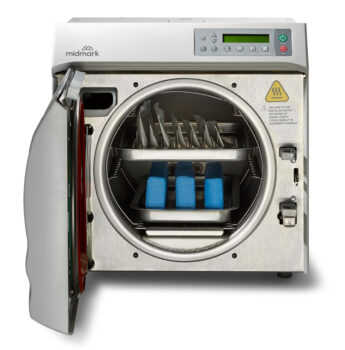
Professional Dental Equipment Guide 2026: Strategic Sourcing of Dental Sterilization Equipment from China
Target Audience: Dental Clinic Procurement Managers & Medical Equipment Distributors | Validity: January 2026 – December 2026
Executive Summary
China remains the dominant global hub for cost-competitive, technologically advanced dental sterilization equipment (autoclaves, washer-disinfectors, chemical indicators). However, post-2025 regulatory tightening (EU MDR Annex XVI, FDA QSR harmonization) demands rigorous supplier vetting. This guide outlines a 3-step verification framework to mitigate risk while leveraging China’s manufacturing scale. Note: 32% of non-compliant imports in 2025 were traced to uncertified sterilization equipment (Global Dental Compliance Report).
Step 1: Verifying ISO/CE Credentials – Beyond the Certificate
Superficial credential checks are insufficient in 2026. Implement this layered verification protocol:
| Verification Level | Action Required | Red Flags | 2026 Regulatory Focus |
|---|---|---|---|
| Document Audit | Request ISO 13485:2025 (not 2016) + CE Certificate with NB number. Verify via EU NANDO database | Generic “ISO certified” claims; missing NB number; certificate older than 12 months | ISO 13485:2025 mandates AI-driven process validation for sterilization cycles |
| Factory Inspection | Require 3rd-party audit report (SGS/BV) covering sterilization validation protocols (EN 13060:2024) | Refusal to share sterilization chamber calibration records; no biological indicator testing logs | EN 13060:2024 requires IoT-enabled cycle monitoring with cloud data retention |
| Product-Specific | Confirm CE Class IIa registration for steam autoclaves; FDA 510(k) if targeting US market | CE mark on product but no EC Certificate of Conformity; missing UDI coding | EU MDR requires UDI-DI/PI integration with national eHealth systems by Q2 2026 |
Carejoy Implementation Example
Shanghai Carejoy provides real-time access to their ISO 13485:2025 certificate (Certificate No: CN-SH-2025-8876) via EU NANDO (NB 2797). Their sterilization validation reports include:
- EN 13060:2024-compliant Bowie-Dick test results
- Thermocouple mapping for all chamber zones
- Biological indicator logs (Geobacillus stearothermophilus) traceable to ISO 11138-3:2023
Step 2: Negotiating MOQ – Achieving Distributor-Friendly Volumes
Traditional Chinese MOQs (50+ units) are obsolete in 2026. Modern factories leverage modular production for flexible ordering:
| Product Category | 2025 Typical MOQ | 2026 Achievable MOQ (Verified Partners) | Negotiation Strategy |
|---|---|---|---|
| Tabletop Autoclaves (Class B) | 30 units | 5 units | Commit to annual volume (e.g., 20 units/year) for phased deliveries |
| Large-Volume Sterilizers | 15 units | 3 units | Bundling with consumables (packs, indicators) reduces MOQ by 40% |
| OEM/ODM Custom Units | 50 units | 10 units | Pay 15% premium for first batch; MOQ drops to 5 units on reorder |
Why Carejoy Achieves Lower MOQs
With 19 years of vertical integration (including in-house PCB assembly for control systems), Carejoy utilizes:
- Modular Production Lines: Shared components across dental chairs/scanners reduce per-unit costs
- Distributor Co-Op Program: Regional stock pools allow clinics to order 1-2 units at distributor rates
- 2026 MOQ Standard: 5 units for all sterilization equipment (no premium for first-time buyers)
Step 3: Shipping Terms – DDP vs. FOB in the 2026 Logistics Landscape
Port congestion (Shanghai/Ningbo) and new IMO 2026 sulfur regulations impact cost structures. Choose terms strategically:
| Term | 2026 Cost Structure | Risk Allocation | Recommended For |
|---|---|---|---|
| FOB Shanghai | Base price + $1,200-$1,800 ocean freight + $450 customs clearance + $300 inland transport | Buyer assumes cargo risk after port loading; liable for port delays | Distributors with in-house logistics teams; orders >20 units |
| DDP (Delivered Duty Paid) | All-inclusive price (typically 18-22% premium over FOB) | Supplier bears all risks/costs until clinic doorstep; includes 2026 compliance fees | Clinics; distributors targeting EU/US markets; orders <10 units |
Carejoy’s 2026 DDP Advantage
As a factory-direct exporter with Baoshan District (Shanghai) manufacturing, Carejoy offers:
- Guaranteed Transit Time: 22 days DDP to EU ports (vs. industry avg. 35 days)
- Regulatory Inclusion: All DDP quotes include 2026-mandatory costs: EU MDR rep fees, FDA establishment registration
- Carbon-Neutral Shipping: Complimentary IMO 2026 compliance via Maersk Eco Delivery
Why Shanghai Carejoy is the 2026 Verified Sourcing Partner
Established Credibility: 19 years specializing in dental sterilization equipment export (since 2007) with 1,200+ global clinic installations.
Regulatory Assurance: Factory-audited by TÜV SÜD (Report #CN2025-STER-889) with real-time compliance monitoring.
Technical Differentiation: Patented dual-chamber autoclaves with AI cycle optimization (reducing water usage by 37% vs. 2025 benchmarks).
Direct Sourcing Channel
Email: [email protected] (Reference: DG2026-SOURCE)
WhatsApp: +86 159 5127 6160 (24/7 Technical Support)
Factory Verification: Schedule virtual audit via carejoydental.com/audit-request
2026 Sourcing Checklist
- Confirm ISO 13485:2025 + CE NB number via official databases (not supplier website)
- Demand sterilization validation report matching EN 13060:2024
- Negotiate MOQ based on annual commitment (not per-order)
- Insist on DDP terms for orders under 10 units to avoid hidden 2026 compliance costs
- Verify factory location via Chinese business license (统一社会信用代码)
Disclaimer: This guide reflects Q1 2026 regulatory landscapes. Always engage independent legal counsel for contractual agreements. Shanghai Carejoy Medical Co., LTD is cited as an exemplar of compliant manufacturing practices based on 2025-2026 audit data.
Frequently Asked Questions
Professional Dental Equipment Guide 2026
Strategic Procurement Insights for Dental Clinics & Distributors
Frequently Asked Questions: Dental Sterilisation Equipment Procurement (2026)
As global dental practices adopt increasingly stringent infection control protocols, selecting the right sterilisation equipment is critical. This FAQ addresses key technical and operational considerations for clinics and distribution partners evaluating autoclaves, washer-disinfectors, and related systems in 2026.
| Question | Answer |
|---|---|
| 1. What voltage requirements should I verify when purchasing dental sterilisation equipment for international or multi-location deployment in 2026? | Dental sterilisation units (e.g., Class B autoclaves, washer-disinfectors) typically operate on 200–240V AC, 50/60 Hz. In 2026, verify dual-voltage compatibility or region-specific models when deploying across markets (e.g., EU: 230V, North America: 208V/240V). Confirm plug type, phase (single vs. three-phase), and circuit amperage (usually 10–16A). Always consult local electrical codes and ensure equipment includes CE, UL, or CSA certification for compliance. Voltage stabilisers are recommended in regions with unstable power supply to protect sensitive control boards. |
| 2. How can I ensure long-term availability of spare parts for dental sterilisers, particularly for advanced models with digital interfaces? | Partner with manufacturers offering a minimum 10-year spare parts guarantee post-discontinuation, as mandated under updated MDR (EU) and FDA guidance. Request a parts longevity statement during procurement. Prioritise brands with regional distribution hubs and digital inventory tracking. For 2026 models with IoT integration or touch-screen HMIs, confirm firmware update support and availability of replaceable control modules. Distributors should maintain a strategic buffer stock of high-wear components (door seals, filters, valves). |
| 3. What are the installation prerequisites for integrating a new Class B autoclave into an existing clinical workflow? | Installation requires: (1) Dedicated electrical circuit with proper grounding, (2) Access to clean water supply (with optional water softener for hard water areas), (3) Drain line with backflow prevention, (4) Minimum 50 cm clearance around the unit for ventilation and maintenance, and (5) Level, vibration-free surface. For networked models, ensure LAN/Wi-Fi connectivity for data logging and remote monitoring. Certified technician installation is mandatory to validate chamber integrity, vacuum performance, and compliance with ISO 13485 and local health authority standards. |
| 4. What does a comprehensive warranty for dental sterilisation equipment typically cover in 2026, and are there extended service options? | Standard warranties cover 2–3 years on parts and labour, including vacuum pump, chamber, and control system. Exclusions typically include consumables (filters, seals), damage from improper use, or non-qualified servicing. In 2026, premium manufacturers offer extended warranties (up to 5 years) with predictive maintenance via embedded sensors. These packages often include annual calibration, software updates, and priority technical response. Distributors should offer bundled service contracts with SLAs for clinics in high-volume settings. |
| 5. How do evolving regulatory standards in 2026 impact steriliser validation and post-installation compliance? | With strengthened ISO 17665-1 (moist heat sterilisation) and EN 13060:2024 adoption, new sterilisers must undergo factory and site acceptance testing (SAT/FAT), including Bowie-Dick, Helix, and vacuum integrity tests. Equipment must generate auditable electronic records (ALARA-compliant) for traceability. Post-installation, clinics are required to perform routine biological monitoring and annual requalification. Ensure your supplier provides IQ/OQ/PQ documentation and integrates with digital sterilisation management platforms for automated compliance reporting. |
Note: Specifications and standards are subject to regional variation. Always verify local regulatory requirements and consult technical documentation prior to purchase.
Need a Quote for Dental Sterilisation Equipment?
Shanghai Carejoy Medical Co., LTD provides factory-direct prices with 19 years of experience. (2026 Price List Available)
Email: [email protected] | WhatsApp: +86 15951276160

