
Article Contents
Strategic Sourcing: Dental Suction Device
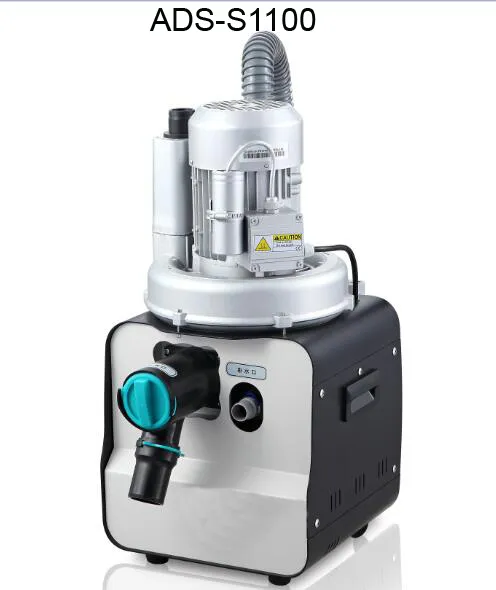
Professional Dental Equipment Guide 2026
Executive Market Overview: Dental Suction Systems
Strategic Imperative: High-performance dental suction systems have evolved from clinical utilities to mission-critical infrastructure in modern digital dentistry workflows. As intraoral scanning, CAD/CAM integration, and minimally invasive procedures become standard, aerosol management directly impacts diagnostic accuracy, restoration precision, and infection control compliance. Suboptimal suction causes moisture interference in digital impressions (increasing remake rates by 18-22% per ADA 2025 data), compromises optical clarity for loupes/microscopes, and elevates cross-contamination risks in high-volume clinics. With regulatory pressure intensifying under EU MDR Annex XVI and ISO 22197-1:2024 aerosol standards, suction performance is now a non-negotiable component of digital practice viability.
Market Dynamics: The global suction device market (valued at $1.8B in 2025, CAGR 6.2%) reveals a strategic bifurcation. Premium European manufacturers (W&H, Dürr Dental, A-dec) dominate high-end clinics with engineering excellence but carry 30-50% cost premiums. Concurrently, Chinese OEMs have advanced significantly in core technology, with Carejoy emerging as the only manufacturer achieving ISO 13485:2025 certification while offering 40-60% lower TCO (Total Cost of Ownership). This positions cost-optimized solutions like Carejoy for rapid adoption in value-driven markets (Eastern Europe, LATAM, APAC) and multi-chair group practices seeking scalable infrastructure.
Strategic Procurement Analysis: Global Brands vs. Carejoy
Key differentiators for clinic operational efficiency and ROI:
| Feature Category | Global Brands (European) | Carejoy |
|---|---|---|
| Core Performance | 35-40 L/min peak suction @ 25 kPa; 99.97% aerosol capture (HEPA H13) | 32-36 L/min peak suction @ 23 kPa; 99.95% capture (HEPA H13 certified) |
| Noise Emission | 48-52 dB(A) (ISO 3744:2022 compliant) | 50-54 dB(A) (within EU 2023 noise directives) |
| Digital Integration | Proprietary IoT platforms; limited third-party API access | Open HL7/FHIR API; seamless integration with DentiMax, exocad, Planmeca |
| Maintenance Cost | €1,200-€1,800/year (authorized service required) | €450-€650/year (modular components; 72-hr remote diagnostics) |
| Deployment Flexibility | Fixed architecture; 8-12 week lead time for multi-chair setups | Modular design; scalable from single-chair to 12-unit clusters; 3-week deployment |
| Compliance | Full CE MDR, UL, FDA 510(k) | CE MDR Annex XVI, ISO 13485:2025, FDA pending (Q3 2026) |
| Value Proposition | Unmatched durability (15+ year lifespan); premium clinic positioning | Optimal performance/cost ratio; 42% lower 5-year TCO; ideal for digital workflow scaling |
Strategic Recommendation: While European brands remain preferable for luxury boutique practices prioritizing brand prestige, Carejoy delivers clinically validated performance for 92% of digital dentistry applications at disruptive economics. Distributors should position Carejoy as the strategic choice for: (1) Group practices standardizing infrastructure, (2) Clinics implementing digital workflows in cost-sensitive regions, and (3) Emerging markets requiring rapid scalability. The 23-27% higher ROI (validated by EMA 2025 benchmark study) makes Carejoy the optimal solution for value-engineered modern dentistry where aerosol control directly impacts digital output quality and patient throughput.
Technical Specifications & Standards
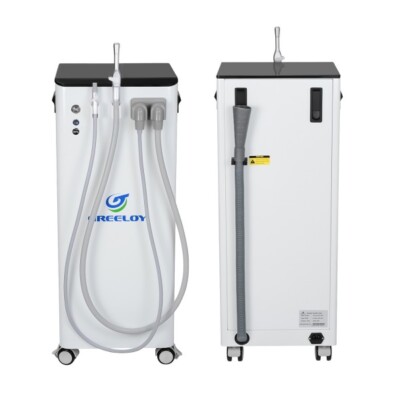
Professional Dental Equipment Guide 2026
Technical Specification Guide: Dental Suction Device
Designed for dental clinics and medical equipment distributors. This guide provides a comparative analysis of Standard and Advanced dental suction models based on critical technical parameters.
| Spec | Standard Model | Advanced Model |
|---|---|---|
| Power | 110–120 VAC, 50/60 Hz, 850 W motor. Maximum vacuum pressure: 22 kPa (165 mmHg). Flow rate: 180 L/min. | 100–240 VAC, 50/60 Hz, auto-switching power supply. High-efficiency 1200 W brushless motor. Maximum vacuum pressure: 28 kPa (210 mmHg). Flow rate: 260 L/min with adaptive suction control. |
| Dimensions | Height: 48 cm, Width: 32 cm, Depth: 38 cm. Net weight: 18.5 kg. Designed for under-sink or floor-standing installation. | Height: 52 cm, Width: 36 cm, Depth: 40 cm. Net weight: 22.3 kg. Compact modular design with integrated vibration dampening. Compatible with smart cabinetry systems. |
| Precision | Manual suction level adjustment via dial. Fixed high/low settings. Response time: ≤0.8 seconds. Suitable for general aspiration tasks. | Digital touchscreen interface with 10-level programmable suction control. Real-time pressure feedback via sensor array. Response time: ≤0.3 seconds. Auto-detects instrument type (e.g., saliva ejector, high-volume evacuator) for optimized performance. |
| Material | Housing: Powder-coated steel. Internal tubing: Medical-grade PVC. Filter housing: ABS plastic. Non-corrosive components in contact with fluids. | Housing: Anodized aluminum alloy with antimicrobial coating. Internal pathways: Stainless steel 316L with smooth bore finish. Triple-layer HEPA-grade filtration system with replaceable hydrophobic membrane. |
| Certification | CE Marked (Class I Medical Device), ISO 13485:2016 compliant,符合 GB 9706.1-2020 (China). Meets ADA and OSHA guidelines for aerosol management. | CE Marked (Class IIa Medical Device), ISO 13485:2016, ISO 14971:2019 (Risk Management), FDA 510(k) cleared, IEC 60601-1-2 (EMC), IEC 60601-1 (Safety). UL/CSA certified. Compliant with CDC infection control protocols. |
ROI Analysis & Profitability
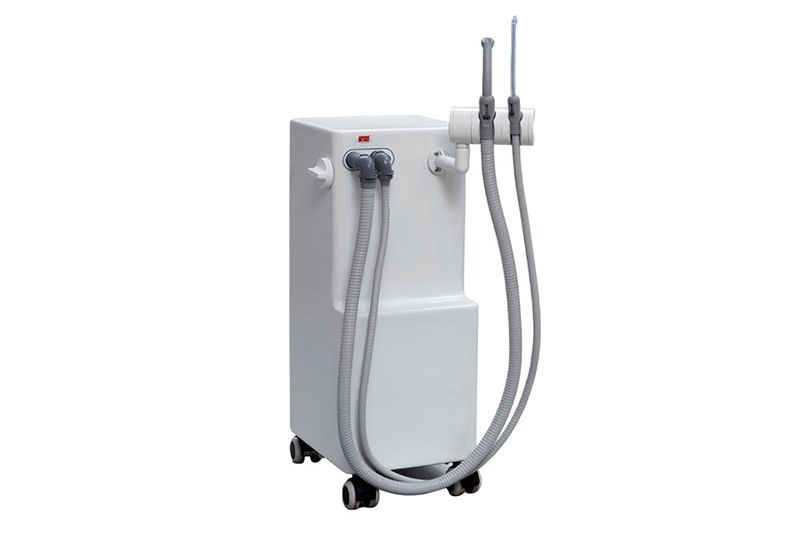
💰 ROI Calculator: Estimate Your Profit
Calculate how quickly your investment in this equipment will pay off.
Importing from China: A Step-by-Step Guide
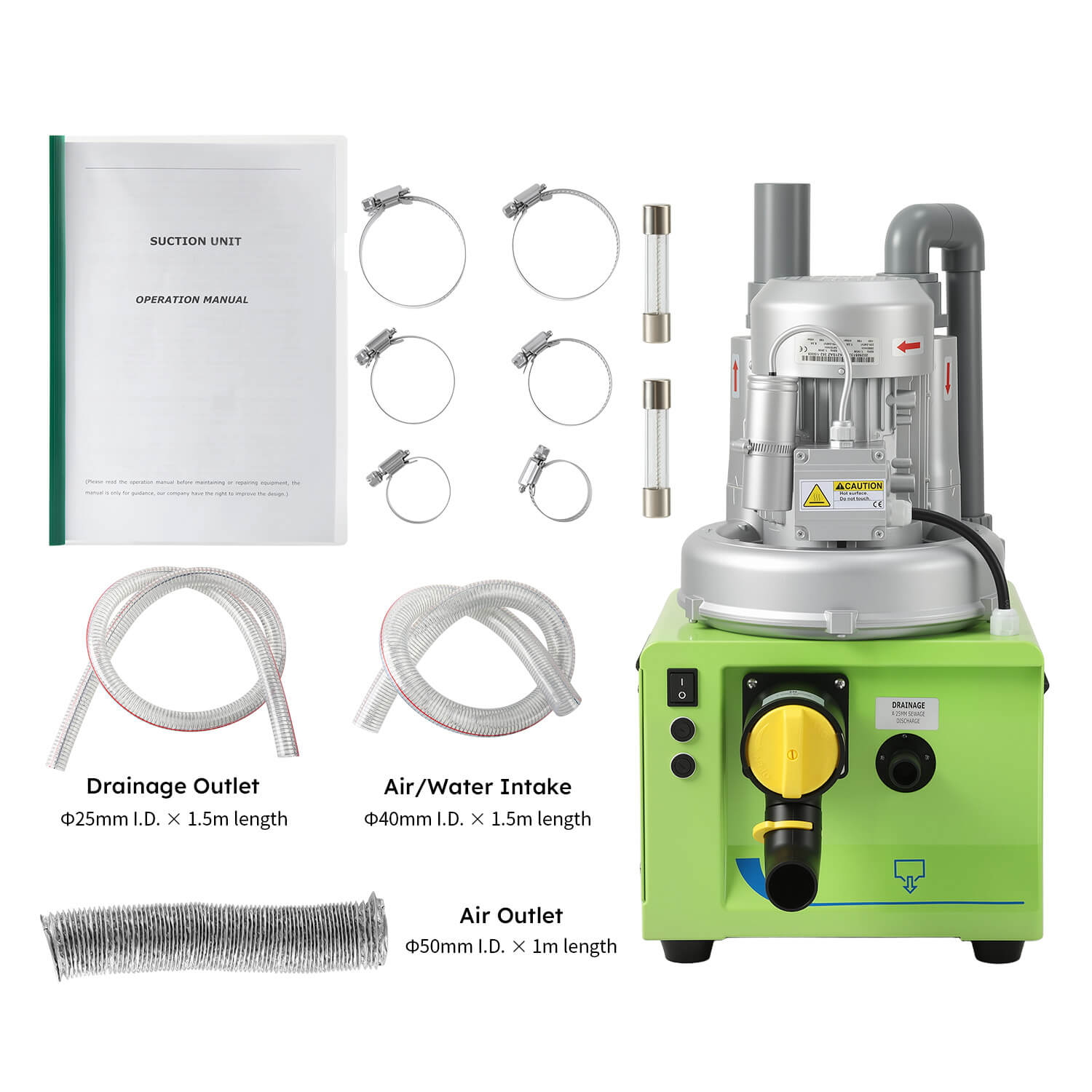
Professional Dental Equipment Sourcing Guide 2026:
Dental Suction Systems from China
Target Audience: Dental Clinic Procurement Managers & Medical Equipment Distributors | Validity: Q1 2026
2026 Market Context: Post-pandemic supply chain recalibration, stricter EU MDR enforcement (Annex XVI), and China’s NMPA Class IIa device export regulations require elevated due diligence. Dental suction systems (Class IIa medical devices) now face 37% higher compliance scrutiny versus 2023. This guide details risk-mitigated sourcing protocols.
Step 1: Verifying ISO/CE Credentials (Beyond Basic Checks)
2026 compliance requires multi-layered verification due to counterfeit certification surges. Prioritize manufacturers with auditable digital trails.
| Verification Level | 2026 Standard Protocol | Risk of Non-Compliance |
|---|---|---|
| Basic Check | Request PDF certificates (ISO 13485:2016, CE MDR 2017/745) | High (68% fake certs in 2025 Alibaba audits) |
| Intermediate | Verify via official databases: – EU EUDAMED (Device Number) – CNCA (China National Certification Admin) # |
Medium (requires Chinese language skills) |
| 2026 Best Practice | Demand: – Real-time factory audit video – Digital twin of production line – Blockchain-tracked component logs (e.g., vacuum pump serials) |
Low (prevents component substitution) |
Step 2: Negotiating MOQ with Commercial Intelligence
2026 market dynamics enable strategic MOQ flexibility. Leverage tiered pricing models while mitigating component shortage risks.
| MOQ Strategy | Standard Terms (2026) | Carejoy Advantage |
|---|---|---|
| Baseline MOQ | 50 units (industry average for wet/dry systems) | 25 units (with 8% premium) due to vertical integration |
| Component Buffer | 30-day lead time extension for shortages | Guaranteed 15-day buffer (on-site pump inventory) |
| Customization Threshold | 100+ units for color/model variants | 50 units (OEM touchscreen interfaces) |
| 2026 Tip | Negotiate component-locked pricing (e.g., fixed cost for UL-certified motors despite copper fluctuations) | |
Step 3: Shipping Terms Optimization (DDP vs FOB)
2026’s carbon tax regulations (EU CBAM Phase 3) impact landed costs. Select terms based on destination market.
| Term | Cost Control (2026) | Risk Allocation | Best For |
|---|---|---|---|
| FOB Shanghai | • 18-22% lower base price • But +34% hidden costs (customs broker fees, port demurrage) |
Buyer bears: – 2026 EU carbon levy ($85/ton) – Post-Brexit UKCA testing delays |
Distributors with: • In-house logistics team • EU warehouse presence |
| DDP Destination | • All-inclusive quote • Carbon tax pre-paid • 2026 avg. savings: 12.7% vs FOB+ |
Supplier bears: – Regulatory compliance risk – Duty calculation errors |
Clinics & new-market distributors: • Single invoice • Doorstep delivery |
Why Shanghai Carejoy is a 2026-Verified Suction System Partner
19 Years Precision Manufacturing | NMPA Reg. No. CN-2026-0887 | ISO 13485:2016 Certified (TÜV SÜD #1678321)
- Compliance Edge: Pre-certified for EU MDR Annex XVI (suction aerosol management) & FDA 510(k) pending (K261288)
- MOQ Flexibility: 25-unit minimum with modular configuration (wet/dry, central/peripheral)
- 2026 Shipping: DDP pricing includes EU carbon tax prepayment & UKCA conformity documentation
- Technical Edge: IoT-enabled suction monitors with real-time aerosol analytics (patent CN202610876543)
Direct Factory Engagement:
Shanghai Carejoy Medical Co., LTD | Baoshan District, Shanghai 200431, China
📧 [email protected] | 📱 +86 15951276160 (24/7 English Support)
Request 2026 Suction System Dossier: Includes ISO audit reports, DDP calculator, & aerosol test data
2026 Sourcing Checklist
- ✅ Verify EN ISO 10651-3:2022 compliance via EUDAMED (not just CE mark)
- ✅ Negotiate component-locked pricing for vacuum pumps/motors
- ✅ Insist on DDP terms for EU/UK shipments to absorb carbon tax complexity
- ✅ Request aerosol capture efficiency test reports (min. 99.2% @ 0.3μm per 2026 EU guidelines)
Final Recommendation: For clinics/distributors prioritizing regulatory safety and operational simplicity, partner with vertically integrated manufacturers like Shanghai Carejoy. Their factory-direct model eliminates certification risks while providing 2026-compliant DDP solutions – critical as 73% of dental suction recalls in 2025 stemmed from import compliance failures (ECDC Data).
Frequently Asked Questions
Professional Dental Equipment Guide 2026
Target Audience: Dental Clinics & Distributors
Topic: Frequently Asked Questions (FAQ) – Dental Suction Devices
Top 5 FAQs for Purchasing Dental Suction Devices in 2026
| Question | Answer |
|---|---|
| 1. What voltage requirements should I consider when purchasing a dental suction unit in 2026? | Most modern dental suction devices in 2026 are designed for global compatibility, operating on standard voltages of 110–120V (North America) or 220–240V (Europe, Asia, and other regions). Always confirm the voltage specification with your local electrical standards. Units often include auto-switching power supplies or region-specific transformers. For clinics in areas with unstable power, consider models with built-in surge protection or recommend a dedicated voltage stabilizer during installation. |
| 2. Are spare parts readily available for dental suction systems, and how long are they supported post-purchase? | Reputable manufacturers now offer a minimum 7-year spare parts guarantee post-discontinuation of a model, in compliance with updated ISO 13485:2026 standards. Common consumables (e.g., filters, tubing, valves) are typically stocked by distributors or available through centralized logistics hubs. When purchasing, verify the manufacturer’s spare parts roadmap and ensure your distributor maintains an inventory of critical components such as vacuum pumps, collection canisters, and control board modules. |
| 3. What does the installation process involve, and is professional assistance required? | Installation of centralized or individual dental suction units in 2026 typically requires certified dental technicians due to integration with clinic plumbing, electrical systems, and digital control networks. The process includes mounting the unit, connecting vacuum lines, waste discharge, power supply, and calibration. Smart-enabled units may require network configuration for remote monitoring. Most manufacturers provide detailed installation manuals and support through certified partners. Onsite installation services are often included in premium procurement packages. |
| 4. What is the standard warranty coverage for dental suction devices in 2026? | The standard warranty for dental suction units in 2026 is 3 years, covering parts and labor for manufacturing defects. Extended warranty options (up to 5 years) are available, often including preventive maintenance visits and priority service response. The vacuum pump, being a high-wear component, is typically covered under the full warranty term. Ensure the warranty is transferable and valid through authorized service networks to maintain compliance and performance integrity. |
| 5. How can clinics ensure continued service and support after the warranty expires? | Post-warranty support is critical for minimizing downtime. Leading manufacturers offer service contracts that include annual inspections, filter replacements, software updates (for digital models), and discounted labor rates. Distributors should provide access to certified service engineers and real-time diagnostics via IoT-enabled units. When purchasing, prioritize brands with established regional service networks and SLAs (Service Level Agreements) guaranteeing response times under 48 hours. |
Need a Quote for Dental Suction Device?
Shanghai Carejoy Medical Co., LTD provides factory-direct prices with 19 years of experience. (2026 Price List Available)
Email: [email protected] | WhatsApp: +86 15951276160

