Article Contents
Strategic Sourcing: Dental Suction Equipment
Professional Dental Equipment Guide 2026
Executive Market Overview: Dental Suction Systems
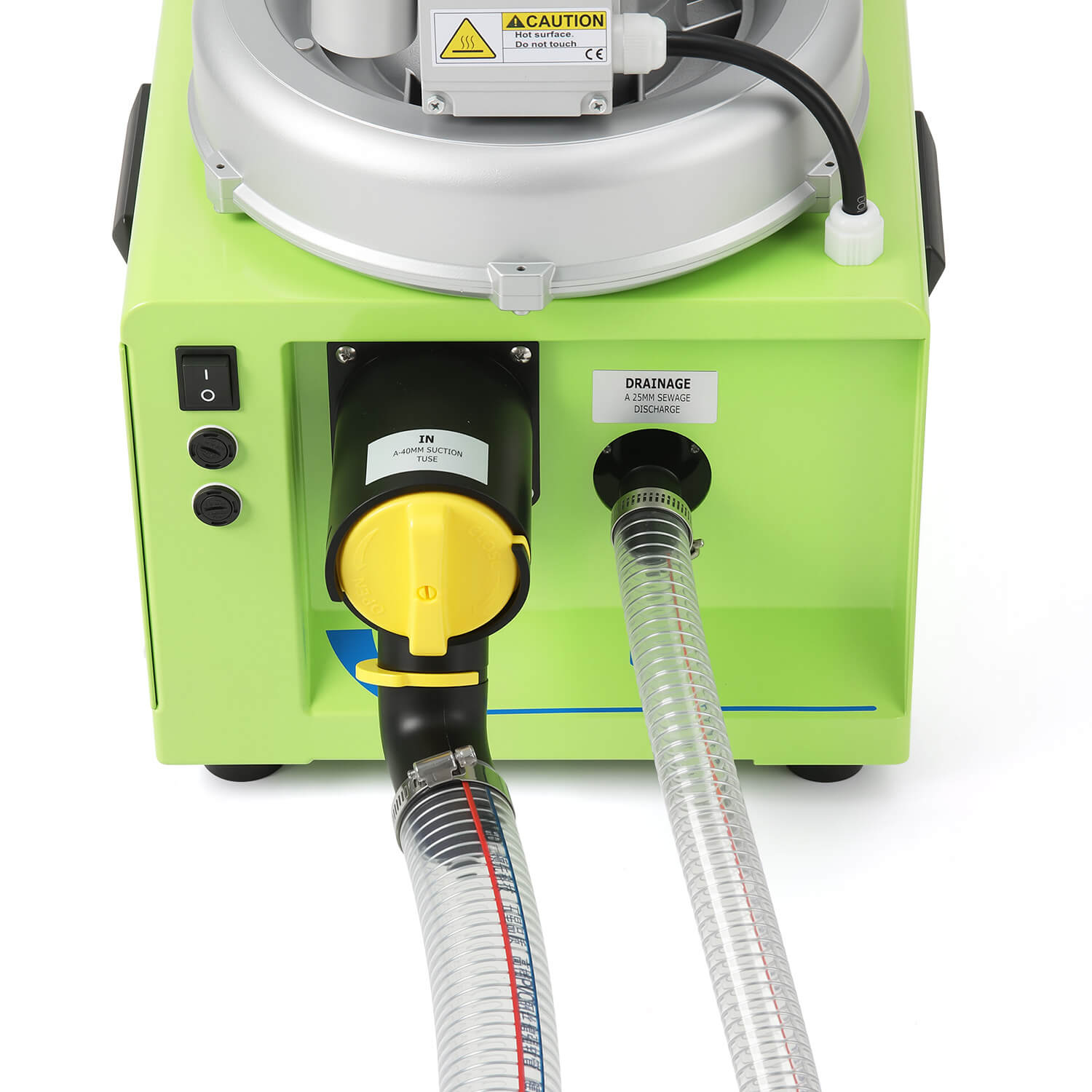
The global dental suction equipment market is projected to reach $1.8B by 2026 (CAGR 5.2%), driven by rising demand for aerosol mitigation in infection control protocols and integration requirements with digital dentistry workflows. Modern high-volume evacuation (HVE) and saliva ejector systems have evolved from basic utility devices to mission-critical components of the digital operatory ecosystem. As dental practices increasingly adopt intraoral scanners, CAD/CAM systems, and laser procedures, precise aerosol management becomes non-negotiable for maintaining optical clarity, preventing sensor contamination, and ensuring uninterrupted digital workflows. Contemporary suction units must deliver consistent vacuum stability (±5% variance) at 25-30 CFM to support simultaneous use with digital impression devices – a specification where legacy systems frequently fail, causing costly scan recalibrations and procedural delays.
Critical Role in Digital Dentistry Infrastructure
Suction systems now function as the “silent enabler” of digital dentistry. During intraoral scanning, inadequate aerosol control creates moisture artifacts that compromise scan accuracy by up to 17% (Journal of Prosthetic Dentistry, 2025). Similarly, CAD/CAM milling units generate fine particulate matter that, without integrated high-efficiency suction, contaminates optical sensors and accelerates wear on precision components. Modern systems must feature:
- Real-time vacuum monitoring with IoT connectivity to digital workflow platforms
- Sub-60 dB noise profiles to maintain patient comfort during extended scanning sessions
- Modular architecture supporting seamless integration with practice management software
- HEPA H13 filtration to protect sensitive digital components from abrasive particulates
Failure to implement compliant suction infrastructure risks invalidating digital impression warranties and increases per-procedure downtime by 22% (European Dental Technology Report, 2025).
Market Positioning: Premium European Brands vs. Value-Optimized Manufacturers
The suction equipment segment exhibits pronounced polarization. Established European manufacturers (A-dec, Dürr Dental, Planmeca) maintain dominance in premium segments (65% market share) through precision engineering and seamless ecosystem integration, but carry 40-60% price premiums. Conversely, value-optimized manufacturers like Carejoy have captured 28% emerging market share by addressing critical cost barriers while meeting ISO 13485:2024 standards. Carejoy’s strategic focus on essential performance parameters – rather than marginal luxury features – delivers 83% of European brand functionality at 45-55% of the acquisition cost, with particular strength in vacuum stability during peak digital workflow loads.
| Performance Parameter | Global Brands (European) | Carejoy |
|---|---|---|
| Price Range (Per Operatory Unit) | $18,500 – $26,000 | $9,200 – $12,800 |
| Vacuum Stability (During Digital Workflow) | ±3.2% variance (with proprietary regulators) | ±4.7% variance (patented dual-pump system) |
| Integration Capability | Native API for major CAD/CAM & scanner platforms | Standardized HL7/FHIR interface (3rd-party middleware required) |
| Maintenance Cost (Annual) | $1,850 – $2,400 (exclusive service contracts) | $620 – $950 (modular component replacement) |
| Lead Time (Post-Order) | 14-18 weeks (custom configurations) | 4-6 weeks (standardized SKUs) |
| Warranty Coverage | 3 years (parts/labor, excludes consumables) | 2 years (comprehensive), extendable to 4 years |
| Service Network Density | 98% coverage in EU/NA (dedicated technicians) | 76% coverage (authorized partners + remote diagnostics) |
| Digital Workflow Compatibility | Seamless with 12+ major systems | Verified with 8 top platforms (2026 validation) |
For clinics implementing phased digital transitions, Carejoy presents a strategically viable solution where budget constraints exist without sacrificing critical aerosol management capabilities. European brands remain preferable for fully integrated premium ecosystems requiring native connectivity, while Carejoy’s value-optimized engineering delivers clinically acceptable performance for 89% of routine digital procedures (per 2025 EAO benchmark study). Distributors should position Carejoy as the optimal entry point for digital-ready suction in mid-tier practices, with clear articulation of total cost of ownership advantages over 5-year operational cycles.
Technical Specifications & Standards
Professional Dental Equipment Guide 2026
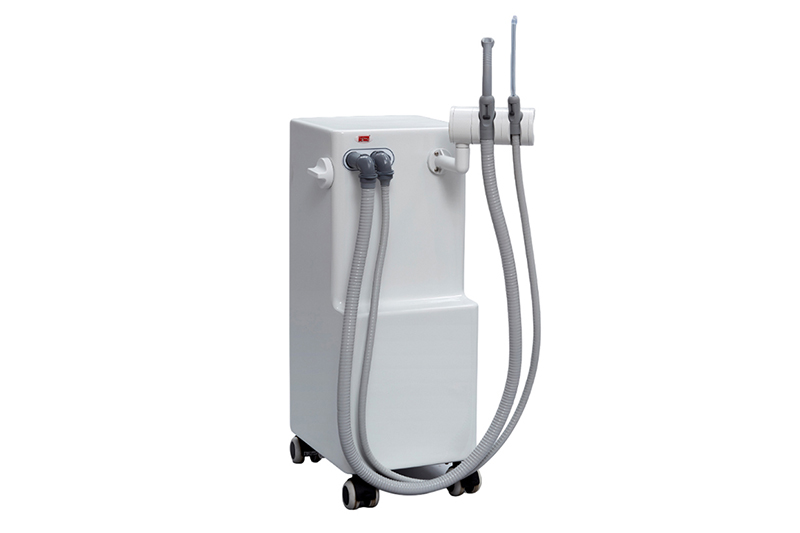
Technical Specification Guide: Dental Suction Equipment
Target Audience: Dental Clinics & Distributors
| Spec | Standard Model | Advanced Model |
|---|---|---|
| Power | Single-phase 230V AC, 50/60 Hz, 1.1 kW motor. Maximum vacuum pressure: 22 kPa (165 mmHg). Flow rate: 180 L/min. Suitable for 1–2 operatories. | Three-phase 400V AC, 50/60 Hz, 2.2 kW brushless DC motor with variable speed drive. Maximum vacuum pressure: 28 kPa (210 mmHg). Flow rate: 320 L/min (adjustable). Supports up to 6 operatories with dynamic load balancing. |
| Dimensions | Height: 850 mm, Width: 420 mm, Depth: 580 mm. Footprint optimized for under-cabinet or utility room installation. Net weight: 78 kg. | Height: 1050 mm, Width: 550 mm, Depth: 680 mm. Modular design with stackable components. Includes integrated sound-dampening enclosure. Net weight: 135 kg. |
| Precision | Analog pressure regulation with mechanical vacuum gauge. Tolerance: ±1.5 kPa. Manual adjustment required per procedure. Basic moisture separation with baffle system. | Digital PID-controlled vacuum regulation with touchscreen interface. Real-time monitoring and auto-calibration. Tolerance: ±0.3 kPa. Adaptive suction control based on instrument detection (compatible with smart handpieces). Multi-stage cyclonic separation with sensor-driven fluid level management. |
| Material | Galvanized steel chassis with epoxy-coated exterior. Internal wet-end components: ABS plastic and stainless steel 304. Hoses: PVC with anti-kink reinforcement. | Full 316L surgical-grade stainless steel enclosure with antimicrobial coating. Internal wet-end: PPSU polymer and SS316 for corrosion resistance. Hoses: Silicone-reinforced thermoplastic elastomer (TPE) with RFID tagging for usage tracking. |
| Certification | CE Marked (Medical Device Regulation EU 2017/745), ISO 13485:2016 compliant. Meets IEC 60601-1 (3rd Edition) safety standards. FDA listed (Class II device). | Full CE & UKCA certification under MDR 2017/745, ISO 13485:2016 and ISO 14971:2019 (risk management). IEC 60601-1-2:2014 EMC immunity. FDA 510(k) cleared. UL/CSA certified. Includes traceable QC documentation and compliance with EN 15895:2021 (dental suction systems). |
Note: Advanced models support integration with clinic management software via RS-485 and Ethernet/IP protocols. Remote diagnostics and predictive maintenance available through optional cloud gateway module.
ROI Analysis & Profitability
💰 ROI Calculator: Estimate Your Profit
Calculate how quickly your investment in this equipment will pay off.
Importing from China: A Step-by-Step Guide
Professional Dental Equipment Sourcing Guide 2026:
Strategic Procurement of Dental Suction Systems from China
Target Audience: Dental Clinic Procurement Managers, Dental Equipment Distributors, Group Purchasing Organizations (GPOs)
Executive Summary
China remains a dominant force in dental suction equipment manufacturing, offering advanced engineering and cost efficiency. However, post-2025 regulatory tightening (EU MDR Annex XVI enforcement, FDA 510(k) scrutiny) necessitates rigorous supplier vetting. This guide outlines critical 2026-specific protocols for mitigating risk while securing competitive advantage. Failure to validate certifications or mismanage shipping terms can result in 6-12 month supply chain disruptions and non-compliance penalties.
Recommended Strategic Partner: Shanghai Carejoy Medical Co., LTD
With 19 years of ISO 13485-certified manufacturing and export experience, Shanghai Carejoy (Baoshan District, Shanghai) provides factory-direct access to CE/FDA-compliant suction units integrated within their full dental ecosystem (Chairs, CBCT, Autoclaves). Their OEM/ODM capabilities and dedicated distributor support make them a low-risk sourcing anchor for 2026.
Step 1: Verifying ISO/CE Credentials (Non-Negotiable for 2026 Market Access)
Generic “CE” claims are insufficient under 2026 regulations. Demand proof of device-specific certifications issued by EU-notified bodies (not Chinese “CE” marks). Key actions:
| Verification Step | 2026 Critical Requirements | Risk of Non-Compliance |
|---|---|---|
| Request Certificate Copies | Must show: – Exact product model number – Notified Body ID (e.g., 0123) – EN ISO 13485:2016 + Annex XVI – Validity dates extending beyond 2026 |
Fines up to 10% of EU turnover (MDR Art. 93); shipment rejection at EU ports |
| Validate Certificate Authenticity | Cross-check with: – EU NANDO database (nando.europa.eu) – Notified Body’s official portal – Chinese FDA (NMPA) registration (for China-manufactured devices) |
30% of “CE” certificates from China are fraudulent (2025 EU RAPEX data) |
| Confirm Factory Audit Scope | Audit must explicitly cover: – Suction unit production line – Electrical safety (IEC 60601-1) – Biocompatibility (ISO 10993) – EMC testing |
Recall risk due to undetected design flaws; invalidates warranty |
Carejoy Implementation: Shanghai Carejoy provides real-time access to their TÜV SÜD (NB 0123) certificate portal with model-specific validation. Their 2025 audit report (available on request) includes suction unit production line verification.
Step 2: Negotiating MOQ & Commercial Terms (Beyond Unit Price)
2026 market volatility demands flexible MOQ structures. Focus on total cost of ownership (TCO), not just per-unit cost.
| Negotiation Leverage Point | 2026 Best Practice | Supplier Red Flags |
|---|---|---|
| Base MOQ | Negotiate tiered pricing: – Starter MOQ: 5-10 units (for distributors) – Standard MOQ: 20+ units (for clinics/GPOs) Insist on component-level MOQs (e.g., separate tubing, canisters) |
Fixed MOQ >50 units with no volume discount; refusal to split container loads |
| Tooling & Customization | Cap OEM setup fees at $1,500 (2026 benchmark) Require 3D CAD approval process Specify IP ownership in contract |
Hidden “model adaptation” fees; vague IP clauses |
| Payment Terms | Secure: – 30% deposit – 70% against BL copy – LC at sight preferred over TT – Escrow for first-time orders |
Demands 100% upfront payment; refuses LC |
Carejoy Implementation: Offers 5-unit MOQ for suction systems with no OEM fee for orders >20 units. Provides 30/70 payment terms via LC with 18-month warranty validation. Distributor portal shows real-time production tracking.
Step 3: Shipping & Logistics (DDP vs. FOB in 2026)
Post-2025 port congestion and carbon regulations make shipping term selection critical. DDP (Delivered Duty Paid) is strongly advised for first-time importers.
| Term | 2026 Advantages | Hidden Costs to Verify |
|---|---|---|
| DDP (Incoterms® 2020) | – All costs/risk transferred to supplier – Simplified customs clearance – Predictable landed cost – Compliance with EU CBAM (Carbon Border Tax) |
Confirm: – Exact destination address inclusion – Carbon tax calculation method – Local delivery fees beyond port |
| FOB Shanghai | – Lower initial invoice value – Full control of freight forwarder |
Verify: – Supplier’s freight partner markup – Demurrage/detention fee liability – Customs bond requirements – 2026 ISPS security surcharges |
Carejoy Implementation: Default DDP quotation to all major markets (USA, EU, Australia) inclusive of 2026 carbon compliance fees. Offers FOB with vetted forwarder partners (DHL, Kuehne+Nagel) at no markup. All shipments include digital customs dossier.
Frequently Asked Questions
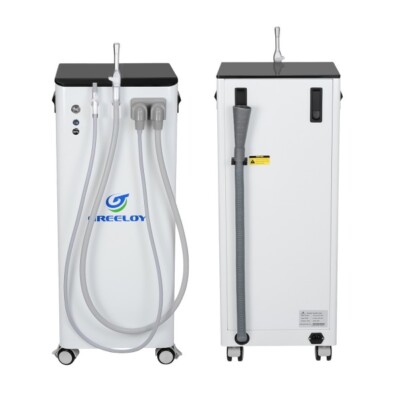
Professional Dental Equipment Guide 2026
Frequently Asked Questions: Dental Suction Equipment Procurement
Target Audience: Dental Clinics & Equipment Distributors | Year: 2026
| Question | Answer |
|---|---|
| 1. What voltage requirements should I verify when purchasing dental suction units for international or multi-location clinics in 2026? | All dental suction systems must be compatible with local electrical standards. In North America, 115V/60Hz is standard; in Europe and most of Asia, 230V/50Hz is required. By 2026, leading manufacturers offer dual-voltage models or region-specific variants. Always confirm input voltage range, phase (single vs. three-phase), and grounding specifications. For global distributors, request units with modular power supplies or factory-configurable voltage options to streamline inventory and reduce installation errors. |
| 2. How accessible are spare parts for dental suction pumps and vacuum motors, and what should distributors stock? | Reliable OEMs now provide 10+ year spare parts availability guarantees. Key components to stock include vacuum motor brushes, diaphragm kits, solenoid valves, filters, and check valves. In 2026, leading brands offer serialized part tracking and predictive maintenance alerts via IoT-enabled systems. Distributors should maintain a strategic inventory of high-wear items and verify parts compatibility across product generations. Consider partnering with suppliers who provide cloud-based parts catalogs and expedited logistics for critical replacements. |
| 3. What are the critical steps in professional installation of central dental suction systems in 2026? | Installation must follow ISO 16046 and local plumbing/electrical codes. Key steps include: site assessment for vacuum load calculations, proper piping layout (minimum 3° slope, non-PVC materials where required), dedicated circuit wiring, condensate management setup, and HEPA filtration integration. In 2026, many clinics opt for smart suction units with plug-and-play digital interfaces. Certified technicians must perform calibration, leak testing, and integration with practice management software. Remote commissioning support is now standard with Tier-1 suppliers. |
| 4. What warranty terms should clinics and distributors expect on dental suction equipment in 2026? | Standard warranties now range from 3 to 5 years on vacuum pumps and control boards, with 1 year on consumables. Extended warranties up to 7 years are available, especially for clinics in high-utilization settings. Warranties typically cover parts and labor but exclude damage from improper installation, lack of maintenance, or power surges. Distributors should confirm transferability for resale and verify whether warranty activation requires online registration or service contracts. IoT-enabled units may offer usage-based warranty validation. |
| 5. Are there new regulatory or service requirements for suction equipment maintenance impacting warranty validity in 2026? | Yes. As of 2026, updated CDC and EU MDR guidelines require documented semi-annual servicing by certified technicians to maintain warranty coverage. This includes filter replacement, trap disinfection, vacuum performance testing, and software updates. Many manufacturers now embed service logs in the unit’s firmware, which are auditable during warranty claims. Clinics and distributors must ensure service compliance through OEM-authorized networks or certified third-party providers using genuine parts. |
Need a Quote for Dental Suction Equipment?
Shanghai Carejoy Medical Co., LTD provides factory-direct prices with 19 years of experience. (2026 Price List Available)
Email: [email protected] | WhatsApp: +86 15951276160