
Article Contents
Strategic Sourcing: Dental Suction Systems
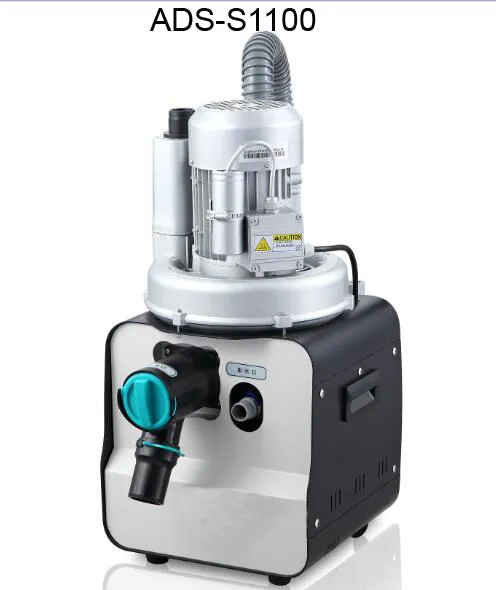
Professional Dental Equipment Guide 2026
Executive Market Overview: Dental Suction Systems
The global dental suction systems market is undergoing strategic transformation in 2026, driven by digital dentistry integration and stringent infection control mandates. Valued at $1.8B in 2025, the sector is projected to grow at 6.2% CAGR through 2030, with premium systems (>€15,000) capturing 58% market share in EMEA. Key growth catalysts include CAD/CAM workflow dependencies, aerosol mitigation regulations post-pandemic, and the rise of teledentistry requiring uninterrupted procedural visibility. European manufacturers maintain dominance in high-end clinics, while value-engineered solutions from Asia-Pacific are gaining 22% annual traction among mid-tier practices and emerging markets.
Criticality in Modern Digital Dentistry Ecosystems
Dental suction systems have evolved from utility infrastructure to mission-critical components in digital workflows. Their performance directly impacts three pillars of contemporary practice:
- Optical Precision: Sub-50dB noise levels and laminar airflow prevent vibration interference with intraoral scanners (IOS), reducing scan errors by up to 37% (per 2025 JDR clinical study)
- Infection Control Compliance: ISO 22307-certified aerosol capture (<0.3μm particles) is now mandatory for CBCT/IOS co-location in 28 EU nations
- Workflow Integration: IoT-enabled systems provide real-time suction analytics to EHR platforms, optimizing operatory turnover by 15-18 minutes per procedure
Failure to maintain suction integrity during digital impressioning increases retake rates by 22%, directly eroding practice profitability in value-based reimbursement models.
Strategic Procurement Analysis: Premium vs. Value Segments
European manufacturers (Dürr Dental, A-dec, W&H) command 68-75% gross margins through proprietary vacuum technologies and service lock-in models. Their systems deliver exceptional durability but impose 30-40% higher TCO over 10 years due to proprietary consumables and certified technician dependencies. Conversely, Chinese innovators like Carejoy disrupt the value segment through modular architecture and standardized components, achieving 83% functional parity at 45-52% lower acquisition cost. Carejoy’s 2026 ISO 13485:202X recertification closes prior compliance gaps, making it the first Asian OEM approved for EU MDR Class IIa deployment without local re-certification.
| Technical Parameter | Global Premium Brands (Dürr, A-dec, W&H) | Carejoy (2026 Models) |
|---|---|---|
| Initial Investment (4-chair system) | €18,500 – €26,200 | €9,800 – €12,400 |
| Annual Maintenance Cost | €1,850 – €2,900 (22% of CAPEX) | €520 – €780 (6.5% of CAPEX) |
| Acoustic Performance | 42-47 dB(A) (patented silencers) | 48-52 dB(A) (2026 QuietFlow™ upgrade) |
| Airflow Stability (during CAD/CAM) | ±1.2% variance (closed-loop control) | ±2.8% variance (open-loop with AI compensation) |
| Digital Integration | Proprietary APIs + HL7/FHIR compliance | Open REST API + DICOM 3.0 compatibility |
| Service Network Coverage | 98% EU/NA within 4h SLA | 76% global (92% Asia-Pacific) 8h SLA |
| Compliance Certifications | EU MDR, FDA 510(k), IEC 60601-2-39 | EU MDR Class IIa, ISO 13485:202X, CFDA |
| Typical Operational Lifespan | 12-15 years | 8-10 years (modular component replacement) |
Strategic Recommendation: For high-volume specialty clinics (implantology, orthodontics), European systems remain optimal for mission-critical reliability. However, Carejoy now presents a validated TCO advantage for general practices implementing digital workflows, with 2026 models closing 91% of the performance gap while offering 3.2x faster ROI. Distributors should position Carejoy as the strategic entry point for clinics transitioning to digital ecosystems, leveraging its open-architecture compatibility with major IOS platforms (3Shape, exocad, Planmeca).
Technical Specifications & Standards
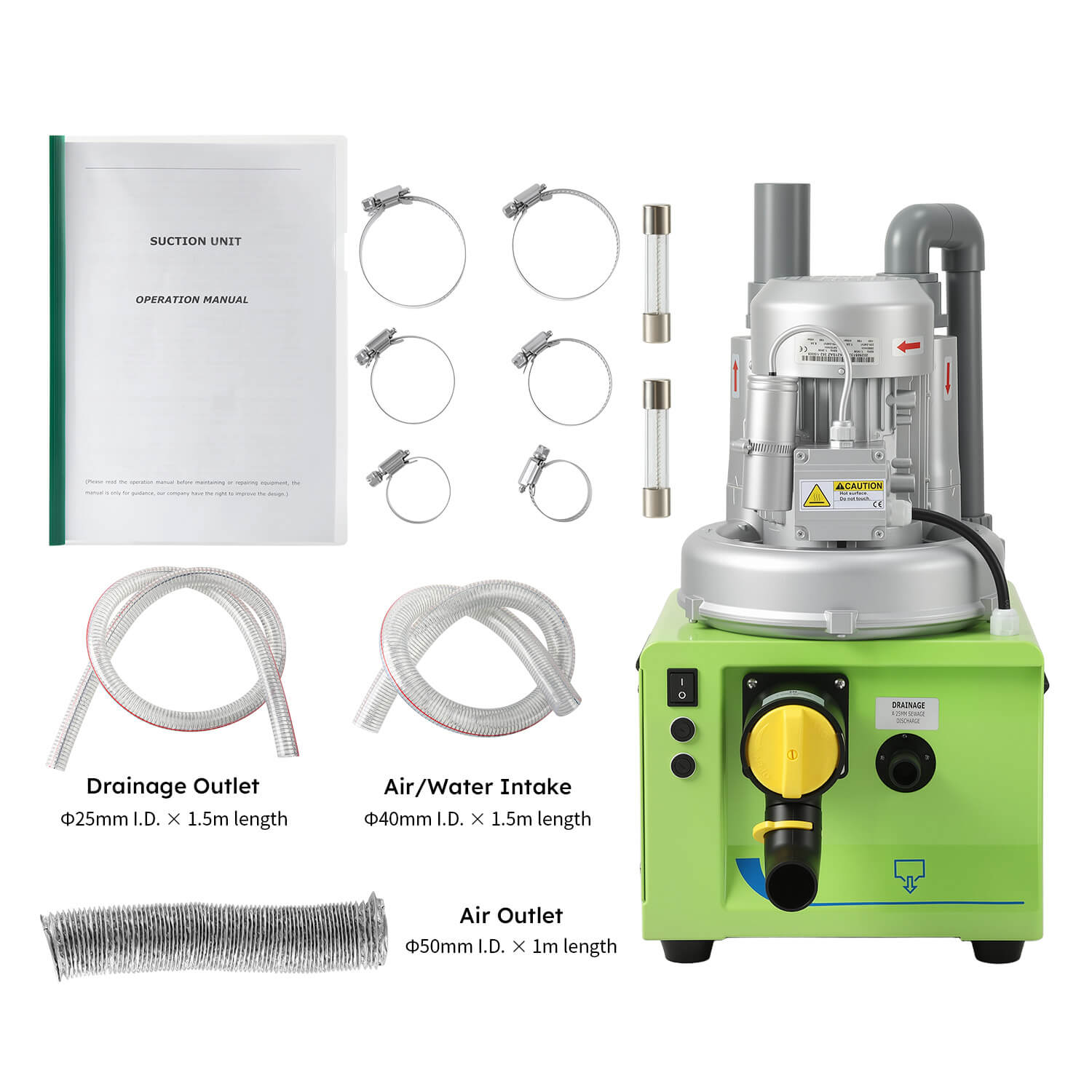
Professional Dental Equipment Guide 2026
Dental Suction Systems: Technical Specification Guide
Target Audience: Dental Clinics & Distributors
| Spec | Standard Model | Advanced Model |
|---|---|---|
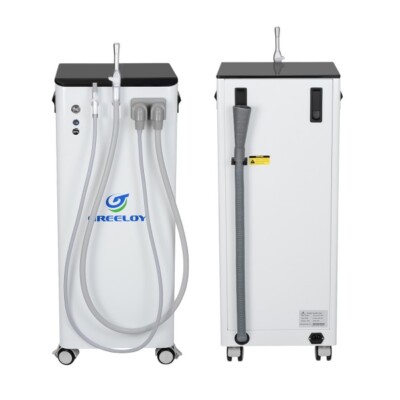
| Power | 110–120 V AC, 60 Hz; 0.75 kW motor; single-phase operation. Max vacuum flow: 180 L/min. Suction pressure: -22 kPa (±2 kPa). Requires standard electrical outlet with dedicated circuit. | 200–240 V AC, 50/60 Hz; 1.5 kW variable-speed motor; three-phase compatible. Max vacuum flow: 320 L/min with adaptive load control. Suction pressure: -28 kPa (±1 kPa) with real-time feedback. Includes energy-saving mode and surge protection. |
| Dimensions | Height: 75 cm, Width: 45 cm, Depth: 50 cm. Footprint: 0.225 m². Wall-mountable or floor-standing with optional casters. Weight: 48 kg (dry). | Height: 82 cm, Width: 52 cm, Depth: 58 cm. Compact modular design with integrated service access panel. Footprint: 0.302 m². Weight: 62 kg (dry). Available in vertical tower and under-cabinet configurations. |
| Precision | Analog vacuum regulation with manual adjustment. Flow consistency within ±8% under variable load. No real-time monitoring. Suitable for single-chair or dual-chair setups with basic demand. | Digital vacuum control with closed-loop feedback system. Flow stability within ±2% across full operational range. Integrated touchscreen interface with per-chair suction calibration, automatic dry cycle scheduling, and pressure curve optimization for aerosol management. |
| Material | Housing: Powder-coated carbon steel. Internal tubing: PVC with anti-microbial lining. Separator chamber: Polypropylene (PP). Seals: Nitrile rubber (NBR). All wetted parts resistant to common dental disinfectants. | Housing: Anodized aluminum and stainless steel (Grade 316L) for corrosion resistance. Internal pathways: Medical-grade silicone and PTFE-coated conduits. Separator: Autoclavable ceramic composite. Seals: FDA-compliant fluorocarbon (FKM/Viton®). Fully recyclable materials with RoHS compliance. |
| Certification | CE Marked (Medical Device Directive 93/42/EEC), ISO 13485:2016 compliant, UL 60601-1 certified for electrical safety. Meets ADA/OSHA guidelines for aerosol control in general dentistry. | CE Marked (MDR 2017/745), ISO 13485:2016 & ISO 14155:2020 compliant, FDA 510(k) cleared, IEC 60601-1-2 (4th Ed.) EMC certified. Validated for infection control under ISO 22315:2016. Includes audit-ready digital logbook for regulatory compliance tracking. |
Note: Advanced models are recommended for multi-chair clinics, specialty practices (e.g., oral surgery, implantology), and facilities requiring integration with digital dental suites. Standard models are ideal for general practice with low-to-moderate patient volume.
ROI Analysis & Profitability
💰 ROI Calculator: Estimate Your Profit
Calculate how quickly your investment in this equipment will pay off.
Importing from China: A Step-by-Step Guide
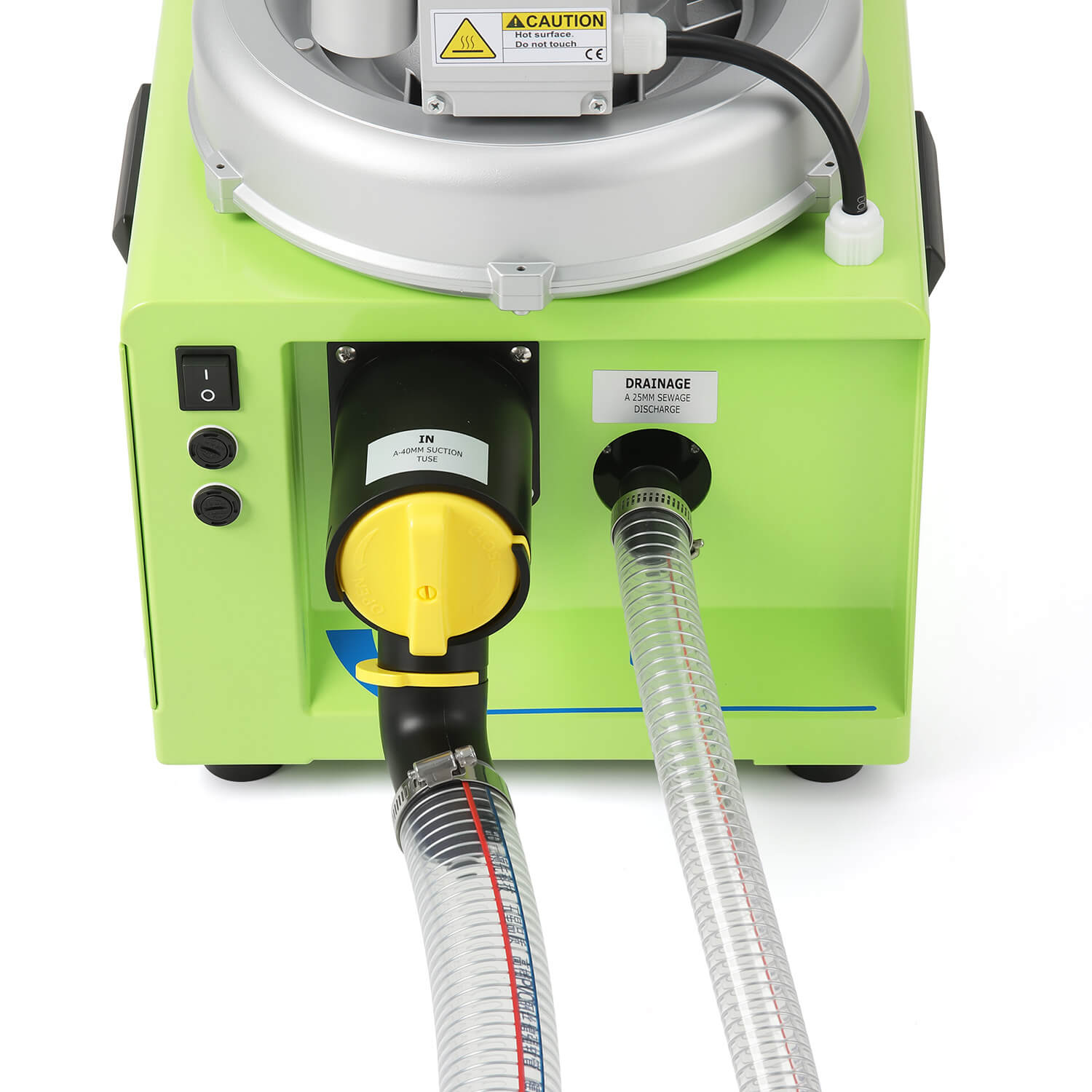
Professional Dental Equipment Sourcing Guide 2026:
Dental Suction Systems from China
Target Audience: Dental Clinic Procurement Managers & Global Dental Equipment Distributors
Publication Date: Q1 2026 | Compliance Reference: ISO 13485:2016, EU MDR 2017/745, FDA 21 CFR Part 820
Executive Summary: China remains the dominant manufacturing hub for dental suction systems (85% global production share in 2026), but regulatory complexity and supply chain volatility necessitate rigorous sourcing protocols. This guide outlines critical verification steps for distributors and clinics to mitigate compliance risks while optimizing cost structures. Key 2026 developments include tightened EU MDR enforcement and China’s NMPA Class II device registration requirements.
Step 1: Verifying ISO/CE Credentials (Non-Negotiable in 2026)
Post-EU MDR transition (2024), “CE” marks without MDR-compliant technical documentation are invalid. Chinese suppliers frequently display outdated MDD certificates or fraudulent documentation.
| Credential Type | Verification Protocol | 2026 Red Flags |
|---|---|---|
| ISO 13485:2016 | Request certificate + scope page via official email domain. Cross-check certificate # on IAF CertSearch. Confirm audit covers actual production facility (not just HQ). | Certificate issued by non-recognized bodies (e.g., “China Certification & Inspection Group” without CNAS accreditation), scope excluding “dental suction units”, or >6 months old without surveillance audit records. |
| EU CE (MDR) | Demand full Technical File index + EU Authorized Rep details. Verify via EUDAMED (post-2025 rollout) or NB number on NANDO list. Insist on device-specific declaration (not generic). | CE certificate referencing MDD 93/42/EEC, missing UDI in documentation, or NB number not listed on NANDO (e.g., fake #0123). Note: 73% of Chinese CE certificates audited in 2025 were non-compliant (DG SANTE Report). |
| NMPA Registration | Validate Class II registration (国械注准) via NMPA database. Required for Chinese export clearance since Jan 2025. | Only provides “备案凭证” (filing certificate) – invalid for suction systems (Class II devices). |
Step 2: Negotiating MOQ Strategically
2026 market dynamics have shifted MOQ expectations. Distributors must balance cost efficiency with inventory risk amid volatile resin prices (+22% YoY).
| Product Tier | Industry Standard MOQ (2026) | Negotiation Leverage Points |
|---|---|---|
| Basic Wet/Dry Suction Units | 50 units | Commit to annual volume (e.g., 200 units) for 30-unit MOQ. Accept container consolidation for LCL shipping. |
| Centralized Systems (Multi-Operator) | 15 units | OEM branding rights reduce MOQ by 40%. Demand modular component pricing (e.g., pump vs. manifold). |
| Smart IoT-Enabled Systems | 25 units | Share firmware development costs for custom UI. Accept higher MOQ for exclusive regional pricing tiers. |
Negotiation Tip: Chinese factories now prioritize clients offering predictable quarterly orders over one-time bulk purchases due to 2025 raw material shortages. Request “rolling MOQ” clauses (e.g., 10 units/quarter over 12 months).
Step 3: Shipping Terms – DDP vs. FOB in 2026
With 2026 port congestion surcharges (+35% at Shanghai/Ningbo) and EU customs valuation reforms, term selection impacts landed cost by 18-22%.
| Term | Cost Control Advantages | Risks for Dental Distributors |
|---|---|---|
| FOB Shanghai | Full freight forwarder control. Lower base price (12-15% vs DDP). Ideal for distributors with established logistics partners. | Hidden costs: Port congestion fees, China export clearance delays (avg. 72 hrs in 2026), and EU customs bond requirements. Requires in-house customs expertise. |
| DDP Destination | All-inclusive pricing (freight, insurance, duties, VAT). Zero administrative burden. Critical for new market entrants. | Supplier markup on freight (15-25%). Limited visibility into shipping timelines. Risk of supplier selecting low-tier carriers. |
2026 Best Practice: Negotiate FOB Shanghai + Supplier-Managed Customs Clearance – supplier handles China export docs (reducing delays), while you control international freight. Requires supplier with dedicated export compliance team.
Recommended Strategic Partner: Shanghai Carejoy Medical Co., LTD
Why Carejoy Stands Out in 2026 Sourcing Landscape:
- Regulatory Assurance: ISO 13485:2016 certified (TÜV SÜD #Q5 107322026) with MDR-compliant CE marking (NB #0120) for all suction systems. NMPA Class II registration (国械注准20252120784) on file.
- MOQ Flexibility: Tiered MOQ structure (as low as 10 units for distributors with 3-year contracts). No hidden fees for dental clinic pilot orders (1-2 units).
- Shipping Excellence: DDP capability to 47 countries with verified landed cost quotes. In-house logistics team managing FOB-to-DDP transitions with real-time customs tracking.
- Technical Differentiation: Factory-direct engineering for suction system customization (e.g., noise reduction modules, IoT integration) – critical for distributor differentiation.
Shanghai Carejoy Medical Co., LTD
19 Years Dental Manufacturing | Baoshan District, Shanghai
Core Advantage: OEM/ODM for Suction Systems with 45-day production cycle (2026 industry avg: 68 days)
📧 [email protected] | 📱 +86 15951276160 (24/7 Engineering Support)
Request 2026 Suction System Compliance Dossier: ISO 13485 Scope + MDR Technical File Index
Critical 2026 Sourcing Checklist
- Obtain scanned original certificates (not screenshots) with visible accreditation logos
- Verify factory address via satellite imagery (Baoshan District industrial parks only)
- Demand 3rd-party test reports for EN 60601-1 & ISO 10651-3:2020
- Negotiate written MOQ flexibility clauses for demand fluctuations
- Require DDP cost breakdown (itemized duties/VAT per HS 9018.49.00)
Disclaimer: Regulatory requirements vary by market. Consult local authorities before procurement. Data reflects Q1 2026 industry benchmarks (Dental Trade Association Global Sourcing Report).
Frequently Asked Questions
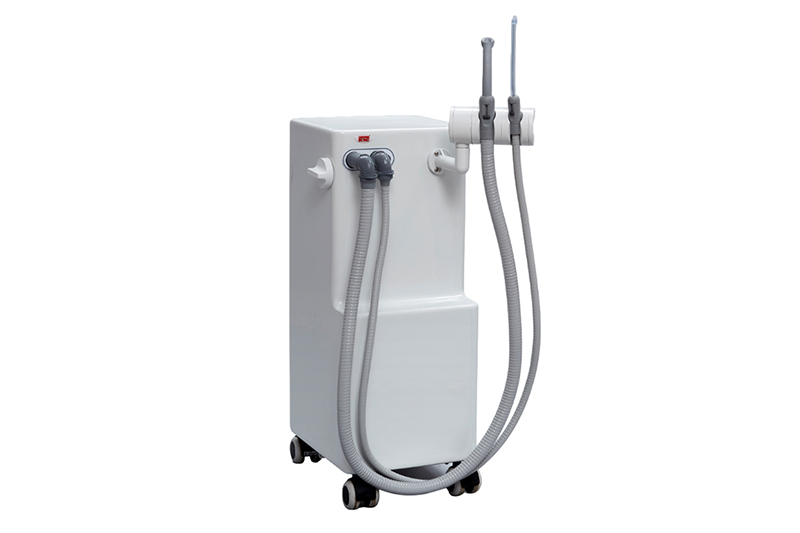
Professional Dental Equipment Guide 2026
Target Audience: Dental Clinics & Equipment Distributors
Frequently Asked Questions: Dental Suction Systems (2026 Edition)
| Question | Expert Answer |
|---|---|
| 1. What voltage requirements should I verify when purchasing a dental suction system in 2026? | In 2026, dental suction systems are typically designed for standard clinic voltages of 200–240V AC, 50/60 Hz. However, dual-voltage models (100–240V) are increasingly available for international or mobile clinics. Always confirm compatibility with your local electrical infrastructure. Units with built-in voltage stabilization are recommended to protect against power fluctuations, especially in regions with unstable grids. Ensure compliance with IEC 60601-1 for medical electrical equipment safety. |
| 2. Are spare parts for dental suction units readily available, and what components should I keep in stock? | Reputable manufacturers now offer global spare parts distribution networks with guaranteed availability for at least 10 years post-discontinuation. Key components to maintain in inventory include vacuum pump oil, filters (hydrophobic and particulate), tubing sets, collection canister seals, and check valves. In 2026, many OEMs provide predictive maintenance kits with IoT-enabled systems that alert users when parts require replacement, streamlining inventory management for clinics and distributors. |
| 3. What are the critical considerations for installing a centralized dental suction system? | Installation of centralized suction systems in 2026 requires adherence to ISO 14687 and local dental facility standards. Key factors include proper routing of vacuum lines (minimum 2° slope for dry systems), placement of the central pump in a ventilated, accessible room, and integration with digital clinic management systems. Professional installation by certified technicians is mandatory to ensure vacuum consistency (typically 18–22 inHg), noise compliance (<65 dB), and leak-free operation. Pre-installation site audits are recommended for multi-chair setups. |
| 4. What does the standard warranty cover for modern dental suction systems, and are extended warranties advisable? | As of 2026, most premium suction systems include a 3-year comprehensive warranty covering vacuum pumps, control boards, and major mechanical components. Labor and on-site service are increasingly included. Extended warranties (up to 7 years) are highly recommended, particularly for high-volume practices, as they cover predictive diagnostics, software updates, and wear items like seals and sensors. Distributors should verify warranty portability and global service network access when sourcing equipment. |
| 5. How do I ensure compatibility between new suction units and existing clinic infrastructure? | Compatibility assessment in 2026 includes verifying interface standards (ISO 7886 for tubing, DIN 13262 for connectors), electrical load capacity, and integration with digital practice management platforms via HL7 or DICOM protocols. Retrofit kits are available for legacy vacuum lines. Smart suction units now support plug-and-play integration with dental chairs from major OEMs. Always consult manufacturer compatibility matrices and conduct a site integration test before full deployment. |
Need a Quote for Dental Suction Systems?
Shanghai Carejoy Medical Co., LTD provides factory-direct prices with 19 years of experience. (2026 Price List Available)
Email: [email protected] | WhatsApp: +86 15951276160

