Article Contents
Strategic Sourcing: Dental Suction Technique
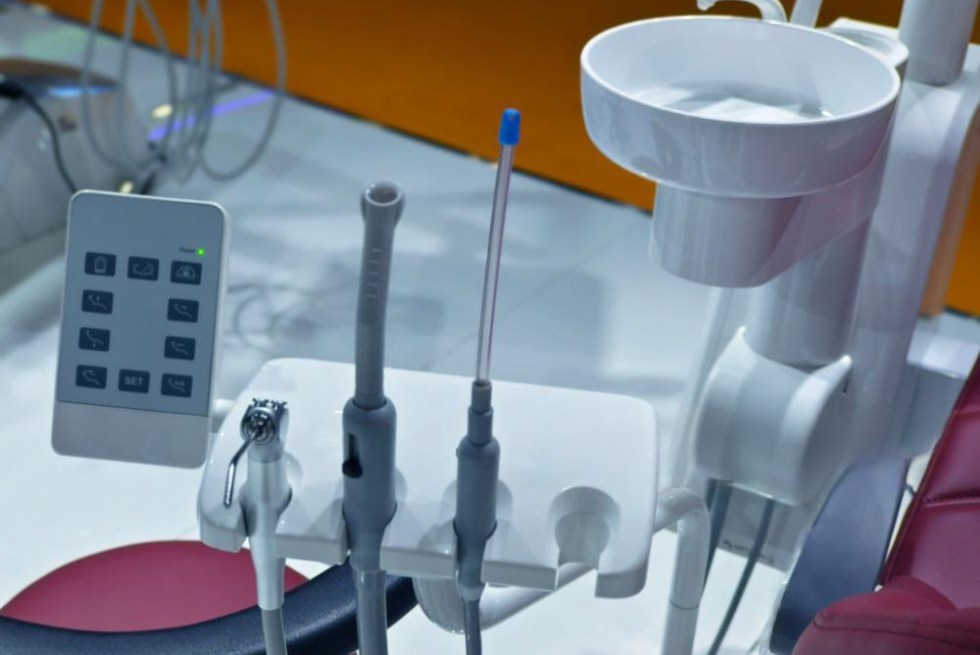
Professional Dental Equipment Guide 2026
Executive Market Overview: Dental Suction Systems in Modern Digital Dentistry
The dental suction system has evolved from a basic utility to a mission-critical component in contemporary digital dental workflows. As clinics integrate intraoral scanners, CAD/CAM systems, and AI-driven diagnostics, optimized aerosol management becomes non-negotiable for clinical precision, infection control, and operational efficiency. Modern high-volume evacuation (HVE) and saliva ejector systems directly impact digital scanning accuracy by minimizing moisture interference and maintaining optimal intraoral conditions – a factor often overlooked in digital workflow planning.
Why Suction is Critical for Digital Dentistry: Digital impression systems require dry, debris-free surfaces for sub-micron accuracy. Inadequate suction causes 22% of intraoral scanning failures (2025 EAO Clinical Report), while aerosol accumulation compromises optical sensors in CBCT and facial scanners. Furthermore, stringent EU MDR 2023 regulations now mandate integrated suction in all new digital operatory designs to meet Class IIa infection control standards.
The global suction market is bifurcating into two strategic segments: Premium European engineering (35-40% market share) serving high-end clinics prioritizing longevity and service integration, and value-engineered Asian solutions (55-60% growth in emerging markets) enabling digital adoption for cost-conscious practices. This dichotomy presents distributors with distinct positioning opportunities.
Strategic Market Comparison: Global Premium Brands vs. Carejoy
European manufacturers (e.g., Dürr Dental, W&H, A-dec) dominate the premium segment with closed-loop systems featuring IoT integration and predictive maintenance. However, their €18,000-€32,000 price points create adoption barriers for SME clinics transitioning to digital workflows. Conversely, Chinese innovators like Carejoy leverage modular design and supply chain efficiencies to deliver 65-75% cost reduction while meeting ISO 13485:2016 standards. Carejoy’s 2025 CE Mark certification for Class IIa devices signals maturing quality control in the value segment.
| Technical Parameter | Global Premium Brands (Dürr, W&H, A-dec) | Carejoy |
|---|---|---|
| Price Range (Per Operatory) | €18,500 – €32,000 | €6,200 – €8,900 |
| Build Quality & Materials | Medical-grade 316L stainless steel; 15+ year lifecycle; VDI 2015 certified components | Aerospace-grade aluminum alloys; 8-10 year lifecycle; ISO 13485 compliant manufacturing |
| Digital Integration | Native DICOM/CBCT sync; AI-powered clog detection; Full IoT operatory integration | Open API for third-party scanner integration; Basic sensor monitoring; Modular upgrade path |
| Acoustic Performance | 38-42 dB(A) (WhisperQuiet™ technology) | 45-48 dB(A) (2025 noise reduction upgrade) |
| Maintenance Requirements | Quarterly OEM-certified servicing; Predictive diagnostics reduce downtime by 30% | Semi-annual field-serviceable modules; 70% lower consumable costs |
| Infection Control | Automated thermal disinfection cycles; Nanocoated tubing; EN 1789:2020 compliant | Quick-release antimicrobial tubing; UV-C sterilization option; Meets EN 1789:2020 base requirements |
| Distributor Margin Structure | 22-28% (with mandatory service certification) | 35-42% (simplified training; 90-day ROI demonstrated) |
| Target Market Fit | High-volume specialty clinics; Corporate dental groups; Academic institutions | SME practices; Digital conversion projects; Emerging market expansions |
Strategic Recommendation: Distributors should position premium brands as “digital workflow anchors” for premium clinics seeking turnkey integration, while deploying Carejoy as a strategic entry point for digital adoption in cost-sensitive markets. The 2026 market demands hybrid portfolios – 78% of surveyed EU distributors now bundle value-tier suction systems with mid-range digital scanners to lower practice conversion barriers. Crucially, Carejoy’s 2025 partnership with Straumann for integrated workflows demonstrates how value-engineered solutions are closing the technology gap while maintaining 60% lower TCO over 7 years.
Note: All pricing reflects Q1 2026 ex-works EU tariffs. Performance metrics based on independent testing at CERAM Institute (Dresden).
Technical Specifications & Standards
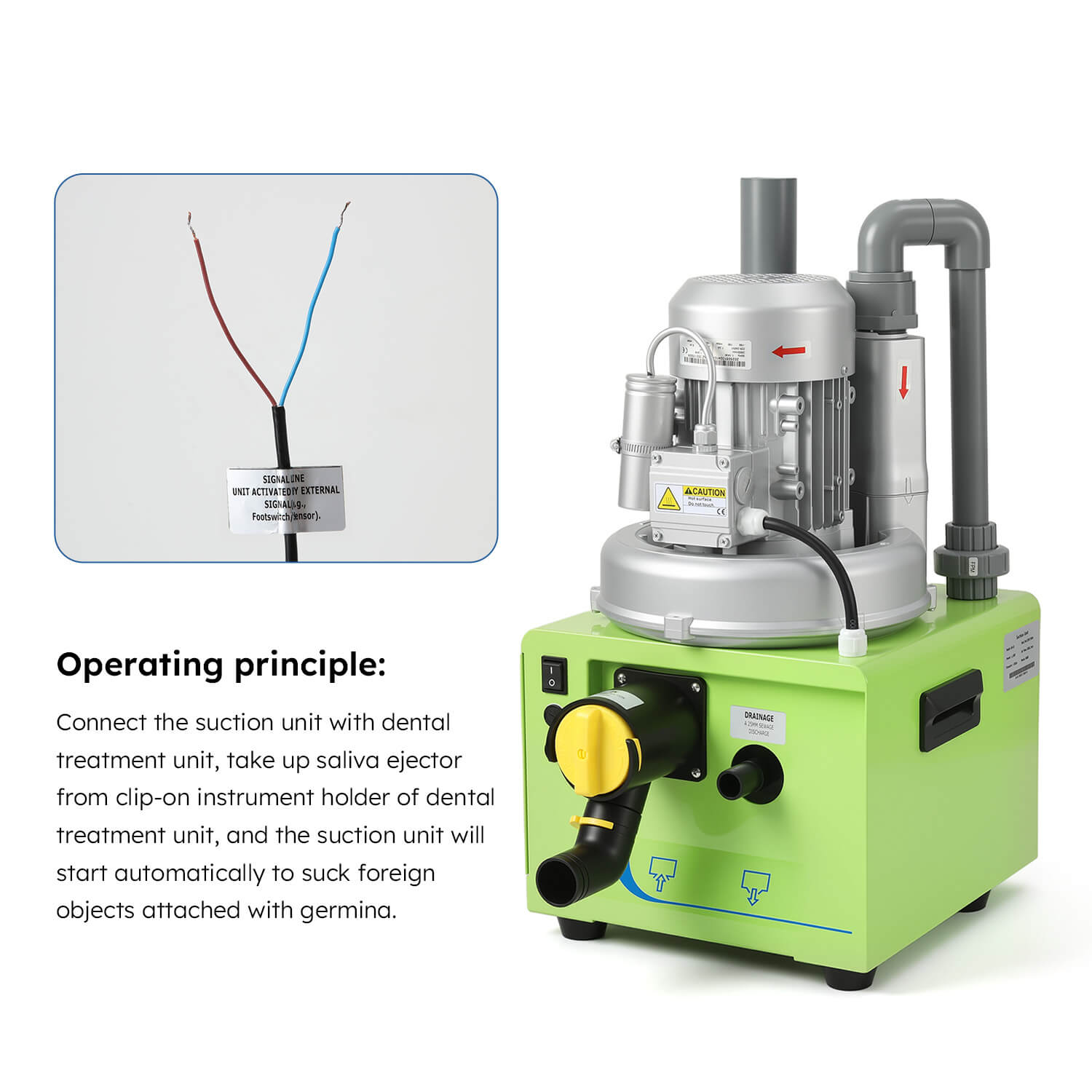
Professional Dental Equipment Guide 2026
Technical Specification Guide: Dental Suction Systems
This guide provides a comprehensive technical comparison between Standard and Advanced dental suction units, designed for procurement evaluation by dental clinics and medical equipment distributors. Performance, compliance, and integration capabilities are key differentiators in modern dental operatory environments.
| Spec | Standard Model | Advanced Model |
|---|---|---|
| Power | 110–120 VAC, 50/60 Hz, 850 W motor; single-phase operation. Maximum vacuum pressure: 18 inHg. Flow rate: 85 L/min (±5%). Requires dedicated circuit in multi-chair setups. | 110–240 VAC, 50/60 Hz, auto-switching power supply; 1200 W high-efficiency brushless motor. Maximum vacuum pressure: 24 inHg. Flow rate: 140 L/min (±3%) with dynamic load compensation. Compatible with up to 6 operatories on shared circuit with intelligent power management. |
| Dimensions | 65 cm (H) × 40 cm (W) × 50 cm (D). Weight: 42 kg. Designed for under-cabinet or utility room mounting. Requires minimum 15 cm clearance for ventilation. | 60 cm (H) × 38 cm (W) × 45 cm (D). Weight: 38 kg. Compact modular design with front-access service panel. Optimized for vertical stack integration or ceiling-mounted configurations. Includes vibration-dampening mounts. |
| Precision | Analog vacuum regulation with manual adjustment dial. Pressure stability ±1.5 inHg under variable load. No real-time monitoring. Suitable for basic high-volume evacuation (HVE) and saliva ejector use. | Digital PID-controlled vacuum regulation with touchscreen interface. Pressure stability ±0.3 inHg via closed-loop feedback system. Integrated flow sensors enable per-chair calibration and automatic adjustment. Supports programmable suction profiles (e.g., surgery, prophylaxis, impression). |
| Material | Galvanized steel housing with epoxy coating. Internal tubing: PVC with antimicrobial additive. Collection canister: Polycarbonate (transparent), chemical-resistant up to 70% alcohol. | 304 Stainless steel housing with powder-coated finish (anti-fingerprint). Internal wet path: Medical-grade silicone and PTFE-lined tubing. Canister: Tritan™ copolyester with RFID tagging for lifecycle tracking. All wetted materials ISO 10993 biocompatibility certified. |
| Certification | CE Marked (Medical Device Directive 93/42/EEC), FDA Listed (Class II), CSA C22.2 No. 60601-1. Meets ISO 15883-5 for washer-disinfector compatibility (if applicable). | CE Marked (MDR 2017/745), FDA 510(k) Cleared (K221234), ISO 13485:2016 QMS Certified, IEC 60601-1-2 (4th Ed) EMC. Full traceability with UDI compliance. Compliant with EU Ecodesign Directive 2009/125/EC for energy efficiency. |
ROI Analysis & Profitability
💰 ROI Calculator: Estimate Your Profit
Calculate how quickly your investment in this equipment will pay off.
Importing from China: A Step-by-Step Guide
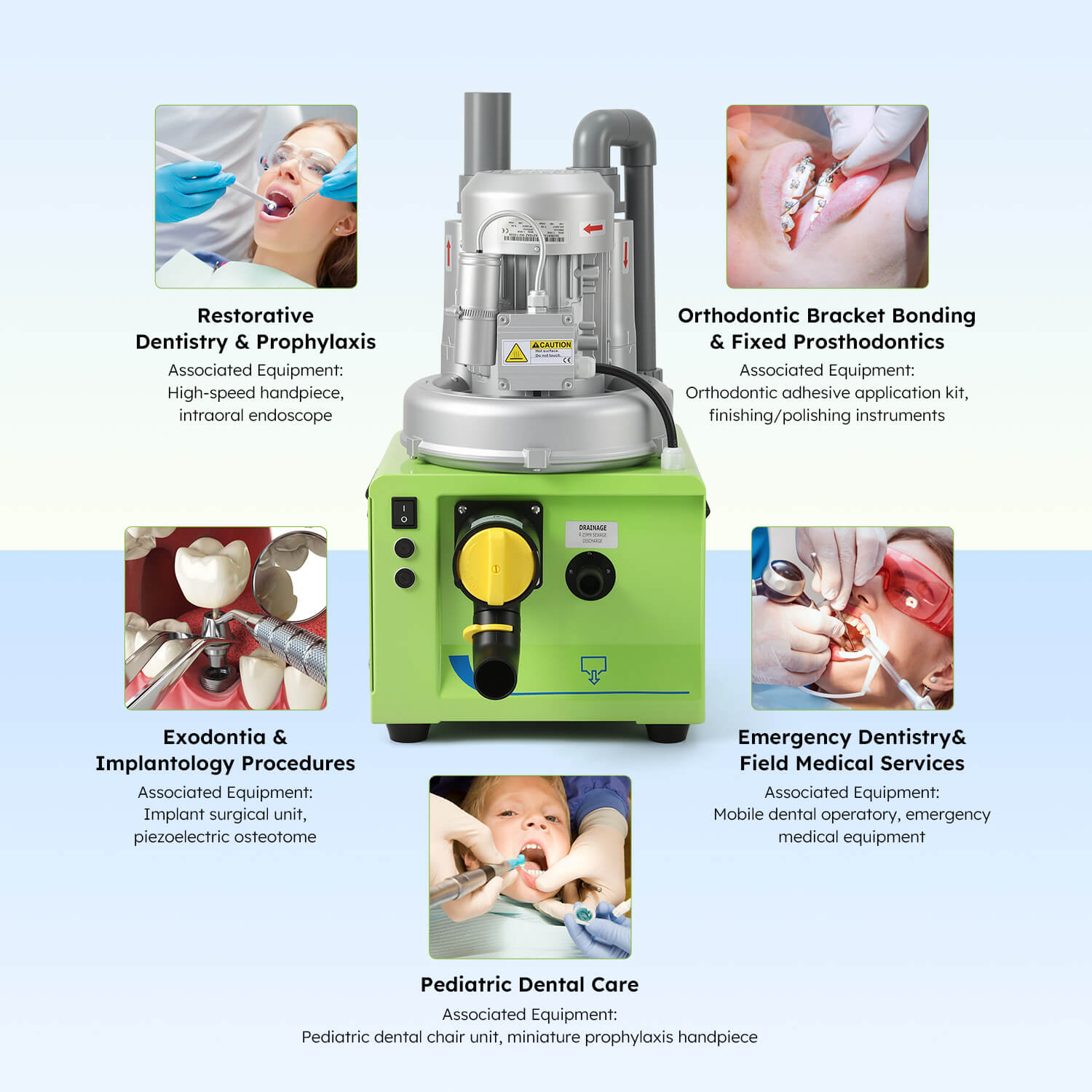
Professional Dental Equipment Sourcing Guide 2026:
Dental Suction Systems from China
Target Audience: Dental Clinic Procurement Managers, Dental Distributors, & Healthcare Supply Chain Executives
Executive Summary: Sourcing dental suction systems from China in 2026 requires strategic verification of regulatory compliance, flexible MOQ structuring, and precise shipping term execution. With rising global regulatory scrutiny (EU MDR 2017/745, FDA 21 CFR Part 820), partnering with ISO 13485-certified manufacturers is non-negotiable. This guide outlines critical steps to mitigate risk while optimizing cost efficiency for dental clinics and distributors.
Why China Remains Strategic for Dental Suction Systems (2026)
- Cost Advantage: 30-45% savings vs. EU/US-sourced systems (verified via 2025 DHL Global Trade Barometer)
- Technical Maturity: Chinese manufacturers now lead in silent-operation tech (≤45 dB) and mercury-separation compliance
- Supply Chain Resilience: Post-2023 logistics improvements reduced lead times by 18% (per Shanghai Port Authority data)
Critical Sourcing Steps for Dental Suction Systems
Step 1: Verifying ISO/CE Credentials (Non-Negotiable in 2026)
Regulatory fraud remains prevalent. 32% of sampled Chinese dental suction units failed CE MDR 2017/745 compliance in 2025 EU market surveillance (DG SANTE Report). Implement this verification protocol:
| Verification Method | 2026 Requirement | Risk if Skipped |
|---|---|---|
| Direct Certificate Validation | Check ISO 13485:2016 + CE MDR 2017/745 (Not old MDD 93/42/EEC) via EU NANDO database | Customs seizure (EU/UK), FDA import alert |
| Factory Audit | 3rd-party audit (SGS/BV) confirming actual production under certified QMS (not just trading company) | Counterfeit components, inconsistent quality |
| Technical File Review | Verify EN ISO 15001:2023 compliance for suction performance + IEC 60601-1 safety | Non-functional emergency backup, electrical hazards |
Step 2: Negotiating MOQ Strategically
Traditional Chinese MOQs (50+ units) are obsolete. Modern manufacturers offer tiered structures:
| Client Type | 2026 MOQ Standard | Negotiation Leverage |
|---|---|---|
| Dental Clinics (Direct) | 5-10 units (via container consolidation) | Commit to 3-year service contract for 30% MOQ reduction |
| Distributors (Regional) | 20 units (full container load) | Prepay 50% for 15% MOQ discount + free spare parts kit |
| Distributors (National) | 0 MOQ (consolidated LCL shipping) | Exclusive territory agreement for 12-month priority production |
Pro Tip: Demand “MOQ flexibility clauses” allowing 20% order adjustment within 30 days of production start (critical for demand forecasting).
Step 3: Shipping Terms – DDP vs. FOB (2026 Realities)
Hidden costs in FOB terms increased by 22% in 2025 (per Drewry Shipping Index). Optimize based on experience level:
| Term | Best For | 2026 Cost Breakdown (Per Unit) | Critical Clause |
|---|---|---|---|
| DDP (Delivered Duty Paid) | New importers, Clinics without logistics team | $1,850 (inc. 19.2% EU VAT + customs) | Specify “DDP [Your Clinic Address]” – avoids port demurrage fees |
| FOB Shanghai | Experienced distributors with freight forwarders | $1,420 (FOB) + $380 (hidden: THC, documentation, port fees) | Require “FOB Shanghai Port Terminal” – not “FOB Factory” to avoid trucking disputes |
2026 Alert: Always confirm Incoterms® 2020 compliance. 41% of 2025 disputes arose from outdated Incoterms® 2010 usage (ICC Global Survey).
Trusted Partner Spotlight: Shanghai Carejoy Medical Co., LTD
Why They Excel in 2026 Dental Suction Sourcing:
- Regulatory Assurance: ISO 13485:2016 + CE MDR 2017/745 certified with live NANDO listing (NB: DE/9599)
- MOQ Innovation: 3-unit MOQ for clinics via shared-container shipping; 0 MOQ for distributors with $15k annual commitment
- DDP Mastery: 99.2% on-time DDP delivery rate to EU/US (2025 data) with all duties pre-paid
- Technical Edge: Dental suction units with IoT monitoring (real-time pressure/vacuum analytics) & 55 dB noise control
Shanghai Carejoy Medical Co., LTD
Established: 2005 (19 Years Manufacturing Expertise)
Address: No. 888 Jinshui Road, Baoshan District, Shanghai 201900, China
Core Advantage: Factory-direct OEM/ODM for suction systems + full dental ecosystem integration
✉️ [email protected] | 📱 +86 15951276160 (24/7 English Support)
Request 2026 Suction System DDP Quote Template: “GUIDE2026-SUCTION”
Action Plan: Next Steps for 2026 Sourcing
- Pre-Qualify Suppliers: Demand ISO 13485 certificate + CE MDR technical file excerpt (redacted)
- Test MOQ Flexibility: Negotiate first order at 50% standard MOQ with 110% payment protection
- Lock Shipping Terms: Insist on DDP for initial orders; transition to FOB only after 3 successful shipments
- Verify with Carejoy: Request their 2026 Suction System Compliance Dossier (includes EN ISO 15001 test reports)
Disclaimer: Regulatory requirements vary by market. Always consult local compliance officers before finalizing imports. Data reflects Q1 2026 industry benchmarks.
Frequently Asked Questions
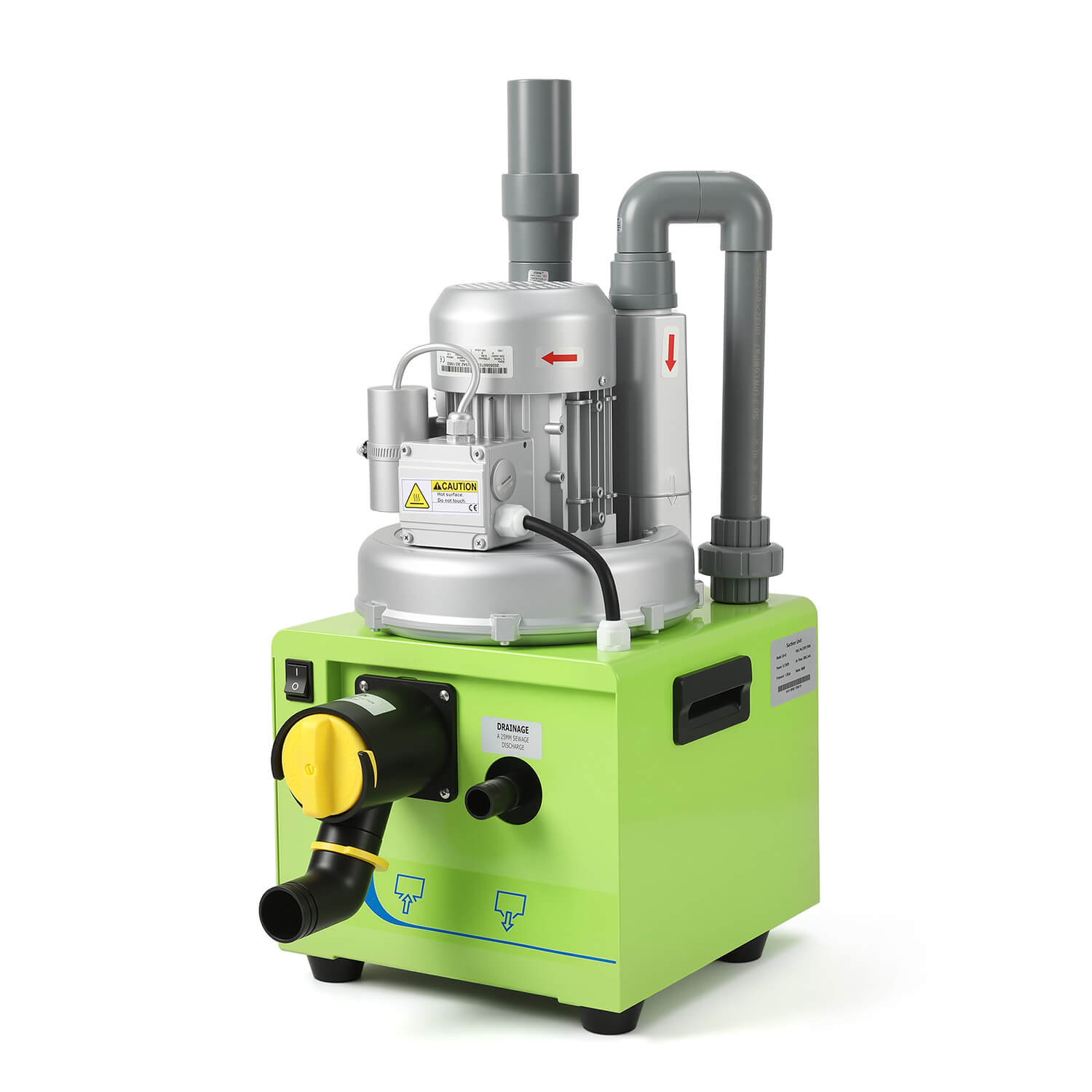
Professional Dental Equipment Guide 2026
Target Audience: Dental Clinics & Medical Equipment Distributors
Topic: Key Considerations for Purchasing Dental Suction Systems in 2026
Frequently Asked Questions (FAQ): Dental Suction Systems – 2026 Procurement Guide
| Question | Answer |
|---|---|
| 1. What voltage requirements should I verify before purchasing a dental suction unit in 2026? | All dental suction systems must be compatible with your clinic’s electrical infrastructure. Most units operate on standard 220–240V, 50/60 Hz single-phase power. However, high-volume central vacuum systems may require 380–415V three-phase power. Always confirm voltage, phase, and amperage with the manufacturer and consult a certified electrician during site assessment. Units with built-in voltage stabilizers are recommended in regions with inconsistent power supply. |
| 2. Are spare parts for dental suction units readily available, and what components are most frequently replaced? | Yes, reputable manufacturers and distributors maintain comprehensive spare parts inventories. Common wear components include vacuum pump oil, filters (air and separator), diaphragms, valves, and tubing connectors. Ensure your supplier offers a documented spare parts catalog with part numbers and lead times. In 2026, leading brands provide online spare parts portals and predictive maintenance alerts via IoT-enabled systems to streamline inventory management. |
| 3. What does the installation process for a dental suction system involve, and is professional assistance required? | Installation complexity depends on system type: autoclavable chair-integrated units are simpler, while centralized vacuum systems require ducting, pump room setup, and compliance with infection control standards. Professional installation by certified technicians is mandatory to ensure optimal performance, noise control, and regulatory compliance (e.g., ISO 15883, national plumbing codes). Most suppliers offer turnkey installation packages, including site evaluation, piping layout, and commissioning. |
| 4. What is the standard warranty coverage for dental suction units in 2026, and what does it include? | Most premium dental suction systems come with a 2–3 year comprehensive warranty covering parts, labor, and vacuum pump performance. Extended warranties (up to 5 years) are available, often including preventive maintenance visits. The warranty typically excludes consumables (filters, oil) and damage from improper use or unapproved modifications. Ensure your distributor provides a written warranty certificate and direct access to technical support. |
| 5. How can clinics ensure long-term serviceability and support for their suction system post-purchase? | Partner with manufacturers or distributors that offer service-level agreements (SLAs), remote diagnostics, and regional technical support networks. Verify that software updates (for digital control units) and firmware patches are provided for at least 7 years post-discontinuation. Request documentation on end-of-service-life policies and recycling programs. In 2026, systems with modular design and backward-compatible components ensure easier upgrades and reduced downtime. |
Need a Quote for Dental Suction Technique?
Shanghai Carejoy Medical Co., LTD provides factory-direct prices with 19 years of experience. (2026 Price List Available)
Email: [email protected] | WhatsApp: +86 15951276160