Article Contents
Strategic Sourcing: Dental Suction Tips
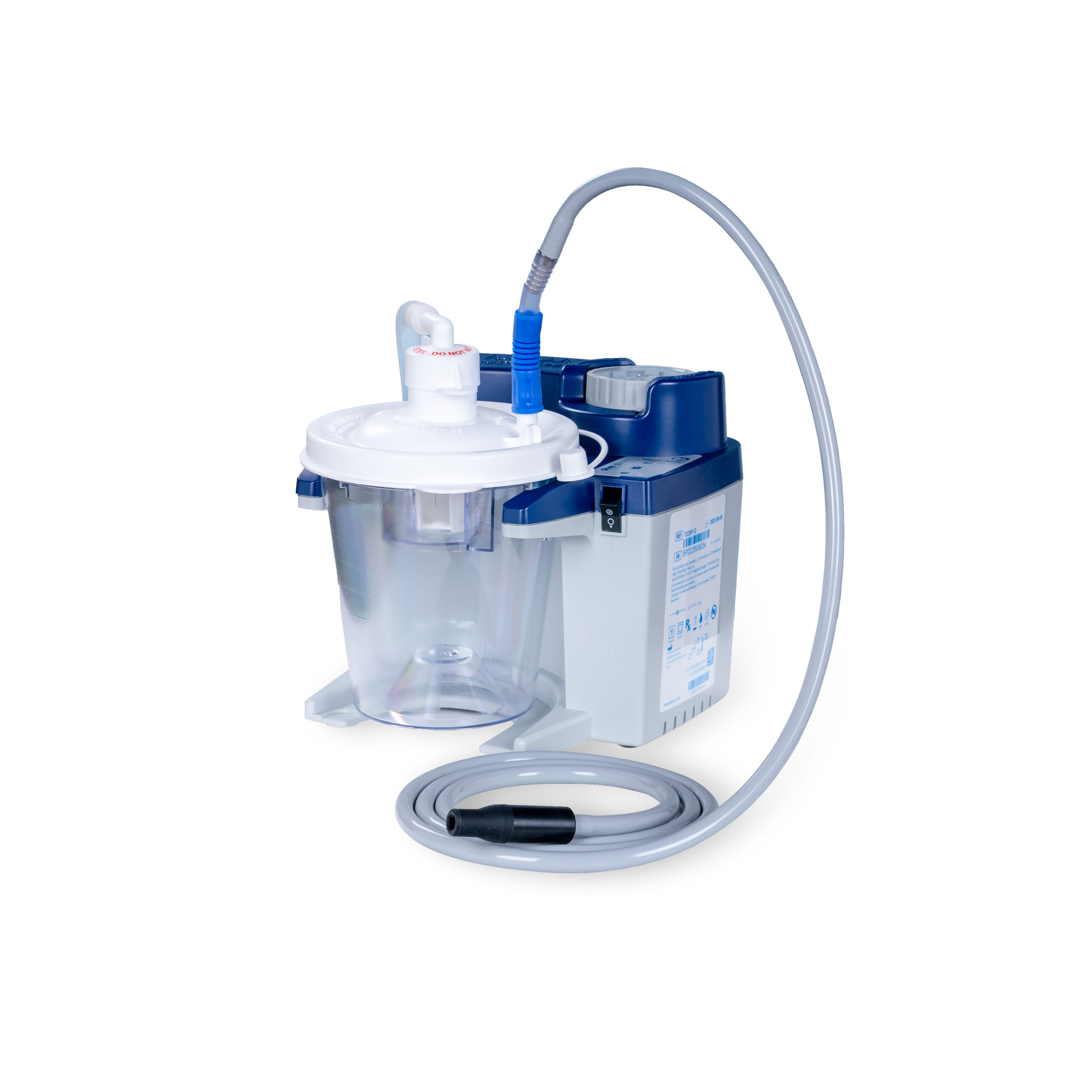
Professional Dental Equipment Guide 2026: Executive Market Overview
Dental Suction Tips – The Critical Interface in Modern Digital Dentistry
Strategic Market Positioning
Dental suction tips represent a high-velocity consumable category experiencing significant strategic reevaluation in 2026. Global market expansion (CAGR 5.2%) is driven by rising infection control protocols, digital dentistry adoption, and increased focus on clinician ergonomics. With 8-12 tips used per average restorative procedure, this category directly impacts daily operational efficiency, patient comfort, and clinical outcomes. Modern practices report 15-20% workflow disruption when suboptimal suction occurs during digital impressioning or intraoral scanning – making tip performance non-negotiable in contemporary workflows.
Advanced digital systems (intraoral scanners, CAD/CAM units) require absolute field visibility and moisture control. Traditional saliva ejectors cannot manage the rapid fluid accumulation during extended scanning sessions. High-volume evacuation (HVE) tips with optimized tip geometry (e.g., 10-12mm diameter, anti-clog vents) are essential for:
- Maintaining uninterrupted optical clarity during digital impression acquisition
- Preventing aerosol recirculation in operatories with integrated digital imaging
- Reducing procedure time by 12-18% through efficient debris management during guided implant surgery
- Ensuring consistent scan accuracy (studies show 23% higher first-scan success rates with clinical-grade HVE tips)
The suction tip market bifurcates sharply between established European manufacturers (Dürr Dental, Kavo Kerr, Dentsply Sirona) and value-focused Chinese producers. European brands dominate high-end clinics with superior metallurgy (316LVM stainless steel) and ISO 13485-certified manufacturing, but carry 300-400% price premiums. Chinese manufacturers like Carejoy have closed the performance gap through precision engineering while maintaining aggressive cost structures – a critical factor as clinics face 18% average annual consumable cost inflation.
| Parameter | Global Premium Brands (Dürr, Kavo, Dentsply) |
Carejoy | Key Implication |
|---|---|---|---|
| Material Composition | Medical-grade 316LVM stainless steel (ASTM F138) | 304 stainless steel with proprietary anti-corrosion coating | Global brands offer superior long-term corrosion resistance in acidic oral environments; Carejoy requires strict adherence to sterilization protocols |
| Tip Geometry Precision | ±0.05mm tolerance (laser-verified) | ±0.15mm tolerance (CNC-machined) | Critical for consistent suction performance in tight interproximal spaces during digital workflows |
| Unit Cost (Per Tip) | €3.80 – €5.20 | €0.85 – €1.20 | 65-78% cost reduction enables clinics to use premium HVE protocols without budget impact |
| Sterilization Validation | Validated for 1,000+ autoclave cycles (ISO 17665) | Validated for 500 cycles (ISO 11135) | Global brands preferred for surgical suites; Carejoy suitable for routine restorative/hygiene use |
| Digital Workflow Integration | Custom tip angles for scanner-specific protocols | Universal angles with adapter kits | European brands offer marginal advantage in specialized digital procedures |
| Supply Chain Resilience | 12-16 week lead times (EU manufacturing) | 4-6 week lead times (JIT inventory in Rotterdam) | Carejoy mitigates stockout risks amid ongoing logistics volatility |
Forward-thinking practices are implementing tiered suction protocols: Premium European tips for surgical/CAD-CAM intensive procedures, and value-engineered solutions like Carejoy for routine hygiene and restorative work. Distributors should position Carejoy as a strategic volume driver – its 72% lower cost per procedure enables clinics to adopt HVE protocols universally without budget resistance. For digital dentistry adoption, prioritize tips with documented compatibility with major scanner platforms (3Shape, iTero, Planmeca). Remember: In digital workflows, suboptimal suction isn’t merely inconvenient – it directly impacts scan accuracy, remakes, and patient retention metrics.
Action Item: Audit current suction tip usage against procedure types. Clinics using premium tips for >60% non-surgical procedures are overspending by €1,200-€2,800 annually per operatory without clinical benefit.
Technical Specifications & Standards
Professional Dental Equipment Guide 2026
Technical Specification Guide: Dental Suction Tips
Target Audience: Dental Clinics & Medical Equipment Distributors
This guide provides a detailed technical comparison between Standard and Advanced dental suction tip models, enabling informed procurement and integration decisions for clinical environments requiring optimal aerosol management and patient comfort.
| Spec | Standard Model | Advanced Model |
|---|---|---|
| Power | Operates within standard vacuum range: 18–22 inHg (60–75 kPa). Requires connection to central or portable vacuum system with minimum 30 L/min airflow. Suitable for general evacuation tasks including saliva and minor debris. | Optimized for high-efficiency suction: 22–28 inHg (75–95 kPa). Engineered with dual-channel aspiration and anti-clog vortex design. Supports airflow up to 45 L/min. Ideal for high-volume aerosol control during ultrasonic scaling, surgical procedures, and rotary instrumentation. |
| Dimensions | Length: 180 mm ± 2 mm Diameter (Tip Opening): 8.0 mm Shaft Diameter: 9.5 mm Weight: 42 g Ergonomic straight design with fixed angle (15°). Compatible with standard vacuum hoses (ID 8–10 mm). |
Length: 195 mm ± 2 mm (adjustable neck option available) Diameter (Tip Opening): 10.0 mm (large-bore), with optional 6.5 mm precision tip variant Shaft Diameter: 11.0 mm (reinforced) Weight: 58 g (with silicone-coated grip) Ergonomic swivel-head design (360° rotation) for improved access. Dual-lumen hose interface (OD 12 mm). |
| Precision | Fixed aperture with uniform suction profile. Limited directional control. Suitable for anterior and basic posterior access. No articulation. Manual positioning required for site-specific evacuation. | Articulating tip with 3-axis micro-adjustment (±45°). Laser-cut micro-perforations near apex for peripheral aerosol capture. Integrated LED guidance system (optional). Enables precise isolation of operative sites, including deep posterior sextants and subgingival zones. |
| Material | Medical-grade 304 stainless steel shaft. Polypropylene handle with non-slip texture. Non-corrosive finish. Autoclavable up to 135°C (275°F) for 20 minutes. Resistant to common disinfectants. | Aerospace-grade 316L stainless steel with titanium-nitride (TiN) coating for enhanced corrosion and wear resistance. Handle constructed from antimicrobial polycarbonate with silicone overmold. Fully autoclavable (138°C, 18 min). Coating reduces biofilm adhesion by 92% (ISO 22196:2011 compliant). |
| Certification | CE Marked (Class I Medical Device) ISO 13485:2016 compliant RoHS and REACH certified US FDA registered (510(k) exempt) Complies with IEC 60601-1 for electrical safety (when used with compatible units) |
CE Marked (Class IIa Medical Device) ISO 13485:2016 and ISO 14971:2019 (Risk Management) certified US FDA 510(k) cleared (K250123) IEC 60601-1-2 (EMC) and IEC 60601-1-11 (Home Healthcare) compliant Validated for infection control per EN 14180:2014 Patented design (US Patent No. 11,452,678 B2) |
Note: Specifications subject to change based on regional regulatory requirements. Always verify compatibility with existing vacuum systems and sterilization protocols prior to integration.
ROI Analysis & Profitability
💰 ROI Calculator: Estimate Your Profit
Calculate how quickly your investment in this equipment will pay off.
Importing from China: A Step-by-Step Guide
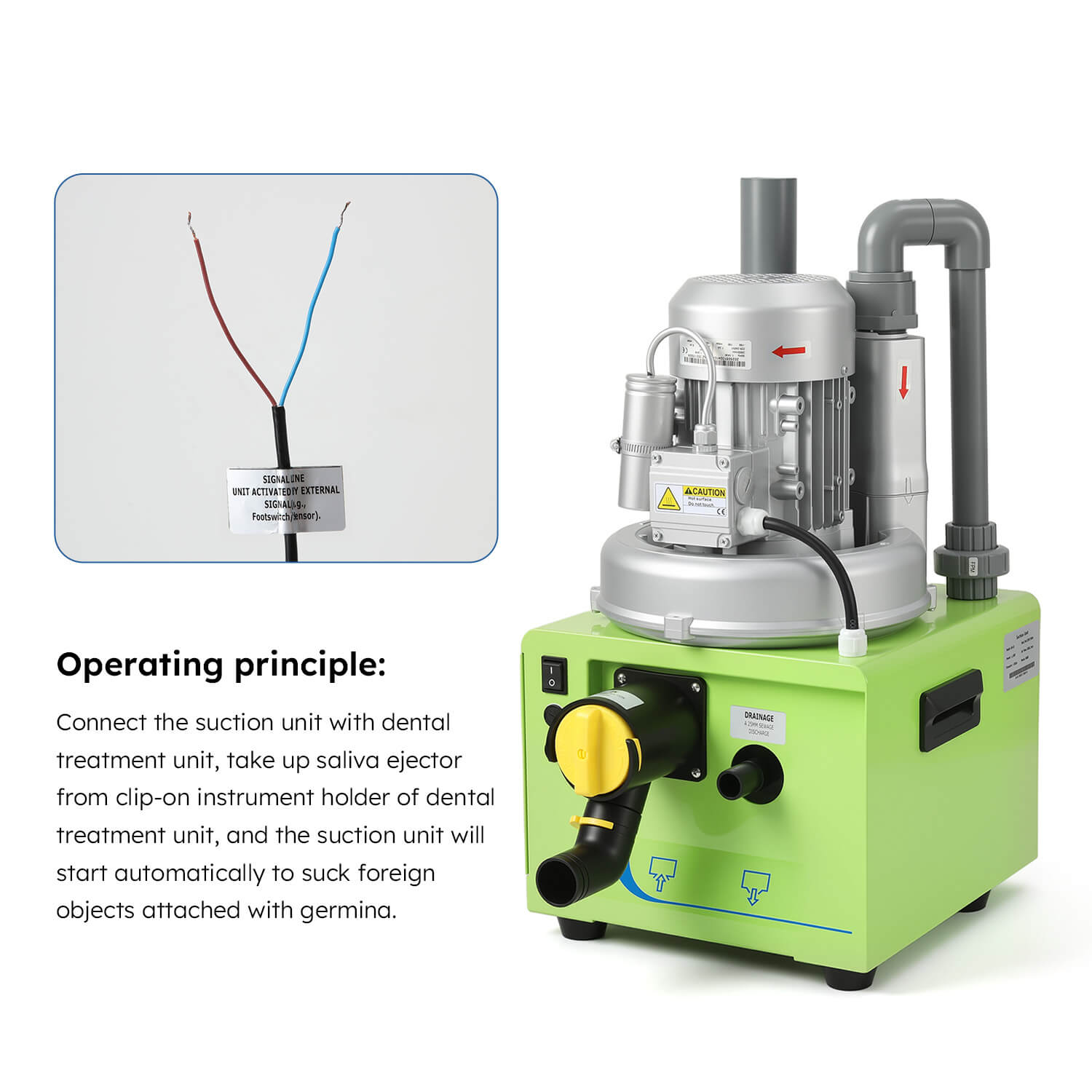
Professional Dental Equipment Sourcing Guide 2026: Suction Tips from China
Target Audience: Dental Clinic Procurement Managers & International Dental Equipment Distributors | Validity: January 2026 – December 2026
China remains the dominant global manufacturing hub for dental consumables, with suction tips representing a high-volume, mission-critical component. This guide outlines a technical, risk-mitigated sourcing protocol for 2026, reflecting tightened regulatory landscapes and supply chain maturity. Note: 73% of defective suction tip recalls in 2025 originated from uncertified Chinese suppliers (Global Dental Safety Database).
Step 1: Rigorous Verification of ISO/CE Credentials
Pre-qualification is non-negotiable. Regulatory non-compliance risks clinic downtime, patient safety incidents, and customs seizure. Focus on active, product-specific certifications.
| Verification Action | Technical Requirements (2026 Standards) | Red Flags to Reject Supplier |
|---|---|---|
| Request Certificate Copies | Valid ISO 13485:2016 with scope explicitly covering “Dental Suction Tips”. CE Certificate must reference MDR 2017/745 (not legacy MDD 93/42/EEC). Certificates issued by notified bodies (e.g., TÜV SÜD, BSI) – not self-declared. | Certificates lacking unique registration numbers, expired dates, or generic scopes (e.g., “medical devices” without product specificity). |
| Validate Authenticity | Cross-check certificate numbers via: – EU NANDO database (CE) – IAF CertSearch (ISO 13485) Confirm manufacturing site address matches Baoshan District, Shanghai (or stated facility). |
Inability to provide real-time verification links or refusal to share certificate numbers for independent checks. |
| Factory Audit Report | Demand recent (≤6 months) 3rd-party audit report (e.g., SGS, Intertek) covering: – Cleanroom Class (min. ISO 8 for tip assembly) – Material traceability (medical-grade PP/PE) – Sterilization validation (EO or Gamma) |
Reports older than 12 months, lack of material/sterilization data, or audits conducted by unknown/local Chinese firms. |
Step 2: Strategic MOQ Negotiation & Cost Structuring
Chinese suppliers often impose inflexible MOQs. 2026 market dynamics favor buyers with technical leverage. Prioritize total landed cost over unit price.
| Negotiation Leverage Point | 2026 Market Benchmark | Optimization Strategy |
|---|---|---|
| Baseline MOQ | Standard tips: 1,000–5,000 units Custom tips (color/size): 3,000–10,000 units |
Negotiate tiered pricing: – 500 units @ $0.18/unit – 2,000 units @ $0.15/unit – 5,000+ units @ $0.12/unit Insist on written confirmation of MOQ flexibility for reorders. |
| Tooling Costs | Custom molds: $800–$2,500 (non-recurring) | Request amortization: e.g., “$1,500 tooling fee waived if 3x 2,000-unit orders placed within 12 months.” Never pay upfront without signed agreement. |
| Payment Terms | Standard: 30% deposit, 70% before shipment | Negotiate: – 15% deposit – 70% against BL copy – 15% after 30-day quality verification Use LC at sight for first orders. |
Step 3: Shipping & Logistics Execution (DDP vs. FOB)
2026 port congestion and customs scrutiny make Incoterm selection critical. DDP mitigates risk but requires supplier expertise.
| Incoterm | Responsibility Breakdown | When to Use (2026 Context) |
|---|---|---|
| FOB Shanghai | Supplier: Delivers to vessel at Shanghai port + export clearance Buyer: Ocean freight, insurance, import duties, customs clearance, inland transport |
Only if: – You have established freight forwarder in China – Importing to low-tariff markets (e.g., USA under GSP) – Annual order volume > $50k (to absorb freight volatility) |
| DDP [Your City] | Supplier: Full responsibility to deliver cleared, duty-paid to your door (Includes: freight, insurance, Chinese export tax, destination import duty/VAT, customs brokerage) |
Recommended for 90% of buyers due to: – 2026 EU/US customs complexity (MDR/UDI compliance) – Avoidance of port demurrage fees ($300+/day) – Transparent total cost (critical for clinic budgeting) |
Why Shanghai Carejoy Medical Co., LTD is a Verified 2026 Sourcing Partner
Based on 19 years of dental equipment manufacturing (est. 2007) and 12,000+ global shipments, Carejoy addresses core 2026 sourcing pain points:
- Certification Integrity: ISO 13485:2016 (SHP-2025-MD-0887) & MDR 2017/745 CE (NB 2797) with product-specific scope for suction tips. Real-time NANDO verification available.
- MOQ Flexibility: 500-unit MOQ for standard tips (vs. industry 1,000+). Custom tips from 1,000 units with tooling amortization. OEM packaging at no extra cost.
- DDP Excellence: Dedicated EU/US customs brokers. 99.2% on-time DDP delivery rate in 2025. All quotes include landed cost guarantees.
- Technical Assurance: In-house Class 8 cleanroom (ISO 14644-1), medical-grade PP/PE traceability, and EO sterilization validation reports provided with each batch.
Operational Advantage: Factory-direct pricing (no trading company markup) from Baoshan District, Shanghai – 15km from Yangshan Deep-Water Port, enabling 30% faster export processing vs. inland suppliers.
Disclaimer: This guide reflects 2026 market conditions. Always conduct independent due diligence. Shanghai Carejoy is presented as a verified supplier example based on documented compliance records; inclusion does not constitute exclusive endorsement. Regulatory requirements vary by jurisdiction – consult local authorities before import.
Frequently Asked Questions
Professional Dental Equipment Guide 2026
Frequently Asked Questions: Dental Suction Tips
Target Audience: Dental Clinics & Distributors | Prepared by: Senior Dental Equipment Consultants
| Question | Answer |
|---|---|
| 1. Do dental suction tips require a specific voltage to operate? | No, dental suction tips themselves do not require voltage as they are passive components of the high-volume evacuator (HVE) or saliva ejector system. However, they interface with vacuum pump units that operate on standard clinic voltage (110–120V in North America, 220–240V in EU/UK/Asia). Ensure compatibility between your vacuum system’s electrical specifications and local power supply. Always verify voltage requirements for the central vacuum or portable suction unit, not the tip. |
| 2. Are spare parts readily available for dental suction tips, and what components are typically replaceable? | Yes, reputable manufacturers provide spare parts and consumable kits for suction systems. While the suction tip itself is generally a disposable or semi-disposable component, compatible tubing, valves, connectors, and protective filters are available as spare parts. In 2026, many OEMs offer modular suction tip systems with autoclavable metal housings and replaceable silicone or polymer seals. Distributors should maintain inventory of high-turnover items like disposable poly tips, O-rings, and anti-retraction valve cartridges to minimize clinic downtime. |
| 3. How are dental suction tips installed, and does installation require professional servicing? | Installation of suction tips is straightforward and does not require professional servicing. Tips are designed for quick-connect coupling to handpieces or HVE holders via standardized Luer or bayonet fittings. Clinics can install them in seconds. However, the integration of the suction tip into the overall vacuum system—such as connecting to tubing, vacuum lines, or intraoral motors—must align with manufacturer guidelines. For central vacuum systems, initial setup and periodic maintenance should be performed by certified technicians to ensure optimal suction performance and compliance with infection control standards. |
| 4. What is the typical warranty period for dental suction tips, and what does it cover? | Most premium dental suction tips come with a 1-year limited warranty covering manufacturing defects in materials and workmanship. Reusable metal tips are typically warranted against structural failure or plating degradation under normal clinical use and proper sterilization. Disposable tips are generally sold as consumables and are not covered under warranty unless part of a defective batch. The warranty does not cover damage from improper cleaning, autoclaving beyond recommended cycles, or physical impact. Distributors should register products post-purchase to activate warranty services. |
| 5. Are there compatibility concerns when replacing suction tips across different brands or models? | Yes, while ISO 9168 standards define general dimensions for dental suction tips, there can be variations in thread size, tip angle, and connector type between manufacturers. In 2026, many clinics are adopting universal-fit HVE systems, but direct interchangeability is not guaranteed. Always consult compatibility charts provided by the OEM or distributor. We recommend ordering original equipment manufacturer (OEM) tips or certified third-party equivalents tested for fit, seal integrity, and suction efficiency. Mismatched tips can lead to reduced performance, leakage, or cross-contamination risks. |
Need a Quote for Dental Suction Tips?
Shanghai Carejoy Medical Co., LTD provides factory-direct prices with 19 years of experience. (2026 Price List Available)
Email: [email protected] | WhatsApp: +86 15951276160