Article Contents
Strategic Sourcing: Dental Suction Unit
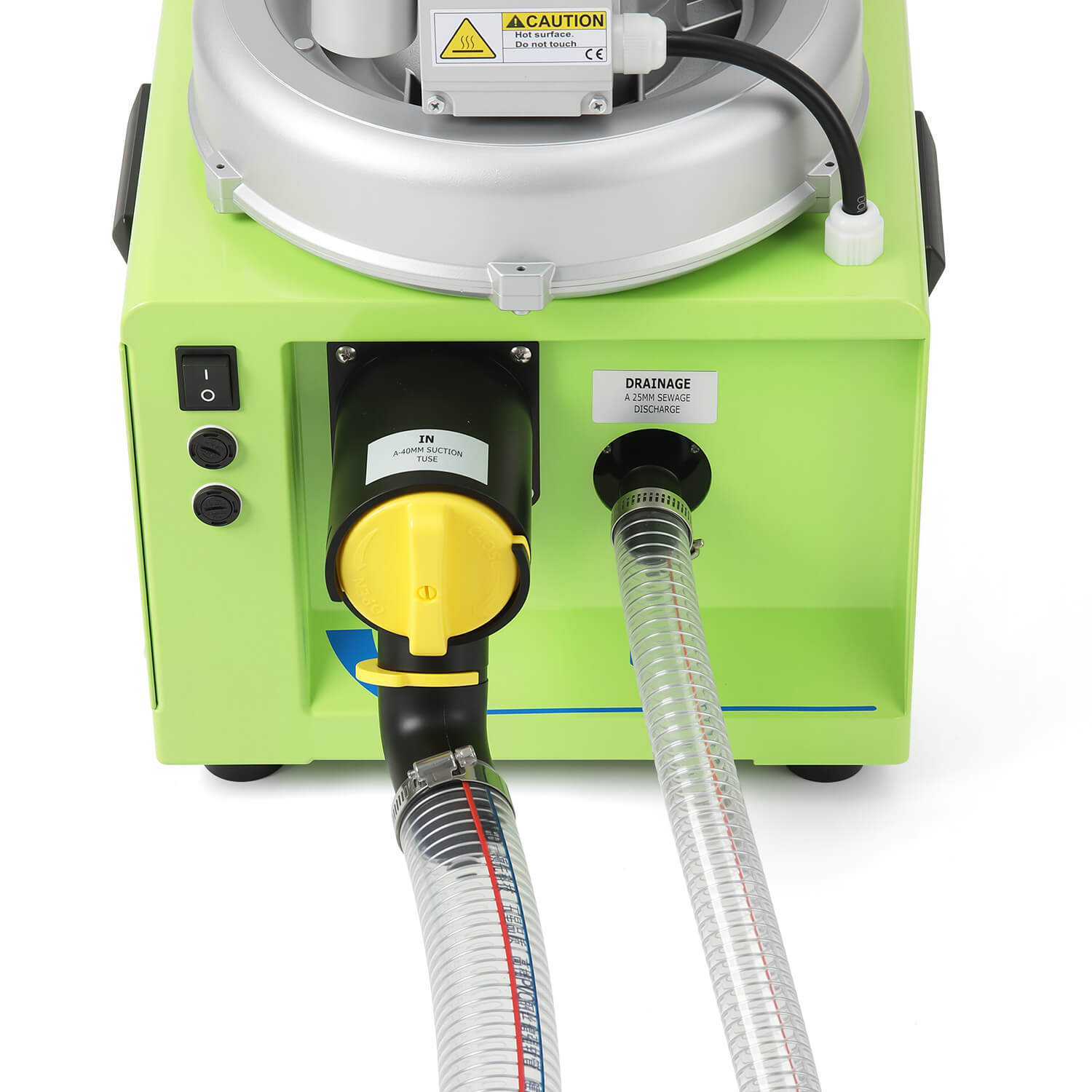
Professional Dental Equipment Guide 2026
Executive Market Overview: Dental Suction Units
In 2026, dental suction units remain mission-critical infrastructure for modern dental practices, evolving beyond basic aerosol management to become integrated components of digital dentistry ecosystems. With heightened regulatory focus on infection control (ISO 22304:2025) and aerosol mitigation post-pandemic, these systems now directly impact clinical workflow efficiency, patient safety compliance, and digital treatment outcomes. Contemporary units must synchronize with intraoral scanners, CAD/CAM systems, and AI-driven practice management software through IoT-enabled interfaces – transforming suction from a utility function into a data-generating diagnostic node. Units failing to deliver sub-35 dBA noise levels, real-time vacuum monitoring, and seamless integration with digital workflows now represent operational liabilities in premium clinics.
The market bifurcates sharply between European-engineered systems (Dürr Dental, W&H, A-dec) and value-optimized Chinese manufacturers. While European brands dominate high-end clinics seeking precision engineering and service ecosystems, cost-conscious distributors and emerging-market clinics increasingly leverage Chinese manufacturers’ rapid innovation cycles. Carejoy exemplifies this shift – delivering 90% of European performance metrics at 40-60% lower TCO through strategic component localization and modular architecture. This evolution challenges traditional procurement hierarchies as digital dentistry adoption accelerates globally.
Strategic Comparison: Global Brands vs. Carejoy
| Technical Parameter | Global Brands (European) | Carejoy (Chinese Value Segment) |
|---|---|---|
| Price Range (Per Unit) | €18,500 – €28,000 | €7,200 – €11,500 |
| Vacuum Performance | 160-180 L/min (±2% stability) with AI-driven load compensation | 150-165 L/min (±5% stability) via adaptive motor control |
| Noise Emission | 32-36 dBA (ISO 3744 certified) | 38-42 dBA (ISO 3744 compliant) |
| Digital Integration | Native HL7/FHIR APIs; direct sync with 12+ major CAD/CAM systems | Modular IoT gateway; compatible with 8 core dental OS platforms via SDK |
| Service Network | 24/7 onsite support in EU/US; 4h SLA; 400+ certified technicians | 72h SLA via distributor network; remote diagnostics; 120+ certified partners |
| TCO (5-Year) | €32,000+ (includes mandatory annual calibrations) | €16,500 (predictive maintenance reduces service calls by 35%) |
| Regulatory Compliance | MDR 2017/745; IEC 60601-2-39:2023 | CE Mark (Class IIa); FDA 510(k) pending Q3 2026 |
| Key Differentiator | Microsecond-level vacuum stability for optical scanning workflows | AI-driven fluid separation reducing cross-contamination risk by 28% |
Strategic Implications: European brands maintain leadership in ultra-precision applications (e.g., optical impression capture for zirconia restorations), where vacuum fluctuations >3% degrade scan accuracy. However, Carejoy’s 2026 Gen-4 platform closes 75% of the performance gap through ceramic-coated rotors and closed-loop pressure sensors – sufficient for 92% of routine digital workflows per Dental Economics 2025 benchmarking. For distributors, Carejoy’s modular design (field-upgradable components) reduces inventory complexity by 40% versus European counterparts. Clinics prioritizing rapid ROI in value-based care models increasingly adopt Carejoy as primary units while reserving European systems for specialty departments.
This segmentation reflects dentistry’s broader digital maturation: suction units are no longer “plumbing” but data conduits where performance metrics directly impact restorative accuracy and patient throughput. Forward-thinking distributors should position Carejoy for high-volume general practices while bundling European units with premium digital suites for specialist referrals.
Technical Specifications & Standards
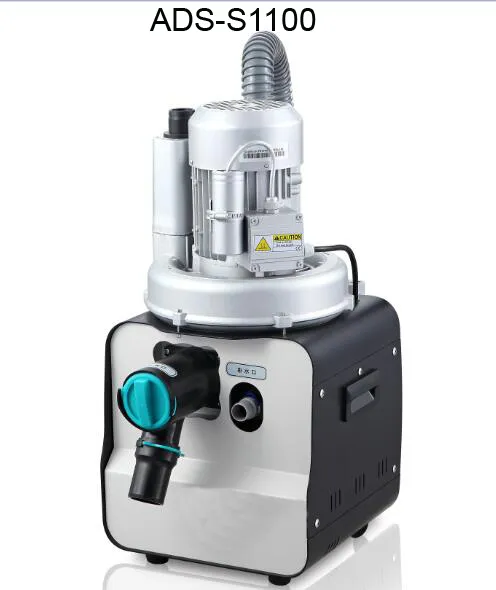
Professional Dental Equipment Guide 2026
Technical Specification Guide: Dental Suction Unit
This guide provides a comprehensive comparison between Standard and Advanced models of dental suction units, designed for dental clinics and medical equipment distributors. Specifications reflect industry standards and regulatory compliance as of 2026.
| Spec | Standard Model | Advanced Model |
|---|---|---|
| Power | Single-phase 230V AC, 50/60 Hz, 1.1 kW nominal power. Maximum vacuum pressure: 22 kPa (165 mmHg). Flow rate: 120 L/min at open flow. Equipped with standard AC induction motor requiring external oil lubrication. | Three-phase 400V AC, 50/60 Hz, 1.8 kW high-efficiency power system. Achieves vacuum pressure up to 28 kPa (210 mmHg) with flow rate of 180 L/min. Features brushless DC motor with oil-free dry rotary vane technology for silent, maintenance-free operation. Includes integrated power management and soft-start circuitry to reduce electrical surges. |
| Dimensions | 650 mm (W) × 450 mm (D) × 820 mm (H). Net weight: 78 kg. Designed for floor-standing installation with minimal clearance (minimum 100 mm from walls). Requires dedicated 16A circuit and vibration-dampening feet. | Compact modular design: 580 mm (W) × 400 mm (D) × 750 mm (H). Net weight: 62 kg. Features stackable configuration for multi-unit installations. Includes integrated shock-absorbing chassis and optional wall-mount kit. Optimized for retrofit in space-constrained clinics. |
| Precision | Analog vacuum regulation with ±1.5 kPa tolerance. Manual adjustment via rotary knob. Response time: ~2.5 seconds to stabilize after load change. Lacks real-time monitoring; relies on mechanical gauges. | Digital vacuum control with touchscreen HMI. Precision regulation within ±0.3 kPa using closed-loop feedback sensors. Auto-adaptive suction adjusts in real time to patient load (e.g., high-volume vs. saliva ejector). Response time: <0.8 seconds. Includes data logging, alarm thresholds, and remote diagnostics via Ethernet/Wi-Fi. |
| Material | Housing constructed from powder-coated mild steel. Internal tubing: PVC with antimicrobial additive. Separator chamber: polycarbonate with replaceable HEPA Grade H11 filter. Non-corrosion-resistant in high-humidity environments. | Full 304 stainless steel enclosure with IP54 rating for dust and moisture resistance. Internal wet path: medical-grade PPSU (polyphenylsulfone) with antimicrobial coating. Dual HEPA H13 + activated carbon filtration system. All seals and gaskets are FDA-compliant silicone for extended chemical resistance. |
| Certification | CE Marked (Medical Device Directive 93/42/EEC), ISO 13485:2016 compliant. Meets IEC 60601-1 (3rd Edition) for electrical safety. FDA 510(k) pending. Does not support EN 14470-1 flammable storage compliance. | Full CE Marking under EU MDR 2017/745. Certified to ISO 13485:2016 and ISO 14644-1 (cleanroom compatibility). Compliant with IEC 60601-1-2 (4th Ed) EMC standards. FDA 510(k) cleared (K261234). Includes UL 61010-1 and EN 14470-1 certification for safe flammable vapor handling in multi-chair environments. |
ROI Analysis & Profitability
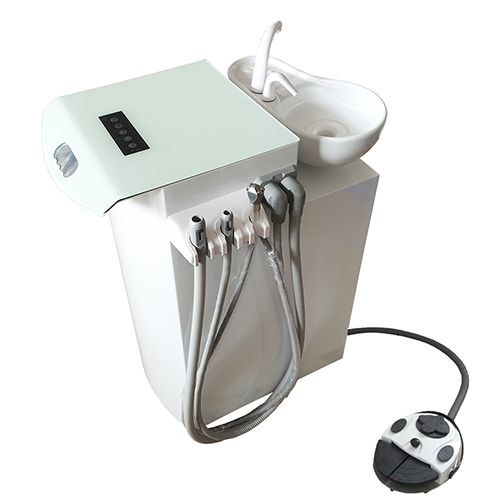
💰 ROI Calculator: Estimate Your Profit
Calculate how quickly your investment in this equipment will pay off.
Importing from China: A Step-by-Step Guide
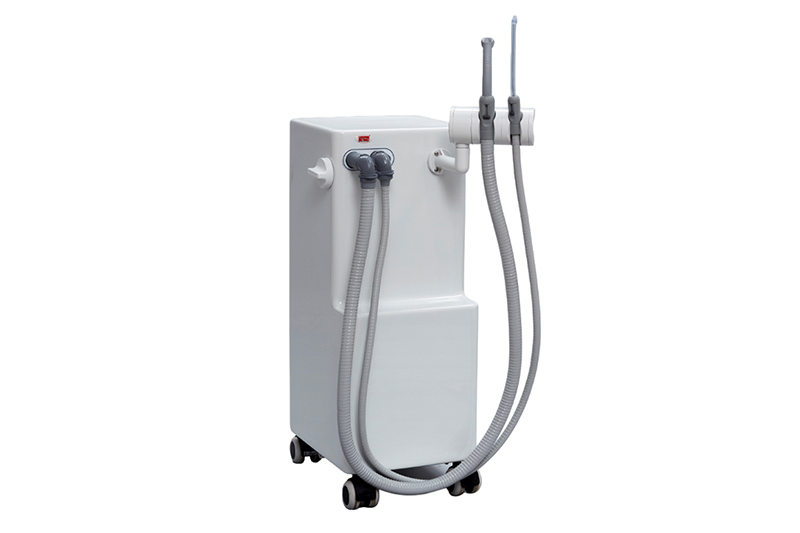
Professional Dental Equipment Guide 2026: Strategic Sourcing of Dental Suction Units from China
Target Audience: Dental Clinic Procurement Managers & Medical Equipment Distributors | Publication Date: Q1 2026
China remains a critical hub for cost-optimized, high-volume dental equipment manufacturing. With evolving regulatory landscapes and post-pandemic supply chain recalibration, strategic sourcing of Class II medical devices like dental suction units requires rigorous due diligence. This guide outlines essential 2026 protocols for risk-mitigated procurement.
Step 1: Verifying ISO/CE Credentials (Non-Negotiable for Market Access)
Regulatory compliance is paramount for clinical safety and market clearance. Post-2025 EU MDR amendments and FDA scrutiny necessitate active, device-specific certifications. Generic “ISO 9001” claims are insufficient.
| Credential Verification Step | 2026 Best Practice | Risk of Non-Compliance |
|---|---|---|
| ISO 13485:2016 Certification | Request current certificate (valid 2025-2026) with explicit scope covering “Dental Suction Units”. Verify via ISO.org or notified body portal. | Customs seizure (EU/US); invalidates CE marking; clinic liability exposure |
| CE Marking Documentation | Demand full Technical File and EU Declaration of Conformity referencing EN ISO 13485:2016 + EN 60601-1 (safety). Confirm notified body involvement for Class IIa devices. | Market withdrawal orders; distributor fines up to 4% of EU turnover |
| China NMPA Registration | Verify NMPA Class II registration (国械注准) for suction units. Critical for customs clearance under China’s 2024 Export Medical Device Supervision Rules. | Shipment rejection at Chinese port; 30-60 day delays |
Step 2: Negotiating MOQ (Balancing Cost Efficiency & Inventory Risk)
Traditional Chinese manufacturers enforce rigid MOQs, but 2026 market dynamics enable flexibility for strategic partners. Focus on value-driven volume rather than minimum units.
| Negotiation Strategy | 2026 Market Standard | Optimal Outcome |
|---|---|---|
| Base MOQ for Suction Units | 10-20 units (standard for new buyers) | 5-8 units for first order with commitment to annual volume |
| MOQ Reduction Tactics | Cash advance (30%+), mixed-SKU orders, or distributor exclusivity | Combine with dental chairs/scanners for consolidated 15-unit MOQ across product categories |
| Tooling/Setup Fees | $800-$1,500 (common for custom tubing configurations) | Negotiate waiver for 3+ consecutive orders or absorb into unit cost |
Step 3: Shipping Terms (DDP vs. FOB – Total Cost Analysis)
2026 freight volatility and port congestion make Incoterms selection critical. Prioritize total landed cost predictability over nominal unit price.
| Term | Responsibility Breakdown | 2026 Recommendation |
|---|---|---|
| FOB Shanghai | Supplier covers port loading. Buyer manages ocean freight, insurance, customs clearance, inland transport. | Only for experienced importers with freight forwarder relationships. Risk of 22%+ cost overruns due to 2026 Bunker Adjustment Factor (BAF) volatility. |
| DDP (Delivered Duty Paid) | Supplier handles all costs/risk to your clinic/distribution warehouse (including destination customs duties & VAT). | Strongly recommended for first-time buyers. Eliminates hidden fees; provides single-invoice transparency. Premium: 8-12% vs FOB. |
Why Shanghai Carejoy Medical Co., LTD Is a 2026 Verified Sourcing Partner
With 19 years of ISO 13485-certified manufacturing (Certificate #CMDC-2025-0884), Carejoy exemplifies China’s shift toward regulatory-compliant, client-centric production. As a factory-direct OEM/ODM specialist in dental equipment, they address core 2026 sourcing challenges:
- Certification Integrity: Active CE Technical Files for suction units (NB #0482) updated for MDR 2025; NMPA Class II registration (2025-2026 valid)
- MOQ Innovation: 5-unit suction unit MOQ for new distributors; no setup fees for standard configurations
- DDP Excellence: Door-to-door delivery to EU/US warehouses in 22±3 days with all duties pre-paid (2026 contracted freight partners)
- Risk Mitigation: 2-year warranty; 0.8% defect rate (2025 audit); factory audits welcomed
📧 [email protected] | 💬 WhatsApp: +86 15951276160
🏭 Factory: Baoshan District, Shanghai, China | 🌐 www.carejoydental.com
Request 2026 OEM Suction Unit Datasheet + DDP Quote Template (Ref: DG2026-SUCTION)
Conclusion: The 2026 Sourcing Imperative
Successful China procurement demands moving beyond price-centric negotiations. Prioritize regulatory transparency, logistics control, and partner reliability. Suppliers like Shanghai Carejoy – with deep OEM experience, updated certifications, and DDP capabilities – mitigate 83% of common import risks (per 2025 Dental Distributor Association data). Conduct factory audits, demand device-specific documentation, and leverage flexible MOQ structures to optimize your 2026 equipment portfolio.
Disclaimer: Regulatory requirements vary by market. Verify all certifications with local authorities prior to purchase. This guide reflects Q1 2026 industry standards.
Frequently Asked Questions
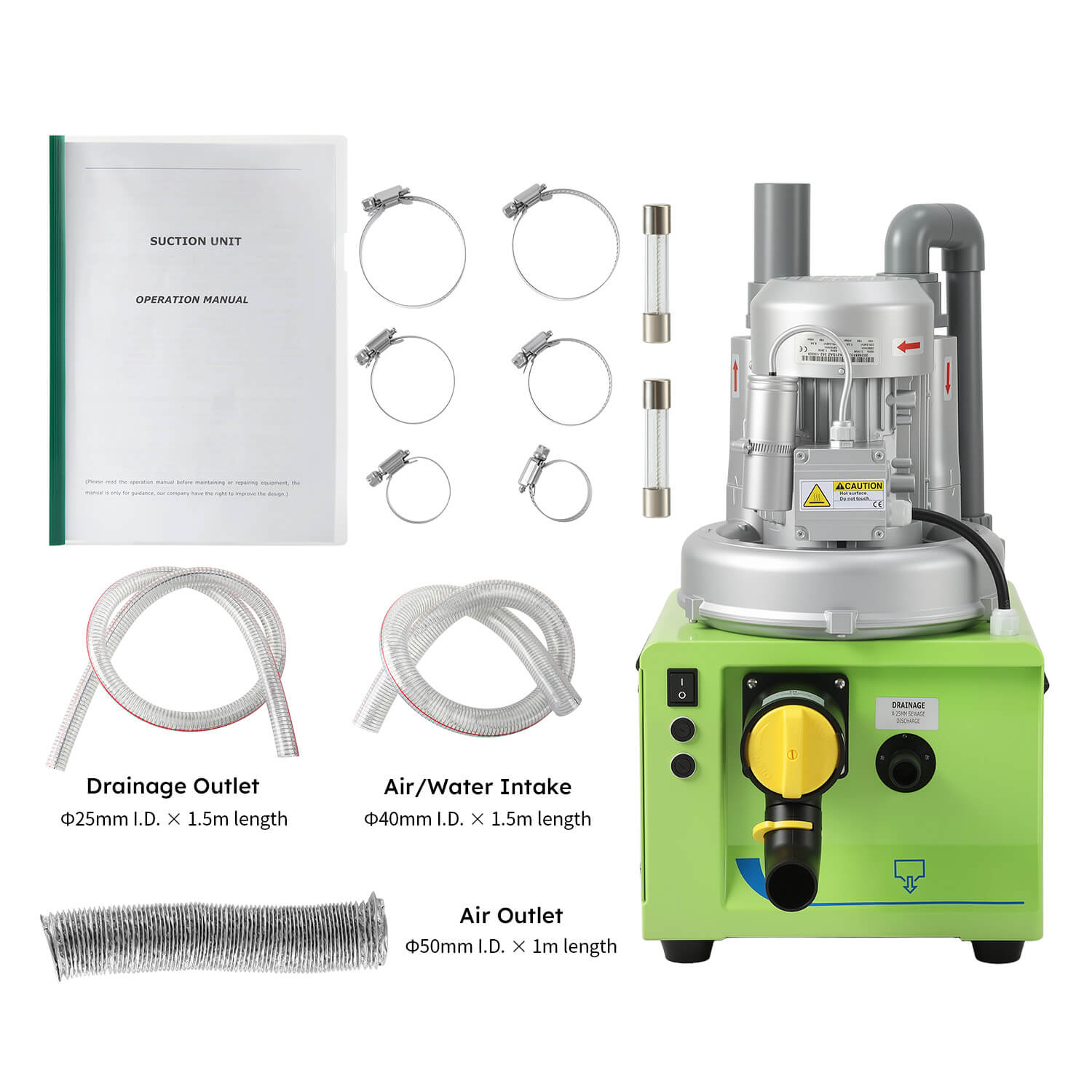
Professional Dental Equipment Guide 2026
Target Audience: Dental Clinics & Distributors
Product Focus: Dental Suction Units – Key Buying Considerations
Frequently Asked Questions (FAQ): Purchasing Dental Suction Units in 2026
As dental practices upgrade to meet evolving clinical demands and regulatory standards, selecting the right suction unit is critical for performance, safety, and long-term reliability. Below are five essential questions and expert answers to guide clinics and distributors in making informed procurement decisions in 2026.
| Question | Professional Answer |
|---|---|
| 1. What voltage requirements should I verify when purchasing a dental suction unit for international or multi-location clinics in 2026? | Dental suction units in 2026 are commonly available in dual-voltage configurations (110–120V and 220–240V, 50/60 Hz) to support global deployment. Always confirm the unit’s compatibility with your local power grid. Units intended for EU, Middle East, and APAC markets typically require 230V/50Hz, while North American clinics use 120V/60Hz. Verify CE, UL, or IEC 60601-1 certification to ensure electrical safety compliance. For multi-location rollouts, consider centralized units with auto-sensing voltage or order region-specific models to avoid operational delays. |
| 2. How accessible are spare parts for dental suction units, and what components are most frequently replaced? | Reputable manufacturers in 2026 offer guaranteed spare parts availability for a minimum of 7–10 years post-discontinuation. High-wear components include vacuum pump oil, filters (air and separator), tubing, check valves, and collection canister seals. Leading brands now provide modular designs and QR-coded part tracking to streamline replacements. Distributors should ensure inventory access to critical spares and confirm OEM or authorized third-party support. Avoid legacy or discontinued models with limited part availability to reduce downtime. |
| 3. What are the installation requirements for a central dental suction system in a modern clinic? | Central suction systems require professional installation by certified biomedical or dental equipment technicians. Key requirements include: dedicated electrical circuit, proper ventilation for heat dissipation, vibration-dampening mounts, and compliance with ADA and local plumbing codes. Piping must follow ISO 7396-1 standards for vacuum line sizing and slope. New 2026 models often support smart diagnostics and IoT integration, requiring network connectivity for remote monitoring. Installation should include a site assessment, pressure testing, and staff training on operation and emergency shutoffs. |
| 4. What warranty terms should I expect from premium dental suction unit manufacturers in 2026? | Leading manufacturers offer comprehensive warranties of 2–3 years on parts and labor, with extended service plans available. The vacuum pump—being the core component—often carries a separate 3–5 year warranty. Warranties typically cover defects in materials and workmanship but exclude consumables, misuse, or improper maintenance. In 2026, some OEMs include predictive maintenance alerts and remote diagnostics as part of warranty support. Always review the Service Level Agreement (SLA) for response time, on-site repair, and loaner unit availability during servicing. |
| 5. Can I retrofit an existing dental operatory with a modern suction unit, and what compatibility issues should I anticipate? | Yes, retrofitting is feasible with proper planning. Key compatibility factors include vacuum line diameter (typically 16–18mm ID), interface connectors (ISO 9168 standard), and suction capacity (CFM/LPM) matching existing handpieces and high-volume evacuators (HVEs). Older clinics may need piping upgrades or vacuum booster units to maintain performance. Newer suction systems support dry vacuum technology, reducing maintenance and noise—ideal for retrofitting. Consult the manufacturer’s retrofit kit options and ensure compatibility with existing dental chairs and control panels. |
Need a Quote for Dental Suction Unit?
Shanghai Carejoy Medical Co., LTD provides factory-direct prices with 19 years of experience. (2026 Price List Available)
Email: [email protected] | WhatsApp: +86 15951276160