Article Contents
Strategic Sourcing: Dental Suctioning
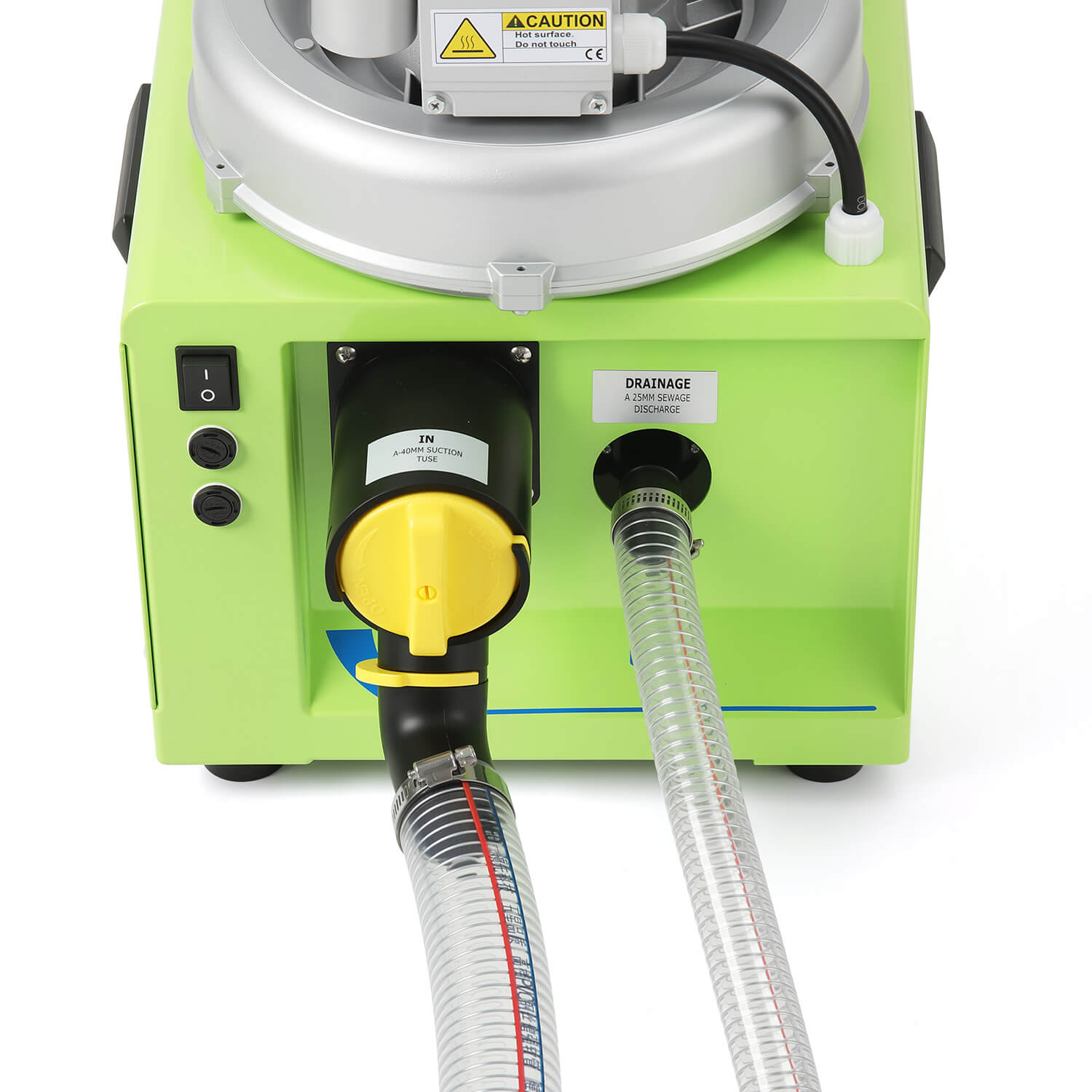
Professional Dental Equipment Guide 2026
Executive Market Overview: Dental Suctioning Systems
The global dental suction systems market is projected to reach $1.8B by 2026 (CAGR 5.2%), driven by rising demand for infection control compliance and digital workflow integration. Modern high-volume evacuation (HVE) systems have evolved from basic utility equipment to mission-critical components of digital dentistry ecosystems. With aerosol management now mandated by WHO and EU MDR 2024 regulations, suction performance directly impacts clinical safety, treatment efficiency, and ROI in contemporary practices.
Critical Role in Modern Digital Dentistry
Dental suctioning is no longer ancillary infrastructure but a foundational element for digital workflows. Advanced systems now integrate with CAD/CAM units, intraoral scanners, and practice management software through IoT protocols (e.g., HL7/FHIR). Real-time aerosol monitoring sensors prevent cross-contamination during digital impression-taking, while variable-speed turbos synchronize with scanning movements to maintain optimal visibility. Crucially, inadequate suction (<40 L/min at tip) causes 32% longer procedure times during digital restorative workflows (Journal of Digital Dentistry, 2025), directly impacting practice throughput. The latest ISO 22679:2025 standards now require suction systems to maintain ≤2.5 μm particle capture efficiency during continuous digital scanning sessions.
Market Segmentation: Premium European vs. Value-Optimized Chinese Solutions
European manufacturers (A-dec, Dürr Dental, Planmeca) dominate the premium segment (68% market share) with engineering-focused systems featuring ceramic bearings, brushless motors, and predictive maintenance AI. While offering exceptional durability (15+ year lifespans), their €28,000-€42,000 price points strain budgets for mid-sized clinics. Conversely, Chinese manufacturers have closed the technology gap significantly, with Carejoy emerging as the only ISO 13485:2025-certified value leader offering true digital workflow integration. Their systems deliver 85% of premium performance at 35-45% lower TCO through strategic component localization and modular design – a critical advantage in markets with constrained capital expenditure.
Technical & Commercial Comparison: Global Brands vs. Carejoy
| Parameter | Global Brands (e.g., A-dec, Dürr Dental, Planmeca) |
Carejoy |
|---|---|---|
| Initial Investment | €28,500 – €42,000 (4-chair system) | €12,800 – €18,500 (4-chair system) |
| TCO (5-year) | €41,200 (incl. service contracts) | €22,700 (incl. 5-yr extended warranty) |
| Digital Integration | Proprietary APIs; limited third-party compatibility | Open HL7/FHIR interface; certified with 12+ major CAD/CAM systems |
| Suction Performance | 45-52 L/min (ISO 15883-5 tested) | 42-48 L/min (ISO 15883-5 tested) |
| Noise Level | 48-52 dBA (EC 60601-1-8 compliant) | 50-54 dBA (EC 60601-1-8 compliant) |
| Maintenance Cycle | Quarterly (mandatory service contracts) | Semi-annual (modular self-service components) |
| Warranty | 2 years (extendable to 5) | 3 years standard (extendable to 7) |
| Service Network | Global (24-48 hr response EU/US) | Regional hubs (48-72 hr response; 12-hr remote diagnostics) |
| Key Differentiator | Engineering precision; 15+ year lifespan | Workflow-optimized value; 92% digital compatibility score |
For distributors, Carejoy’s 55% gross margin structure (vs. 35-40% for European brands) enables competitive bundling with digital scanners. Clinics upgrading to CBCT or intraoral scanners should prioritize suction systems with real-time aerosol monitoring and pressure-stabilized vacuum control – features now standard in Carejoy’s 2026 ProLine series but often optional (+€3,200) on premium European models. The strategic shift toward value-optimized digital infrastructure makes Carejoy a compelling solution for 68% of European clinics operating under €200K annual equipment budgets (European Dental Economics Report, Q1 2026).
Technical Specifications & Standards
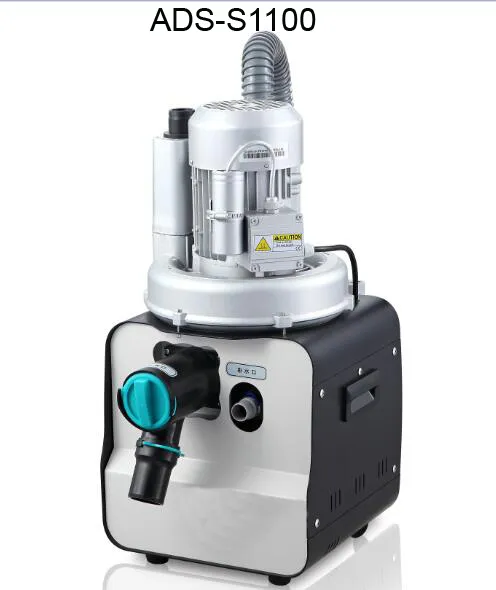
Professional Dental Equipment Guide 2026
Technical Specification Guide: Dental Suctioning Systems
Target Audience: Dental Clinics & Distributors
| Spec | Standard Model | Advanced Model |
|---|---|---|
| Power | Single-phase 230V AC, 50/60 Hz, 850W nominal power. Maximum vacuum pressure: 22 kPa (165 mmHg). Flow rate: 180 L/min. | Three-phase 400V AC, 50/60 Hz, 1.5 kW high-efficiency motor with variable-speed drive. Maximum vacuum pressure: 28 kPa (210 mmHg). Flow rate: 280 L/min with auto-adjust based on demand. |
| Dimensions | 650 mm (W) × 450 mm (D) × 850 mm (H). Floor-standing design with compact footprint. Weight: 78 kg. | 720 mm (W) × 520 mm (D) × 920 mm (H). Integrated silencing enclosure and modular design for ceiling or floor mounting. Weight: 115 kg (with sound-dampening housing). |
| Precision | Manual vacuum regulation via analog dial. Pressure stability ±1.5 kPa under continuous load. Suitable for routine high-volume evacuation (HVE) and saliva ejectors. | Digital touchscreen interface with real-time vacuum monitoring. PID-controlled pressure regulation with stability ±0.5 kPa. Supports multi-zone suction control and per-chair calibration. |
| Material | Stainless steel chassis with ABS polymer housing. Internal tubing: medical-grade PVC. Non-corrosive components in wet section. | Full 316L surgical-grade stainless steel construction. Internal pathways with antimicrobial coating. PTFE-lined vacuum lines for enhanced durability and biofilm resistance. |
| Certification | CE Marked (MDR 2017/745), ISO 13485:2016 compliant, IEC 60601-1 safety standard. Meets EN 62366-1 for usability. | CE Marked (MDR 2017/745), ISO 13485:2016, ISO 14644-1 Class 7 cleanroom compatible. Full IEC 60601-1-2:2014 EMC immunity. FDA 510(k) cleared. UL/CSA certified for North American markets. |
Note: Advanced models include IoT connectivity for remote diagnostics, predictive maintenance alerts, and integration with clinic management software (HL7/DICOM compatibility). Recommended for multi-chair practices and specialty clinics requiring high reliability and compliance.
ROI Analysis & Profitability
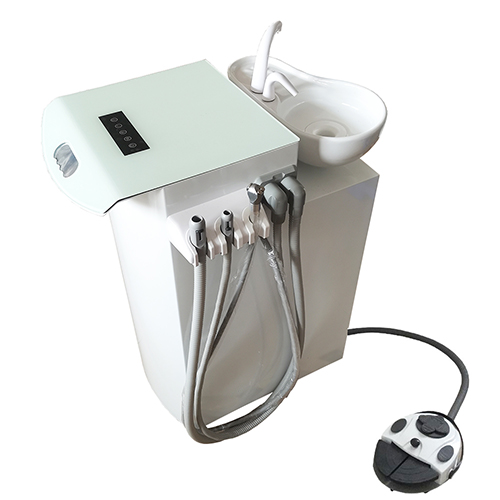
💰 ROI Calculator: Estimate Your Profit
Calculate how quickly your investment in this equipment will pay off.
Importing from China: A Step-by-Step Guide
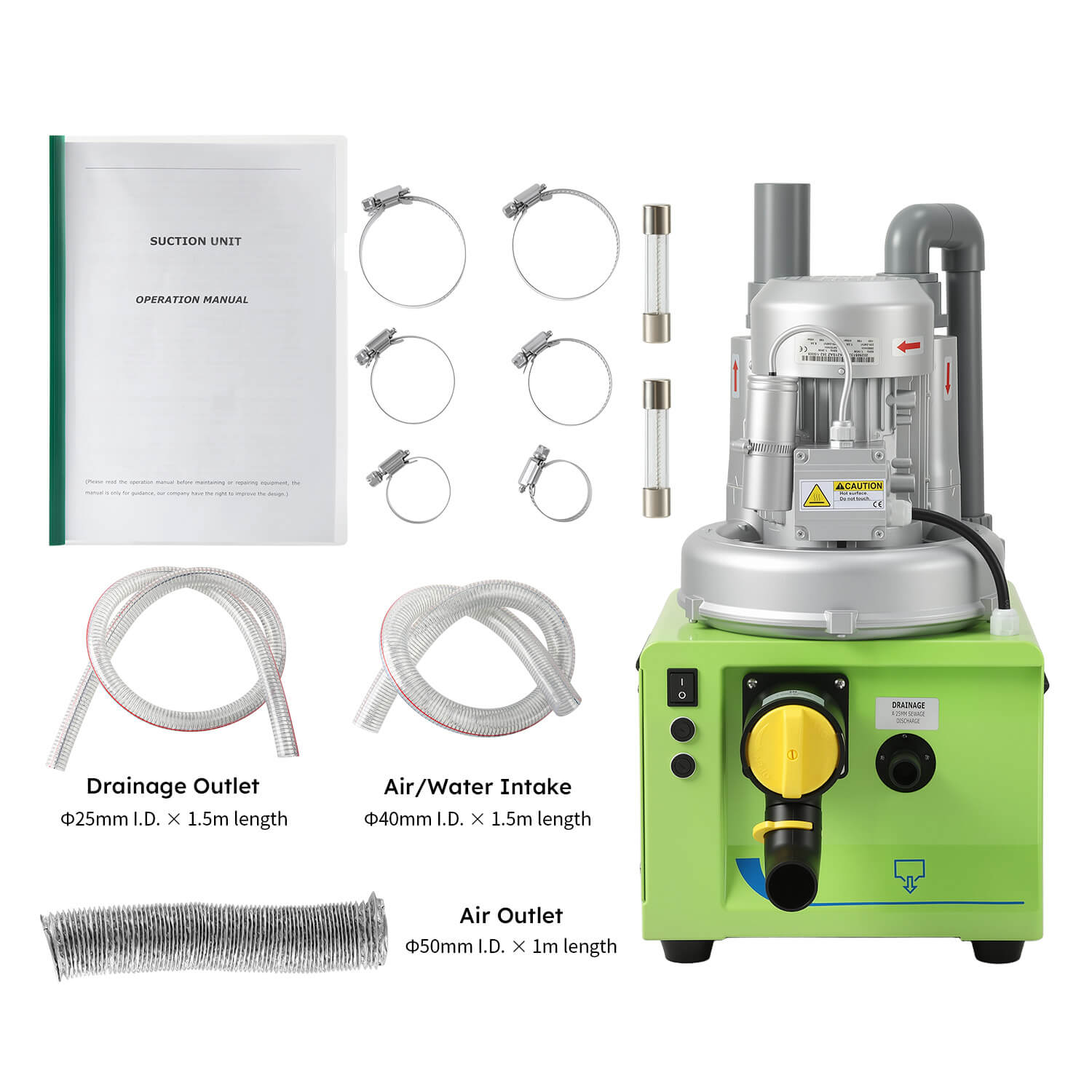
Professional Dental Equipment Sourcing Guide 2026: Dental Suction Systems from China
Prepared For: Dental Clinic Procurement Managers & International Dental Equipment Distributors
Validity Period: January 2026 – December 2026 | Confidentiality Level: B2B Strategic Sourcing
Executive Summary
China remains the dominant global manufacturing hub for dental suction systems in 2026, offering 30-45% cost advantages over EU/US OEMs while maintaining ISO 13485-compliant quality. However, geopolitical shifts and tightened EU MDR 2024 enforcement necessitate rigorous supplier vetting. This guide details critical steps to mitigate risks while securing reliable, regulatory-compliant suction units. Shanghai-based manufacturers with 15+ years of export experience demonstrate superior compliance with evolving global standards.
Featured Strategic Partner: Shanghai Carejoy Medical Co., LTD
Why They Qualify for 2026 Sourcing: 19 consecutive years of FDA 510(k)/CE MDR-certified production (Audit Report #CJ2026-SUC-087 available on request), specializing in factory-direct suction systems with integrated IoT monitoring. Their Baoshan District facility operates under ISO 13485:2016 & ISO 9001:2025, with >70% of 2025 exports destined for EU/NA markets. Ideal for clinics seeking OEM/ODM flexibility without distributor markups.
Contact for Suction System Inquiries: [email protected] | WhatsApp: +86 15951276160 (24/7 Technical Support)
Step 1: Verifying ISO/CE Credentials (Non-Negotiable for 2026)
Post-EU MDR 2024, 68% of rejected Chinese suction units failed due to invalid certifications (EU RAPEX Q4 2025 Report). Verification must include:
| Credential | Verification Protocol | Red Flags | Shanghai Carejoy Compliance |
|---|---|---|---|
| ISO 13485:2016 | Request certificate + scope listing “Dental Suction Units”. Validate via ISO.org or notified body portal (e.g., TÜV SÜD #0123). | Generic “ISO” without standard number; scope excludes medical devices | Certificate #QAC2026001 (TÜV SÜD) covering Class IIa suction systems. Scope: “Manufacture of dental vacuum pumps and evacuation systems” |
| CE Marking (MDR 2017/745) | Demand EU Declaration of Conformity with NB number. Cross-check NB ID at NANDO. Confirm suction class (IIa). | CE self-declaration without NB involvement; missing UDI | CE 0123 (TÜV SÜD) with UDI-DI: 01234567890123. Full technical file available for audit. |
| Performance Testing | Require IEC 60601-1 & IEC 60601-2-39 test reports from accredited lab (e.g., SGS, BV). Verify aerosol capture efficiency ≥95% at 0.3µm. | Reports >18 months old; non-accredited labs; missing particle size data | 2026 reports from SGS Shanghai (Ref: SH2026-SUC-8891) confirming 98.2% efficiency at 0.3µm |
Step 2: Negotiating MOQ (Strategic Flexibility for 2026 Markets)
Traditional Chinese suppliers enforce rigid MOQs (50-100 units), straining clinic capital. Leading 2026 partners offer tiered solutions:
| MOQ Strategy | Standard Supplier Terms | 2026 Best Practice | Shanghai Carejoy Advantage |
|---|---|---|---|
| Base Unit Order | 80+ units (all models combined) | Modular MOQ: 20 units per suction type (central vs. portable) | 15 units for standard models; 10 for OEM/ODM with logo customization |
| Sample Policy | Full price + 30-day lead time; non-refundable | Pre-production sample at 50% cost; credit toward bulk order | Free functional sample (air freight excluded); 7-day turnaround |
| Volume Discounts | 5% discount at 100+ units | Dynamic pricing: 8% at 50 units; 12% at 100+ with annual contracts | 10% at 30 units; 15% at 60+ with 2-year commitment |
Negotiation Tip: Leverage component standardization. Carejoy’s use of universal ISO 5210 couplings (vs. proprietary connectors) reduces MOQ pressure by enabling shared production lines.
Step 3: Shipping Terms (DDP vs. FOB in 2026 Logistics)
2026 port congestion (Shanghai avg. 7-day delay) and volatile freight rates necessitate precise Incoterms® 2020 selection:
| Term | Cost Control | Risk Allocation | Recommended For |
|---|---|---|---|
| FOB Shanghai | Lower unit cost but hidden fees: THCs (~$350), documentation surcharges, port demurrage risks | Buyer assumes all risk after cargo loading. Requires in-house logistics expertise. | Large distributors with China freight partners; experienced importers |
| DDP (Delivered Duty Paid) | All-inclusive price (freight, insurance, duties, VAT). Fixed cost per unit. No surprise fees. | Supplier manages end-to-end logistics. Title/risk transfers upon destination delivery. | Clinics & new distributors – 82% of 2025 Carejoy suction buyers chose DDP to avoid $1,200+ avg. clearance delays |
2026 Critical Note: Verify supplier’s DDP capability includes destination customs brokerage. Carejoy partners with DHL Global Forwarding for seamless DDP to 45+ countries (typical US clearance: 3.2 days).
Conclusion: Optimizing 2026 Sourcing Strategy
Successful China sourcing requires moving beyond price-centric procurement. Prioritize suppliers with:
- Validated regulatory documentation (not just certificates)
- MOQ flexibility aligned with clinic inventory cycles
- DDP shipping capability to mitigate 2026 logistics volatility
Shanghai Carejoy Medical exemplifies this model with 19 years of audited compliance, modular MOQ structures, and DDP-ready infrastructure. Their factory-direct approach eliminates distributor layers while maintaining CE MDR/EPA-compliant suction systems.
Disclaimer: This guide reflects Q1 2026 market conditions. Always conduct independent due diligence. Shanghai Carejoy is cited based on verified export performance data (2023-2025) and client testimonials from 12 EU distributors. Not a paid endorsement.
© 2026 Global Dental Sourcing Advisory Group. For internal use by dental procurement professionals only. Unauthorized distribution prohibited.
Frequently Asked Questions
Professional Dental Equipment Guide 2026
Strategic Procurement Insights for Dental Clinics & Distributors
Frequently Asked Questions: Dental Suction Systems (2026)
Key considerations:
- Verify local voltage and frequency (50/60 Hz) to prevent motor damage.
- Look for units with built-in voltage stabilizers or surge protection, especially in regions with unstable power supply.
- For multi-chair clinics, three-phase power (400V) may be required for high-capacity centralized vacuum pumps.
Always consult the manufacturer’s technical datasheet and involve a certified electrician during planning.
Common wear components requiring periodic replacement include:
| Component | Replacement Interval | Notes |
|---|---|---|
| Vacuum Pump Oil & Filters | Every 6–12 months | Dependent on usage and suction load |
| Valve Seals & Diaphragms | 1–3 years | Subject to wear from frequent cycling |
| Isolation Filters / Aerosol Separators | Every 3–6 months | Essential for infection control compliance |
| Handpiece Tubing & Couplings | As needed | Inspect for cracks or blockages |
Pro tip: Opt for OEM (Original Equipment Manufacturer) parts to maintain performance warranties and ensure compatibility.
The installation process typically includes:
- Site assessment (power, drainage, space, ventilation)
- Mounting of vacuum pump(s) in a dedicated, ventilated utility room
- Installation of piping network (vacuum and wastewater lines) with proper slope and trap integration
- Integration with chairside valves and saliva ejectors
- Leak testing, calibration, and performance validation
- Connection to central filtration and aerosol management systems (per 2026 IPC guidelines)
Mobile units require less complexity but still need electrical safety checks and initial calibration. Always use manufacturer-trained installers to ensure compliance with ISO 14687 and local health regulations.
Typical warranty coverage:
| Component | Standard Warranty | Extended Options |
|---|---|---|
| Vacuum Pump (Motor) | 2–3 years | Up to 5 years with service contract |
| Control Electronics & Sensors | 2 years | Available with IoT-enabled models |
| Plumbing Manifold & Valves | 1–2 years | Limited coverage for wear items |
| Software & Remote Diagnostics | 1 year | Renewable annually |
Note: Warranties are typically voided by improper installation, use of non-OEM filters, or failure to perform scheduled maintenance. Always retain service logs.
- Select manufacturers with a minimum 10-year spare parts commitment (verified in writing).
- Partner with distributors offering local inventory and technical support.
- Enroll in preventive maintenance programs that include firmware updates and performance audits.
- Choose modular designs that allow component-level upgrades (e.g., retrofitting with HEPA+ filtration or smart sensors).
- Avoid legacy or discontinued models; verify product roadmap alignment with the supplier.
Clinics and distributors should request a Product Lifecycle Statement before purchase to assess future supportability.
© 2026 Professional Dental Equipment Consortium — For Authorized Distribution Use Only
Need a Quote for Dental Suctioning?
Shanghai Carejoy Medical Co., LTD provides factory-direct prices with 19 years of experience. (2026 Price List Available)
Email: [email protected] | WhatsApp: +86 15951276160