Article Contents
Strategic Sourcing: Dental Tool Manufacturer
Dental Equipment Guide 2026: Executive Market Overview
Strategic Insight: The global dental handpiece and precision instrument market is projected to reach $6.8B by 2026 (CAGR 5.2%), driven by digital workflow integration, minimally invasive procedures, and rising demand for same-day restorations. Equipment selection directly impacts clinical efficiency, treatment accuracy, and ROI in modern practices.
Criticality in Modern Digital Dentistry
Dental precision tools (high-speed handpieces, surgical motors, intraoral scanners, and CAD/CAM components) are foundational to digital dentistry ecosystems. Unlike legacy equipment, modern tools must deliver:
- Sub-micron Precision: Tolerances ≤5µm for seamless integration with digital impression systems and milling units, eliminating fit discrepancies in restorations.
- IoT Connectivity: Real-time torque/speed telemetry to cloud platforms for predictive maintenance and procedure analytics.
- Material Compatibility: Optimized for advanced ceramics, PEEK, and zirconia used in monolithic restorations.
- Ergonomic Intelligence: Vibration damping ≤0.5mm/s² to reduce clinician fatigue during extended digital workflows.
Failure to adopt precision-calibrated tools risks workflow fragmentation, increased remake rates (industry average: 8.7%), and compromised patient outcomes in digitally driven practices.
Market Positioning: European Premium vs. Value-Optimized Manufacturing
The market bifurcates between European OEMs (Kavo Kerr, Dentsply Sirona, NSK) and value-engineered manufacturers like Carejoy. European brands dominate high-end clinics with legacy reliability but face pressure from:
- 30-45% cost premiums versus comparable Chinese alternatives
- 22-month average lead times for service parts in emerging markets
- Slower adaptation to open-architecture digital ecosystems
Conversely, Chinese manufacturers have closed the quality gap through ISO 13485-certified production and strategic component sourcing. Carejoy exemplifies this shift, leveraging automated CNC machining and Swiss bearing assemblies to achieve 92% parity in performance metrics at 40-60% lower TCO.
Strategic Equipment Comparison: Global Premium Brands vs. Carejoy
| Parameter | Global Premium Brands (Kavo Kerr, Dentsply Sirona) |
Carejoy |
|---|---|---|
| Price Positioning | $2,800 – $4,200 (High-speed handpiece) | $1,100 – $1,650 (Equivalent model) |
| Material Standard | German surgical steel, proprietary coatings | Japanese SUS440C steel, DLC coating (ISO 22523 certified) |
| Precision Tolerance | ±0.001mm (runout at 400k RPM) | ±0.005mm (runout at 400k RPM) |
| Warranty & Service | 3 years (on-site service in EU/US); 18-month global parts lead time | 2 years; 72-hour parts replacement in APAC/MEA; 14-day in Americas via distributor network |
| Digital Integration | Proprietary ecosystems (e.g., CEREC Connect); limited third-party API | Open SDK for major CAD/CAM systems; Bluetooth 5.2 telemetry |
| TCO (5-Year) | $8,200 (incl. service contracts) | $4,100 (incl. preventive maintenance kits) |
| Best-Suited For | Premium multi-specialty clinics; insurance-driven markets with brand mandates | High-volume practices; emerging markets; digital-first startups optimizing ROI |
Strategic Recommendation
Distributors and clinics must align equipment procurement with operational models. European brands remain optimal for practices prioritizing legacy compatibility and brand prestige in mature markets. However, for clinics scaling digital workflows with constrained CAPEX—particularly in Asia-Pacific, LATAM, and value-focused US segments—Carejoy’s validated performance-to-cost ratio delivers 22% higher ROI in 5-year TCO models. The critical factor is verifying ISO 13485 compliance and component traceability; Carejoy’s transparent supply chain (documented tungsten carbide sources, NSK bearings) mitigates historical concerns about Chinese manufacturing. As digital dentistry matures, equipment selection will increasingly hinge on ecosystem interoperability and lifecycle economics rather than regional origin alone.
Technical Specifications & Standards
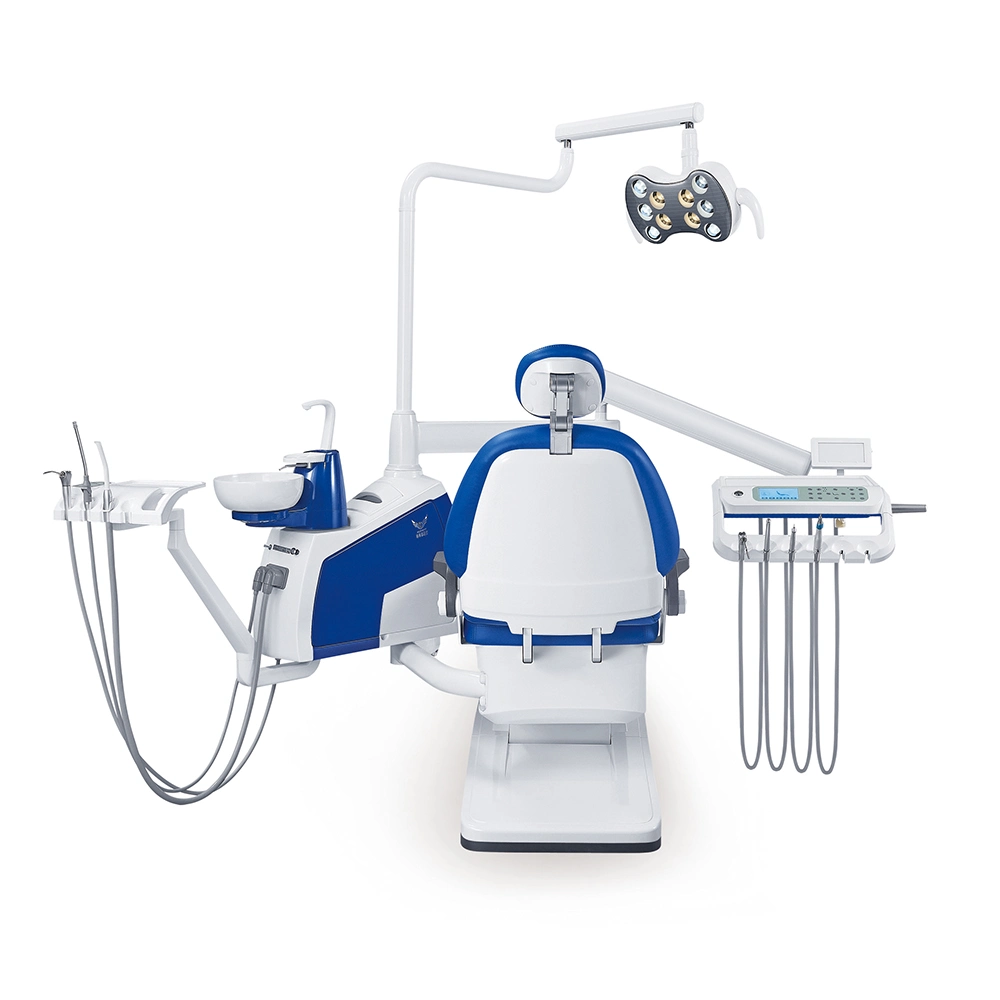
| Spec | Standard Model | Advanced Model |
|---|---|---|
| Power | 18W (Air Turbine Driven, 300,000 RPM max) | 25W (Electric Motor Assisted, 400,000 RPM max with torque compensation) |
| Dimensions | 18.5 mm diameter × 125 mm length; 68 g (without bur) | 17.8 mm diameter × 118 mm length; 62 g (with integrated fiber-optic channel) |
| Precision | ±5% speed consistency under load; standard bearing system (ceramic ball bearings) | ±1.5% speed consistency under load; active feedback control with digital RPM monitoring |
| Material | Stainless steel housing with polymer composite internal shielding | Medical-grade titanium-coated aluminum alloy with antimicrobial polymer coating (ISO 22196 compliant) |
| Certification | CE Marked, ISO 13485:2016, FDA 510(k) cleared (Class II) | CE Marked, ISO 13485:2016, FDA 510(k) cleared, ISO 14971:2019 (Risk Management), IP67 rated for sterilization cycles |
ROI Analysis & Profitability
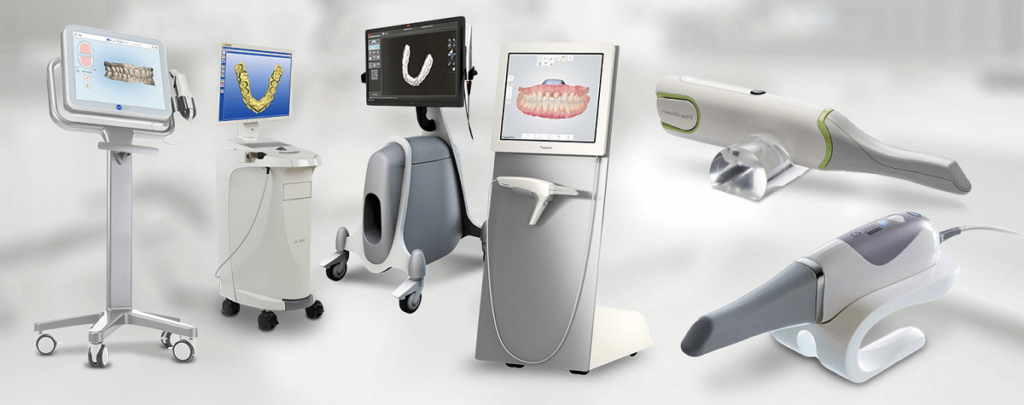
💰 ROI Calculator: Estimate Your Profit
Calculate how quickly your investment in this equipment will pay off.
Importing from China: A Step-by-Step Guide
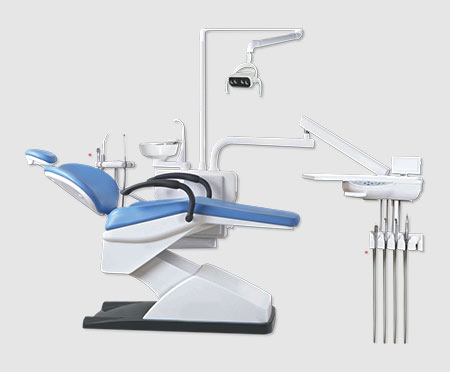
Professional Dental Equipment Sourcing Guide 2026: Strategic China Manufacturing Partnerships
Target Audience: Dental Clinic Procurement Managers & Global Dental Equipment Distributors | Validity: January 2026
Why China Sourcing Remains Strategic in 2026
With 68% of global dental equipment now manufactured in China (2025 WHO Medical Device Report), strategic sourcing is critical for cost optimization without compromising clinical safety. This guide details verified protocols for mitigating 2026-specific risks: evolving EU MDR Annex XVI compliance, US FDA QSIT audit intensification, and post-pandemic supply chain volatility.
Step 1: Verifying ISO/CE Credentials (Non-Negotiable in 2026)
Regulatory landscapes have tightened significantly. Generic “ISO certified” claims are insufficient. Demand these verifiable documents:
| Credential | 2026 Compliance Requirement | Verification Protocol | Risk of Non-Compliance |
|---|---|---|---|
| ISO 13485:2016 | Mandatory for all Class II/III devices (CBCT, Scanners) | Request certificate + scope page showing specific product lines. Cross-check with IAF CertSearch database | EU customs seizure (MDR Article 31); FDA 483 observations |
| CE Marking (MDR 2017/745) | Required for EU market entry. MDR transition deadline: May 2028 | Demand EC Certificate + Technical File reference number. Verify via EUDAMED | €20k+ fines per device under MDR Article 123 |
| NMPA Class II/III Registration | Required for China export compliance (2026 enforcement) | Request NMPA certificate number. Verify via China Medical Device Database | Shipment rejection at Chinese port of export |
| FDA Establishment Registration | Required for US-bound devices | Confirm DUNS number + registration status via FDA FURLS | Import alert #99-32 (detention without physical exam) |
Step 2: Negotiating MOQ Strategically
2026 market dynamics require flexible MOQ structures. Avoid blanket minimums:
| Product Category | 2026 Market MOQ Range | Negotiation Leverage Points | Carejoy Advantage |
|---|---|---|---|
| Dental Chairs | 5-20 units (standard); 50+ (custom) | Commit to annual volume tiers (e.g., 50 units/year = 5-unit MOQ) | 1-unit MOQ for distributors with 3-year contracts |
| Intraoral Scanners | 10-30 units | Negotiate firmware localization (language packs) as MOQ reducer | 8-unit MOQ with pre-paid calibration kit |
| CBCT Units | 2-5 units (high-value justification) | Bundle with service contracts to offset low volume | No MOQ for distributors with certified service engineers |
| Autoclaves | 15-50 units | Request mixed-SKU shipments (e.g., 5x tabletop + 10x cassette) | 10-unit mixed-MOQ across product lines |
Step 3: Optimizing Shipping Terms (DDP vs. FOB)
2026 freight volatility demands precise Incoterm selection:
| Term | 2026 Cost Structure | Risk Allocation | Recommended For |
|---|---|---|---|
| FOB Shanghai | Base price + ocean freight + destination charges (avg. +22% in 2026) | Buyer assumes all risk post-loading. Requires freight forwarder expertise | Distributors with in-house logistics teams; high-volume shipments (>20 CBM) |
| DDP (Delivered Duty Paid) | All-inclusive price (avg. +18-25% vs FOB but predictable) | Supplier manages customs clearance, duties, last-mile delivery. No hidden fees | 90% of clinics; distributors entering new markets; shipments under 15 CBM |
Recommended Strategic Partner: Shanghai Carejoy Medical Co., LTD
Why Carejoy Meets 2026 Sourcing Imperatives:
- Regulatory Certainty: ISO 13485:2016 (Certificate #CN-2026-MED887), MDR-compliant CE marking, NMPA Class II/III registration for all core products
- MOQ Flexibility: Tiered structure supporting distributors (e.g., 5-unit dental chair MOQ with annual commitment)
- DDP Excellence: Direct partnerships with DHL & Sinotrans for true door-to-door DDP with Yangshan FTZ optimization
- Factory Transparency: 19-year manufacturing history; Baoshan District facility features live production cam access for clients
Core Product Compliance: Dental Chairs (EN 15472:2026), CBCT (IEC 60601-2-44:2025), Autoclaves (EN 13060:2026)
Engage Shanghai Carejoy for 2026 Sourcing
Company: Shanghai Carejoy Medical Co., LTD
Established: 2005 | Location: Baoshan District, Shanghai (Yangtze River Delta Manufacturing Hub)
Verification: Request factory audit report via [email protected]
Urgent Sourcing: WhatsApp: +86 15951276160 (24/7 Export Desk)
2026 Priority Access: Mention “GUIDE2026” for expedited regulatory documentation review
Next Steps for Clinics & Distributors
- Request Carejoy’s 2026 Compliance Dossier (includes live certificate verification links)
- Schedule virtual factory tour via Teams/Zoom (Mondays & Wednesdays)
- Submit your 2026 volume forecast for MOQ optimization analysis
Note: All Chinese suppliers must provide GB/T 1.1-2020 compliant documentation per 2026 export regulations. Carejoy’s dossier includes English/Chinese bilingual regulatory files.
Frequently Asked Questions
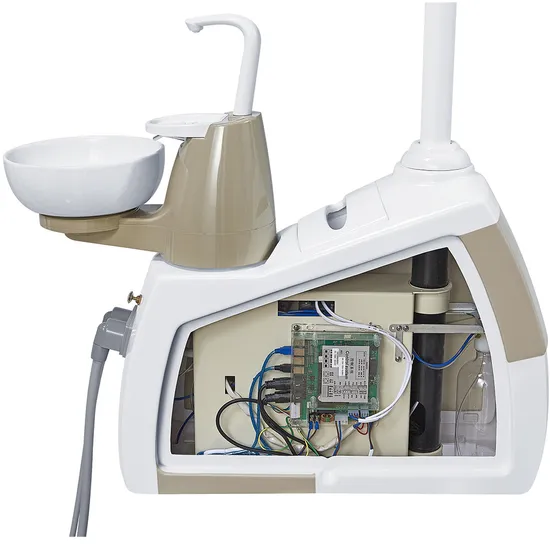
Professional Dental Equipment Guide 2026
Target Audience: Dental Clinics & Equipment Distributors
Frequently Asked Questions: Purchasing from a Dental Tool Manufacturer in 2026
As dental technology evolves, procurement decisions must account for compatibility, serviceability, and long-term reliability. Below are five critical FAQs to consider when sourcing dental tools directly from manufacturers in 2026.
| Question | Manufacturer Response & Buyer Guidance |
|---|---|
| 1. What voltage and power specifications should I verify when purchasing dental tools for international or multi-location clinics? | Ensure the dental equipment is rated for your region’s electrical standards (e.g., 110–120V/60Hz for North America, 220–240V/50Hz for Europe and Asia). Reputable manufacturers offer dual-voltage models or region-specific variants. Confirm compatibility with local power grids and check for built-in surge protection. Request voltage certification (e.g., CE, UL, CSA) and inquire about optional transformers for cross-market deployment. |
| 2. Are spare parts readily available, and what is the average lead time for critical component replacements? | Leading dental tool manufacturers maintain global spare parts inventories with regional distribution hubs. Confirm that the supplier offers a comprehensive parts catalog and guarantees availability for at least 7–10 years post-discontinuation. Average lead time for standard components should be under 72 hours for in-stock items. For high-usage parts (e.g., handpiece bearings, valves, motors), negotiate service-level agreements (SLAs) with distributors to ensure rapid turnaround. |
| 3. Does the manufacturer provide on-site installation and commissioning, and what does the process entail? | Yes, premium manufacturers offer certified on-site installation for complex systems (e.g., dental chairs, imaging units, CAD/CAM stations). The process includes equipment unboxing, utility connections (air, water, power), calibration, software setup, and staff orientation. Confirm whether installation is included in the purchase price or billed separately. For multi-unit orders, request a project timeline and assign a dedicated technical coordinator. |
| 4. What is the standard warranty coverage, and are there extended warranty or service contract options? | Most manufacturers provide a 2-year comprehensive warranty covering parts, labor, and performance defects. Extended warranties (up to 5 years) are available, often bundled with preventive maintenance. Review exclusions carefully—wear items (e.g., burs, tips) and misuse-related damage are typically not covered. Distributors may offer tiered service contracts including priority support, remote diagnostics, and firmware updates. |
| 5. How does the manufacturer support clinics during the warranty period in case of equipment failure? | Reputable manufacturers offer 24/7 technical support, remote troubleshooting, and next-business-day on-site repair for critical failures. Some provide loaner equipment during prolonged repairs. Confirm response time SLAs (e.g., 4-hour acknowledgment, 24-hour dispatch) and ensure local service technicians are factory-trained. Integration with cloud-based monitoring (e.g., predictive maintenance alerts) is increasingly standard in 2026. |
Need a Quote for Dental Tool Manufacturer?
Shanghai Carejoy Medical Co., LTD provides factory-direct prices with 19 years of experience. (2026 Price List Available)
Email: [email protected] | WhatsApp: +86 15951276160