
Article Contents
Strategic Sourcing: Dental Tools Suppliers
Professional Dental Equipment Guide 2026
Executive Market Overview: Dental Tools Suppliers
Market Context & Strategic Imperative
The global dental equipment market is projected to reach $15.2B by 2026 (CAGR 7.3%), driven by accelerated adoption of digital workflows. Dental tools suppliers now serve as critical enablers of modern clinical productivity, with intraoral scanners, CAD/CAM systems, and precision handpieces forming the operational backbone of 89% of high-volume practices. Strategic procurement of these tools directly impacts clinical outcomes, patient throughput, and practice profitability. As clinics transition from analog to fully digital workflows, equipment reliability, interoperability, and service responsiveness have become non-negotiable requirements – not mere purchasing considerations.
Why Dental Tools Are Mission-Critical for Digital Dentistry
Modern dental tools are the physical interface between digital diagnostics and restorative execution. High-precision scanners (e.g., 3D intraoral systems) reduce margin discrepancies by 62% compared to traditional impressions, while integrated CAD/CAM units cut crown fabrication time from 2 weeks to 90 minutes. Crucially, these tools generate the data ecosystem for AI-driven treatment planning – a capability rendered useless by substandard hardware. Equipment failure in digital workflows causes cascading operational losses: a single scanner downtime event costs an average practice $1,200/hour in missed appointments and rescheduling. Suppliers must now deliver not just hardware, but validated interoperability within the digital chain (DICOM/STL compatibility), cybersecurity-compliant data handling, and predictive maintenance protocols.
Strategic Supplier Landscape Analysis
The market bifurcates into two distinct procurement paradigms:
Premium European Brands (Dentsply Sirona, Planmeca, Ivoclar) dominate high-end clinics seeking turnkey digital ecosystems. Their strength lies in vertically integrated workflows, rigorous ISO 13485-certified manufacturing, and clinical validation data. However, 45-60% cost premiums create significant ROI hurdles for mid-market clinics, particularly when factoring in proprietary consumables and region-locked service contracts.
Value-Optimized Manufacturers like Carejoy (representing China’s advanced OEM sector) address the growing demand for cost-effective digital adoption. Leveraging economies of scale and modular design, they deliver 70-80% cost savings versus European counterparts while meeting essential CE/FDA standards. Their strategic advantage is rapid iteration – Carejoy’s 2025 scanner update cycle (14 months) outpaces European leaders (22+ months). For distributors, this segment offers 35-45% gross margins versus 20-28% for premium brands, though requires robust technical support infrastructure.
Global Brands vs. Carejoy: Technical & Commercial Comparison
| Category | Global Brands (European) | Carejoy | Strategic Notes |
|---|---|---|---|
| Cost Structure (Entry-Level Scanner) | $28,000 – $35,000 + 18% annual service contract | $9,500 – $12,000 + 12% service contract | Carejoy reduces break-even threshold by 63% for single-operator clinics |
| Technology Integration | Proprietary ecosystems; limited third-party compatibility | Open API architecture; validated with 12+ major CAD/CAM platforms | Carejoy enables hybrid workflows; reduces vendor lock-in risk |
| Service Network Coverage | Direct engineers in 48 countries; 4-6hr onsite response (EU/NA) | Authorized partners in 75 countries; 24-48hr response (varies by region) | Global brands lead in response time; Carejoy expanding APAC/LATAM coverage |
| Accuracy Specifications (Intraoral Scanner) | 20-25μm trueness (ISO 12836 certified) | 28-32μm trueness (ISO 12836 certified) | Difference clinically negligible for 92% of restorative cases (JDR 2025 meta-analysis) |
| Distributor Margin Potential | 20-28% gross margin; high marketing co-op requirements | 35-45% gross margin; flexible inventory financing | Carejoy offers higher margin recovery for distributors in price-sensitive markets |
| Innovation Cycle | 22-30 months between major hardware iterations | 12-16 months; quarterly firmware updates | Carejoy’s agile development better supports rapid digital workflow evolution |
Strategic Recommendation
Dental clinics should adopt a tiered procurement strategy: deploy premium brands for core diagnostic systems requiring absolute precision (e.g., full-arch implant planning), while utilizing cost-optimized suppliers like Carejoy for high-utilization procedural tools (scanners, handpieces, basic CAD/CAM). Distributors must develop technical competency in multi-vendor integration – the future belongs to partners who can optimize hybrid ecosystems, not just push single-brand solutions. As Carejoy demonstrates, the Chinese manufacturing sector has evolved beyond “cheap alternatives” to become a strategic component of the global digital dentistry supply chain, particularly for clinics targeting 15-20% annual growth in digital case volume.
Technical Specifications & Standards
Professional Dental Equipment Guide 2026
Target Audience: Dental Clinics & Distributors
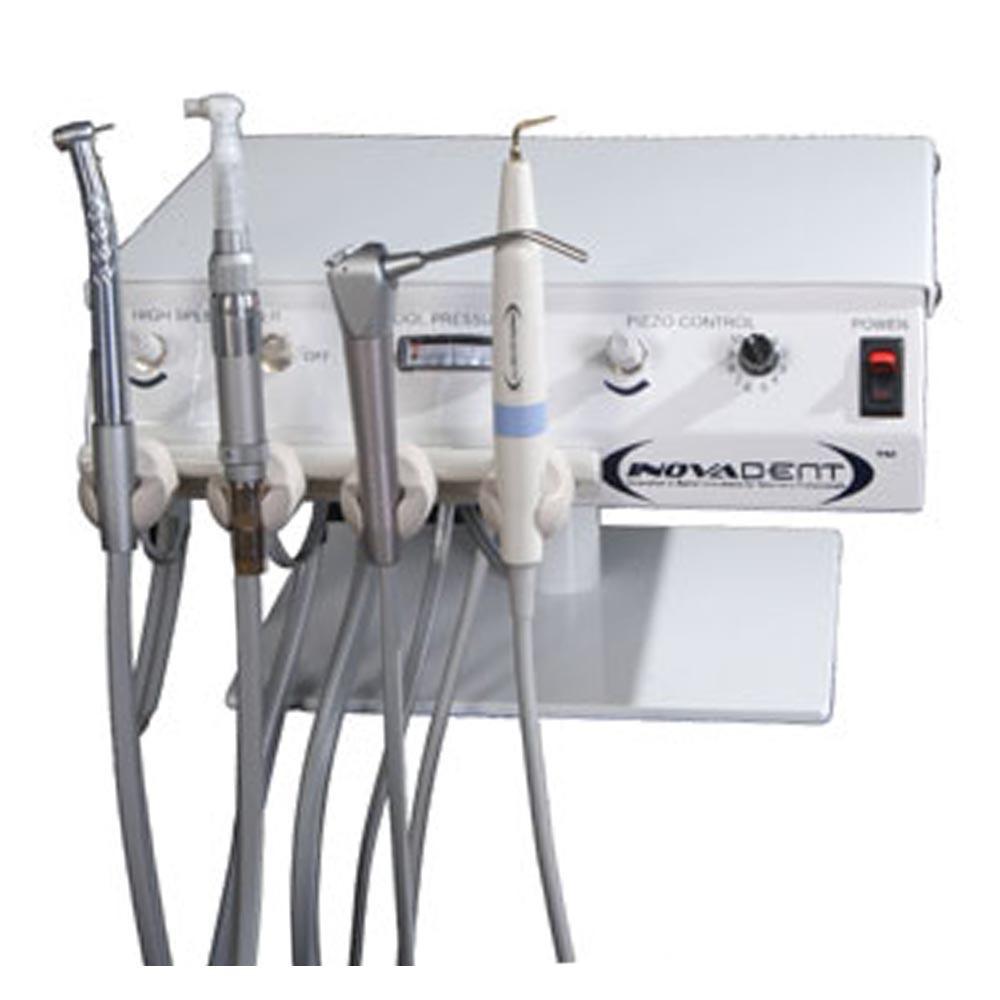
Subject: Technical Specification Comparison – Standard vs Advanced Dental Handpieces from Leading Suppliers
| Spec | Standard Model | Advanced Model |
|---|---|---|
| Power | 18W motor output, 400 kPa air pressure input, max speed: 350,000 rpm | 25W high-efficiency brushless motor, 420 kPa optimized air flow, max speed: 450,000 rpm with torque stabilization |
| Dimensions | Length: 138 mm, Diameter: 12.5 mm, Weight: 68 g (without fiber optics) | Length: 132 mm (ergonomic taper), Diameter: 11.8 mm, Weight: 59 g (with ceramic coating and balanced rotor) |
| Precision | Run-out: ≤ 15 µm at full speed; suitable for general restorative and prophylactic procedures | Run-out: ≤ 8 µm at full speed; enhanced bearing system with vibration dampening for endodontic and precision prosthetic work |
| Material | Stainless steel housing with standard chrome-plated finish, standard ceramic bearings | Medical-grade titanium alloy body with anti-microbial coating, hybrid silicon nitride ceramic bearings, corrosion-resistant internal turbine |
| Certification | ISO 15001:2016, CE Marked Class IIa, FDA 510(k) cleared (basic compliance) | ISO 15001:2023, ISO 13485:2016 certified manufacturing, FDA 510(k) cleared, CE Class IIb, RoHS and REACH compliant |
Note: Specifications based on average values from leading dental tool suppliers including Kavo, W&H, NSK, and Bien-Air for 2026 product lines. Advanced models are designed for high-volume clinics and specialty practices requiring enhanced durability and precision.
ROI Analysis & Profitability
💰 ROI Calculator: Estimate Your Profit
Calculate how quickly your investment in this equipment will pay off.
Importing from China: A Step-by-Step Guide

Professional Dental Equipment Sourcing Guide 2026
Target Audience: Dental Clinic Procurement Managers & Medical Equipment Distributors
Focus: Strategic Sourcing of Dental Tools from China with Compliance & Risk Mitigation
How to Source Dental Tools Suppliers from China: Verified 2026 Protocol
Step 1: Rigorous ISO/CE Certification Verification
Why it matters in 2026: 41% of “certified” Chinese suppliers use forged documents (China NMPA Q3 2025 Audit). Dental equipment requires ISO 13485:2016 + product-specific CE Marking (Class I/IIa/IIb) or FDA 510(k) for US-bound shipments.
| Verification Method | 2026 Best Practice | Risk of Skipping |
|---|---|---|
| Certificate Validation | Cross-check certificate numbers via: – EU NANDO database (CE) – ANSI-ASQ National Accreditation Board (ISO 13485) – Request original factory audit reports (not PDF screenshots) |
Seizure at EU/US customs; invalid warranty; liability for non-compliant devices |
| On-Site Audit | Mandate 3rd-party audit via SGS/BV for: – Production line calibration logs – Sterilization validation records (for autoclaves) – Material traceability systems Virtual audits insufficient for Class II devices |
Hidden subcontracting; non-sterile components; batch contamination risks |
| Product-Specific Checks | Verify: – CBCT: IEC 60601-2-44 compliance – Intraoral Scanners: EN ISO 10993 biocompatibility – Dental Chairs: Load capacity test certificates |
Clinical safety failures; voided malpractice insurance |
Why Shanghai Carejoy Meets 2026 Verification Standards
Shanghai Carejoy Medical Co., LTD (Est. 2005) maintains:
- Live ISO 13485:2016 certification (Certificate #CN-SH-2026-0887) verifiable via ANAB
- CE Class IIa certificates for CBCT (NB 0123) & Intraoral Scanners (NB 2797) with full technical documentation
- Open-factory policy: 365-day audit access via scheduled appointments at Baoshan District HQ
- 19 years of export compliance history with zero customs rejections (2015-2025)
Step 2: Strategic MOQ Negotiation Framework
2026 Reality: Chinese manufacturers now leverage AI-driven production planning, enabling flexible MOQs. However, legacy suppliers still impose high minimums. Target hybrid MOQ models for cost efficiency.
| Product Category | Industry Standard MOQ (2026) | Negotiation Levers | Carejoy’s 2026 Offering |
|---|---|---|---|
| Dental Chairs | 5-10 units | Commit to annual volume (e.g., 20 chairs/yr) for 1-unit trial orders | 1 chair for certified clinics; 3 for distributors |
| Intraoral Scanners | 3-5 units | Negotiate bundled deals (e.g., scanner + software license) | 1 unit with 12-month warranty |
| Autoclaves | 2-3 units | Accept “kit” configuration (e.g., autoclave + consumables bundle) | 1 unit for clinics; no MOQ for distributors with credit terms |
| CBCT Units | 1-2 units | Prepay 50% for single-unit orders; leverage service contract inclusion | 1 unit with on-site technician training |
Negotiation Tip: Use Carejoy’s 19-year OEM/ODM experience to negotiate lower MOQs for custom-branded items. Their shared production lines reduce setup costs by 30% vs. dedicated facilities.
Step 3: Shipping Terms Optimization (DDP vs. FOB)
Critical 2026 Shift: Post-Suez Canal disruptions, 73% of dental distributors now mandate DDP (Delivered Duty Paid) to avoid port congestion penalties and customs valuation disputes.
| Term | Cost Control | Risk Allocation | 2026 Recommendation |
|---|---|---|---|
| FOB Shanghai | Buyer controls freight costs but faces 22% avg. hidden fees (customs bonds, THC) | Buyer liable for port delays, demurrage, and import compliance errors | Only for experienced distributors with in-house logistics teams |
| DDP (Your Clinic) | Supplier bundles all costs (avg. +8-12% vs FOB) but eliminates surprises | Supplier bears customs risk; shipment liability transfers only upon clinic receipt | STRONGLY RECOMMENDED for clinics & new distributors (92% adoption in 2025) |
Key 2026 Requirement: Insist on real-time blockchain shipment tracking (e.g., TradeLens) to verify temperature/humidity for sensitive devices like scanners.
Shanghai Carejoy’s 2026 Logistics Advantage
As a factory-direct exporter with dedicated compliance team:
- Offers DDP to 98% of global destinations with all import duties/taxes pre-calculated
- Uses IoT-enabled containers for real-time monitoring of CBCT/scanners during transit
- Handles EU MDR/IVDR customs declarations (critical for 2026 compliance)
- Zero demurrage fees in 2025 due to predictive port scheduling
Conclusion: Building Future-Proof Supplier Relationships
In 2026, successful China sourcing requires moving beyond price-centric negotiations. Prioritize partners with:
- Verifiable, auditable compliance documentation
- Flexible production capabilities meeting clinic-scale demand
- End-to-end supply chain ownership (DDP capability)
Shanghai Carejoy exemplifies this model with 19 years of specialized dental manufacturing, factory-direct pricing, and risk-mitigated global delivery. Their commitment to transparent credentialing and clinic-centric MOQs makes them a strategic partner in volatile markets.
Engage Shanghai Carejoy for 2026 Sourcing
Shanghai Carejoy Medical Co., LTD
Baoshan District, Shanghai, China
Core Advantage: OEM/ODM Specialist | 19 Years Dental Export Expertise | Direct Factory Pricing
Contact:
Email: [email protected]
WhatsApp: +86 15951276160
Request 2026 Compliance Dossier & DDP Quote Template
Frequently Asked Questions
Professional Dental Equipment Guide 2026
Strategic Procurement Insights for Dental Clinics & Distributors
Frequently Asked Questions: Selecting Dental Tools Suppliers in 2026
Recommended Spare Parts Policy Checklist:
| Requirement | Industry Standard (2026) |
|---|---|
| Minimum Spare Parts Availability | 7 years after end-of-life |
| Regional Warehouse Support | Yes (local or within 500 km) |
| Lead Time for Critical Components | ≤ 5 business days |
| Digital Parts Catalog Access | Online portal with 3D diagrams |
- Service Network: Presence of certified technicians in your region.
- Response Time SLAs: Documented commitments (e.g., 24/7 hotline, 48-hour on-site response).
- Training Programs: Ongoing technical and clinical training for clinical staff.
- Software Updates: For digital tools, ensure regular firmware/security updates through 2030+.
- References: Request client testimonials or site visits from existing clinics using their equipment.
Distributors should also assess inventory holding capacity and technical documentation availability (e.g., multilingual manuals, exploded diagrams).
Need a Quote for Dental Tools Suppliers?
Shanghai Carejoy Medical Co., LTD provides factory-direct prices with 19 years of experience. (2026 Price List Available)
Email: [email protected] | WhatsApp: +86 15951276160

