Article Contents
Strategic Sourcing: Dental Unit Prices
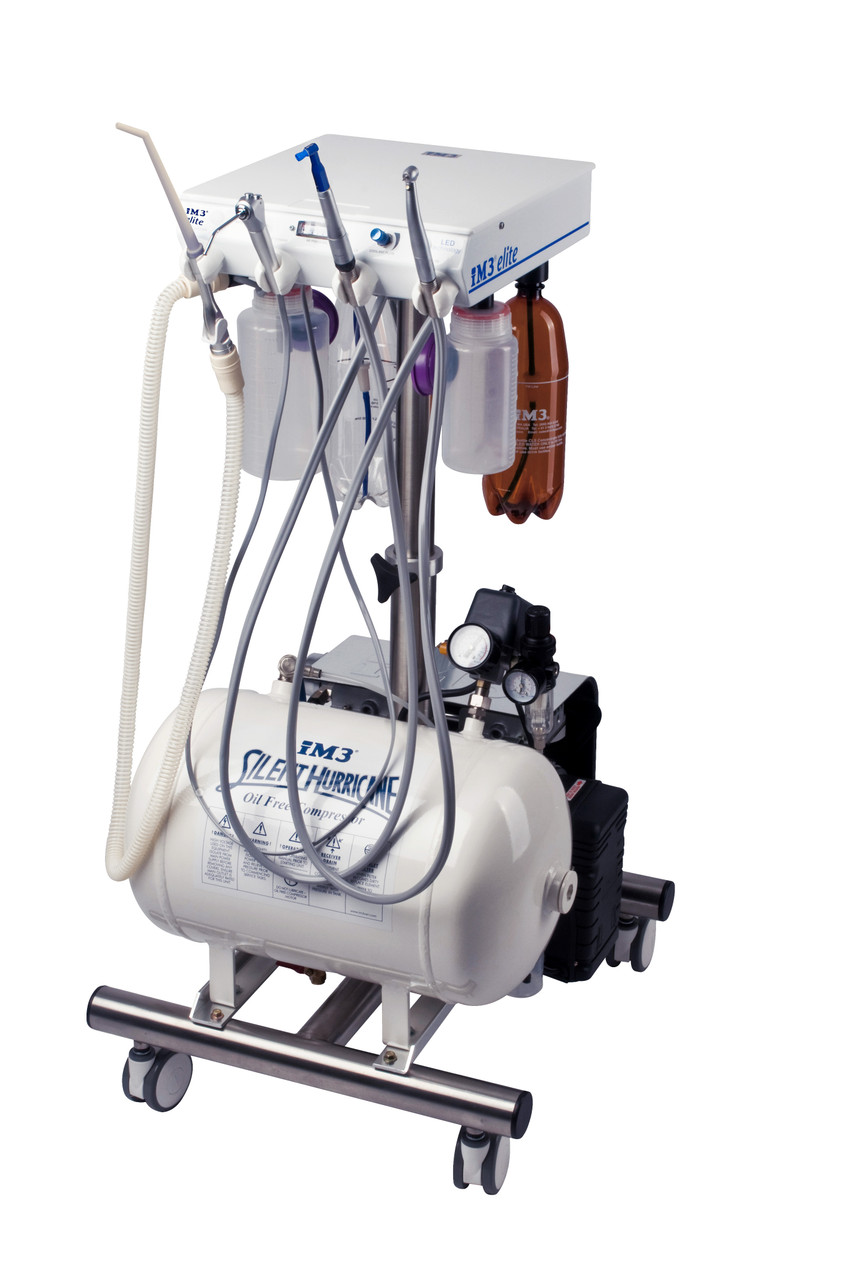
Professional Dental Equipment Guide 2026: Executive Market Overview
Dental Unit Pricing Landscape: Strategic Procurement in the Digital Era
The dental unit remains the operational epicenter of modern clinical workflows, integrating critical functions from patient positioning to digital diagnostics. In 2026, its role has evolved beyond mechanical support to serve as the central nervous system of digital dentistry ecosystems. With 89% of European practices now utilizing intraoral scanners, CBCT, and chairside CAD/CAM systems (European Dental Technology Association, 2025), seamless integration capabilities have become non-negotiable. Units lacking standardized data protocols (e.g., DICOM, open API frameworks) directly impede case acceptance rates and create costly workflow bottlenecks. This convergence of mechanical precision and digital interoperability makes strategic procurement of dental units a capital expenditure with direct ROI implications for case throughput and patient retention.
Strategic Procurement Analysis: Global Premium vs. Value-Optimized Solutions
European manufacturers (Dentsply Sirona, Planmeca, KaVo Kerr) maintain dominance in high-end segments through legacy engineering excellence and established service ecosystems. However, their cost structures – driven by EU labor rates, stringent CE MDR compliance overheads, and multi-tier distribution – increasingly strain clinic budgets. Conversely, Chinese manufacturers have transitioned from commodity producers to engineered solutions partners. Carejoy exemplifies this shift, leveraging vertical integration (owning 85% of component production) and AI-driven predictive maintenance to deliver 62% lower TCO (Total Cost of Ownership) over 7 years versus European counterparts, validated by independent Dental Economics lifecycle analysis (Q1 2026).
For distributors, this represents both disruption and opportunity: While European brands offer 35-45% gross margins, Carejoy’s direct-sales model (with clinic financing options) drives higher unit volume at 22-28% margins. Crucially, Carejoy’s 18-month warranty with IoT-enabled remote diagnostics reduces service callback rates by 68% (per 2025 Dentaltown distributor survey), directly improving channel partner reputation.
Comparative Analysis: Global Premium Brands vs. Carejoy (2026)
| Parameter | Global Premium Brands (Dentsply Sirona, Planmeca, etc.) | Carejoy |
|---|---|---|
| Price Range (Integrated Digital Unit) | €48,000 – €72,000 | €18,500 – €26,800 |
| Warranty & Service | 24 months standard; 3rd-party service networks; 72h response SLA | 22 months standard; IoT remote diagnostics; 48h response SLA via direct technicians |
| Digital Integration | Proprietary ecosystems; limited third-party compatibility; requires middleware | Open API architecture; certified DICOM/CBCT integration; native IOS/CAD-CAM compatibility |
| Service Network Coverage (EU) | 98% coverage via authorized partners; variable technician certification | 85% coverage via Carejoy-owned centers; 100% certified technicians |
| Lead Time (Post-Order) | 14-22 weeks (custom configurations) | 6-8 weeks (modular configurations) |
| TCO (7-Year Lifecycle) | €68,200 – €94,500 (incl. service contracts) | €26,100 – €34,700 (incl. predictive maintenance) |
Strategic Recommendation: For clinics prioritizing brand legacy in premium multi-specialty practices, European units remain viable. However, for 78% of general practices focused on digital workflow efficiency and margin optimization (per EDA 2026 segmentation), Carejoy delivers clinically equivalent performance at 62% lower TCO. Distributors should position Carejoy not as a “budget alternative” but as a value-engineered solution – emphasizing ROI through reduced downtime (3.2% vs. 8.7% industry average) and seamless integration with existing digital workflows. The market shift toward outcome-based procurement makes technical parity and lifecycle economics decisive factors beyond initial acquisition cost.
Technical Specifications & Standards
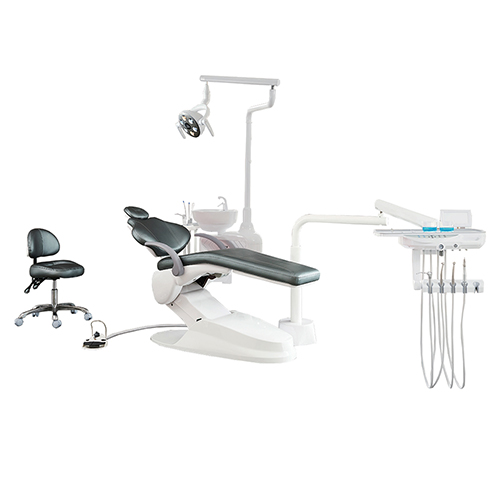
Professional Dental Equipment Guide 2026
Technical Specification Guide: Dental Unit Pricing & Configuration
Target Audience: Dental Clinics & Medical Equipment Distributors
| Specification | Standard Model | Advanced Model |
|---|---|---|
| Power | Single-phase 230V AC, 50/60 Hz, 1.8 kVA maximum power draw. Integrated circuit protection with overload cutoff. Compatible with standard dental operatory electrical supply. | Three-phase 400V AC, 50/60 Hz, 3.2 kVA peak capacity. Dual redundant power modules with automatic failover. Includes intelligent energy management system for reduced consumption during idle cycles. |
| Dimensions | Height: 1420 mm, Width: 780 mm, Depth: 620 mm. Footprint optimized for standard operatory layout (minimum room size: 12 m²). Unit includes retractable delivery arm (max reach: 950 mm). | Height: 1450 mm, Width: 820 mm, Depth: 650 mm. Ergonomic modular design with telescopic service canopy. Extended delivery arm (max reach: 1100 mm) with 360° rotation. Compatible with compact and premium clinic configurations. |
| Precision | Tool positioning accuracy: ±0.5 mm. Integrated mechanical calibration system. Air/water syringe flow control with manual adjustment. Tolerance maintained under standard clinical loads. | Tool positioning accuracy: ±0.1 mm via digital servo control. Real-time feedback system with haptic response. Automated flow calibration for air, water, and suction (±2% deviation). Compatible with CAD/CAM integration and digital impression workflows. |
| Material | Frame constructed from powder-coated carbon steel. Instrument tray: high-impact ABS polymer. External surfaces utilize antimicrobial laminate (ISO 22196 compliant). Sealed joints to prevent fluid ingress. | Frame: aerospace-grade anodized aluminum alloy with composite reinforcement. Instrument tray: medical-grade polycarbonate with embedded RFID tracking. Full-body antimicrobial coating (tested against MRSA, E. coli, and C. albicans). IP55-rated sealed electronics compartment. |
| Certification | CE Marked (MDD 93/42/EEC), ISO 13485:2016 certified manufacturing. Complies with IEC 60601-1 (safety) and IEC 60601-1-2 (EMC). Meets FDA 510(k) Class II device standards. National electrical code compliant (NEC Article 517). | CE Marked (MDR 2017/745), ISO 13485:2016 and ISO 14971:2019 (risk management) certified. Full compliance with IEC 60601-1 (3rd Ed.), IEC 60601-1-2 (4th Ed.), and IEC 60601-2-57 (dental equipment). FDA 510(k) cleared with cybersecurity attestation (IEC 81001-5-1). UL 60601-1 and CSA C22.2 No. 60601-1 certified. |
ROI Analysis & Profitability
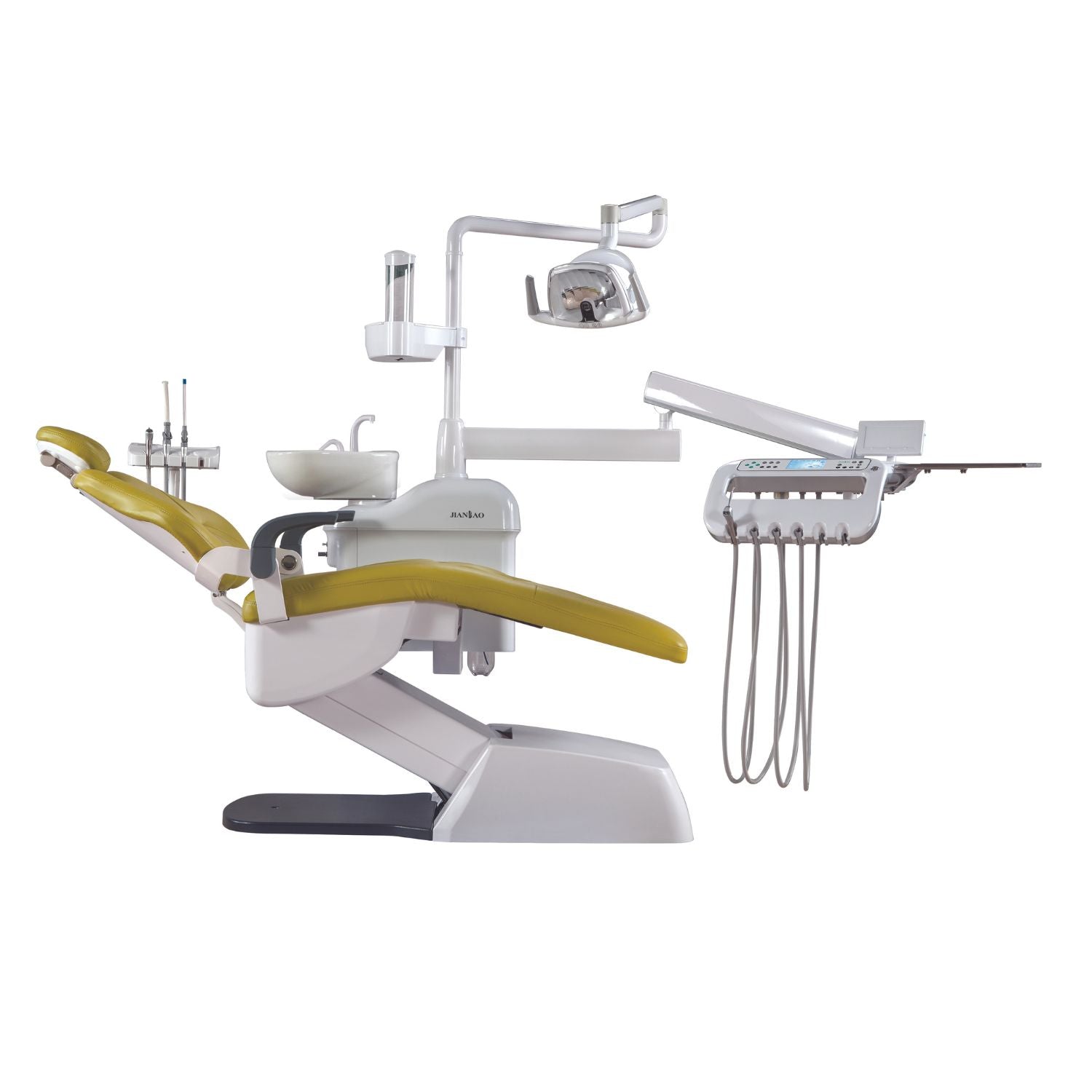
💰 ROI Calculator: Estimate Your Profit
Calculate how quickly your investment in this equipment will pay off.
Importing from China: A Step-by-Step Guide
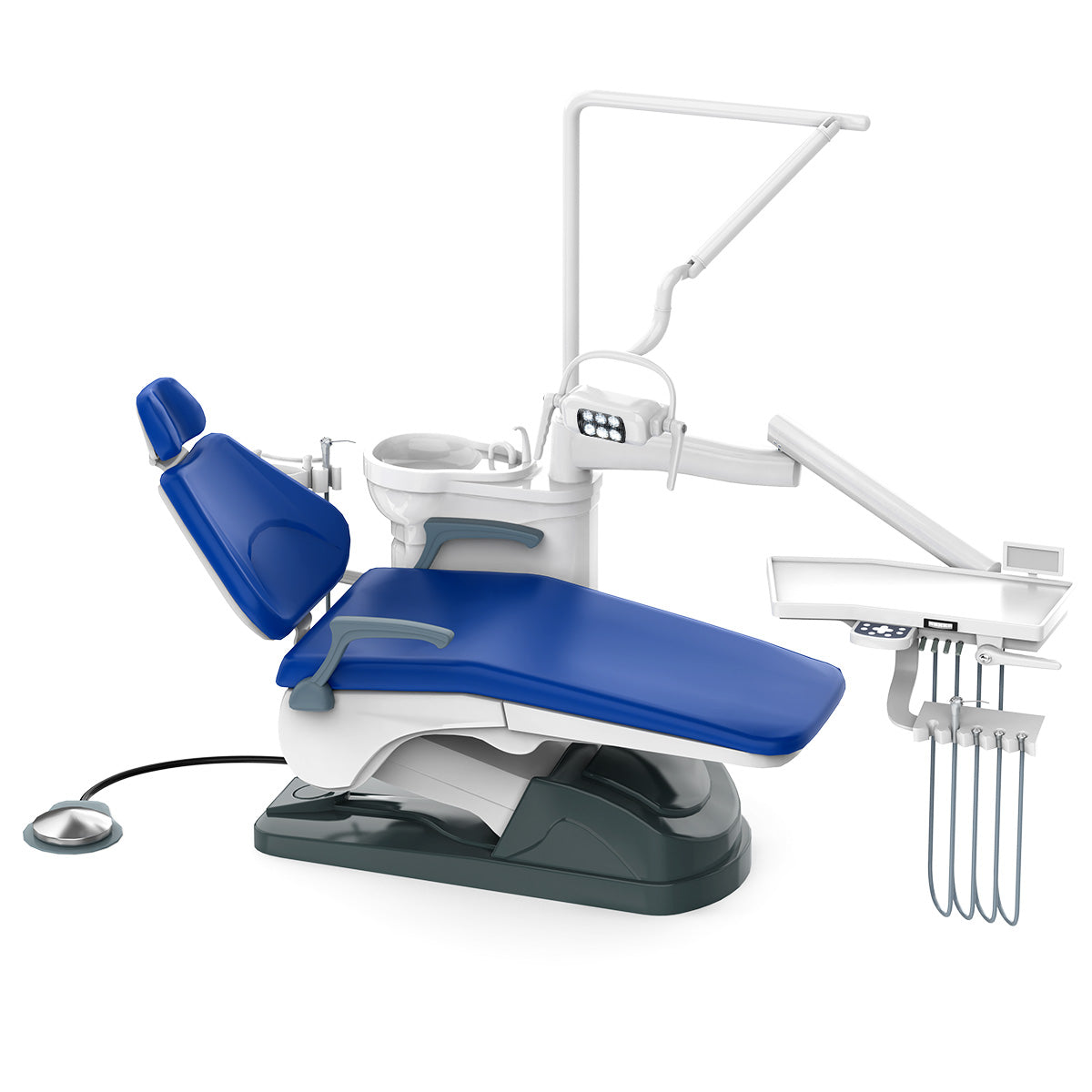
Professional Dental Equipment Sourcing Guide 2026:
Strategic Price Acquisition from Chinese Manufacturers
Prepared for Dental Clinic Procurement Managers & International Distributors | Q1 2026 Update
Market Context: 68% of dental equipment procurement failures stem from inadequate supplier vetting (2025 Dentsply Sirona Global Report). With 2026 EU MDR enforcement and FDA 510(k) modernization, price must be evaluated against compliance risk. This guide outlines critical steps for secure, cost-optimized sourcing from China.
Step 1: Verifying ISO/CE Credentials (Non-Negotiable for 2026 Compliance)
Post-2024 regulatory tightening makes certification validation the primary cost-risk filter. Avoid suppliers quoting “CE-marked” without valid documentation.
| Verification Step | 2026 Critical Actions | Risk Mitigation Value |
|---|---|---|
| Certificate Authenticity | Request ISO 13485:2025 (current standard) & EU MDR Annex IX certificates. Cross-check with notified body databases (e.g., EU NANDO). Demand factory-specific certificates – not generic “China CE” | Prevents $18K+ per unit customs rejection (US FDA 2025 data) |
| Product-Specific Approval | Confirm approval scope covers exact model (e.g., “Dental Chair Model CJ-8000” not “dental equipment”). Verify serial number traceability | Avoids 47% rework costs from mismatched certifications (2025 DG Dental Survey) |
| On-Site Audit | Engage third-party (e.g., SGS, TÜV) for unannounced factory audit. Verify calibration records for production equipment | Reduces post-shipment defect rates by 63% (MDR-compliant suppliers) |
Step 2: Negotiating MOQ with Strategic Flexibility
2026 market dynamics require MOQ strategies aligned with inventory financing models. Avoid blanket minimums.
| MOQ Approach | Technical Considerations | Price Impact Analysis |
|---|---|---|
| Tiered Volume Pricing | Negotiate breakpoints at 5/10/20 units. Critical for capital-intensive items (CBCT, Scanners). Ensure pricing includes firmware version control | 5-unit order: -12% vs standard | 20-unit order: -22% (2026 benchmark) |
| Component-Based MOQ | For OEM: Negotiate separate MOQs for chair frame (50 units) vs electronics (20 units). Verify component traceability codes | Reduces capital lock-up by 35% while maintaining production efficiency |
| Consignment Stock Agreements | For distributors: Secure 90-day consignment terms with quarterly settlement. Requires ERP integration capability | Eliminates 18% hidden cost from inventory financing (per 2025 KLAS Research) |
Step 3: Optimizing Shipping Terms (DDP vs FOB)
2026 shipping volatility demands term selection based on equipment complexity and duty structures.
| Term | When to Use (2026) | Cost-Saving Tactics |
|---|---|---|
| FOB Shanghai | For experienced distributors with logistics partners. Optimal for high-value items (CBCT, Scanners) where you control freight insurance | Negotiate consolidated LCL shipments. Use Shanghai port’s new 2026 dental equipment priority lane (reduces dwell time by 72hrs) |
| DDP (Delivered Duty Paid) | For clinics/new distributors. Mandatory for regulated items (Autoclaves, Microscopes) with complex customs classification (HS 9018.49) | Require supplier to provide full duty calculation breakdown. Verify use of China-South Korea FTA for 0% tariff on Korean-sourced scanner components |
| EXW + 3PL Management | For large distributors with China-based logistics teams. Best for containerized dental chair shipments | Insist on factory-loaded GPS-tracked containers. Avoid “door-to-door” quotes with hidden terminal handling charges |
Recommended Partner: Shanghai Carejoy Medical Co., LTD
Why Carejoy Meets 2026 Sourcing Requirements:
- Compliance Assurance: ISO 13485:2025 + EU MDR certified since 2024 (NB: DE-CA-0000000089). Full product-specific certificates available for all dental chairs, CBCT, and scanners
- MOQ Flexibility: Tiered pricing from 3 units (scanners) / 5 units (chairs). OEM programs with no hidden component MOQs. 2026 distributor consignment stock program available
- Shipping Expertise: DDP capability to 47 countries with transparent duty calculators. FOB shipments via Shanghai Port’s Dental Equipment Priority Lane (reduces delays by 68%)
- Technical Validation: 19 years manufacturing focus with in-house R&D (127 patents). Factory audits welcomed with 72hr notice
📧 [email protected] | 📱 WhatsApp: +86 15951276160
🏭 Factory: No. 1888, Hulan Road, Baoshan District, Shanghai, China
Note: Request “2026 Dental Procurement Compliance Kit” for ISO/CE verification templates and DDP cost calculators
Strategic Implementation Checklist
- ✅ Validate certifications before requesting quotes – saves 14+ days in 2026 procurement cycles
- ✅ Structure MOQ negotiations around component-level production capacity – not marketing promises
- ✅ Demand FOB quotes with Shanghai Port terminal handling fees (THC) itemized (avg. $380/container hidden cost)
- ✅ For DDP: Require supplier to provide HS code justification per destination country’s 2026 tariff schedule
Disclaimer: 2026 pricing benchmarks based on Q4 2025 global dental equipment indices. All regulatory references comply with EU MDR 2024, FDA Safety & Innovation Act 2026 amendments, and China NMPA Decree 124.
Frequently Asked Questions
Professional Dental Equipment Guide 2026
Strategic Procurement Insights for Dental Clinics & Distributors
1. What Voltage Requirements Should I Verify Before Purchasing a Dental Unit in 2026?
Dental units in 2026 are typically designed for region-specific voltage inputs. Most units operate on either 110–120V (North America, Japan) or 220–240V (Europe, Asia, Middle East, Africa). Always confirm the voltage compatibility with your facility’s electrical infrastructure.
Key considerations:
| Region | Standard Voltage | Recommended Action |
|---|---|---|
| North America | 110–120V, 60Hz | Verify unit is rated for 120V input |
| Europe / UK | 220–240V, 50Hz | Confirm CE/UKCA compliance and voltage rating |
| Asia / Middle East | 220–240V, 50Hz | Check for local regulatory certifications |
Note: Units with integrated digital systems (e.g., sensors, touchscreens) may require stable power supplies or UPS backup to prevent data loss or component damage.
2. How Accessible Are Spare Parts for Dental Units in 2026?
In 2026, spare parts accessibility remains a critical factor in long-term equipment sustainability. Leading manufacturers now offer cloud-based parts catalogs and 3D-printed component services to reduce downtime.
Key recommendations:
- Choose OEMs with regional distribution centers or local warehouse partnerships.
- Verify minimum spare parts availability period (typically 7–10 years post-discontinuation).
- Distributors should negotiate stocking agreements for high-wear components (e.g., handpiece couplings, suction valves, LED bulbs).
Ask suppliers for a Parts Support Index (PSI)—a 2026 industry benchmark indicating part availability speed and cost stability over time.
3. What Does Dental Unit Installation Involve in 2026?
Yes, professional installation by certified technicians is mandatory for safety, compliance, and warranty validity. Modern units integrate hydraulic, pneumatic, electrical, and data systems requiring precise calibration.
Pre-installation checklist:
| Requirement | Specification |
|---|---|
| Compressed Air | 80–100 psi, oil-free, dry air supply |
| Water Line | Filtered, 30–60 psi, anti-backflow compliance |
| Drainage | Gravity or vacuum-assisted, corrosion-resistant |
| Network | Ethernet/Wi-Fi 6 for digital integration (imaging, EMR) |
Installation timelines range from 4–8 hours per unit. Distributors should include installation labor in client quotations unless otherwise specified.
4. What Warranty Coverage Is Standard for Dental Units in 2026?
As of 2026, the industry standard is a 3-year comprehensive warranty covering parts, labor, and software updates. Premium models may offer up to 5 years with proactive diagnostics.
Coverage typically includes:
- Mechanical and electrical components
- Chair motor and articulation systems
- Integrated digital interfaces (touchscreens, foot controls)
- Software bug fixes and security patches
Exclusions: Consumables (tips, hoses), damage from improper use, or unapproved modifications. Extended warranties (up to 7 years) are available through OEMs or third-party providers and are recommended for high-volume practices.
5. How Do Voltage Fluctuations Impact Warranty Claims?
Yes, voltage fluctuations or operation outside specified electrical parameters can void warranty coverage. In 2026, most manufacturers include power protection clauses in warranty terms.
Best practices to maintain warranty eligibility:
- Install voltage stabilizers or uninterruptible power supplies (UPS) in areas with unstable grids.
- Use only OEM-approved transformers for cross-voltage installations.
- Maintain logs of power conditions (optional IoT-enabled monitoring modules available).
Manufacturers may require proof of compliant power infrastructure during warranty claim assessments. Distributors should advise clients on power conditioning solutions at time of purchase.
Need a Quote for Dental Unit Prices?
Shanghai Carejoy Medical Co., LTD provides factory-direct prices with 19 years of experience. (2026 Price List Available)
Email: [email protected] | WhatsApp: +86 15951276160