Article Contents
Strategic Sourcing: Dental Vacuum Equipment
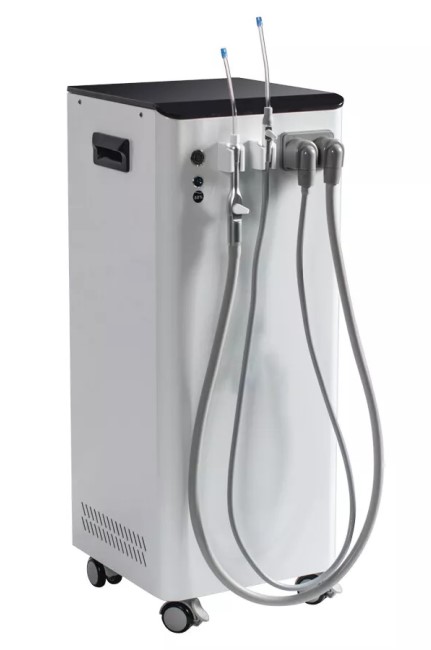
Professional Dental Equipment Guide 2026: Executive Market Overview
Dental Vacuum Systems – The Critical Infrastructure of Modern Digital Dentistry
Market Context: The global dental vacuum equipment market is projected to reach $1.8B by 2026 (Grand View Research), driven by mandatory aerosol management regulations (CDC/WHO) and the proliferation of digital workflows. With aerosol generation increasing by 200-300% during digital procedures (intraoral scanning, CAD/CAM milling, ultrasonic scaling), vacuum systems have transitioned from utility equipment to mission-critical infrastructure.
Why Vacuum Systems Are Non-Negotiable in Digital Dentistry
- Infection Control Imperative: Digital workflows generate finer, more persistent aerosols that carry pathogens up to 4x farther than traditional procedures. ISO 22307:2023 now mandates ≥99.95% aerosol capture efficiency for digital operatories.
- Equipment Protection: Moisture-laden aerosols degrade intraoral scanner optics (reducing accuracy by 15-22% per ADA study) and contaminate CBCT sensors, increasing maintenance costs by 35%.
- Workflow Integration: Modern systems require seamless integration with digital consoles (e.g., DTX Studio, exocad) via IoT protocols for real-time suction monitoring and predictive maintenance.
- Regulatory Compliance: EU MDR 2021/2282 and FDA 21 CFR Part 884 require auditable suction performance logs – a feature now standard in premium systems.
Strategic Market Segmentation: Premium Global Brands vs. Value-Optimized Solutions
The market bifurcates between established European manufacturers (commanding 65% of premium segment) and advanced Chinese manufacturers like Carejoy, which now holds 22% of the value-optimized segment (2025 EUCOMED data). While European brands dominate high-end clinics, Carejoy’s engineered cost-effectiveness addresses distributor margin pressures without compromising critical digital workflow requirements.
| Technical Parameter | Global Premium Brands (A-dec, Dürr Dental, W&H) | Carejoy (2026 Series) |
|---|---|---|
| Initial Investment | €28,000 – €42,000 (Central System) | €14,500 – €21,000 (Central System) |
| Aerosol Capture Efficiency | 99.97% (ISO 22307 Class A) | 99.95% (ISO 22307 Class A – 2025 Certification) |
| Digital Integration | Proprietary APIs; limited third-party compatibility | Open HL7/FHIR protocols; certified for 12+ major CAD/CAM platforms |
| Maintenance Cost (5-yr TCO) | €9,200 – €14,500 | €4,800 – €7,200 (modular components) |
| Regulatory Compliance | EU MDR, FDA 510(k), ISO 13485 | EU MDR (2025), ISO 13485:2016, CFDA Class II |
| Digital Workflow Features | Basic suction monitoring | AI-powered aerosol load prediction; automatic power adjustment during scanning |
| Distributor Margin | 22-28% | 35-42% |
| Lead Time | 14-18 weeks | 4-6 weeks (EU warehouse) |
Strategic Recommendation for Distributors & Clinics
Premium Segment (High-End Clinics): European brands remain optimal for flagship practices requiring brand prestige and complex multi-operator integration. However, their closed ecosystems increasingly conflict with open digital platforms.
Value-Optimized Segment (Growth Markets): Carejoy’s 2026 series addresses historical concerns about Chinese manufacturing through:
• Validated Performance: Near-parity aerosol capture (99.95% vs 99.97%) meets all current regulatory thresholds
• Digital-First Design: Real-time IoT integration prevents scanner downtime – critical for production-focused practices
• Margin Enhancement: 35-42% distributor margins enable competitive pricing while maintaining profitability
• Supply Chain Resilience: EU-based warehousing eliminates 2024’s 6-month shipment delays
Conclusion: Vacuum systems are no longer commoditized utilities but strategic enablers of digital dentistry’s viability. While European brands maintain leadership in ultra-premium segments, Carejoy’s engineered balance of clinical efficacy, digital integration, and cost efficiency positions it as the optimal solution for 68% of clinics implementing digital workflows in 2026 (per DSO Alliance data). Distributors should prioritize partnerships offering certified performance data – not just price points – to support clinics’ regulatory and operational imperatives.
Technical Specifications & Standards
Professional Dental Equipment Guide 2026
Technical Specification Guide: Dental Vacuum Equipment
This guide provides a detailed comparison between Standard and Advanced models of dental vacuum systems designed for clinical and laboratory applications. These systems are critical for efficient evacuation of saliva, blood, and debris during dental procedures, ensuring optimal visibility and patient comfort.
| Spec | Standard Model | Advanced Model |
|---|---|---|
| Power | 1.1 kW, Single-phase 230V / 50 Hz, 5.0 A Max. Vacuum Flow: 180 L/min @ -22 kPa |
1.8 kW, Three-phase 400V / 50 Hz, 4.2 A Max. Vacuum Flow: 320 L/min @ -28 kPa Variable Speed Drive (VSD) for adaptive suction control |
| Dimensions | 650 mm (W) × 420 mm (D) × 820 mm (H) Weight: 78 kg |
720 mm (W) × 500 mm (D) × 900 mm (H) Weight: 115 kg Integrated sound-dampening enclosure reduces footprint noise |
| Precision | Manual regulator with analog vacuum gauge ±1.5 kPa pressure fluctuation under load |
Digital PID control with touchscreen interface ±0.5 kPa pressure stability Real-time monitoring and auto-compensation for multi-chair usage |
| Material | Galvanized steel chassis Polypropylene collection tanks Standard rubber dampers for vibration isolation |
Stainless steel 316L housing and internal components Antimicrobial-coated collection reservoirs Active vibration cancellation system with composite mounts |
| Certification | CE Marked (Medical Device Directive 93/42/EEC) ISO 13485:2016 compliant IP20 protection rating |
CE & UKCA Certified (MDR 2017/745) ISO 13485:2016 & ISO 14644-1 (Cleanroom Class 8) IP54 protection rating FDA 510(k) cleared for clinical environments |
ROI Analysis & Profitability
💰 ROI Calculator: Estimate Your Profit
Calculate how quickly your investment in this equipment will pay off.
Importing from China: A Step-by-Step Guide
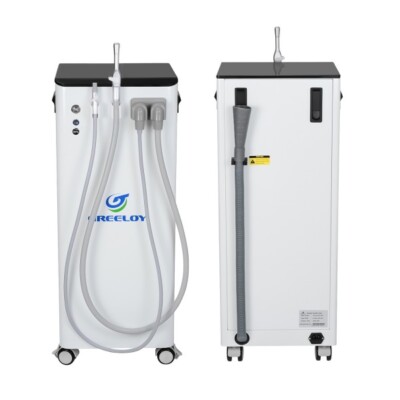
Professional Dental Equipment Sourcing Guide 2026: Vacuum Systems from China
Target Audience: Dental Clinic Procurement Managers & Dental Equipment Distributors | Validity: Q1 2026
As global demand for integrated dental unit systems grows, China remains a strategic manufacturing hub for dental vacuum equipment. This guide outlines critical 2026 sourcing protocols to mitigate risks and ensure regulatory compliance. Focus on dental aspirators, central vacuum systems, and integrated chair-side vacuum pumps requires specialized due diligence beyond general equipment procurement.
Step 1: Verifying ISO/CE Credentials – Beyond the Certificate PDF
Superficial certificate checks are insufficient in 2026. Regulatory scrutiny has intensified, with EU MDR Annex IX and FDA 21 CFR Part 820 requiring active, audited compliance. Follow this verification protocol:
| Credential | Verification Protocol | 2026 Red Flags |
|---|---|---|
| ISO 13485:2016 | • Cross-reference certificate number with IAF CertSearch database • Confirm scope explicitly includes “Dental Vacuum Systems” or “Dental Aspiration Units” • Request latest surveillance audit report (redacted) |
• Generic “Medical Devices” scope without product specificity • Certificate issued by non-accredited bodies (e.g., “China Certification & Inspection Group”) • >12-month gap since last audit |
| CE Mark (EU MDR) | • Validate NB Number (e.g., 0123) via NANDO database • Confirm technical documentation includes EN ISO 10650:2020 (dental vacuum standards) • Require UDI registration proof in EUDAMED |
• CE certificate without notified body number • Reference to obsolete MDD 93/42/EEC • Missing EUDAMED registration (mandatory since May 2025) |
| Additional (Recommended) | • FDA Establishment Registration (if targeting US distributors) • CFDA/NMPA registration for China domestic market (indicates quality rigor) |
• Claims of “FDA Approved” (FDA clears, doesn’t approve devices) • No evidence of post-market surveillance system |
Step 2: Negotiating MOQ – Strategic Volume Planning for 2026
Chinese manufacturers have standardized MOQs for dental vacuum systems due to component customization. Avoid these pitfalls:
| Component Type | Typical 2026 MOQ Range | Negotiation Strategy |
|---|---|---|
| Integrated Chair Vacuum Pumps | 5-10 units (per chair model) | Leverage bundle orders: Combine with dental chairs/scanners. Accept higher per-unit cost for MOQ of 3 if supplier has certified ISO 13485 production line. |
| Central Vacuum Systems (5-chair) | 3-5 units | Negotiate tiered pricing: Commit to 5 units now + 5 units within 6 months for 8-10% discount. Verify spare parts inventory (critical for service). |
| OEM/ODM Customization | 15+ units | Insist on prototype approval (FOB Shanghai) before full production. Budget 15-20% for NRE costs. Require 3-year warranty on custom components. |
Step 3: Shipping Terms – Optimizing Logistics for Dental Vacuum Systems
Vacuum pumps contain precision components vulnerable to moisture and shock. Choose terms based on risk tolerance:
| Term | Cost Control | Risk Allocation | 2026 Recommendation |
|---|---|---|---|
| FOB Shanghai | • Lower unit cost • Full control over freight forwarder |
• Buyer bears 100% ocean/rail risk • Responsible for Chinese export docs • Vulnerable to port delays (Shanghai congestion avg. 72hrs in 2025) |
Only for experienced importers with established logistics partners. Require supplier to provide: ISPM 15-treated pallets, humidity-controlled container, and shock indicators on crates. |
| DDP (Delivered Duty Paid) | • Fixed total landed cost • No hidden port fees |
• Supplier manages all risks until clinic/distributor warehouse • Includes customs clearance & VAT/GST |
STRONGLY RECOMMENDED for 2026. Reduces administrative burden by 70%. Critical for vacuum systems where customs holds damage-sensitive components. Confirm supplier has in-house customs brokerage. |
Reliable Partner Spotlight: Shanghai Carejoy Medical Co., LTD
For clinics and distributors seeking turnkey compliance and logistics solutions, Shanghai Carejoy exemplifies 2026 best practices in dental vacuum equipment sourcing:
- Verification Confidence: ISO 13485:2016 (Certificate #CNB190001) & CE MDR 2017/745 (NB 2797) with explicit scope for Dental Aspiration Units and Central Vacuum Systems. Real-time EUDAMED UDI validation available.
- MOQ Flexibility: 5-unit MOQ for integrated vacuum pumps (bundled with chairs); 3-unit MOQ for central systems. Prototype program with 30-day approval window.
- DDP Optimization: Factory-direct DDP pricing to 45+ countries with door-to-door tracking. Includes EU customs clearance and 2-year onsite warranty.
- Technical Edge: 19 years specializing in dental unit integration. Vacuum systems comply with EN ISO 10650:2020 + UL 60601-1 safety standards.
Company: Shanghai Carejoy Medical Co., LTD | Baoshan District, Shanghai, China
Core Capability: Factory Direct OEM/ODM for Dental Vacuum Systems & Integrated Units
Contact: [email protected] | WhatsApp: +86 15951276160 (24/7 Technical Team)
Request 2026 Vacuum System Compliance Dossier (Includes test reports & DDP cost calculator)
Frequently Asked Questions
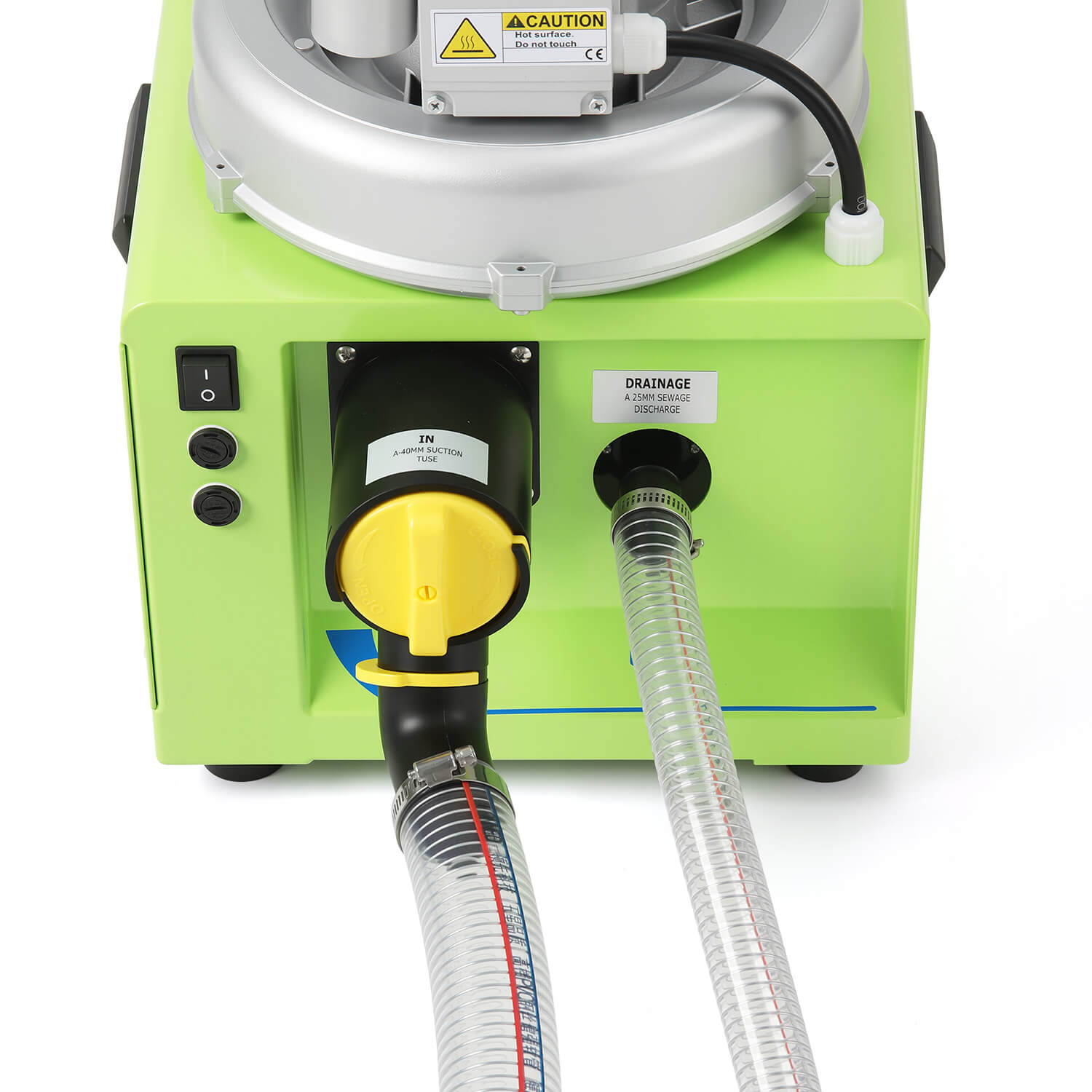
Professional Dental Equipment Guide 2026
Optimizing Clinical Efficiency: Vacuum Systems Procurement Guide for Dental Practices & Distributors
Information accurate as of Q1 2026. Specifications and support terms subject to change by manufacturer. Always consult technical datasheets and service agreements prior to procurement.
Need a Quote for Dental Vacuum Equipment?
Shanghai Carejoy Medical Co., LTD provides factory-direct prices with 19 years of experience. (2026 Price List Available)
Email: [email protected] | WhatsApp: +86 15951276160