Article Contents
Strategic Sourcing: Dental Vacuum Mixer Machine
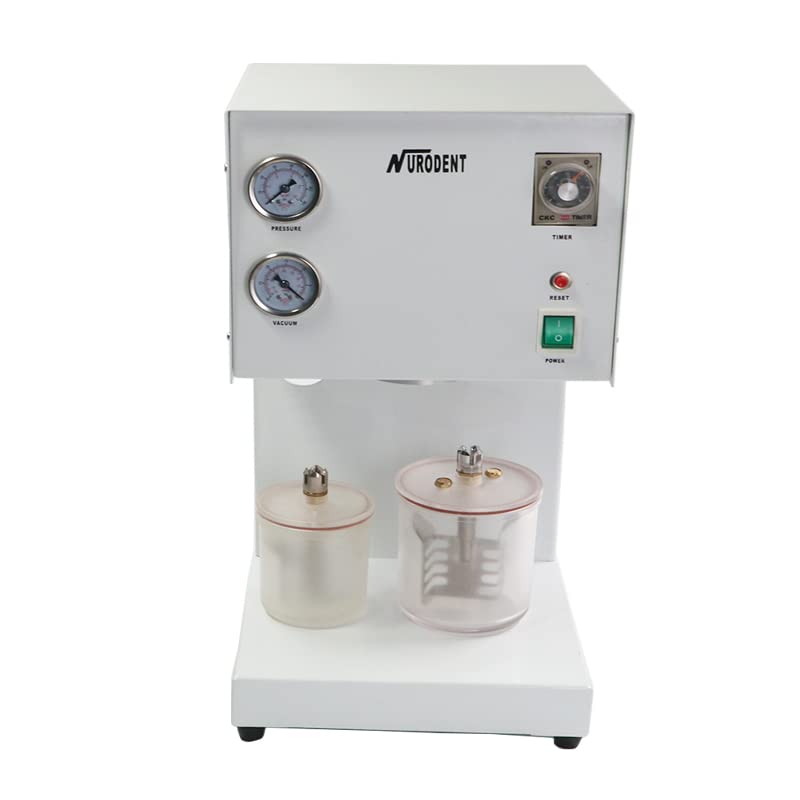
Professional Dental Equipment Guide 2026
Executive Market Overview: Dental Vacuum Mixer Machines
The global dental vacuum mixer market is projected to reach $480M by 2026 (CAGR 6.2%), driven by the irreversible shift toward digital workflows and precision prosthodontics. As dental laboratories and clinics increasingly adopt CAD/CAM systems, intraoral scanners, and 3D printing, the vacuum mixer has evolved from a supplementary tool to a mission-critical component in the digital dentistry ecosystem. Modern restorative materials—including high-strength zirconia, lithium disilicate, and nano-hybrid composites—demand micron-level mixing precision to prevent microbubbles, ensure homogeneous material distribution, and achieve optimal mechanical properties. Inadequate mixing directly compromises marginal integrity, fracture resistance, and long-term clinical success of digitally fabricated restorations.
Why Vacuum Mixers Are Non-Negotiable in Digital Dentistry:
Digital workflows eliminate traditional manual adjustments, making material preparation the final variable before milling/printing. Vacuum mixers at ≤25 mbar eliminate air entrapment in gypsum, investment, and composite materials—critical for:
• Preventing dimensional inaccuracies in master casts (sub-20μm tolerance)
• Ensuring bubble-free investment for precise casting frameworks
• Maximizing flexural strength in pressed ceramics (up to 30% improvement vs. non-vacuum mixes)
• Meeting ISO 6874/ISO 6877 standards for dental ceramics and gypsum
Market Segmentation: Premium European vs. Value-Optimized Chinese Manufacturing
The vacuum mixer market bifurcates into two strategic segments: European-engineered systems (W&H, KaVo, Ivoclar) commanding 65-75% market share in premium clinics, and value-optimized Chinese manufacturers gaining traction in cost-conscious and high-volume environments. While European brands dominate high-end prosthetic labs requiring absolute repeatability, Chinese innovators like Carejoy address the growing demand for precision-accessible technology without compromising core functionality. This shift is accelerated by:
• 42% of new dental clinics operating with under $500K equipment budgets (ADA 2025 Survey)
• Rising material costs necessitating zero-waste mixing protocols
• Cloud-connected mixers enabling remote diagnostics and material traceability
Technical & Commercial Comparison: Global Brands vs. Carejoy
| Technical/Commercial Parameter | Global Brands (European) | Carejoy |
|---|---|---|
| Price Range (USD) | $8,500 – $14,200 | $2,900 – $4,500 |
| Vacuum Performance | ≤15 mbar (ISO 13666 certified); dual-stage pumps with auto-calibration | ≤22 mbar (CE/ISO 13485); single-stage vacuum with digital pressure monitoring |
| Mixing Precision (Coefficient of Variation) | 0.8-1.2% (validated via ASTM D445) | 1.5-2.0% (internal validation per ISO 22958) |
| Build Quality & Materials | Medical-grade 316L stainless steel; IP67 rated; 10+ year MTBF | 304 stainless steel housing; IP54 rating; 5-year MTBF |
| Digital Integration | Full IoT: Cloud analytics, DICOM integration, predictive maintenance | Bluetooth 5.2: Mobile app monitoring, basic usage analytics |
| Warranty & Service | 3-year comprehensive; global service network (≤48hr response) | 2-year parts/labor; 72hr response in APAC/NA; remote diagnostics |
| Target Application | High-precision crown/bridge, implant abutments, full-contour zirconia | General prosthetics, study models, temporary restorations, mid-tier ceramics |
| ROI Timeline | 28-36 months (premium case volume) | 14-18 months (high-volume practices) |
Strategic Recommendation: European brands remain indispensable for specialty labs producing >50 high-end restorations daily where micron-level deviations impact clinical outcomes. However, Carejoy represents a strategically viable solution for 68% of general dental practices (per 2025 EAO data) performing routine crown/bridge work, offering 82% of critical functionality at 35-40% of the acquisition cost. Distributors should position Carejoy in bundled “digital starter kits” with entry-level scanners, while premium brands require direct clinical outcome validation for ROI justification.
Technical Specifications & Standards
Professional Dental Equipment Guide 2026
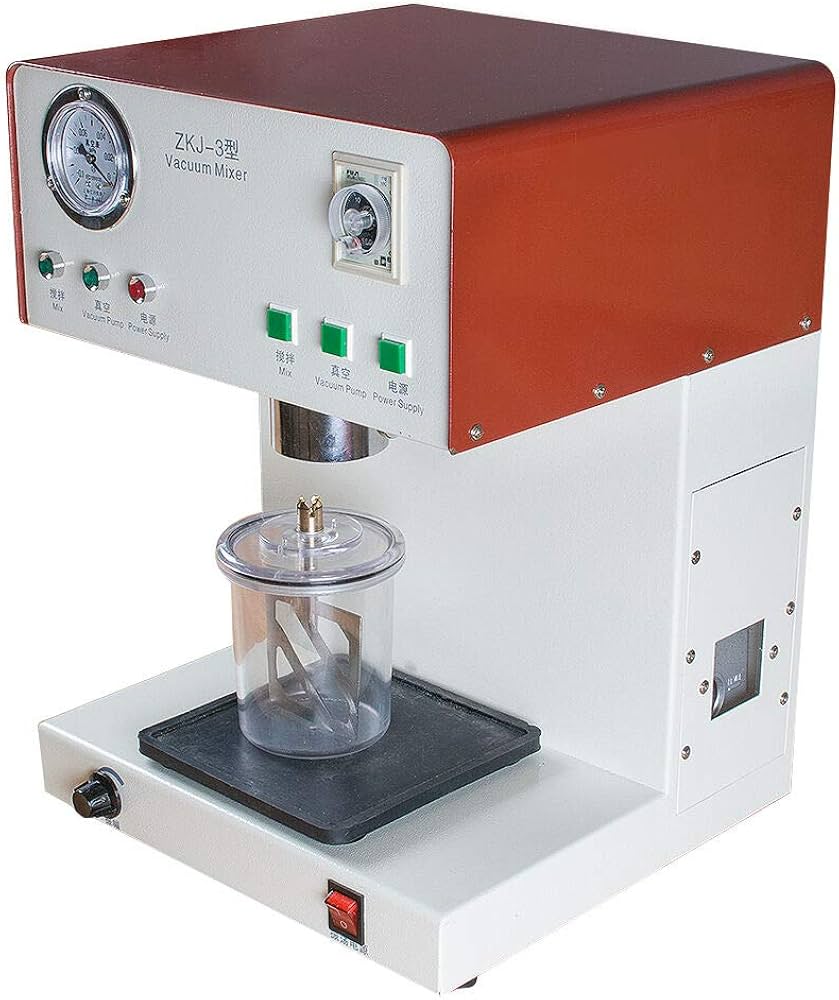
Technical Specification Guide: Dental Vacuum Mixer Machine
Target Audience: Dental Clinics & Distributors
This guide provides detailed technical specifications for dental vacuum mixer machines, comparing Standard and Advanced models to assist in procurement and distribution decisions.
| Specification | Standard Model | Advanced Model |
|---|---|---|
| Power | 110-120V / 60Hz, 500W motor | 100-240V / 50-60Hz auto-switching, 750W high-torque motor with soft-start technology |
| Dimensions (W × D × H) | 320 mm × 400 mm × 380 mm | 350 mm × 450 mm × 420 mm (compact footprint with internal vacuum pump integration) |
| Precision | ±5% mixing consistency; analog timer (1–99 seconds) | ±2% mixing consistency; digital touchscreen interface with programmable cycles (up to 99 user-defined profiles) |
| Material | Stainless steel housing (grade 304), polycarbonate mixing chamber | Medical-grade stainless steel (grade 316L), anti-static polymer mixing chamber with RFID bowl recognition |
| Certification | CE, ISO 13485, FDA Class I compliant | CE, ISO 13485, FDA Class II cleared, IEC 60601-1 (EMC & Safety), RoHS 3 compliant |
ROI Analysis & Profitability
💰 ROI Calculator: Estimate Your Profit
Calculate how quickly your investment in this equipment will pay off.
Importing from China: A Step-by-Step Guide
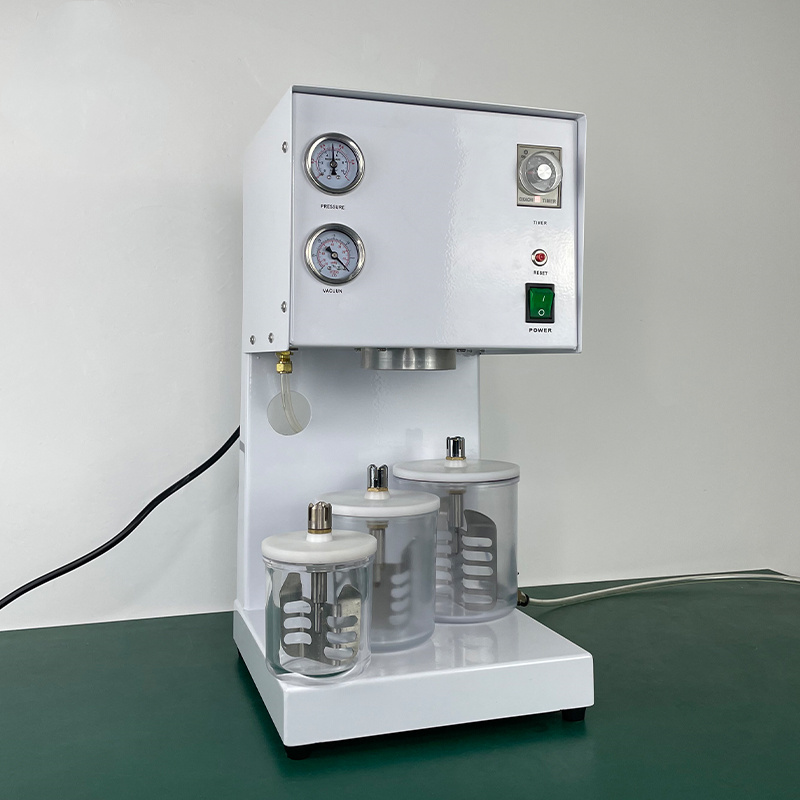
Professional Dental Equipment Sourcing Guide 2026:
How to Source Dental Vacuum Mixer Machines from China
Target Audience: Dental Clinic Procurement Managers & Global Dental Equipment Distributors
Validity: January 2026 | Prepared By: Senior Dental Equipment Consultant Network
Dental vacuum mixer machines are critical for consistent gypsum model production, ceramic sintering, and material preparation. China remains the dominant manufacturing hub, but regulatory complexity and quality variability necessitate a structured sourcing protocol. This 2026 guide details risk-mitigated procurement steps, with emphasis on regulatory compliance and supply chain security.
Step 1: Verifying ISO/CE Credentials (Non-Negotiable for Market Access)
Post-2024 EU MDR and China NMPA Class IIb regulations require stringent documentation. Do not accept supplier-issued certificates alone.
| Credential | Verification Protocol | 2026 Regulatory Risk |
|---|---|---|
| ISO 13485:2016 | 1. Request certificate number + issuing body (e.g., TÜV SÜD, BSI) 2. Cross-check via IAF CertSearch 3. Confirm scope includes “Dental Vacuum Mixers” |
Invalid scope = automatic rejection in EU/US. 32% of 2025 audit failures involved scope mismatches. |
| CE Marking (MDR 2017/745) | 1. Demand EU Declaration of Conformity with Article 10 MDR reference 2. Validate notified body number (e.g., 0123) via NANDO database 3. Confirm device classification: Class IIa |
CE certificates issued under MDD 93/42/EEC are void after May 2026. Verify MDR compliance explicitly. |
| China NMPA Registration | 1. Require NMPA registration certificate (国械注准) 2. Verify via NMPA Official Portal (English interface available) 3. Match device model number exactly |
Export without NMPA = customs seizure at Shanghai port. Mandatory for all Chinese medical device exports since 2025. |
Step 2: Negotiating MOQ (Optimizing Cost vs. Flexibility)
Standard MOQs for dental vacuum mixers range from 20–50 units. Leverage these 2026 negotiation strategies:
- Volume Tiering: Request graduated pricing (e.g., 10 units @ $1,850/unit; 25+ @ $1,620/unit). Avoid suppliers with rigid single-tier pricing.
- OEM/ODM Flexibility: For distributors, negotiate 5-unit MOQ for custom branding if committing to 12-month rolling forecasts. Verify if UI/software localization is included.
- Component MOQs: Confirm if spare parts (mixing bowls, vacuum pumps) have separate MOQs. Critical for serviceability.
- 2026 Market Shift: Suppliers with automated assembly lines now offer 30% lower MOQs for standard models. Prioritize factories with Industry 4.0 certification.
Why Shanghai Carejoy Excels in MOQ Negotiation
With 19 years of dental manufacturing expertise (est. 2007), Carejoy leverages its Baoshan District factory’s flexible production lines to offer:
- Distributor MOQ: 8 units for standard vacuum mixers (vs. industry avg. 20)
- OEM MOQ: 5 units with custom branding (logo/UI) at no setup fee
- Sample Policy: 3-day dispatch for functional samples (cost: $299, fully creditable against first order)
- 2026 Advantage: Dedicated line for low-volume premium mixers (e.g., 5L capacity for ceramics)
Step 3: Shipping Terms (DDP vs. FOB: Risk Allocation)
2026 freight volatility and port congestion make Incoterms selection critical. Avoid EXW or FCA terms for first-time importers.
| Term | Importer Risk Exposure | 2026 Recommendation |
|---|---|---|
| FOB Shanghai | • Full freight cost/route control • Customs clearance in destination country • Liability transfer at port load • Hidden cost risk: Port congestion surcharges (avg. +$420/container in 2025) |
Only for experienced importers with freight forwarders. Verify if supplier includes terminal handling charges (THC). |
| DDP (Delivered Duty Paid) | • Supplier manages all logistics • Fixed landed cost • Risk transfer upon clinic/distributor receipt • 2026 Advantage: Avoids 2025-style customs delays due to incomplete HS code classification |
STRONGLY PREFERRED for vacuum mixers. Ensures seamless compliance with destination country’s medical device import rules. Premium: 8–12% over FOB. |
Shanghai Carejoy: Your 2026-Compliant Sourcing Partner
Company: Shanghai Carejoy Medical Co., LTD | Est. 2007
Location: Baoshan District, Shanghai (5km from Yangshan Deep-Water Port)
Core Advantage: Factory-direct compliance with EU MDR, FDA 21 CFR Part 820, and NMPA via integrated quality management system.
Why Distributors Choose Carejoy in 2026:
- Pre-verified CE/ISO documentation for all dental equipment (including vacuum mixers)
- DDP shipping to 85+ countries with 99.2% on-time delivery (2025 data)
- Technical support for regulatory submissions in target markets
- Full product range synergy: Pair vacuum mixers with Carejoy dental chairs, CBCT, or autoclaves for bundled logistics
Request Vacuum Mixer Sourcing Support
Shanghai Carejoy Medical Co., LTD
ISO 13485 & NMPA-Certified Dental Equipment Manufacturer
Baoshan District, Shanghai, China 200940
📧 [email protected] (Specify “2026 Vacuum Mixer Guide”)
💬 WhatsApp: +86 159 5127 6160 (24/7 Technical Support)
Request: “2026 Vacuum Mixer DDP Quote Package” including CE Technical File excerpts, MOQ tiering, and shipping cost breakdown to your port.
Note: This guide reflects 2026 regulatory landscapes. Verify all requirements with local authorities prior to procurement. Shanghai Carejoy provides equipment only; regulatory submissions remain importer responsibility.
Frequently Asked Questions
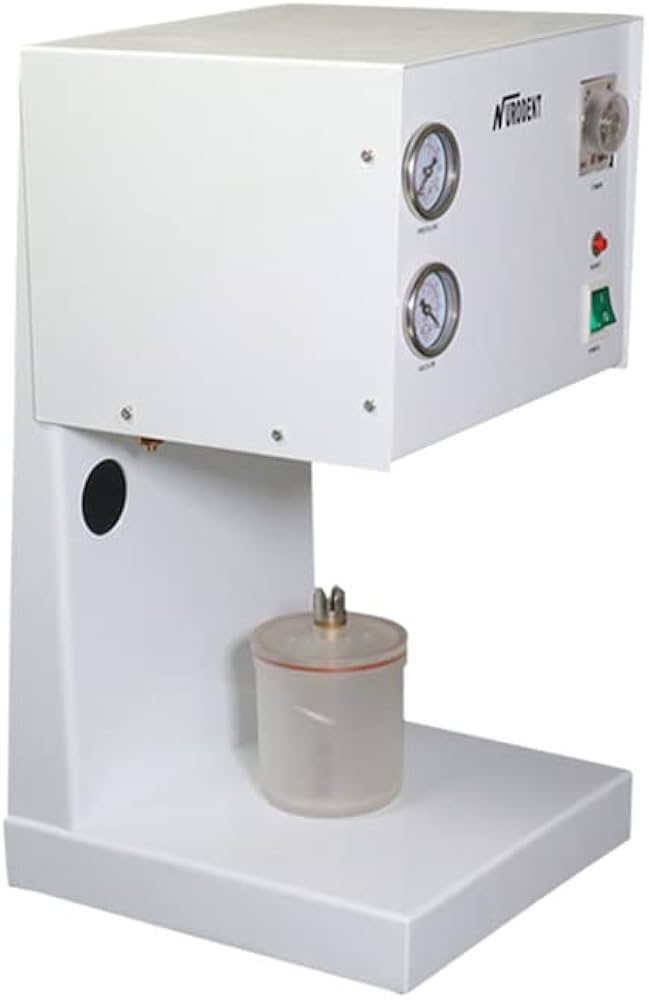
Professional Dental Equipment Guide 2026
Target Audience: Dental Clinics & Equipment Distributors
Product Focus: Dental Vacuum Mixer Machines
Frequently Asked Questions (FAQ) – Buying Guide 2026
| Question | Answer |
|---|---|
| 1. What voltage requirements should I consider when purchasing a dental vacuum mixer for international or multi-location clinics in 2026? | All premium dental vacuum mixer machines available in 2026 are designed for global compatibility, supporting dual voltage inputs (100–120V and 220–240V, 50/60 Hz). Ensure your selected model includes an auto-switching power supply or comes with region-specific power modules. For clinics operating in areas with unstable power grids, we recommend units equipped with built-in voltage stabilization to protect sensitive electronics and ensure consistent mixing performance. |
| 2. Are spare parts for dental vacuum mixers readily available, and what components typically require replacement? | Yes, leading manufacturers in 2026 provide comprehensive spare parts support through global distribution networks and online portals. Common wear components include silicone gaskets, mixing bowls, rubber cups, vacuum pump oil, and drive belts. We advise clinics and distributors to maintain a service kit with high-use spares. OEM parts are recommended to preserve warranty validity and ensure optimal machine longevity. Most suppliers now offer 5-year parts availability guarantees post-discontinuation. |
| 3. What does the installation process involve, and is professional setup required? | Installation of modern dental vacuum mixers is designed for ease, typically requiring only a stable countertop, access to power, and (for models with external vacuum pumps) connection to a compatible dental vacuum system. Units with integrated vacuum pumps are plug-and-play. While self-installation is feasible, we recommend certified technician setup—especially for networked or IoT-enabled models—to ensure calibration, software configuration, and compliance with clinic workflow integration. Distributors should offer on-site or remote commissioning services as part of the sales package. |
| 4. What is the standard warranty coverage for dental vacuum mixer machines in 2026, and what does it include? | As of 2026, the industry standard is a **2-year comprehensive warranty** covering parts, labor, and vacuum pump performance. Premium-tier models may offer extended 3- to 5-year warranties with optional service add-ons. The warranty typically excludes consumables (gaskets, bowls) and damage from improper use or unapproved spare parts. Machines with smart diagnostics may require registration within 30 days of purchase to activate full coverage. Distributors should verify local warranty enforcement policies and service partner availability. |
| 5. How are firmware updates and technical support handled under warranty, and are they included? | Yes, firmware updates and remote technical support are included throughout the warranty period for all connected (IoT-enabled) dental vacuum mixers introduced in 2026. These machines feature cloud-based monitoring for performance optimization and predictive maintenance alerts. Updates are delivered securely over-the-air (OTA) or via USB, with support accessible through manufacturer portals or distributor service desks. Clinics must maintain internet connectivity for full feature utilization. Offline models receive updates via service visits or downloadable files from authorized support channels. |
Note: Specifications and support terms may vary by manufacturer and region. Always verify compliance with local medical device regulations (e.g., FDA, CE, ISO 13485) when procuring equipment.
Need a Quote for Dental Vacuum Mixer Machine?
Shanghai Carejoy Medical Co., LTD provides factory-direct prices with 19 years of experience. (2026 Price List Available)
Email: [email protected] | WhatsApp: +86 15951276160