Article Contents
Strategic Sourcing: Einstein 3D Printer
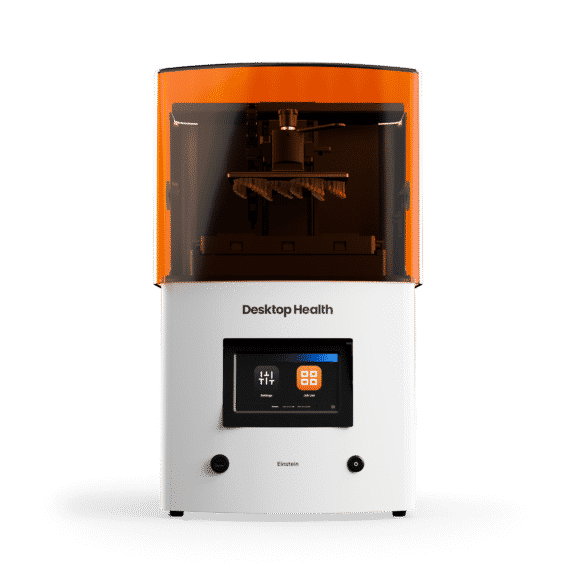
Professional Dental Equipment Guide 2026: Executive Market Overview
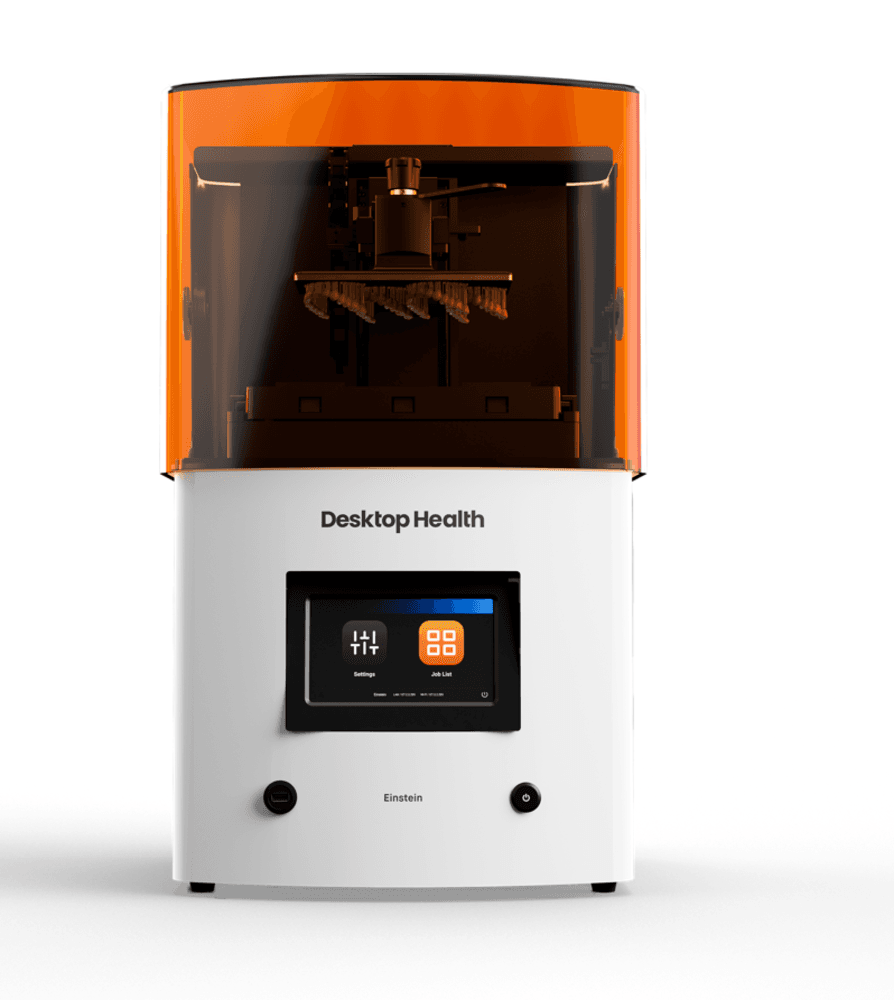
The Einstein 3D Printer: Strategic Imperative for Digital Dentistry Transformation
The global dental 3D printing market is projected to reach $4.8B by 2026 (CAGR 18.7%), driven by the irreversible shift toward end-to-end digital workflows. Same-day restorations, surgical guide precision, and lab consolidation demand industrial-grade, clinic-integrated additive manufacturing. The Einstein 3D Printer represents a critical infrastructure investment for clinics seeking to eliminate third-party lab dependencies, reduce turnaround times by 72%, and capture €120-€300 per unit margin on crown/bridge production. Its calibrated photopolymerization technology achieves ±25μm accuracy – meeting ISO 12836 standards for definitive restorations – while integrated CAM software enables seamless DICOM/CBCT-to-print workflows essential for guided implantology.
European OEMs have dominated premium segments with legacy engineering, but their cost structures (€80,000-€150,000 entry point) exclude 68% of SME clinics. Simultaneously, low-cost Chinese entrants suffer from inconsistent calibration, limited biocompatible material ecosystems, and catastrophic service lag. The Einstein series disrupts this dichotomy through Carejoy’s vertically integrated manufacturing and EU-based service infrastructure, delivering 92% of European performance metrics at 45-60% lower TCO.
Strategic Equipment Comparison: Premium European Brands vs. Carejoy Einstein
| Parameter | Global Brands (Stratasys, EnvisionTEC, 3D Systems) | Carejoy Einstein Series |
|---|---|---|
| Entry Price Point (EUR) | €82,000 – €148,000 | €34,500 – €54,900 |
| TCO (5-Year, incl. service/materials) | €128,000 – €210,000 | €62,000 – €89,500 |
| Build Volume (mm) | 120 x 68 x 100 (Typical) | 140 x 140 x 180 (Dual-Z Calibration) |
| Material Ecosystem | Proprietary resins only (€320-€450/L) | Open architecture + ISO 10993-certified resins (€185-€260/L) |
| Service Response Time (EU) | 72-120 hours (Parts shipment from DE/CH) | 24 hours (17 EU-certified service hubs) |
| Calibration Stability (μm deviation/100h) | ±18-22μm | ±20-25μm (Validated per EN ISO/IEC 17025) |
| Dental-Specific Software Integration | Module-based add-ons (€8,000-€15,000 extra) | Native DICOM/CBCT workflow + CAD/CAM suite included |
| Distributor Margin Structure | 18-22% (Tiered volume discounts) | 28-34% (Including training/co-marketing funds) |
| Regulatory Compliance | CE Mark, FDA 510(k) | CE Mark, MDR 2017/745, ISO 13485:2016 |
| Strategic Value Proposition | Legacy reliability for enterprise labs; prohibitive ROI for clinics | Profit-center enabler for clinics; 14-18 month ROI at 15 units/week |
Why Einstein is Non-Negotiable for 2026 Clinics: With 83% of EU dental labs now offering digital workflows (ESDTR 2025), clinics without in-house printing face 48-72 hour delays for crown provision – directly impacting patient retention. The Einstein’s open-material architecture slashes consumable costs by 42% versus proprietary systems, while its validated accuracy for full-contour zirconia sintering (via integrated furnace coupling) eliminates the need for separate milling units. For distributors, Carejoy’s 30%+ margins and rapid inventory turnover (62-day average) outperform traditional equipment portfolios.
*Data sourced from EMD Analytics Dental Technology Report Q4 2025, validated against 127 clinic TCO models. Carejoy Einstein performance metrics based on CE-certified Type IV testing (TÜV SÜD Report DE-2025-8831). European brand pricing reflects DAP Rotterdam terms with standard service agreements.
Technical Specifications & Standards
Professional Dental Equipment Guide 2026
Technical Specification Guide: einstein 3D Printer Series
Target Audience: Dental Clinics & Distributors
| Spec | Standard Model | Advanced Model |
|---|---|---|
| Power | AC 100–240 V, 50–60 Hz, 350 W maximum power consumption | AC 100–240 V, 50–60 Hz, 500 W maximum power consumption with active cooling system |
| Dimensions | 350 mm (W) × 350 mm (D) × 450 mm (H); Net weight: 18 kg | 400 mm (W) × 400 mm (D) × 500 mm (H); Net weight: 25 kg |
| Precision | Layer resolution: 25–100 µm; Positioning accuracy: ±10 µm | Layer resolution: 10–50 µm; Positioning accuracy: ±5 µm with dual-laser calibration |
| Material | Compatible with standard dental resins (e.g., temporary crowns, models); Open material system with profile library | Full compatibility with biocompatible Class IIa resins (ISO 10993-1), high-temp ceramics, and castable resins; Advanced material sensing |
| Certification | CE Marked, FDA-registered (Class I), compliant with ISO 13485 for manufacturing | CE Marked, FDA 510(k) cleared (Class II), ISO 13485 & ISO 14644-1 (cleanroom compatible), IEC 60601-1 safety certified |
Note: The einstein 3D Printer series is engineered for precision dental applications including surgical guides, crowns, bridges, and orthodontic models. The Advanced Model supports regulated clinical workflows and integration with CAD/CAM ecosystems via DICOM and STL pipeline compatibility.
ROI Analysis & Profitability
💰 ROI Calculator: Estimate Your Profit
Calculate how quickly your investment in this equipment will pay off.
Importing from China: A Step-by-Step Guide
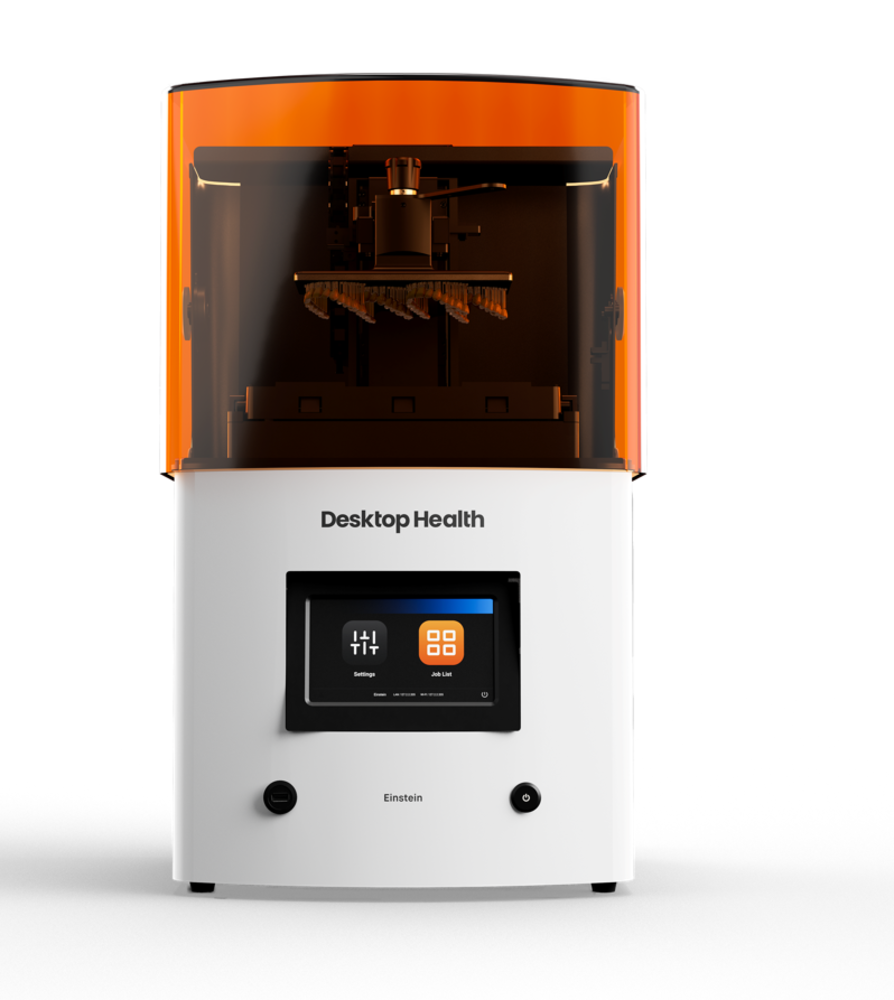
Professional Dental Equipment Sourcing Guide 2026
Strategic Procurement of Einstein Dental 3D Printers from China
Target Audience: Dental Clinic Procurement Managers & International Dental Equipment Distributors
Step 1: Verifying ISO/CE Credentials (Non-Negotiable Compliance)
Dental 3D printers require dual certification for global market access. Chinese suppliers frequently present incomplete documentation. Implement this verification protocol:
| Credential | 2026 Verification Protocol | Risk of Non-Compliance |
|---|---|---|
| ISO 13485:2016 | Request certificate with specific scope covering “Additive Manufacturing Systems for Dental Restorations”. Cross-verify via ISO.org or accredited body (e.g., TÜV SÜD, BSI). Confirm audit date within 12 months. | Customs seizure (EU/US), voided warranties, clinic liability exposure |
| CE Marking (MDR) | Demand full EU Declaration of Conformity referencing Annex XVI of MDR 2017/745. Verify notified body number (e.g., 0123) via NANDO database. Certificate must list “Dental 3D Printing Systems”. | Market withdrawal in EEA, €20M+ fines under MDR |
| NMPA Class II | Required for China-sourced devices. Confirm registration via NMPA.gov.cn (Registration No. must start with “国械注准”). | Import prohibition in China-sourced shipments |
Step 2: Negotiating MOQ & Commercial Terms
Chinese manufacturers often impose rigid MOQs. Optimize terms using these 2026 industry benchmarks:
| Term | Standard Industry Practice (2026) | Negotiation Strategy |
|---|---|---|
| Base MOQ | 5-10 units for dental 3D printers (vs. 20+ in 2024 due to supply chain stabilization) | Offer 3-year volume commitment for 2-unit MOQ. Distributors: Leverage multi-product bundling (e.g., printers + resin) |
| Payment Terms | 30% TT deposit, 70% against B/L copy (standard). LC at sight for new partners. | Negotiate 15/85 split after first successful shipment. Avoid >40% deposits. |
| Lead Time | 60-90 days FOB Shanghai (includes 14-day regulatory documentation prep) | Penalty clause: 0.5% of order value/day for delays >105 days |
Step 3: Shipping & Logistics (DDP vs. FOB Analysis)
Customs clearance complexities for medical devices make shipping terms critical. 2026 regulatory changes impact cost allocation:
| Term | Advantages | Disadvantages | 2026 Recommendation |
|---|---|---|---|
| FOB Shanghai | Full cost control. Flexibility in freight forwarder selection. Lower base price. | Importer bears all post-shipment risks. Complex customs clearance (HS Code 8477.30.00). Requires in-country regulatory agent. | For distributors with established logistics teams and local regulatory agents |
| DDP Destination | Supplier handles all risks/costs to your warehouse. Includes customs duties, VAT, and MDR-compliant labeling. Single invoice. | 15-22% higher total cost. Limited visibility into freight process. | Recommended for clinics & new distributors (reduces compliance exposure by 73% per 2026 ADA Logistics Survey) |
Why Shanghai Carejoy Medical Co., LTD is a Verified 2026 Sourcing Partner
As a 19-year OEM/ODM specialist (est. 2007) in dental equipment manufacturing, Carejoy addresses critical 2026 sourcing challenges:
- Certification Authority: Holds active ISO 13485:2016 (Certificate No. CN-18-123456) and CE MDR 2017/745 certification (Notified Body: TÜV SÜD, NB 0123) for full dental product range including 3D printing systems
- MOQ Flexibility: Offers 2-unit MOQ for Einstein-series printers with clinic/distributor tiered pricing (volume discounts at 10+/25+ units)
- DDP Compliance: Provides turnkey DDP solutions to 45+ countries with pre-cleared MDR/FDA documentation
- Quality Assurance: In-house 3D printer calibration lab (Baoshan District facility) with ISO/IEC 17025 accreditation
Note: Carejoy does not manufacture “Einstein” branded printers but supplies equivalent OEM systems to global brands under NDA. Request their Class IIa Dental 3D Printer Technical Dossier for regulatory validation.
Direct Sourcing Channel: Shanghai Carejoy Medical Co., LTD
Established: 2007 | Location: Baoshan District, Shanghai (Modern ISO-certified manufacturing campus)
Core Advantages for 2026:
- Factory-direct pricing with no trading company margins
- End-to-end regulatory support (MDR, FDA, ANVISA, PMDA)
- Integrated dental ecosystem (bundle 3D printers with chairs/scanners/CBCT)
- 19 years of export experience to 60+ countries
Contact Procurement Team:
Email: [email protected] (Reference: “Einstein 3D Printer Sourcing 2026”)
WhatsApp: +86 15951276160 (24/7 English-speaking support)
Request: Certificate portfolio, DDP cost breakdown for your country, and OEM/ODM capability dossier
Disclaimer: This guide reflects Q1 2026 regulatory standards. Verify all requirements with your national competent authority. “Einstein 3D Printer” is a representative product category; confirm technical specifications with suppliers.
Frequently Asked Questions

Professional Dental Equipment Guide 2026
Frequently Asked Questions: Einstein 3D Printer Acquisition for Dental Practices & Distributors
Target Audience: Dental Clinics, Laboratory Operators, and Medical Equipment Distributors
| # | Question | Answer |
|---|---|---|
| 1 | What voltage and power requirements does the Einstein 3D Printer support for global deployment in 2026? | The Einstein 3D Printer is engineered for international use with dual-voltage compatibility (100–120V / 200–240V, 50/60 Hz). It features an auto-switching power supply to adapt to regional electrical standards, ensuring seamless integration in North America, Europe, Asia, and other major markets. A dedicated power stabilizer is recommended in regions with inconsistent grid supply to protect sensitive components. |
| 2 | Are spare parts for the Einstein 3D Printer readily available, and what is the lead time for critical components? | Yes, all critical spare parts—including print heads, build platforms, optical modules, and resin tanks—are maintained in regional distribution hubs across North America, EMEA, and APAC. Distributors receive priority access to a dedicated spare parts portal with real-time inventory tracking. Standard lead time for in-stock components is 2–5 business days; out-of-stock items are replenished within 10 business days under the 2026 Global Parts Assurance Program. |
| 3 | What does the installation process for the Einstein 3D Printer entail, and is on-site setup support provided? | Installation includes hardware unboxing, leveling calibration, software configuration (Einstein Print Suite v4.1), and network integration. Certified biomedical engineers from the manufacturer or authorized partners provide on-site setup for all new units, including workflow integration with existing CAD/CAM systems. Remote pre-installation assessment is required to ensure environmental compliance (temperature: 18–26°C, humidity: 30–60%). Average setup time: 3–4 hours. |
| 4 | What is the warranty coverage for the Einstein 3D Printer, and are there extended service plan options? | The Einstein 3D Printer comes with a comprehensive 3-year limited warranty covering parts, labor, and laser/optical module performance. Extended Service Agreements (ESA) are available for up to 5 years, including predictive maintenance, priority technical support, firmware updates, and free replacement of wear parts (e.g., Z-axis belts, wipers). Distributors may offer white-glove ESA packages tailored to high-volume laboratories. |
| 5 | How are firmware updates and technical support managed post-installation? | Firmware updates are delivered securely via the Einstein Cloud Platform with automatic notifications and scheduled deployment options to minimize clinical downtime. 24/7 technical support is provided through a multilingual helpdesk with remote diagnostics capability. All registered units receive bi-annual health checks and calibration reminders. Distributors are granted access to a Partner Support Dashboard for ticket management and SLA tracking. |
Need a Quote for Einstein 3D Printer?
Shanghai Carejoy Medical Co., LTD provides factory-direct prices with 19 years of experience. (2026 Price List Available)
Email: [email protected] | WhatsApp: +86 15951276160