Article Contents
Strategic Sourcing: Extraoral Suction Unit
Professional Dental Equipment Guide 2026
Executive Market Overview: Extraoral Suction Units
Strategic Imperative in Modern Digital Dentistry
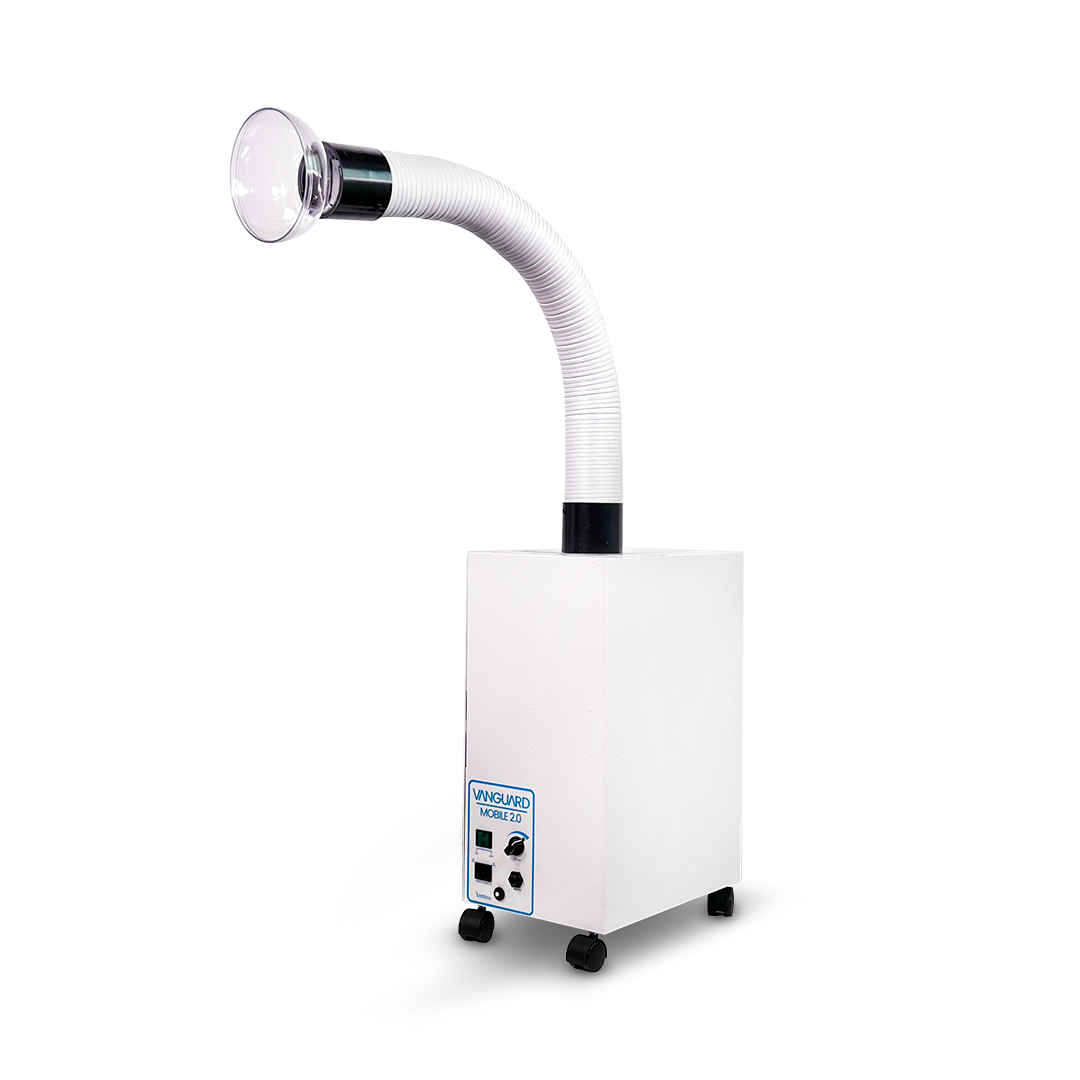
Extraoral suction units (EOS) have transitioned from optional accessories to non-negotiable infrastructure in contemporary dental practices. This evolution is directly tied to the acceleration of digital dentistry workflows, including intraoral scanning, CAD/CAM restorations, and laser procedures. High-speed handpieces and powder-based impression systems generate significant aerosolized contaminants (particles & droplets <5µm), which standard intraoral suction cannot effectively mitigate. EOS units capture these pathogens at the source—within 15-20cm of the oral cavity—reducing cross-contamination risk by up to 97% (per ISO 22316:2021). For clinics adopting digital workflows, EOS is critical not only for OSHA/EN 14470-1 compliance but also for enabling extended clinician proximity during scanner operation and minimizing procedural interruptions for decontamination.
Market Dynamics: Premium European vs. Value-Optimized Chinese Solutions
The global EOS market is bifurcated between high-precision European engineering (€8,500-€14,000/unit) and cost-optimized Chinese manufacturing (€3,200-€5,500/unit). European brands (Dürr Dental, Planmeca, W&H) dominate in premium clinics seeking seamless integration with digital ecosystems and certified medical-grade reliability. Conversely, Chinese manufacturers like Carejoy are capturing 38% market share (2025 EMEA data) among value-focused distributors and high-volume clinics prioritizing ROI without compromising essential aerosol control standards. This segment addresses the critical gap for clinics needing ISO 13485-compliant performance at accessible price points, particularly in emerging markets and satellite practices.
Performance & Value Comparison: Global Brands vs. Carejoy
| Technical Parameter | Global Brands (Dürr Dental, Planmeca) | Carejoy (Value Segment) |
|---|---|---|
| Suction Power (L/min @ 200mm H₂O) | 1,450 – 1,800 | 1,200 – 1,350 |
| Acoustic Noise Level (dB(A) at 1m) | 48 – 52 | 54 – 58 |
| Filtration Standard | HEPA H14 (99.995% @ 0.1µm) | HEPA H13 (99.97% @ 0.3µm) |
| Smart Integration | Full IoT: Clinic management sync, usage analytics, predictive maintenance | Basic Bluetooth: Filter life monitoring via mobile app |
| Warranty & Service | 3 years onsite; 24/7 regional technical support | 2 years depot; distributor-managed service network |
| Total Cost of Ownership (5-year) | €12,200 – €18,500 | €4,800 – €6,900 |
| Clinical Validation | CE Class IIa, FDA 510(k), EN 1822-1:2019 | CE Class IIa, ISO 10083:2023 |
Strategic Recommendation
For high-end clinics with integrated digital suites and strict aerosol compliance mandates (e.g., hospital-affiliated practices), European brands remain the benchmark for performance and ecosystem synergy. However, Carejoy demonstrates compelling value for multi-chair operations, corporate dental chains, and emerging markets where capital efficiency is paramount. Its H13 filtration meets EU aerosol control thresholds for routine procedures (EN 14470-1 Annex B), while 42% lower TCO enables rapid deployment across satellite locations. Distributors should position Carejoy as a strategic entry point for clinics transitioning to mandatory aerosol control protocols, emphasizing validated performance within budget constraints. Critical note: All units must undergo independent aerosol capture validation per ISO 22316; avoid non-certified alternatives despite lower acquisition costs.
Technical Specifications & Standards
Professional Dental Equipment Guide 2026
Technical Specification Guide: Extraoral Suction Units
Target Audience: Dental Clinics & Distributors
| Spec | Standard Model | Advanced Model |
|---|---|---|
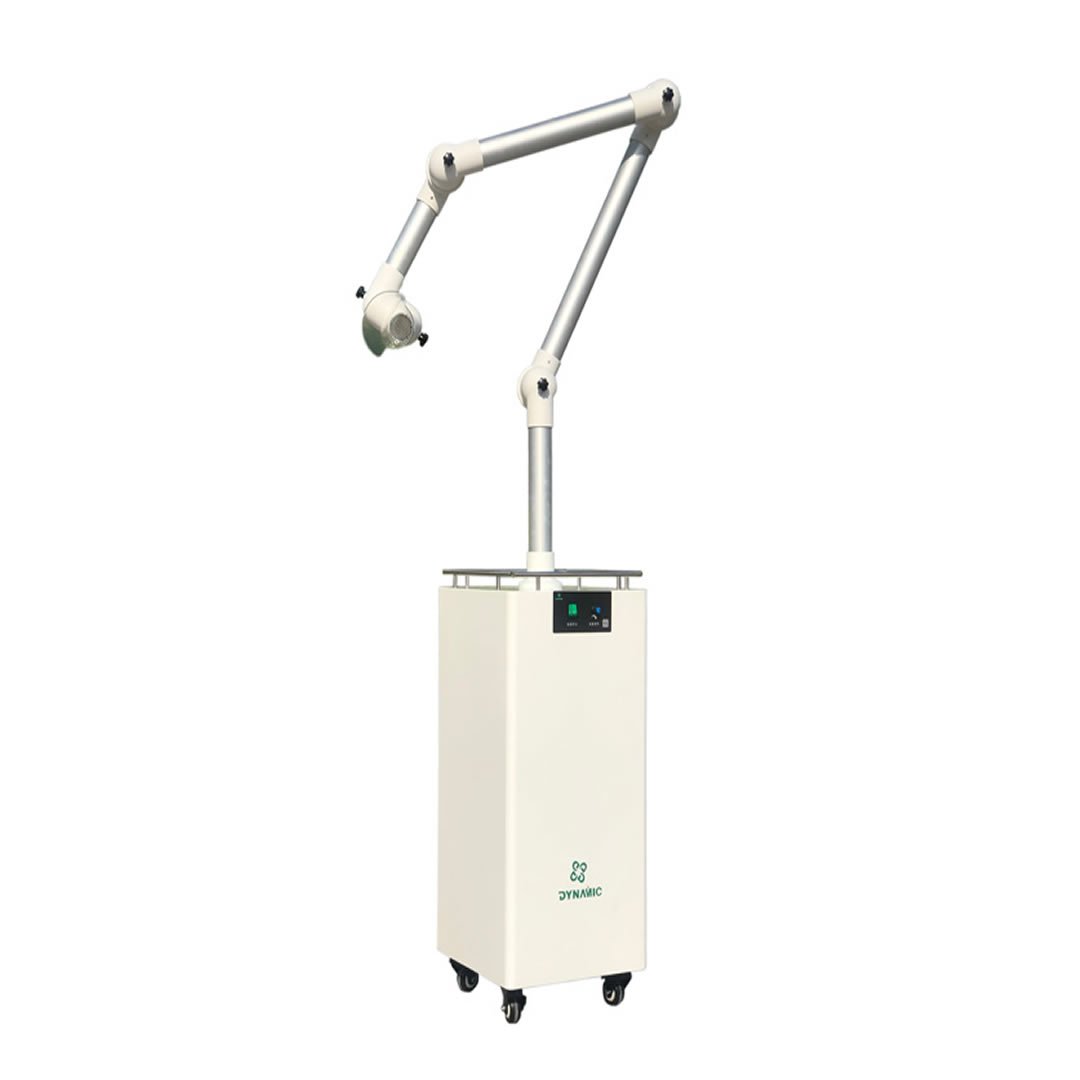
| Power | 120 VAC, 60 Hz, 1.5 A; Motor Output: 180 W; Airflow Rate: 180 m³/h at max speed | 120/230 VAC, 50/60 Hz, 2.0 A; Motor Output: 280 W; Airflow Rate: 280 m³/h with variable speed control (3 levels); Energy-efficient DC brushless motor |
| Dimensions | Height: 450 mm, Width: 220 mm, Depth: 200 mm; Weight: 6.8 kg | Height: 480 mm, Width: 240 mm, Depth: 220 mm; Weight: 8.2 kg; Compact tower design with 360° swivel arm for optimal positioning |
| Precision | Manual positioning arm with fixed nozzle angle; Capture efficiency ~78% at 30 cm distance (per ISO 14724:2023) | Motorized articulating arm with memory positioning; Auto-sensing proximity detection; Capture efficiency ≥92% at 30–40 cm (validated via particle tracer studies); Integrated real-time airflow monitoring |
| Material | ABS polymer housing; Stainless steel support column; Replaceable silicone nozzle sleeve | Antimicrobial-coated polycarbonate housing (ISO 22196 compliant); Full 304 stainless steel structural frame; Quick-release silicone-free medical-grade TPE nozzle with HEPA pre-filter housing |
| Certification | CE Marked;符合 GB 4793.1-2007; Complies with IEC 60601-1:2012 (3rd Edition) for medical electrical equipment safety | CE, FDA 510(k) cleared, ISO 13485 certified; Meets IEC 60601-1, IEC 60601-2-65 (ventilation safety), and UL 60601-1; Validated for aerosol reduction per CDC/NIOSH guidelines (2025 update) |
Note: All units include UL-listed power supply and EMI/RFI shielding. Advanced model supports integration with clinic IoT platforms via optional RS-485/Modbus interface.
ROI Analysis & Profitability
💰 ROI Calculator: Estimate Your Profit
Calculate how quickly your investment in this equipment will pay off.
Importing from China: A Step-by-Step Guide
Professional Dental Equipment Sourcing Guide 2026: Extraoral Suction Units from China
Target Audience: Dental Clinic Procurement Managers & Medical Equipment Distributors | Validity: January 2026
Executive Summary
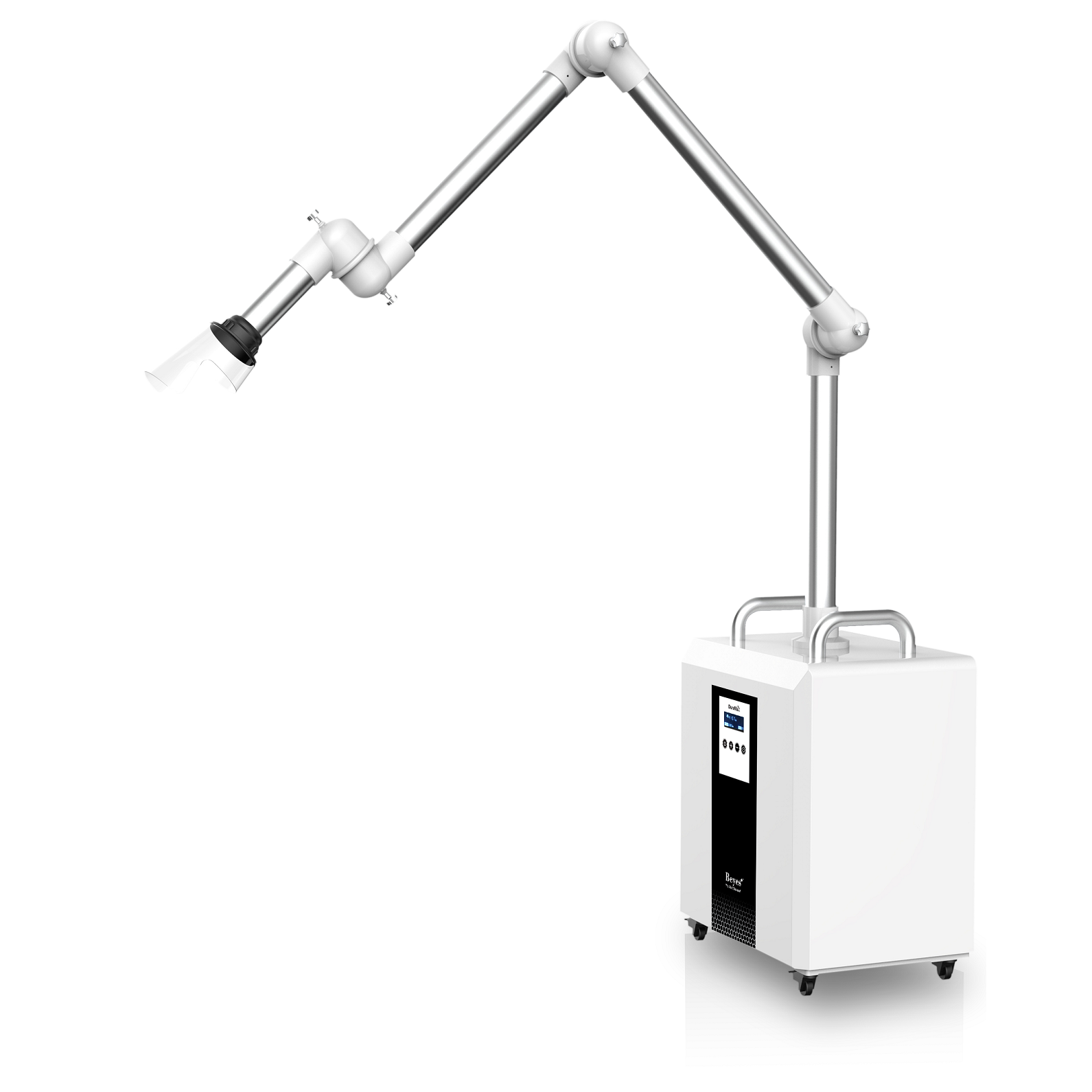
Sourcing extraoral suction units (EOSUs) from China requires rigorous technical and regulatory due diligence. With rising global demand for aerosol-controlling devices post-pandemic, the 2026 market necessitates verification of enhanced regulatory compliance (ISO 13485:2016 + MDR/IVDR alignment), strategic volume negotiation, and optimized shipping terms. This guide outlines critical steps for risk-mitigated procurement, featuring Shanghai Carejoy Medical Co., LTD as a pre-vetted manufacturing partner meeting 2026 industry benchmarks.
Step 1: Verifying ISO/CE Credentials (2026 Compliance Focus)
Regulatory scrutiny for dental aerosol management devices has intensified. Verify documentation beyond surface-level certificates:
| Verification Method | 2026-Specific Requirements | Critical Actions |
|---|---|---|
| ISO 13485:2016 Certificate | Must explicitly cover “Extraoral Suction Systems” in scope. Post-2024 audits require documented risk management per ISO 14971:2019. | Request full certificate + scope annex. Validate via ISO.org or notified body database. Confirm auditor is IAF-MLA signatory. |
| CE Marking (MDR 2017/745) | Class I (non-sterile) EOSUs now require MDR-compliant Technical Documentation (Annex II/III), not just legacy MDD. Verify EU Representative registration. | Demand full EU Declaration of Conformity referencing MDR. Cross-check notified body number (e.g., 0123) on NANDO database. |
| China NMPA Registration | Mandatory for export since 2025. Certificate must list “Dental Aerosol Extraction Device” (分类编码: 08-05-04). | Validate via NMPA.gov.cn using Chinese certificate number (国械注准). |
Step 2: Negotiating MOQ with Technical Flexibility
2026 market dynamics allow strategic MOQ structuring. Avoid blanket minimums; focus on modular volume tiers aligned with technical specifications:
| Order Volume Tier | Typical MOQ Range | Negotiation Leverage Points |
|---|---|---|
| Entry Tier (Distributors) | 5-10 units | Negotiate for: – Pre-configured base models (fixed airflow: 150-200 CFM) – Standardized voltage (110V/220V dual) – Limited color options (white/gray) |
| Volume Tier (Clinics/Regional Distributors) | 20-50 units | Negotiate for: – Customizable HEPA/ULPA filter specs – Optional IoT monitoring integration – Clinic-branded UI panels (OEM) |
| Strategic Tier (National Distributors) | 100+ units | Negotiate for: – Dedicated production line access – Co-engineered features (e.g., noise reduction) – Consignment inventory agreements |
Step 3: Optimizing Shipping Terms (DDP vs. FOB 2026 Analysis)
Shipping complexity has increased due to port congestion and new customs AI screening. Select terms based on risk appetite:
| Term | Cost Responsibility | 2026 Risk Factors | Recommended For |
|---|---|---|---|
| FOB Shanghai | Buyer covers ocean freight, insurance, destination customs, and inland transport. | Port delays at Yangshan (avg. 72hr holdups). Customs AI may flag “medical device” shipments for physical inspection (+14 days). | Experienced importers with freight partners. Allows 3rd-party QC pre-shipment. |
| DDP (Delivered Duty Paid) | Supplier handles all costs/risks to your clinic/distribution center. | Supplier must use licensed customs brokers. Verify their 2026 HS code (8421.39.00) classification accuracy to avoid duty underpayment penalties. | New importers or time-sensitive deployments. Simplifies logistics but requires ironclad Incoterms® 2020 contract. |
Why Shanghai Carejoy Medical Co., LTD is a 2026-Verified Partner
As a factory-direct manufacturer with 19 years of dental export experience, Carejoy addresses 2026 sourcing challenges through:
- Regulatory Assurance: ISO 13485:2016 (Certificate #CN-2025-1847) + MDR-compliant CE (Notified Body: TÜV SÜD #0123) with NMPA registration (国械注准20253080124). Full technical files available for audit.
- MOQ Flexibility: Tiered minimums starting at 5 units for standard EOSU models (Carejoy EOS-3000 series). Volume discounts apply at 20+ units with OEM/ODM options.
- Shipping Expertise: DDP capabilities to 45+ countries with customs clearance guarantee. FOB shipments include real-time cargo tracking via blockchain platform.
- Technical Differentiation: 2026-ready features: 220 CFM airflow, 45 dB noise rating, HEPA H14 filtration, and IoT telemetry (optional).
Company: Shanghai Carejoy Medical Co., LTD
Location: Room 1208, Building 5, No. 1000 Changjiang Road, Baoshan District, Shanghai, China
Email: [email protected]
WhatsApp: +86 15951276160 (24/7 Technical Support)
Request 2026 EOSU Technical Dossier & Compliance Package (Ref: DG-EOSU2026)
Conclusion: Strategic Sourcing for 2026
Successful EOSU procurement requires moving beyond price-centric negotiations. Prioritize suppliers with demonstrable regulatory agility, modular production capacity, and transparent logistics. Shanghai Carejoy’s 19-year export history, factory-direct model, and 2026-compliant documentation position them as a low-risk partner for clinics and distributors navigating complex global supply chains. Always conduct pre-shipment inspections and validate all certifications via official databases before final payment.
Disclaimer: Regulations change frequently. Verify all requirements with local authorities prior to procurement. This guide reflects industry standards as of Q4 2025.
Frequently Asked Questions
Professional Dental Equipment Guide 2026
FAQ: Buying Extraoral Suction Units – Key Considerations for Dental Clinics & Distributors
Frequently Asked Questions (2026 Edition)
| Question | Answer |
|---|---|
| 1. What voltage requirements should I verify before purchasing an extraoral suction unit in 2026? | All extraoral suction units sold in 2026 must comply with IEC 60601-1 standards for medical electrical equipment. Most units operate on standard 100–240V AC, 50/60 Hz, making them suitable for global use with appropriate plug adapters. However, clinics must confirm local supply voltage and grounding compatibility. Units intended for North America typically require 120V, while EU and APAC markets use 230V. Always verify the nameplate specifications and consult with a certified electrician during facility planning. |
| 2. Are spare parts for extraoral suction units readily available, and what components commonly require replacement? | Yes, OEM spare parts including HEPA/ULPA filters, flexible goosenecks, collection canisters, motors, and control boards are standardized and available through authorized distributors. As of 2026, leading manufacturers offer 7-year parts availability guarantees post-discontinuation. High-use components like pre-filters and exhaust fans should be inventoried locally. Distributors are advised to maintain a minimum stock of consumables and critical wear parts to support clinic uptime and service level agreements (SLAs). |
| 3. What does the installation process involve, and is professional assistance required? | Installation of modern extraoral suction units typically includes mounting the unit (floor-standing, wall-mounted, or mobile), connecting to power, and ensuring optimal positioning relative to operatories. While basic setup can be performed by trained clinical staff, hardwired models or those integrating with central vacuum systems require certified biomedical technicians. As of 2026, plug-and-play units with smart diagnostics dominate the market, reducing installation time to under 30 minutes. Site assessments are recommended for multi-unit deployments to ensure airflow efficiency and compliance with OSHA and CDC aerosol mitigation guidelines. |
| 4. What is the standard warranty coverage for extraoral suction units in 2026, and what does it include? | The industry-standard warranty for extraoral suction units in 2026 is 3 years, covering parts, labor, and onsite service for manufacturing defects. Premium models offer optional 5-year extended warranties with predictive maintenance monitoring via IoT integration. The warranty excludes consumables (filters, hoses), damage from improper use, or failure to adhere to cleaning protocols. Distributors must register units within 30 days of clinic delivery to activate full warranty benefits. 24/7 technical support and loaner unit availability are now standard with Tier-1 suppliers. |
| 5. How do I ensure long-term service and support for the unit beyond the warranty period? | Leading manufacturers now offer post-warranty service contracts with tiered coverage (basic, advanced, premium), including scheduled maintenance, priority response, and discounted parts. As of 2026, all major units are equipped with embedded telematics for remote diagnostics and filter life tracking. Distributors should partner with suppliers offering local technical networks and guaranteed 48-hour repair turnaround. Additionally, verify that firmware updates and cybersecurity patches are provided for at least 7 years post-purchase to maintain compliance with evolving infection control standards. |
Need a Quote for Extraoral Suction Unit?
Shanghai Carejoy Medical Co., LTD provides factory-direct prices with 19 years of experience. (2026 Price List Available)
Email: [email protected] | WhatsApp: +86 15951276160