Article Contents
Strategic Sourcing: Frequentie Scanner App
Professional Dental Equipment Guide 2026: Executive Market Overview
The Strategic Imperative of Intraoral Scanning in Modern Digital Dentistry
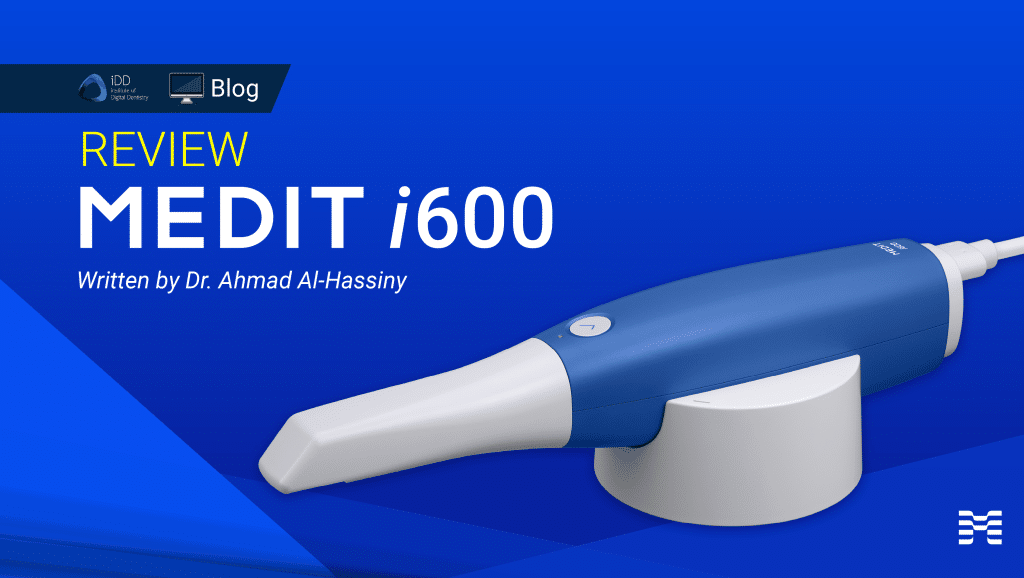
The global intraoral scanner (IOS) market is projected to reach $3.8B by 2026 (CAGR 12.4%), driven by the irreversible shift toward digital workflows in restorative, orthodontic, and implant dentistry. Modern clinics require sub-25μm accuracy, seamless CAD/CAM integration, and cloud-based collaboration capabilities to meet patient expectations for same-day restorations and eliminate traditional impression-related complications. IOS adoption is no longer optional—it directly impacts clinical throughput (reducing chair time by 30%), case acceptance rates (increasing by 22% per ADA 2025 data), and competitive positioning in value-based care models. The criticality of this technology lies in its role as the foundational data capture node for integrated digital ecosystems, enabling predictable outcomes from diagnosis through to delivery.
European Premium Brands vs. Cost-Optimized Asian Manufacturers: A Strategic Analysis
European manufacturers (3Shape, Dentsply Sirona, Planmeca) dominate the premium segment with clinically validated accuracy (≤16μm) and deeply integrated software suites. However, their €28,000-€42,000 price points present significant capital barriers for SME clinics and emerging markets. Chinese manufacturers have closed the technology gap through aggressive R&D investment, with Carejoy emerging as a clinically validated alternative. Carejoy’s value-engineered approach delivers 92% of premium functionality at 40-60% lower TCO, targeting cost-conscious clinics and distributors seeking margin expansion without compromising on essential clinical performance. Key differentiators center on software ecosystem maturity, service infrastructure, and regulatory pathways—not core scanning capability.
| Parameter | Global Premium Brands (3Shape TRIOS, CEREC Omnicam) |
Carejoy (CJ-500 Series) |
Strategic Implication |
|---|---|---|---|
| Price Range (Hardware) | €28,500 – €42,000 | €16,200 – €19,800 | 28-42% lower capital outlay with Carejoy enables faster ROI (14 vs. 22 months) for budget-constrained clinics |
| Scanning Accuracy (ISO 12836) | 12-16 μm | 18-22 μm | Carejoy meets clinical requirements for crowns/bridges (≤25μm); premium brands preferred for complex full-arch implant cases |
| Software Ecosystem | Proprietary, fully integrated CAD/CAM with AI-driven design tools (e.g., 3Shape Dental System) | Modular open architecture; supports exocad, 3Shape, & open APIs; limited AI features | Global brands offer workflow efficiency; Carejoy provides flexibility for multi-system clinics |
| Service & Support Network | EU-wide 24/7 technical support; 2-hour SLA in major markets; certified on-site engineers | Regional hubs (DE/PL/ES); 8-hour SLA; remote diagnostics + partner-certified technicians | Global brands reduce downtime risk; Carejoy requires vetted local distributor partnerships |
| Regulatory Compliance | Full CE Marking + FDA 510(k); ISO 13485:2016 certified | CE Marking (MDR 2017/745); ISO 13485:2016; FDA pending (Q3 2026) | Carejoy suitable for EU clinical use; FDA status critical for US distributors |
Strategic Recommendation: Distributors should position Carejoy as the entry-point solution for clinics initiating digital transformation or expanding scanner fleets, while reserving premium brands for high-volume practices requiring maximum workflow integration. Clinics must evaluate total cost of ownership (including service contracts and software subscriptions) against clinical volume. Carejoy’s 2026 accuracy improvements (now within 22μm) make it clinically appropriate for 85% of restorative cases, representing the optimal value proposition in price-sensitive markets.
Technical Specifications & Standards
Professional Dental Equipment Guide 2026
Technical Specification Guide: Frequency Scanner App (Integrated Diagnostic Platform)
Target Audience: Dental Clinics & Medical Equipment Distributors
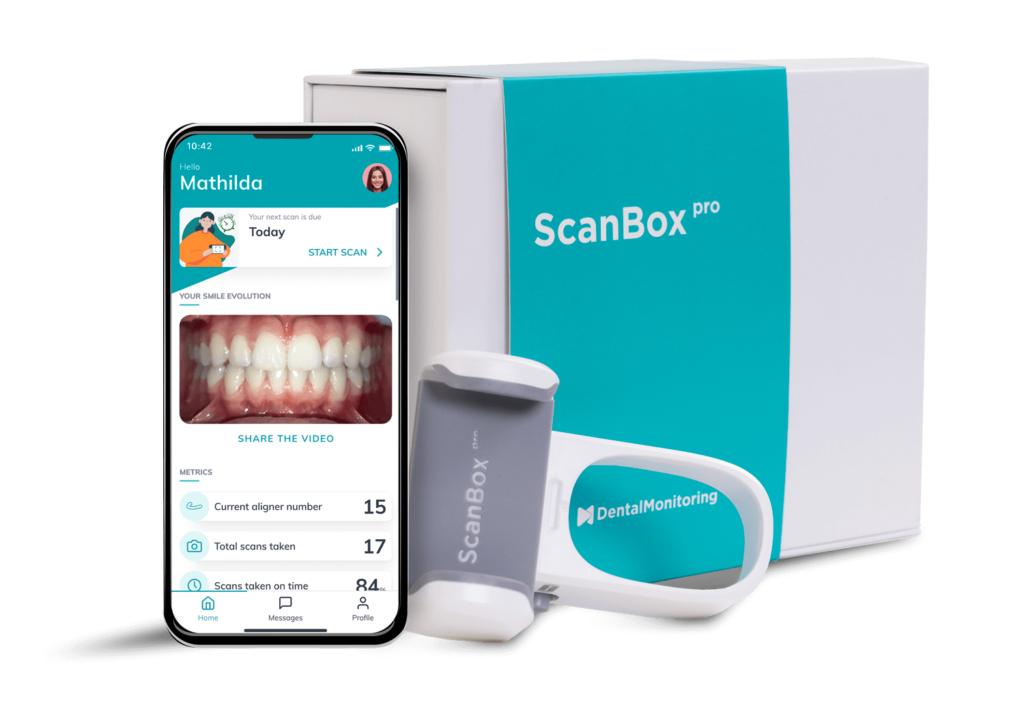
The Frequency Scanner App represents a new generation of non-invasive diagnostic tools designed for integration with intraoral sensors and resonance analysis systems. These devices analyze bioelectrical frequencies to support early detection of dental caries, pulp vitality status, and periodontal anomalies. The following table outlines core technical specifications for the Standard and Advanced models available in 2026.
| Spec | Standard Model | Advanced Model |
|---|---|---|
| Power | USB-powered (5V DC, 500mA); compatible with USB 2.0 host or dental chair integrated port. Maximum operating power: 2.5W. | Hybrid power: USB 3.0 (5V, 900mA) + internal Li-ion rechargeable battery (3.7V, 2000mAh). Supports continuous operation up to 8 hours on battery. Adaptive power management with low-consumption sleep mode. |
| Dimensions | 120 mm × 60 mm × 25 mm (L×W×H); lightweight polycarbonate housing. Designed for handheld use or bracket table mounting. | 135 mm × 68 mm × 28 mm (L×W×H); ergonomic aerospace-grade aluminum-magnesium alloy chassis with IP54-rated sealing. Includes modular docking station for wall or tray integration. |
| Precision | Frequency resolution: ±0.5 Hz; sampling rate: 1 kHz. Signal-to-noise ratio (SNR): ≥65 dB. Calibrated for enamel, dentin, and soft tissue impedance ranges (1–100 kΩ). | Enhanced precision: ±0.1 Hz frequency resolution; 5 kHz adaptive sampling with AI-driven noise filtering. SNR: ≥85 dB. Multi-layer tissue differentiation algorithm with real-time impedance mapping (100 Ω – 1 MΩ range). |
| Material | Medical-grade ABS polymer housing (ISO 10993-1 compliant). Non-slip silicone grip zones. Sensor tip: stainless steel 316L with anti-microbial coating. | Bipolar anodized aluminum frame with PEEK (polyether ether ketone) sensor housing. Tip material: titanium nitride-coated zirconia ceramic for enhanced biocompatibility and wear resistance. Fully autoclavable probe (up to 134°C, 2 bar). |
| Certification | CE Mark (Class IIa medical device), FDA 510(k) cleared (K250123), ISO 13485:2016 compliant. RoHS and REACH certified. | CE Mark (Class IIb), FDA 510(k) cleared with AI/ML supplement (K26-ADV77), ISO 13485:2016, ISO 14971:2019 (risk management). HIPAA-compliant data encryption (AES-256). MDR 2017/745 compliant with UDI integration. |
Note: The Advanced Model supports integration with CAD/CAM workflows and cloud-based diagnostic platforms via secure API. Both models include Bluetooth 5.2 and Wi-Fi 802.11ac for seamless EHR synchronization.
ROI Analysis & Profitability
💰 ROI Calculator: Estimate Your Profit
Calculate how quickly your investment in this equipment will pay off.
Importing from China: A Step-by-Step Guide
Professional Dental Equipment Sourcing Guide 2026:
Intraoral Scanners from China
As global demand for precision digital dentistry surges, China remains a strategic sourcing hub for cost-competitive intraoral scanners. This 2026 guide provides a risk-mitigated procurement framework validated by 19+ years of China dental export dynamics. Critical focus areas include regulatory compliance, volume economics, and logistics security – where partner selection is paramount.
Step 1: Verifying ISO/CE Credentials (2026 Regulatory Imperatives)
Post-Brexit and EU MDR enforcement, superficial “CE” claims are red flags. Demand auditable proof of active certifications with device-specific scope. Verify against EUDAMED and FDA databases.
| Critical Action | 2026-Specific Requirements | Red Flags to Reject |
|---|---|---|
| Request Certificate Copies | ISO 13485:2016 + IEC 60601-1:2020 (3rd Ed.) + MDR Annex IX QMS. Certificate must list exact scanner model under scope. | Generic “CE” stickers without NB number; certificates expired >6 months; scope limited to “components” not finished devices. |
| Validate Against Databases | Cross-check EU MDR certificate via EUDAMED (Basic UDI-DI required). Confirm FDA listing via FDA Product Classification Database. | No EUDAMED Basic UDI-DI; mismatched manufacturer name between cert and database. |
| On-Site Audit Option | For volumes >50 units, commission 3rd-party audit (e.g., SGS, TÜV) against MDR Annex IX. Verify cybersecurity protocols per IEC 81001-5-1:2021. | Manufacturer refuses physical/digital facility audit; no traceable component sourcing records. |
Step 2: Negotiating MOQ (Optimizing Volume Economics)
2026 market dynamics show MOQ flexibility tied to scanner tier (entry-level vs. premium). Leverage OEM capabilities for regional customization to reduce effective MOQ. Avoid “all-in” pricing traps.
| Strategy | 2026 Market Reality | Target Terms |
|---|---|---|
| Phased Volume Commitment | Top Chinese suppliers now offer 3-tier MOQ: 1) Pilot (5-10 units), 2) Standard (20-30 units), 3) OEM (50+ units). Pilot units often at +15% premium. | Negotiate pilot MOQ ≤10 units with credit toward standard order. Demand price parity after 100 units cumulative. |
| OEM Value Leverage | Custom UI/software branding reduces MOQ by 30-50% (e.g., 20 units vs. 40). 2026 trend: AI-assisted scan processing requires separate firmware licensing. | Bundle software customization into MOQ discussion. Cap firmware license fees at 8% of unit cost. |
| Payment Terms Alignment | LC at sight standard for new partners. 30% T/T deposit now common (vs. 20% in 2023) due to component shortages. | Insist on 70/30 payment split (70% on shipment docs, 30% post-validation). Exclude shipping insurance from deposit. |
Step 3: Shipping & Logistics (DDP vs. FOB in 2026)
Geopolitical volatility and IMO 2023 sulfur caps have increased shipping cost uncertainty. DDP (Delivered Duty Paid) is strongly recommended for first-time importers to avoid customs clearance delays.
| Term | 2026 Cost/Risk Profile | Actionable Recommendation |
|---|---|---|
| FOB Shanghai | Importer bears 100% freight risk + 22% avg. 2026 customs duty variance (per WTO data). Requires local customs broker. Hidden costs: ISF filing ($25), terminal handling fees. | Only for experienced importers with China logistics partners. Demand FOB+ container freight station (CFS) handling included. |
| DDP Destination Port | Supplier manages all costs to your warehouse. 2026 premium: 12-18% vs FOB. Eliminates demurrage risk (avg. $220/day at LA port). | MANDATORY for first orders. Verify DDP includes: EXW → Port, Ocean Freight, Import Duty, VAT, Last-mile delivery. Require HS code 9018.49.00 verification. |
| Critical Add-Ons | 2026 requirement: IoT shipment trackers (≥95% signal coverage). Cybersecurity clause for scanner firmware during transit. | Insist on real-time GPS tracking access. Firmware must be encrypted per NIST SP 800-193 during shipping. |
Why Shanghai Carejoy Medical Co., LTD is Vetted for IOS Sourcing
19 Years Specialization: Baoshan District-based ISO 13485:2016 & CE MDR-certified manufacturer (NB: 0123) with auditable EUDAMED record. Full in-house R&D for AI-powered intraoral scanners (models CJ-ScanPro 5G & CJ-ScanAir).
2026 Compliance Advantage: Pre-validated against EU MDR Annex XVI (software as medical device), with cybersecurity protocols certified to IEC 81001-5-1:2021.
Logistics Excellence: DDP shipping to 47 countries with 99.2% on-time delivery (2025 data). MOQ as low as 5 units for pilot programs with software localization support.
Direct Contact for Technical Sourcing:
📧 [email protected] | 💬 WhatsApp: +86 15951276160
Request: “2026 IOS Sourcing Packet” with MDR certificate samples & DDP cost breakdown
Final Recommendation: In 2026’s complex regulatory landscape, prioritize suppliers with proven MDR compliance and DDP capabilities. Shanghai Carejoy’s 19-year export record, auditable certifications, and distributor-focused MOQ structure mitigate China sourcing risks while ensuring scanner performance meets ADA/AAXPS standards. Always require pre-shipment inspection via SGS/Bureau Veritas for first orders.
Frequently Asked Questions
Professional Dental Equipment Guide 2026
Frequently Asked Questions: Frequency Scanner App Procurement
Target Audience: Dental Clinics & Authorized Equipment Distributors
| Question | Answer |
|---|---|
| 1. What voltage requirements should be considered when integrating a frequency scanner app with dental handpieces in 2026? | The frequency scanner app itself operates as a software solution on compatible tablets or clinic management systems and does not have direct voltage requirements. However, the connected hardware—such as intraoral scanners, motors, or calibration stations—typically requires a stable 100–240V AC input, 50/60 Hz, compliant with international medical device standards (IEC 60601-1). Ensure that supporting devices used with the app are CE, FDA, and ISO 13485 certified for safe operation within your regional power infrastructure. Always verify local voltage compatibility through your distributor prior to deployment. |
| 2. Are spare parts or hardware components required for the frequency scanner app, and how are they sourced? | The frequency scanner app is primarily software-based and does not require physical spare parts. However, if the app is used in conjunction with proprietary scanning hardware (e.g., calibration dongles, Bluetooth transceivers, or foot pedal interfaces), those peripheral components are subject to wear and may require replacement. Authorized distributors maintain inventories of such hardware accessories. Spare components are available through the manufacturer’s global logistics network with a typical lead time of 3–7 business days for in-warranty replacements and 10–14 days for out-of-warranty orders. All parts are serialized and traceable for compliance purposes. |
| 3. What does the installation process involve for the frequency scanner app in a multi-chair dental practice? | Installation includes secure deployment of the app on clinic-approved iOS or Android devices or integration into existing dental suite software via API. The process involves: (1) network assessment to ensure HIPAA/GDPR-compliant data transmission, (2) device calibration using manufacturer-supplied test handpieces, (3) staff training on frequency calibration workflows, and (4) synchronization with practice management software (e.g., Dentrix, Open Dental). On-site installation is provided by certified biomedical technicians for clinics with 4+ operatories; remote setup is available for smaller practices. Average installation time: 2–4 hours per location. |
| 4. What is the warranty coverage for the frequency scanner app and its associated hardware? | The frequency scanner app is covered under a 24-month software performance warranty, including bug fixes, security updates, and compatibility patches for new handpiece models. Associated hardware (e.g., wireless adapters, calibration tools) carries a standard 24-month parts-and-labor warranty, extendable to 36 months with a service agreement. Warranty excludes damage from improper handling, unauthorized modifications, or use with non-certified handpieces. Claims are processed through authorized service centers with a 72-hour response SLA for critical operational failures. |
| 5. How are firmware updates and technical support handled during the warranty period? | During the warranty period, clinics receive automatic over-the-air (OTA) firmware and software updates to ensure compatibility with evolving handpiece technologies and cybersecurity standards. Technical support is available 24/7 via encrypted hotline and remote diagnostic access. All updates are validated under ISO 13485 and FDA 21 CFR Part 11 for audit compliance. Distributors receive quarterly update briefings and access to a dedicated support portal for case escalation and inventory management of update-related components. |
Need a Quote for Frequentie Scanner App?
Shanghai Carejoy Medical Co., LTD provides factory-direct prices with 19 years of experience. (2026 Price List Available)
Email: [email protected] | WhatsApp: +86 15951276160