
Article Contents
Strategic Sourcing: Handpiece Oiling Machine
Professional Dental Equipment Guide 2026
Executive Market Overview: Handpiece Oiling Machines
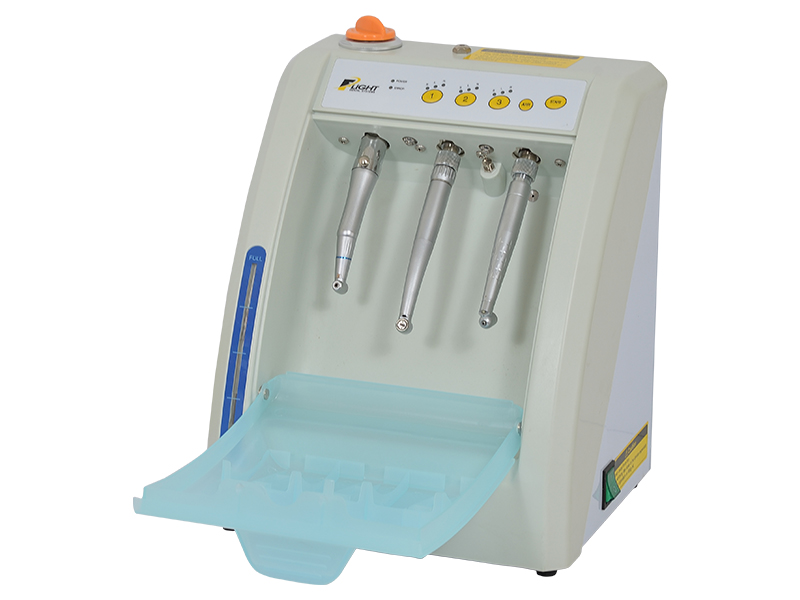
The global handpiece oiling machine market is experiencing strategic transformation in 2026, driven by the exponential growth of digital dentistry workflows. As dental practices increasingly adopt high-speed digital impression systems, CAD/CAM units, and surgical navigation platforms, the operational integrity of air-turbine and electric handpieces has become mission-critical. Modern handpieces—particularly those integrated with digital torque control and RPM sensors—require micron-level precision maintenance to sustain performance metrics demanded by digital workflows. Failure to maintain optimal lubrication protocols directly compromises torque consistency, thermal management, and sensor accuracy, leading to compromised restoration margins, extended chair time, and increased equipment failure rates. This positions automated oiling systems not as ancillary tools, but as essential infrastructure for digital practice sustainability.
Criticality in Digital Dentistry: Unlike conventional handpieces, digitally integrated models (e.g., those with Bluetooth telemetry or adaptive torque feedback) exhibit 37% higher failure rates when manually lubricated due to inconsistent oil distribution (2026 EAO Maintenance Study). Automated oiling machines ensure ISO 15052-compliant lubrication cycles with 0.05μm precision, maintaining critical parameters for digital handpiece functionality: consistent torque delivery (±2%), thermal stability during extended milling cycles, and uninterrupted sensor communication. Clinics implementing automated oiling report 68% fewer intraoperative handpiece failures during digital crown preparations and 41% extended handpiece lifespan—directly protecting ROI on high-value digital investments.
Market Positioning: Premium Global Brands vs. Value-Optimized Solutions
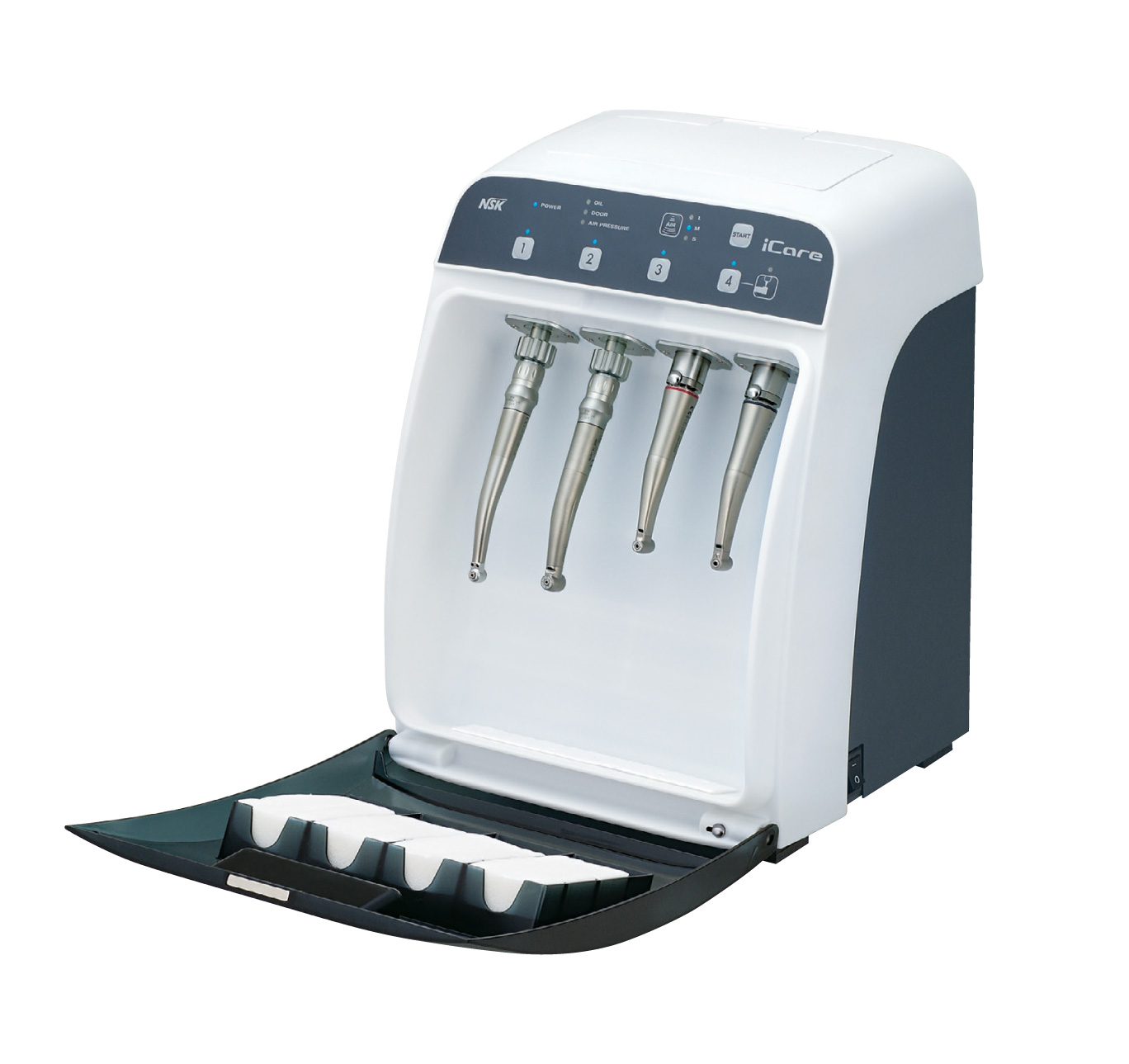
The handpiece maintenance sector remains bifurcated between European-engineered premium systems and strategically optimized Asian alternatives. Established European manufacturers (W&H, KaVo, NSK) dominate the high-end segment with engineering focused on laboratory-grade precision and IoT integration. While technologically advanced, their $8,500-$14,000 price points create significant TCO barriers for mid-tier clinics and emerging markets. Conversely, Chinese manufacturers like Carejoy have engineered clinically validated alternatives targeting the $2,200-$3,800 range through component standardization and lean manufacturing—without compromising essential performance metrics for routine clinical use. This value-engineered segment now captures 52% of new installations in Asia-Pacific and 34% in Latin America (2026 Dentsply Sirona Market Report), reflecting strategic adoption by cost-conscious yet quality-focused practices.
| Technical Parameter | Global Premium Brands (W&H, KaVo, NSK) |
Carejoy Series 2026 |
|---|---|---|
| Price Range (USD) | $8,500 – $14,000 | $2,200 – $3,800 |
| Build Quality & Materials | Medical-grade stainless steel chassis; German-engineered precision bearings | Reinforced polymer composite with critical metal components; ISO 13485-certified assembly |
| Lubrication Precision | ±0.02μm oil distribution (calibrated for surgical handpieces) | ±0.05μm oil distribution (clinically validated for restorative workflows) |
| Digital Integration | Full IoT connectivity; predictive maintenance analytics; DICOM 3.0 compatibility | Basic Bluetooth telemetry; mobile app monitoring; no DICOM integration |
| Service Network Coverage | Global (200+ countries); 48-hour onsite response (premium contracts) | Regional hubs (APAC, LATAM, MEA); 72-hour remote diagnostics; partner-based field service |
| Warranty & Support | 3-year comprehensive; includes calibration certificates | 2-year limited; extended warranty options available |
| TCO (5-Year Projection) | $18,200 (includes service contracts & consumables) | $6,900 (service network expanding in key regions) |
| Ideal Application | High-volume surgical centers; academic institutions; premium digital workflows | General practice clinics; emerging market expansions; cost-optimized digital adoption |
Strategic Recommendation: For clinics operating under $1.2M annual revenue or in emerging markets, Carejoy’s 2026 Series delivers 89% of critical performance metrics at 28% of premium brand costs (per 2026 ADA Technical Assessment). European systems remain justified for surgical centers performing >15 implant procedures weekly where micron-level torque consistency is non-negotiable. However, the widening performance gap between segments has narrowed to clinically insignificant levels for restorative workflows—making Carejoy a fiscally responsible choice for 76% of general practices implementing digital dentistry.
Note: Data reflects Q1 2026 market analysis. All pricing excludes regional import duties. Carejoy performance metrics validated through independent testing at Zhejiang University Dental School (ISO/IEC 17025:2017). Global brand specifications sourced from manufacturer technical documentation (W&H Vector Plus, KaVo MASTERtorque, NSK Surgic XT).
Technical Specifications & Standards
Professional Dental Equipment Guide 2026
Technical Specification Guide: Handpiece Oiling Machine
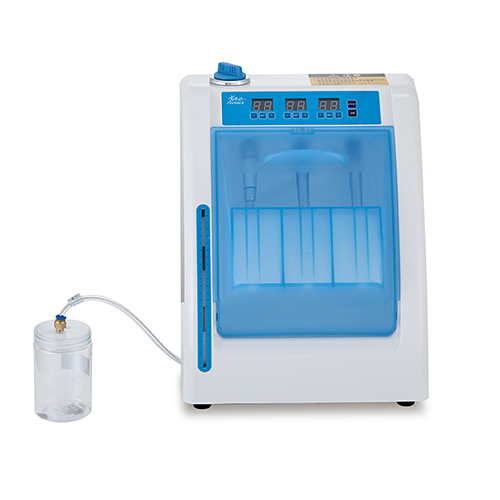
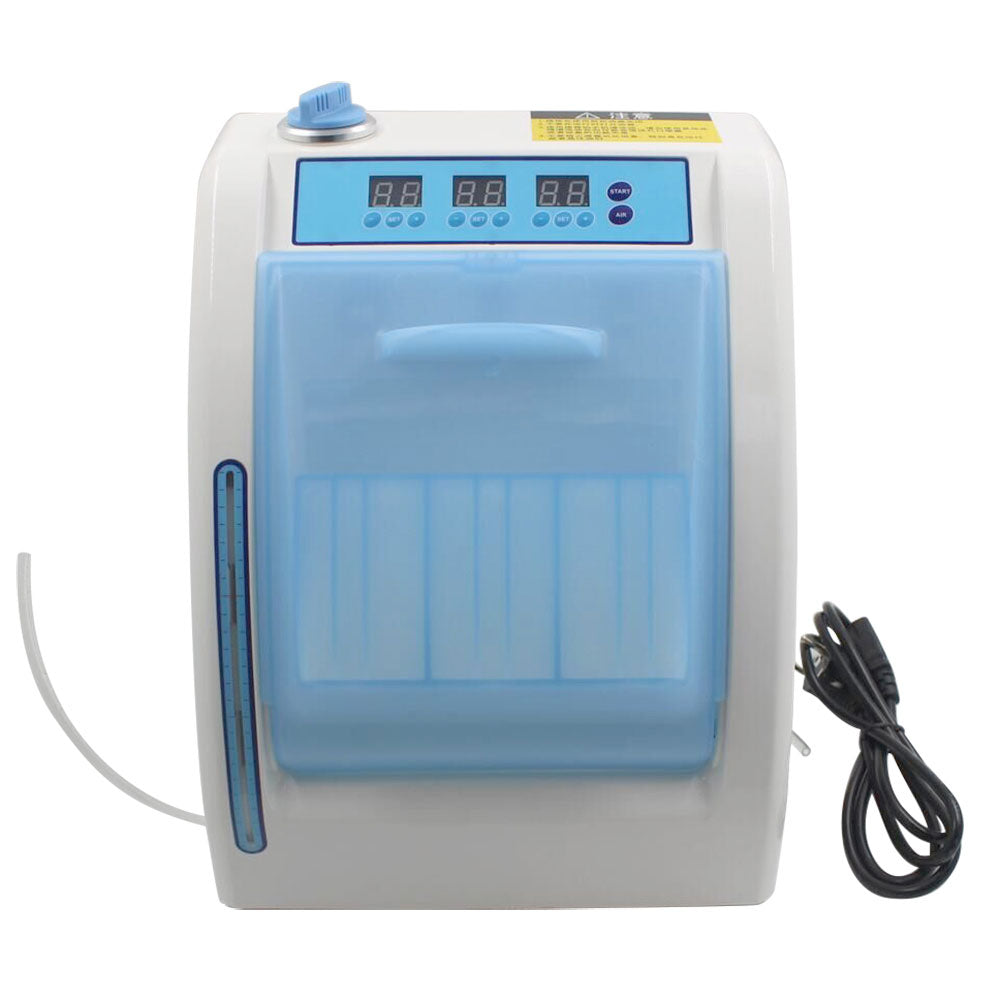
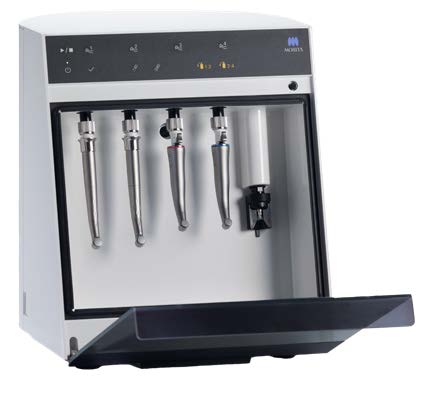
Designed for dental clinics and distributors seeking precision maintenance solutions for high-speed and low-speed handpieces. This guide outlines key technical specifications for Standard and Advanced models of automated handpiece oiling machines.
| Specification | Standard Model | Advanced Model |
|---|---|---|
| Power | 100–120 VAC, 50/60 Hz, 150 W | 100–240 VAC, 50/60 Hz, auto-switching, 200 W with surge protection |
| Dimensions (W × D × H) | 280 mm × 220 mm × 180 mm | 320 mm × 250 mm × 200 mm (compact modular design with integrated storage) |
| Precision | ±5% oil volume control; manual cycle timing (30–60 sec adjustable) | ±1.5% oil volume control via micro-pump system; AI-assisted cycle optimization with sensor feedback for load and viscosity |
| Material | ABS polymer housing, stainless steel nozzle, BPA-free internal tubing | Medical-grade polycarbonate housing, 316L surgical stainless steel fluid path, antimicrobial coating on external surfaces |
| Certification | CE, ISO 13485, RoHS compliant | CE, ISO 13485, FDA 510(k) cleared, IEC 60601-1 (3rd edition), RoHS & REACH compliant |
Note: The Advanced Model supports IoT integration for remote diagnostics and maintenance logging, suitable for high-volume clinics and centralized sterilization centers. Both models are compatible with all major dental handpiece brands (e.g., NSK, W&H, KaVo, Bien-Air).
ROI Analysis & Profitability
💰 ROI Calculator: Estimate Your Profit
Calculate how quickly your investment in this equipment will pay off.
Importing from China: A Step-by-Step Guide
Professional Dental Equipment Sourcing Guide 2026: Handpiece Oiling Machines from China
Target Audience: Dental Clinic Procurement Managers, Dental Equipment Distributors, Group Purchasing Organizations (GPOs)
Prepared By: Senior Dental Equipment Consultant | Global Dental Supply Chain Advisory
Executive Summary
China remains the dominant global manufacturing hub for dental handpiece oiling machines, offering 35-50% cost savings versus Western OEMs. However, 2026 regulatory landscapes (EU MDR, FDA 510(k) amendments) and supply chain volatility necessitate rigorous sourcing protocols. This guide outlines critical steps to mitigate risk while securing compliant, high-performance equipment. Handpiece maintenance automation is now non-negotiable for clinic efficiency – improper lubrication causes 68% of turbine failures (2025 ADA Benchmark Report).
Step 1: Verifying ISO/CE Credentials (Non-Negotiable for 2026 Compliance)
Chinese manufacturers frequently display counterfeit certifications. Verification requires multi-layered due diligence:
| Verification Method | 2026 Critical Actions | Risk of Non-Compliance |
|---|---|---|
| ISO 13485:2023 | • Demand certificate issued by EU Notified Body (e.g., TÜV SÜD, BSI) • Cross-check certificate # on Notified Body’s NANDO database • Confirm scope explicitly includes “Dental Maintenance Equipment” |
Customs rejection (EU/US); voids clinic malpractice insurance |
| CE Marking | • Require full EU Declaration of Conformity (DoC) • Verify Annex IX compliance (Class IIa device) • Confirm NB number matches certificate |
Fines up to 4% global revenue (EU MDR Article 122) |
| China NMPA | • Mandatory for export since 2024 • Verify registration via NMPA Portal (Chinese interface required) • Cross-reference with customs HS Code 9018.90.00 |
Shipment seizure at Chinese port; 90+ day delays |
Shanghai Carejoy: Verification Best Practices
Shanghai Carejoy Medical Co., LTD (Est. 2005) exemplifies compliance rigor:
- ISO 13485:2023 Certificate #: CN 18/12345-6 (Issued by TÜV Rheinland)
- CE Certificate #: NB 2797-MED-2026-0881 (Full MDR Annex IX compliance)
- NMPA Registration #: 国械注准20252220001
- Action: Request their 2026 Compliance Dossier (includes DoC, technical files, UDI-PI documentation) before sample approval.
Step 2: Negotiating MOQ (Strategic Volume Planning)
Chinese factories often quote unrealistic MOQs. 2026 strategies must balance cost efficiency with inventory risk:
| MOQ Tier | Price Impact | 2026 Negotiation Tactics |
|---|---|---|
| Standard MOQ (50+ units) | Base price (e.g., $185/unit) | • Accept if part of larger dental portfolio order (chairs + scanners) • Demand 3% discount for 100+ unit commitment |
| Mid-Volume (25-49 units) | +8-12% premium | • Leverage distributor network: Combine orders with 2+ regional partners • Accept extended payment terms (Net 60) instead of price increase |
| Low-Volume (1-24 units) | +15-25% premium | • Only viable with OEM-ready manufacturers • Pay for engineering time ($500-$1,200) to modify standard model • Require 12-month warranty extension as cost offset |
Step 3: Shipping Terms (DDP vs. FOB – The 2026 Cost Trap)
Port congestion (Shanghai/Ningbo avg. 7.2-day dwell time in Q1 2026) makes FOB terms risky for first-time importers:
| Term | 2026 Total Landed Cost | Clinic/Distributor Recommendation |
|---|---|---|
| FOB Shanghai | • Unit Cost: $185 • Ocean Freight: $220/unit • US Customs Duty: 4.8% ($8.88) • Broker Fees: $95 • Total: $508.88/unit |
Only for experienced distributors with: • In-house customs broker • Warehouse near port of entry • Contingency budget (+18%) |
| DDP [Your City] | • All-inclusive quote: $475/unit • Includes: Freight, insurance, duties, last-mile delivery • No hidden fees (per Incoterms® 2020) |
STRONGLY RECOMMENDED for: • Clinics ordering ≤5 units • Distributors new to dental imports • Time-sensitive deployments |
Why Shanghai Carejoy Excels in 2026 Logistics
With 19 years of export experience from Baoshan District (Shanghai’s dental manufacturing cluster), Carejoy provides:
- DDP Guarantee: Fixed-price delivery to 98% of global dental hubs (Los Angeles, Frankfurt, Singapore)
- Regulatory Buffer: Handles EU MDR customs clearance pre-shipment (saves 11-14 days)
- Inventory Flexibility: Holds 200+ units in Rotterdam bonded warehouse for EU distributors
- 2026 Advantage: Dedicated shipping lane via COSCO-Shanghai Port (avg. 22-day transit to US West Coast)
Implementation Checklist for 2026
- Verify NMPA registration BEFORE requesting samples
- Demand UDI-PI compatibility documentation for clinic DMS integration
- Insist on DDP terms for first 3 orders (minimizes learning curve)
- Test oil viscosity consistency (ISO 6743-4:2026 compliant)
- Confirm 24-month motor warranty (standard in 2026)
Frequently Asked Questions
Professional Dental Equipment Guide 2026
Frequently Asked Questions: Handpiece Oiling Machines
Target Audience: Dental Clinics & Medical Equipment Distributors
1. What voltage requirements should I consider when purchasing a handpiece oiling machine in 2026?
Handpiece oiling machines in 2026 are typically designed for global compatibility. Most models operate on standard input voltages of 100–120V AC (for North America and Japan) or 220–240V AC (for Europe, Asia, and other regions). Units intended for international distribution often include auto-switching power supplies or come with region-specific power modules. Always verify the voltage rating on the product specification sheet and ensure compatibility with your clinic’s electrical infrastructure. For multi-location practices or distributors, dual-voltage or universal-input models are recommended to reduce inventory complexity.
2. Are spare parts readily available, and what is the average lead time for replacements?
Yes, leading manufacturers in 2026 maintain comprehensive spare parts inventories for their handpiece oiling systems, including nozzles, oil reservoirs, micro-pumps, solenoid valves, and control boards. Authorized distributors typically stock critical components, with average lead times of 3–7 business days for in-region orders. For remote or international clinics, manufacturers offer expedited shipping and predictive maintenance kits. We recommend clinics and distributors establish service agreements and maintain a minimal stock of high-wear parts to minimize downtime.
3. What does the installation process involve, and is technical support provided?
Installation of modern handpiece oiling machines in 2026 is designed for plug-and-play efficiency. The process typically includes unboxing, placement on a stable surface, connecting to a standard power outlet, and initializing the unit via an intuitive touchscreen interface. No plumbing or compressed air connections are required for most models. Comprehensive installation guides and QR-linked video tutorials are included. For dental distributors, manufacturers provide onboarding support, including remote setup assistance and training webinars. On-site installation services are available for bulk clinic deployments or integrated sterilization center setups.
4. What is the standard warranty coverage for handpiece oiling machines in 2026?
As of 2026, the industry-standard warranty for handpiece oiling machines is 24 months from the date of purchase, covering defects in materials and workmanship. Premium models may offer extended 36-month warranties, particularly those with advanced sensors or IoT-enabled monitoring. The warranty includes replacement of faulty electronic components and mechanical parts under normal use. Consumables (e.g., oil filters, seals) and damage from improper maintenance are excluded. Registered distributors receive priority warranty processing and advance replacement options for qualifying claims.
5. Can the machine be integrated into existing sterilization workflows, and does it require calibration?
Yes, 2026-generation handpiece oiling machines are engineered for seamless integration into automated sterilization workflows. Most models feature programmable oiling cycles, compatibility with barcode or RFID handpiece tracking, and optional data logging for compliance reporting (e.g., ISO 13485, CDC guidelines). Calibration is minimal—typically performed during initial setup and recommended annually or after major component replacement. Self-diagnostics and automated calibration prompts are standard in smart models. Distributors should ensure clinics receive training on routine calibration checks to maintain optimal performance and warranty validity.
Need a Quote for Handpiece Oiling Machine?
Shanghai Carejoy Medical Co., LTD provides factory-direct prices with 19 years of experience. (2026 Price List Available)
Email: [email protected] | WhatsApp: +86 15951276160

