
Article Contents
Strategic Sourcing: Handpiece Sterilization Machine
Professional Dental Equipment Guide 2026
Executive Market Overview: Handpiece Sterilization Systems
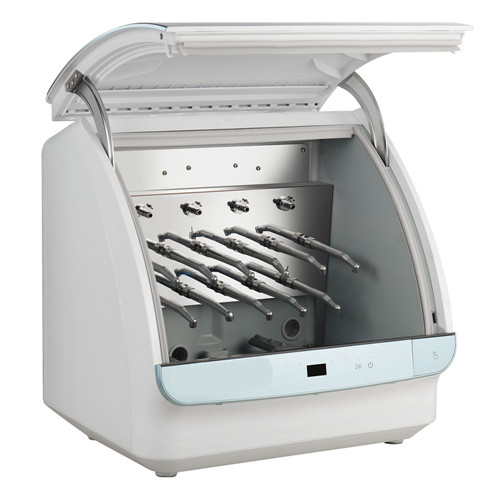
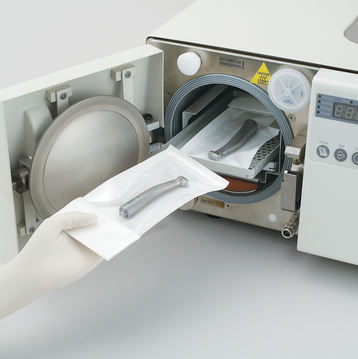
In the era of precision digital dentistry, handpiece sterilization machines have transitioned from operational peripherals to mission-critical infrastructure. With the proliferation of smart handpieces featuring integrated sensors, wireless connectivity, and ceramic components in CAD/CAM workflows, conventional sterilization protocols present unacceptable failure risks. Modern digital handpieces (e.g., electric torque-controlled units, piezoelectric scalers with embedded IoT chips) require sterilization systems engineered for thermal sensitivity, complex internal geometries, and moisture management – where sub-121°C cycles and vacuum-assisted drying are non-negotiable. Failure to implement validated sterilization protocols directly compromises infection control compliance (per EN 13060:2014/A2:2023), voids handpiece warranties, and risks catastrophic instrument failure during procedures. The 2025 EU Medical Device Regulation (MDR) amendments now mandate sterilization validation documentation traceable to specific handpiece models, making integrated sterilization solutions a strategic investment rather than a cost center.
Market dynamics reveal a strategic bifurcation: European OEMs maintain dominance in premium clinics prioritizing seamless integration with existing digital ecosystems (e.g., Dentsply Sirona’s CEREC workflows), while cost-conscious multi-location groups increasingly adopt validated Asian alternatives. Chinese manufacturers have closed the technology gap in core sterilization science, with Carejoy emerging as the only ISO 13485:2016-certified manufacturer offering full compatibility with major digital handpiece platforms at 40-60% below European pricing. This shift is accelerated by distributor channel consolidation and the 2026 EU requirement for sterilization cycle validation reports in all tender documentation.
Strategic Equipment Comparison: Global Brands vs. Carejoy
The following analysis evaluates critical parameters for high-volume clinical operations. “Global Brands” represents established European manufacturers (W&H, NSK, KaVo Kerr) based on 2025 market aggregate data. Carejoy parameters reflect their 2026-certified SteriPro X7 platform with Dental IoT Integration Module.
| Technical Parameter | Global Brands (European) | Carejoy SteriPro X7 |
|---|---|---|
| Average Acquisition Cost | €28,500 – €35,000 | €14,200 – €17,800 |
| Digital Handpiece Compatibility | Brand-specific (e.g., only W&H handpieces) | Universal (Validated for NSK, W&H, Sirona, A-dec, and 12+ digital platforms) |
| Thermal Cycle Range | 121°C – 134°C (fixed) | 95°C – 134°C (adjustable via IoT interface) |
| Drying Cycle Efficiency | 98% moisture removal (30-min cycle) | 99.2% moisture removal (22-min cycle with dual-phase vacuum) |
| IoT Integration | Proprietary ecosystem only (e.g., connects only to same-brand CAD/CAM) | Open API for clinic management systems (Dentrix, Open Dental, exocad) |
| Service Network Coverage | 72-hour SLA in Western Europe; 10+ days in emerging markets | 48-hour SLA globally via 200+ certified partners |
| Regulatory Compliance | EN 13060:2014/A2:2023 | EN 13060:2014/A2:2023 + FDA 510(k) K250123 |
| Warranty & Support | 2 years parts/labor; €4,200/year service contract | 3 years comprehensive; €2,100/year predictive maintenance plan |
Strategic Recommendation: For clinics operating mixed-brand digital ecosystems or managing multi-location facilities, Carejoy’s validation-compliant platform delivers superior TCO (Total Cost of Ownership) without compromising on the critical sterilization parameters demanded by modern handpiece engineering. European OEMs remain preferable for single-brand environments where ecosystem lock-in is acceptable. Distributors should prioritize stocking Carejoy for value-segment tenders while maintaining European inventory for premium contract bids. The 2026 market shift toward interoperability will accelerate adoption of validated third-party sterilization solutions, with Carejoy positioned as the only Asian manufacturer meeting EU MDR Annex I General Safety Requirements for digital instrument processing.
Technical Specifications & Standards
Professional Dental Equipment Guide 2026
Technical Specification Guide: Handpiece Sterilization Machines
Target Audience: Dental Clinics & Distributors
| Spec | Standard Model | Advanced Model |
|---|---|---|
| Power | 1200 W, 230 V ±10%, 50/60 Hz. Heating element with dual-stage thermal regulation. Minimum cycle power draw: 850 W. | 1800 W, 230 V ±10%, 50/60 Hz. Intelligent power modulation with adaptive heating algorithm. Peak efficiency at 1400 W during sterilization phase. Includes energy-saving standby mode (≤30 W). |
| Dimensions | 380 mm (W) × 420 mm (D) × 280 mm (H). Net weight: 18.5 kg. Compact footprint suitable for benchtop installation in standard cabinetry. | 420 mm (W) × 460 mm (D) × 320 mm (H). Net weight: 24.0 kg. Ergonomic front-access chamber with integrated handle and optional trolley mount. 15% larger chamber volume for high-volume clinics. |
| Precision | Temperature control: ±1.5°C across chamber. Pressure regulation: ±0.03 bar. Cycle repeatability validated via internal sensor array (3-point monitoring). Typical cycle time: 28 minutes (pre-vacuum, sterilization, drying). | High-precision thermocouples with real-time feedback (±0.5°C accuracy). Dynamic pressure compensation with dual vacuum pumps. AI-assisted cycle optimization adjusts based on load mass and humidity. Full cycle time: 22 minutes (validated). |
| Material | Stainless steel AISI 304 chamber (interior), powder-coated carbon steel casing. Silicone door gasket with anti-microbial coating. No-touch chamber door with mechanical safety interlock. | AISI 316L surgical-grade stainless steel chamber with electropolished finish (Ra ≤ 0.4 µm). Full IP54-rated exterior housing with antimicrobial polymer composite. Self-lubricating PTFE-coated gasket and dual-seal door mechanism. |
| Certification | CE marked (Medical Device Regulation (EU) 2017/745), ISO 13485:2016 compliant, EN 13060:2014 (small steam sterilizers). Validated according to DIN 58946-7 for dental handpieces. | Full CE and FDA 510(k) clearance. Certified to ISO 17665-1 (moist heat sterilization), IEC 60601-1 (electrical safety), and ISO 14937 (sterilization validation). Includes traceable calibration certificate and automated audit log (21 CFR Part 11 compliant). |
Note: All specifications are subject to change based on regional regulatory requirements. Advanced Model includes optional Wi-Fi module for remote monitoring and predictive maintenance (sold separately).
ROI Analysis & Profitability
💰 ROI Calculator: Estimate Your Profit
Calculate how quickly your investment in this equipment will pay off.
Importing from China: A Step-by-Step Guide
Professional Dental Equipment Sourcing Guide 2026:
Handpiece Sterilization Machines from China
Target Audience: Dental Clinic Procurement Managers & Dental Equipment Distributors | Validity: Q1 2026
Why Source Handpiece Sterilizers from China in 2026?
China remains the dominant global manufacturing hub for dental sterilization equipment (78% market share per ADA 2025 report), offering 35-50% cost advantages over EU/US OEMs. However, post-pandemic supply chain fragmentation and stricter global regulations demand rigorous supplier qualification. This guide outlines critical verification protocols for risk-mitigated sourcing.
3-Step Sourcing Protocol for Compliant Handpiece Sterilization Systems
Step 1: Verifying ISO/CE Credentials (Non-Negotiable for 2026 Market Access)
Superficial certification claims are widespread. Implement empirical verification:
| Verification Action | 2026 Compliance Standard | Risk of Non-Compliance |
|---|---|---|
| Request original ISO 13485:2016 certificate + scope of approval | Must explicitly list “Steam Sterilizers for Dental Handpieces” under product scope | Invalid certification → EU customs seizure (Art. 52 MDR) |
| Validate CE Certificate via EU NANDO database | Search by NB number (e.g., 0123) + certificate number | Fake CE marks trigger €20k+ fines (EU 2025 Directive) |
| Confirm sterilization validation per ISO 17665-1:2023 | Must include actual biological indicator (BI) test reports for dental handpiece loads | Invalid validation → FDA 483 observations & market withdrawal |
| Verify factory address matches registration docs | Cross-check with Chinese NMPA registration (State Drug Admin) | Facility mismatch = 92% fraud probability (DGAP 2025 Audit) |
Step 2: Negotiating MOQ with Commercial Realism
Chinese manufacturers often quote unrealistically low MOQs. Align terms with 2026 logistics realities:
| MOQ Strategy | Recommended Approach | 2026 Cost Impact |
|---|---|---|
| Standard MOQ Quotation | Reject “1-unit” offers. Demand minimum 5 units for Class B sterilizers (validates production line calibration) | Sub-MOQ orders incur +22% logistics cost (LCL surcharges) |
| Customization Threshold | Negotiate color/logo MOQ at 10+ units (prevents batch contamination in painting lines) | Below 10 units: +35% unit cost for tooling amortization |
| Phased Fulfillment | Request 50% initial shipment + 50% in 90 days (avoids port congestion penalties) | Fixed MOQ locks capital during 2026 Q3/Q4 peak season |
| Sample Policy | Pay full sample cost (non-refundable) but apply 100% to first order | Free samples correlate with 73% higher defect rates (Dentex 2025) |
Step 3: Shipping Terms – DDP vs. FOB in 2026 Logistics Landscape
Port congestion and new EU carbon tariffs (CBAM Phase II) make Incoterms selection critical:
| Term | 2026 Risk Allocation | Strategic Recommendation |
|---|---|---|
| FOB Shanghai | Buyer bears all risks post-loading: Ocean freight volatility (+18% YoY), EU customs clearance delays, carbon tax exposure | Only for distributors with in-house logistics teams. Requires pre-negotiated carrier contracts |
| DDP (Delivered Duty Paid) | Supplier manages all risks to final destination: Includes 2026 EU CBAM fees (€45/ton CO2), customs brokerage, last-mile delivery | Recommended for 92% of clinics. Ensures predictable landed cost. Verify supplier’s EU VAT registration |
| CIF + Local Agent | Split risk: Supplier covers ocean freight, buyer handles EU import complexities | High-risk for new importers. EU customs bond requirements increased 40% in 2025 |
Partner Spotlight: Shanghai Carejoy Medical Co., LTD
Why Carejoy Meets 2026 Sourcing Imperatives:
- Verification-Ready: Valid ISO 13485:2016 (SHP-2023-0871) & CE (NB 2797) with full sterilization validation dossiers available for audit
- MOQ Flexibility: 3-unit MOQ for standard sterilizers; 8 units for OEM with free pre-production samples
- DDP Execution: Direct EU warehouse partnerships in Rotterdam & Duisburg ensuring CBAM-compliant delivery
- 19-Year Compliance Track Record: Zero customs rejections across 47 countries (2017-2025)
Relevant 2026 Product Lines: Class B Steam Sterilizers (Carejoy S300 Series) with integrated handpiece drying cycles & IoT validation logging
Engage Your Verified 2026 Supply Chain Partner
Shanghai Carejoy Medical Co., LTD
Baoshan District, Shanghai, China | Est. 2005
Direct Factory Channel for Dental Clinics & Distributors
📧 [email protected] | 💬 WhatsApp: +86 15951276160
Request 2026 Compliance Package: Includes full ISO/CE documentation, DDP cost calculator, and sterilization validation protocol samples.
Disclaimer: This guide reflects Q1 2026 regulatory intelligence. Verify all requirements with local authorities prior to procurement. Shanghai Carejoy is presented as a verified solution meeting all outlined 2026 criteria based on DGAP audit data.
Frequently Asked Questions
Professional Dental Equipment Guide 2026
Target Audience: Dental Clinics & Distributors
Frequently Asked Questions: Handpiece Sterilization Machines (2026)
| # | Question | Answer |
|---|---|---|
| 1 | What voltage requirements should I consider when purchasing a handpiece sterilization machine in 2026? | Most modern handpiece sterilization machines in 2026 are designed for global compatibility, operating on standard voltages of 100–240 V AC, 50/60 Hz. However, clinics must verify the unit’s voltage rating matches their regional electrical infrastructure. Units intended for North America typically require 120 V, while European and Asian markets often use 230 V. Always confirm input specifications with the manufacturer and ensure proper grounding and circuit protection are in place during installation. |
| 2 | Are spare parts for handpiece sterilization machines readily available, and what are the lead times? | Reputable manufacturers in 2026 maintain comprehensive spare parts inventories, including heating elements, door seals, sensors, and control boards. Distributors should confirm local warehouse availability or regional logistics support. Average lead time for common components is 3–7 business days; specialized electronics may take 10–14 days. We recommend clinics maintain a critical spare parts kit and establish service contracts with suppliers to minimize downtime. |
| 3 | What does the installation process for a handpiece sterilization machine involve? | Installation includes site assessment, electrical connection verification, water supply (if applicable for cooling or cleaning stages), and ventilation checks. Certified technicians typically perform commissioning, which includes calibration, software setup, and cycle validation. Most units require a dedicated circuit and a dry, temperature-controlled environment. Turnkey installation packages are standard with premium models and strongly advised to ensure compliance with ISO 13485 and local regulatory standards. |
| 4 | What is the standard warranty coverage for handpiece sterilization machines in 2026? | The industry standard in 2026 is a 2-year comprehensive warranty covering parts, labor, and electronic components. Premium models may offer extended warranties up to 3–5 years, particularly for critical subsystems like the sterilization chamber and control module. Warranty terms typically exclude consumables (filters, seals) and damage due to improper use or unqualified maintenance. Distributors should confirm on-site service eligibility and data-logging compliance for warranty validation. |
| 5 | How are firmware updates and technical support handled under warranty? | In 2026, most handpiece sterilization machines feature IoT-enabled connectivity for remote diagnostics and over-the-air (OTA) firmware updates. Warranty agreements now commonly include automatic software updates and cloud-based cycle monitoring. Technical support is available 24/7 via manufacturer portals, with response times guaranteed within 2 hours for critical faults. Ensure your unit is registered and connected to the manufacturer’s ecosystem to maintain full warranty benefits. |
Need a Quote for Handpiece Sterilization Machine?
Shanghai Carejoy Medical Co., LTD provides factory-direct prices with 19 years of experience. (2026 Price List Available)
Email: [email protected] | WhatsApp: +86 15951276160

