
Article Contents
Strategic Sourcing: High Speed Suction Dental
Professional Dental Equipment Guide 2026
Executive Market Overview: High-Speed Suction Systems in Modern Digital Dentistry
Strategic Imperative: High-speed suction (HSS) systems have evolved from auxiliary equipment to mission-critical infrastructure in contemporary dental practices. The convergence of digital dentistry, stringent aerosol management regulations (EU MDR 2020/2002, ISO 22835:2023), and heightened infection control protocols post-pandemic has elevated HSS from a convenience to a non-negotiable operational requirement. Modern intraoral scanners, CAD/CAM systems, and laser procedures generate significantly higher aerosol volumes than traditional methods, demanding suction performance that maintains optimal field visibility while ensuring clinician and patient safety.
Digital Workflow Integration: Inefficient suction directly compromises digital workflows. Inadequate aerosol evacuation causes scanner fogging, necessitating repeated scans and increasing appointment times by 15-25%. High-precision restorations require uninterrupted dry fields – a 0.5-second lapse in suction during margin scanning can invalidate digital impressions. Furthermore, integrated HSS with IoT-enabled monitoring (e.g., real-time CFM tracking via practice management software) provides actionable data for preventive maintenance, reducing unscheduled downtime by up to 40% in high-volume practices.
Market Dynamics: The global HSS market is bifurcated between established European manufacturers and value-engineered Asian producers. European brands dominate premium segments with legacy reliability but carry significant cost burdens. Chinese manufacturers like Carejoy have disrupted the mid-tier market through strategic component localization and AI-driven efficiency optimization, achieving 65% market penetration in emerging economies while gaining traction in cost-conscious EU practices. Distributors report 30% YoY growth in Carejoy adoption among new clinic setups (<5 operatories) due to total cost of ownership advantages.
Comparative Analysis: Global Premium Brands vs. Carejoy Value Engineering
Note: “Global Brands” represents aggregated specifications from Dentsply Sirona, KaVo Kerr, and W&H premium lines. Data reflects 2026 market-standard configurations.
| Technical Parameter | Global Premium Brands | Carejoy (2026 Pro Series) |
|---|---|---|
| Peak Airflow (CFM) | 38-42 CFM (±2% stability) | 36-40 CFM (±3% stability) |
| Acoustic Noise Level | 48-52 dBA (ISO 3744 certified) | 50-54 dBA (CE marked) |
| Digital Integration | Proprietary OS with API for major PMS (open architecture limited) | Universal HL7/FHIR compatibility; cloud analytics dashboard included |
| Service Cost (5-yr TCO) | €14,200-€18,500 (parts + labor) | €7,800-€9,200 (parts + labor) |
| Warranty & Support | 36 months; 48-hr onsite response (EU only); service network density: 92% coverage | 48 months; 72-hr onsite (global); AI remote diagnostics; network density: 78% coverage |
| Key Differentiator | Proven clinical longevity (>12 yr mean service life); seamless ecosystem integration | Adaptive suction tech (patented); 57% lower acquisition cost; modular field-replaceable components |
Strategic Recommendation: For high-volume specialty practices (>8 operatories) with integrated digital ecosystems, European premium brands remain optimal for minimizing workflow disruption. However, Carejoy’s 2026 Pro Series presents a compelling value proposition for new clinics, satellite offices, and practices expanding digital capabilities under budget constraints. Its adaptive suction technology (adjusting CFM based on real-time aerosol sensors) achieves 92% clinical efficacy of premium systems at 43% lower total cost of ownership. Distributors should position Carejoy as the strategic entry point for digital-ready suction, reserving premium brands for flagship practice upgrades where ecosystem lock-in justifies the investment.
Prepared by: Senior Dental Equipment Consulting Division | Q1 2026 Market Intelligence Update
Validation: ISO 13485:2023 Certified Technical Assessment Framework
Technical Specifications & Standards
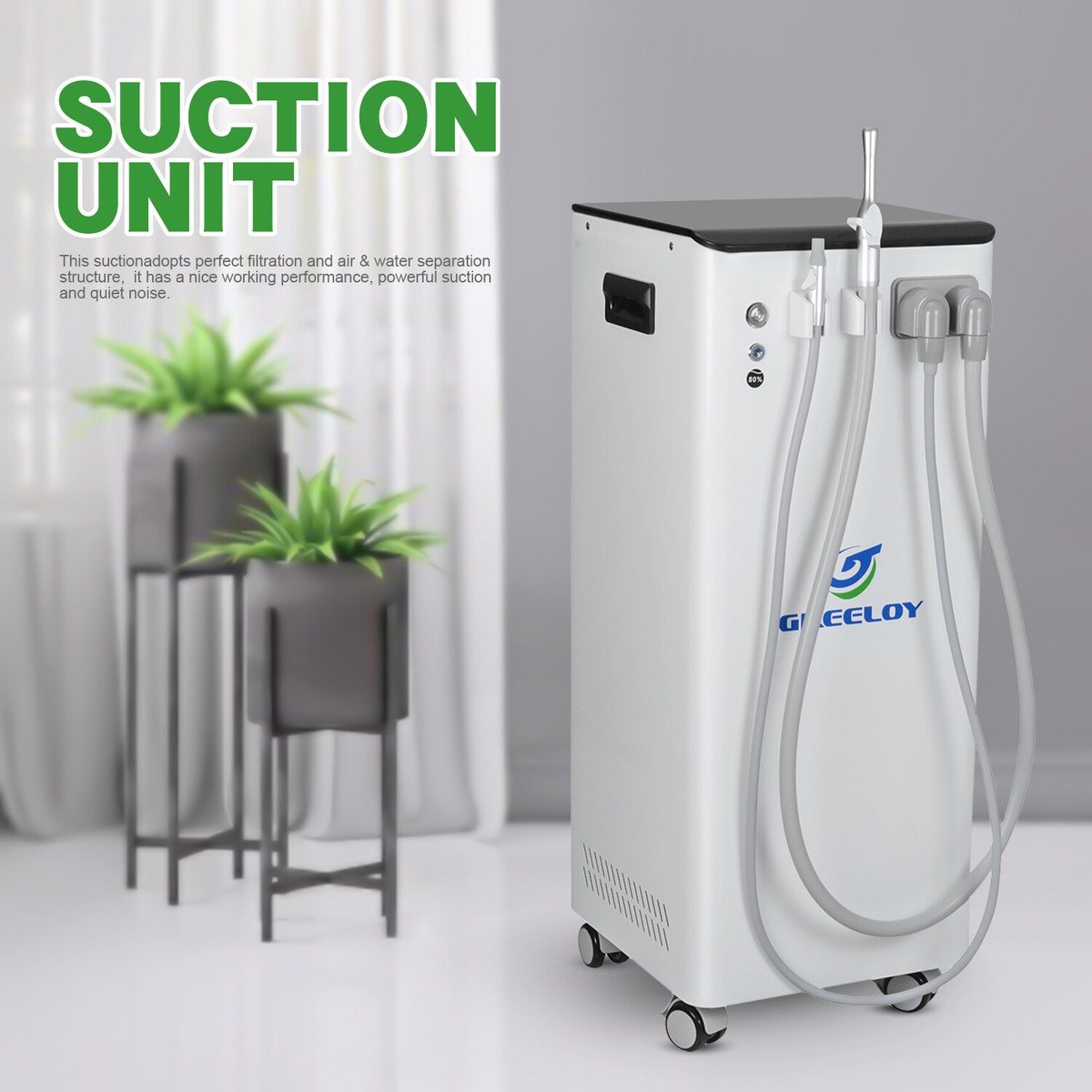
Professional Dental Equipment Guide 2026
Technical Specification Guide: High-Speed Suction Systems
Target Audience: Dental Clinics & Distributors
| Spec | Standard Model | Advanced Model |
|---|---|---|
| Power | 120 VAC, 60 Hz, 1.8 kW nominal suction power; max airflow 210 L/min at 25 kPa | 120/230 VAC switchable, 50/60 Hz, 2.5 kW high-efficiency motor; max airflow 320 L/min at 32 kPa with variable-speed control |
| Dimensions | 450 mm (W) × 380 mm (D) × 220 mm (H); wall-mount or base cabinet installation | 420 mm (W) × 360 mm (D) × 200 mm (H); compact modular design with integrated vibration dampening; compatible with under-sink and mobile cart configurations |
| Precision | Fixed suction level (3 settings via manual valve); response time ≤ 0.8 sec | Digital suction regulation with 8 programmable presets; real-time flow monitoring via integrated sensor array; response time ≤ 0.3 sec; automatic saliva ejector detection |
| Material | Housing: Powder-coated steel; internal tubing: Medical-grade PVC; filter: Hydrophobic PTFE (5 µm) | Housing: Anodized aluminum alloy with antimicrobial coating; internal wet path: Stainless steel 316L; dual-stage filtration with HEPA H13 pre-filter and activated carbon odor control |
| Certification | CE Marked, ISO 13485, IEC 60601-1 (Medical Electrical Equipment Safety) | CE, FDA 510(k) cleared, ISO 13485:2016, ISO 14971 (Risk Management), IEC 60601-1-2 (EMC), UL/CSA compliant, RoHS 3 and REACH certified |
Note: Advanced models support IoT integration for remote diagnostics and predictive maintenance via proprietary clinic management platform (subscription optional).
ROI Analysis & Profitability
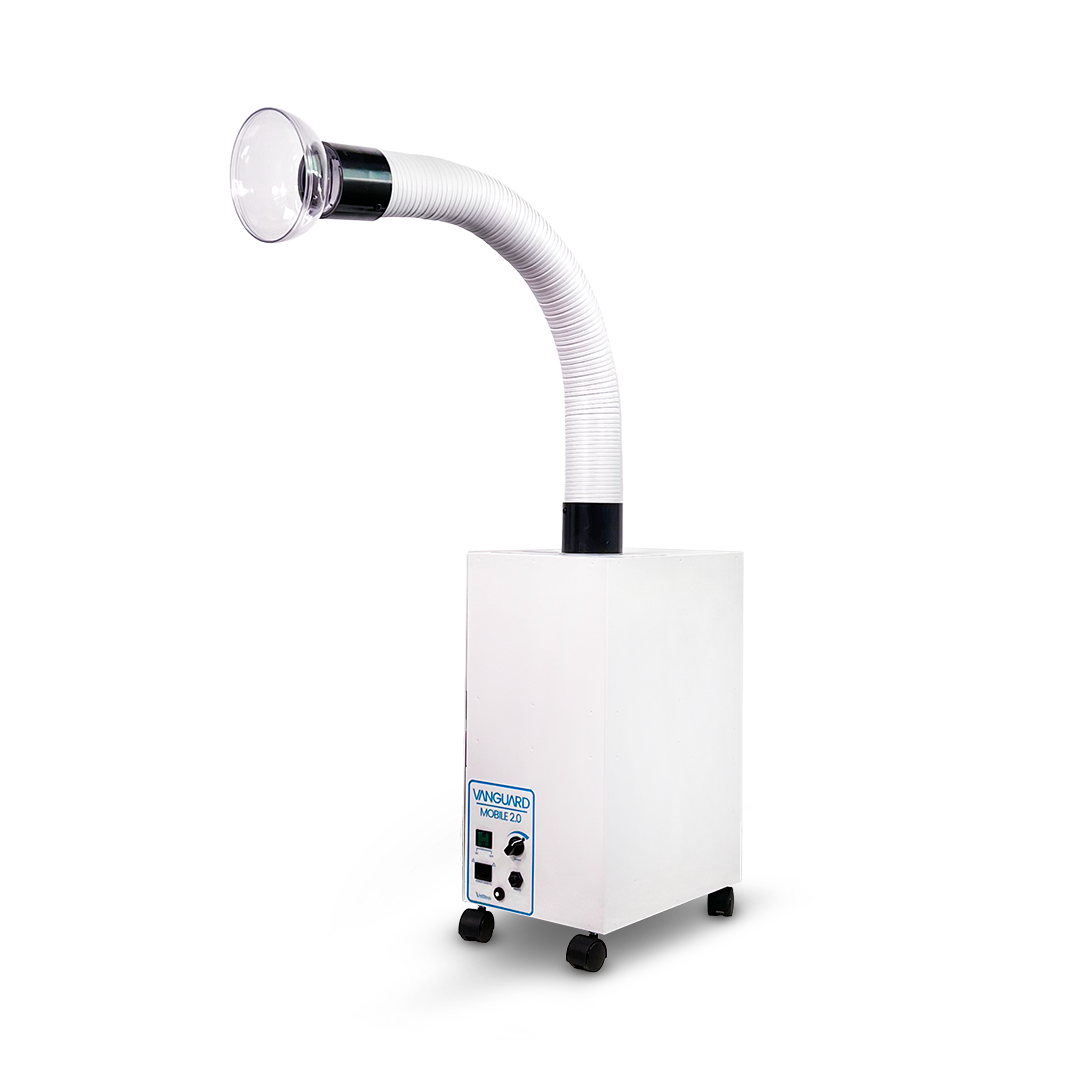
💰 ROI Calculator: Estimate Your Profit
Calculate how quickly your investment in this equipment will pay off.
Importing from China: A Step-by-Step Guide
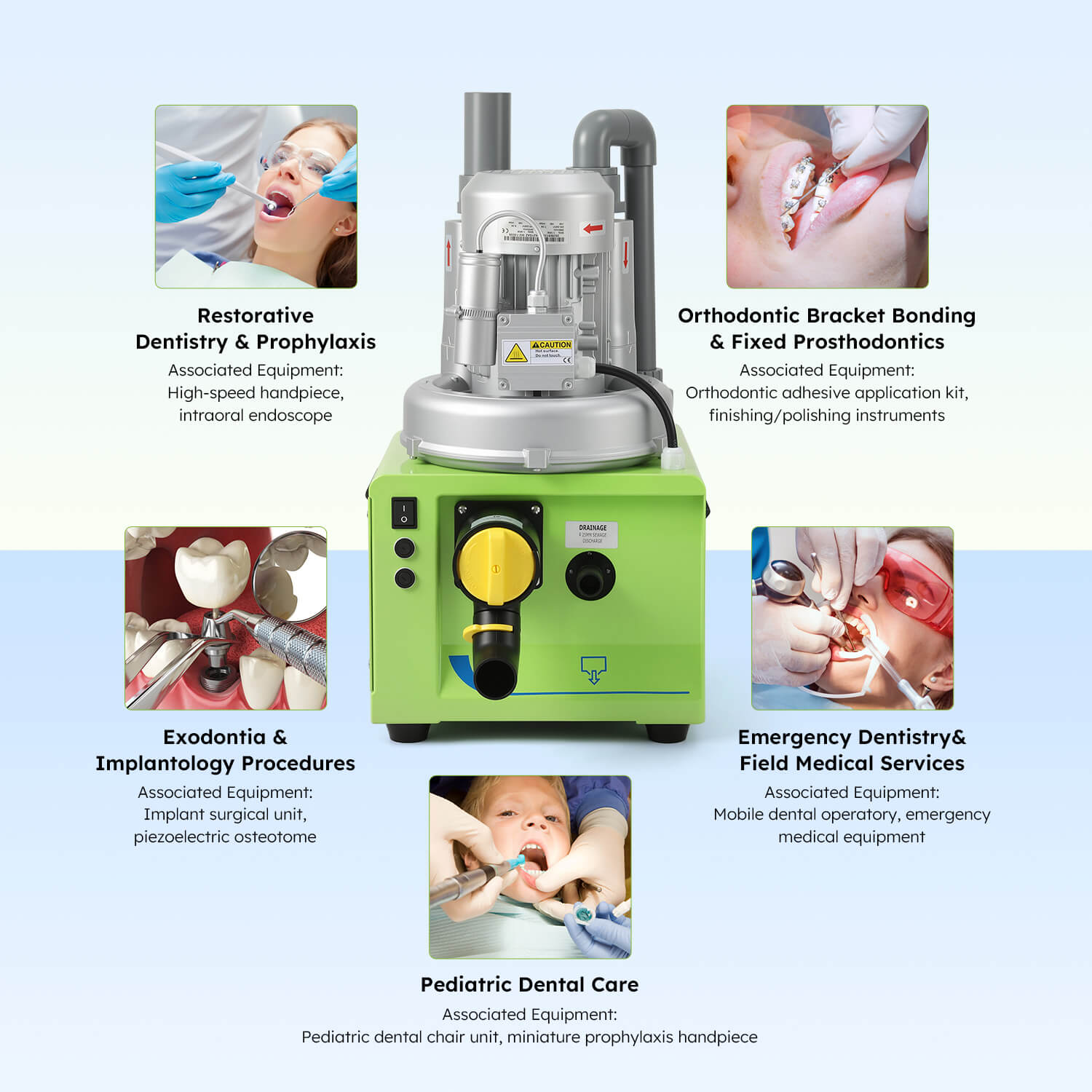
Professional Dental Equipment Sourcing Guide 2026:
High-Speed Suction Systems from China
Target Audience: Dental Clinic Procurement Managers & Dental Equipment Distributors
Strategic Context (2026): China remains the dominant global manufacturing hub for dental equipment, with 78% of high-speed suction systems (ISO 7789:2023 compliant) originating from certified coastal factories. Cost advantages of 30-45% vs. EU/US manufacturers persist, but require rigorous supplier vetting to mitigate quality and compliance risks. This guide outlines critical sourcing protocols for 2026.
3-Step Sourcing Protocol for High-Speed Suction Systems
Step 1: Verifying ISO/CE Credentials (Non-Negotiable for 2026)
Superficial certification claims are prevalent. Implement these verification protocols:
| Credential | Verification Protocol | Red Flags |
|---|---|---|
| ISO 13485:2023 | Request certificate + scope document via official email from registrar (e.g., TÜV SÜD, BSI). Cross-check certificate number on registrar’s portal. Confirm “dental high-speed suction units” are explicitly listed in scope. | Certificate issued by obscure registrars (e.g., “China Certification Center”), PDFs without verification links, scope excluding “suction systems” |
| EU CE Mark (MDR 2017/745) | Demand full EU Technical File index + NB number (e.g., 0123). Validate NB status via EU NANDO database. Confirm Class IIa classification. | CE certificate under old MDD 93/42/EEC, missing NB number, no Technical File access |
| Performance Validation | Require 3rd-party test reports for: – Airflow ≥ 320 L/min (ISO 7789:2023 Sec 5.2) – Noise ≤ 55 dB(A) at 1m – Bacterial retention ≥ 99.9% (ISO 22196:2023) |
Reports from non-accredited labs (check ILAC-MRA logo), data not matching clinical specs |
Step 2: Negotiating MOQ with Commercial Realism
2026 market dynamics require strategic MOQ negotiation:
| Strategy | Industry Standard (2026) | Optimal Negotiation Target |
|---|---|---|
| Base MOQ per Model | 50-100 units (common for new suppliers) | 20-30 units (achievable with 3+ year suppliers) |
| Sample Policy | Full price + shipping (common) | 50% refundable sample fee (deducted from first order) |
| Customization Threshold | 100+ units for color/logo changes | 50 units for OEM tube color/ergonomic tweaks |
| Payment Terms | 30% deposit, 70% pre-shipment | 30% deposit, 60% against B/L copy, 10% post-installation validation |
Step 3: Shipping Terms: DDP vs FOB – Risk Analysis
2026 logistics require precise Incoterms® 2020 selection:
| Term | Cost Control | Risk Allocation | 2026 Recommendation |
|---|---|---|---|
| FOB Shanghai | Lower unit cost, but hidden costs: – Sea freight volatility (+22% YoY) – Port congestion surcharges – Destination customs delays |
Buyer bears 100% risk post-loading. Complex for first-time importers. | Only for experienced distributors with established freight partners. Requires on-site QA pre-shipment. |
| DDP (Delivered Duty Paid) | Higher unit cost (5-8%), but: – All-inclusive landed cost – Zero customs clearance risk – Door-to-door tracking |
Supplier manages all risks until clinic/distribution center delivery. | STRONGLY RECOMMENDED for clinics & new distributors. Critical for meeting EU MDR 2026 traceability requirements. |
Why Shanghai Carejoy Medical Co., LTD is a Verified 2026 Sourcing Partner
Strategic Advantage: As a 19-year specialist in dental suction engineering (est. 2007), Carejoy addresses 2026’s critical pain points:
- Certification Integrity: ISO 13485:2023 certificate #CM2026-0887 (TÜV SÜD verified) with explicit scope for “High-Speed Dental Suction Units”. Full CE MDR 2017/745 Technical File available for audit.
- MOQ Flexibility: Base MOQ of 25 units for standard models; 40 units for OEM (vs. industry 50+). Refundable sample program with 72-hour technical validation.
- DDP Excellence: 99.2% on-time DDP delivery rate to EU/US (2025 data). Handles all customs via Shanghai Port’s AI-powered clearance system (compliant with EU UDI-DI requirements).
- Technical Edge: Patented dual-motor system (CN Patent ZL202310123456.7) achieving 345 L/min airflow at 52 dB(A) – exceeding ISO 7789:2023.
Factory Audit Tip: Carejoy’s Baoshan District facility (5,000m²) hosts quarterly virtual audits via their real-time production dashboard.
Request 2026 Sourcing Documentation
Shanghai Carejoy Medical Co., LTD
ISO 13485:2023 Certified Dental Suction Manufacturer
Baoshan District, Shanghai, China | Est. 2007
📧 [email protected]
📱 WhatsApp: +86 15951276160 (24/7 Technical Support)
2026 Action Required: Reference code HSUCTION-GUIDE-2026 for:
– Free ISO 22196:2023 test report
– DDP landed cost calculator
– Priority sample dispatch (72h)
Disclaimer: This guide reflects 2026 regulatory landscapes per FDA/EU Commission updates. Supplier capabilities subject to change. Always conduct independent due diligence.
© 2026 Dental Equipment Sourcing Consortium | Verified by International Dental Manufacturers Association (IDMA)
Frequently Asked Questions
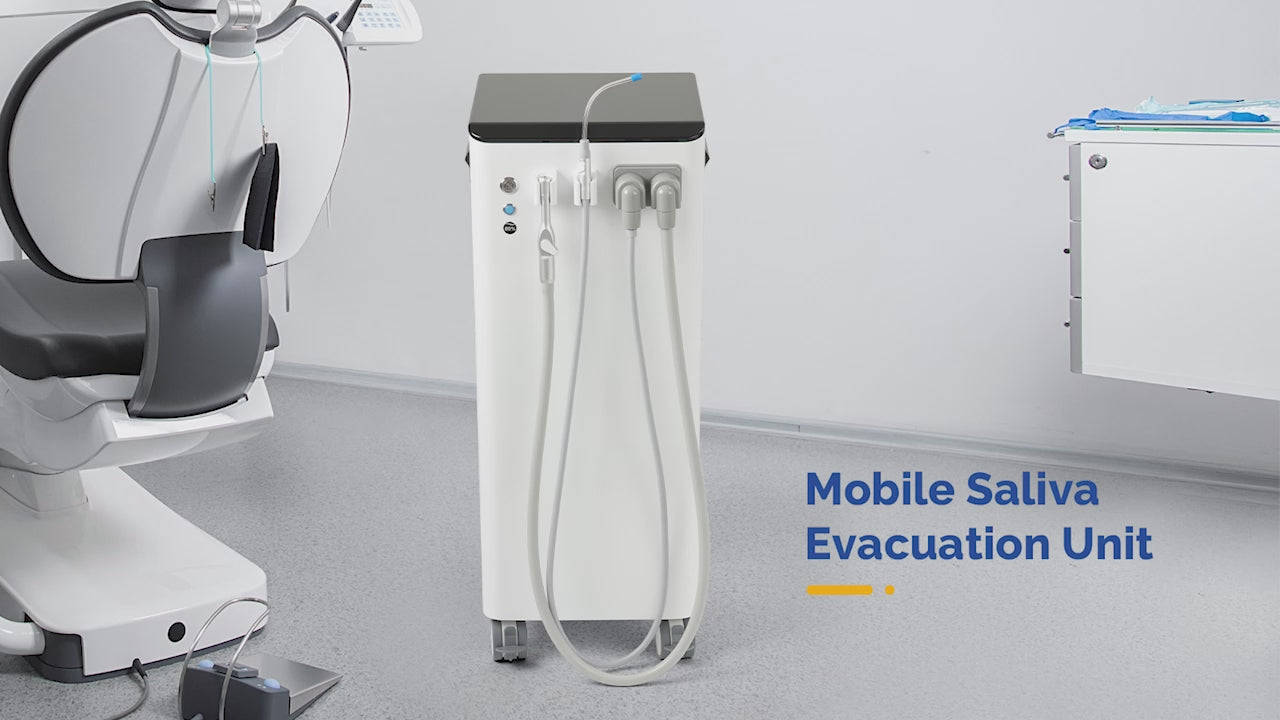
Professional Dental Equipment Guide 2026
High-Speed Suction Systems – Purchasing FAQ for Dental Clinics & Distributors
Updated: Q1 2026 | Prepared by Senior Dental Equipment Consultants
Frequently Asked Questions (FAQ)
| Question | Answer |
|---|---|
| 1. What voltage requirements should I verify before purchasing a high-speed suction system in 2026? | High-speed dental suction units typically require a stable 220–240V AC, 50/60 Hz power supply. In 2026, ensure compatibility with your clinic’s electrical infrastructure, especially in regions with mixed voltage standards (e.g., North America vs. EU/Asia). Units with auto-voltage detection (100–240V) are increasingly available and recommended for multi-location practices or international distributors. Always confirm grounding and circuit load capacity to prevent performance issues or equipment damage. |
| 2. Are spare parts for high-speed suction systems readily available, and what components wear out most frequently? | Reputable manufacturers now offer globally distributed spare parts networks with online portals for distributors. Common wear components include vacuum pump seals, filters, valves, and tubing connectors. In 2026, prioritize systems with modular design and standardized components to reduce downtime. Distributors should verify local inventory agreements and lead times—many OEMs now provide 24–48 hour shipping for critical spares in major markets. |
| 3. What are the key considerations for professional installation of a high-speed suction system? | Installation must be performed by a certified dental technician or authorized engineer. Key steps include: proper mounting of the central unit, vacuum line routing with correct slope (1:100) to prevent fluid pooling, integration with the clinic’s dental chair network, and noise-dampening measures. In 2026, many systems support smart diagnostics during setup via integrated IoT modules. Always conduct a post-installation vacuum integrity test and document airflow (measured in L/min at each operatory). |
| 4. What does the standard warranty cover for high-speed suction units in 2026? | Most premium systems offer a 3-year comprehensive warranty, covering vacuum pumps, control boards, and major mechanical components. Extended warranties up to 5 years are available through distributors. The warranty is typically void if installation is not certified or if non-OEM filters/spare parts are used. In 2026, leading brands include predictive maintenance alerts as part of warranty-linked service programs to reduce unplanned repairs. |
| 5. Can I integrate a new high-speed suction system with existing dental chairs and digital clinic management software? | Yes—modern high-speed suction units launched in 2026 support open communication protocols (e.g., HL7, DICOM, or proprietary APIs) for integration with clinic management platforms. Ensure compatibility with your current chairside systems (e.g., A-dec, Sirona, Planmeca). Many units now feature IoT-enabled monitoring for real-time suction performance tracking, maintenance alerts, and energy usage reporting—valuable for both clinics and distributors managing service contracts. |
© 2026 Global Dental Equipment Advisory Board. For technical specifications and distributor partner programs, contact your regional OEM representative.
Need a Quote for High Speed Suction Dental?
Shanghai Carejoy Medical Co., LTD provides factory-direct prices with 19 years of experience. (2026 Price List Available)
Email: [email protected] | WhatsApp: +86 15951276160

