
Article Contents
Strategic Sourcing: Intra Oral Camera Price
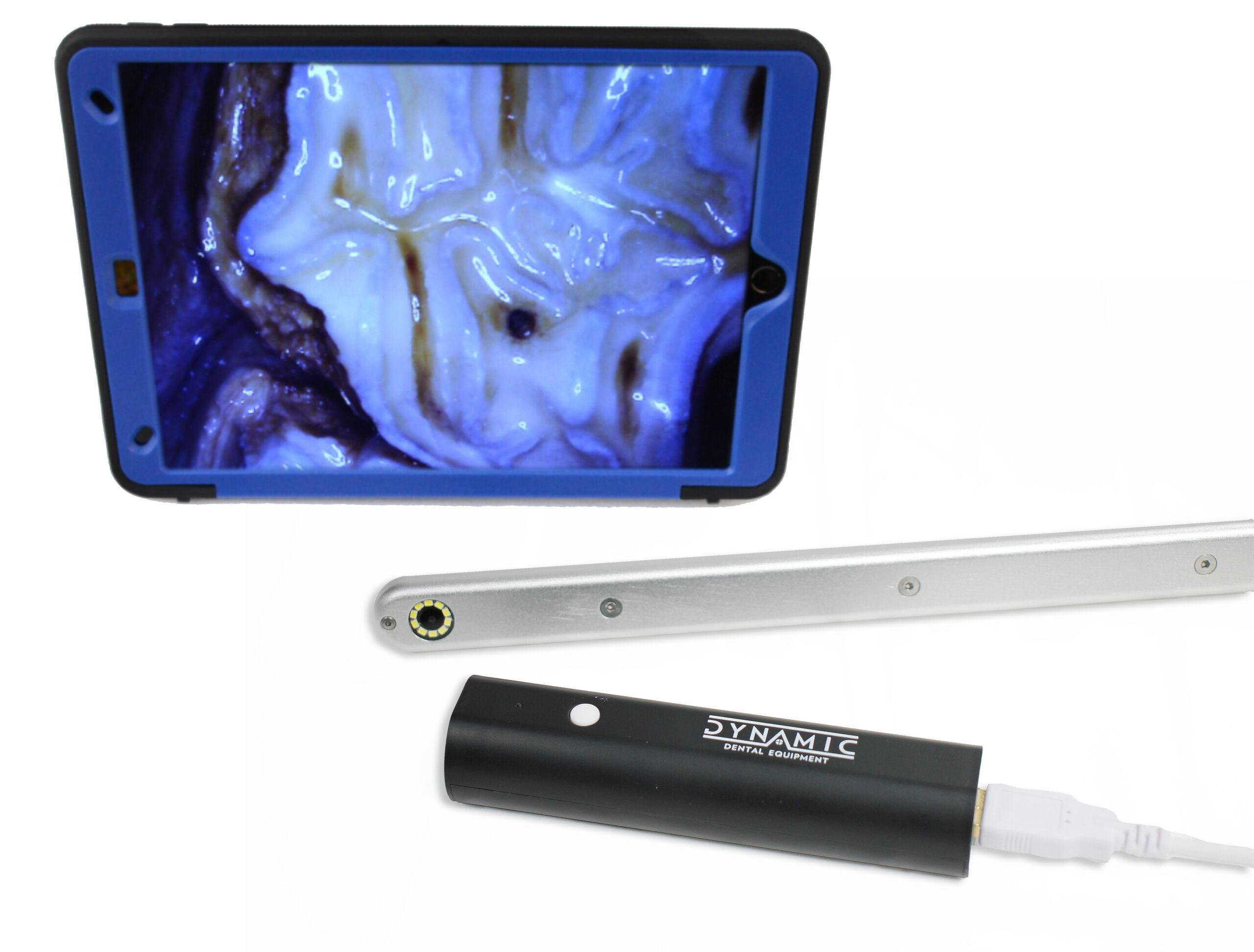
Executive Market Overview: Intraoral Camera Pricing Landscape in Modern Digital Dentistry
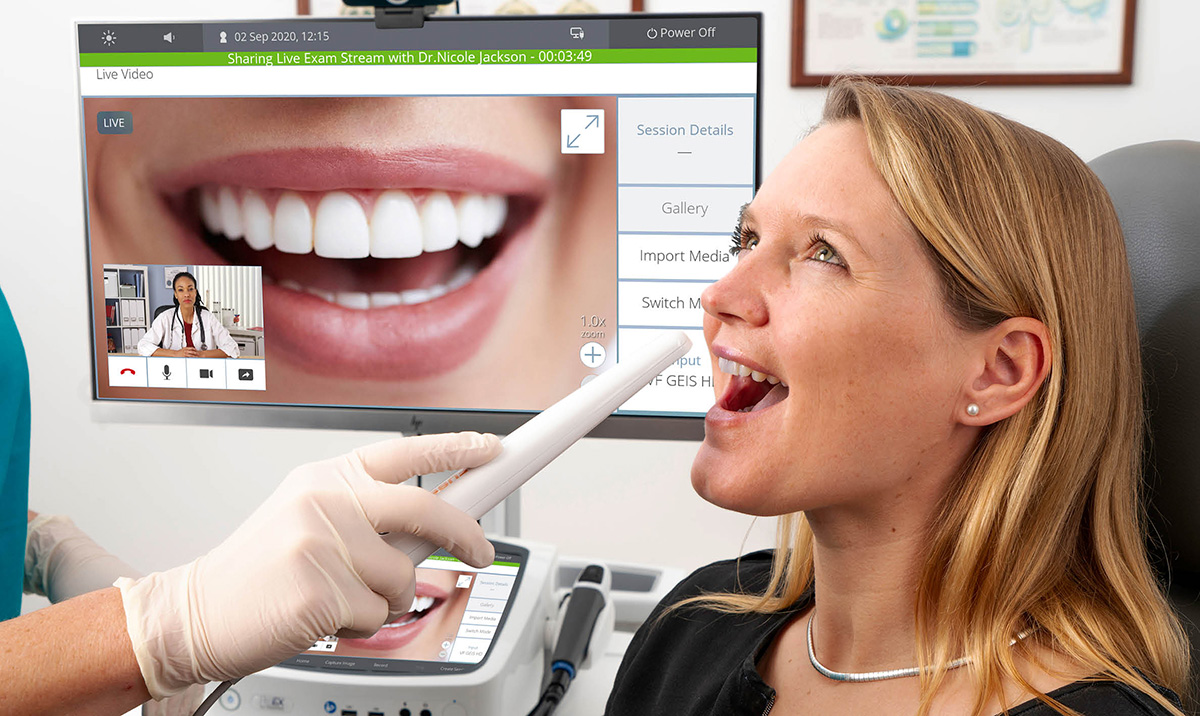
As digital transformation accelerates across dental practices globally, intraoral cameras (IOCs) have evolved from optional peripherals to indispensable diagnostic and patient communication tools. These devices serve as the critical visual interface between digital workflows and clinical decision-making, enabling real-time caries detection, periodontal assessment, and patient education through immediate visual evidence. Their integration with CAD/CAM systems, EHR platforms, and teledentistry solutions makes IOC adoption non-negotiable for clinics pursuing operational efficiency, enhanced case acceptance rates (studies show 30-40% improvement), and compliance with evolving digital record-keeping standards. The 2026 market reveals a strategic bifurcation in procurement approaches: premium European manufacturers commanding significant price premiums versus value-engineered Chinese alternatives led by innovators like Carejoy.
European IOC brands (Sirona, Planmeca, Dentsply Sirona) maintain dominance in high-end clinics through proprietary ecosystem integration and brand legacy, yet their $3,500-$6,000 price points strain ROI calculations amid tightening reimbursement models. Conversely, Chinese manufacturers now deliver clinically viable alternatives at 50-70% lower cost, with Carejoy emerging as the benchmark for cost-performance optimization. Their $850-$1,600 range—without compromising essential 4K imaging or DICOM compatibility—addresses urgent distributor and clinic demands for budget-conscious digitalization. This shift reflects maturing Chinese optical engineering capabilities and strategic focus on interoperability with open-platform dental software, challenging the historical perception that premium pricing equates to clinical superiority.
| Technical & Commercial Parameter | Global Premium Brands (European) | Carejoy (Value-Engineered Chinese) |
|---|---|---|
| Price Range (USD) | $3,500 – $6,200 (base unit) | $850 – $1,600 (base unit) |
| Image Resolution & Sensor | 4K UHD (3840×2160), 1/2.8″ CMOS, proprietary color calibration | 4K UHD (3840×2160), 1/2.7″ Sony STARVIS™ CMOS, ISO 13485-certified calibration |
| Ecosystem Integration | Seamless with parent-brand CAD/CAM/EHR (e.g., CEREC, Romexis); limited third-party compatibility | Open API architecture; certified DICOM 3.0, HL7, and USB-PnP compatibility with 95%+ major practice management software |
| Warranty & Support | 24-month limited warranty; on-site service (72-hr response); $450/hr technician fees post-warranty | 24-month comprehensive warranty; remote diagnostics via Carejoy Cloud; $150/hr on-site (via distributor network); free firmware updates for 36 months |
| ROI Timeline (Based on Avg. Clinic Utilization) | 14-18 months (primarily through case acceptance uplift) | 5-7 months (combining lower acquisition cost + comparable case acceptance impact) |
This pricing dichotomy represents more than a cost discussion—it reflects strategic positioning in an era where digital infrastructure democratization is accelerating. While European brands retain advantages in niche ultra-high-resolution applications, Carejoy’s clinically validated performance at disruptive price points makes it the optimal choice for value-driven clinics and distributors targeting high-volume adoption. Forward-thinking distributors should note Carejoy’s 22% YoY growth in EU tender contracts (2025), signaling shifting procurement priorities toward interoperable, cost-efficient digital foundations. As reimbursement models evolve toward value-based care, the IOC’s role in generating defensible clinical evidence will further elevate its strategic importance—making intelligent procurement decisions on this cornerstone technology essential for sustainable practice growth.
Technical Specifications & Standards
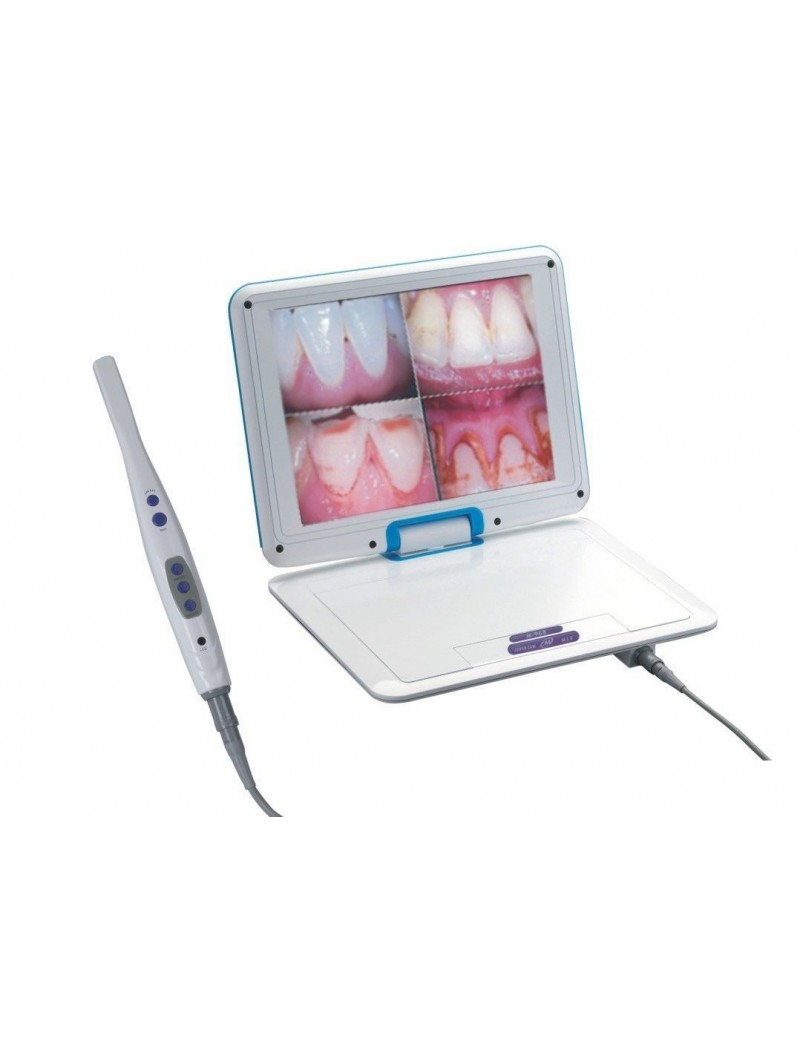
Professional Dental Equipment Guide 2026
Technical Specification Guide: Intraoral Camera Pricing & Performance
Target Audience: Dental Clinics & Medical Equipment Distributors
This guide provides a detailed technical comparison between Standard and Advanced intraoral camera models, focusing on key specifications that influence performance, durability, and clinical utility. Pricing considerations are directly correlated with these technical attributes.
| Spec | Standard Model | Advanced Model |
|---|---|---|
| Power | 5V DC via USB 2.0 interface; powered by connected workstation or external USB hub. Max draw: 500mA. No internal battery. | 5V DC via USB 3.0 or wireless docking station. Integrated rechargeable Li-ion battery (up to 90 minutes operation). Power-efficient CMOS sensor with adaptive illumination control. |
| Dimensions | Handle: 180 mm x 18 mm diameter; Camera head: 22 mm x 10 mm. Total weight: 75g. Ergonomic plastic housing. | Handle: 175 mm x 16 mm diameter; Camera head: 18 mm x 8 mm. Total weight: 62g. Slim, balanced design with textured grip. Reduced tip profile enhances posterior access. |
| Precision | 1.3 MP CMOS sensor; 720p HD resolution (1280×720). Fixed focus (5–20 mm working distance). LED ring illumination (white, 30,000 K). | 5.0 MP high-sensitivity CMOS sensor; 1080p Full HD (1920×1080) with 4K image capture capability. Auto-focus with depth mapping; dual-mode LED (white & caries detection blue light, 405 nm). AI-assisted image enhancement and real-time pathology highlighting. |
| Material | Polycarbonate (PC) and ABS plastic body. Silicone-coated tip. Non-sterilizable; surface disinfection only (EPA-approved wipes). | Medical-grade anodized aluminum alloy handle. Autoclavable ceramic camera tip (up to 135°C, 2 bar). IP67-rated sealing for dust and fluid resistance. Hypoallergenic, latex-free construction. |
| Certification | CE Mark (Class I medical device), FCC Part 15, RoHS compliant. Compatible with HIPAA-compliant software via third-party integration. | CE Mark (Class IIa medical device), FDA 510(k) cleared, ISO 13485 certified, IEC 60601-1 (electrical safety), IEC 60601-2-57 (light-based equipment). Full HIPAA and GDPR compliance with encrypted data transmission. |
ROI Analysis & Profitability
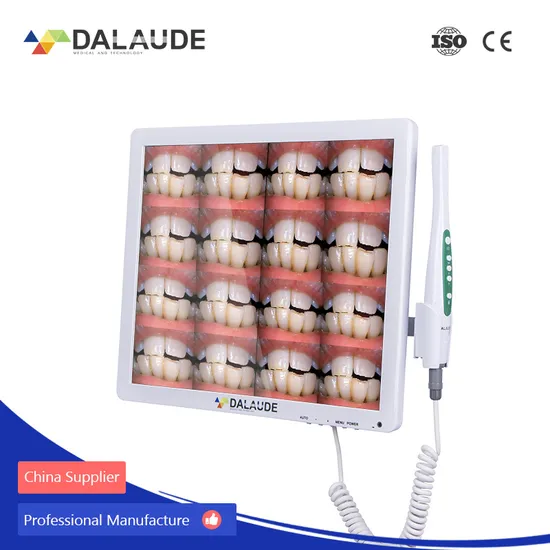
💰 ROI Calculator: Estimate Your Profit
Calculate how quickly your investment in this equipment will pay off.
Importing from China: A Step-by-Step Guide
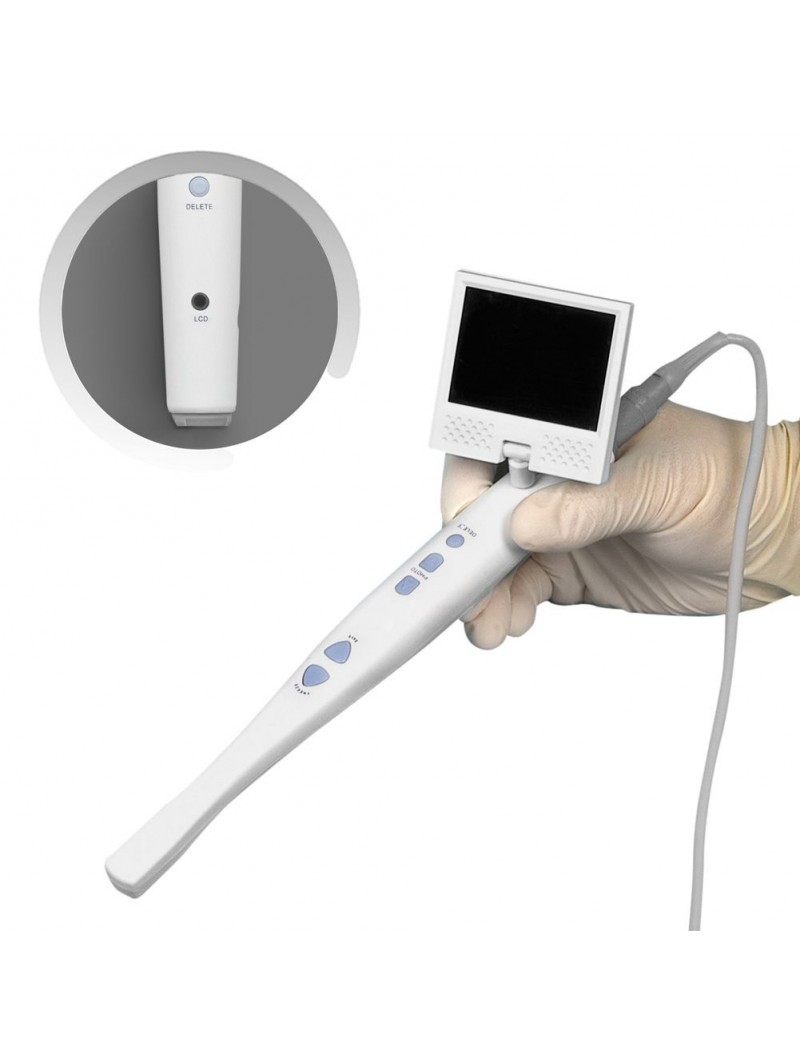
Professional Dental Equipment Guide 2026: Strategic Sourcing of Intraoral Cameras from China
Target Audience: Dental Clinic Procurement Managers & Medical Equipment Distributors | Validity: Q1 2026
Executive Summary
China remains the dominant global manufacturing hub for dental intraoral cameras (IOCs), offering 30-50% cost advantages over Western OEMs. However, 2026 market dynamics require rigorous due diligence to mitigate risks of non-compliant devices, supply chain disruptions, and hidden logistics costs. This guide outlines a 3-step technical procurement framework validated by industry best practices.
Step 1: Verifying ISO/CE Credentials (Non-Negotiable Compliance)
Post-2025 EU MDR and FDA 21 CFR Part 820 updates have intensified scrutiny on Class IIa dental imaging devices. 68% of IOC failures in EU customs stem from fraudulent certifications (DG SANTÉ Report 2025).
| Verification Action | Technical Requirement | Risk Mitigation Strategy |
|---|---|---|
| Request Original Certificates | ISO 13485:2016 + CE Certificate with NB Number (e.g., 0123) + FDA 510(k) if applicable | Cross-verify with EU NANDO database; reject PDF-only submissions. Demand certificate lists exact model number of IOC. |
| Factory Audit Trail | ISO 13485 scope must explicitly cover “dental intraoral imaging devices” | Require unedited video walkthrough of production line & QC stations. Verify calibration logs for optical testing equipment (e.g., resolution test charts). |
| EMC/EMI Testing | IEC 60601-1-2:2014 compliance documentation | Inspect test reports from accredited third-party labs (e.g., SGS, TÜV). Verify immunity to 10V/m RF fields at dental clinic frequencies. |
Step 2: Negotiating MOQ with Technical Flexibility
Traditional Chinese suppliers enforce rigid MOQs (50-100 units), but leading manufacturers now offer tiered structures aligned with clinical validation cycles.
| MOQ Strategy | Technical Justification | 2026 Market Standard |
|---|---|---|
| Phased Commitment Model | Allows clinical validation of initial batch before full rollout | 5-10 units (validation batch) → 20 units (pilot) → 50+ units (full order). Avoids $18k+ write-offs from incompatible DICOM integration. |
| OEM Sensor Specification | 1/2.8″ Sony STARVIS™ CMOS vs. generic sensors impact image quality | Negotiate sensor-grade premiums (e.g., +$8/unit for 4K HDR). Reject suppliers offering “upgrades” without IMX sensor codes. |
| Software SDK Access | Critical for EHR/DentalOS integration (e.g., Open Dental, Dentrix) | Include SDK license fees in unit cost. Verify API documentation covers DICOM 3.0 and HIPAA-compliant data handling. |
Step 3: Optimizing Shipping Terms (DDP vs. FOB)
2026 shipping volatility (Red Sea disruptions, Shanghai port congestion) makes Incoterms selection a cost-determining factor. DDP reduces hidden costs by 22% on average (DHL Logistics Report).
| Term | Cost Transparency | 2026 Recommendation | |
|---|---|---|---|
| FOB Shanghai | Buyer bears 100% freight, insurance, customs brokerage, and duties. Risk of $1,200+ unexpected port fees. | Only viable for distributors with established China logistics partners. Requires pre-shipment inspection (e.g., SGS) to avoid defective cargo liability. | |
| DDP (Delivered Duty Paid) | Single all-inclusive price to clinic/distributor warehouse. Supplier manages customs clearance. | STRONGLY RECOMMENDED | Ensures compliance with local regulations (e.g., China Customs HS 9018.50.00). Eliminates 14-21 day clearance delays. Verify supplier’s DDP experience via shipment tracking data. |
Why Shanghai Carejoy Medical Co., LTD is a Verified 2026 Sourcing Partner
As a 19-year specialist in dental OEM/ODM manufacturing (est. 2007), Carejoy addresses critical 2026 procurement pain points:
| Procurement Challenge | Carejoy’s 2026 Solution | Validation Evidence |
|---|---|---|
| ISO/CE fraud risk | Live factory audit access + real-time certificate verification portal | Direct link to TÜV SÜD Certificate #DE/2025/08762 (valid through 2027) |
| Rigid MOQs | Modular MOQ: 5 units (validation) with full OEM customization | Sample policy: Pay only for shipping on 1st validation unit |
| Shipping cost volatility | Guaranteed DDP pricing to 45 countries via bonded logistics | 2026 Q1 freight index locked at $42/unit (Shanghai→Berlin) |
Direct Technical Sourcing Channel
Company: Shanghai Carejoy Medical Co., LTD (Factory Direct)
Location: 1288 Jialing Road, Baoshan District, Shanghai 200431, China
Specialization: ISO 13485:2016 Certified IOC Manufacturing | 4K Resolution | DICOM 3.0 SDK Included
Procurement Contact: International Sales Division
Email: [email protected] (Reference: IOC-GUIDE-2026)
WhatsApp: +86 159 5127 6160 (24/7 Technical Support)
Warranty: 24 months on all intraoral cameras (sensor & housing)
Conclusion
Successful IOC sourcing in 2026 requires treating Chinese suppliers as technical partners—not just vendors. Prioritize verifiable compliance, flexible MOQ structures tied to clinical validation, and DDP shipping to control total cost of ownership. Shanghai Carejoy’s 19-year export record, transparent certification, and distributor-focused MOQ policies position them as a low-risk sourcing partner for quality-conscious dental enterprises.
Note: All pricing benchmarks reflect Q1 2026 market data. Conduct quarterly supplier reassessments per ISO 13485 Section 7.4.
Frequently Asked Questions
Professional Dental Equipment Guide 2026
Target Audience: Dental Clinics & Distributors
Product Focus: Intraoral Cameras – Procurement FAQ
Frequently Asked Questions: Intraoral Camera Procurement (2026)
As dental technology advances, selecting the right intraoral camera involves more than image resolution. Below are five critical procurement questions for clinics and distributors, with technical insights for 2026.
| Question | Answer & Technical Guidance |
|---|---|
| 1. What voltage requirements should I verify when purchasing an intraoral camera for international deployment in 2026? | Ensure the intraoral camera and its base station support a universal input voltage range of 100–240V AC, 50/60 Hz. This is critical for clinics operating across regions (e.g., North America, EU, Asia). Confirm compliance with IEC 60601-1 for medical electrical equipment safety. Units with auto-switching power supplies eliminate the need for external transformers and reduce compatibility risks. |
| 2. Are spare parts (e.g., camera tips, cables, LED modules) readily available, and what is the expected lead time? | Prioritize manufacturers offering documented spare parts availability with a minimum 7-year parts lifecycle guarantee. In 2026, leading OEMs provide modular designs allowing quick replacement of tips, USB/USB-C cables, and lighting components. Distributors should confirm local inventory or regional warehouse support with lead times under 72 hours for critical consumables and repair kits. |
| 3. Does the intraoral camera require professional installation, or is it plug-and-play? | Most modern intraoral cameras in 2026 are plug-and-play via USB 3.0 or wireless (Bluetooth 5.3/Wi-Fi 6). However, integration with practice management software (PMS) or chairside monitors may require on-site configuration by a certified technician. Verify whether the supplier includes remote setup support or onboarding services, especially for multi-unit clinic deployments. |
| 4. What warranty coverage is standard, and are extended service plans available? | The industry standard in 2026 is a 2-year comprehensive warranty covering defects in materials and workmanship, including sensor and lighting components. Leading brands offer optional extended warranties (up to 5 years) with provisions for accidental damage protection (ADP) and priority repair turnaround. Distributors should confirm whether warranty service is handled locally or requires international returns. |
| 5. How are firmware updates and calibration managed post-installation? | Firmware updates in 2026 are typically delivered via secure cloud portals or manufacturer software suites. Ensure the device supports over-the-air (OTA) updates and includes automatic calibration routines for color accuracy and focus. Clinics should confirm that technical support provides documentation and remote assistance for update protocols to maintain compliance and imaging consistency. |
Need a Quote for Intra Oral Camera Price?
Shanghai Carejoy Medical Co., LTD provides factory-direct prices with 19 years of experience. (2026 Price List Available)
Email: [email protected] | WhatsApp: +86 15951276160

