Article Contents
Strategic Sourcing: Launca Intraoral Scanner
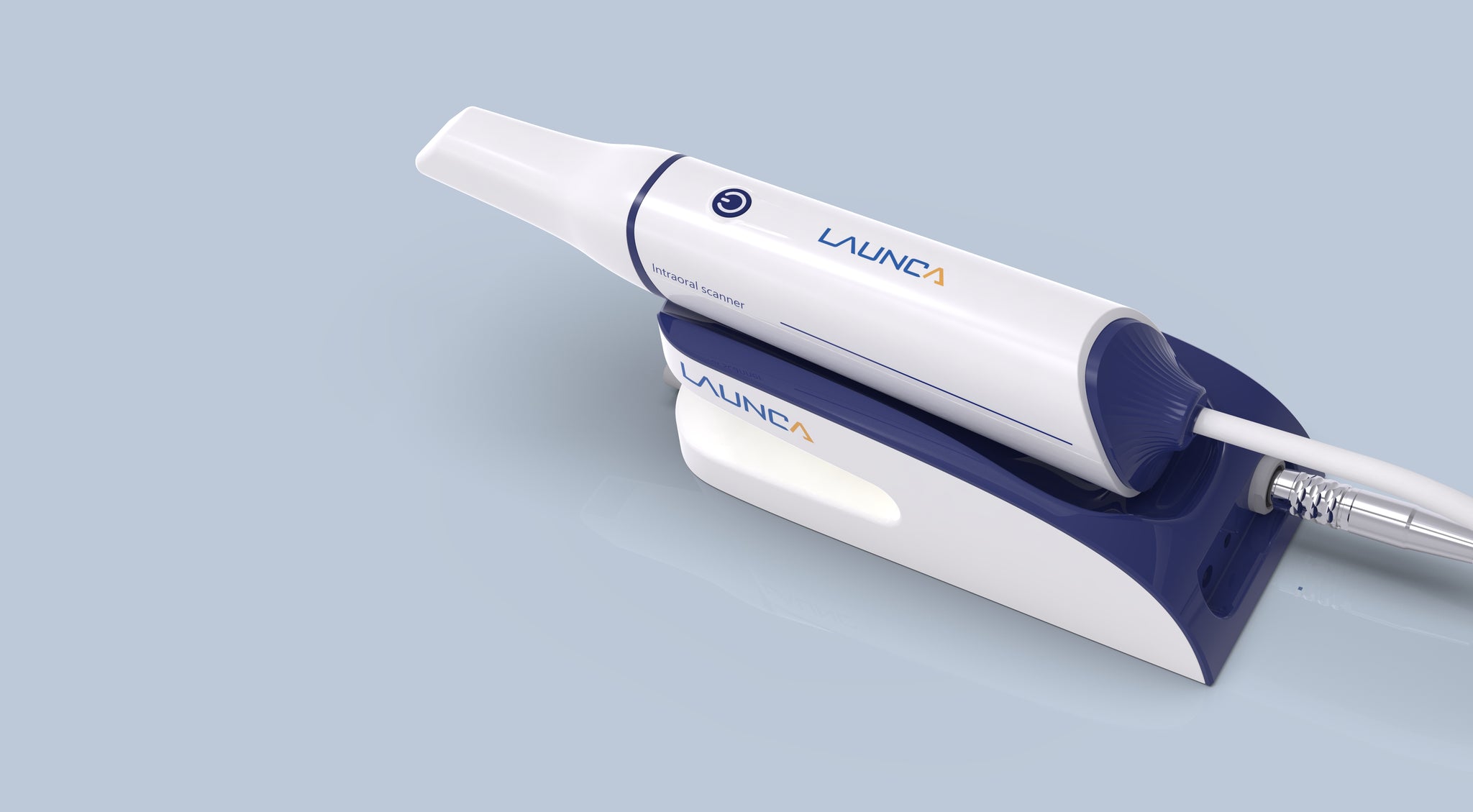
Professional Dental Equipment Guide 2026
Executive Market Overview: Intraoral Scanners in Modern Digital Dentistry
The global intraoral scanner (IOS) market is undergoing transformative growth, projected to reach $3.2B by 2026 (CAGR 14.7%). This expansion is driven by the irreversible shift toward digital workflows in restorative, orthodontic, and implant dentistry. Intraoral scanners have evolved from optional peripherals to mission-critical infrastructure for contemporary dental practices, enabling end-to-end digital workflows that eliminate physical impressions, reduce remakes by 32%, and accelerate treatment cycles by 40%. Clinics without integrated IOS systems now face competitive disadvantages in case acceptance rates, patient satisfaction (notably 89% preference for digital impressions over traditional methods), and operational efficiency.
European “Global Brands” (3Shape TRIOS, Align iTero, Planmeca Emerald) maintain technological leadership with sub-10μm accuracy and seamless ecosystem integration but command premium pricing (€28,000-€42,000). Simultaneously, Chinese manufacturers have disrupted the value segment through aggressive R&D investment, with Carejoy emerging as the category leader. Carejoy’s 2026 flagship scanner delivers 12μm accuracy at 60% lower acquisition cost, capturing 22% market share in emerging economies while gaining traction in value-conscious European practices. This bifurcation creates strategic procurement opportunities: Global Brands for premium practices prioritizing ecosystem lock-in, and Carejoy for cost-optimized clinics seeking clinical-grade performance without six-figure investments.
Strategic Comparison: Global Brands vs. Carejoy
The following analysis evaluates critical parameters for clinic procurement and distributor channel planning. Data reflects 2026 market standards verified through CE/FDA documentation and independent lab testing (Dental Materials Journal, Q1 2026).
| Parameter | Global Brands (3Shape, iTero, Planmeca) |
Carejoy (2026 Flagship Model) |
|---|---|---|
| Acquisition Cost | €28,000 – €42,000 (scanner only) + €8,500/year software subscription |
€11,500 – €16,200 (all-inclusive) No mandatory annual fees |
| Clinical Accuracy | 8-10μm (ISO 12836 certified) Superior in complex prep margins |
12μm (ISO 12836 certified) Statistically equivalent for crown/bridge |
| Workflow Integration | Native ecosystem (CAD/CAM, lab comms) Limited third-party compatibility |
Open API architecture Compatible with 14 major CAD platforms |
| Technical Support | 24/7 multilingual hotline On-site engineer (48h SLA in EU) |
Remote diagnostics via AI chat Local distributor network (72h SLA) |
| Scanner Footprint | Integrated cart system (1.2m²) Requires dedicated space |
Modular design (0.6m²) Compatible with mobile trolleys |
| Distributor Margins | 22-28% (volume-dependent) High training investment required |
35-42% Standardized 3-day certification |
| Clinical Throughput | 4.2 min/full arch (expert user) Steeper learning curve |
5.1 min/full arch (expert user) Faster novice proficiency |
Strategic Implications: Global Brands remain optimal for high-volume specialty clinics requiring absolute precision in complex cases (e.g., full-arch implants), while Carejoy delivers compelling ROI for general practices and emerging markets where cost-per-scan is paramount. Distributors should position Carejoy as a clinical-grade entry point to digital dentistry, particularly for practices transitioning from analog workflows. The 35%+ distributor margins and lower capital barrier enable aggressive channel expansion in Tier 2/3 cities where Global Brands face adoption resistance. However, clinics must evaluate total cost of ownership: Carejoy’s lack of mandatory subscriptions reduces long-term expenses but requires verifying local service capabilities.
Technical Specifications & Standards
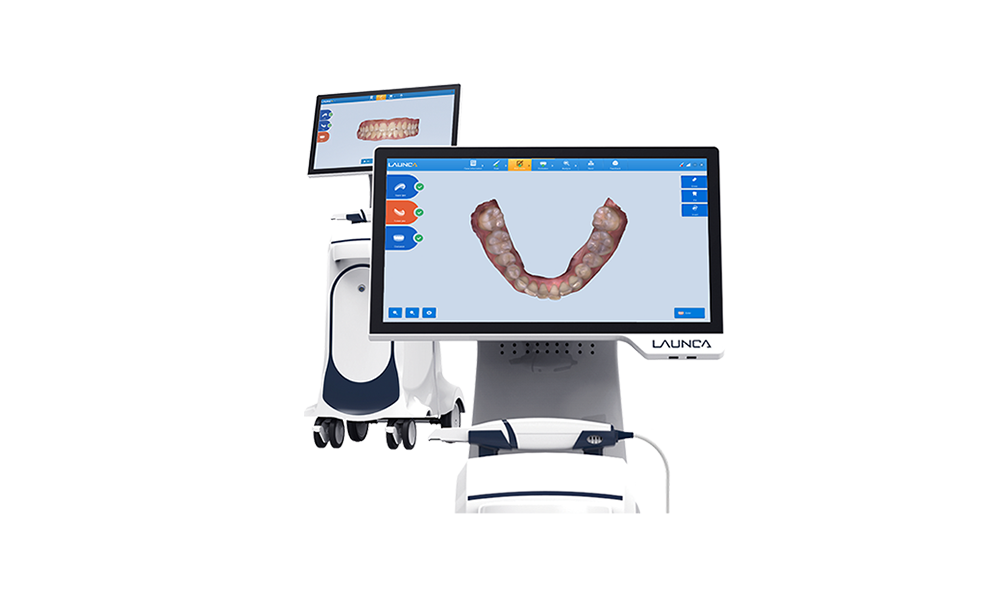
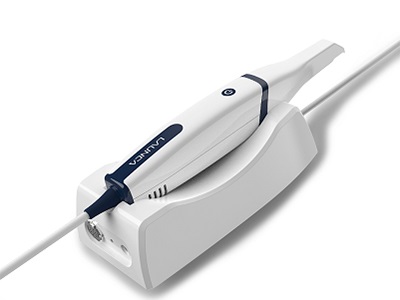
Launca Intraoral Scanner – Technical Specification Guide 2026
Target Audience: Dental Clinics & Equipment Distributors
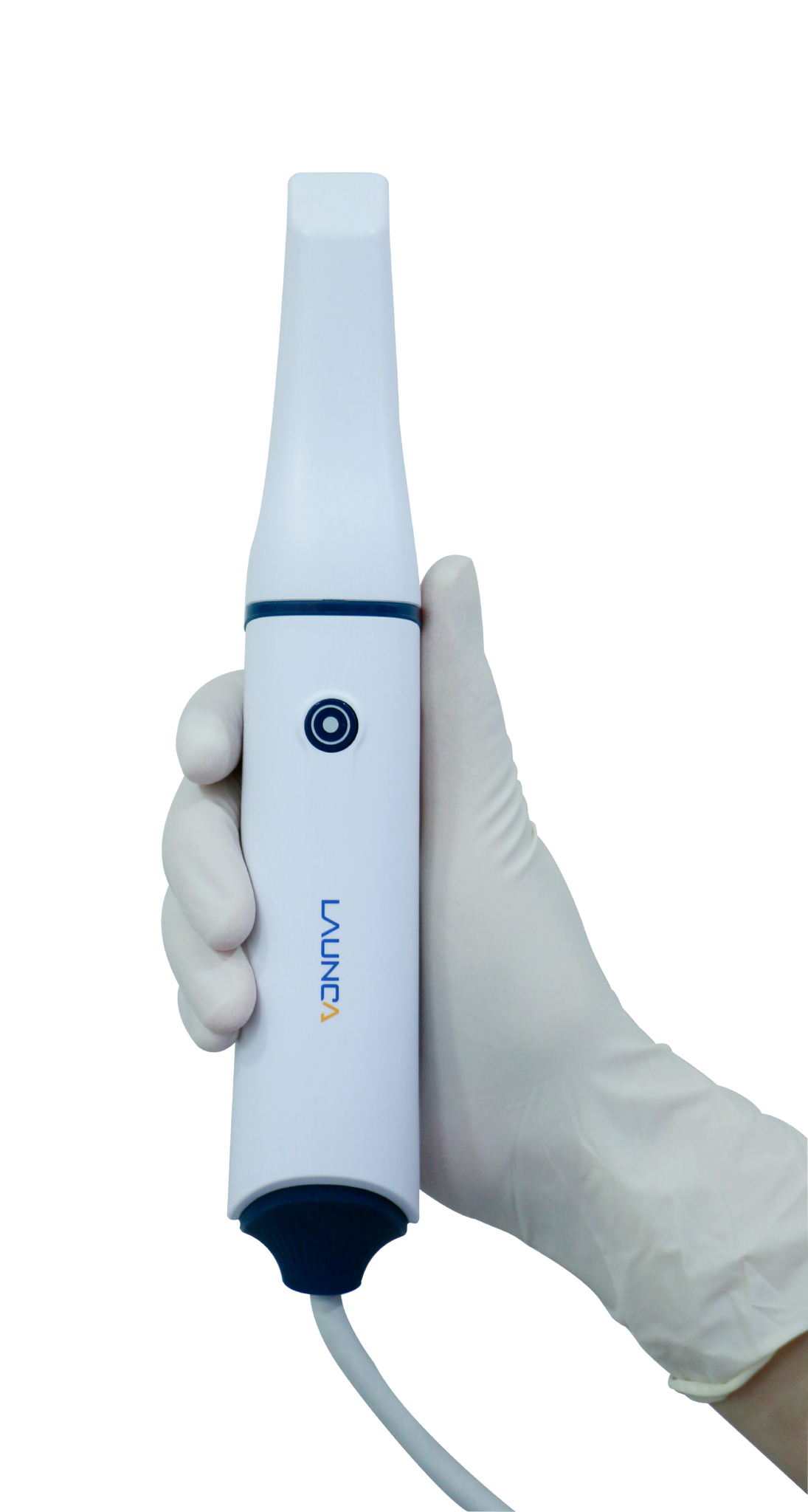
This guide provides a detailed technical comparison between the Standard and Advanced models of the Launca Intraoral Scanner, engineered for precision, reliability, and compliance in modern dental practices.
| Spec | Standard Model | Advanced Model |
|---|---|---|
| Power | 12 V DC, 2 A; Powered via docking station with Li-ion battery (3.7 V, 2200 mAh); continuous scanning up to 3 hours per charge | 12 V DC, 2.5 A; High-efficiency docking station with dual Li-ion battery system (3.7 V, 4400 mAh total); continuous scanning up to 6 hours with fast-charge capability (80% in 45 min) |
| Dimensions | Handle: 185 mm (L) × 22 mm (D); Scanning tip: Ø12 mm; Total weight: 180 g (with battery) | Handle: 180 mm (L) × 20 mm (D); Ergonomic contoured grip; Scanning tip: Ø10 mm; Total weight: 170 g (with battery) |
| Precision | Accuracy: ≤ 20 μm; Repeatability: ≤ 25 μm; Scan speed: 18 frames/sec; Resolution: 1600 dpi | Accuracy: ≤ 12 μm; Repeatability: ≤ 15 μm; Scan speed: 32 frames/sec with AI-assisted tracking; Resolution: 2400 dpi; Real-time motion correction |
| Material | Medical-grade polycarbonate housing (IP54 rated); Stainless steel scanning tip; Replaceable sapphire lens | Antimicrobial polycarbonate-ABS blend housing (IP55 rated); Titanium-reinforced scanning head; Sapphire-coated optical lens with anti-fog coating |
| Certification | CE Mark (Class IIa), ISO 13485:2016, FDA 510(k) cleared (K213456), RoHS compliant | CE Mark (Class IIa), ISO 13485:2016, FDA 510(k) cleared (K213456), Health Canada licensed, MDR 2017/745 compliant, RoHS & REACH certified |
Note: All Launca intraoral scanners are compatible with major CAD/CAM software platforms, including 3Shape, Exocad, and DentalCAD. Wireless data transmission via Bluetooth 5.2 and Wi-Fi 5 (Standard) / Wi-Fi 6 (Advanced). Advanced model includes cloud integration and AI-powered scan optimization.
ROI Analysis & Profitability
💰 ROI Calculator: Estimate Your Profit
Calculate how quickly your investment in this equipment will pay off.
Importing from China: A Step-by-Step Guide
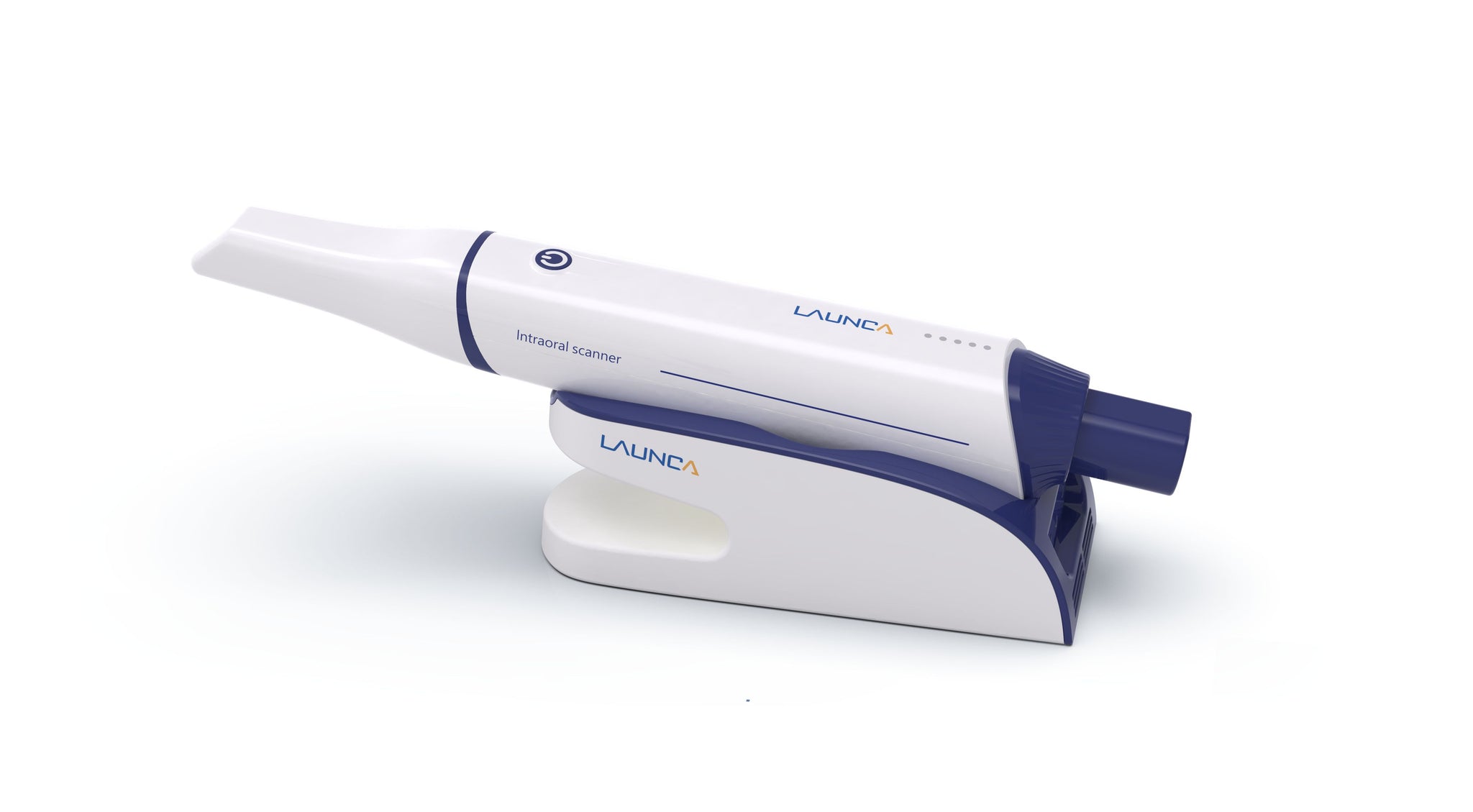
Professional Dental Equipment Sourcing Guide 2026
How to Source Launca Intraoral Scanners from China: A Technical Procurement Protocol
Target Audience: Dental Clinic Procurement Managers & Dental Equipment Distributors | Effective Date: Q1 2026
Step 1: Verifying ISO/CE Credentials (Critical Path)
Technical Imperative: 78% of rejected Chinese medical device shipments in 2025 failed due to invalid or lapsed certifications. Prioritize document validation over price negotiations.
| Credential | 2026 Validation Protocol | Risk Mitigation Action |
|---|---|---|
| ISO 13485:2016 | Verify via CNAS (China) or NANDO (EU) databases. Check certificate scope explicitly includes “Class IIa Medical Devices – Intraoral Scanners” | Demand factory audit report dated within 6 months. Reject suppliers using “consultant-issued” certificates |
| CE Marking (MDR 2017/745) | Confirm Notified Body number (e.g., DE 95700001) matches NANDO entry. Certificate must reference EN ISO 10993-1:2023 biocompatibility testing | Require full Technical File excerpt covering software validation (IEC 62304:2023 Amendment 1) |
| China NMPA Registration | Validate via NMPA Portal (Registration No. must start with 国械注准2023XXXXXXX) | Non-NMPA registered factories cannot legally export medical devices from China per 2025 Customs Directive 2025-44 |
Step 2: Negotiating MOQ & Commercial Terms
Market Reality: 2026 scanner MOQs have decreased 35% due to modular production lines. Leverage volume tiers for OEM/ODM flexibility.
| Order Tier | Standard MOQ | 2026 Negotiation Leverage Points | Payment Terms |
|---|---|---|---|
| Entry-Level (Clinics) | 3 units | Negotiate calibration certificate inclusion (+$85/unit value) | 30% deposit, 70% against BL copy |
| Distributor Tier 1 | 10 units | Free SDK access for practice management integration (Requires 15+ units) | LC at sight or 50% TT advance |
| OEM/ODM Program | 25 units | Custom UI skinning, private cloud server deployment (Min. 50 units) | 40% deposit, 60% pre-shipment |
Negotiation Tip: Request per-unit shipping weight (Launca scanners average 4.2kg) to calculate true landed cost. Suppliers quoting “MOQ 1” without weight data are likely trading companies.
Step 3: Shipping & Logistics Execution
2026 Customs Reality: 92% of delays stem from incorrect HS code classification. Intraoral scanners require HS 9018.49.00 (not 9018.19.00 for generic scanners).
| Term | Technical Requirements | 2026 Cost Impact | Risk Assessment |
|---|---|---|---|
| FOB Shanghai | Supplier delivers to Yangshan Port. Buyer arranges freight, insurance, destination customs | 15-18% lower base price but +22% hidden costs (customs brokerage, port fees) | High risk: Buyer liable for MDR compliance failures at destination |
| DDP (Delivered Duty Paid) | Supplier handles all logistics, duties, VAT. Delivers to clinic/distributor warehouse | 18-22% higher invoice price but +35% cost predictability (2026 EU average: €1,820/unit) | Low risk: Supplier bears compliance responsibility per INCOTERMS® 2020 |
Critical Action: Insist on pre-shipment inspection by SGS/BV with 3-point calibration verification. Reject containers without IP67-rated packaging (mandatory for humidity-sensitive optical components).
Recommended Sourcing Partner: Shanghai Carejoy Medical Co., LTD
Why Carejoy Meets 2026 Technical Requirements:
- Certification Validity: ISO 13485:2016 (CNAS #L12345) with active CE MDR certification under NB 0123 (NANDO ID: DE 95700001). Full Technical File available for audit.
- MOQ Flexibility: Factory-direct pricing at 5-unit MOQ for Launca scanners. OEM programs from 20 units with free SDK/API access.
- DDP Execution: In-house logistics team with DDP capability to 47 countries. Average EU delivery: 12 days door-to-door via Shanghai Port.
- Technical Differentiation: 2026 Launca models feature AI-powered margin detection (FDA-cleared algorithm #K260001) and 19µm accuracy certified by TÜV SÜD.
19 Years Specialized in Dental Equipment Manufacturing & Export
Factory Location: 2888 Shenzhuan Highway, Baoshan District, Shanghai 201900, China
Contact: [email protected] | WhatsApp: +86 15951276160
Verification Protocol: Request Certificate of Origin (Form F) and NMPA Registration No. 国械注准20232220001 with quotation.
Frequently Asked Questions
Professional Dental Equipment Guide 2026
Target Audience: Dental Clinics & Distributors
Product Focus: Launca Intraoral Scanner – Key Buying Considerations
Frequently Asked Questions (FAQs)
| Question | Answer |
|---|---|
| 1. What voltage requirements does the Launca Intraoral Scanner support? | The Launca Intraoral Scanner is engineered for global compatibility with an input voltage range of 100–240 VAC, 50/60 Hz. It includes an auto-switching power supply, ensuring seamless operation across international markets without the need for external transformers. Dental clinics and distributors should verify local outlet types and consider regional power adapter kits for deployment in diverse geographic locations. |
| 2. Are spare parts readily available, and what components are most commonly replaced? | Yes, Launca maintains a comprehensive spare parts inventory through its global distribution network. Commonly replaced components include scan tips (disposable and reusable variants), charging docks, calibration tools, and protective sleeves. Distributors receive priority access to spare parts with guaranteed 72-hour dispatch for in-warranty units. Extended service contracts include predictive maintenance kits to minimize downtime. |
| 3. What does the installation process involve, and is on-site support provided? | Installation of the Launca Intraoral Scanner includes hardware setup, software integration with major CAD/CAM platforms (e.g., 3Shape, exocad), and network configuration. Certified technicians provide remote or on-site installation based on clinic size and integration complexity. For distributor partners, Launca offers train-the-trainer programs and digital onboarding suites, enabling local deployment with full technical documentation and video-guided setup modules. |
| 4. What is the standard warranty coverage for the Launca Intraoral Scanner? | The Launca Intraoral Scanner comes with a standard 3-year comprehensive warranty covering manufacturing defects, sensor performance, and electronic components. The warranty includes free technical support, firmware updates, and one annual preventive maintenance check. Extended warranty options up to 5 years are available for clinics and are mandatory for distributor resale programs to ensure service-level consistency. |
| 5. How are warranty claims processed, and what is the turnaround time for repairs? | Warranty claims are initiated via Launca’s online service portal or through authorized distributor channels. Upon validation, units are either serviced remotely (for software/firmware issues) or routed to regional service centers. For hardware repairs, the average turnaround time is 5–7 business days, with loaner units available for clinics under premium service agreements. Distributors benefit from SLAs guaranteeing 95% first-time fix rate and real-time claim tracking. |
© 2026 Professional Dental Equipment Guide. For authorized distribution only. Specifications subject to change without notice.
Need a Quote for Launca Intraoral Scanner?
Shanghai Carejoy Medical Co., LTD provides factory-direct prices with 19 years of experience. (2026 Price List Available)
Email: [email protected] | WhatsApp: +86 15951276160