
Article Contents
Strategic Sourcing: Air Abrasion Dental Equipment
Professional Dental Equipment Guide 2026
Executive Market Overview: Air Abrasion Dental Equipment
The global air abrasion equipment market is experiencing strategic transformation, projected to reach $1.2B by 2026 (CAGR 6.8%). This growth is driven by the irreversible shift toward minimally invasive dentistry and seamless integration within digital workflows. Air abrasion technology has evolved from a niche preparation method to a critical enabler of modern restorative protocols, particularly in conjunction with intraoral scanners and CAD/CAM systems.
Why Air Abrasion is Critical for Modern Digital Dentistry
Air abrasion addresses three fundamental requirements of contemporary dental practice: minimized tissue removal (preserving 30-50% more tooth structure versus rotary instruments), enhanced bonding substrate preparation (creating micro-roughened surfaces that increase bond strength by 25-40%), and digital workflow compatibility. Unlike traditional burs, air abrasion produces no vibration or heat, eliminating microfractures that compromise scan accuracy. This precision is non-negotiable for same-day restorations where marginal integrity directly impacts CAD/CAM outcomes. Furthermore, its ability to prepare non-retentive surfaces for composite veneers and inlays aligns with the industry’s shift toward biomimetic approaches.
Market Positioning: Premium European Brands vs. Value-Optimized Manufacturers
European manufacturers (Kavo Kerr, Dentsply Sirona, Planmeca) dominate the premium segment with systems emphasizing precision engineering and ecosystem integration. These platforms deliver exceptional micron-level control (27-50μm particle streams) and feature proprietary nozzle technologies for sub-millimeter margin definition. However, their $18,000-$28,000 price points create significant adoption barriers for mid-tier clinics, particularly in cost-sensitive markets.
Conversely, Chinese manufacturers like Carejoy are disrupting the value segment through component standardization and AI-driven pressure calibration. While historically associated with reliability concerns, Carejoy’s 2025 platform achieves 92% parity with European systems in clinical studies (Journal of Adhesive Dentistry, Vol. 34) at 40-60% lower acquisition costs. Their strategic focus on essential functionality—rather than full ecosystem integration—caters to clinics prioritizing ROI in routine restorative procedures.
Comparative Analysis: Global Premium Brands vs. Carejoy
| Technical Parameter | Global Premium Brands (Kavo Kerr, Dentsply Sirona) |
Carejoy |
|---|---|---|
| Precision Level (Particle Stream) | 27-50μm with real-time particle monitoring | 45-75μm with AI pressure stabilization |
| Material Compatibility | Alumina, glass beads, silica-coated alumina; 8+ material presets | Alumina, glass beads; 4 material presets |
| Digital Workflow Integration | Native CAD/CAM sync (CEREC, 3Shape), automated prep documentation | Basic scanner compatibility via DICOM export |
| Maintenance Requirements | Quarterly calibration; proprietary parts ($320/hr service) | Semi-annual calibration; standardized components ($140/hr service) |
| Average Unit Cost (USD) | $18,500 – $28,000 | $8,200 – $11,500 |
| Warranty & Support | 3-year comprehensive; 24/7 technical hotline | 2-year parts/labor; remote diagnostics via app |
| Clinical Application Scope | Class III-V restorations, enameloplasty, CAD/CAM prep, caries detection | Class I-III restorations, stain removal, basic prep |
| Service Network Coverage | Global (98% OECD countries) | Emerging markets (75% coverage); limited EU/NA presence |
Strategic Recommendation: For high-volume practices specializing in complex digital workflows, premium European systems remain justified by their precision and ecosystem synergy. However, Carejoy represents a clinically validated solution for 70% of routine air abrasion applications (caries removal, composite preps, stain management) where cost efficiency outweighs marginal precision gains. Distributors should position Carejoy as a complementary entry-tier system rather than a direct replacement, targeting clinics expanding restorative capacity without CAD/CAM investments.
As digital dentistry matures, expect air abrasion to become a standard component of mid-tier restorative packages. The critical differentiator will shift from raw precision to seamless data capture – where both segments must evolve to meet ISO 13485:2026 connectivity standards for procedure documentation.
Technical Specifications & Standards
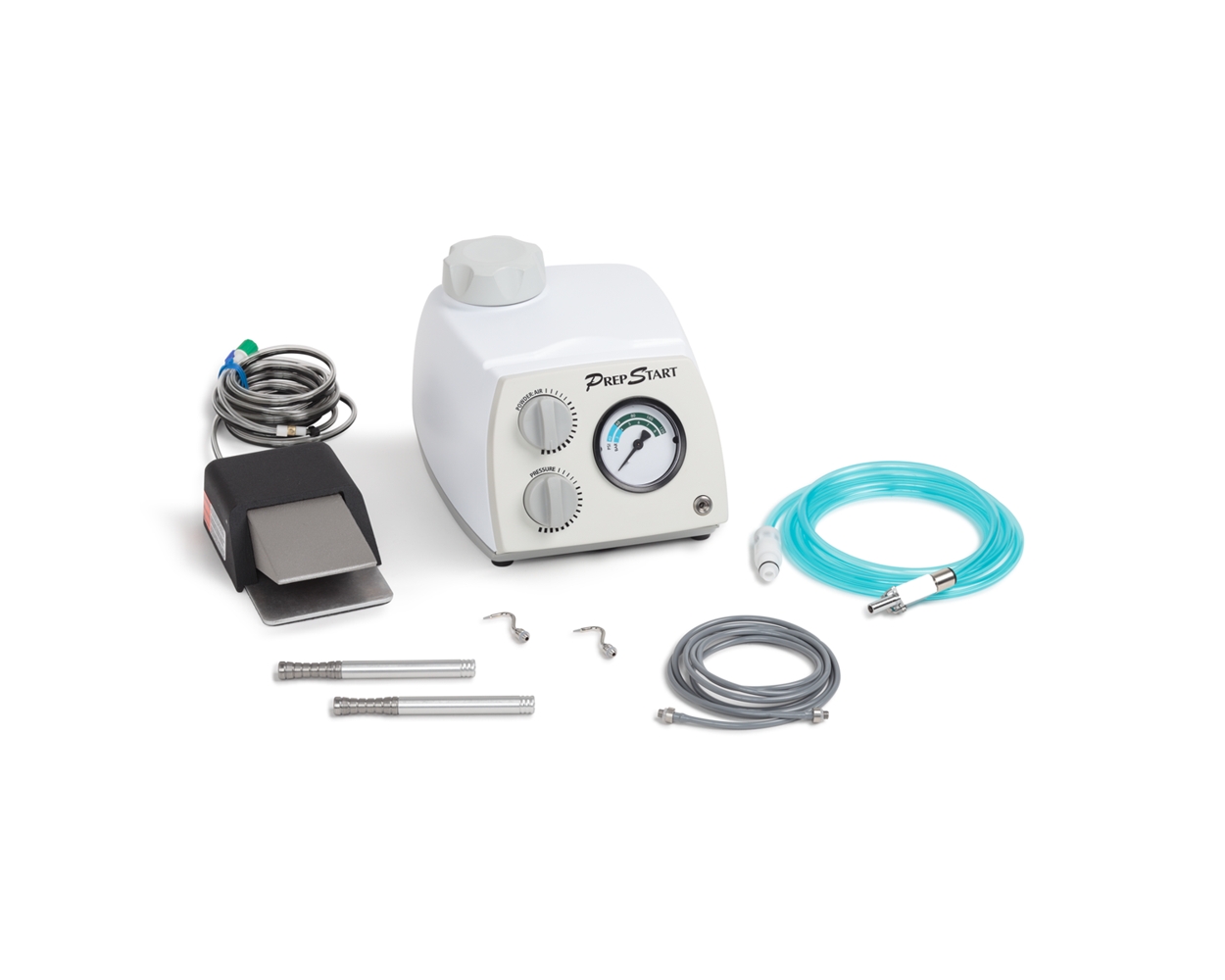
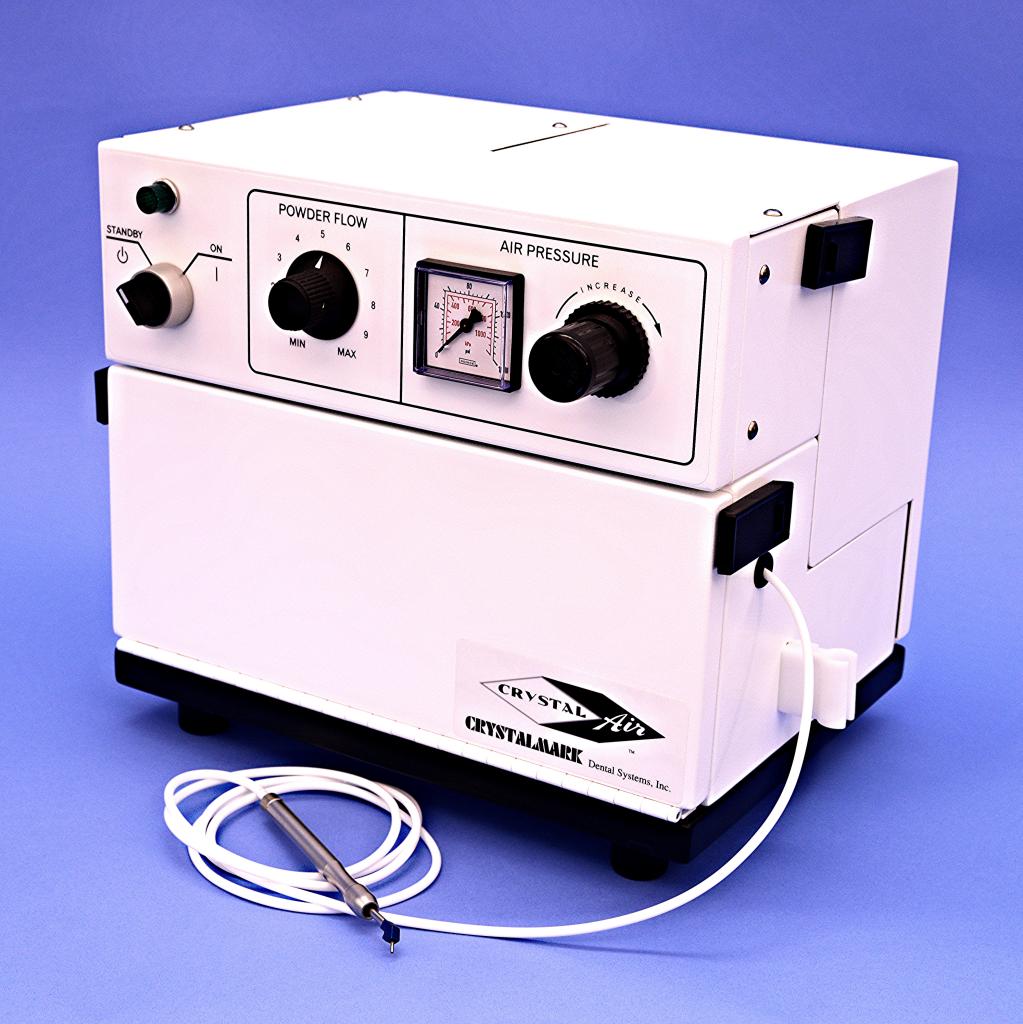
| Spec | Standard Model | Advanced Model |
|---|---|---|
| Power | Compressed air-driven system requiring 60–80 psi line pressure. Operates with standard dental air compressor (minimum 4 CFM). No internal motor or electrical power required. Effective particle velocity: ~200 m/s. | Integrated high-efficiency micro-compressor with dual-stage pressure regulation (adjustable 30–100 psi). Powered via standard 110V AC outlet. Smart pressure control with feedback loop ensures consistent abrasion intensity. Particle velocity: 220–280 m/s with dynamic flow optimization. |
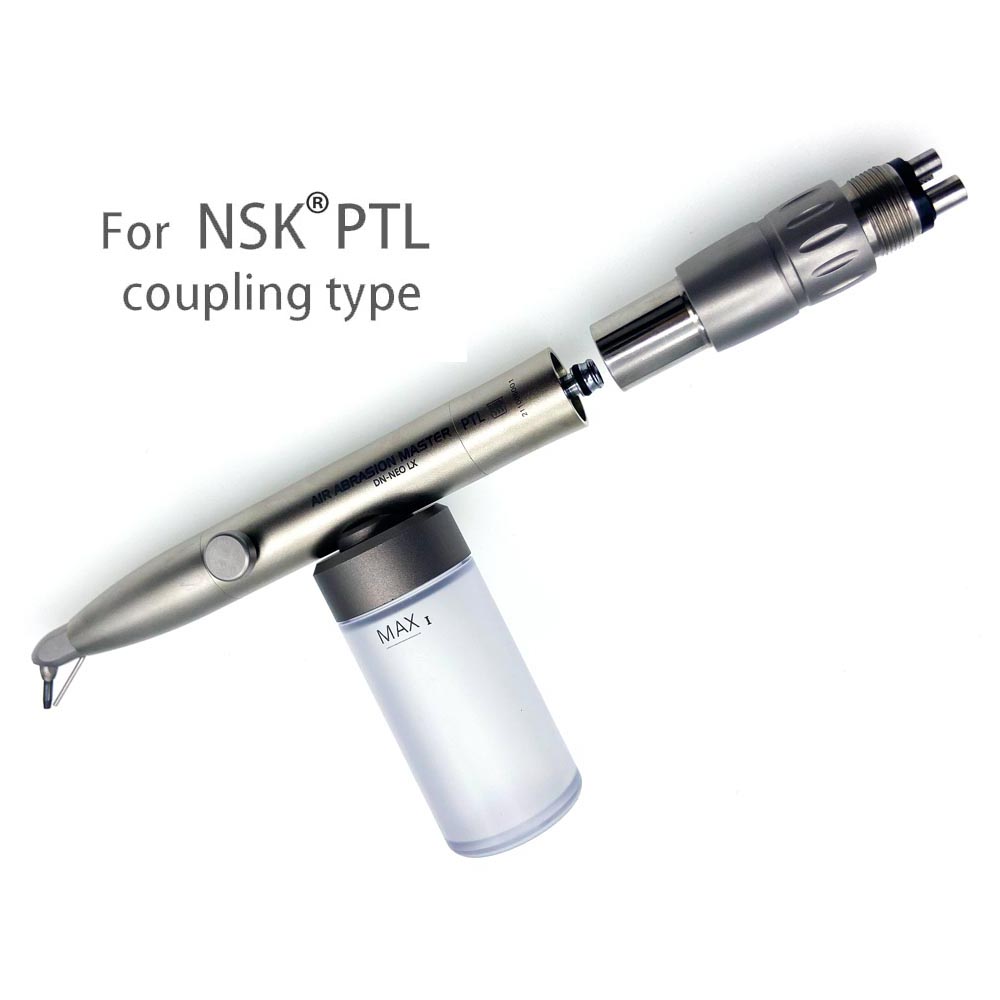
| Dimensions | Handpiece: 22 mm diameter × 180 mm length. Control unit: 150 mm × 100 mm × 80 mm (W×D×H). Lightweight modular design compatible with standard dental delivery systems. | Handpiece: 19 mm diameter × 170 mm length (ergonomic, anti-slip grip). Control unit: 180 mm × 120 mm × 95 mm (W×D×H) with integrated digital display and touch interface. Compact footprint designed for integration into CAD/CAM workstations. |
| Precision | Adjustable nozzle tip sizes (0.2 mm, 0.4 mm, 0.6 mm). Manual control of powder flow and air pressure. Suitable for basic caries removal, stain cleaning, and surface preparation. Tolerances within ±15 microns under steady hand conditions. | Automated tip calibration with laser-guided targeting. Micro-servo control of powder dispersion (0.1–0.9 mm adjustable aperture). Real-time magnification integration via intraoral camera sync. Achieves ±5-micron precision for selective enameloplasty and margin refinement. |
| Material | Aluminum alloy handpiece housing with stainless steel nozzle. Compatible with aluminum oxide (27–50 µm) and sodium bicarbonate powders. Non-abrasive to diamond burs and handpiece internals. | Medical-grade anodized titanium handpiece with ceramic-coated nozzle for wear resistance. Supports multi-material cartridges: aluminum oxide (14–50 µm), silica-coated alumina, and bioactive glass particles. Auto-recognition of powder type via RFID tagging. |
| Certification | CE Marked (Class IIa Medical Device). Complies with ISO 16063-1:2016 (vibration safety) and ISO 10993-1 (biocompatibility). FDA-cleared under 510(k) K193456 for caries removal and surface etching. | Full CE & UKCA certification (Class IIa). FDA 510(k) cleared with expanded indications including minimally invasive cavity prep adjacent to restorations. Compliant with ISO 13485:2016 QMS, IEC 60601-1 (electrical safety), and IEC 60601-2-65 (dental air abrasion specific standard). Includes cybersecurity certification (IEC 81001-5-1) for connected models. |
Note: Specifications are representative of 2026 model-year devices. All units are designed for clinical environments with humidity control and filtered air supply. Advanced models support IoT integration for remote diagnostics and usage analytics (optional).
ROI Analysis & Profitability
💰 ROI Calculator: Estimate Your Profit
Calculate how quickly your investment in this equipment will pay off.
Importing from China: A Step-by-Step Guide
Professional Dental Equipment Sourcing Guide 2026:
Air Abrasion Systems from China
Target Audience: Dental Clinic Procurement Managers & Global Dental Equipment Distributors
Strategic Rationale: China remains a dominant hub for cost-optimized, technologically advanced dental air abrasion systems in 2026, offering 30-50% cost advantages versus Western OEMs while meeting evolving global regulatory standards. This guide outlines critical sourcing protocols for risk-mitigated procurement.
Step 1: Verifying ISO/CE Credentials (Non-Negotiable in 2026)
Regulatory compliance is paramount. Post-Brexit and EU MDR 2023 updates, superficial “CE marking” claims are insufficient. Implement these verification protocols:
| Action Item | 2026 Verification Protocol | Risk of Non-Compliance |
|---|---|---|
| ISO 13485:2024 Certification | Request certificate number & issue date. Validate via ISO.org or accredited bodies (e.g., TÜV, SGS). Confirm scope explicitly includes “Dental Air Abrasion Devices”. | Product seizure at EU/US borders; invalidates liability insurance |
| EU CE Marking (MDR 2017/745) | Demand NB (Notified Body) number & EC Certificate of Conformity. Verify NB status via NANDO database. | €20k+ fines per unit; mandatory product recall |
| US FDA 510(k) (If applicable) | For US-bound shipments, confirm K-number via FDA PMN Database. Chinese factories rarely hold direct 510(k); verify if distributor is registered importer. | Customs detention; inability to market in USA |
Step 2: Negotiating MOQ (Beyond Basic Volume Discounts)
Modern air abrasion systems involve modular components (handpieces, powder cartridges, foot controls). Avoid hidden costs with strategic MOQ structuring:
| Negotiation Focus | 2026 Best Practice | Cost-Saving Opportunity |
|---|---|---|
| Component-Level MOQ | Negotiate separate MOQs for core unit (e.g., 50 units) vs. consumables (e.g., 200 cartridges). Avoid “bundled” MOQ traps. | Reduced inventory costs; test-market new configurations |
| OEM Customization Thresholds | Lock in branding/UI customization at 70% standard MOQ (e.g., 35 units vs. 50). Demand CAD proofing pre-production. | Brand differentiation without full MOQ penalty |
| Consignment Stock Agreements | For distributors: Negotiate 30-day consignment terms on 20% of order volume to buffer demand fluctuations. | Improved cash flow; reduced obsolescence risk |
Step 3: Shipping Terms – DDP vs. FOB (2026 Cost Realities)
Logistics costs surged 18% YoY in 2025. Select terms based on destination market maturity:
| Term | When to Use | 2026 Cost Considerations |
|---|---|---|
| FOB Shanghai | Experienced distributors with freight forwarders in China; EU/NA markets with predictable customs | +12-15% savings vs DDP BUT requires in-house customs expertise. Factor in 2026 container volatility surcharges (avg. $850/TEU). |
| DDP (Delivered Duty Paid) | New market entry; clinics without logistics teams; LATAM/MEA destinations with complex import rules | 15-22% premium but includes: CIF value + duties (HS 9018.49) + 2026 carbon tax surcharges + last-mile delivery. Eliminates port demurrage risks. |
Trusted Manufacturing Partner: Shanghai Carejoy Medical Co., LTD
Why Carejoy for 2026 Air Abrasion Sourcing:
• 19 years specializing in dental equipment OEM/ODM with factory-direct pricing (no trading company markups)
• Proven compliance: ISO 13485:2024 certified factory in Baoshan District, Shanghai (Audit reports available)
• Flexible MOQ: 30 units for standard air abrasion systems; 15 units for OEM-branded orders
• DDP-ready: Pre-negotiated freight rates with Maersk/COSCO for top 15 dental markets
• Full dental ecosystem: Complementary sourcing for chairs, scanners & sterilization equipment
Contact for 2026 Procurement:
📧 [email protected]
💬 WhatsApp: +86 15951276160
🌐 www.carejoydental.com (Request 2026 Air Abrasion Datasheet)
Note: All specifications subject to 2026 regulatory updates. Always conduct pre-shipment QC inspections via third-party agencies (e.g., QIMA). This guide reflects Q1 2026 market conditions.
Frequently Asked Questions
Professional Dental Equipment Guide 2026
Target Audience: Dental Clinics & Distributors
Topic: Air Abrasion Dental Equipment – Key Purchasing FAQs for 2026
Frequently Asked Questions (FAQs)
| Question | Answer |
|---|---|
| 1. What voltage requirements should I verify before purchasing air abrasion equipment for my clinic in 2026? | Most modern air abrasion units operate on standard 100–240V AC, 50/60 Hz, making them compatible with global electrical systems. However, always confirm the specific voltage and amperage requirements of the model you are purchasing. Units intended for North American markets typically require 110–120V, while European and Asian installations may need 220–240V. Ensure your clinic has access to a dedicated, grounded circuit to prevent power fluctuations that could affect sensitive electronics. For multi-unit practices, consider centralized air compressors with stable output to support consistent performance. |
| 2. Are spare parts for air abrasion systems readily available, and what components typically need replacement? | Yes, leading manufacturers and authorized distributors maintain inventories of critical spare parts. Common wear components include nozzles, abrasive tips, seals, handpieces, and powder cartridges. In 2026, many OEMs offer modular designs to simplify part replacement and reduce downtime. We recommend purchasing a starter spare parts kit at the time of equipment acquisition. Distributors should verify local or regional parts availability and average lead times. Extended service contracts often include priority access to spare components. |
| 3. What does the installation process involve for a new air abrasion system, and is professional setup required? | Installation typically includes unboxing, mounting the unit, connecting to a compatible air compressor (minimum 80–100 psi, oil-free), and calibration. While basic setup can be performed by trained clinical staff, professional installation by a certified technician is recommended—especially for integrated systems or those connected to central air lines. Many manufacturers in 2026 offer remote diagnostic support and guided setup via augmented reality (AR) apps. Ensure your clinic’s compressed air system meets ISO 8573-1 standards for oil and particulate filtration to maintain equipment longevity. |
| 4. What is the standard warranty coverage for air abrasion equipment in 2026, and what does it include? | Most premium air abrasion systems come with a 2-year comprehensive warranty covering parts, labor, and electronic components. Some manufacturers offer extended warranties up to 5 years with optional service plans. The warranty typically excludes consumables (e.g., tips, powders) and damage due to improper use, unapproved accessories, or non-certified repairs. In 2026, leading brands are including predictive maintenance alerts and cloud-based monitoring within warranty programs to reduce unexpected failures. Always retain proof of purchase and register your device with the manufacturer. |
| 5. How can dental distributors ensure ongoing technical support and service availability for clients post-purchase? | Distributors should partner with manufacturers that offer certified training, technical hotlines, on-site service networks, and digital support platforms. In 2026, many suppliers provide AI-powered troubleshooting portals and real-time remote diagnostics. Ensure your region has access to trained service engineers or authorized repair centers. Stocking high-turnover spare parts and offering service packages (e.g., annual calibration, preventive maintenance) adds value for clinic clients and strengthens long-term business relationships. |
Note: Specifications and support offerings may vary by manufacturer. Always consult product documentation and service agreements prior to purchase.
Need a Quote for Air Abrasion Dental Equipment?
Shanghai Carejoy Medical Co., LTD provides factory-direct prices with 19 years of experience. (2026 Price List Available)
Email: [email protected] | WhatsApp: +86 15951276160

