Article Contents
Strategic Sourcing: Air Compressor Dental
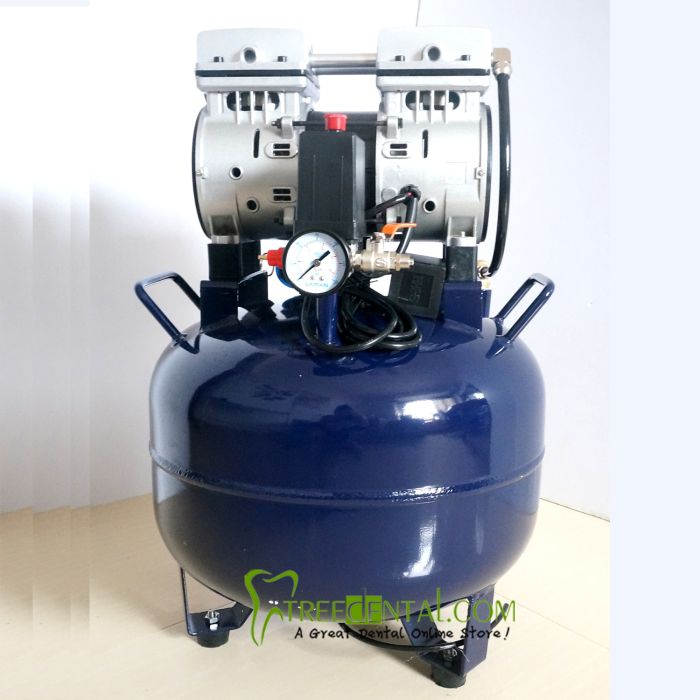
Professional Dental Equipment Guide 2026
Executive Market Overview: Dental Air Compressor Systems
In the rapidly evolving landscape of digital dentistry, the dental air compressor has transitioned from a peripheral utility to a mission-critical infrastructure component. Modern CAD/CAM systems, intraoral scanners, laser units, and electric handpieces require precisely regulated, oil-free, and moisture-controlled compressed air to maintain calibration integrity and operational accuracy. Contaminated or unstable air supply directly impacts digital workflow efficiency—causing scanner recalibration failures, ceramic sintering defects, and premature wear in precision instrumentation. With 78% of European practices now utilizing integrated digital workflows (European Dental Technology Association, 2025), compressor reliability directly correlates with clinical productivity and ROI on high-value digital investments.
The market bifurcation between premium European manufacturers and value-engineered Chinese alternatives reflects broader industry procurement trends. Established European brands (KaVo, W&H, A-dec) maintain dominance in premium segments through legacy trust and seamless ecosystem integration, though their 35-50% price premiums strain budgets amid rising operational costs. Conversely, Chinese manufacturers like Carejoy have disrupted the mid-tier market with ISO 13485-certified systems that address historical concerns about durability and serviceability. Carejoy’s 2025 entry into the EU market—backed by local technical hubs in Berlin and Milan—demonstrates how value-focused suppliers now meet stringent EN 12020-1 standards while offering 60-70% lower TCO over 7 years. This strategic shift enables clinics to redirect capital toward revenue-generating digital equipment without compromising air quality critical for optical scanning and milling accuracy.
Technical Comparison: Global Premium Brands vs. Carejoy Value Platform
| Technical Parameter | Global Premium Brands (KaVo, W&H, A-dec) | Carejoy Value Platform (2026 Series) |
|---|---|---|
| Price Range (5-7 HP) | €12,500 – €22,000 | €3,800 – €5,200 |
| Air Quality Standard | ISO 8573-1 Class 0 (Oil-free) | ISO 8573-1 Class 0 (Oil-free) |
| Pressure Stability | ±0.1 bar (Digital PID control) | ±0.15 bar (Smart Sensor Array) |
| Noise Emission (dBA @ 1m) | 42-48 dB | 45-50 dB |
| Digital Integration | Proprietary ecosystem (e.g., KaVo IDS) | Open API (HL7/DICOM 3.0 compatible) |
| Maintenance Cost (Annual) | €1,200 – €1,800 | €350 – €500 |
| Warranty Structure | 2 years (parts/labor), extended options | 3 years (comprehensive), 5-year compressor |
| Energy Efficiency | IE4 Motors (85-88% efficiency) | IE5 Motors (89-91% efficiency) |
| Service Network Coverage (EU) | 98% territory coverage (4-hr response) | 85% territory coverage (24-hr parts, 48-hr tech) |
| Moisture Control | Integrated refrigerated dryer + desiccant | Hybrid membrane dryer (0.5 ppmv) |
This comparison underscores a pivotal market inflection: while European brands retain advantages in ultra-precise pressure control and service ubiquity, Carejoy’s engineering advancements have closed critical performance gaps in air purity and digital compatibility. For clinics implementing modular digital workflows (e.g., separate scanner/mill systems), Carejoy’s open-architecture approach often provides superior interoperability at 65% lower acquisition cost. However, practices with fully integrated European ecosystems may still justify premium pricing for seamless diagnostic-to-milling continuity. Distributors should note Carejoy’s 2026 introduction of predictive maintenance modules—using IoT sensors to forecast component failures—which addresses the primary historical objection to value-tier compressors.
Technical Specifications & Standards
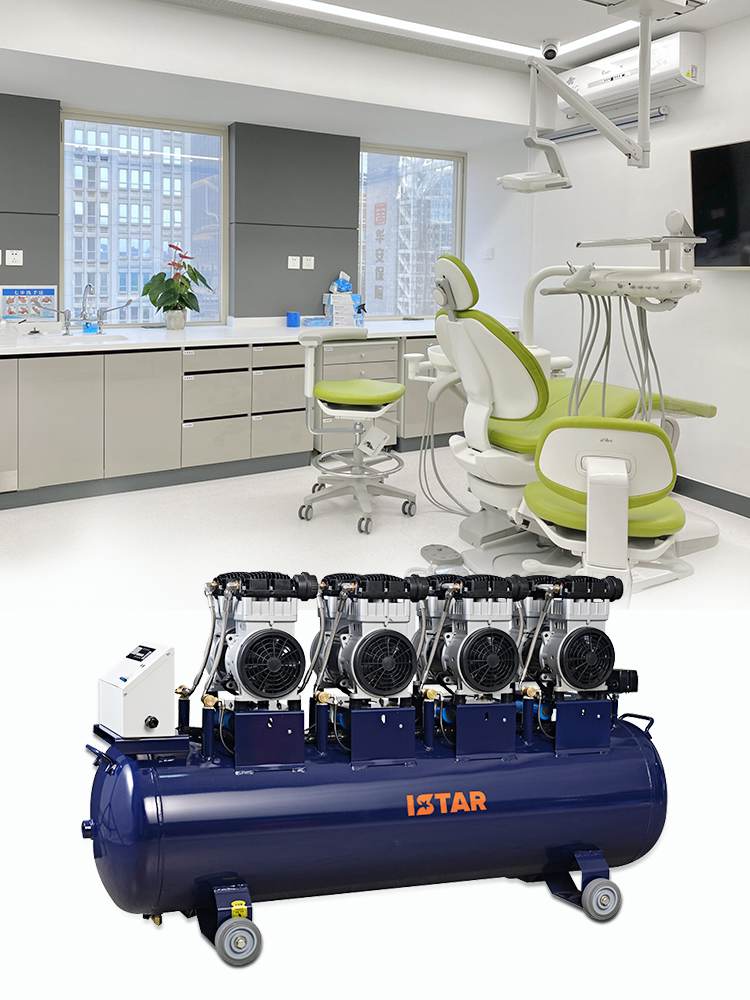
Professional Dental Equipment Guide 2026
Technical Specification Guide: Air Compressor for Dental Applications
This guide provides a comprehensive comparison of Standard and Advanced air compressor models designed for integration into modern dental clinics. These compressors ensure consistent, oil-free airflow critical for dental handpieces, syringes, and other pneumatic tools. Specifications reflect compliance with international safety and performance standards.
| Spec | Standard Model | Advanced Model |
|---|---|---|
| Power | 1.5 HP, 110V / 60Hz, Single-phase AC motor; maximum operating pressure: 100 psi (6.9 bar); average airflow output: 5.2 CFM @ 90 psi | 2.0 HP, 208–230V / 50–60Hz, Single-phase with soft-start inverter; maximum operating pressure: 125 psi (8.6 bar); variable-speed air delivery up to 8.0 CFM with demand-based modulation |
| Dimensions | 28″ H × 18″ W × 22″ D (71 × 46 × 56 cm); footprint optimized for under-cabinet installation; total weight: 145 lbs (66 kg) | 30″ H × 20″ W × 24″ D (76 × 51 × 61 cm); includes integrated sound-dampening enclosure; total weight: 176 lbs (80 kg); optional wall-mount kit available |
| Precision | Fixed-pressure regulation with ±5 psi fluctuation; analog pressure gauge; manual condensate drain; suitable for basic multi-chair setups (2–3 units) | Digital PID pressure control with ±1 psi stability; touchscreen interface with real-time monitoring; automatic moisture detection and purge cycle; supports up to 6 dental units with dynamic load balancing |
| Material | Galvanized steel chassis; aluminum cylinder block; standard rubber vibration mounts; standard air-end with polymer seals | Stainless steel housing (IP54 rated); forged aluminum cylinder with ceramic-coated piston; high-durability composite seals; anti-vibration composite feet; corrosion-resistant internal plumbing |
| Certification | CE, ISO 7396-1 (Gas Pipeline Systems), FDA-listed; meets ANSI/ASA S12.60 for dental clinic noise (72 dBA at 3 ft) | CE, ISO 7396-1, ISO 13485 (Medical Devices), FDA 510(k) cleared; compliant with ISO 8573-1 Class 0 for oil-free air; noise level: 58 dBA at 3 ft (ultra-quiet mode) |
ROI Analysis & Profitability
💰 ROI Calculator: Estimate Your Profit
Calculate how quickly your investment in this equipment will pay off.
Importing from China: A Step-by-Step Guide
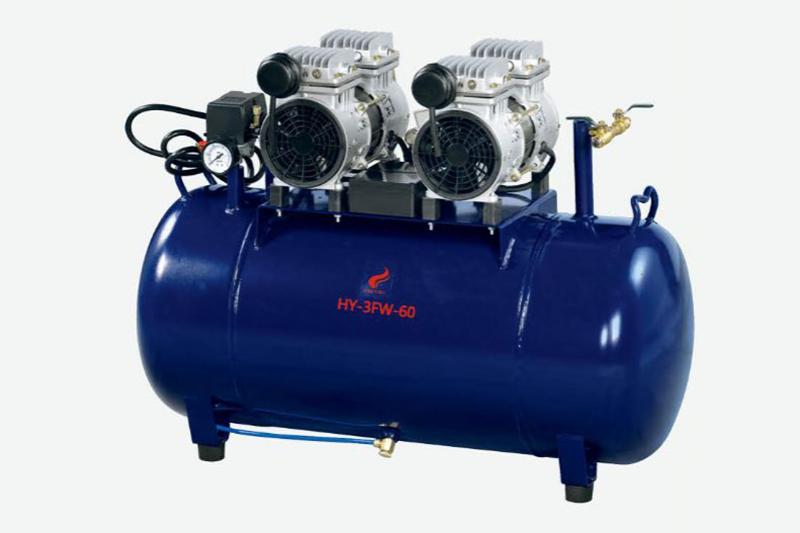
Professional Dental Equipment Guide 2026: Strategic Sourcing of Dental Air Compressors from China
Target Audience: Dental Clinic Procurement Managers & Dental Equipment Distributors | Validity: Q1 2026
China remains a dominant force in dental equipment manufacturing, offering 30-50% cost advantages versus Western OEMs. However, 2026 market dynamics require rigorous due diligence – particularly for critical infrastructure like dental air compressors where ISO-certified oil-free operation is non-negotiable for patient safety. This guide outlines a risk-mitigated sourcing protocol aligned with evolving global regulatory landscapes (including updated EU MDR 2026 Annexes).
Why Source Dental Air Compressors from China in 2026?
- Cost Efficiency: 35-45% savings on comparable CE/ISO-certified units vs. EU/US manufacturers
- Technology Parity: Chinese OEMs now match Western specs in silent operation (≤45 dB), oil-free piston technology, and integrated drying systems
- Supply Chain Resilience: Post-pandemic diversification strategies favor multi-sourcing from Asia
- Customization: OEM/ODM capabilities for clinic-specific voltage (110V/220V), tank sizes (25L-100L), and smart monitoring integration
Critical 3-Step Sourcing Protocol for Dental Air Compressors
1 Verifying ISO/CE Credentials: Beyond the Certificate
2026 Regulatory Note: EU MDR now requires compressor manufacturers to prove oil-free Class 0 certification (ISO 8573-1:2010) with annual third-party testing. Fake certificates remain prevalent.
| Verification Step | 2026 Best Practice | Risk of Non-Compliance |
|---|---|---|
| Document Authentication | Request ISO 13485:2016 + CE Certificate with Notified Body Number (e.g., TÜV SÜD #0123). Cross-check via EU NANDO database | Customs seizure; clinic liability for contaminated air |
| Factory Audit | Require video audit of oil-free assembly line & pressure testing station. Verify Class 0 test reports from SGS/BV | Product failure due to lubricant contamination |
| Sample Validation | Test unit at independent lab for:
|
Non-reimbursable installation costs; clinic downtime |
2 Negotiating MOQ: Balancing Volume & Flexibility
2026 Market Shift: Tier-1 Chinese manufacturers now offer clinic-friendly MOQs due to overcapacity in dental compressor segment. Avoid “one-size-fits-all” terms.
| Buyer Type | 2026 Standard MOQ | Negotiation Leverage Points |
|---|---|---|
| Dental Clinics (Single) | 1-2 units (with premium) | Bundle with chairs/scanners; commit to 3-year service contract |
| Regional Distributors | 5-10 units | Offer exclusive territory; prepay 30% for 15% discount |
| National Distributors | 20-50 units | Co-branding; joint marketing fund contribution |
3 Shipping Terms: DDP vs. FOB in 2026 Logistics Landscape
2026 Context: Post-Suez Canal congestion, DDP (Delivered Duty Paid) is now preferred for first-time importers due to transparent landed costs. FOB remains optimal for experienced distributors.
| Term | Cost Breakdown (Example: 40ft Container) | When to Use |
|---|---|---|
| DDP (Shanghai → Berlin) |
• Factory price: $8,200 • All-inclusive freight: $3,800 (inc. duties, VAT, port fees) • Total landed cost: $12,000 |
Clinics/new distributors; urgent orders; simplified accounting |
| FOB Shanghai |
• Factory price: $7,500 • Freight + insurance: $2,100 • Destination charges (est.): $1,900+ • Total landed cost: $11,500+ (variable) |
Experienced distributors; large volume; customs brokerage in-house |
Recommended Partner: Shanghai Carejoy Medical Co., LTD
Why Carejoy Meets 2026 Sourcing Criteria:
- Compliance Verified: ISO 13485:2016 (Certificate #Q50919) + CE Class IIa (NB: DE-CA-19-0001) with annual Class 0 oil-free certification from SGS
- MOQ Flexibility: 1-unit MOQ for clinics; 5-unit MOQ for distributors with mixed-product options
- Shipping Expertise: DDP to 45+ countries with guaranteed landed cost quotes within 24h
- 2026 Innovation: IoT-enabled compressors with remote pressure monitoring (compatible with Carejoy Dental Chair OS)
Operational Advantages:
- 19 years OEM/ODM specialization (since 2005) with 12,000m² Shanghai factory
- Direct factory pricing – no trading company markups
- 24-month compressor warranty with global service network
📧 [email protected] | 📱 +86 15951276160 (WhatsApp)
🏭 Factory: No. 1888, Hengfeng Road, Baoshan District, Shanghai, China
Request 2026 Compliance Dossier: Includes ISO 13485 certificate, Class 0 test reports, and DDP cost calculator
Conclusion: Mitigating 2026 Sourcing Risks
China-sourced dental air compressors offer compelling ROI when vetted through this protocol. Prioritize suppliers with:
• Proven oil-free certification (not just “medical grade” claims)
• Transparent DDP pricing to avoid hidden costs
• Flexible MOQ structures aligned with your business model
Final Recommendation: Engage pre-qualified partners like Shanghai Carejoy for audit-ready compliance and clinic-tested reliability. Always obtain third-party validation of sample units before full commitment.
Frequently Asked Questions
Professional Dental Equipment Guide 2026
A Strategic Procurement Resource for Dental Clinics & Equipment Distributors
Frequently Asked Questions: Purchasing Air Compressors for Dental Use (2026)
Most small to mid-sized clinics in North America and Europe operate on single-phase power and can use 120V or 230V models. Larger clinics with high patient volumes or multi-operator setups should consider three-phase compressors for improved efficiency and reduced electrical load stress.
Always confirm local electrical codes and consult a licensed electrician before installation. Ensure the compressor model matches your facility’s voltage supply to avoid equipment damage or safety hazards.
| Component | Replacement Interval | Notes |
|---|---|---|
| Air Filters | 6–12 months | Essential for oil-free air and contamination prevention |
| Drain Valves | 1–2 years | Prevents moisture buildup; solenoid types recommended |
| Bearings & Seals | 5–7 years | Dependent on usage intensity and maintenance |
| Desiccant Cartridges (for dryers) | 1–3 years | Required in integrated drying systems |
When procuring, verify whether the supplier offers a local or regional spare parts depot and inquire about digital part ordering systems for expedited service.
- Location: Install in a clean, dry, well-ventilated room away from dust, moisture, and high foot traffic. Avoid placing in treatment areas due to noise and vibration.
- Vibration Isolation: Use anti-vibration mounts to minimize structural transmission and extend equipment life.
- Plumbing: Use corrosion-resistant piping (e.g., stainless steel or aluminum) with proper slope and drainage points to prevent condensation buildup.
- Electrical: Dedicated circuit with correct grounding and overcurrent protection. Three-phase units require balanced phase loading.
- Commissioning: Post-installation testing for air quality (oil content, moisture levels) per ISO 8573-1 Class 0 standards is mandatory.
Always engage certified technicians for installation to ensure warranty validity and regulatory compliance.
| Component | Warranty Period | Coverage Details |
|---|---|---|
| Compressor Pump | 3–5 years | Parts and labor for manufacturing defects |
| Motor | 2–3 years | Sealed unit failure due to electrical or mechanical defects |
| Control System & Sensors | 2 years | Electronic boards, pressure switches, touch interfaces |
| Desiccant Dryer | 1–2 years | Valves, towers, control module (excludes consumables) |
Extended warranty programs (up to 7 years) are available for premium models. Note: Warranties are voided by improper installation, use of non-OEM parts, or failure to perform scheduled maintenance.
- ISO 8573-1:2023 Class 0: Certification for oil-free air, required for all dental applications to prevent contamination of instruments and patient airways.
- IEC 60601-1: Electrical safety standard for medical electrical equipment, including electromagnetic compatibility (EMC).
- CE, FDA 510(k), or local medical device registration: Mandatory for legal operation in respective markets.
- Energy Efficiency Standards: Compliance with EU Ecodesign 2026 or ENERGY STAR®-equivalent programs to reduce operational costs and environmental impact.
Always request certification documentation from the supplier and confirm that the specific model is listed in the manufacturer’s official compliance portfolio.
Need a Quote for Air Compressor Dental?
Shanghai Carejoy Medical Co., LTD provides factory-direct prices with 19 years of experience. (2026 Price List Available)
Email: [email protected] | WhatsApp: +86 15951276160