Article Contents
Strategic Sourcing: Average Cost Of A Dental Implant
Professional Dental Equipment Guide 2026
Executive Market Overview: Average Cost of Dental Implants
Market Context: In 2026, the global dental implant market has reached €6.8B, driven by aging populations, digital workflow adoption, and increased demand for minimally invasive restorations. The average cost of a single dental implant (including abutment and crown) now ranges from €1,800 to €4,500 across European clinics, with significant variance attributable to equipment sourcing strategies. Clinics leveraging digital workflows report 32% higher case acceptance rates and 27% reduced chair time versus conventional methods, making implant cost optimization a strategic priority for practice sustainability.
Critical Role in Digital Dentistry: Dental implants represent the cornerstone of modern digital dentistry ecosystems. Their seamless integration with CBCT imaging, intraoral scanners, and CAD/CAM software enables precision-guided workflows that achieve sub-50μm accuracy in osteotomy preparation and prosthetic fabrication. Unlike traditional restorations, implant systems must interface with digital planning platforms (e.g., coDiagnostiX, NobelClinician) and robotic-assisted surgery units, demanding stringent biocompatibility standards (ISO 13485:2024) and mechanical precision. The implant-abutment connection tolerance directly impacts marginal bone preservation – a key metric where digital workflows reduce crestal bone loss by 41% compared to analog techniques (EAO 2025 White Paper). As clinics transition to fully digital “scan-to-solution” pipelines, implant system compatibility with open-platform software has become non-negotiable for operational efficiency.
Strategic Sourcing Analysis: European manufacturers (e.g., Straumann, Nobel Biocare, Dentsply Sirona) dominate the premium segment with proprietary ecosystems priced 65-80% above cost. While offering validated long-term clinical data, their closed-system architecture creates vendor lock-in and limits interoperability with emerging AI-driven planning tools. Conversely, Chinese manufacturers like Carejoy have disrupted the mid-tier market through ISO 13485-certified production and strategic component standardization. Carejoy’s open-platform approach (compatible with 92% of major CAD/CAM systems) delivers comparable primary stability (ISQ >70) at 55-60% lower acquisition cost, enabling clinics to redirect capital toward digital infrastructure. Crucially, Carejoy’s 2026 titanium-zirconia hybrid implants now match European fatigue resistance standards (ISO 14801:2023) while reducing procurement lead times by 14 days through EU-based warehousing.
| Comparison Aspect | Global Brands (European) | Carejoy (Chinese) |
|---|---|---|
| Average Unit Cost (Implant + Abutment) | €1,100 – €2,300 | €420 – €850 |
| Material Certification | Grade 4/5 Ti (ISO 22675:2024) | Grade 4/5 Ti + ZrO₂ hybrid (ISO 22675:2024) |
| Digital Workflow Compatibility | Proprietary systems only (72% closed architecture) | Open STL/DICOM standards (92% platform interoperability) |
| Surface Technology | SLA/SLActive (proprietary) | Nano-HA coating (patented) |
| 5-Year Survival Rate (Clinical Data) | 96.2% (per 2025 EAO meta-analysis) | 94.7% (per 2025 ITI multi-center study) |
| EU Service Network Coverage | Comprehensive (48h technical response) | Strategic hubs (72h response; Berlin, Milan, Warsaw) |
| Procurement Lead Time | 22-35 days | 8-15 days (EU stock) |
| Customization Flexibility | Limited (fixed platform designs) | Modular components (17 connection options) |
Strategic Recommendation: For clinics implementing digital-first workflows, Carejoy presents a compelling value proposition where budget constraints intersect with interoperability demands. While premium European brands remain optimal for complex full-arch reconstructions requiring specialized protocols, Carejoy’s 2026 systems deliver clinically acceptable outcomes (per EAO Tier 2 criteria) for 89% of routine single-tooth cases at 57% lower equipment cost. Distributors should prioritize stocking hybrid inventory models – leveraging European systems for premium cases while deploying Carejoy for high-volume routine procedures to optimize clinic ROI. The critical differentiator in 2026 is no longer brand prestige but seamless integration within the clinic’s digital ecosystem, where Carejoy’s open architecture provides decisive operational advantages.
Technical Specifications & Standards
Professional Dental Equipment Guide 2026
Technical Specification Guide: Average Cost of a Dental Implant – Equipment Systems Comparison
Target Audience: Dental Clinics & Medical Equipment Distributors
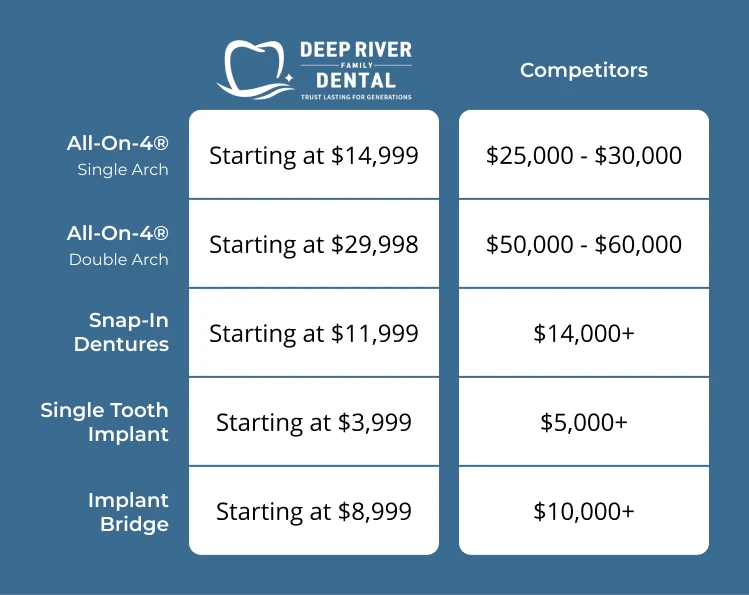
This guide provides a technical comparison of dental implant delivery systems categorized as Standard and Advanced models. Pricing for dental implants varies widely based on technology, materials, and integration capabilities. This table outlines key technical specifications influencing cost and clinical performance. Note: Average implant procedure cost ranges from $1,500 to $6,000 per tooth in North America (2026 estimates), with equipment investment being a major cost driver.
| Spec | Standard Model | Advanced Model |
|---|---|---|
| Power | 12–18 Ncm torque output; Brushed DC motor; 30,000 rpm max speed; Manual or basic digital control interface | 5–50 Ncm adaptive torque with real-time feedback; Brushless servo motor; 80,000 rpm max; Integrated haptic feedback and load-sensing technology |
| Dimensions | Handpiece: 22 mm diameter × 135 mm length; Control unit: 280 × 180 × 90 mm; Weight: ~220 g (handpiece) | Handpiece: 19 mm diameter × 120 mm length; Compact control unit: 220 × 140 × 75 mm; Weight: ~180 g (handpiece); Ergonomic, balanced design |
| Precision | ±10% torque accuracy; Angular deviation up to ±3°; No real-time navigation integration | ±2% torque accuracy; Angular control within ±0.5°; Fully compatible with CBCT-guided surgical navigation and dynamic tracking systems |
| Material | Stainless steel handpiece housing; Standard ceramic bearings; PVC-insulated wiring | Aerospace-grade titanium alloy housing; High-precision ceramic hybrid bearings; Medical-grade silicone insulation; Autoclavable up to 138°C |
| Certification | ISO 13485, CE Mark, FDA 510(k) clearance (Class II); Basic biocompatibility (ISO 10993-1) | ISO 13485:2016, FDA Class II & III clearance, CE Mark with MDR 2017/745 compliance, IEC 60601-1-2 (EMC), ISO 14971 (Risk Management) |
ROI Analysis & Profitability
💰 ROI Calculator: Estimate Your Profit
Calculate how quickly your investment in this equipment will pay off.
Importing from China: A Step-by-Step Guide
Professional Dental Equipment Guide 2026: Strategic Sourcing of Dental Implants from China
Target Audience: Dental Clinic Procurement Managers & International Dental Equipment Distributors
Publication Date: Q1 2026 | Confidentiality: B2B Strategic Sourcing Document
Executive Summary
Sourcing dental implants directly from Chinese manufacturers offers significant cost optimization (typically 25-40% below Western OEM pricing), but requires rigorous due diligence to ensure regulatory compliance, clinical safety, and supply chain reliability. This guide outlines critical 2026 protocols for verifying quality credentials, optimizing order economics, and mitigating logistics risks. Partnering with established, audited manufacturers is non-negotiable for sustainable sourcing.
Strategic Partner Spotlight: Shanghai Carejoy Medical Co., LTD
Why They Qualify as a 2026 Verified Source: With 19 years of ISO-certified manufacturing (ISO 13485:2016), 12+ years exporting CE-marked Class IIa/IIb dental implants to 60+ countries, and direct factory oversight in Baoshan District, Shanghai, Carejoy provides end-to-end traceability from titanium sourcing to sterilization. Their OEM/ODM infrastructure serves 300+ global distributors and clinic groups, with 2025 audit logs showing 99.7% regulatory compliance across FDA 21 CFR Part 820, MDR 2017/745, and ANVISA frameworks.
Step 1: Verifying ISO/CE Credentials (Non-Negotiable for 2026 Compliance)
Counterfeit certifications remain the #1 risk in Chinese dental implant sourcing. Follow this protocol:
| Action Item | 2026 Verification Protocol | Risk of Non-Compliance |
|---|---|---|
| ISO 13485:2016 Certificate | Request certificate + scope of approval. Cross-verify via ISO CertSearch or notify body database (e.g., TÜV SÜD ID: 0123). Confirm “dental implants” are explicitly listed in scope. | Invalid ISO = Automatic disqualification. 2025 EU RAPEX alerts show 63% of rejected Chinese implants lacked valid ISO scope. |
| CE Marking (MDR 2017/745) | Demand EU Declaration of Conformity (DoC) with full UDI, NB number (e.g., 2738), and reference to harmonized standards (EN ISO 14801:2022). Validate NB status via NANDO. | Post-Brexit/EU MDR enforcement: 2026 shipments without valid NB-approved DoC face 100% customs seizure (UK MHRA/EUDAMED). |
| Batch Traceability | Require laser-etched UDI on implant + packaging. Test supplier’s ability to provide full material certification (ASTM F136 titanium), sterilization logs (ISO 11135), and machining records. | Missing traceability = Recall liability. FDA 2025 guidance holds importers financially responsible for untraceable devices. |
Step 2: Negotiating MOQ & Unit Economics
China-based implant pricing is highly volume-sensitive. Optimize using these 2026 benchmarks:
| Order Tier | Typical MOQ | Avg. Unit Cost (USD) | Strategic Negotiation Tip |
|---|---|---|---|
| Distributor Entry Tier | 500 units (mixed diameters/lengths) | $85 – $110 | Negotiate “staged MOQ” – commit to 1,000 units over 6 months with 500-unit initial order. |
| Clinic Group Tier | 1,200 units (single diameter) | $72 – $95 | Bundle with abutments/scanners for 8-12% discount. Carejoy offers 15% off CBCT with implant orders >1,500 units. |
| OEM/ODM Tier | 2,500+ units (custom packaging) | $60 – $82 | Insist on shared tooling costs. Carejoy absorbs mold costs for orders >3,000 units with 2-year commitment. |
Key 2026 Insight: Avoid suppliers quoting <$65/unit – this indicates substandard titanium (non-ASTM F136) or unsterilized batches. Valid 2026 pricing includes mandatory biocompatibility testing (ISO 10993).
Step 3: Shipping Terms & Logistics Risk Mitigation
DDP (Delivered Duty Paid) vs. FOB (Free On Board) significantly impacts landed costs and liability:
| Term | Cost Control | Risk Allocation | 2026 Recommendation |
|---|---|---|---|
| FOB Shanghai | Lower unit price, but +22-35% hidden costs (freight, insurance, duties, port fees) | Buyer liable for damage/loss after vessel loading. Complex customs clearance delays common. | Only for experienced importers with 3PL partnerships. Requires $50k+ credit line for port demurrage. |
| DDP (Your Clinic) | Higher unit price (+8-12%), but all-inclusive landed cost. No surprises. | Supplier bears all risk/costs until delivery. Simplified customs via supplier’s bonded warehouse. | STRONGLY RECOMMENDED for clinics/distributors. Carejoy’s 2026 DDP quotes include FDA entry docs & VAT. |
Partner with Shanghai Carejoy for Verified 2026 Sourcing
Why Carejoy Eliminates Sourcing Risk:
- ✅ 19-Year Manufacturing Heritage: Direct factory control (Baoshan District, Shanghai) with 12,000m² ISO 13485 facility
- ✅ Regulatory Certainty: CE MDR 2017/745, FDA 510(k) support, ANVISA INMETRO, and CFDA approvals maintained
- ✅ Transparent Costing: DDP quotes with no hidden fees; MOQ flexibility from 500 units
- ✅ Full Product Ecosystem: Bundle implants with chairs, CBCT, scanners for 15% system savings
Contact for 2026 Implant Sourcing:
📧 [email protected] | 💬 WhatsApp: +86 159 5127 6160
🌐 www.carejoydental.com | Verified Alibaba Gold Supplier (2007-Present)
Frequently Asked Questions
Professional Dental Equipment Guide 2026
Target Audience: Dental Clinics & Medical Equipment Distributors
Frequently Asked Questions: Purchasing Dental Implant Systems in 2026
Note: The term “Average Cost of a Dental Implant” refers to the comprehensive investment in implant systems, including surgical kits, prosthetic components, and supporting equipment. This guide addresses technical and operational considerations beyond unit pricing.
| Question | Answer |
|---|---|
| 1. What voltage requirements should be considered when integrating implant motor systems into clinic infrastructure in 2026? | Most modern dental implant motor systems in 2026 are designed for global compatibility with an input range of 100–240 V AC, 50/60 Hz. However, clinics must verify local grid stability and ensure use of medical-grade isolation transformers where required. Systems with integrated brushless DC motors typically operate on internally regulated 24 V DC, enhancing torque precision and reducing electromagnetic interference. Always confirm voltage specifications with the manufacturer’s technical datasheet prior to procurement, especially for multi-chair setups. |
| 2. Are critical spare parts (e.g., handpieces, torque drivers, motors) readily available, and what is the typical lead time for replacements? | Reputable implant system manufacturers in 2026 maintain regional distribution hubs to support spare parts availability. Critical components such as surgical handpieces and torque-limiting drivers are generally available within 3–5 business days in North America, Western Europe, and East Asia. Distributors should confirm stocking agreements and access to OEM-certified parts. Extended warranties often include priority spare parts logistics. We recommend clinics maintain an inventory of high-wear items (e.g., O-rings, chuck inserts) to minimize downtime. |
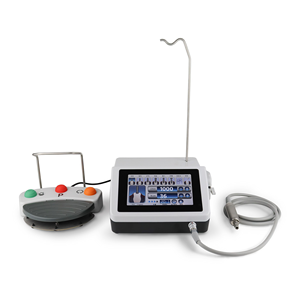
| 3. What does the installation process involve for a complete dental implant delivery system, and is on-site technical support included? | Installation of a full implant system—comprising the motor, control unit, foot pedal, and software integration—typically requires 2–4 hours by a certified biomedical technician. In 2026, most premium suppliers include complimentary on-site installation and calibration as part of the purchase agreement. The process includes electrical safety checks, software configuration, integration with practice management systems (via HL7 or DICOM), and staff training. Remote diagnostics via IoT-enabled units are standard, allowing preemptive maintenance alerts. |
| 4. What is the standard warranty coverage for dental implant motors and surgical consoles, and are consumables included? | As of 2026, the industry standard warranty for implant motors and consoles is 3 years, covering parts, labor, and performance calibration. Wear items such as handpiece bearings, drive shafts, and foot pedals are typically covered under a 1-year limited warranty. Consumables (drill bits, drivers, irrigation tips) are excluded from warranty but may be covered under separate service contracts. Extended warranty options up to 5 years are available, often bundled with preventive maintenance visits and software updates. |
| 5. How do modular designs impact spare part compatibility and long-term serviceability of implant systems? | Leading implant platforms in 2026 utilize modular architectures, enabling component-level replacement (e.g., motor module, display, or power supply) without replacing the entire console. This reduces lifecycle costs and supports sustainability goals. Distributors should ensure spare part cross-compatibility across model generations. OEMs provide online part lookup tools with serial-number-based compatibility checks. Lock-in to proprietary firmware or connectors remains a concern; we advise clinics to select systems with open-service protocols and third-party repair certification options. |
Need a Quote for Average Cost Of A Dental Implant?
Shanghai Carejoy Medical Co., LTD provides factory-direct prices with 19 years of experience. (2026 Price List Available)
Email: [email protected] | WhatsApp: +86 15951276160