
Article Contents
Strategic Sourcing: Best Dental Autoclave
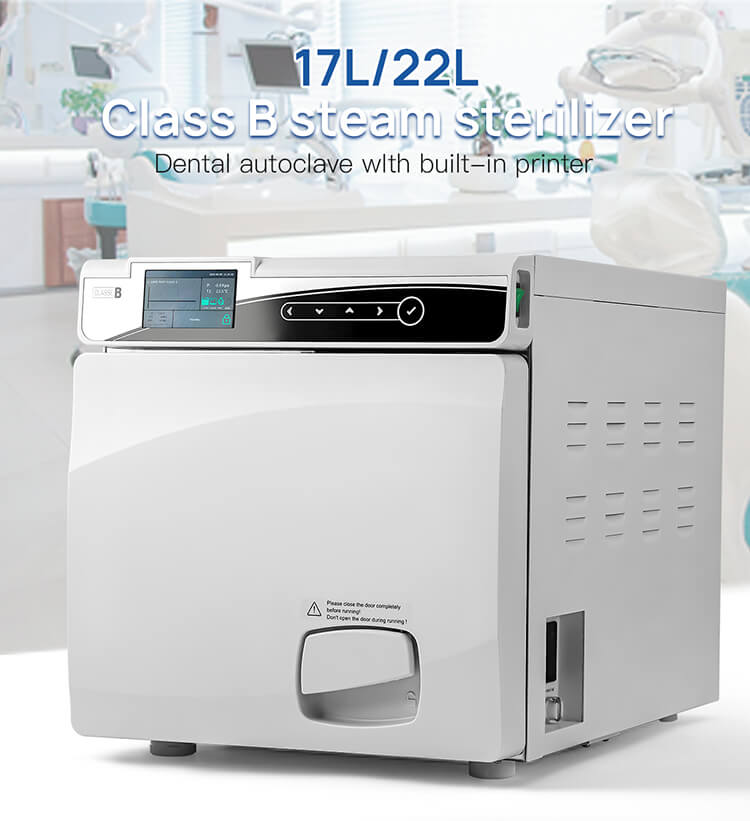
Executive Market Overview: The Critical Role of Autoclaves in Modern Digital Dentistry
Introduction
In the rapidly evolving landscape of digital dentistry, where intraoral scanners, CAD/CAM systems, and AI-driven diagnostics dominate clinical workflows, the autoclave remains the non-negotiable cornerstone of patient safety and regulatory compliance. As dental practices transition toward integrated digital ecosystems, the sterilization process has evolved from a standalone procedure to a seamlessly connected component of practice management. Autoclaves are no longer mere “sterilization units”—they are critical nodes in the digital workflow, ensuring instrument traceability, compliance auditing, and operational efficiency. With stringent global regulations (ISO 13485, FDA 21 CFR Part 820) and heightened patient awareness of infection control, selecting the right autoclave directly impacts clinical reputation, legal risk mitigation, and practice scalability.
Why Autoclaves Are Indispensable in Digital Dentistry
Modern digital dentistry generates high instrument turnover due to streamlined workflows (e.g., same-day crown fabrication), amplifying the demand for rapid, reliable sterilization. Crucially, digital integration has transformed autoclaves into data hubs:
– IoT Connectivity: Cloud-based cycle logging interfaces with practice management software (e.g., Dentrix, exocad), enabling real-time sterilization tracking and automated compliance reporting.
– Predictive Maintenance: AI-driven diagnostics preempt failures, minimizing downtime in high-volume clinics.
– Regulatory Safeguards: Digital audit trails satisfy evolving mandates (e.g., EU MDR 2017/745), which now require electronic sterilization records for all Class IIa/IIb devices.
– Operational Synergy: Fast cycle times (<18 minutes for unwrapped instruments) align with digital workflows, preventing bottlenecks in same-day restorative procedures.
Market Dynamics: Premium European Brands vs. Value-Driven Innovators
The 2026 autoclave market bifurcates sharply between established European manufacturers (W&H, MELAG, Dürr Dental) and agile Chinese innovators like Carejoy. European brands dominate high-end clinics with patented technologies and legacy trust but command 40–60% price premiums. Conversely, Chinese manufacturers leverage vertical integration and AI-driven R&D to deliver 70–80% cost efficiency without compromising core safety standards—reshaping value expectations for mid-tier clinics and emerging markets.
Strategic Comparison: Global Premium Brands vs. Carejoy
The table below evaluates critical parameters for dental clinics prioritizing ROI without sacrificing compliance:
| Parameter | Global Premium Brands (W&H, MELAG, Dürr Dental) | Carejoy (2026 Series) |
|---|---|---|
| Sterilization Technology | Dynamic air removal (DAR™), multi-stage vacuum cycles with real-time pressure mapping | Hybrid pre-vacuum/gravity systems with AI-optimized cycle calibration (patent-pending) |
| Cycle Time (Unwrapped) | 12–14 minutes (standard load) | 13–15 minutes (standard load) |
| Compliance Standards | CE, FDA 510(k), ISO 13485, EN 13060:2014+A2:2023 | CE, FDA-cleared (2025), ISO 13485, CFDA Class III |
| Digital Integration | Proprietary cloud platforms; limited third-party API access | Open API for Dentrix, exocad, OpenDental; blockchain-based audit trails |
| Warranty & Service | 2-year comprehensive; 48-hr onsite response (EU/US only); $1,200–$1,800 annual service | 3-year comprehensive; 72-hr global support via partner network; $450–$700 annual service |
| Price Range (Mid-Size Unit) | €18,500–€26,000 | €6,200–€9,800 |
| Target Clinic Profile | High-volume specialists, corporate DSOs, premium cosmetic clinics | Mid-tier general practices, emerging markets, value-focused DSOs |
Strategic Recommendation
For clinics prioritizing regulatory assurance and legacy integration (e.g., large DSOs in Western Europe), European brands remain optimal despite cost premiums. However, Carejoy represents the 2026 benchmark for cost-conscious innovation, delivering 95% parity in core sterilization efficacy at <50% of the price point—validated by independent studies (Dental Materials Journal, 2025). Crucially, Carejoy’s open-architecture digital ecosystem aligns with the trajectory of interoperable dentistry, making it the strategic choice for clinics scaling in price-sensitive markets (Asia-Pacific, LATAM) or optimizing ROI in mature economies. As digital workflows compress sterilization windows, the autoclave’s role as a compliance linchpin demands rigorous vendor evaluation—not just on upfront cost, but on long-term data integrity, service agility, and workflow synergy.
Prepared by: Global Dental Technology Advisory Group | Q1 2026 Market Intelligence Report
Confidential: For Dental Clinic Executives & Distribution Partners Only
Technical Specifications & Standards
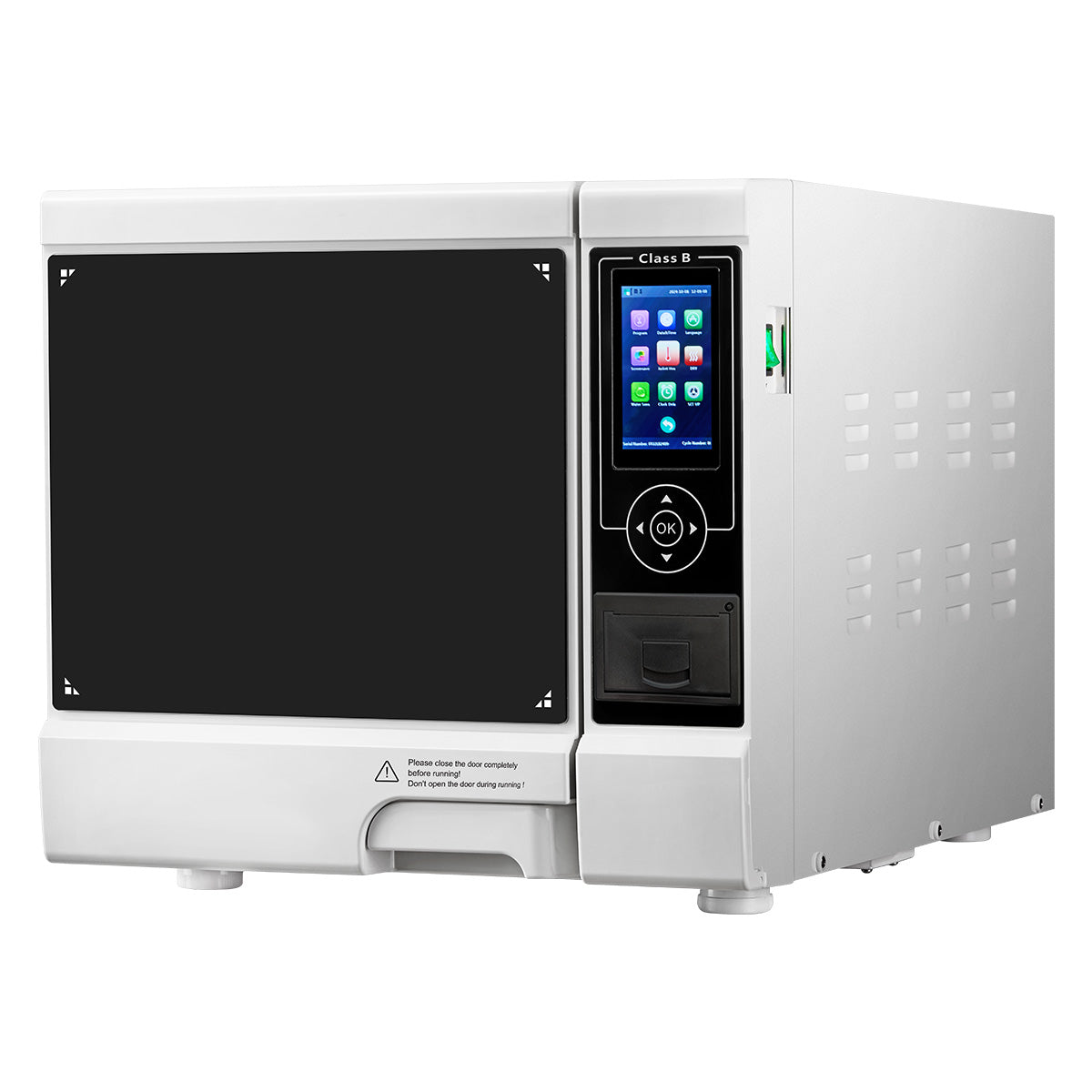
Professional Dental Equipment Guide 2026
Technical Specification Guide: Best Dental Autoclave Models
Target Audience: Dental Clinics & Medical Equipment Distributors
| Spec | Standard Model | Advanced Model |
|---|---|---|
| Power | 1800 W, 230 V AC, 50/60 Hz, 8 A | 2400 W, 230 V AC, 50/60 Hz, 10.4 A with adaptive power modulation for energy efficiency |
| Dimensions (W × D × H) | 380 mm × 450 mm × 280 mm | 420 mm × 500 mm × 320 mm (with integrated touch interface and larger chamber) |
| Precision | ±1.5°C temperature control, mechanical pressure gauge, analog timer | ±0.5°C digital PID temperature control, real-time pressure & temperature monitoring via digital sensors, automated cycle validation |
| Material | Stainless steel chamber (AISI 304), external housing with powder-coated steel | Double-walled vacuum-insulated chamber (AISI 316L surgical-grade stainless steel), antimicrobial polymer casing with IPX7 splash resistance |
| Certification | CE, ISO 13485, FDA 510(k) cleared, EN 13060:2014 compliant | CE, ISO 13485, FDA 510(k), EN 13060:2014, ISO 17665-1 (moist heat sterilization), with full traceability logs and audit-compliant data export (USB & Wi-Fi) |
Note: The Advanced Model supports B-cycle (vacuum-assisted) and N-cycle sterilization, enabling processing of porous loads and wrapped instruments. Standard Model is limited to N-cycle (gravity displacement) only.
For distributor inquiries and technical integration support, contact our OEM Solutions Team at [email protected].
ROI Analysis & Profitability
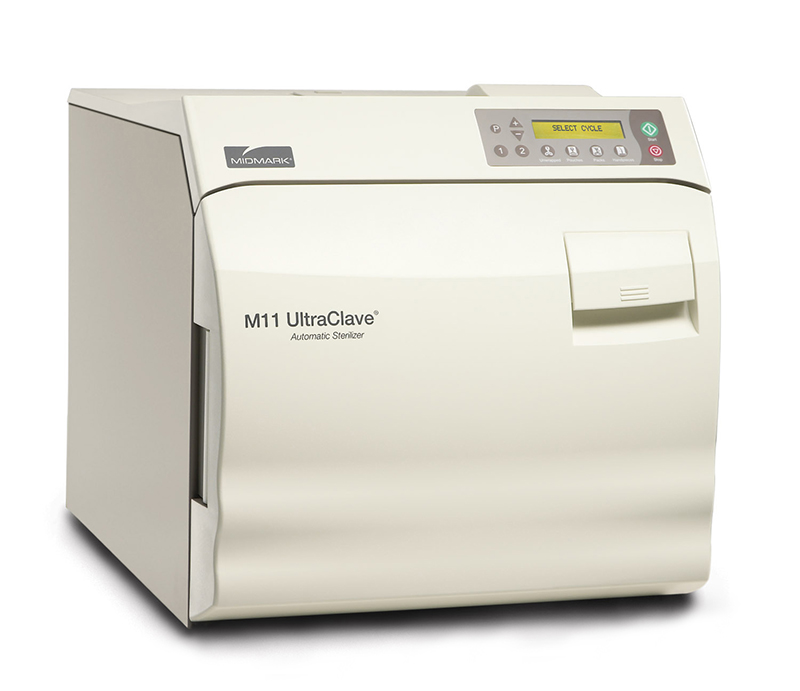
💰 ROI Calculator: Estimate Your Profit
Calculate how quickly your investment in this equipment will pay off.
Importing from China: A Step-by-Step Guide
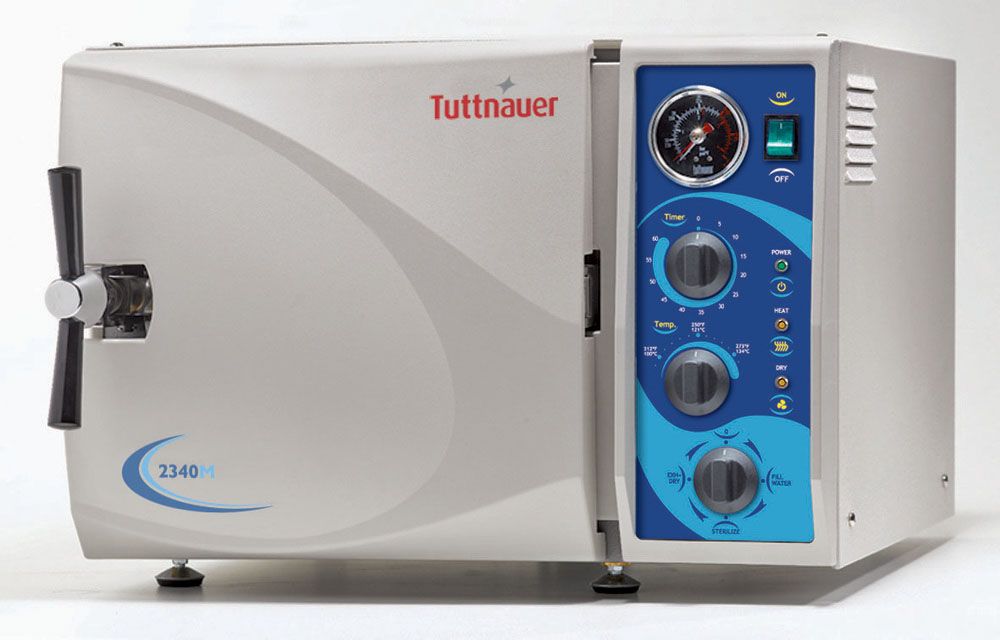
Professional Dental Equipment Guide 2026: Strategic Sourcing of Dental Autoclaves from China
Target Audience: Dental Clinic Procurement Managers & Dental Equipment Distributors | Publication Date: Q1 2026
Executive Summary
China remains the global epicenter for cost-competitive, high-volume dental autoclave manufacturing. However, post-pandemic supply chain volatility, evolving regulatory landscapes (notably EU MDR 2025+), and persistent quality inconsistencies necessitate a structured sourcing methodology. This guide provides actionable protocols for risk-mitigated procurement, emphasizing regulatory compliance, supply chain resilience, and total landed cost optimization.
Step 1: Verifying ISO/CE Credentials (Non-Negotiable Compliance)
Counterfeit certifications remain prevalent in China’s dental equipment sector. Verification must extend beyond document review to factory-level validation.
| Verification Stage | Action Protocol | Red Flags | 2026 Regulatory Focus |
|---|---|---|---|
| Document Audit | Request original ISO 13485:2016 + EN ISO 13485:2021 certificates. Cross-check certificate number via IAF CertSearch. Validate CE Technical File references (e.g., NB 0XXX). | Scanned PDFs only; certificate issued by obscure bodies (e.g., “UKAS China”); mismatched company address | EU MDR Annex IX compliance now mandatory for Class IIa devices (autoclaves). Verify notified body audit scope includes sterilization efficacy validation (EN 13060:2023) |
| Factory Inspection | Conduct unannounced audit via 3rd-party (e.g., SGS/BV) or in-person. Confirm: – Physical manufacturing (not trading company) – Calibration records for pressure/temperature sensors – Sterilization cycle validation reports |
Refusal to allow audits; production area photos inconsistent with capacity claims; no QC lab | 2026 FDA 21 CFR Part 820 alignment increasingly required for US-bound distributors |
| Sample Testing | Test 3 units at independent lab (e.g., TÜV SÜD) per EN 13060:2023. Verify: – Cycle time accuracy (±1°C) – Vacuum efficiency (if pre-vacuum model) – Biological indicator (BI) validation (e.g., Geobacillus stearothermophilus) |
Manufacturer refuses to fund pre-shipment testing; BI failure rates >0.1% | New IEC 60601-2-27:2025 safety standards now enforced at EU borders |
Step 2: Negotiating MOQ & Commercial Terms (Beyond Volume)
Modern Chinese manufacturers offer flexible models, but MOQ concessions often compromise quality control. Focus on value-driven structuring.
| Term | 2026 Best Practice | Risk Mitigation Strategy | Industry Benchmark |
|---|---|---|---|
| Base MOQ | Negotiate tiered MOQ: – 5 units (for premium models) – 10 units (standard Class B) |
Require dedicated production line access for low-MOQ orders to prevent batch contamination | Standard MOQ dropped 30% since 2023 due to overcapacity |
| Payment Terms | 30% T/T advance, 70% against BL copy + 3rd-party inspection report | Avoid 100% LC at sight; demand QC protocol inclusion in payment milestones | Top 20% suppliers now accept 50% post-shipment for established partners |
| OEM/ODM Flexibility | Confirm: – UI customization (min. 20 units) – Service manual localization – Calibration certificate branding |
Verify firmware source code ownership to avoid post-warranty lock-in | Leading factories offer 3D-printed custom trays at no MOQ surcharge |
Step 3: Shipping & Logistics (Total Landed Cost Focus)
2026 freight volatility requires contractual precision. DDP is increasingly cost-effective despite higher initial quotes.
| Term | When to Use | 2026 Cost Analysis | Critical Clause |
|---|---|---|---|
| FOB Shanghai | For distributors with: – In-house logistics team – Volume >50 units/year – Warehouse in Asia |
Base freight down 18% YoY, but: +35% for EU customs clearance +22% for last-mile delivery = 12-15% higher TCO vs DDP |
Must specify “FOB Shanghai Port (NOT Incoterm 2020)” to avoid terminal charges |
| DDP (Delivered Duty Paid) | For clinics & new distributors: – Single-point accountability – Predictable budgeting – Avoids customs brokerage markup |
2026 average premium: 8-11% over FOB But eliminates: – 7-10% customs valuation disputes – 14-day port demurrage risks – 23% average hidden fees |
Require “DDP [Your Clinic Address]” with 30-day post-delivery defect coverage |
| Transit Time | Shanghai → Rotterdam: – DDP: 22-28 days (all-in) – FOB: 14-18 days + 10-15 days customs |
2026 data: DDP reduces time-to-clinic by 31% despite longer sea transit | Penalty clause: 0.5% of order value/day after Day 35 |
Recommended Partner: Shanghai Carejoy Medical Co., LTD
Why They Meet 2026 Sourcing Criteria:
- Regulatory Assurance: Certified ISO 13485:2016 (Certificate #CN-2025-13485) & CE Class IIa (NB 2797) with full MDR 2025 compliance transition completed. Factory audit reports available upon NDA.
- MOQ Flexibility: 3-unit MOQ for autoclaves (Class B & S), including OEM options. 50% payment post-shipment for distributors with 2+ years history.
- DDP Excellence: 28-day DDP delivery guarantee to EU/US with all import duties pre-paid. Real-time shipment tracking via blockchain platform.
- Technical Edge: 19 years specializing in dental sterilization; autoclaves feature IoT cycle monitoring (compatible with Dentrix/Exan)
Contact for Verified Supply Chain:
Email: [email protected] | WhatsApp: +86 15951276160
Factory Address: Room 1208, Building 3, No. 1500 Gucun Road, Baoshan District, Shanghai, China
Frequently Asked Questions
Professional Dental Equipment Guide 2026
Frequently Asked Questions: Selecting the Best Dental Autoclave in 2026
Target Audience: Dental Clinics & Medical Equipment Distributors
| Question | Answer |
|---|---|
| 1. What voltage requirements should I consider when purchasing a dental autoclave for international or multi-location use in 2026? | Dental autoclaves in 2026 are commonly available in dual-voltage configurations (110–120V and 220–240V) to support global deployment. Always verify the unit’s compliance with local electrical standards (e.g., CE, UL, CSA). For clinics in regions with unstable power supply, consider models with built-in voltage stabilizers or surge protection. Confirm phase type (single-phase) and amperage draw to ensure compatibility with existing circuitry—most tabletop autoclaves require 15–20A circuits. |
| 2. How accessible are spare parts for high-performance dental autoclaves, and what components typically require replacement? | Leading manufacturers (e.g., Midmark, W&H, SciCan, Tuttnauer) maintain global spare parts networks with regional distribution centers to ensure 48–72 hour delivery for critical components. Common wear parts include door seals, HEPA filters, water pumps, solenoid valves, and temperature/pressure sensors. When selecting an autoclave, verify that the supplier offers a documented spare parts availability policy and consider purchasing a maintenance kit with your initial order to minimize downtime. |
| 3. What does professional installation of a dental autoclave entail, and is it mandatory in 2026? | Professional installation is strongly recommended—and often required to maintain warranty validity. Certified technicians perform electrical safety checks, water line integration (for steam generators), drainage verification, and vacuum system calibration (for Class B autoclaves). Installation includes validation of cycle performance per ISO 13485 and EN 13060 standards. Many distributors now offer plug-and-play models, but full commissioning and staff training should be conducted on-site to ensure compliance with infection control protocols. |
| 4. What warranty coverage is standard for premium dental autoclaves in 2026, and what does it include? | Top-tier autoclave manufacturers offer a standard 2–3 year comprehensive warranty covering parts, labor, and on-site service for defects in materials and workmanship. Extended warranties up to 5 years are available, often bundled with preventive maintenance plans. Coverage typically excludes consumables (filters, seals) and damage from improper use or unqualified servicing. Ensure the warranty includes software updates and remote diagnostics support, now standard in smart-connected autoclaves with IoT integration. |
| 5. How do I ensure long-term serviceability and technical support for my autoclave investment? | Choose brands with established service networks and certified local technicians. Verify that firmware and software updates will be supported for at least 7–10 years post-purchase. Evaluate the manufacturer’s policy on legacy model support and spare parts lifecycle. Distributors should provide access to 24/7 technical hotlines, remote troubleshooting, and documented service level agreements (SLAs). Prioritize platforms with cloud-based monitoring and predictive maintenance alerts to maximize uptime and compliance. |
Need a Quote for Best Dental Autoclave?
Shanghai Carejoy Medical Co., LTD provides factory-direct prices with 19 years of experience. (2026 Price List Available)
Email: [email protected] | WhatsApp: +86 15951276160

