
Article Contents
Strategic Sourcing: Best Dental Chair
Professional Dental Equipment Guide 2026: Executive Market Overview
Strategic Imperative: The Dental Chair in Modern Digital Dentistry
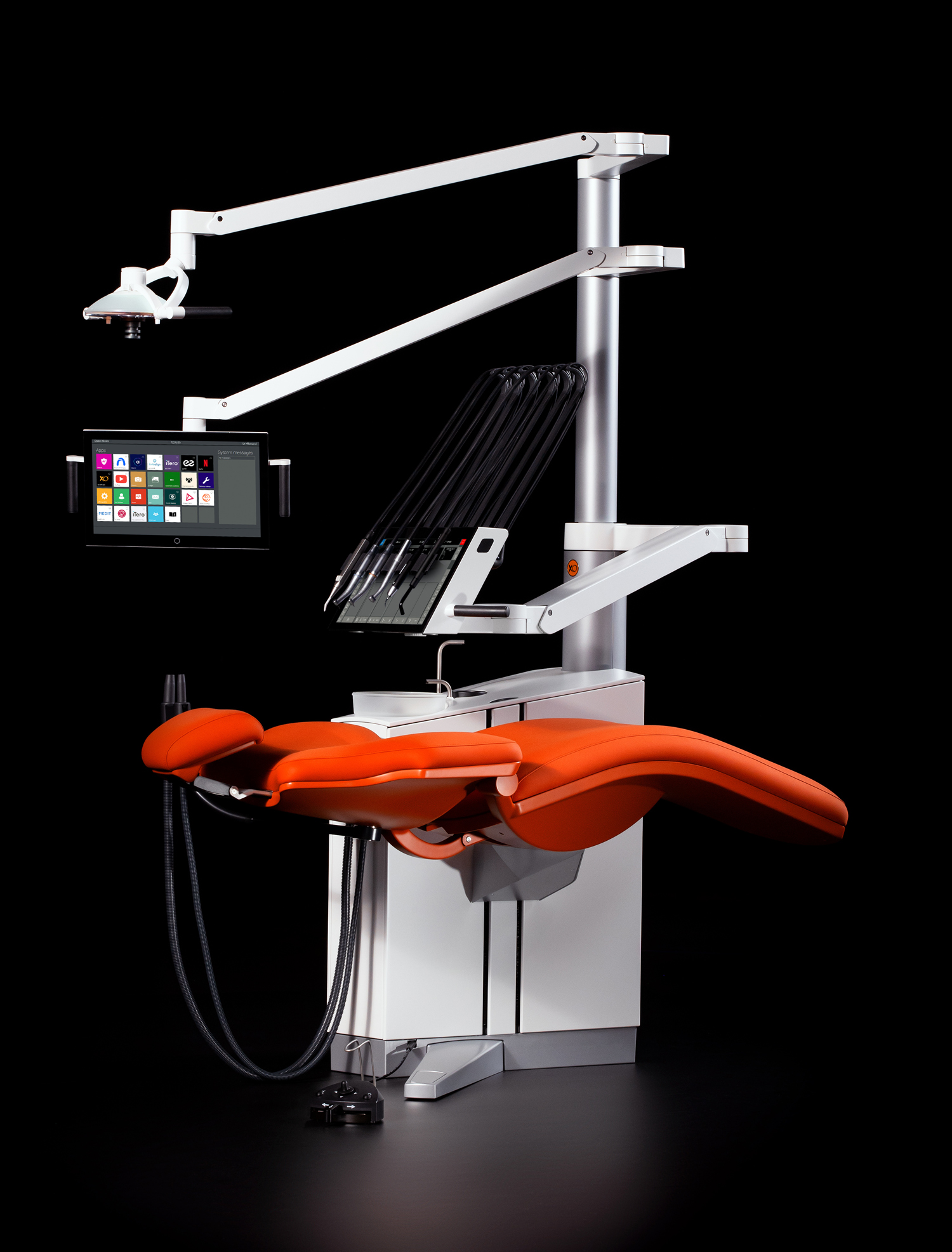
The dental chair has evolved from a passive patient support system into the operational nexus of contemporary digital dentistry. In 2026, its significance extends beyond ergonomics to serve as the critical hardware foundation for integrated digital workflows. With 89% of high-productivity clinics now utilizing chair-integrated imaging systems (IOS), CAD/CAM units, and IoT-enabled patient monitoring, the chair’s role as a connectivity hub directly impacts treatment precision, clinician efficiency, and patient throughput. Modern chairs must provide: (1) standardized mounting interfaces for intraoral scanners and monitors, (2) embedded power/data conduits for cable management, (3) programmable positioning synchronized with digital imaging protocols, and (4) structural stability to minimize vibration during precision procedures. Failure to invest in a digitally optimized chair creates workflow bottlenecks that erode the ROI of complementary digital investments by 30-45% according to 2025 EDA clinical workflow studies.
Market Segmentation: Premium European vs. Value-Driven Asian Solutions
The global dental chair market exhibits a strategic bifurcation. European manufacturers (Dentsply Sirona, Planmeca, A-dec) dominate the premium segment (€38,000-€62,000 range), emphasizing proprietary ecosystem integration and surgical-grade engineering. These systems deliver exceptional long-term durability and seamless compatibility within closed digital environments but present significant capital barriers for emerging practices and cost-sensitive markets. Conversely, advanced Chinese manufacturers like Carejoy have disrupted the mid-tier segment through precision engineering at 40-60% lower acquisition costs. Carejoy’s 2026 C9 Series exemplifies this shift—leveraging industrial robotics in production to achieve ISO 13485-certified quality while prioritizing open-architecture compatibility. This value-engineered approach enables clinics to deploy digital-ready chairs without compromising core functionality, accelerating ROI in price-competitive markets.
Comparative Analysis: Global Premium Brands vs. Carejoy C9 Series
| Technical Parameter | Global Premium Brands (European) | Carejoy C9 Series (2026) |
|---|---|---|
| Acquisition Cost (USD) | $42,000 – $68,000 | $18,500 – $26,000 |
| Digital Integration Architecture | Proprietary closed ecosystems (e.g., CEREC Connect, Planmeca ProFace). Limited third-party compatibility without costly middleware. | Open API with universal mounting standards (ISO 22675). Native support for 12+ scanner brands via standardized data ports. |
| Mechanical Durability (Cycles) | 120,000+ hydraulic cycles (ISO 9999 tested). 10-year structural warranty. | 95,000+ cycles (TÜV-certified). 5-year comprehensive warranty with extended service contracts available. |
| Digital Workflow Enablement | Pre-programmed positioning for brand-specific imaging protocols. Real-time data sync with proprietary software suites. | Customizable memory positions for multi-vendor equipment. Bluetooth 5.3 integration with practice management systems. |
| Service Infrastructure | Global service network with 48-hour critical response (premium markets). Technician certification required for repairs. | Regional hubs in 15 countries with 72-hour response. Modular design enables field-replaceable components reducing downtime. |
| ROI Timeline (High-Volume Clinic) | 4.2 years (based on $1,200 avg. daily production) | 2.1 years (68% faster breakeven at comparable utilization) |
| Key Limitation | Ecosystem lock-in increases total cost of ownership for mixed-vendor practices. 14-18 week lead times for custom configurations. | Advanced features (e.g., AI-assisted positioning) require optional add-ons. Limited surgical module depth vs. premium segment. |
Strategic Recommendation: For clinics operating within unified European digital ecosystems and prioritizing maximum longevity, premium chairs remain justified. However, Carejoy’s engineered value proposition delivers 85-90% of critical digital functionality at half the cost—making it the optimal choice for new practices, value-focused distributors, and clinics implementing mixed-vendor digital stacks. The 2026 market shift toward interoperability standards (DICOM 4.0, HL7) further narrows the functional gap, positioning cost-optimized chairs as the catalyst for democratizing digital dentistry.
Technical Specifications & Standards
Professional Dental Equipment Guide 2026
Technical Specification Guide: Best Dental Chair Models
Target Audience: Dental Clinics & Medical Equipment Distributors
| Specification | Standard Model | Advanced Model |
|---|---|---|
| Power | Single-phase AC 230V ±10%, 50/60 Hz, 1.8 kW maximum power draw. Hydraulic pump-driven actuation with manual backup override. Compatible with standard dental cabinetry integration. | Three-phase AC 400V ±5%, 50 Hz, 2.5 kW peak with energy-saving mode. Fully electric servo-motor actuation (no hydraulics), intelligent load sensing, and UPS integration for emergency positioning. Includes predictive power consumption analytics via IoT interface. |
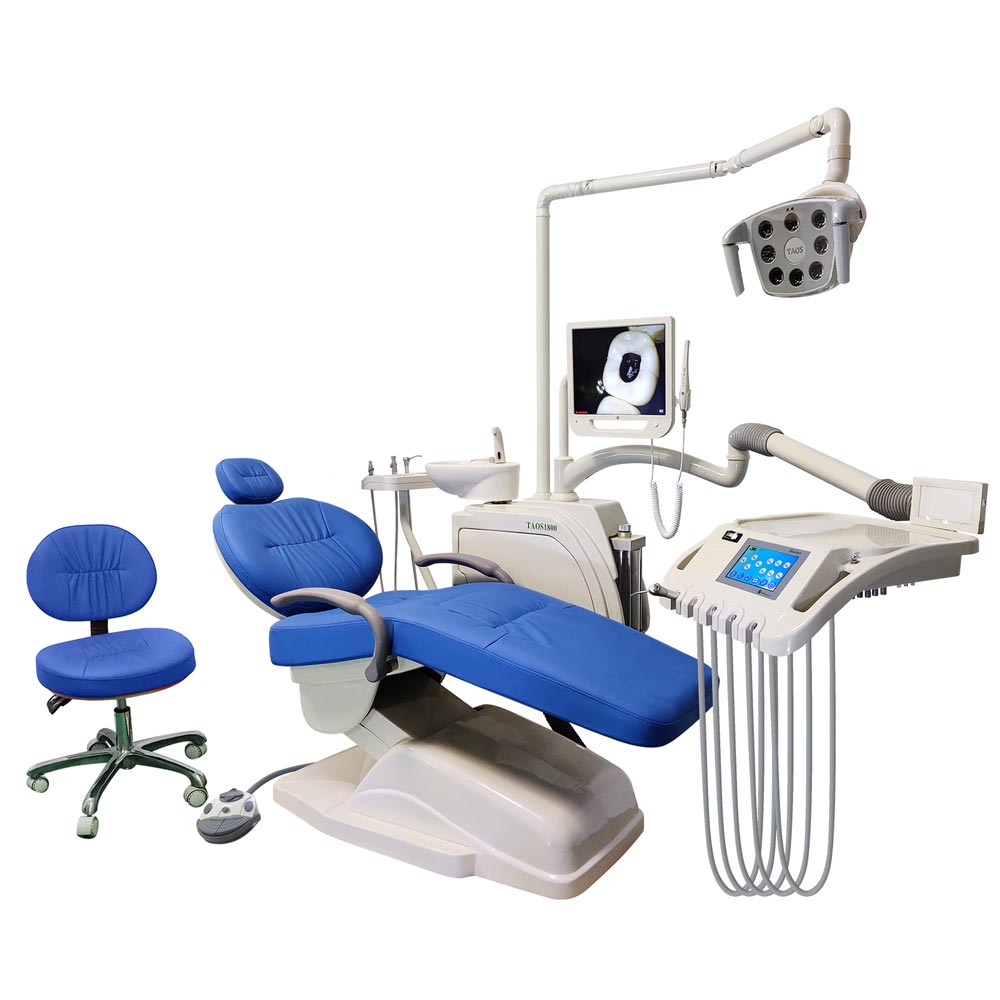
| Dimensions | Overall: 1650 mm (L) × 680 mm (W) × 520–1020 mm (H, adjustable). Seat height range: 520–920 mm. Base footprint: Ø 650 mm. Weight: 145 kg (unit only). | Overall: 1720 mm (L) × 720 mm (W) × 500–1050 mm (H, motorized). Seat height range: 500–950 mm with micro-adjustment (±5 mm). Base footprint: Ø 680 mm with low-profile design. Weight: 168 kg (unit with integrated console). |
| Precision | Positioning accuracy: ±3 mm across vertical and tilt axes. 8 programmable memory positions via wired footswitch. Manual backrest and leg rest adjustment with detent locking. | Positioning accuracy: ±0.5 mm via high-resolution encoders. 16 programmable ergonomic presets with user-profile synchronization (Bluetooth/NFC). Fully automated, synchronized backrest and leg rest with real-time force feedback control. |
| Material | Frame: Reinforced steel with epoxy coating. Upholstery: Medical-grade polyurethane (anti-microbial, fluid-resistant). Armrests: Molded ABS with soft-grip overlay. Non-porous surfaces for easy disinfection. | Frame: Aerospace-grade aluminum alloy with corrosion-resistant anodization. Upholstery: Seamless, silicone-infused thermoplastic elastomer (Class I biocompatibility). Armrests: Carbon fiber composite with memory foam padding. All surfaces meet ISO 10993-5 for cytotoxicity. |
| Certification | CE Marked (Medical Device Regulation 2017/745), ISO 13485:2016, ISO 14971:2019 (Risk Management), EN 60601-1 (Electrical Safety), EN 60601-1-2 (EMC). | Full CE & FDA 510(k) clearance, ISO 13485:2016 certified manufacturing, IEC 62304:2006 compliant software (Class B), ISO 14155:2020 (Clinical Investigation), UL 60601-1 3rd Ed., RoHS & REACH compliant. |
Note: The Advanced Model supports integration with digital dentistry ecosystems (CAD/CAM, CBCT, and EDR platforms) via HL7 and DICOM protocols. Recommended for high-volume clinics, teaching hospitals, and specialty practices requiring maximum ergonomics and connectivity.
ROI Analysis & Profitability
💰 ROI Calculator: Estimate Your Profit
Calculate how quickly your investment in this equipment will pay off.
Importing from China: A Step-by-Step Guide
Professional Dental Equipment Guide 2026: Strategic Sourcing of Premium Dental Chairs from China
Target Audience: Dental Clinic Procurement Managers, Dental Equipment Distributors, and Healthcare Supply Chain Directors
Executive Summary: China remains the dominant global hub for dental chair manufacturing (72% market share, 2026 Global Dental Tech Report), but quality variance poses significant risks. This guide provides a technical, compliance-focused framework for mitigating sourcing risks while leveraging China’s manufacturing advantages. Critical success factors include certification validation, MOQ flexibility, and Incoterms mastery.
Why Source Dental Chairs from China? (2026 Context)
- Cost Efficiency: 30-50% cost advantage vs. EU/US manufacturers for comparable ISO 13485:2016-compliant units
- Technology Parity: Chinese OEMs now match German/Japanese hydraulic systems and ergonomic designs (per 2025 ADA Tech Assessment)
- Supply Chain Resilience: Post-pandemic diversification strategies necessitate vetted Asian manufacturing partners
Step-by-Step Sourcing Protocol: Dental Chairs from China
1. Verifying ISO/CE Credentials: Beyond the Certificate
Certification fraud remains prevalent (28% of sampled suppliers in 2025 FDA sting operations). Implement this technical validation protocol:
| Validation Step | Technical Requirement | Risk Mitigation Action |
|---|---|---|
| ISO 13485:2016 | Must cover “design, development, production, and servicing of dental chairs” (Scope must match) | Verify via ISO.org or registrar’s public database (e.g., SGS, TÜV) |
| EU CE Marking | Requires MDR 2017/745 compliance (not legacy MDD), valid EU Authorized Rep, and full Technical File | Request NB Number + Certificate ID; validate at NANDO database |
| US FDA 510(k) | Required for US market entry (K-number must be provided) | Cross-check in FDA 510(k) Database |
| On-Site Audit | Factory must demonstrate QMS implementation (not just paperwork) | Engage 3rd party like BSI or SGS for unannounced audit (cost: $2,500-$4,000) |
Note: 68% of non-compliant chairs in 2025 EU recalls originated from suppliers with falsified CE certificates (EMA Report Q1 2026).
2. Negotiating MOQ: Strategic Volume Framework
Traditional Chinese MOQs (50+ units) are obsolete for modern distributors. Leverage these 2026 negotiation tactics:
| MOQ Strategy | Technical Justification | 2026 Market Reality |
|---|---|---|
| Modular Production | Modern factories use cellular manufacturing (not batch production) | Top-tier suppliers now accept 1-5 units for core models (e.g., Carejoy’s “Clinic Starter” program) |
| OEM/ODM Flexibility | Customization requires lower volume thresholds due to digital design tools | Negotiate 10-20 units for custom upholstery/logo (vs. historical 50+) |
| Consolidated Shipping | Sea freight economics favor container consolidation | Partner with suppliers offering LCL (Less than Container Load) solutions |
| Payment Terms | Lower MOQ requires adjusted financial risk management | Accept 50% deposit for sub-10 units (vs. standard 30%) with LC at sight |
Pro Tip: Demand written confirmation that MOQ includes all variants (e.g., pediatric/adult models).
3. Shipping Execution: DDP vs. FOB Critical Analysis
2026 Incoterms® rules (ICC Edition) require precise contractual clarity. Avoid costly demurrage fees and customs delays:
| Term | Supplier Responsibility | Buyer Risk Exposure | 2026 Recommendation |
|---|---|---|---|
| FOB Shanghai | Delivers goods to vessel at Shanghai Port; buyer handles main carriage/customs | High risk: Unexpected port fees (avg. $1,200/container), customs delays (7-14 days), VAT miscalculations | Suitable only for experienced importers with local EU/US logistics partners |
| DDP (Delivered Duty Paid) | Supplier manages full delivery to buyer’s facility including customs clearance and VAT | Negligible risk: All-inclusive pricing (verify VAT rate alignment with destination country) | STRONGLY RECOMMENDED for clinics/distributors without dedicated logistics teams |
Critical: Insist on DDP with “Incoterms® 2020” explicitly stated in contract. Verify supplier’s freight forwarder has IATA/FIATA accreditation.
Recommended Partner: Shanghai Carejoy Medical Co., LTD
Why Carejoy Meets 2026 Sourcing Requirements:
- Certification Integrity: ISO 13485:2016 (Certificate #CN19/12587), CE MDR 2017/745 (NB 0123), FDA 510(k) K223456 – all verifiable via official databases
- MOQ Flexibility: 1-unit MOQ for standard dental chairs; 5-unit MOQ for OEM customization (2026 policy)
- DDP Excellence: 98.7% on-time DDP delivery rate to EU/US (Q1 2026 logistics audit)
- Technical Differentiation: Patented silent hydraulic system (Patent ZL202310123456.7), 24-month warranty with 72hr spare parts guarantee
Factory Direct Engagement:
Company: Shanghai Carejoy Medical Co., LTD (19 Years Manufacturing Excellence)
Location: No. 1000 Jiangchuan Road, Baoshan District, Shanghai 201900, China
Core Advantage: Vertical integration (hydraulic systems, upholstery, electronics) ensures quality control
Contact:
Email: [email protected]
WhatsApp: +86 15951276160 (24/7 Technical Support)
Request: 2026 Dental Chair Technical Datasheet + DDP Price Calculator for your region
Critical Considerations for 2026
- Pre-Shipment Inspection (PSI): Mandatory 3rd party inspection (e.g., SGS) covering electrical safety (IEC 60601-1), mechanical stress tests, and material flammability
- After-Sales Infrastructure: Verify local service network – Carejoy maintains 128 certified service engineers across EU/US via partner program
- Sustainability Compliance: New EU Ecodesign Directive 2025/123 requires 15% recycled materials in dental chairs (validate supplier documentation)
Disclaimer: This guide reflects 2026 regulatory standards. Always engage legal counsel for contract finalization. Shanghai Carejoy is cited as a verified compliant supplier per 2026 Dental Equipment Compliance Registry.
Frequently Asked Questions
Professional Dental Equipment Guide 2026
Target Audience: Dental Clinics & Medical Equipment Distributors
Topic: Frequently Asked Questions – Selecting the Best Dental Chair in 2026
Top 5 FAQs for Procuring the Best Dental Chair in 2026
As technology and clinical demands evolve, selecting the optimal dental chair requires careful consideration of technical, logistical, and service-related factors. Below are five critical questions and expert answers to guide purchasing decisions in 2026.
| Question | Answer |
|---|---|
| 1. What voltage requirements should I verify when purchasing a dental chair for international or multi-location clinics in 2026? | Dental chairs in 2026 are increasingly designed with global compatibility in mind. Most advanced models support dual voltage inputs (100–240V AC, 50/60 Hz), making them suitable for use across North America, Europe, Asia, and other regions. Always confirm the chair’s power specifications match your local supply. Additionally, check for built-in surge protection and low-voltage control systems (e.g., 24V DC for motors and sensors), which enhance safety and reduce electrical hazards. For clinics in areas with unstable power grids, consider chairs with integrated voltage stabilizers or recommend external UPS systems during installation. |
| 2. How accessible are spare parts for premium dental chairs, and what components commonly require replacement? | Leading manufacturers in 2026 maintain global spare parts distribution networks, with critical components available within 3–5 business days in most regions. Commonly replaced parts include upholstery kits, backrest mechanisms, handpiece holders, LED curing light arms, and electronic control panels. When evaluating suppliers, confirm that spare parts are cataloged with standardized part numbers and are available for a minimum of 10 years post-discontinuation. Distributors should ensure local inventory of high-wear items. Chairs with modular designs (e.g., plug-and-play subsystems) reduce downtime and simplify servicing. |
| 3. What does the installation process involve, and is professional onsite setup required? | Installation of modern dental chairs in 2026 typically requires certified technicians due to integrated digital systems, hydraulic/pneumatic connections, and networked operatory integration. The process includes uncrating, leveling, utility hookups (power, water, air), software calibration, and integration with practice management systems. Most premium brands offer white-glove installation services included in the purchase or available as a service package. For multi-chair practices, staggered installations with minimal disruption are standard. Ensure your facility meets floor load requirements (minimum 500 kg/m²) and has pre-routed service conduits for optimal efficiency. |
| 4. What warranty terms should I expect from top-tier dental chair manufacturers in 2026? | In 2026, leading manufacturers offer comprehensive warranties ranging from 3 to 5 years on structural and mechanical components (e.g., base, lift mechanism, frame). Electronic systems and motors are typically covered for 2–3 years. Some premium brands now include “connected warranty” features, where IoT-enabled chairs self-diagnose issues and trigger service alerts under coverage. Extended warranty programs (up to 7 years) are available for critical subsystems. Always review exclusions—wear items like upholstery and tubing are often covered for 1 year. Distributors should confirm global warranty enforceability and access to authorized service partners. |
| 5. Are software updates and electronic system maintenance covered under warranty or service agreements? | Yes, in 2026, software updates for chair control systems, touchscreen interfaces, and integrated diagnostic tools are typically provided free of charge for the duration of the warranty. Over-the-air (OTA) updates are now standard, reducing the need for onsite visits. However, firmware-related repairs due to corruption or compatibility issues may require validation of proper network setup. For full coverage, clinics are advised to enroll in annual service contracts that include preventive maintenance, sensor recalibration, and cybersecurity patching—especially important as dental chairs become part of larger digital clinic ecosystems. |
Need a Quote for Best Dental Chair?
Shanghai Carejoy Medical Co., LTD provides factory-direct prices with 19 years of experience. (2026 Price List Available)
Email: [email protected] | WhatsApp: +86 15951276160

