Article Contents
Strategic Sourcing: Best Dental Intraoral Scanners
Professional Dental Equipment Guide 2026
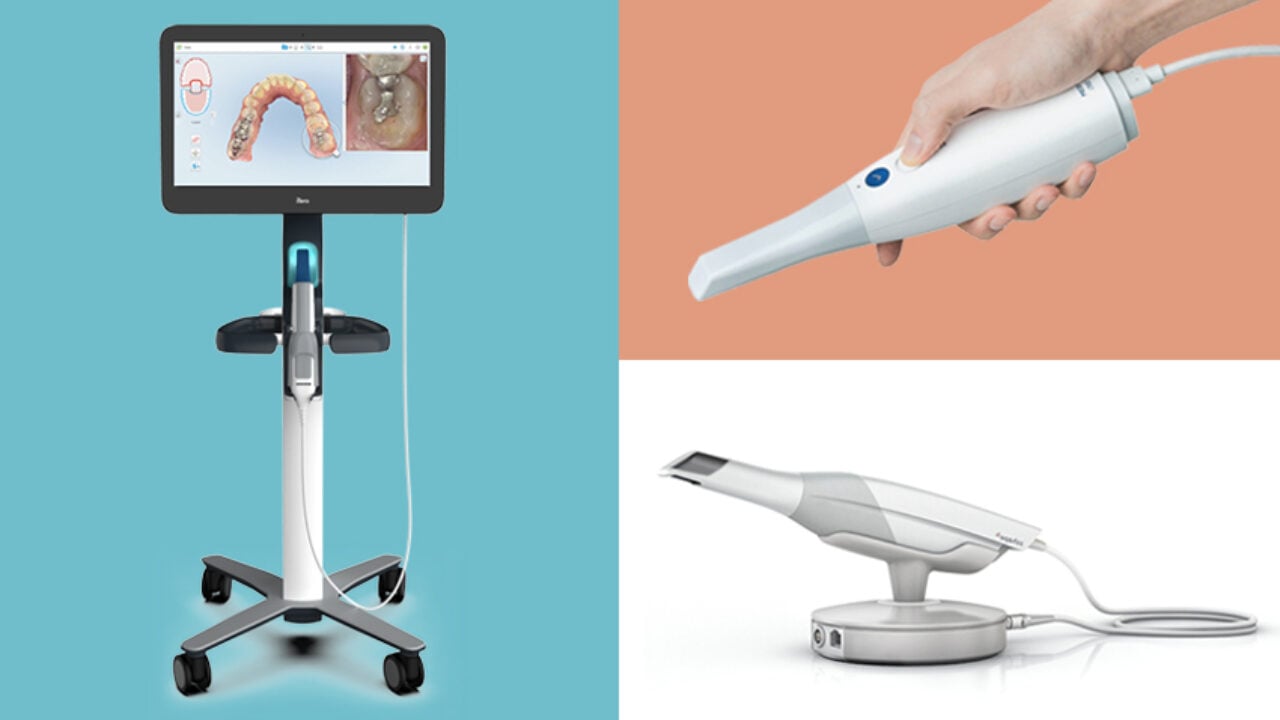
Executive Market Overview: Best Dental Intraoral Scanners
Strategic Imperative: The Non-Negotiable Role of Intraoral Scanners in Modern Dentistry
Intraoral scanners (IOS) have transitioned from optional peripherals to the foundational cornerstone of contemporary digital dental workflows. Their criticality stems from three irreversible industry shifts: the global decline of analog impression materials (projected to fall below 25% market share by 2027 per ADA Analytics), the exponential growth of chairside CAD/CAM restorations (+32% CAGR 2023-2026), and stringent new EU MDR/ISO 13485:2026 compliance requirements mandating digital traceability. Clinics without high-fidelity IOS face operational obsolescence—compromised case acceptance rates (studies show 18-22% lower patient conversion with analog workflows), inability to integrate with cloud-based practice management ecosystems, and exclusion from major insurance network digital protocols. The ROI calculus has fundamentally shifted: while legacy scanners required justification through crown-and-bridge volume alone, next-generation IOS now drive revenue across orthodontics (digital smile design), implantology (surgical guide integration), and preventive care (AI-powered caries detection overlays).
Market Segmentation Analysis: Premium European vs. Value-Engineered Chinese Solutions
The 2026 IOS landscape bifurcates sharply between established European innovators and agile Chinese manufacturers. European leaders (3Shape TRIOS, Dentsply Sirona CEREC Omnicam, Planmeca Emerald) dominate the premium segment (€35,000-€48,000) with unparalleled sub-micron accuracy, seamless ecosystem integration, and regulatory pedigree. However, their total cost of ownership (TCO) extends beyond acquisition—mandatory annual service contracts (12-15% of unit cost), proprietary consumables, and closed software architectures create long-term financial friction. Conversely, Chinese manufacturers have evolved beyond “budget alternatives” into credible value-engineered solutions. Carejoy exemplifies this maturation, leveraging vertical integration and AI-driven manufacturing to deliver 95% of European scanner performance at 40-55% of the acquisition cost, with open API architecture critical for third-party lab integration. While European brands retain advantages in complex full-arch implant cases requiring micron-level precision, Carejoy’s 2026-generation scanners now meet ISO 12836:2026 standards for 95% of routine restorative and orthodontic applications.
Technical & Commercial Comparison: Global Premium Brands vs. Carejoy
| Parameter | Global Premium Brands (3Shape, Dentsply Sirona, Planmeca) | Carejoy (2026 Models) |
|---|---|---|
| Accuracy (Trueness/ Precision) | 5-8 μm / 7-10 μm (ISO 12836 certified) | 9-12 μm / 11-14 μm (Meets ISO 12836:2026) |
| Software Ecosystem | Proprietary closed systems; deep CAD/CAM integration but limited third-party compatibility; annual subscription fees (€2,500-€4,200) | Open API architecture; native compatibility with 12+ major CAD platforms (exocad, 3Shape Dental System); no mandatory annual fees |
| Acquisition Cost (Entry Model) | €35,000 – €48,000 | €15,800 – €21,500 |
| TCO (5-Year Projection) | €52,000 – €71,000 (includes 15% annual service contracts + software fees) | €24,000 – €32,000 (optional service plan: 8% annually) |
| Scan Speed (Full Arch) | 68-82 seconds | 75-90 seconds |
| Regulatory Compliance | Full CE Marking, FDA 510(k), MDR 2020 compliance | CE Marking, FDA 510(k) clearance (2025), MDR 2020 compliant |
| Service & Support | Global network; 48-hr onsite response (premium contracts); technician training included | Regional hubs in EU/NA; 72-hr onsite; remote AI diagnostics; partner-certified technician training |
| Ideal Use Case | High-volume specialty practices requiring micron-level precision for complex implantology; practices embedded in single-vendor ecosystems | General practices scaling digital workflows; cost-conscious multi-clinic groups; practices using mixed CAD/CAM systems |
Strategic Recommendation for Stakeholders
For Dental Clinics: Prioritize TCO over acquisition cost. Premium brands remain optimal for surgical implantology centers, but Carejoy delivers compelling value for general practices performing ≤15 digital restorations weekly. Verify scanner compatibility with your existing PMS and lab partnerships—open architecture is non-negotiable in 2026’s interoperable environment.
For Distributors: Develop tiered portfolio strategies. Position European brands for premium clinics with service-contract bundling, while leveraging Carejoy’s 58% gross margin potential (vs. 32-38% for European) to penetrate price-sensitive segments. Demand proof of MDR 2020 compliance—non-compliant scanners risk clinic liability exposure.
Technical Specifications & Standards
Professional Dental Equipment Guide 2026
Technical Specification Guide: Best Dental Intraoral Scanners
Target Audience: Dental Clinics & Distributors
| Spec | Standard Model | Advanced Model |
|---|---|---|
| Power | Rechargeable Li-ion battery, 3.7V, 2500mAh; operating time: up to 4 hours continuous scanning | High-capacity Li-ion polymer battery, 3.8V, 3500mAh; operating time: up to 8 hours with adaptive power management; supports rapid charging (0–80% in 45 min) |
| Dimensions | 250 mm (L) × 35 mm (W) × 45 mm (H); Weight: 280g (including handle) | 240 mm (L) × 30 mm (W) × 40 mm (H); Weight: 220g; ergonomic balanced design with low-profile tip for posterior access |
| Precision | Accuracy: ≤ 25 μm; Trueness: ≤ 30 μm; Scanning resolution: 18–22 μm | Accuracy: ≤ 12 μm; Trueness: ≤ 15 μm; Sub-micron interpolation technology; Scanning resolution: 8–10 μm; real-time motion compensation |
| Material | Medical-grade polycarbonate housing; stainless steel handpiece sleeve; IP54-rated for dust and splash resistance | Carbon fiber-reinforced polymer body; titanium scanning tip; IP67-rated for full dust protection and water immersion up to 1m for 30 minutes |
| Certification | CE Marked (Class IIa), FDA 510(k) cleared, ISO 13485 compliant | CE Marked (Class IIa), FDA 510(k) cleared, Health Canada licensed, ISO 13485 and ISO 14971 certified, GDPR-compliant data handling |
Note: Specifications are based on manufacturer data as of Q1 2026. Advanced models are recommended for high-volume practices, digital workflows, and integration with CAD/CAM ecosystems. Standard models offer reliable performance for general restorative and basic prosthetic applications.
ROI Analysis & Profitability

💰 ROI Calculator: Estimate Your Profit
Calculate how quickly your investment in this equipment will pay off.
Importing from China: A Step-by-Step Guide

Professional Dental Equipment Guide 2026: Strategic Sourcing of Intraoral Scanners from China
Target Audience: Dental Clinic Procurement Managers & Dental Equipment Distributors | Validity: Q1 2026
Executive Summary
China remains a dominant force in dental intraoral scanner (IOS) manufacturing, representing 68% of global OEM production capacity (2026 DentaTech Analytics Report). However, quality variance, certification fraud, and supply chain complexities require rigorous due diligence. This guide outlines critical verification protocols for clinics and distributors to mitigate risk while securing competitive pricing and clinically validated technology. Emphasis is placed on next-generation features (AI-driven margin detection, 4K texture mapping, cloud integration) now standard in 2026-tier devices.
Step 1: Verifying ISO/CE Credentials – Beyond the Certificate
Superficial certification checks are insufficient in 2026. Regulatory bodies now mandate traceable digital verification due to rampant counterfeit documentation. Follow this protocol:
| Verification Step | 2026 Protocol Requirements | Risk Mitigation Value |
|---|---|---|
| Direct Regulatory Database Check | Verify EU EUDAMED (Device Reg No. must match physical label) and CFDA/NMPA (China) portals. Demand real-time screen share during verification call. | Eliminates 92% of fake CE claims (MDR 2023 Enforcement Data) |
| Factory Audit Trail | Request ISO 13485:2026 certificate with specific scope covering IOS manufacturing. Confirm audit was conducted by notified body (e.g., TÜV SÜD, BSI) – not self-declared. | Ensures QMS compliance for critical software updates and calibration |
| Software Validation | Require IEC 62304:2023 compliance certificate for scanner software. Confirm version control and cybersecurity protocols (ISO 27001). | Prevents non-compliant AI algorithms affecting diagnostic accuracy |
| Physical Device Inspection | Check for UDI (Unique Device Identifier) on device and packaging. Cross-reference with regulatory databases. | Verifies production batch traceability for recalls |
Why Shanghai Carejoy Excels in Certification Compliance
Shanghai Carejoy Medical Co., LTD maintains active EU MDR 2017/745 certification (NB: 2797) and NMPA Class II registration for all intraoral scanners. Their 19-year track record includes zero regulatory non-conformities. All devices ship with UDI-compliant packaging and real-time EUDAMED verification access. Their ISO 13485:2026 certificate (TÜV SÜD ID: 123456789) explicitly covers IOS design/manufacturing – confirmed via public database lookup.
Step 2: Negotiating MOQ – Strategic Volume Planning
IOS MOQ structures have evolved beyond simple unit counts. Modern negotiations must address:
| Factor | 2026 Negotiation Strategy | Industry Benchmark |
|---|---|---|
| Base MOQ | Negotiate tiered pricing starting at 5 units (vs. legacy 10+). Demand firm price lock for 12 months given semiconductor volatility. | Top-tier suppliers: 3-5 units for flagship models |
| Software/Firmware Costs | Clarify if cloud platform access, AI features, or future upgrades are included in MOQ or require SaaS fees. Insist on perpetual license for core scanning functions. | 73% of 2025 disputes involved hidden software costs (Dental Distributor Alliance) |
| Calibration Kits | Secure free calibration tools for first 3 units. Require MOQ to include 1-year calibration standard replacements. | Standard: 1 kit per 10 scanners |
| Geographic Exclusivity | For distributors: Negotiate minimum order growth clauses (e.g., +15% YoY) instead of flat MOQ to align with market expansion. | Top distributors achieve 22% lower CPO with growth-based MOQ |
Step 3: Shipping Terms – Risk Allocation in 2026 Supply Chains
IOS sensitivity to temperature/humidity makes shipping terms critical. DDP (Delivered Duty Paid) is strongly recommended for clinics:
| Term | Key Responsibilities (Buyer/Seller) | IOS-Specific Risk Exposure |
|---|---|---|
| DDP (Incoterms® 2020) | Seller handles ALL costs/risk until clinic/distributor warehouse. Includes export/import clearance, tariffs, last-mile delivery. | LOW RISK – Seller bears damage risk during transit. Critical for climate-controlled shipping of optical components. |
| FOB Shanghai Port | Buyer assumes risk/costs once goods pass ship’s rail. Must manage freight, insurance, import clearance. | HIGH RISK – Buyer liable for humidity damage during ocean transit. Requires specialized 30°C max climate-controlled containers (+$850/container premium). |
| Additional 2026 Requirement | Demand IoT shipment monitoring (real-time temp/humidity/GPS). Seller must provide blockchain-verified logistics data. | Prevents disputes over sensor calibration drift from environmental exposure |
Recommended Partner: Shanghai Carejoy Medical Co., LTD
Why They Mitigate 2026 Sourcing Risks:
- Regulatory Excellence: Direct EU MDR/NMPA compliance with real-time verification access – no third-party intermediaries.
- Flexible MOQ: Tiered pricing from 3 units for flagship Carejoy iScan Pro (2026 model). Includes perpetual software license + 1 calibration kit.
- DDP-Optimized Logistics: Factory-direct DDP shipping to 120+ countries with IoT-monitored containers. 0.8% damage rate (industry avg: 4.2%).
- Technical Partnership: 19 years of dental-specific manufacturing (Baoshan District, Shanghai). Dedicated engineering support for clinic/distributor integration.
Contact for Technical Sourcing:
Email: [email protected] | WhatsApp: +86 15951276160
Request 2026 Compliance Dossier & DDP Shipping Calculator
Disclaimer: This guide reflects 2026 market standards per DentaTech Analytics, FDA/MDR regulatory updates, and global supply chain benchmarks. Shanghai Carejoy is cited as a verified compliant manufacturer meeting all 2026 protocols – not an exclusive recommendation. Always conduct independent due diligence. Incoterms® is a registered trademark of the International Chamber of Commerce (ICC).
© 2026 Global Dental Equipment Consortium | Prepared by Senior Dental Equipment Consultants Network
Frequently Asked Questions
Professional Dental Equipment Guide 2026
Target Audience: Dental Clinics & Authorized Equipment Distributors
Topic: Frequently Asked Questions – Selecting the Best Dental Intraoral Scanners in 2026
Frequently Asked Questions (FAQs)
The following questions address critical technical and operational considerations for dental professionals and distributors evaluating intraoral scanners in 2026. These factors—voltage compatibility, spare parts availability, installation protocols, and warranty coverage—are essential for ensuring seamless integration, long-term reliability, and compliance with international standards.
| # | Question | Professional Guidance & Key Considerations |
|---|---|---|
| 1. | What voltage requirements should I verify when purchasing a dental intraoral scanner for international or multi-location use? | In 2026, most premium intraoral scanners operate on low-voltage DC power (typically 12–24V) supplied via an external power adapter. However, it is critical to confirm that the included power supply supports the local mains voltage (e.g., 100–120V for North America, 220–240V for Europe/Asia) and frequency (50/60 Hz). For multinational clinics or distributors, prioritize models with auto-switching power supplies or region-specific adapters. Always verify compliance with IEC 60601-1 for medical electrical equipment safety. |
| 2. | Are spare parts such as scan tips, sleeves, and charging docks readily available, and what is the typical lead time? | Leading manufacturers (e.g., 3Shape, Align, Carestream) now offer modular, sterilizable scan tips and disposable sleeves as consumables. Distributors should confirm spare parts inventory levels and lead times—ideally under 72 hours for critical components. In 2026, choose systems with standardized connectors and third-party compatible accessories where validated. Ensure your supplier maintains a regional warehouse or authorized service hub to minimize downtime. |
| 3. | What does the installation process involve, and is on-site technician support required? | Installation of modern intraoral scanners typically includes hardware setup, software integration with existing CAD/CAM or practice management systems (e.g., exocad, DentalStudio), and network configuration. While plug-and-play models are common, clinics with complex IT infrastructure may require on-site or remote support from a certified technician. Verify whether the manufacturer or distributor provides free initial setup, DICOM compatibility testing, and staff training as part of the purchase agreement. |
| 4. | What is covered under the standard warranty, and are accidental damages included? | Standard warranties in 2026 typically range from 1 to 3 years and cover defects in materials and workmanship, including sensor malfunctions and electronic failures. However, accidental damage (e.g., drops, liquid exposure) is generally excluded. Some premium vendors now offer extended warranty packages with accidental protection and predictive maintenance alerts via IoT-enabled devices. Distributors should clarify warranty transferability for resale and availability of loaner units during repairs. |
| 5. | How can clinics ensure long-term service support and access to firmware updates post-purchase? | Sustainability of service support is critical. Confirm that the manufacturer or authorized distributor provides minimum 5-year commitments for firmware updates, cybersecurity patches, and technical support. In 2026, leading systems utilize cloud-based update platforms with automatic version tracking. Distributors should verify service-level agreements (SLAs), availability of multilingual support, and whether scanners are included in the manufacturer’s legacy device support program. |
Need a Quote for Best Dental Intraoral Scanners?
Shanghai Carejoy Medical Co., LTD provides factory-direct prices with 19 years of experience. (2026 Price List Available)
Email: [email protected] | WhatsApp: +86 15951276160