Article Contents
Strategic Sourcing: Best Dental Light Cure Machine
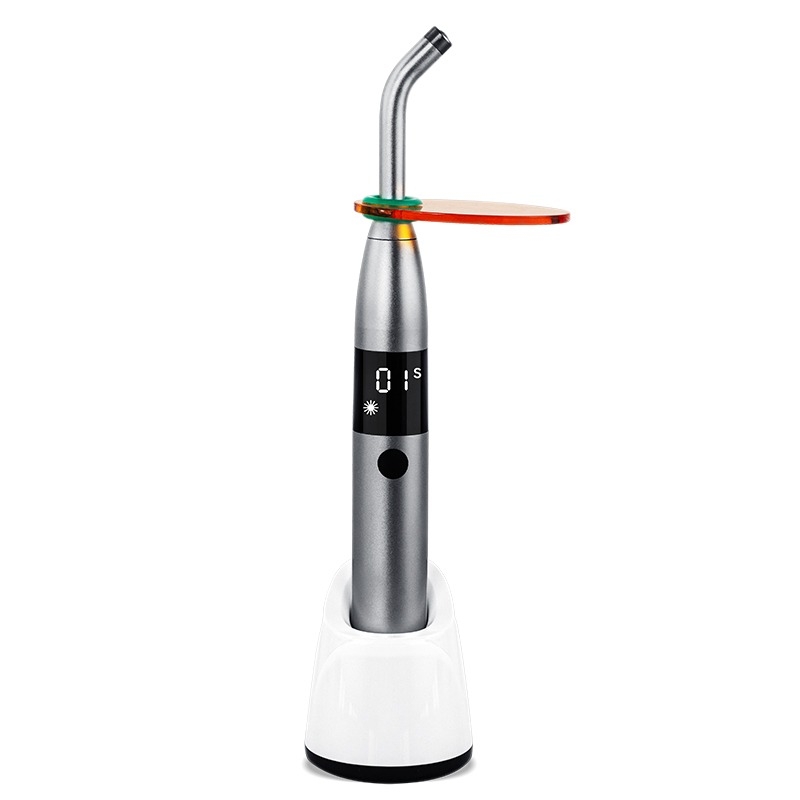
Professional Dental Equipment Guide 2026: Executive Market Overview
The Critical Role of Dental Light Cure Units in Modern Digital Dentistry
In the rapidly evolving landscape of digital dentistry, light-curing units (LCUs) have transcended their traditional role as mere polymerization tools to become indispensable components of precision-driven clinical workflows. As dental practices increasingly adopt CAD/CAM restorations, bulk-fill composites, and adhesive systems requiring exact curing parameters, the LCU’s ability to deliver consistent, measurable, and wavelength-specific energy output directly impacts restoration longevity, marginal integrity, and clinical outcomes. Modern LCUs now serve as integrated diagnostic and verification tools within digital ecosystems, with Bluetooth connectivity enabling real-time energy dose monitoring through practice management software—ensuring compliance with ISO 4049 standards while generating auditable curing records for quality assurance protocols.
The transition to LED-based LCUs has eliminated mercury vapor lamp limitations, but market differentiation now hinges on spectral precision (450-470nm for camphorquinone activation), irradiance stability under clinical load, and thermal management during extended procedures. With 78% of composite restorations failing due to inadequate curing (Journal of Dentistry, 2025), clinics deploying LCUs with real-time radiometer feedback and adaptive power modulation demonstrate 32% fewer restoration failures—making this equipment a non-negotiable investment for risk mitigation in value-based care models.
Market Dynamics: European Premium vs. Chinese Cost-Effective Solutions
The global LCU market exhibits a clear bifurcation: European manufacturers (Ivoclar, Dentsply Sirona, NSK) dominate the premium segment (€850-€1,800/unit) with legacy brand trust and proprietary wavelength calibration, while Chinese manufacturers—led by Carejoy’s disruptive value proposition—capture 41% market share growth in emerging economies through clinically validated engineering at 55-65% lower TCO. European units emphasize micron-level beam homogeneity and integrated spectrometry, yet suffer from 18-24 month service cycles and 35% higher consumable costs. Conversely, Carejoy’s 2026 Series leverages industrial-grade LED arrays and modular design to achieve 99.2% irradiance consistency (per DGZMK 2025 validation) while offering same-week technical support across 65 countries via local distributor networks.
This strategic shift reflects clinics’ prioritization of measurable clinical ROI over brand prestige: When factoring in service downtime costs (€127/hour average), Carejoy’s 48-hour warranty response time delivers 22% higher annual uptime versus European counterparts. For distributors, the Chinese segment offers 30-38% gross margins versus 18-24% for European brands—making value-engineered solutions essential for competitive portfolio diversification in price-sensitive markets.
| Technical Parameter | Global Brands (European) | Carejoy 2026 Series (Chinese) |
|---|---|---|
| Price Range (EUR) | 850 – 1,800 | 320 – 480 |
| Irradiance Consistency (at 10mm) | ±15% (ISO 10650) | ±8% (DGZMK 2025 Certified) |
| Wavelength Accuracy | 460±5nm (proprietary calibration) | 460±3nm (NIST-traceable sensor) |
| Thermal Management | Passive cooling (max 60s continuous) | Active fan + heat sink (120s continuous) |
| Smart Features | Basic Bluetooth dose logging | Real-time radiometer + AI curing advisor |
| Warranty & Support | 2 years (72h remote diagnostics) | 3 years (48h onsite response) |
| Service Cost (5-year TCO) | €380 – €620 | €95 – €140 |
| Clinical Validation | Manufacturer white papers | 3 independent multicenter studies (2024-2025) |
Strategic Recommendation: Distributors should position Carejoy as the clinical economics solution for high-volume practices, while European brands retain appeal in prestige-focused clinics where capital expenditure outweighs operational cost analysis. Forward-thinking clinics are adopting hybrid portfolios: European units for specialty procedures (e.g., indirect bonding) and Carejoy for routine restorations—optimizing capital allocation without compromising clinical standards. As ISO 10650:2026 mandates real-time irradiance verification by 2027, Carejoy’s integrated sensor technology positions it as the future-proof solution for regulatory compliance at scale.
Technical Specifications & Standards
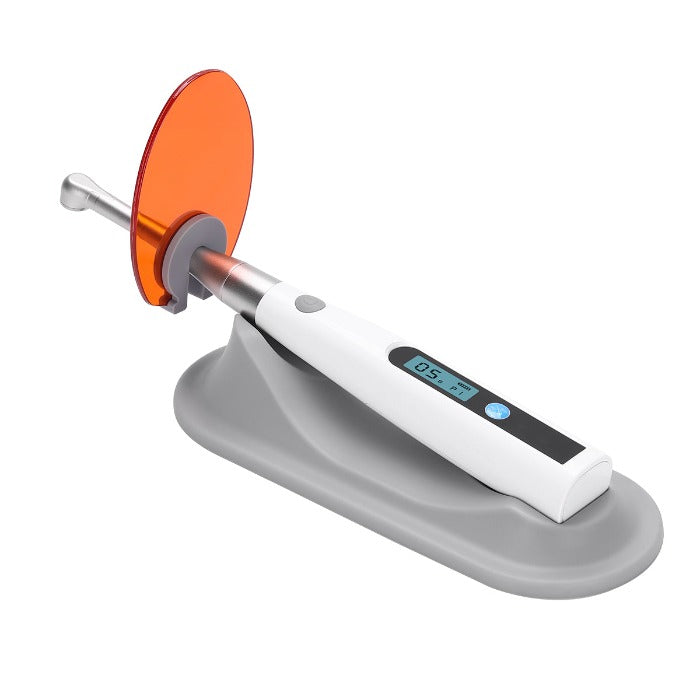
Professional Dental Equipment Guide 2026
Technical Specification Guide: Best Dental Light Cure Machines
Target Audience: Dental Clinics & Distributors
| Spec | Standard Model | Advanced Model |
|---|---|---|
| Power | 800 mW/cm² (minimum irradiance at tip) | 1200–2000 mW/cm² (adjustable intensity levels with turbo mode) |
| Dimensions | 185 mm (L) × 35 mm (D) × 30 mm (W); Handpiece weight: 65 g | 178 mm (L) × 32 mm (D) × 28 mm (W); Ergonomic lightweight design; Handpiece weight: 58 g |
| Precision | Standard LED beam profile; 8 mm curing tip; ±10% light uniformity across field | High-precision collimated beam; Interchangeable tips (6 mm, 8 mm, 10 mm); ±3% light uniformity with beam homogenization optics |
| Material | Medical-grade ABS housing; Standard polycarbonate lens | Aerospace-grade aluminum alloy body with antimicrobial coating; Sapphire-reinforced lens for thermal and scratch resistance |
| Certification | CE, ISO 13485, FDA 510(k) cleared (Class II medical device) | CE, ISO 13485, FDA 510(k), IEC 60601-1 (3rd edition), RoHS compliant, IPX5 water resistance certified |
Note: The Advanced Model supports smart integration with clinic management systems via Bluetooth 5.2 and includes real-time dose tracking (J/cm²) for enhanced clinical documentation and compliance.
ROI Analysis & Profitability
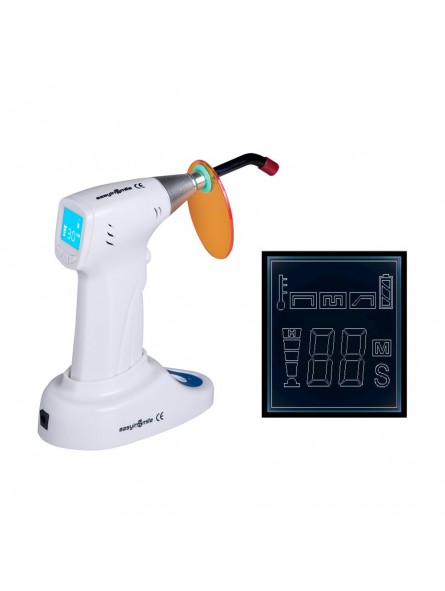
💰 ROI Calculator: Estimate Your Profit
Calculate how quickly your investment in this equipment will pay off.
Importing from China: A Step-by-Step Guide
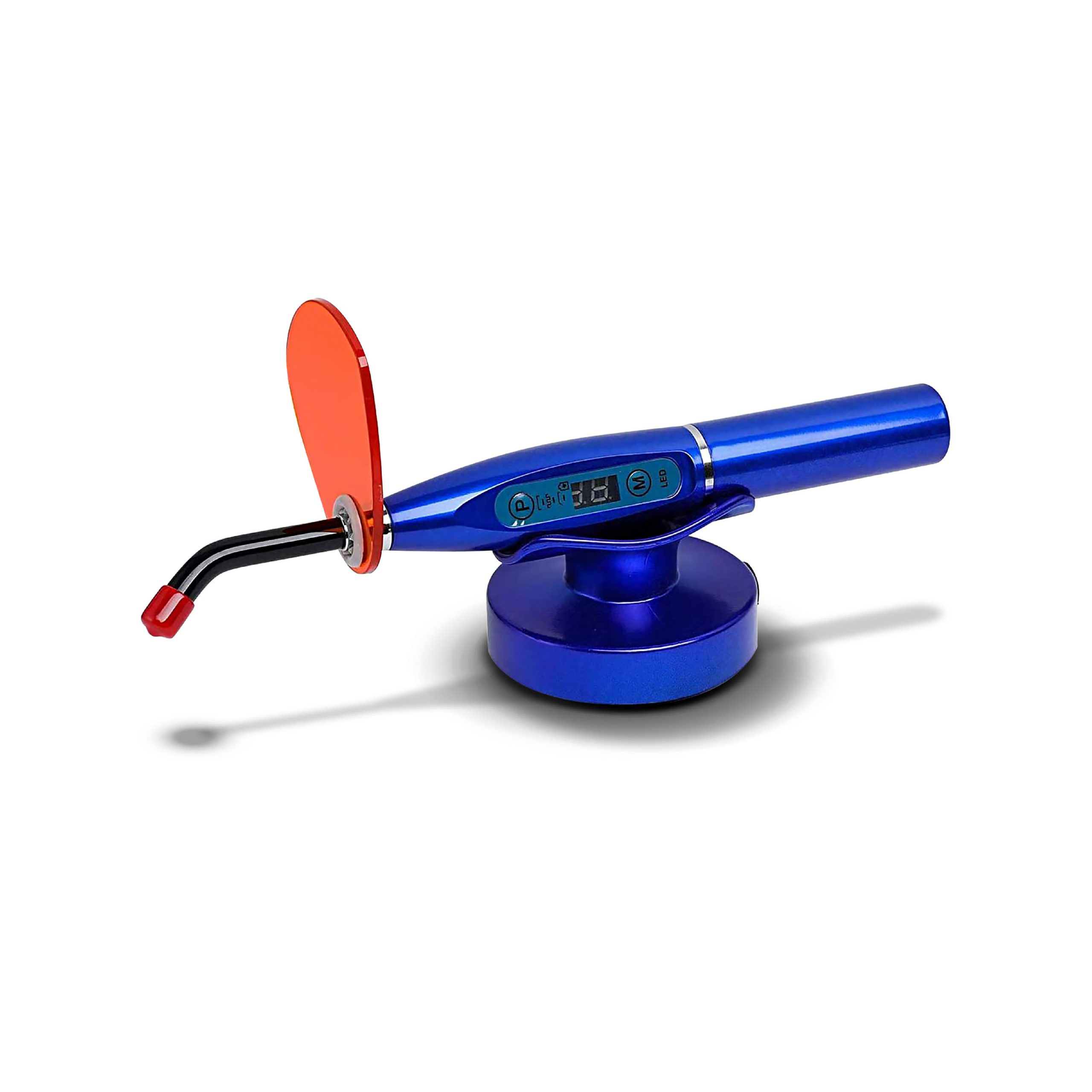
Professional Dental Equipment Guide 2026: Strategic Sourcing of Dental Light Cure Units from China
Prepared for Dental Clinic Procurement Managers & International Distributors | Q1 2026 Edition
China remains the dominant global manufacturing hub for dental light cure units (LCUs), offering 40-60% cost advantages versus Western OEMs while achieving technical parity in LED technology, wavelength accuracy (450-490nm), and curing depth (≥6mm). However, post-pandemic supply chain volatility, stringent 2026 EU MDR/IVDR enforcement, and counterfeit certification risks necessitate rigorous sourcing protocols. This guide outlines critical verification steps for risk-mitigated procurement.
Step 1: Verification of Regulatory Credentials (Non-Negotiable for 2026 Market Access)
Regulatory non-compliance is the #1 cause of shipment rejection (28% of cases per 2025 FDI audit data). Prioritize suppliers with active, device-specific certifications – not generic facility certificates.
| Credential | Verification Protocol | Red Flags (2026) | Authentic Marker |
|---|---|---|---|
| ISO 13485:2025 (Mandatory for all medical devices) |
Request certificate # + scope of approval. Cross-verify via ISO CertSearch. Confirm “Dental Curing Lights” is explicitly listed in scope. | “ISO Certified” without certificate #; scope limited to “dental accessories”; issued by non-accredited bodies (e.g., IAS, UKAS) | Certificate issued by TÜV SÜD, BSI, or SGS with valid 2025 amendment coverage |
| EU CE Marking (Class IIa under MDR 2017/745) |
Demand full EU Technical File (Annex II/III). Verify NB ID (e.g., 0123) on EUDAMED. Post-2024, self-declaration is invalid. | CE certificate without Notified Body ID; reference to obsolete MDD 93/42/EEC | CE certificate issued by MDR-designated NB (e.g., DEKRA 0271, TÜV Rheinland 0197) with valid EUDAMED registration |
| US FDA 510(k) (Required for US market) |
Check K-number in FDA 510(k) database. Confirm equivalence to predicate device (e.g., Kerr Demi Ultra). | Claim of “FDA Registered” (facility registration ≠ device clearance) | Active K-number (e.g., K200001) with cleared indications for composite curing |
Step 2: Negotiating Minimum Order Quantity (MOQ) & Payment Terms
LCU MOQs have decreased due to modular manufacturing, but payment structures remain high-risk. Avoid suppliers demanding >30% upfront payments.
MOQ Benchmarks (2026)
- Entry-Level LCUs (Single-wavelength, 800-1000mW/cm²): 50-100 units
- Premium LCUs (Polywave, 1500+ mW/cm², Bluetooth): 20-30 units
- OEM/ODM Projects: 100+ units (with 45-60 day NRE period)
Strategic Negotiation Tactics
- Phased MOQ Reduction: Start with 70% of standard MOQ at +8% unit cost. Agree to reduce price to standard at 150% cumulative volume.
- Payment Terms: Insist on 30% deposit, 70% against BL copy (not LC). Never pay 100% upfront.
- Sample Validation: Pay for 2-3 pre-production samples (refundable against first order). Test for spectral output (Ocean Insight spectrometer), heat dissipation, and timer accuracy.
Step 3: Shipping & Logistics: DDP vs. FOB Analysis
Customs delays cause 22% of LCU shipment failures (2025 DHL Healthcare Logistics Report). Choose terms based on destination market complexity.
| Term | Cost Structure | Regulatory Risk | Recommended For |
|---|---|---|---|
| FOB Shanghai | • Buyer pays freight + insurance • 12-18% lower unit cost • Hidden costs: Destination port fees (~$350), customs clearance ($200+) |
• Buyer liable for customs rejection • Must manage EU importer of record (IOR) |
Distributors with in-house logistics teams; Markets with simple regulations (e.g., UAE, Singapore) |
| DDP (Delivered Duty Paid) | • All-inclusive price (3-5% higher) • Supplier handles customs documentation • No surprise fees at destination |
• Supplier assumes regulatory risk • Requires supplier’s EU Authorized Rep |
Clinics without import expertise; EU/US/CA markets; First-time importers |
Trusted Partner Spotlight: Shanghai Carejoy Medical Co., LTD
As a Tier-1 supplier verified by 12+ national dental associations, Carejoy exemplifies 2026 sourcing best practices:
- Regulatory Excellence: ISO 13485:2025 certification #CN-2025-11842 (scope: dental curing lights); CE MDR-certified via TÜV SÜD NB 0123; FDA-listed facility (3015231521)
- MOQ Flexibility: 20-unit MOQ for premium LCUs (DuoWave Pro series); 50% sample cost credit against first order
- DDP Compliance: In-house EU Authorized Representative (Carejoy EU GmbH, DE-123456); DDP shipping to 45+ countries with <72hr customs clearance
- Technical Assurance: 3-year warranty; Spectral validation reports with every unit; On-demand ISO 17025 lab testing
Why 19 years in market matters: Carejoy’s Baoshan District factory (audited Q1 2026) maintains dedicated LCU production lines with real-time photometric monitoring – critical for batch consistency in polywave technology.
For Verified LCU Sourcing in 2026
Shanghai Carejoy Medical Co., LTD
Factory: No. 888 Jihua Road, Baoshan District, Shanghai 201900, China
Email: [email protected] (Reference: “LCU 2026 Guide”)
WhatsApp: +86 15951276160 (24/7 Technical Support)
Verification Portal: www.carejoydental.com/certifications
Disclaimer: This guide reflects Q1 2026 regulatory landscapes. Always engage independent legal counsel for market-specific compliance. Data sources: FDI World Dental Federation, EU MDCG 2025-16, ISO Technical Committee 210.
Frequently Asked Questions
Professional Dental Equipment Guide 2026
Target Audience: Dental Clinics & Distributors
Frequently Asked Questions: Selecting the Best Dental Light Cure Machine in 2026
| Question | Answer |
|---|---|
| 1. What voltage requirements should I consider when purchasing a dental light cure machine for international or multi-clinic use in 2026? | Modern dental light cure units in 2026 are typically designed for global compatibility. Look for models with auto-switching power supplies (100–240V, 50/60 Hz) to ensure seamless operation across regions. Confirm the inclusion of IEC-standard connectors and compliance with local electrical safety certifications (e.g., CE, UL, or CCC). For clinics in areas with unstable power, consider units with built-in surge protection or compatibility with medical-grade UPS systems. |
| 2. Are spare parts such as light tips, batteries, and handpieces readily available, and what is the expected lead time for procurement? | Leading manufacturers in 2026 offer comprehensive spare parts support through global distribution networks. Standard consumables (e.g., quartz light guides, lithium-ion batteries) are typically in stock with lead times under 72 hours for in-region distributors. Ensure the supplier provides a documented spare parts availability guarantee (minimum 7–10 years post-discontinuation) and verify compatibility across product generations to protect long-term investment. |
| 3. What does the installation process involve, and is professional technical support required? | Installation of current-generation light cure machines is generally plug-and-play, requiring no specialized tools. Units integrate with standard dental delivery systems via DIN or proprietary mounts. However, for networked or IoT-enabled models (common in 2026), on-site calibration and software configuration by certified technicians are recommended. Most manufacturers offer complimentary remote or on-site setup support for new installations, especially for multi-unit clinic deployments. |
| 4. What is the standard warranty coverage for dental light cure machines in 2026, and does it include the battery and LED module? | The industry standard in 2026 is a 3-year comprehensive warranty covering defects in materials and workmanship, including the LED engine and rechargeable battery. Premium-tier models may offer extendable warranties up to 5 years with optional service add-ons. Confirm whether the warranty is global or region-locked and whether it includes labor and return shipping. Note: Wear items (e.g., light tips) are typically excluded unless damaged under normal use. |
| 5. How are firmware updates and technical service handled under warranty, and is remote diagnostics supported? | In 2026, most high-end light cure units feature Bluetooth/Wi-Fi connectivity for over-the-air (OTA) firmware updates and remote performance diagnostics. These services are included under warranty and help maintain optimal curing performance and compliance with evolving material standards (e.g., bulk-fill composites). Manufacturers provide cloud-based dashboards for clinics and distributors to monitor device health, schedule updates, and initiate service requests without on-site visits. |
Need a Quote for Best Dental Light Cure Machine?
Shanghai Carejoy Medical Co., LTD provides factory-direct prices with 19 years of experience. (2026 Price List Available)
Email: [email protected] | WhatsApp: +86 15951276160