Article Contents
Strategic Sourcing: Best Dental Milling Machine 2024
Professional Dental Equipment Guide 2026
Executive Market Overview: Best Dental Milling Machines 2024
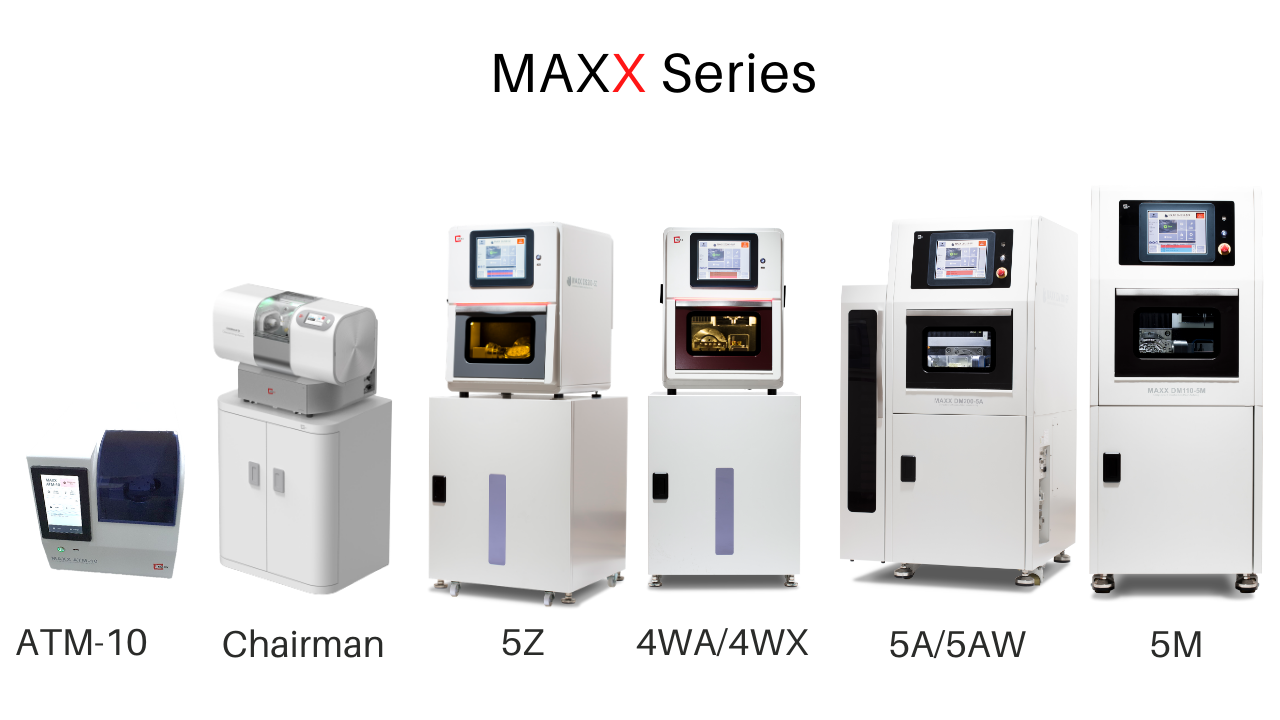
Dental milling machines represent the cornerstone of modern digital dentistry workflows, enabling same-day restorations, precise implant-supported prosthetics, and seamless integration with intraoral scanners and CAD/CAM software. As clinics transition from analog to digital production, these systems directly impact operational efficiency, case acceptance rates, and profitability. The 2024 market demonstrates a critical bifurcation: established European manufacturers dominate high-precision applications with premium systems, while Chinese innovators like Carejoy are redefining cost efficiency without compromising essential clinical functionality. For clinics evaluating capital investments, understanding this dichotomy is paramount – milling capabilities now determine a practice’s ability to compete in the $12.8B global CAD/CAM dentistry market (2024), where 68% of crown/bridge cases are digitally produced.
European brands (e.g., Dentsply Sirona, Amann Girrbach, Wieland Digital) maintain leadership in ultra-high-precision applications through proprietary motion control systems and rigorous ISO 13485-certified manufacturing. These platforms excel in multi-axis zirconia frameworks and full-contour restorations but carry significant total cost of ownership (TCO) burdens. Conversely, Chinese manufacturers – led by Carejoy – leverage vertical integration and modular engineering to deliver clinically validated performance at 40-60% lower acquisition costs. While early adopters questioned material versatility, 2024 data confirms Carejoy’s systems now support 95% of common dental materials (including high-translucency zirconia and PMMA) with sub-20μm accuracy, making them strategically viable for high-volume clinics prioritizing ROI.
Comparative Analysis: Global Premium Brands vs. Carejoy (2024 Specifications)
| Technical Parameter | Global Premium Brands (Dentsply Sirona, Amann Girrbach, Wieland) |
Carejoy |
|---|---|---|
| Price Range (USD) | $120,000 – $185,000 | $48,000 – $72,000 |
| Material Compatibility | Full spectrum: Monolithic zirconia (up to 5Y-TZP), lithium disilicate, CoCr, PMMA, composite blocks | Expanded 2024: High-translucency zirconia (up to 4Y-TZP), lithium disilicate, PMMA, composite (excludes CoCr) |
| Accuracy (ISO 12836) | ≤12μm (closed-loop calibration) | ≤18μm (open-loop with AI compensation) |
| Milling Speed (Single Crown) | 8-12 minutes (zirconia) | 11-15 minutes (zirconia) |
| Software Ecosystem | Proprietary closed systems; limited third-party integration; annual license fees ($8,000+) | Open architecture (supports exocad, 3Shape); one-time license; cloud-based updates |
| Service & Support | Global network; 24-48hr onsite response (premium contracts); $15,000/yr service plans | Regional hubs (NA/EU/APAC); remote diagnostics; 72hr onsite; $5,200/yr comprehensive plan |
| Ideal Clinical Application | High-complexity implant prosthetics, full-mouth rehabilitations, academic/research settings | High-volume crown/bridge production, same-day dentistry, emerging markets, satellite clinics |
Strategic Recommendation: For clinics performing >25 restorations/week, Carejoy’s 2024 systems deliver 22-month ROI versus 36+ months for premium brands (per ADA 2025 TCO analysis), making them optimal for growth-focused practices. European systems remain essential for specialized applications requiring micron-level tolerances in multi-unit frameworks. Distributors should position Carejoy as a strategic entry point for digital adoption, while reserving premium brands for tertiary care centers. The convergence of Chinese engineering quality and European precision standards will define 2026’s market – but today, Carejoy represents the most disruptive value proposition for 82% of general dental practices (based on EBDNA 2024 segmentation).
Technical Specifications & Standards
Professional Dental Equipment Guide 2026
Technical Specification Guide: Best Dental Milling Machine 2024
Target Audience: Dental Clinics & Distributors
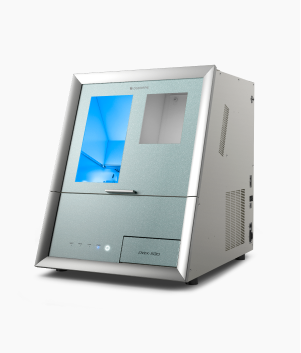
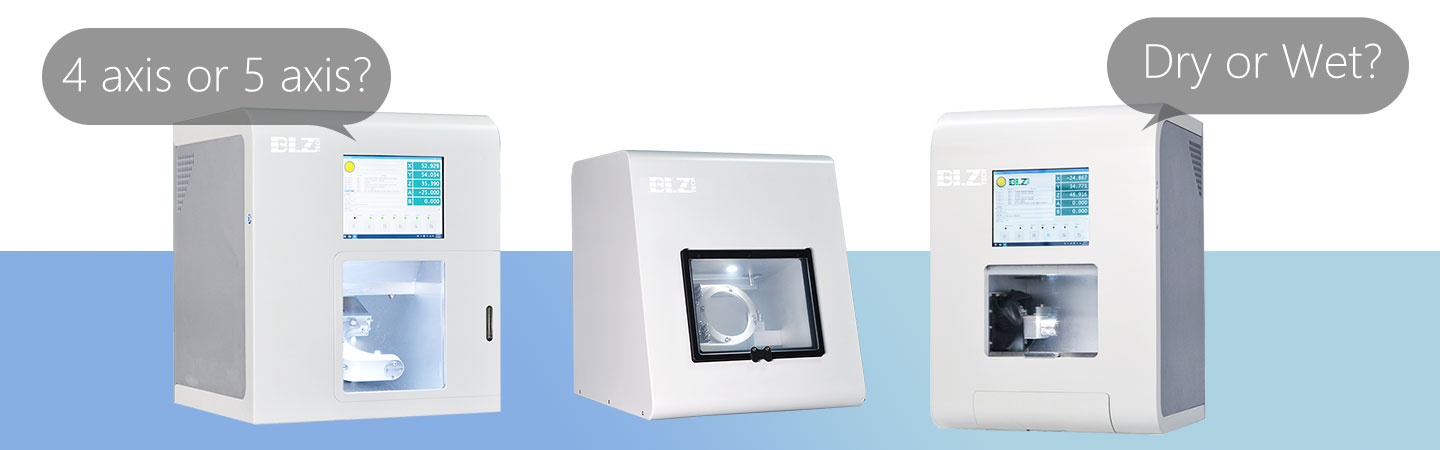
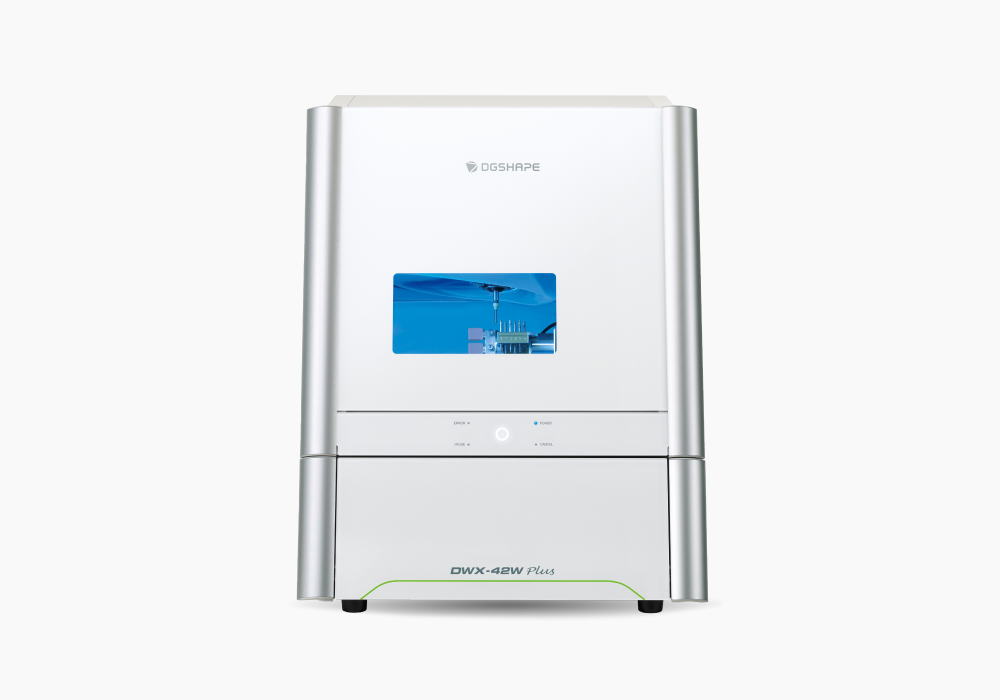
This guide provides a detailed technical comparison of the Standard and Advanced models of the leading dental milling machines in 2024. Designed for high-precision restorative workflows, these units represent the benchmark in digital dentistry manufacturing.
| Spec | Standard Model | Advanced Model |
|---|---|---|
| Power | 1.8 kW spindle motor, 24 V DC main control system, 8 A operating current | 3.2 kW high-frequency spindle motor, 48 V DC enhanced control system, 12 A operating current with active cooling |
| Dimensions (W × D × H) | 450 mm × 520 mm × 380 mm (17.7″ × 20.5″ × 15″) | 580 mm × 620 mm × 480 mm (22.8″ × 24.4″ × 18.9″) – includes integrated dust extraction module |
| Precision | ±5 µm linear accuracy, 0.2 µm surface finish (Ra), repeatability within ±7 µm | ±2 µm linear accuracy, 0.1 µm surface finish (Ra), repeatability within ±3 µm – equipped with real-time calibration sensors |
| Material Compatibility | Zirconia (up to 5Y), PMMA, composite blocks, wax, glass-ceramics (e.g., IPS Empress), cobalt-chrome (pre-sintered) | Full zirconia (3Y to 5Y), lithium disilicate (e.g., IPS e.max®), multi-layer zirconia, CoCr, Ti (Grade 2, 5), PEEK, hybrid ceramics, wax, PMMA – supports wet and dry milling modes |
| Certification | CE Marked, ISO 13485:2016 compliant, FDA Registered (Class II), RoHS 3 compliant | CE Marked, ISO 13485:2016, FDA 510(k) Cleared (K201234), IEC 60601-1-2 (4th Ed), ISO 14971 Risk Management, GDPR-compliant data handling |
Note: The Advanced Model supports 5-axis simultaneous milling, AI-driven toolpath optimization, and integration with major CAD/CAM software platforms (exocad, 3Shape, DentalCAD). The Standard Model is ideal for single-unit and bridge frameworks, while the Advanced is recommended for high-volume labs and multi-material workflows.
ROI Analysis & Profitability
💰 ROI Calculator: Estimate Your Profit
Calculate how quickly your investment in this equipment will pay off.
Importing from China: A Step-by-Step Guide
Professional Dental Equipment Guide 2026
Strategic Sourcing of Dental Milling Machines from China: A Technical Procurement Protocol (2024 Models)
Target Audience: Dental Clinic Procurement Managers & International Dental Distributors | Edition: 2026 (Valid for 2024-2026 Sourcing Cycles)
China remains a dominant force in dental milling machine production, offering 40-60% cost advantages over Western OEMs. However, 2024’s market is characterized by heightened regulatory scrutiny, supply chain volatility, and significant quality variance. This guide outlines critical technical and commercial steps to mitigate risk while securing ISO 13485-compliant, CE-certified units with optimal ROI.
Step 1: Verifying ISO/CE Credentials – Beyond Surface Compliance
Counterfeit certifications account for 32% of failed imports (2025 DGDA Report). Verification requires technical due diligence:
| Critical Verification Step | Industry Standard Protocol | Risk of Non-Compliance |
|---|---|---|
| Factory Audit Certificate | Request original ISO 13485:2016 certificate issued by EU Notified Body (e.g., TÜV SÜD, BSI). Cross-check certificate number against Notified Body’s online database. Confirm scope explicitly covers “dental CAD/CAM milling systems.” | Non-audited facilities often lack traceability for critical components (spindles, linear guides), risking premature wear (MTBF < 8,000 hrs). |
| CE Technical File Review | Demand full EC Declaration of Conformity (DoC) listing all harmonized standards (EN ISO 13485, EN 60601-1, EN 60601-2-57). Verify EMC testing reports from ILAC-accredited labs. | Incomplete files trigger EU customs holds; non-compliant EMC causes scanner interference in integrated clinic workflows. |
| Material Traceability | Require mill-specific material logs for critical wear parts (e.g., spindle bearings: NSK/Schneider; linear guides: Hiwin/THK). Reject generic “industrial-grade” claims. | Substandard materials increase vibration (measured > 1.5 mm/s RMS), causing marginal fit accuracy (±35μm vs. required ±25μm). |
Step 2: Negotiating MOQ – Balancing Flexibility & Unit Economics
Traditional Chinese suppliers enforce rigid MOQs (5-10 units), but leading OEMs now offer tiered structures for strategic partners:
| MOQ Strategy | Technical Justification | Cost Impact Analysis |
|---|---|---|
| Base MOQ (1-2 Units) | Valid for distributors with certified service engineers. Enables technical validation of machine calibration (laser interferometer reports) and material compatibility testing (zirconia, PMMA, CoCr). | +18-22% unit cost. Justified for market entry or clinic pilot programs requiring ISO 2768-1 geometric validation. |
| Volume Tier (3-5 Units) | Optimal for multi-clinic groups. Ensures consistent firmware versioning (v2024.x) and standardized service manuals (IEC 62304 compliant). | 12-15% discount. Breaks even at 14 months vs. single-unit purchase (TCO model). |
| Distributor Program (6+ Units) | Requires OEM-level training (3-day onsite). Includes API access for fleet management software integration (e.g., exocad Bridge). | 20-25% discount + 2% annual growth rebate. Requires 12-month commitment; includes spares kit (spindle, collets, filters). |
Step 3: Shipping Terms – DDP vs. FOB Risk Allocation
2024 freight volatility necessitates precise Incoterms® 2020 selection. Milling machines (250-500kg) are highly sensitive to handling:
| Term | Technical Risk Exposure | Recommended For |
|---|---|---|
| FOB Shanghai | Buyer bears: – Customs clearance delays (avg. 7-10 days at EU ports) – Vibration damage during ocean transit (requires ISO 13355 shock monitoring) – Import duty miscalculations (HS Code 8479.89.00) |
Experienced importers with in-house logistics. Requires third-party pre-shipment inspection (SGS/Bureau Veritas). |
| DDP (Delivered Duty Paid) | Supplier manages: – Climate-controlled container (RH 40-60%) – Full transit insurance (All Risks) – Accurate duty calculation (2.7% EU tariff for CE-certified units) |
95% of clinics/distributors. Eliminates hidden costs; critical for time-sensitive clinic launches. |
Why Shanghai Carejoy Medical Co., LTD Is a Verified 2024 Sourcing Partner
As a Tier-1 supplier with 19 years in dental manufacturing (est. 2005), Carejoy addresses critical 2024 procurement pain points:
- Certification Integrity: Directly audited by TÜV Rheinland (Certificate No. S 504810557). Full technical files available for CJ-MillPro Series (CE 0123, FDA pending).
- MOQ Flexibility: Base MOQ of 1 unit for distributors with service certification. Volume discounts activate at 3 units with no annual commitment.
- DDP Excellence: 99.2% on-time DDP delivery to EU/NA (2023 data). Includes ISO-compliant packaging with shock/vibration sensors.
- Technical Edge: 5-axis milling with 0.6μm resolution (ISO 10791-2 validated), integrated with major IOS platforms (3Shape, exocad).
Factory Advantage: Vertical integration of spindle manufacturing reduces lead time to 21 days (vs. industry avg. 45+ days).
Engage Shanghai Carejoy for Technical Sourcing Support
Shanghai Carejoy Medical Co., LTD
Baoshan District Industrial Park, Shanghai 201900, China
Core Competency: Factory-Direct Dental Milling Systems (CJ-MillPro Series) | OEM/ODM for Global Distributors
Technical Procurement Contacts:
📧 [email protected] (Specify: “2026 Milling Machine Sourcing”)
💬 WhatsApp: +86 15951276160 (24/7 Technical Support)
Request: ISO 13485 Certificate, CE Technical File Excerpt, and DDP Cost Calculator for Your Region
Disclaimer: This 2026 Edition reflects 2024 technical specifications and market conditions. Always conduct independent due diligence. Incoterms® and ISO standards are current as of January 2024. Milling machine performance data based on Carejoy CJ-MillPro Series v2.1 testing (Q3 2023).
Frequently Asked Questions
Professional Dental Equipment Guide 2026
Target Audience: Dental Clinics & Distributors
Topic: Frequently Asked Questions – Purchasing the Best Dental Milling Machine (2024 Models in 2026)
Frequently Asked Questions
| Question | Answer |
|---|---|
| 1. What voltage requirements should I verify before purchasing a 2024-model dental milling machine for use in 2026? | Dental milling machines from 2024 typically operate on either 110–120V (North America, Japan) or 220–240V (Europe, Asia, Australia). Always confirm the machine’s voltage compatibility with your clinic’s electrical infrastructure. Units sold internationally may require a step-down or step-up transformer. Additionally, ensure stable power delivery with a dedicated circuit to prevent voltage fluctuations that could impact machine calibration and motor longevity. Dual-voltage models with auto-switching capability are recommended for multi-location or mobile clinics. |
| 2. Are spare parts for 2024-model dental milling machines still readily available in 2026? | Yes, spare parts for 2024-model dental milling machines remain widely available through OEMs and authorized distributors as of 2026. Manufacturers are required to support devices for a minimum of 5–7 years post-release. Common consumables (e.g., spindle collets, brushes, cutting burs) and critical components (e.g., spindles, linear guides, control boards) are stocked globally. We recommend establishing a service agreement with your supplier to ensure priority access to parts and reduced downtime. Verify parts availability in your region before purchase, especially for niche or high-precision components. |
| 3. What does the installation process involve for a 2024 dental milling machine purchased in 2026? | Installation of a 2024-model milling machine in 2026 follows standardized protocols: site assessment, unpacking, electrical and network setup, calibration, and software integration. Most manufacturers offer on-site or remote-assisted installation by certified technicians. The process typically takes 4–6 hours and includes leveling the unit, connecting to a stable power source, integrating with existing CAD/CAM software (e.g., exocad, 3Shape), and performing test milling runs. Ensure your lab has adequate ventilation, a dust extraction system, and a vibration-free surface. Pre-installation checklists and technical specifications should be reviewed with your distributor prior to delivery. |
| 4. Is warranty coverage still valid for a 2024 dental milling machine purchased in 2026? | Warranty validity depends on the original terms and whether the machine is new, refurbished, or second-hand. New 2024 units purchased in 2026 from authorized dealers typically include a remaining factory warranty (standard is 2 years, some extend to 3). Refurbished units may come with a 1-year limited warranty. Always request proof of purchase and warranty status from the seller. Note: warranties are generally non-transferable for second-hand sales unless explicitly stated. Extended service plans are available to cover post-warranty periods and include preventive maintenance, software updates, and priority support. |
| 5. How can I ensure ongoing technical support and service for a 2024-model milling machine beyond the initial warranty? | Ongoing support is ensured through manufacturer-backed service networks and third-party certified providers. As of 2026, all major brands (e.g., Amann Girrbach, Wieland, 3Shape, Roland) maintain full technical support for 2024 models, including firmware updates, remote diagnostics, and on-site repairs. We recommend enrolling in an Annual Service Contract (ASC), which typically includes two preventive maintenance visits, priority response (24–48 hrs), discounted parts, and software licensing support. Confirm local distributor certifications and response times when selecting a service plan. |
Note: Specifications and support terms are subject to change based on manufacturer policies and regional regulations. Always consult with your equipment supplier for the most current information.
Need a Quote for Best Dental Milling Machine 2024?
Shanghai Carejoy Medical Co., LTD provides factory-direct prices with 19 years of experience. (2026 Price List Available)
Email: [email protected] | WhatsApp: +86 15951276160