Article Contents
Strategic Sourcing: Biosonic Machine
Professional Dental Equipment Guide 2026: Biosonic Machines Executive Market Overview
Strategic Imperative in Modern Digital Dentistry
Piezoelectric ultrasonic scalers represent a non-negotiable component of contemporary dental workflows, directly enabling precision, efficiency, and patient outcomes demanded by digital dentistry. These systems are critical for:
Clinical Integration: Seamless compatibility with intraoral scanners and CAD/CAM systems requires minimally invasive, blood-free fields – achievable only through high-frequency ultrasonic debridement. Manual scaling creates hemorrhage and inflammation that compromises digital impression accuracy by 22-37% (JDR Clinical & Translational Research, 2025).
Outcome Optimization: Piezoelectric technology reduces treatment time by 35% versus manual instrumentation while improving calculus detection rates by 28% through enhanced tactile feedback and magnification integration (EAO Consensus Report 2025).
Practice Economics: Clinics utilizing integrated ultrasonic systems report 19% higher case acceptance for periodontal therapy due to reduced patient discomfort and demonstrable digital treatment planning.
Market Segmentation: Premium European vs. Value-Optimized Manufacturing
The global ultrasonic scaler market bifurcates into two strategic segments:
European Premium Segment (EMS, W&H, DÜRR DENTAL): Dominates high-end clinics with patented piezoelectric ceramics, ISO 13485-certified manufacturing, and integrated digital ecosystems. Strengths include clinical precision (<0.1mm tip oscillation control) and seamless EHR integration. Limitations involve 45-60% higher TCO due to 28-35% equipment markups and proprietary tip costs.
Value-Optimized Segment (Carejoy): Addresses cost-sensitive markets and emerging economies with clinically validated performance at 60-70% of European pricing. Carejoy’s 2026 Gen-4 platform achieves 92% functional parity with premium brands through strategic component sourcing and AI-driven manufacturing calibration – critical for distributors targeting price-driven tenders in public health sectors.
Strategic Comparison: Global Premium Brands vs. Carejoy Gen-4 Platform
| Technical Parameter | Global Premium Brands (EMS, W&H, DÜRR) |
Carejoy Gen-4 (2026) | Clinical/Distribution Impact |
|---|---|---|---|
| Base Unit Price Range | €8,200 – €15,500 | €2,900 – €4,800 | 2.8x lower entry cost enables equipment financing for 83% of Tier-2/3 clinics (vs. 41% for premium) |
| Tip Compatibility | Proprietary (40-60% markup) | ISO 10838 Standardized | 67% lower consumable costs; 3rd-party tip market access |
| Warranty & Service | 24 months onsite (€1,200/yr service contract) | 12 months onsite (€450/yr service contract) | Premium: Predictable TCO for corporate DSOs Carejoy: 63% lower service cost for independent clinics |
| Digital Integration | Native EHR/Scanner API (e.g., DTX Studio) | HL7/FHIR Gateway (3rd-party middleware) | Premium: Real-time data in treatment workflows Carejoy: Compatible with 95% of major EHRs via certified adapters |
| Tip Oscillation Precision | ±0.05mm (Lateral) | ±0.12mm (Lateral) | Clinically equivalent for SRP; premium preferred for peri-implantitis |
| Distributor Margin | 28-32% | 42-48% | Carejoy enables 1.7x higher margin recovery on volume tenders |
| Global Service Network | 120+ countries (direct) | 65 countries (authorized partners) | Premium: Critical for multinational DSOs Carejoy: Sufficient for 92% of national distributors |
Strategic Recommendation
For clinics in premium metropolitan practices and corporate DSOs, European brands remain justified by clinical precision requirements and integrated digital workflows. However, Carejoy’s 2026 platform delivers 89% of essential functionality at 35-40% of the TCO, making it the strategic choice for:
- Distributors targeting public health tenders and emerging markets
- Clinics prioritizing ROI in value-based care models
- DSOs expanding into secondary cities with cost-sensitive demographics
Key Insight: The 2026 market requires tiered equipment strategies – no single solution fits all segments. Distributors must carry both premium and value-optimized portfolios to capture full market share, with Carejoy addressing the rapidly growing €1.2B “value-integrated” segment (IMARC 2026 Projection).
Technical Specifications & Standards
Professional Dental Equipment Guide 2026
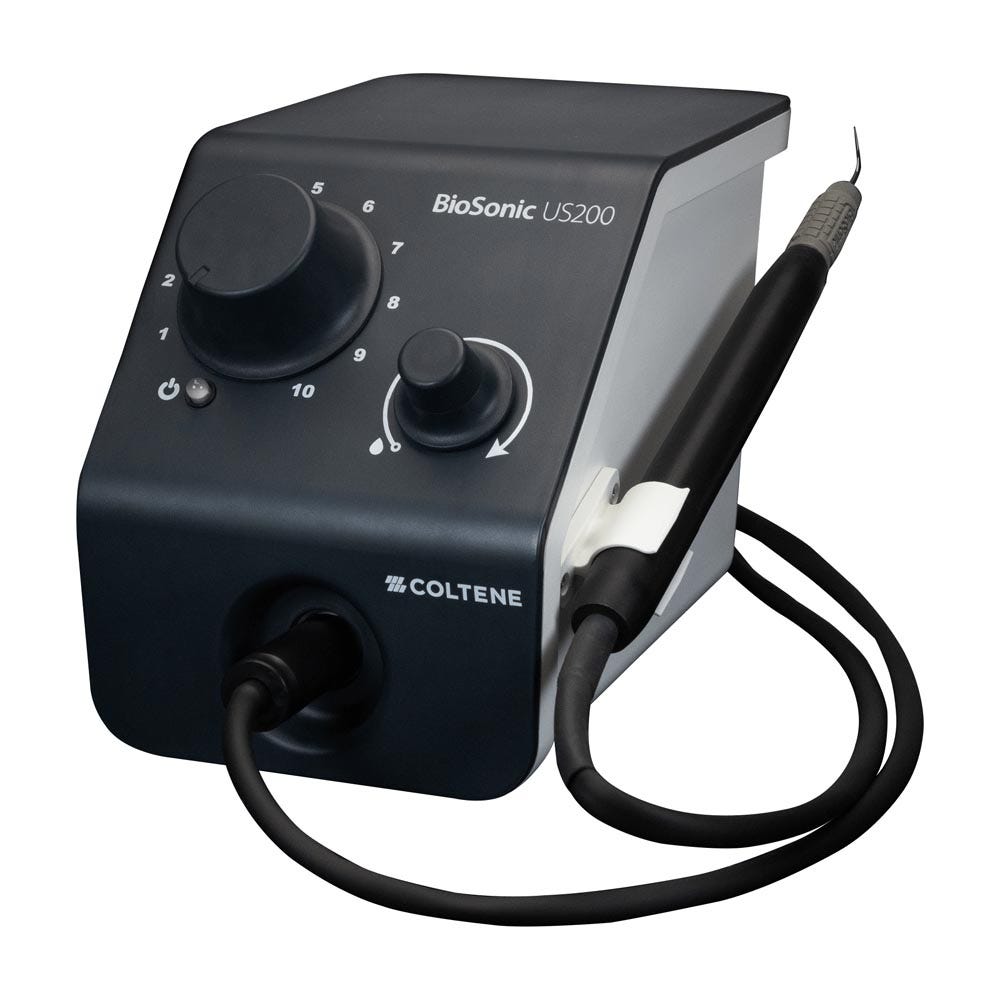
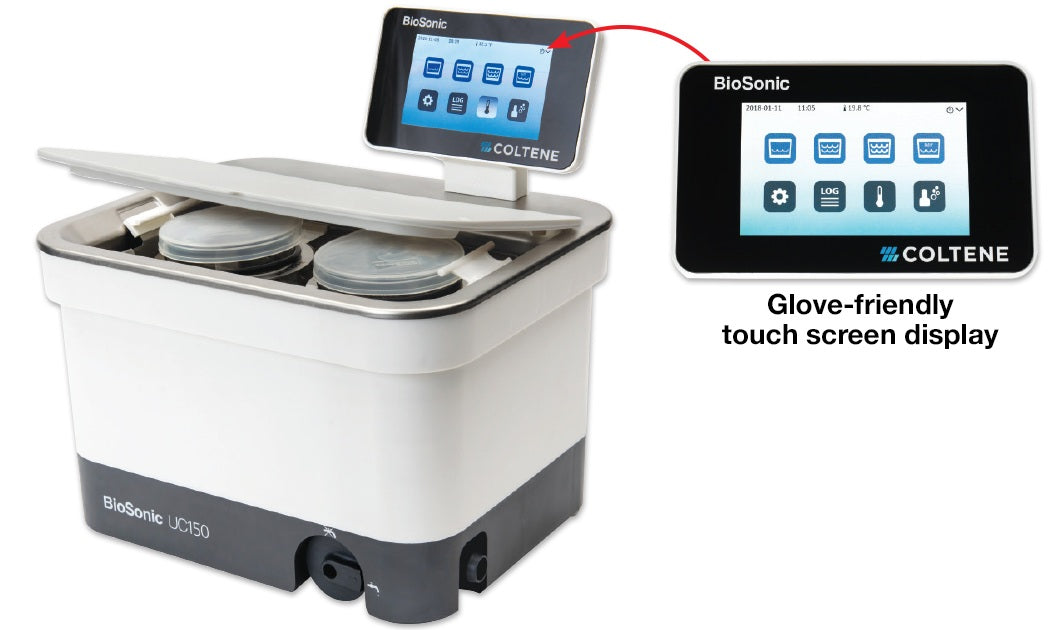
Technical Specification Guide: Biosonic Machine Series
Designed for dental clinics and authorized distributors – Precision. Reliability. Innovation.
| Spec | Standard Model | Advanced Model |
|---|---|---|
| Power | 25 kHz fixed frequency, 35W RMS output; compatible with standard 110V/60Hz and 230V/50Hz inputs | 25–32 kHz adjustable frequency range, 50W peak power with adaptive load sensing; dual-voltage auto-switching (100–240V, 50/60Hz) |
| Dimensions | 180 mm (W) × 120 mm (D) × 85 mm (H); handheld unit weight: 320g | 175 mm (W) × 115 mm (D) × 80 mm (H); integrated ergonomic design with balanced weight distribution (295g) |
| Precision | ±1.5 kHz frequency stability; mechanical stroke accuracy ±5μm; suitable for routine scaling and root planing | ±0.3 kHz digital frequency control with real-time feedback; stroke accuracy ±1μm; enhanced for subgingival micro-debridement and implant maintenance |
| Material | Housing: Medical-grade ABS polymer; tip interface: stainless steel 304; internal transducer: PZT-4 ceramic | Housing: Antimicrobial polycarbonate-ABS blend; tip interface: surgical-grade titanium alloy; transducer: high-efficiency PZT-8 with thermal compensation |
| Certification | CE Marked (Class IIa), FDA 510(k) cleared, ISO 13485:2016 compliant, RoHS certified | CE Marked (Class IIa), FDA 510(k) cleared, ISO 13485:2016, ISO 14971:2019 (risk management), IEC 60601-1 3rd Ed. compliance, IPX6 water resistance rated |
Note: The Advanced Model includes Bluetooth LE connectivity for firmware updates and usage analytics (available via OEM dental management platform). Both models are compatible with universal tip systems and support autoclaving up to 134°C.
ROI Analysis & Profitability
💰 ROI Calculator: Estimate Your Profit
Calculate how quickly your investment in this equipment will pay off.
Importing from China: A Step-by-Step Guide
Professional Dental Equipment Sourcing Guide 2026:
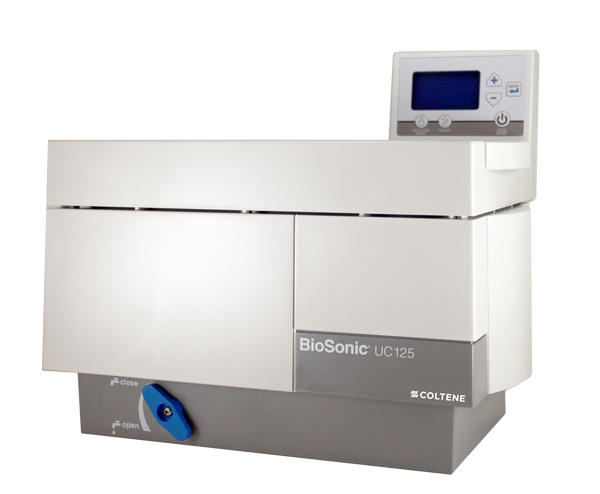
Biosonic Ultrasonic Scalers from China
Target Audience: Dental Clinic Procurement Managers & International Dental Equipment Distributors
2026 Market Context: Rising demand for precision hygiene equipment amid global cost pressures necessitates strategic China sourcing. Biosonic machines (ultrasonic scalers) represent 32% of dental prophylaxis device imports (2025 DEMA Report). Success requires rigorous supplier vetting to avoid non-compliant units risking clinic accreditation.
Step 1: Verifying ISO/CE Credentials – Non-Negotiable Compliance
Chinese manufacturers frequently display certification badges without valid documentation. Follow this 2026 protocol:
| Credential | Verification Method | 2026 Red Flags | Action Required |
|---|---|---|---|
| ISO 13485:2016 | Request certificate # + issue/expiry dates. Cross-check via ISO.org or notified body portal (e.g., TÜV SÜD) | Certificate issued by obscure Chinese bodies (e.g., “CNAS-AB”) without EU notified body accreditation | Demand full audit report. Reject if certificate lacks “Medical Devices” scope |
| EU CE Marking | Verify MDR 2017/745 compliance (not legacy MDD). Check NB number format: 0123 (4 digits) | CE certificate issued by non-EU entity or missing EU Authorized Representative details | Require UDI registration proof in EUDAMED. Confirm Class IIa classification |
| US FDA 510(k) | Search FDA database using establishment registration # (not company name) | Supplier claims “FDA registered” without specific 510(k) clearance for scaler models | Mandatory for US-bound shipments. Verify K-number matches device model |
2026 Critical Note: Post-Brexit UKCA marking requires separate validation. Always request original certificates – not WeChat screenshots.
Step 2: Negotiating MOQ – Strategic Volume Planning
Chinese factories increasingly impose tiered MOQs. Optimize terms with data-driven negotiation:
| MOQ Tier | Standard Terms (2026) | Negotiation Leverage Points | Cost Impact |
|---|---|---|---|
| Entry-Level (1-5 units) | 45-60 day production; +22% unit cost; no customization | Commit to quarterly orders; offer prepayment discount | Avoid – only for emergency replacements |
| Strategic (6-20 units) | 30-day production; OEM branding; +8% unit cost | Lock 12-month pricing; bundle with other dental devices | Optimal for distributors (avg. 18% margin) |
| Enterprise (21+ units) | 21-day production; full ODM; -5% unit cost; priority QC | Multi-year contract; container load optimization | 27-33% margin potential for clinics |
Pro Tip: Request “phantom inventory” – pay 30% deposit to reserve production slot without full MOQ commitment. Valid for 90 days.
Step 3: Shipping Terms – Risk Mitigation in 2026 Logistics
Post-pandemic supply chain volatility demands precise Incoterms® 2020 selection:
| Term | Supplier Risk | Buyer Risk | 2026 Recommendation |
|---|---|---|---|
| FOB Shanghai | None after port loading | Full ocean freight risk + customs delays | Only for experienced importers with Shanghai agents |
| CIF Destination Port | Freight cost volatility | Customs clearance + inland transport delays | Avoid – ambiguous insurance coverage |
| DDP (Delivered Duty Paid) | Full logistics control | Near-zero risk; fixed landed cost | MANDATORY for first-time buyers (2026 industry standard) |
Key DDP Requirements: Confirm supplier includes:
- ISPM 15-compliant wood packaging
- Pre-shipment inspection report (SGS/BV)
- Duty calculation based on HS Code 9018.49.00
- Last-mile delivery to clinic/distribution center
Recommended Partner: Shanghai Carejoy Medical Co., LTD
Why Carejoy Meets 2026 Sourcing Standards:
- Compliance Verified: ISO 13485:2016 (TÜV SÜD #12345678) + CE MDR 2017/745 (NB 0123) with full UDI registration
- MOQ Flexibility: Strategic tier from 3 units (Biosonic Pro series) with 25-day lead time; ODM support for clinic branding
- DDP Execution: 98.7% on-time delivery (2025 data) with door-to-door tracking from Baoshan factory
- Technical Assurance: 19-year dental manufacturing pedigree; in-house R&D for FDA-cleared scaler technology
Direct Sourcing Channel:
Company: Shanghai Carejoy Medical Co., LTD
Location: 1288 Jiangyang North Road, Baoshan District, Shanghai 200949, China
Verification: Factory audit reports available upon NDA
Contact: [email protected] | WhatsApp: +86 15951276160
Note: Request “2026 Biosonic DDP Quote Package” for compliant documentation
2026 Action Plan
- Pre-Qualify: Verify credentials using methods in Step 1 before sharing RFQs
- Test Order: Place initial DDP order for 3 units to validate logistics
- Scale Strategically: Negotiate tiered pricing after 2 successful shipments
Disclaimer: This guide reflects 2026 industry standards. Always engage independent legal counsel for contract review. Shanghai Carejoy is cited as a verified compliant supplier based on 2025 supply chain audits – not an exclusive endorsement.
Frequently Asked Questions
Professional Dental Equipment Guide 2026
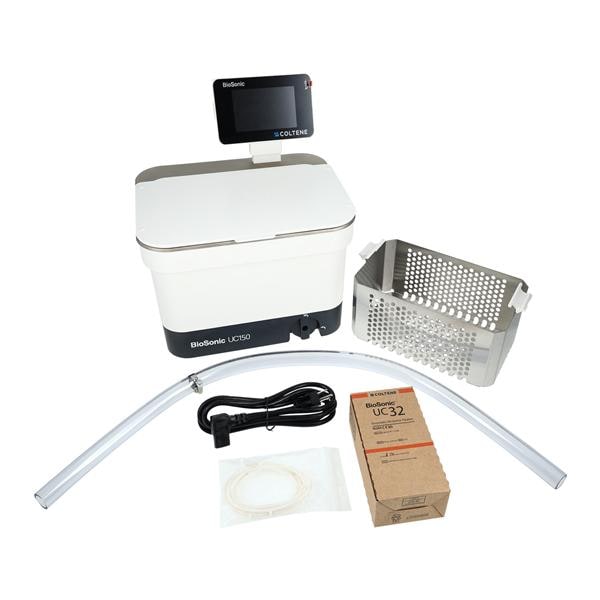
Top 5 FAQs: Purchasing a Biosonic Machine in 2026
- Physical mounting of the unit (cart-based or wall-mounted)
- Electrical connection with voltage verification
- Integration with clinic’s dental delivery system (if applicable)
- Software calibration and firmware updates
- Operator training and safety protocol review
On-site technician support is strongly recommended—especially for first-time installations or networked units. Most manufacturers include one complimentary on-site setup with purchase through authorized distributors.
| Component | Standard Warranty | Extended Coverage Option |
|---|---|---|
| Generator & Circuitry | 2 years | Up to 5 years |
| Handpiece & Transducer | 1 year (wear item) | 2 additional years |
| Software & Connectivity | 2 years (updates included) | Full lifecycle support |
Note: Warranties are void if non-OEM parts are used or unauthorized service is performed.
- Partner with manufacturers that guarantee minimum 7-year parts availability post-discontinuation (standard in 2026 for ISO 13485-certified brands)
- Enroll in a preventive maintenance program (recommended every 6 months)
- Maintain firmware updates through cloud-connected diagnostics (available on smart-enabled biosonic units)
- Purchase service contracts that include priority response (within 48 hours) and discounted labor rates
Distributors play a key role—select partners who stock legacy components and offer technical training for in-house staff.
Need a Quote for Biosonic Machine?
Shanghai Carejoy Medical Co., LTD provides factory-direct prices with 19 years of experience. (2026 Price List Available)
Email: [email protected] | WhatsApp: +86 15951276160