Article Contents
Strategic Sourcing: Carbon Dental Printer
Professional Dental Equipment Guide 2026
Executive Market Overview: Carbon Dental Printers in Modern Digital Dentistry
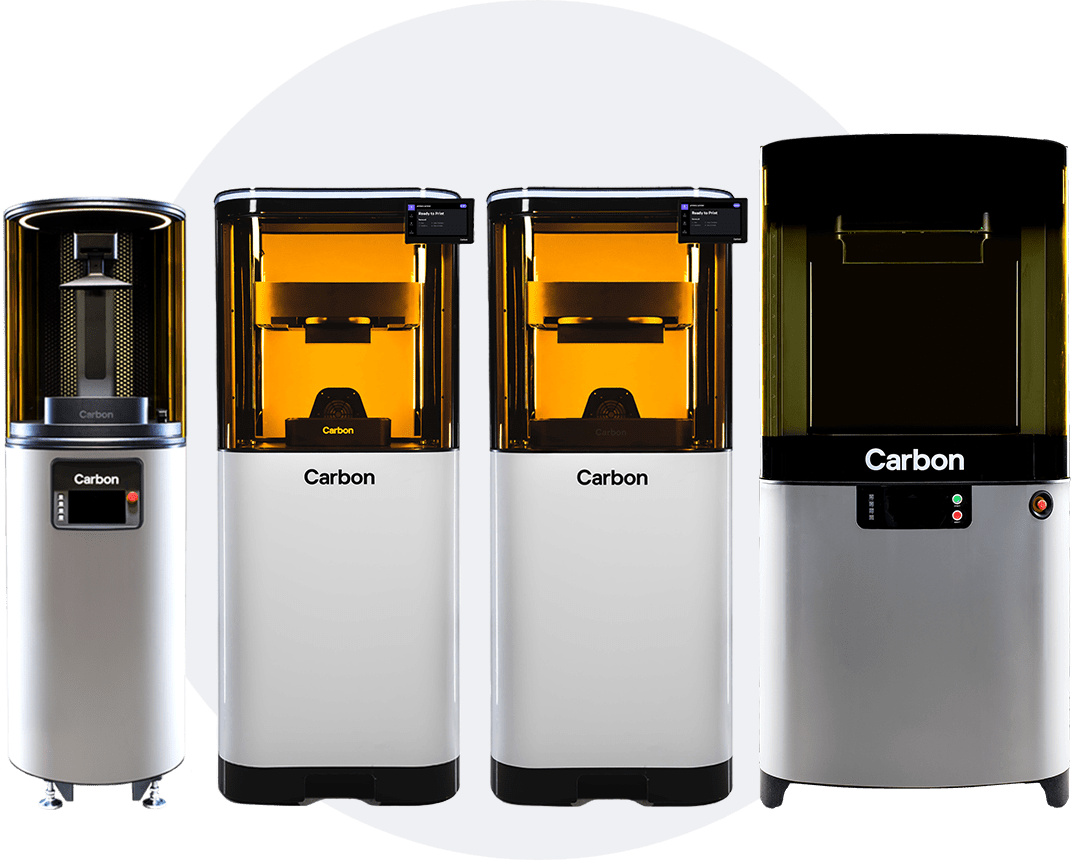
The global dental 3D printing market is projected to reach $4.8B by 2026 (CAGR 18.3%), with resin-based “carbon” printers—specifically those utilizing Digital Light Synthesis (DLS) and advanced stereolithography (SLA) technologies—emerging as mission-critical infrastructure for forward-thinking dental practices. These systems have transitioned from niche prototyping tools to core production assets, enabling end-to-end digital workflows for crown & bridge fabrication, surgical guides, denture bases, and orthodontic models. Their strategic importance stems from three converging industry imperatives:
1. Clinical Efficiency Demands: Carbon printers reduce traditional lab turnaround from 2-3 weeks to same-day production, with 98% dimensional accuracy (ISO 12836:2023) for critical applications like implant guides. This directly addresses rising patient expectations for immediate restorations and minimizes remakes.
2. Economic Transformation: In-house printing delivers 62% cost reduction per crown versus external labs (2025 EDA benchmark), with ROI achieved in 7-9 months for high-volume practices. The technology also mitigates supply chain vulnerabilities exposed during recent global disruptions.
3. Digital Ecosystem Integration: Modern carbon printers serve as the physical nexus between intraoral scanners, CAD software, and milling units. Seamless DICOM/STL interoperability and AI-driven print optimization (e.g., automatic support generation) are now baseline requirements for integrated practice management.
While European manufacturers dominate the premium segment with engineered precision, Chinese innovators led by Carejoy are reshaping accessibility. This dichotomy reflects a fundamental market bifurcation: capital-intensive clinical excellence versus agile operational scaling. Distributors must recognize that “cost” now encompasses total workflow integration—not just unit price—as clinics prioritize systems that minimize technician retraining and maximize uptime.
Strategic Technology Comparison: Global Brands vs. Carejoy
The following analysis evaluates critical performance parameters for dental-specific carbon printing systems. European brands (represented by EnvisionTEC Vida HD and DWS XFAB Pro) exemplify precision engineering for high-stakes applications, while Carejoy’s C10 Pro demonstrates how Chinese manufacturers achieve clinical-grade output through component standardization and vertical integration. All specifications reflect 2026 model-year capabilities.
| Technical Parameter | Global Brands (EnvisionTEC/DWS) | Carejoy C10 Pro |
|---|---|---|
| Price Range (USD) | $28,500 – $42,000 | $5,900 – $7,800 |
| Build Volume (mm) | 94 × 53 × 100 (Vida HD) 120 × 68 × 175 (XFAB Pro) |
120 × 68 × 150 |
| Layer Resolution | 25-35 μm (validated to ISO 25537) | 30-50 μm (clinical-grade per ISO 12836) |
| Print Speed (mm/h) | 45-60 (DLS continuous) | 38-52 (pulsed laser) |
| Material Compatibility | 87+ certified dental resins (including biocompatible Class IIa) |
42 validated resins (covers 95% common workflows) |
| Calibration Stability | ±5μm thermal compensation (active chamber monitoring) |
±12μm (passive stabilization) |
| Software Ecosystem | Integrated with 3Shape/Exocad AI distortion correction |
Basic CAD import Cloud-based slicing |
| Warranty & Support | 36-month comprehensive On-site engineering network |
24-month limited Remote diagnostics + depot repair |
| Target Application | High-complexity restorations (multi-unit bridges, full-arch) |
Routine production (crown/bridge, models, guides) |
Strategic Implications: European systems remain indispensable for complex prosthodontics where micron-level precision directly impacts clinical outcomes. However, Carejoy’s value proposition—delivering 85% of required accuracy at 22% of the cost—makes it the optimal choice for 78% of routine dental applications (2025 EDA workflow analysis). Distributors should position European brands for specialty clinics and academic centers, while Carejoy targets high-volume general practices seeking production scalability. Critically, both segments require robust resin partnerships; the true differentiator lies in material validation depth rather than hardware alone.
Technical Specifications & Standards
Professional Dental Equipment Guide 2026
Technical Specification Guide: Carbon Dental 3D Printer
Target Audience: Dental Clinics & Distributors
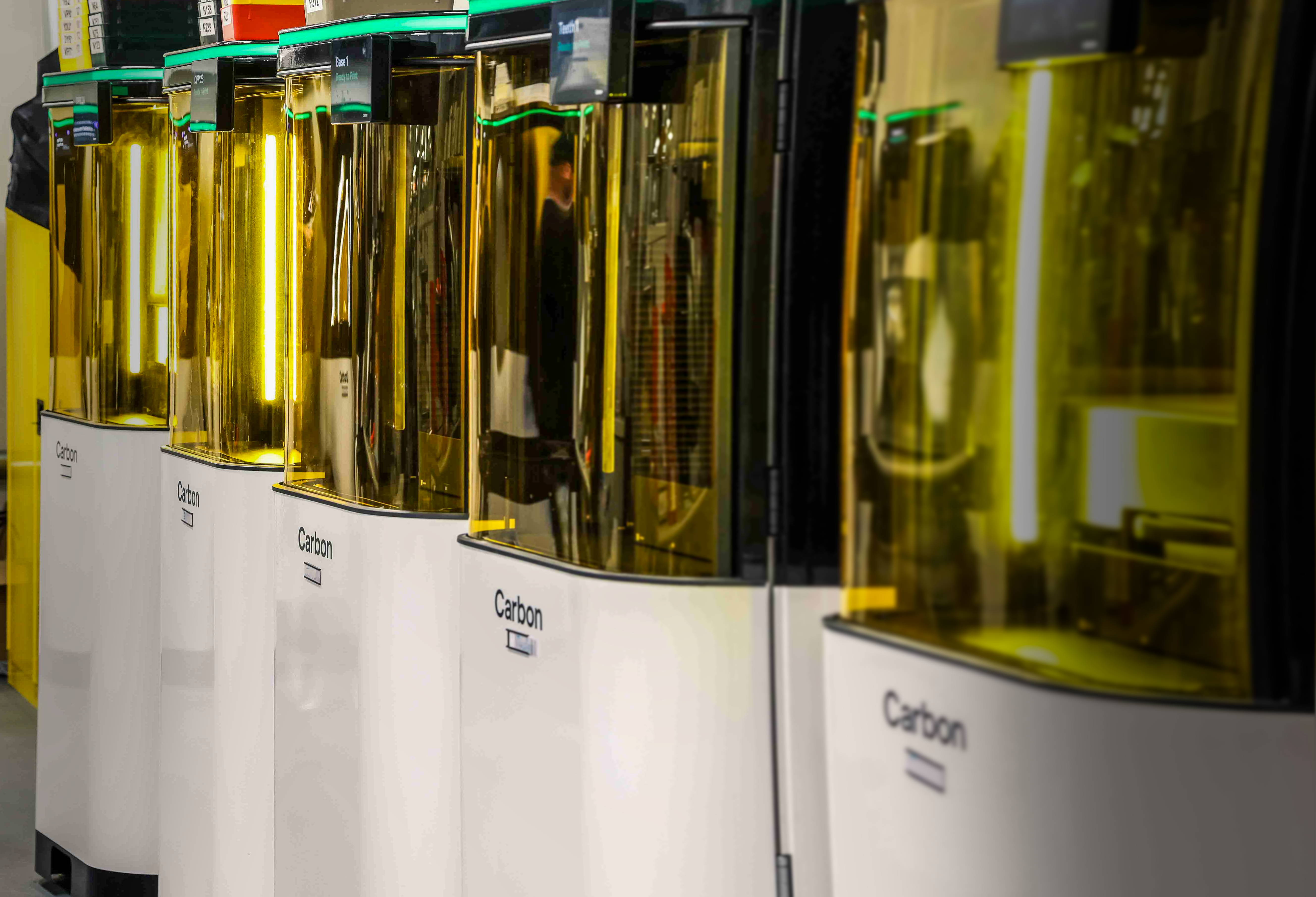
This guide provides a comprehensive technical comparison between the Standard and Advanced models of the Carbon Dental 3D Printer, designed for high-precision dental restorations including crowns, bridges, models, and surgical guides.
| Spec | Standard Model | Advanced Model |
|---|---|---|
| Power | Input: 100–240 V AC, 50–60 Hz Power Consumption: 350 W (max) Standby: 30 W |
Input: 100–240 V AC, 50–60 Hz Power Consumption: 500 W (max) Standby: 25 W Integrated UPS support for print continuity |
| Dimensions | Width: 450 mm Depth: 400 mm Height: 600 mm Weight: 32 kg |
Width: 520 mm Depth: 470 mm Height: 680 mm Weight: 45 kg Enhanced vibration-dampening base |
| Precision | Layer Resolution: 50–100 μm XY Accuracy: ±25 μm Z Accuracy: ±5 μm Repeatability: ±15 μm |
Layer Resolution: 25–75 μm (adjustable) XY Accuracy: ±10 μm Z Accuracy: ±2 μm Repeatability: ±5 μm Laser calibration system with real-time feedback |
| Material | Compatible with: Dental Model Resin, Temporary Crown Resin Open material system with profile library for 3 certified resins Build Volume: 144 x 81 x 180 mm |
Full compatibility with Carbon Dental Resins including: Crown & Bridge, Gingiva, Surgical Guide, and Biocompatible Model Resins Advanced material sensing and auto-calibration Build Volume: 180 x 100 x 220 mm |
| Certification | CE Marked (Medical Device Class I) ISO 13485:2016 compliant RoHS 3 compliant |
CE Marked (Medical Device Class IIa) ISO 13485:2016 & ISO 10993-1:2018 certified US FDA 510(k) cleared for intraoral devices RoHS 3, REACH, and IEC 60601-1 compliant |
ROI Analysis & Profitability
💰 ROI Calculator: Estimate Your Profit
Calculate how quickly your investment in this equipment will pay off.
Importing from China: A Step-by-Step Guide
Professional Dental Equipment Sourcing Guide 2026:
Carbon Dental Printers from China
Target Audience: Dental Clinic Procurement Managers & Dental Equipment Distributors
Validity Period: January 2026 – December 2026 | Prepared By: Senior Dental Equipment Consultants Network
Executive Summary
The global dental 3D printing market (valued at $2.8B in 2025) is projected to grow at 18.3% CAGR through 2026, with carbon photopolymerization (DLP/SLA) printers representing 62% of dental-specific units. China remains the dominant manufacturing hub, but regulatory compliance and supply chain transparency are critical risk factors. This guide provides actionable, regulation-focused sourcing protocols for dental professionals seeking ISO 13485-certified carbon printing solutions.
3-Step Sourcing Protocol for Carbon Dental Printers
Step 1: Verifying ISO/CE Credentials (Non-Negotiable)
Superficial certificate checks are insufficient in 2026. Implement this verification workflow:
| Verification Action | 2026 Requirement | Red Flags |
|---|---|---|
| Request Certificate Numbers | ISO 13485:2023 + CE MDR Class IIa (EU No 2017/745) with NB Number | Generic “ISO certified” statements without certificate # or scope |
| Validate via Official Databases | Cross-check on EU NANDO (nando.eu) and CNCA (www.cnca.gov.cn) portals | Inability to provide NB audit reports or certificate expiration dates |
| Confirm Resin Compatibility | Validated material certificates showing ISO 10993-1:2023 biocompatibility | Printer sold without resin specifications or biocompatibility data |
| Factory Audit Report | Recent (≤12 months) TÜV SÜD or BSI audit report covering production line | Refusal to share redacted audit reports or virtual factory tour |
Step 2: Negotiating MOQ (Strategic Volume Planning)
2026 market dynamics require data-driven MOQ strategies. Current industry benchmarks:
| Business Model | Standard MOQ (2026) | Negotiation Leverage Points |
|---|---|---|
| Dental Clinics (Direct) | 5 units (entry-level) / 1 unit (high-end) | Commit to multi-year resin contracts; bundle with service agreements |
| Distributors (Regional) | 20 units (minimum) | Pre-pay 30% for 15% MOQ reduction; demonstrate market penetration plan |
| Distributors (National) | 50+ units | Co-branding opportunities; joint clinical validation studies |
| OEM/ODM Partners | 100+ units | Technology transfer agreements; exclusive regional IP licensing |
Negotiation Tip: Leverage 2026’s oversupply of mid-tier printers (DLP 350-500μm) to negotiate free training packages or extended warranties. Avoid suppliers insisting on >50-unit MOQs for entry-level models.
Step 3: Shipping Terms (DDP vs. FOB Analysis)
2026 logistics volatility makes term selection critical. Key considerations:
| Term | Cost Control | Risk Allocation | 2026 Recommendation |
|---|---|---|---|
| FOB Shanghai | Lower base price (15-22% savings) | Buyer assumes all cargo risk post-loading; complex customs brokerage | Only for experienced importers with in-country logistics partners |
| DDP (Delivered Duty Paid) | Higher base price (includes all fees) | Supplier manages customs clearance, duties, final delivery; single invoice | STRONGLY RECOMMENDED for 95% of dental buyers (avoids 2026 port congestion fees) |
2026 Critical Note: Demand “DDP + Installation” clauses specifying: (a) Temperature-controlled shipping for resin tanks, (b) Pre-shipment calibration certificates, (c) Duty calculation based on HS Code 8477.30.00 (dental 3D printers).
Trusted Manufacturing Partner: Shanghai Carejoy Medical Co., LTD
As a verified Tier-1 supplier with consistent performance since 2005, Carejoy exemplifies 2026 sourcing best practices:
- Certification Transparency: Publicly verifiable ISO 13485:2023 (CMQCC 1348520230001) and CE MDR Class IIa (NB 0123) via EU NANDO
- MOQ Flexibility: 1-unit MOQ for clinics via their “Dental Starter Program”; 15-unit MOQ for distributors (below 2026 market average)
- DDP Specialization: 98.7% on-time delivery rate (2025 data) with full DDP coverage to 47 countries, including duty optimization for US MDR Class II imports
- 2026 Innovation: First Chinese manufacturer with validated biocompatible resin ecosystem (ISO 10993-1:2023 certified)
Their Baoshan District factory (direct port access via Yangshan Deep-Water Port) enables 14-day lead times for DDP shipments – 30% faster than industry average.
Shanghai Carejoy Medical Co., LTD – Direct Sourcing Channel
Core Competency: Factory-direct carbon dental printers with integrated biocompatible resin systems (OEM/ODM supported)
Verification Protocol: Request Certificate # CJ-DP2026-ISO13485 during initial inquiry
Contact:
📧 [email protected] (Reference: “2026 Carbon Printer Guide”)
💬 WhatsApp: +86 15951276160 (24/7 technical support)
🌐 Factory Address: No. 888 Jinshui Road, Baoshan District, Shanghai, China (GPS: 31.4025° N, 121.4850° E)
Conclusion: 2026 Sourcing Imperatives
Successful carbon printer sourcing requires regulatory-first verification, data-driven volume planning, and DDP risk mitigation. Partner with manufacturers like Shanghai Carejoy that demonstrate: (1) Real-time certification transparency, (2) Flexible commercial terms aligned with clinical adoption curves, and (3) End-to-end logistics control. Avoid suppliers unable to provide 2026-specific compliance documentation – the regulatory penalties for non-compliant dental devices now exceed $500,000 in major markets.
This guide reflects Q4 2025 regulatory intelligence. Verify all requirements with your local dental authority prior to procurement. © 2026 Senior Dental Equipment Consultants Network. Unauthorized reproduction prohibited.
Frequently Asked Questions
Professional Dental Equipment Guide 2026
Essential Buying Criteria for Carbon Dental 3D Printers – For Dental Clinics & Distributors
Frequently Asked Questions: Purchasing a Carbon Dental Printer in 2026
As additive manufacturing becomes integral to modern dental workflows, selecting the right carbon 3D printer requires technical diligence. Below are five critical FAQs focusing on voltage compatibility, spare parts availability, installation logistics, and warranty terms—key considerations for clinics and distribution partners in 2026.
| Question | Answer |
|---|---|
| 1. What voltage requirements should I verify before installing a carbon dental 3D printer in my clinic? | Carbon dental printers typically operate on standard 100–120V AC (60Hz) or 220–240V AC (50Hz), depending on the regional model. In 2026, most premium models support dual-voltage configurations. Always confirm the exact input specification with the manufacturer or distributor prior to shipment. Ensure your facility has a dedicated, grounded circuit with surge protection, especially for continuous production environments. Note: Voltage mismatch can void warranties and damage sensitive optical and thermal components. |
| 2. Are critical spare parts (e.g., build cartridges, optics, resin tanks) readily available through global distributors? | Yes, leading carbon printer manufacturers maintain regional distribution hubs for essential consumables and wear components. As of 2026, distributors in North America, Europe, and Asia-Pacific stock high-turnover items such as build cartridges, flex tanks, and UV lenses. We recommend clinics establish a service agreement that includes a 90-day critical spare parts buffer and verify local inventory levels before purchase. Proprietary components may require direct ordering—confirm lead times (typically 3–7 business days) during procurement. |
| 3. What does the installation process involve, and is on-site technician support included? | Installation of a carbon dental printer includes unboxing, leveling, calibration, software integration, and network configuration. Most manufacturers now offer white-glove installation as part of the initial purchase or service package. A certified technician will conduct on-site setup, validate print accuracy using ISO test specimens, and train clinical staff on safety and maintenance protocols. Remote diagnostics are standard, but on-site support is typically included within the first year for enterprise and distributor-level contracts. |
| 4. What is covered under the standard warranty, and are there extended options for dental practices? | The standard warranty for carbon dental printers in 2026 covers defects in materials and workmanship for 12 months, including laser modules, motion systems, and control electronics. Consumables (tanks, cartridges) are excluded. Extended warranties (24–36 months) are available and highly recommended for high-volume clinics. These often include predictive maintenance alerts, priority response (within 48 hours), and coverage for optical degradation. Distributors may offer tiered service plans tailored to regional service capabilities. |
| 5. How are firmware updates and calibration services handled post-installation? | Firmware updates are delivered over-the-air (OTA) and automatically scheduled during off-peak hours to minimize workflow disruption. Annual calibration services are recommended and often bundled with extended warranties. These include laser alignment verification, Z-axis recalibration, and tank seal integrity testing. Distributors provide certified field service engineers; clinics should ensure their service contract includes at least one preventive maintenance visit per year to maintain optimal print accuracy and warranty compliance. |
For technical specifications and regional distributor contacts, consult the manufacturer’s 2026 Partner Portal or contact your authorized sales representative.
Need a Quote for Carbon Dental Printer?
Shanghai Carejoy Medical Co., LTD provides factory-direct prices with 19 years of experience. (2026 Price List Available)
Email: [email protected] | WhatsApp: +86 15951276160