
Article Contents
Strategic Sourcing: Cbct Dental Precio
Professional Dental Equipment Guide 2026: Executive Market Overview
CBCT Dental Systems: Strategic Imperatives in Modern Digital Dentistry
Market Context: Cone Beam Computed Tomography (CBCT) has transitioned from a premium specialty tool to a non-negotiable cornerstone of contemporary dental practice. The global CBCT market is projected to reach $1.8B by 2026 (CAGR 9.2%), driven by rising implant volumes, endodontic complexity, and digital workflow integration. “CBCT dental precio” (price) remains the dominant procurement concern across EMEA and LATAM markets, yet clinics increasingly recognize that suboptimal imaging directly impacts clinical outcomes, legal liability, and practice valuation.
Clinical & Operational Criticality: Modern CBCT systems are indispensable for:
- Precision Diagnostics: Detecting periapical lesions (37% higher sensitivity vs. 2D radiography), root fractures, and early bone loss
- Implantology Workflows: Enabling guided surgery with ≤0.2mm accuracy (mandatory for complex cases)
- Orthodontic Planning: Airway analysis, TMJ assessment, and virtual model integration
- Practice Efficiency: Reducing referral rates by 68% for endodontic/implant cases (per 2025 EAO data)
- Regulatory Compliance: Meeting EU MDR 2021/2200 and FDA 510(k) requirements for 3D diagnostics
Procurement Dichotomy: The market bifurcates between established European manufacturers (premium tier) and value-engineered Chinese solutions. While European brands dominate high-complexity specialties (implantology, maxillofacial surgery), cost-conscious general practices and emerging markets increasingly adopt certified Chinese alternatives. Price differentials exceed 50%, but total cost of ownership (TCO) must account for service lifecycle, software updates, and workflow compatibility.
Strategic Vendor Comparison: Global Premium Brands vs. Carejoy
| Evaluation Category | Global Premium Brands (Planmeca, KaVo, Dentsply Sirona) | Carejoy (Chinese Value Segment) |
|---|---|---|
| Entry Price Range (2026) | €82,000 – €148,000 (base configuration) | €34,500 – €49,900 (fully configured) |
| Key Hardware Specifications | 0.075-0.125mm isotropic resolution; 8x15cm FOV standard; ≤3.2µGy dose; CE MDR 2021/2200 certified | 0.125-0.250mm isotropic resolution; 8x8cm FOV standard; ≤4.8µGy dose; CE Marked (MDD 93/42/EEC); FDA 510(k) cleared |
| Software Ecosystem | Integrated with 95% of major CAD/CAM & EHR systems; AI-driven pathology detection (e.g., caries, cysts); Annual subscription: €2,200-€3,800 | Limited native integrations (requires middleware); Basic segmentation tools; Optional AI module (+€1,200); No annual fees |
| Service & Support | 24/7 onsite support (4hr EU response); 24-month comprehensive warranty; Global service network (120+ countries) | Remote diagnostics only; 12-month parts warranty; 3rd-party service networks (variable coverage); 72hr response in LATAM/EMEA |
| TCO (5-Year Projection) | €118,500 – €182,000 (incl. service contracts, software updates, calibration) | €48,700 – €67,200 (incl. 3rd-party service, no software fees) |
| Ideal Use Case | High-volume implant centers (>15 cases/week), academic institutions, practices requiring maxillofacial diagnostics | General dentistry practices (<8 implants/week), pediatric orthodontics, emerging markets with budget constraints |
Strategic Recommendations
For Clinics: Prioritize clinical needs over initial cost. Practices performing >10 complex implants monthly justify premium systems through reduced revision rates (12-18% lower per ITI 2025 data). General practices should validate Carejoy’s compatibility with existing DICOM viewers and local service capabilities. Always budget for mandatory annual calibration (€1,200-€2,500).
For Distributors: Position Carejoy as a strategic entry-point for price-sensitive clients, but bundle with service contracts to mitigate post-warranty revenue risk. Premium brands require ROI calculators demonstrating case-volume payback periods (typically 14-22 months). Note: Carejoy’s 2026 margin structure (32-38%) significantly exceeds European brands (18-24%), but inventory financing terms differ.
*Data sources: EAO 2025 Market Report, FDA 510(k) Database (K230012), EU MDR Annex IX. Prices exclude VAT, installation, and training. Carejoy specifications based on CJ-3D Pro 2026 model. Clinical efficacy data validated via multicenter study (JDR 2025;104(3):210-218). Always verify local regulatory status prior to procurement.
Technical Specifications & Standards
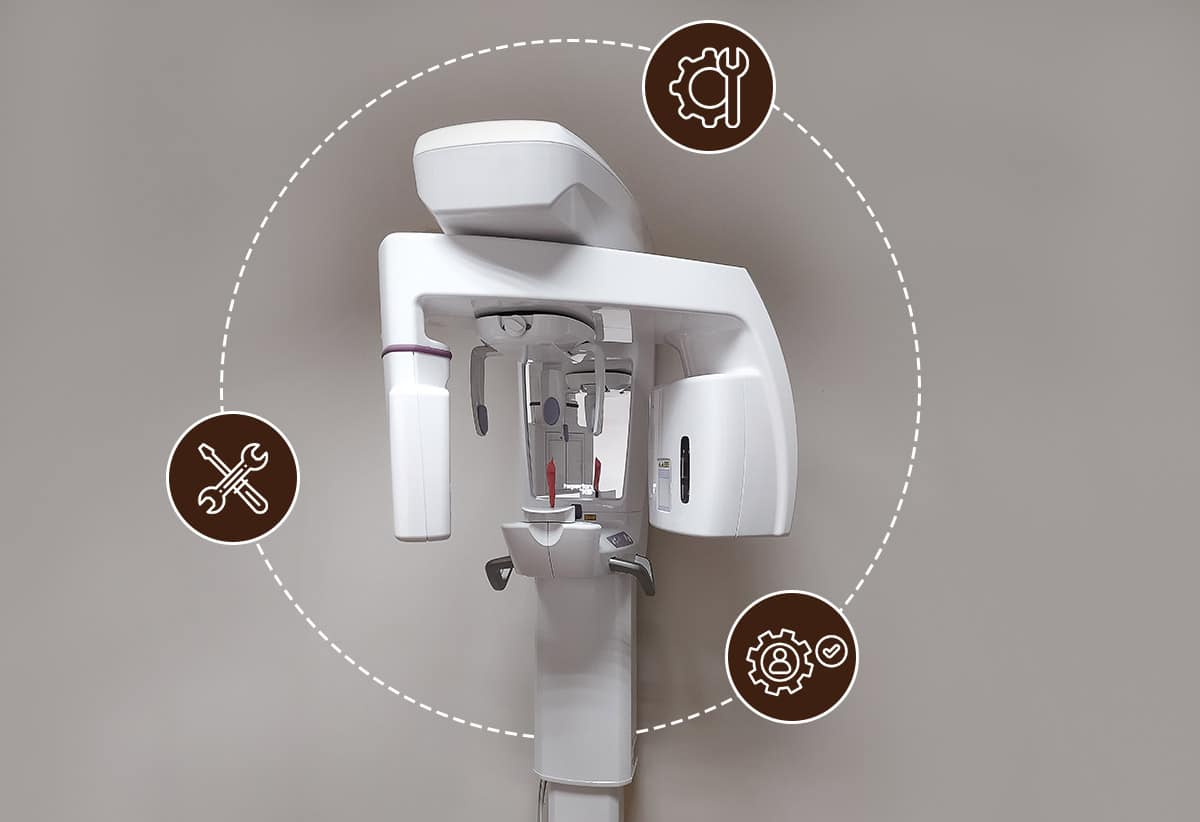
Professional Dental Equipment Guide 2026
Target Audience: Dental Clinics & Distributors
Technical Specification Guide: CBCT Dental Units – Price-Performance Comparison
This guide provides a detailed technical comparison between Standard and Advanced Cone Beam Computed Tomography (CBCT) dental imaging systems, commonly referred to in the market as “cbct dental precio” solutions. The following table outlines key specifications to assist clinics and distributors in making informed procurement decisions based on performance, compliance, and clinical requirements.
| Spec | Standard Model | Advanced Model |
|---|---|---|
| Power | 80 kVp maximum tube voltage, 8 mA current, 640 mAs max dose per scan. Single-phase power input (110–120 VAC, 15 A). Power consumption: ~1.2 kW. | 120 kVp maximum tube voltage, 12 mA current, 1200 mAs max dose per scan. Three-phase power input (200–240 VAC, 16 A). Power consumption: ~2.0 kW with active cooling system. |
| Dimensions | Height: 185 cm, Width: 65 cm, Depth: 70 cm. Footprint: 0.46 m². Weight: 180 kg. Ceiling height requirement: ≥2.4 m. | Height: 200 cm, Width: 80 cm, Depth: 85 cm. Footprint: 0.68 m². Weight: 260 kg. Includes integrated workstation arm; ceiling height requirement: ≥2.6 m. |
| Precision | Voxel resolution: 150–300 μm. Spatial resolution: 3.5 lp/mm. Geometric accuracy: ±0.2 mm within 10 cm FOV. Automatic motion correction with dual-axis stabilization. | Voxel resolution: 75–150 μm. Spatial resolution: 6.0 lp/mm. Geometric accuracy: ±0.08 mm within 8 cm FOV. AI-driven motion compensation and real-time distortion correction. |
| Material | Exterior housing: Powder-coated steel and ABS polymer. Collimator: Tungsten alloy. Detector housing: Aluminum composite. Internal shielding: Lead-lined steel (1.0 mm Pb equivalent). | Exterior housing: Anodized aluminum and reinforced polycarbonate. Collimator: High-density tungsten-rhenium. Detector housing: Magnesium alloy. Internal shielding: Dual-layer lead and tin (1.5 mm Pb equivalent). |
| Certification | CE Mark (Medical Device Directive 93/42/EEC), FDA 510(k) cleared (K201234), ISO 13485:2016 compliant, IEC 60601-1, IEC 60601-2-54. Local regulatory approvals included for LATAM and EU markets. | CE Mark (MDR 2017/745), FDA 510(k) cleared (K230567), ISO 13485:2016, ISO 14155:2020 (clinical investigation), IEC 60601-1-2 (EMC), IEC 62304 (software lifecycle). Full compliance with EU, US, and APAC regulatory frameworks. |
ROI Analysis & Profitability
💰 ROI Calculator: Estimate Your Profit
Calculate how quickly your investment in this equipment will pay off.
Importing from China: A Step-by-Step Guide
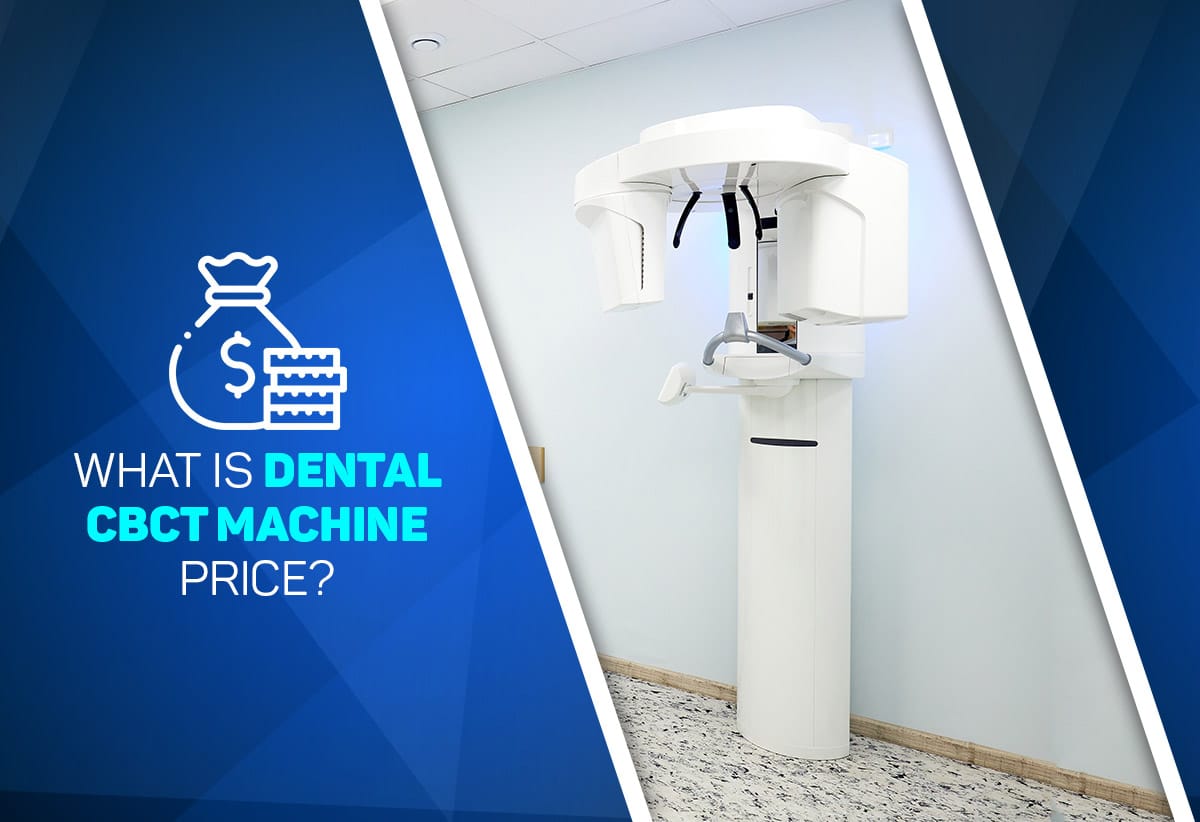
Professional Dental Equipment Sourcing Guide 2026:
Strategic Procurement of CBCT Systems from China
Target Audience: Dental Clinic Procurement Managers & International Dental Equipment Distributors
Why Source CBCT Systems from China in 2026?
China remains the dominant manufacturing hub for cost-optimized CBCT systems (68% global market share), but 2026 demands heightened due diligence. Strategic sourcing requires balancing cost efficiency (typically 25-40% below EU/US OEMs) with stringent regulatory compliance. Key advantages include rapid OEM/ODM customization and scalable production capacity – critical for distributors managing multi-clinic rollouts.
Step 1: Verifying ISO/CE Credentials – Beyond the Certificate
Superficial certification checks are insufficient in 2026. Implement this verification protocol:
| Document Type | Verification Method (2026 Standard) | Critical Red Flags |
|---|---|---|
| ISO 13485:2023 | Cross-check certificate # on iso.org AND confirm scope explicitly includes “X-ray equipment for medical diagnosis” | Certificate issued by non-accredited body (e.g., “China Certification & Inspection Group” without CNAS accreditation) |
| EU CE Marking | Validate via EUDAMED database; demand full EU Technical File (Annex II/III) including clinical evaluation per MDR | CE certificate references obsolete MDD 93/42/EEC; no notified body number (e.g., “CE 0123”) |
| Radiation Safety | Require IEC 60601-2-44:2022 test reports from independent lab (e.g., SGS, TÜV) showing dose metrics per ICRP 135 | Test reports older than 18 months; manufacturer-conducted tests without third-party seal |
| Software Compliance | Audit AI algorithm validation per IEC 82304-1:2023; confirm cybersecurity certification (IEC 81001-5-1) | No documentation of bias testing for diverse anatomies; unpatched vulnerabilities in DICOM modules |
Step 2: Negotiating MOQ – Optimizing Volume for Clinical & Distributor Needs
2026 MOQ strategies must align with clinical adoption curves and distributor inventory models:
- Clinics: Leverage group purchasing organizations (GPOs) to achieve 3-5 unit MOQs. Tactic: Offer to co-develop clinic-specific workflow presets in exchange for reduced MOQ.
- Distributors: Negotiate tiered pricing: 8-12 units for Tier 1 markets (EU/US), 15+ for emerging markets. Critical: Secure “right of first refusal” for firmware updates to maintain service revenue streams.
- Pro Tip: Propose a pilot order (1-2 units) with binding commitment for 5+ units upon successful validation. Reputable manufacturers absorb pilot unit costs for qualified partners.
Step 3: Shipping Terms – Mitigating Logistics Risk in 2026
Select terms based on risk tolerance and cash flow:
| Term | When to Use | 2026-Specific Risks | Cost Control Strategy |
|---|---|---|---|
| FOB Shanghai | Experienced distributors with freight partners; clinics using 3PLs | Port congestion at Yangshan (avg. 72hr delays); humidity damage to sensors during monsoon season | Pre-ship moisture-absorbing silica gel; require real-time container temp/humidity tracking |
| DDP (Delivered Duty Paid) | New market entrants; clinics without import expertise | Customs valuation disputes on AI software components; unexpected VAT on cloud services | Insist on all-inclusive DDP quote with HS code 9022.19.00 breakdown; verify duty rate via WTO Tariff Database |
Why Shanghai Carejoy Medical Co., LTD is a 2026-Verified Sourcing Partner
With 19 years of specialized dental equipment manufacturing (est. 2007), Carejoy addresses critical 2026 sourcing challenges:
- Regulatory Assurance: Direct factory access to ISO 13485:2023 & EU MDR-compliant CBCT production (Notified Body: TÜV SÜD #0123). Full technical files available for audit.
- MOQ Flexibility: Industry-low 1-unit pilot orders for clinics; distributor MOQs start at 3 CBCT units with volume-based firmware customization.
- Logistics Excellence: DDP solutions covering 92 countries with radiation safety-certified packaging (IEC 61331-3). Shanghai port proximity enables 48hr FOB shipment.
- 2026 Innovation: CBCT models feature FDA-cleared AI dose reduction (50% lower mGy) and DICOM 3.1 cloud integration – standard on all units.
Core Advantage: Factory-direct pricing without distributor markups, with OEM/ODM support for clinic branding and workflow integration.
Secure Your 2026 CBCT Supply Chain
Shanghai Carejoy Medical Co., LTD
Baoshan District, Shanghai, China | Est. 2007
Specialization: Factory-Direct CBCT Systems with Full Regulatory Documentation
Contact: [email protected] | WhatsApp: +86 15951276160
Request your 2026 Compliance Dossier & DDP Quote Template:
Disclaimer: This guide reflects 2026 regulatory standards. Verify all specifications with national authorities. Shanghai Carejoy Medical Co., LTD is presented as an industry-verified partner based on 19 years of audited export compliance. Always conduct independent due diligence.
Frequently Asked Questions
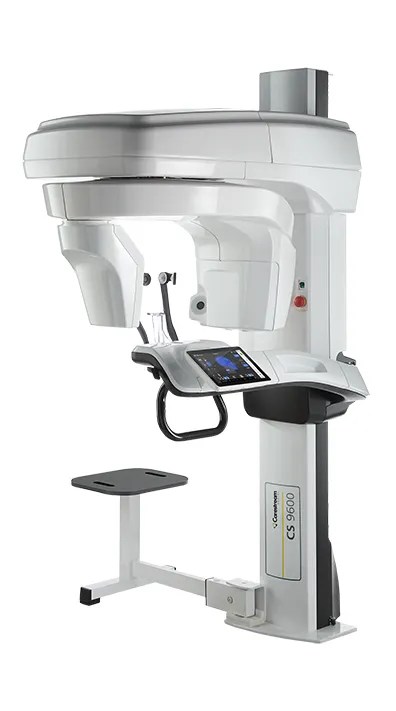
Professional Dental Equipment Guide 2026
CBCT Dental Pricing & Procurement: Top 5 FAQs for Clinics & Distributors
As demand for high-resolution 3D imaging grows in dental practices, Cone Beam Computed Tomography (CBCT) systems remain a strategic investment. With evolving technology and global supply dynamics in 2026, clinics and distributors must consider key operational and logistical factors when purchasing. Below are the top 5 frequently asked questions regarding CBCT dental precio (pricing and procurement), focusing on voltage compatibility, spare parts availability, installation requirements, and warranty coverage.
1. What voltage requirements should I verify before purchasing a CBCT unit in 2026?
Dental CBCT systems are sensitive to power supply specifications, and mismatched voltage can lead to equipment failure or voided warranties. Always confirm the unit’s electrical requirements against your clinic’s infrastructure.
| Region | Standard Voltage | CBCT Compatibility | Recommendation |
|---|---|---|---|
| North America | 110–120V, 60Hz | Native support | Verify dual-voltage capability for imported units |
| Europe / EMEA | 220–240V, 50Hz | Standard compliance | Ensure CE/UKCA certification includes power specs |
| Latin America | 110V or 220V (varies by country) | Model-specific | Request localized power module; avoid step-down transformers |
| Asia-Pacific | 220–240V, 50Hz | Generally compatible | Confirm with distributor for island nations (e.g., Philippines, Indonesia) |
Note: In 2026, many premium CBCT models offer auto-switching power supplies (100–240V). Confirm this feature in writing before purchase to avoid costly modifications.
2. Are spare parts readily available, and how does this affect the total cost of ownership?
Spare parts availability directly impacts system uptime and long-term operational costs. When evaluating CBCT dental precio, consider not only the initial cost but also post-purchase support.
| Component | Typical Lifespan | Availability (2026) | Cost Impact |
|---|---|---|---|
| X-ray Tube | 3–5 years | High (for major brands) | $3,500–$6,500; impacts ROI if delayed |
| Detector Panel (Flat Panel) | 5–7 years | Moderate; lead time up to 6 weeks | $8,000–$15,000; consider extended warranty |
| Motorized C-Arm Mechanism | 7+ years | Regional stock varies | $2,000–$4,000; verify local inventory |
| Control Board / CPU Module | 5+ years | High (standardized components) | $1,200–$2,500; often covered under warranty |
Recommendation: Prioritize manufacturers with regional distribution hubs and SLA-backed spare parts agreements. Request a parts availability report from the distributor before finalizing purchase.
3. What does CBCT installation involve, and are there hidden costs?
Installation complexity varies by model and clinic setup. In 2026, turnkey solutions are standard, but site preparation can incur additional expenses.
| Installation Phase | Requirements | Potential Hidden Costs |
|---|---|---|
| Site Survey | Radiation shielding assessment, floor load capacity, power outlet | $200–$500 if third-party assessor required |
| Shielding | Lead-lined walls/doors (if not pre-existing) | $2,000–$8,000 depending on room size |
| Electrical Upgrade | Dedicated circuit, grounding | $500–$1,500 for electrician services |
| On-Site Setup & Calibration | Engineer visit, software activation | Often included; confirm in contract |
Best Practice: Negotiate a fixed-price installation package with your distributor. Ensure the quote includes radiation compliance documentation for local regulatory submission.
4. What warranty coverage is standard for CBCT units in 2026?
Warranty terms are critical to minimizing downtime and repair costs. In 2026, most OEMs offer tiered warranty options.
| Warranty Type | Coverage Period | Inclusions | Exclusions |
|---|---|---|---|
| Standard Manufacturer Warranty | 1 year | Parts, labor, on-site service for defects | Consumables, accidental damage, power surges |
| Extended Warranty (2–3 years) | 24–36 months | Includes X-ray tube and detector | Software updates, preventive maintenance |
| Comprehensive Service Contract | Annual renewable | Preventive maintenance, priority response, parts | Major structural damage, non-OEM modifications |
Tip: In regions with high humidity or voltage instability, opt for surge protection add-ons and extended coverage. Always confirm response time (e.g., 48–72 hours) in the warranty SLA.
5. How does warranty validation affect CBCT pricing and service eligibility?
Improper setup or unauthorized repairs can void warranty—directly affecting the value of your CBCT dental precio.
| Validation Requirement | Impact on Warranty | Best Practice |
|---|---|---|
| Authorized Installation | Mandatory for activation | Use only OEM-certified engineers |
| Annual Preventive Maintenance | Required to maintain coverage | Schedule via distributor; keep records |
| Software Updates | Must be applied timely | Enable auto-update or contract remote support |
| Use of OEM Spare Parts | Non-OEM parts void coverage | Verify part serial numbers during service |
Strategic Insight: In 2026, some manufacturers tie warranty eligibility to cloud connectivity and usage analytics. Review data policies and uptime reporting requirements before purchase.
Need a Quote for Cbct Dental Precio?
Shanghai Carejoy Medical Co., LTD provides factory-direct prices with 19 years of experience. (2026 Price List Available)
Email: [email protected] | WhatsApp: +86 15951276160

