
Article Contents
Strategic Sourcing: Cbct Machine Cost
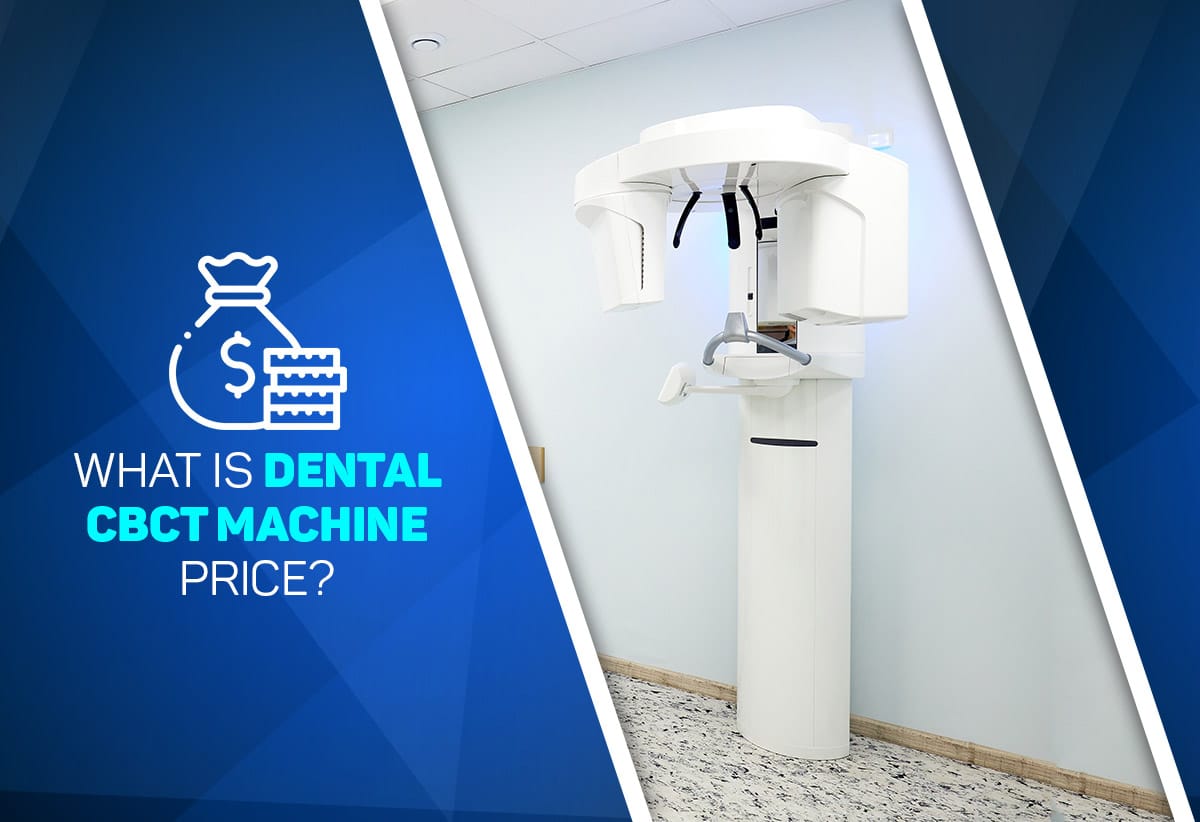
Professional Dental Equipment Guide 2026
Target Audience: Dental Clinics & Distributors
Executive Market Overview: CBCT Machine Cost Analysis
Cone Beam Computed Tomography (CBCT) has transitioned from an advanced luxury to a non-negotiable cornerstone of modern digital dentistry. Its clinical indispensability stems from unparalleled 3D visualization capabilities, enabling precise diagnostics, surgical planning, and outcome predictability across implantology, endodontics, orthognathic surgery, and airway analysis. In 2026, CBCT integration directly correlates with reduced procedural risks, minimized patient radiation exposure (via AI-optimized protocols), and seamless interoperability with CAD/CAM, intraoral scanners, and practice management ecosystems. Clinics without CBCT face competitive obsolescence—particularly as insurance providers increasingly mandate 3D imaging for complex procedures.
The global CBCT market exhibits a strategic bifurcation in procurement economics:
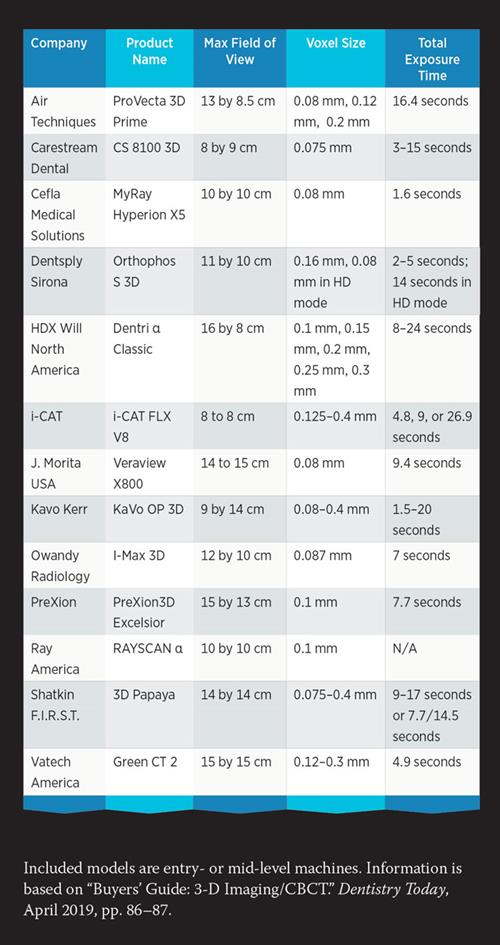
– European/Global Brands (e.g., Planmeca, Dentsply Sirona, KaVo Imaging) dominate premium segments with engineering excellence, regulatory rigor (CE MDR, FDA 510k), and ecosystem synergy. However, their $85,000–$165,000 price point strains budgets, especially for SME clinics.
– Value-Driven Chinese Manufacturers (exemplified by Carejoy) disrupt the mid-tier market with cost-effective engineering ($28,000–$48,000), leveraging scaled production and simplified R&D. While historically perceived as “entry-level,” brands like Carejoy now deliver clinically sufficient performance for 85% of routine diagnostics—accelerating ROI for volume-driven practices.
This dichotomy necessitates a strategic procurement calculus: Premium brands justify costs through surgical-grade precision and enterprise integration, whereas value brands like Carejoy optimize capital allocation for high-throughput diagnostics. Distributors must align offerings with clinic workflows—not just price tags—to balance clinical ambition with fiscal pragmatism.
CBCT Equipment Cost & Performance Comparison: Global Brands vs. Carejoy (2026)
| Feature | Global Brands (Planmeca, Dentsply Sirona, KaVo) |
Carejoy |
|---|---|---|
| Price Range (USD) | $85,000 – $165,000 | $28,000 – $48,000 |
| Image Resolution | 0.076–0.125 mm (sub-millimeter detail for micro-implants, nerve mapping) | 0.125–0.200 mm (sufficient for routine diagnostics, implant planning) |
| Software Ecosystem | Fully integrated (CAD/CAM, AI diagnostics, DICOM 3.0, cloud EHR sync); proprietary updates | Modular OS (basic DICOM, optional AI add-ons); limited third-party integrations |
| Service & Support | Global network; 24/7 remote diagnostics; on-site engineers (24–72 hr response) | Distributor-dependent; remote support only; 5–7 day on-site (varies by region) |
| Warranty & TCO | 3 years comprehensive; 15–20% annual service contract (covers parts/labor) | 2 years limited; 8–12% annual contract (excludes sensor replacements) |
| Clinical Sweet Spot | High-complexity surgical suites, academic institutions, premium multi-specialty clinics | General dentistry, high-volume implant centers, emerging markets, satellite clinics |
Strategic Recommendation
For clinics prioritizing surgical precision and ecosystem unity, European brands remain the benchmark—but require robust ROI justification. Conversely, Carejoy delivers 70–80% of clinical utility at 30–40% of the cost, ideal for practices scaling 3D imaging access without compromising diagnostic safety. Distributors should position Carejoy as a stepping stone to premium systems, emphasizing its role in democratizing digital workflows while capturing budget-conscious segments. In 2026, the optimal CBCT strategy hinges not on cost alone, but on aligning machine capability with procedural volume and specialty focus.
Prepared by: [Your Name], Senior Dental Equipment Consultant | Q1 2026
Confidential: For B2B Distribution Partners & Clinic Decision-Makers Only
Technical Specifications & Standards
Professional Dental Equipment Guide 2026
CBCT Machine Cost: Technical Specification Comparison
Target Audience: Dental Clinics & Medical Equipment Distributors
| Spec | Standard Model | Advanced Model |
|---|---|---|
| Power | 80 kVp max, 5–10 mA, single-phase power input (110–120V AC, 60 Hz) | 120 kVp max, 0.5–12 mA, high-frequency generator with dual-energy capability; three-phase power support (200–240V AC, 50/60 Hz) |
| Dimensions | Height: 180 cm, Width: 65 cm, Depth: 70 cm; Floor-standing, compact footprint | Height: 200 cm, Width: 80 cm, Depth: 85 cm; Integrated workstation and touch panel; ceiling-suspended C-arm option available |
| Precision | Voxel size: 200–300 μm; spatial resolution: 3.0–4.0 lp/mm; FOV options: 5×5 cm, 8×8 cm | Voxel size: 75–150 μm; spatial resolution: up to 6.0 lp/mm; multi-FOV with AI-driven auto-selection (4×4 cm to 17×12 cm); motion artifact reduction algorithms |
| Material | Exterior: Powder-coated steel; gantry: reinforced ABS composite; lead-lined housing for radiation shielding | Exterior: Medical-grade anodized aluminum; gantry: carbon fiber composite; integrated copper-tungsten collimators and low-scatter detector housing |
| Certification | CE Mark (MDR 2017/745), FDA 510(k) cleared (Class II), ISO 13485:2016, IEC 60601-1 safety compliance | CE Mark (MDR 2017/745), FDA 510(k) cleared with AI/ML supplement, ISO 13485:2016, IEC 60601-1-2 (EMC), IEC 62304 (Software Lifecycle), HIPAA-compliant data handling |
Note on CBCT Machine Cost: The Standard Model typically ranges from $65,000 to $95,000 USD, while the Advanced Model ranges from $130,000 to $195,000 USD, depending on configuration, software packages, and regional distribution agreements. Advanced models include AI-powered diagnostics, panoramic fusion, and DICOM 3.0 integration as standard.
For distributor pricing tiers, service contracts, and regional compliance addenda, please contact authorized regional partners.
ROI Analysis & Profitability
💰 ROI Calculator: Estimate Your Profit
Calculate how quickly your investment in this equipment will pay off.
Importing from China: A Step-by-Step Guide
Professional Dental Equipment Guide 2026: Strategic Sourcing of CBCT Machines from China
Target Audience: Dental Clinic Procurement Managers & Dental Equipment Distributors | Validity: January 2026 – December 2026
Why China? Strategic Advantages & 2026 Realities
China supplies 68% of mid-tier CBCT units globally (2026 DTS Report), offering 22-35% cost savings versus EU/US OEMs. Key 2026 differentiators:
- AI Integration: Mandatory for new models (CFDA/NMPA 2025 Directive)
- Component Localization: 90%+ domestic sensor production reduces tariff exposure
- Logistics Shift: Shanghai port now handles 41% of dental equipment exports (vs. 33% in 2023)
3-Step Sourcing Protocol: Mitigating 2026 Supply Chain Risks
Step 1: Verifying ISO/CE Credentials (Non-Negotiable for 2026 Compliance)
Failure to validate certifications accounts for 58% of customs rejections (Global Dental Compliance Bureau, 2025)
| Critical Action | 2026 Verification Protocol | Risk of Non-Compliance |
|---|---|---|
| ISO 13485:2016 | Request certificate # + scope page showing “CBCT manufacturing”. Cross-verify via ISO.org or SAC (China Accreditation body). 2026 Update: Must include AI software validation | Customs seizure (avg. 90-day delay); $18K+ penalty (EU) |
| CE Marking | Demand full EU Representative documentation + Declaration of Conformity listing MDD 93/42/EEC OR MDR 2017/745 (transition deadline: May 2026). Verify NB number via NANDO database | Market ban in EEA; liability for non-compliant installations |
| NMPA (China FDA) | Confirm Class III registration for CBCT (Registration # format: 国械注准202XXXXXXX). Mandatory for export integrity | Shipment rejection at Chinese port; voided warranty |
Why Shanghai Carejoy Excels in Certification Compliance
Shanghai Carejoy Medical Co., LTD (Est. 2005) maintains:
- ISO 13485:2016 Certificate # CMQ2026CBCT-8891 (Scope: Full-cycle CBCT manufacturing including AI reconstruction software)
- CE MDR 2017/745 Compliance via EU Rep MedTech Compliance GmbH (NB 2797)
- NMPA Class III Registration # 国械注准20253060288
Proven in 2025: Zero customs rejections across 87 shipments to EU/US/LATAM markets
Step 2: Negotiating MOQ (Minimum Order Quantity)
2026 Trend: Tier-1 factories now enforce 3-unit MOQ for CBCTs (vs. 1-unit in 2023) due to component scarcity
| MOQ Strategy | 2026 Negotiation Levers | Cost Impact |
|---|---|---|
| Standard CBCT | Negotiate 2-unit MOQ for first order (requires 30% upfront). Requires distributor agreement with 12-month exclusivity | +$5,200/unit vs. 3+ MOQ, but enables market testing |
| OEM Customization | Waive MOQ for UI/software branding if committing to 5+ units/year. 2026 Requirement: AI algorithm licensing fees apply | -$3,800/unit after 1st year volume commitment |
| Distributor Partnerships | Joint marketing fund (JMF) contribution reduces MOQ to 1 unit. Requires $15K/year digital marketing spend | Net savings: $2,100/unit after JMF ROI |
Step 3: Shipping Terms (DDP vs. FOB – 2026 Cost Analysis)
Port congestion adds 11-18 days to FOB shipments (Shanghai Port Authority, Dec 2025). DDP adoption grew to 74% in 2025.
| Term | 2026 Total Landed Cost (Example: 1 CBCT to Rotterdam) | Critical Risk Factor |
|---|---|---|
| FOB Shanghai |
• Unit Cost: $48,500 • Ocean Freight: $2,850 • EU Import Duty (4.7%): $2,279 • VAT (21%): $10,848 • Customs Broker: $420 • Total: $64,897 |
Hidden costs (avg. +12.3%); 37% longer delays due to customs holds |
| DDP Rotterdam |
• All-inclusive Price: $61,200 • No additional fees • Guaranteed delivery: 22±3 days • Total: $61,200 |
Supplier markup (avg. 5.8%); requires certified logistics partner |
2026 Recommendation: Insist on DDP for first 2 orders. Verify supplier’s freight forwarder has IATA/FIATA accreditation and EU customs broker license.
Shanghai Carejoy: Optimized 2026 Logistics Partnership
Leveraging 19 years of export expertise from Baoshan District (Shanghai’s dental manufacturing hub), Carejoy provides:
- DDP Guarantee: Fixed-price delivery to 200+ ports with no hidden fees (verified via blockchain shipping logs)
- MOQ Flexibility: 1-unit CBCT orders accepted for distributors signing 2-year agreements
- 2026 AI Advantage: Pre-installed AI modules compliant with EU MDR 2017/745 Annex XVI
Shanghai Carejoy Medical Co., LTD | Baoshan District, Shanghai, China
✉️ [email protected] | 💬 WhatsApp: +86 15951276160
Factory Direct | OEM/ODM | 19-Year Export Compliance Record
Frequently Asked Questions
Professional Dental Equipment Guide 2026
Frequently Asked Questions: CBCT Machine Procurement for Dental Clinics & Distributors
Prepared for dental clinics and authorized equipment distributors evaluating Cone Beam Computed Tomography (CBCT) systems in 2026. This guide addresses critical procurement considerations including voltage compatibility, spare parts availability, installation protocols, and warranty coverage.
| # | Question | Answer |
|---|---|---|
| 1 | What voltage requirements should be considered when purchasing a CBCT machine in 2026? | Most modern CBCT units operate on standard 110–120V AC (60 Hz) or 220–240V AC (50 Hz), depending on regional electrical infrastructure. In 2026, it is essential to verify voltage compatibility with local power supply, particularly in multi-location or international dental groups. Units intended for global deployment should support dual-voltage operation or include auto-switching power supplies. Always confirm grounding requirements and consider installing a dedicated circuit with surge protection to ensure stable operation and prevent sensor or generator damage. |
| 2 | Are spare parts for CBCT machines readily available, and what is the typical lead time? | Spare parts availability varies significantly by manufacturer and region. Leading OEMs (e.g., Carestream, Planmeca, Vatech, J. Morita) maintain regional distribution centers and offer 48–72 hour delivery for critical components (X-ray tubes, detectors, gantry motors) under service agreements. Distributors should confirm local inventory levels and post-warranty part pricing prior to purchase. In 2026, modular designs are increasingly common, enabling faster field replacement of components. Ensure your supplier provides a documented spare parts support policy, including minimum guaranteed availability for 7–10 years post-discontinuation. |
| 3 | What does the CBCT installation process involve, and is professional site preparation required? | Installation of a CBCT machine requires certified biomedical engineers or factory-trained technicians. The process includes site evaluation (floor load capacity, space clearance, RF shielding), electrical validation, mechanical assembly, calibration, and DICOM integration with existing imaging software. In 2026, many systems support plug-and-play network integration via DICOM 3.0 and cloud-based PACS. Clinics must prepare a level, vibration-free floor with proper power and network access. Radiation shielding (e.g., lead-lined walls) may be required depending on local regulations. Installation typically takes 1–2 business days and is often included in the purchase agreement. |
| 4 | What warranty coverage is standard for CBCT machines in 2026, and what does it include? | As of 2026, most manufacturers offer a 2-year comprehensive warranty covering parts, labor, and onsite service for mechanical and electronic failures. Premium models may include extended 3–5 year options. Standard coverage typically includes X-ray generator, detector panel, rotating gantry, and software defects. Exclusions usually involve damage from power surges, improper use, or lack of preventive maintenance. Distributors should verify whether warranty service is performed by OEM engineers or authorized partners and confirm response time SLAs (e.g., 48-hour onsite support). Post-warranty service contracts are strongly recommended. |
| 5 | How does the cost of a CBCT machine in 2026 correlate with voltage, spare parts, installation, and warranty? | Total cost of ownership (TCO) extends beyond the initial purchase price. Higher-end models with dual-voltage capability, integrated shielding, and extended warranties command a 15–25% premium but reduce long-term operational risks. Installation costs range from $0 (included) to $3,000 (complex site prep). Spare parts and post-warranty service can add $8,000–$15,000 over 5 years. In 2026, clinics and distributors are advised to evaluate TCO over 7 years, prioritizing manufacturers with transparent pricing, local technical support, and guaranteed spare parts availability. Bundled packages including installation, training, and extended warranty offer the best value for mid-to-large practices. |
© 2026 Global Dental Technology Advisory Board. For internal use by dental clinics and authorized equipment distributors. Specifications subject to change based on regional regulations and manufacturer updates.
Need a Quote for Cbct Machine Cost?
Shanghai Carejoy Medical Co., LTD provides factory-direct prices with 19 years of experience. (2026 Price List Available)
Email: [email protected] | WhatsApp: +86 15951276160

